




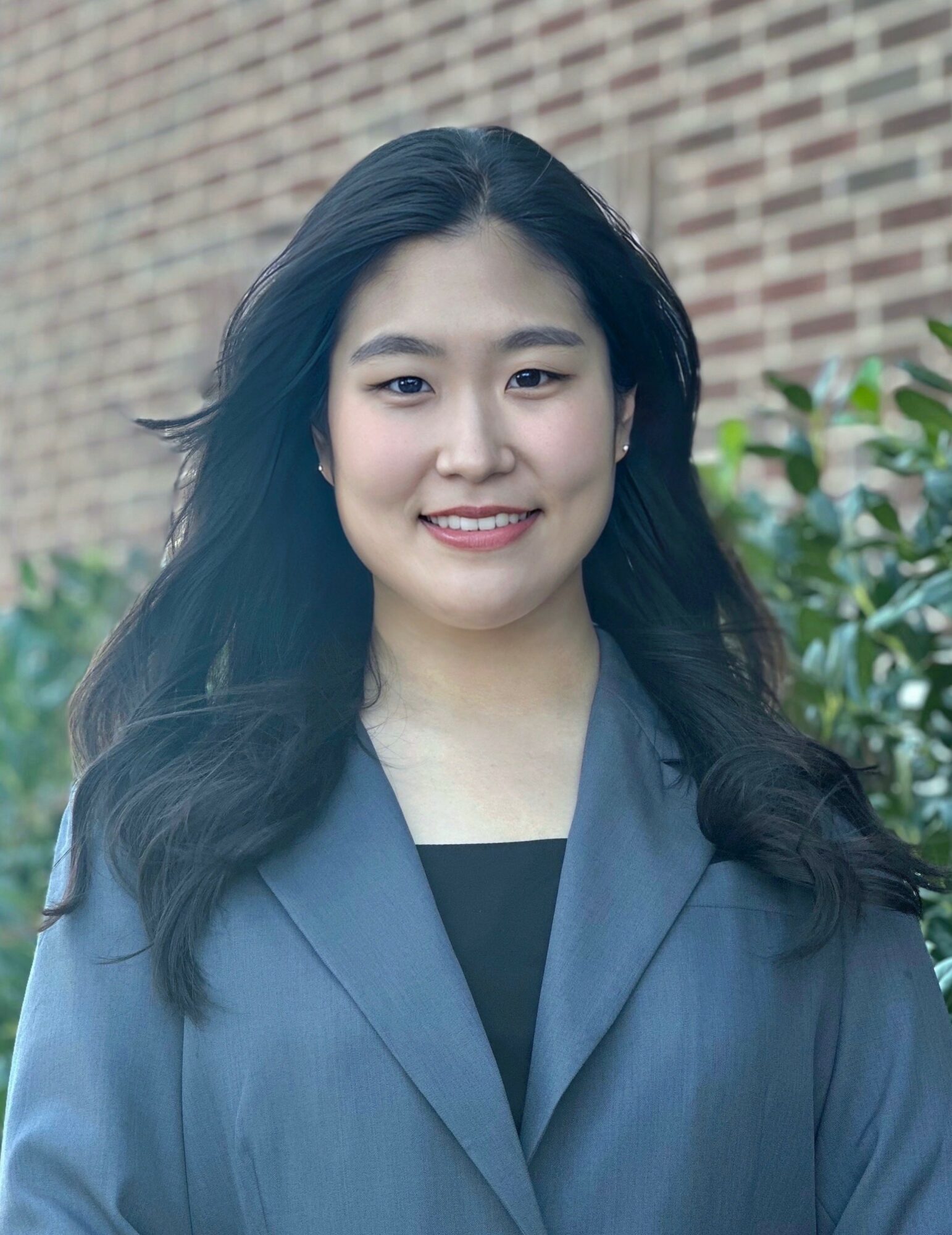
Today we’d like to introduce you to Daeun Kim.
Hi Daeun, we’d love for you to start by introducing yourself.
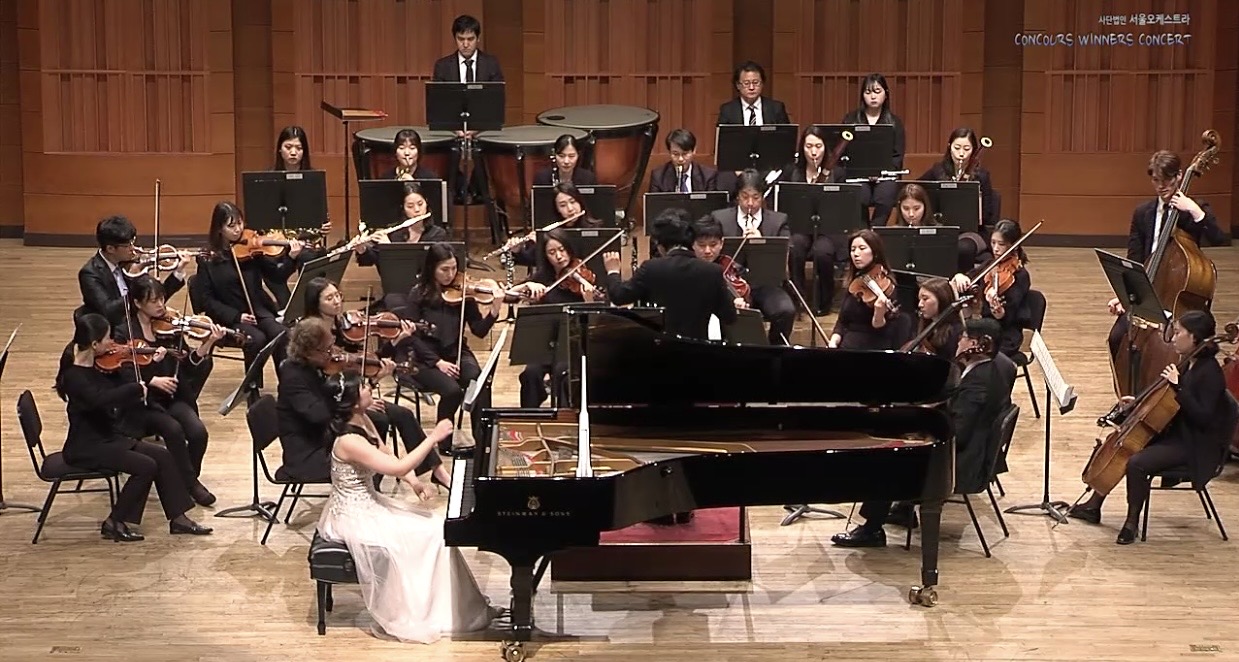
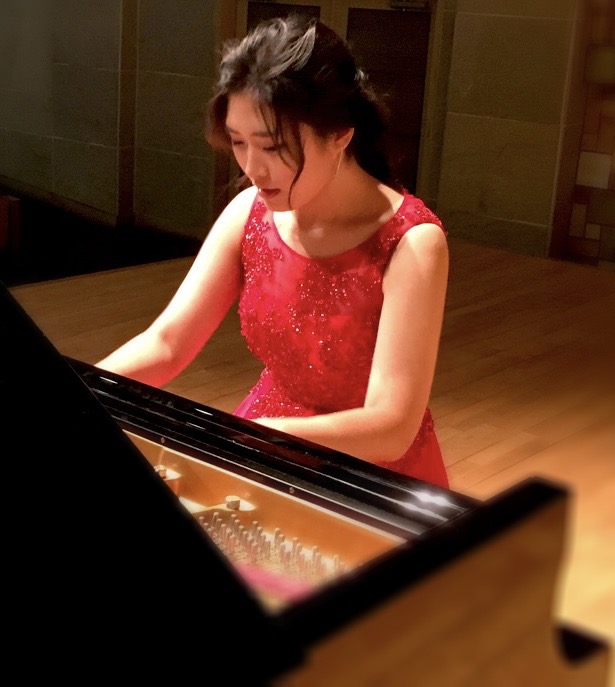
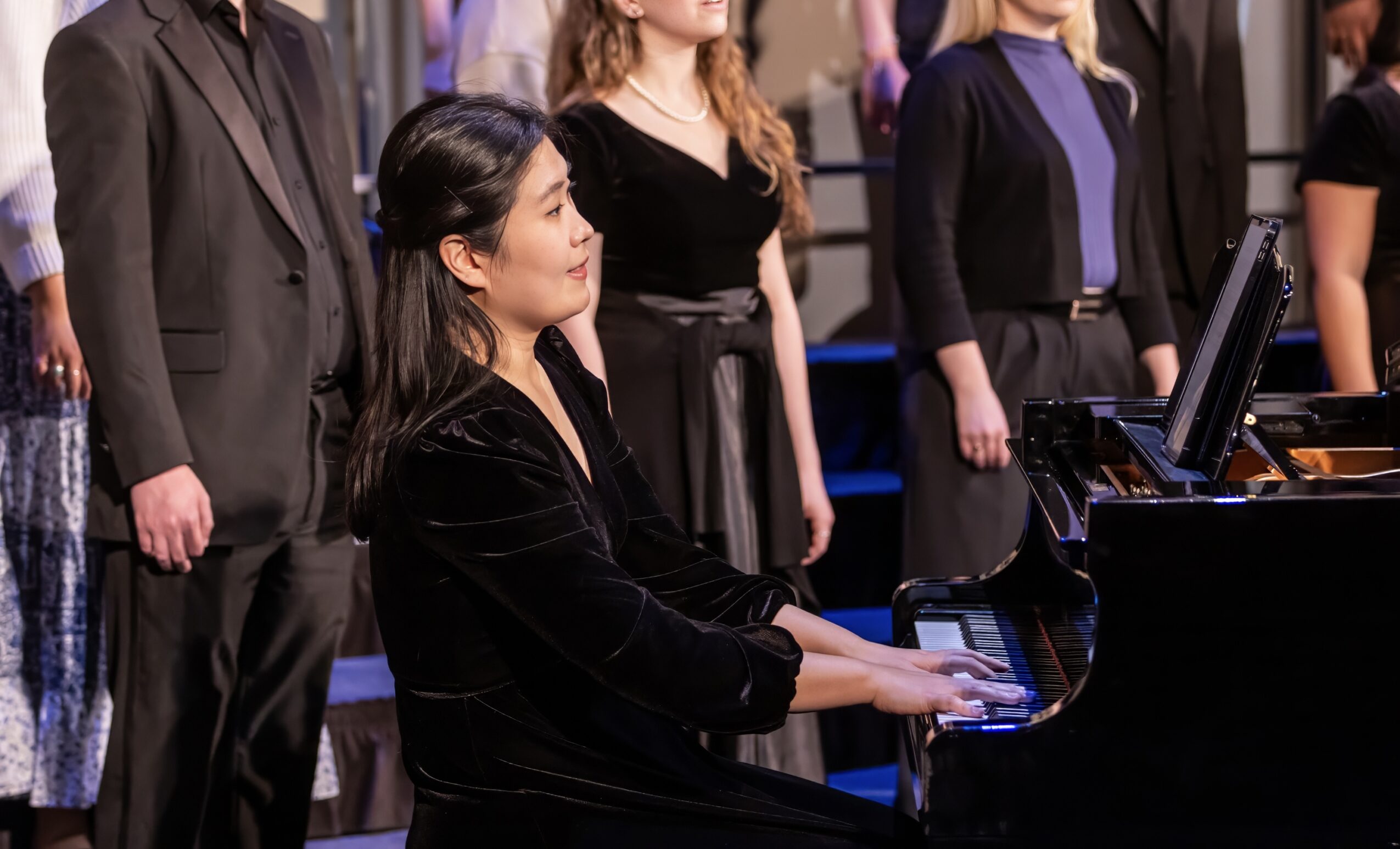
I began my musical training as a pianist at a young age, and for a long time my focus was centered almost entirely on performance. Like many musicians, I was trained to aim for technical mastery and musical consistency, spending years refining my craft through traditional performance settings.
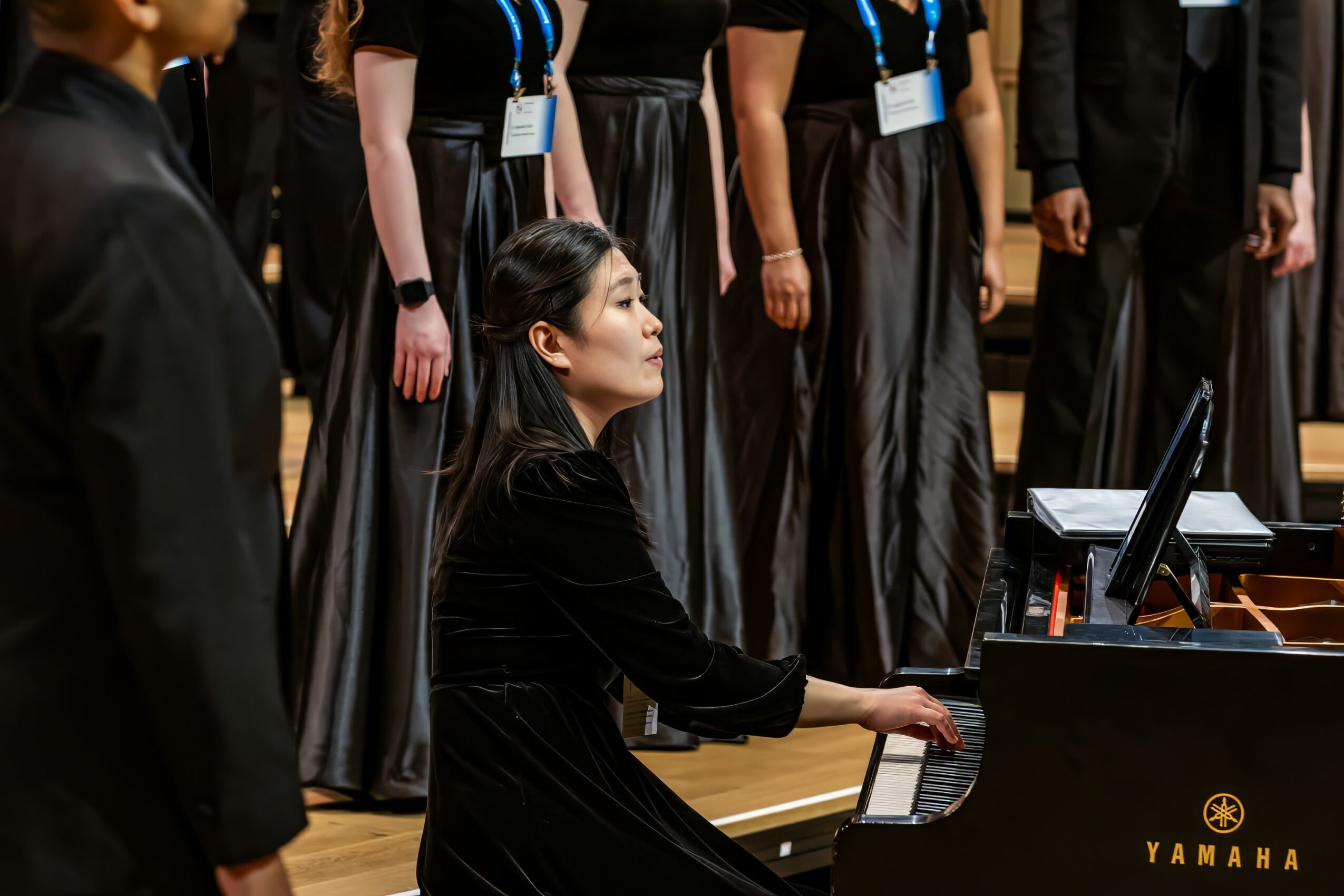
A turning point came when I began working in collaborative and educational performance environments in the United States, particularly through projects with organizations such as the American Choral Directors Association and National Concerts. In these settings, I was not only performing but actively shaping rehearsals and musical decisions. I also began collaborating with Orpheus Chamber Singers, a professional choral ensemble based in North Texas, which allowed me to work across a wide spectrum of choral contexts—from student ensembles to professional-level performances. Working closely with singers from diverse backgrounds led me to recognize that musical excellence does not come from uniformity, but from understanding and amplifying individual strengths within a shared musical goal.
This realization gradually reshaped how I approached both performance and teaching. I began to see repertoire, interpretation, and technique not as fixed ideals, but as flexible tools that respond to the individual musician. Today, I work as a pianist and Visiting Professor of Piano at Tarleton State University, where I continue to develop this approach by moving between performance, research, and teaching. One of my current projects is a recital on March 20 at Kawai Hall in Plano, Texas, created for students preparing for U.S. undergraduate piano auditions, which reflects my belief that strong musical identities are built through thoughtful, individualized artistic choices.
Alright, so let’s dig a little deeper into the story – has it been an easy path overall and if not, what were the challenges you’ve had to overcome?
It has not been a completely smooth road. One of the main challenges I encountered was realizing that many of the musical solutions I had developed through years of practice were intuitive and physical, but not yet clearly articulated. While I could feel how something worked at the piano, translating those experiences into clear musical decisions—or explaining them to students—required a different level of reflection.
As I became more involved in teaching and research, I began to actively examine and test my own assumptions at the instrument. Studying pedagogy and analytical approaches gave me multiple ways to address technical and musical challenges when I reached a limitation, rather than relying on a single habitual solution. Applying these ideas directly to my own practice helped me refine not only my playing, but also how I communicate musical thinking.
This process directly informed the structure of my upcoming recital (the March 20th recital). The program and format were designed to make these decision-making processes visible—showing how repertoire can be shaped through individualized artistic choices rather than fixed expectations. In that sense, the recital is not just a performance, but a response to the challenges that reshaped how I work as a pianist.
Appreciate you sharing that. What else should we know about what you do?
I began my training primarily as a solo pianist, but a significant shift occurred during my doctoral studies at the University of North Texas, when I started working as a choral accompanying assistant. This role placed me in rehearsal and performance environments where musical decisions were shaped collectively rather than individually, and it fundamentally changed how I understood music-making.
Through this work, I became increasingly involved in large-scale choral and collaborative projects, including performances with the American Choral Directors Association and National Concerts. These collaborations led to opportunities such as the world premiere of The Wilderness of You by Dr. Ramsey at Carnegie Hall, as well as work with professional ensembles such as Orpheus Chamber Singers. Rather than isolated experiences, these projects collectively shaped how I listen, respond, and lead as a musician.
Working extensively in choral and collaborative settings reshaped my artistic perspective. I came to understand that strong musical results do not come from uniformity, but from recognizing and amplifying individual strengths within an ensemble. This idea of diversity became central to how I think about performance, interpretation, and musical leadership.
I now apply this perspective directly to my work as a pianist and as a Visiting Professor of Piano at Tarleton State University. In both performance and teaching, I approach repertoire as something that responds to the performer’s strengths and musical identity. This approach is reflected most clearly in my upcoming recital on March 20 at Kawai Hall in Plano, Texas, which brings together performance and explanation to demonstrate how individualized artistic choices shape musical outcomes.
Is there a quality that you most attribute to your success?
The quality that has been most important to my success is careful listening. As a performer, collaborator, and educator, being able to listen deeply—to the music, to other musicians, and to the situation at hand—allows me to make clear, flexible artistic decisions rather than relying on fixed habits.
This ability to listen and adapt has shaped how I perform, collaborate, and teach, and it continues to guide how I approach new repertoire and projects.
Contact Info:
- Website: https://daeunkimpiano.wixsite.com/my-site-1
- Instagram: https://www.instagram.com/iamdaeun__/
- Facebook: https://www.facebook.com/ekdmsgkfn
- LinkedIn: https://www.linkedin.com/in/daeun-kim-64a823338/
- Youtube: https://www.youtube.com/@daeunkimpiano
Popular
-

JordanL on ‘Breathe,’ Belief, and Building a Movement Beyond the Music
-

Megan Birney Rudert on How Access to Light Is Powering a More Sustainable and Equitable Future
-

Linda Kneidinger on Building Lasting Change Through Small Steps and Self-Compassion
-

Jolana Nika on Redefining Modern Connection Through Intentional, Real-Life Experiences
-

What did suffering teach you that success never could?
-

Who saw you clearly before you could see yourself?


