




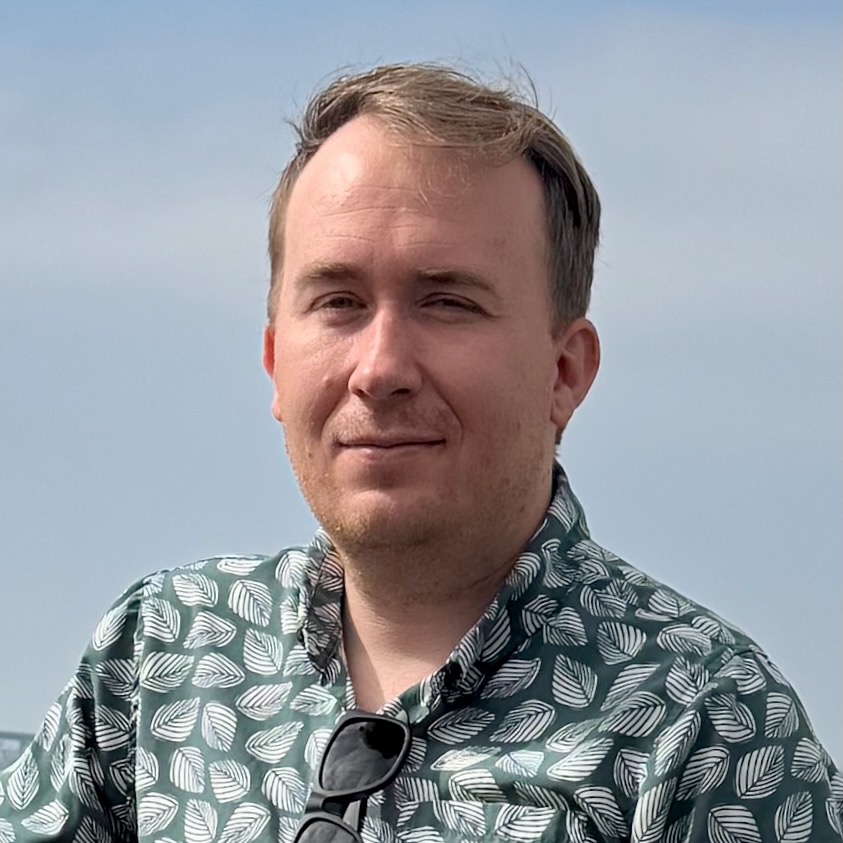
Today we’d like to introduce you to Brandon PT Davis.
Alright, so thank you so much for sharing your story and insight with our readers. To kick things off, can you tell us a bit about how you got started?
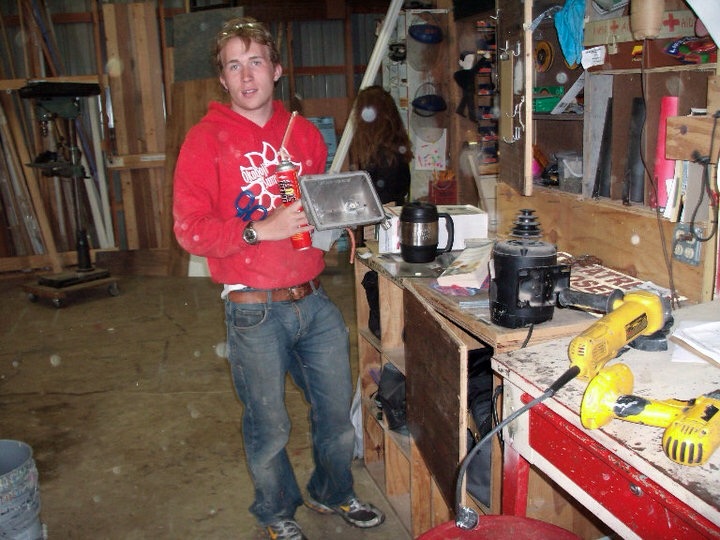
I grew up in a college town—Columbia, Missouri—which gave me early exposure to the arts and a strong sense of creative community. I attended Stephens College on an apprenticeship scholarship, where I was able to immerse myself in hands-on production work while learning the fundamentals of scenic design. After graduating, I spent several years moving around and trying to find my footing professionally, working primarily in Kansas City and Chicago, with a brief stint in New York.
In 2016, I moved to California to work at The Great American Melodrama on the Central Coast. That experience was a turning point for me and ultimately led me to the University of California, Irvine, where I pursued my MFA in Scenic Design. Graduate school helped solidify my design voice and gave me the space to explore both traditional scenic design and emerging digital workflows.
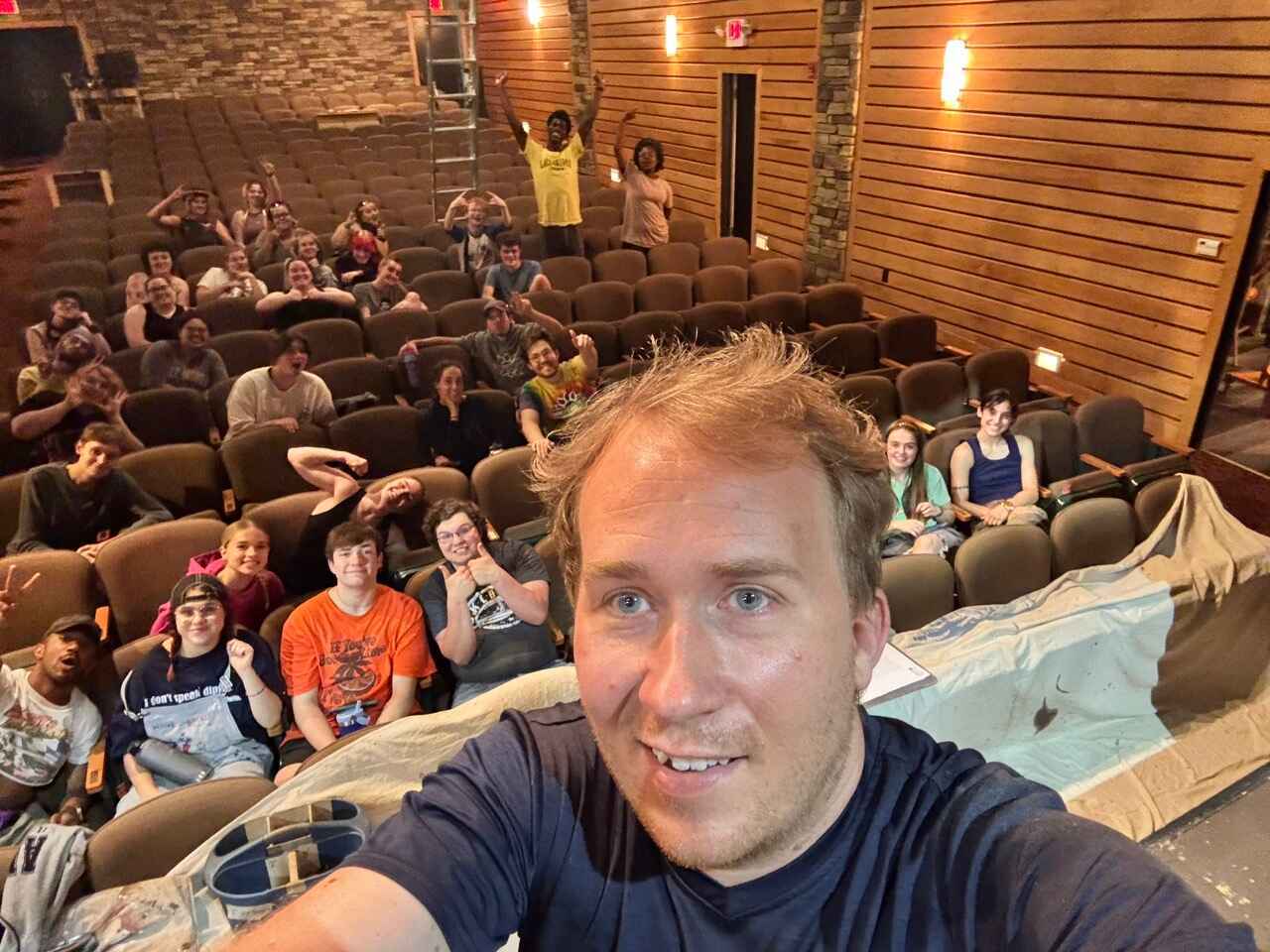
After graduating—and during the height of the pandemic—I relocated back to Chicago, where I later returned to Stephens College to teach. I spent three years there as a faculty member, which deeply shaped my perspective on collaboration, mentorship, and the evolving role of technology in design education.
In 2024, I moved back to Orange County, where I’m now based. Today, I work as a scenic designer and am a member of USA 829, while also serving as a Senior Experiential Designer at Adaptive Design Services. My career has taken a non-linear path, but each chapter—regional theatre, graduate study, teaching, and experiential design—has contributed to a practice that values storytelling, technical clarity, and adaptability across disciplines.
Alright, so let’s dig a little deeper into the story – has it been an easy path overall and if not, what were the challenges you’ve had to overcome?
I don’t think my path has been any less smooth than the next person’s. I’ve definitely had my share of very millennial problems along the way. The biggest challenge for me—especially early on—was having a lot of passion for the work but not always knowing how to let the right people know I was interested in collaborating.
That’s a skill I’m still working on, honestly. Learning how to advocate for yourself, start conversations, and put your work in front of others without feeling awkward or performative doesn’t come naturally to everyone. There are still days when I feel like I’m figuring that out in real time.
I’ve also learned that this career rarely moves in a straight line. There were moments when things felt unstable or uncertain, when I was juggling multiple jobs or wondering what the next project would be. I’m not working in a supermarket anymore, but the underlying uncertainty hasn’t fully disappeared—and maybe it never does. What I’ve come to trust, though, is that the next project tends to show up when it’s needed, even if it doesn’t look exactly like what I expected.
Thanks – so what else should our readers know about your work and what you’re currently focused on?
At the core, I’m a scenic designer. I design environments that support storytelling, whether that’s for theatre, live events, or experiential spaces. My background is firmly rooted in theatre, which means I’m always thinking about how people move through space, where attention is directed, and how design reinforces narrative rather than competing with it.
I specialize in scenic design and spatial visualization, with a strong emphasis on clarity—both conceptually and technically. I’m known for clean, intentional design work that balances strong visual ideas with buildable solutions. A large part of my practice involves 3D modeling, rendering, and digital workflows, which I use as communication tools to help collaborators and directors engage with the design early and meaningfully.
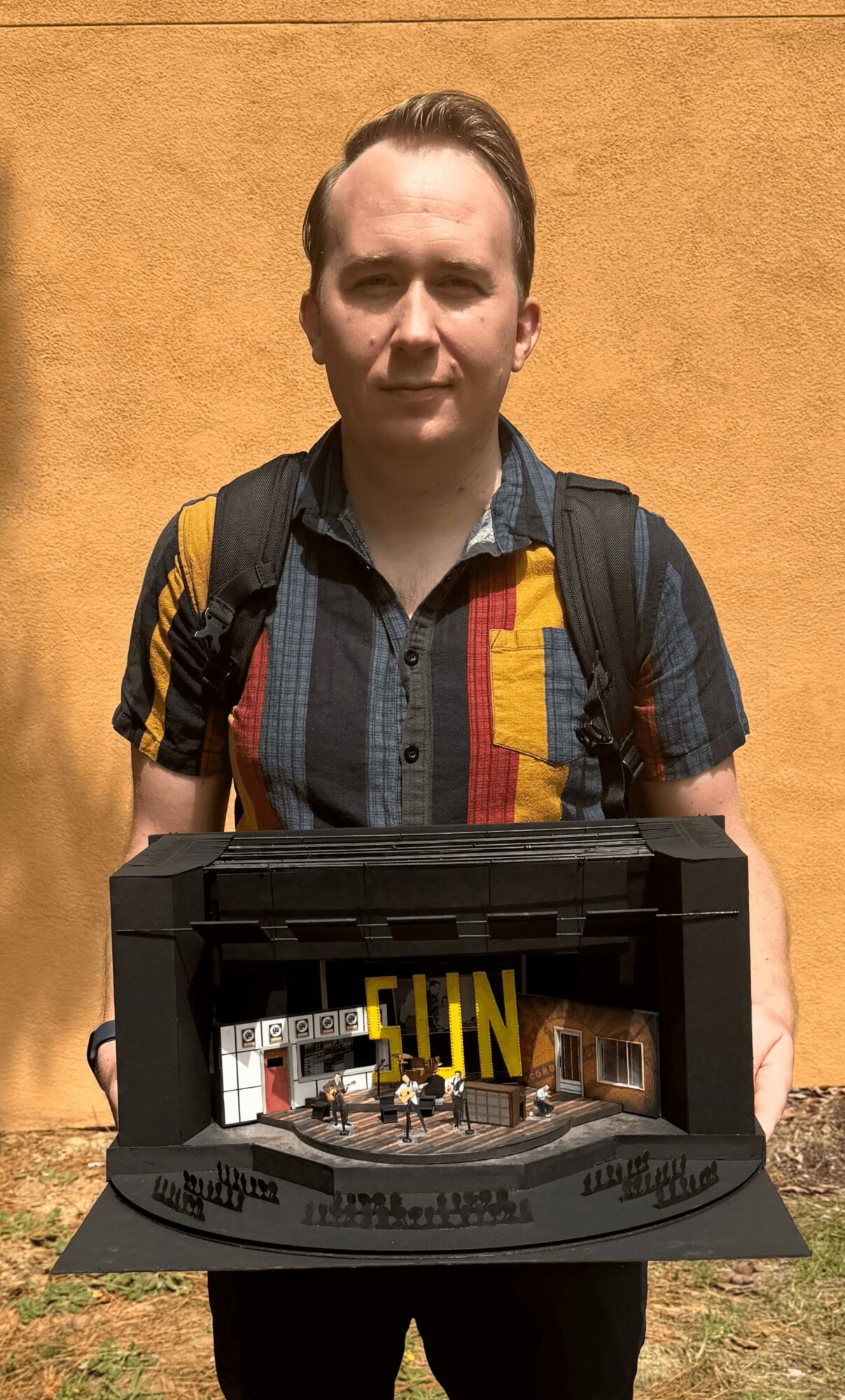
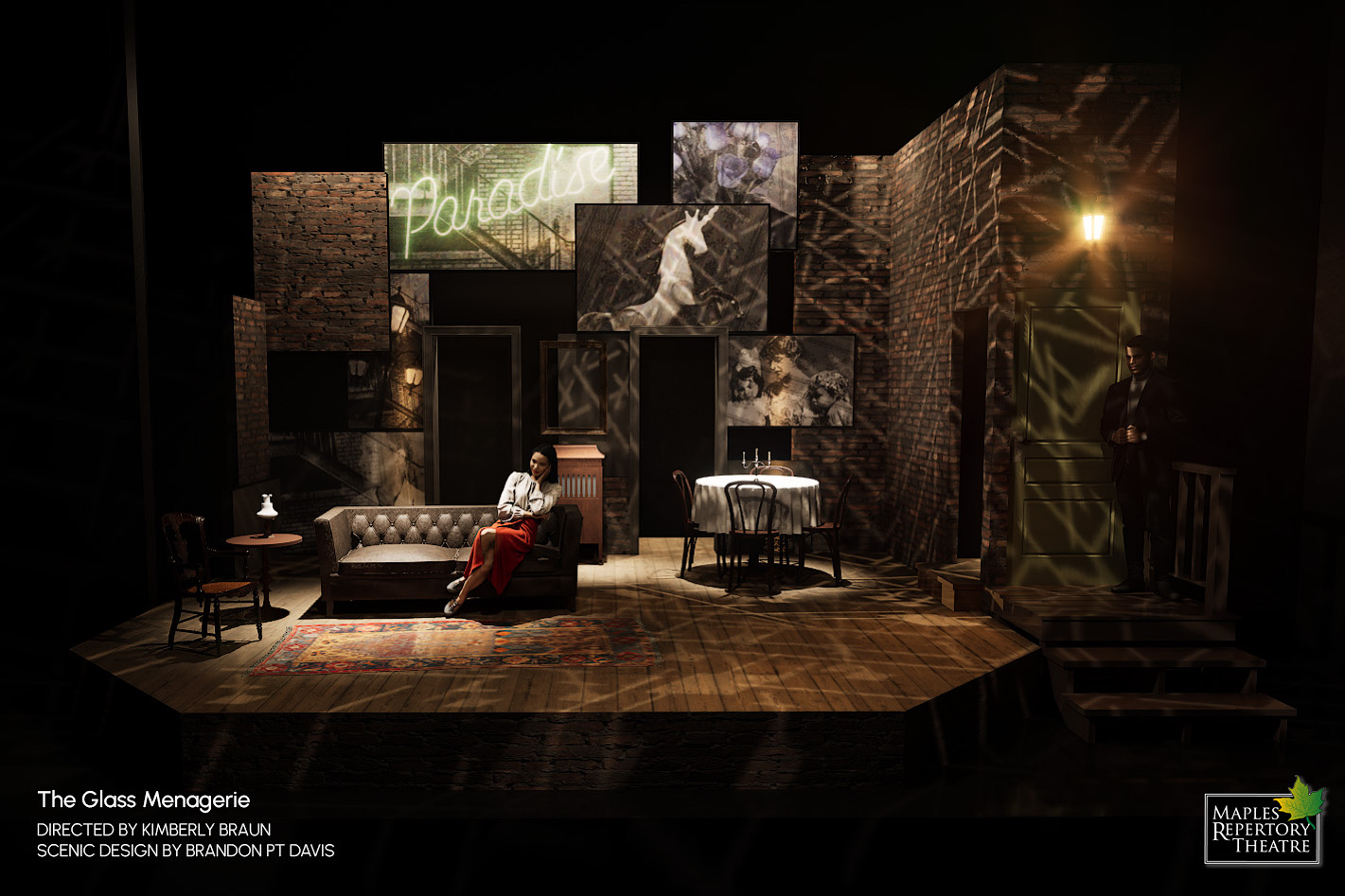
Recently, I co-designed Million Dollar Quartet at South Coast Repertory with Efren Delgadillo Jr., a collaboration that brought together theatrical storytelling and a strong sense of musical energy and place. I also designed The Glass Menagerie at Maples Repertory Theatre, a project that required restraint and sensitivity to memory, fragility, and emotional space. Another recent highlight was Romero at the University of Missouri—a script I deeply connected with—where the design supported a nonlinear, poetic structure and allowed symbolism to carry as much weight as realism.
I’ve also been working with the New Swan Shakespeare Festival in Irvine, both last year and this season, designing outdoor productions that require adaptability, clarity, and a strong relationship between performers, audience, and environment.
In addition to theatre, I work in experiential design, where I help translate narrative or brand ideas into physical environments. That crossover has shaped how I think about scale, audience experience, and logistics, and it’s pushed me to approach design from multiple perspectives.
What I’m most proud of is the adaptability of my work. I’ve built a practice that moves between regional theatre, education, and experiential design without losing the core values that drew me to scenic design in the first place. I’m also proud of the collaborative relationships I’ve built—especially long-term creative partnerships—and of staying curious about how technology can strengthen communication rather than replace the fundamentals of good design.
What sets me apart is that I sit comfortably between worlds. I understand traditional scenic design language, but I’m also fluent in digital workflows and experiential thinking. That combination allows me to move between concept, technical execution, and visualization in a way that helps teams work more efficiently and creatively.
We all have a different way of looking at and defining success. How do you define success?
I think about success a little like Pirates of the Caribbean: The Curse of the Black Pearl, when Captain Barbossa finally gets the gold back and becomes mortal again—he bites into the apple and realizes that reaching the thing he’s been chasing doesn’t suddenly make everything feel complete. I don’t mean that in a morose way, but it’s always stuck with me.
For me, success is a moving target. If it ever feels fully “achieved,” I think I’d get restless pretty quickly. What matters more is momentum—pushing the work to the next level, staying curious, and not getting too comfortable creatively.
I love working with new people, learning how different collaborators think, and letting those conversations shape the work. Success shows up when I’m challenged, when I’m excited about a project, and when I feel like I’m still growing rather than repeating myself. As long as I’m continuing to evolve and finding new ways to engage with the work and the people around it, I feel successful.
Contact Info:
- Website: https://www.brandonptdavis.com
- Instagram: https://www.instagram.com/brandonptdavis/
- LinkedIn: https://www.linkedin.com/in/brandonptdavis/
Popular
-

Portraits of the Valley
-

LA’s Most Inspiring Stories
-

Matthew Hill on Turning Holiday Rituals into Haunting, Habit-Forming Storytelling with Long Winter Nights
-

Linda Villines on Releasing Stored Struggle and Reclaiming Ease Through the Body
-

Candice Swanson on Honoring the Sacred Early Days of Motherhood Through Intentional Photography
-

Michael Johnson on Telling Untold Stories of Identity and Leadership Through SQUAD


