




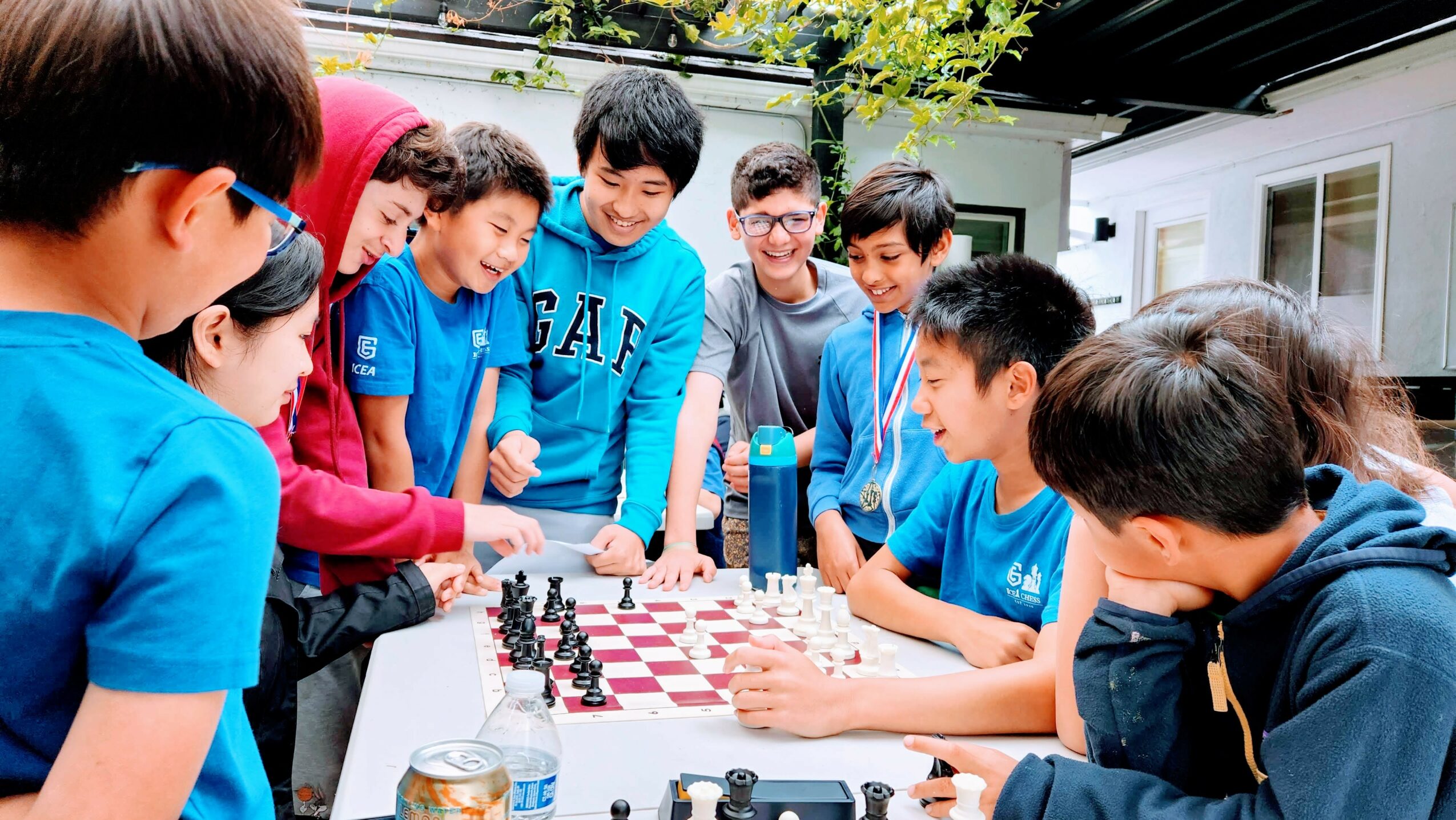
Today we’d like to introduce you to Felix Guo.
Hi Felix, it’s an honor to have you on the platform. Thanks for taking the time to share your story with us – to start maybe you can share some of your backstory with our readers?
I started learning chess when I was nine and began playing competitively at ten. When COVID hit, the chess community in Los Angeles disappeared. One of the chess clubs in LA, the LA Chess Club had lost its founder so there was a pretty big lack of tournaments happening. I started playing online but I really wanted to experience a real tournament in person.
Los Angeles didn’t offer many serious opportunities for young players to play chess. Because of this, my parents would drive me four to five hours to the San Diego Chess Club so I could play in strong tournaments. I was usually so exhausted that when we got home, my parents had to carry me from the car straight to bed.
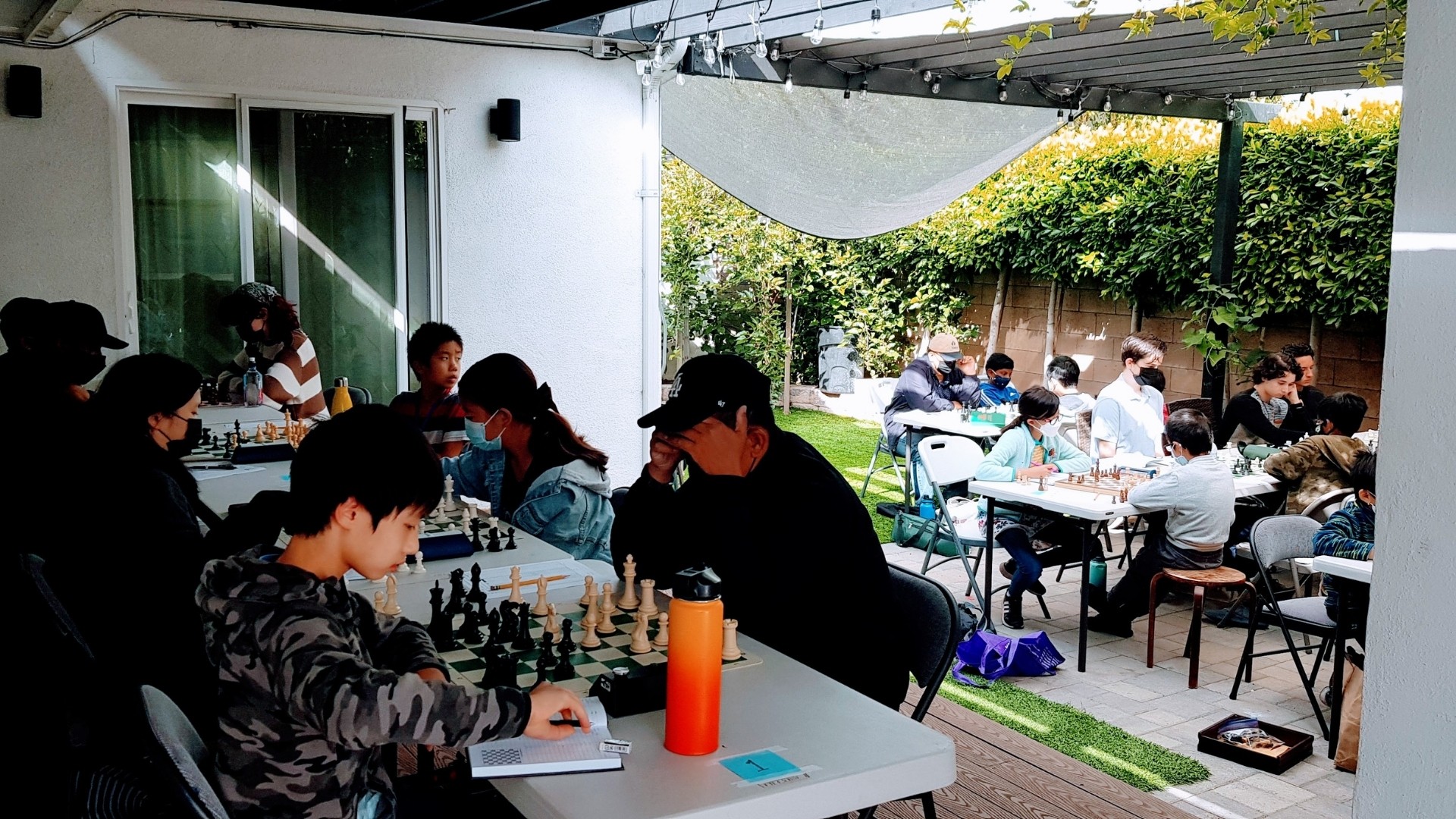
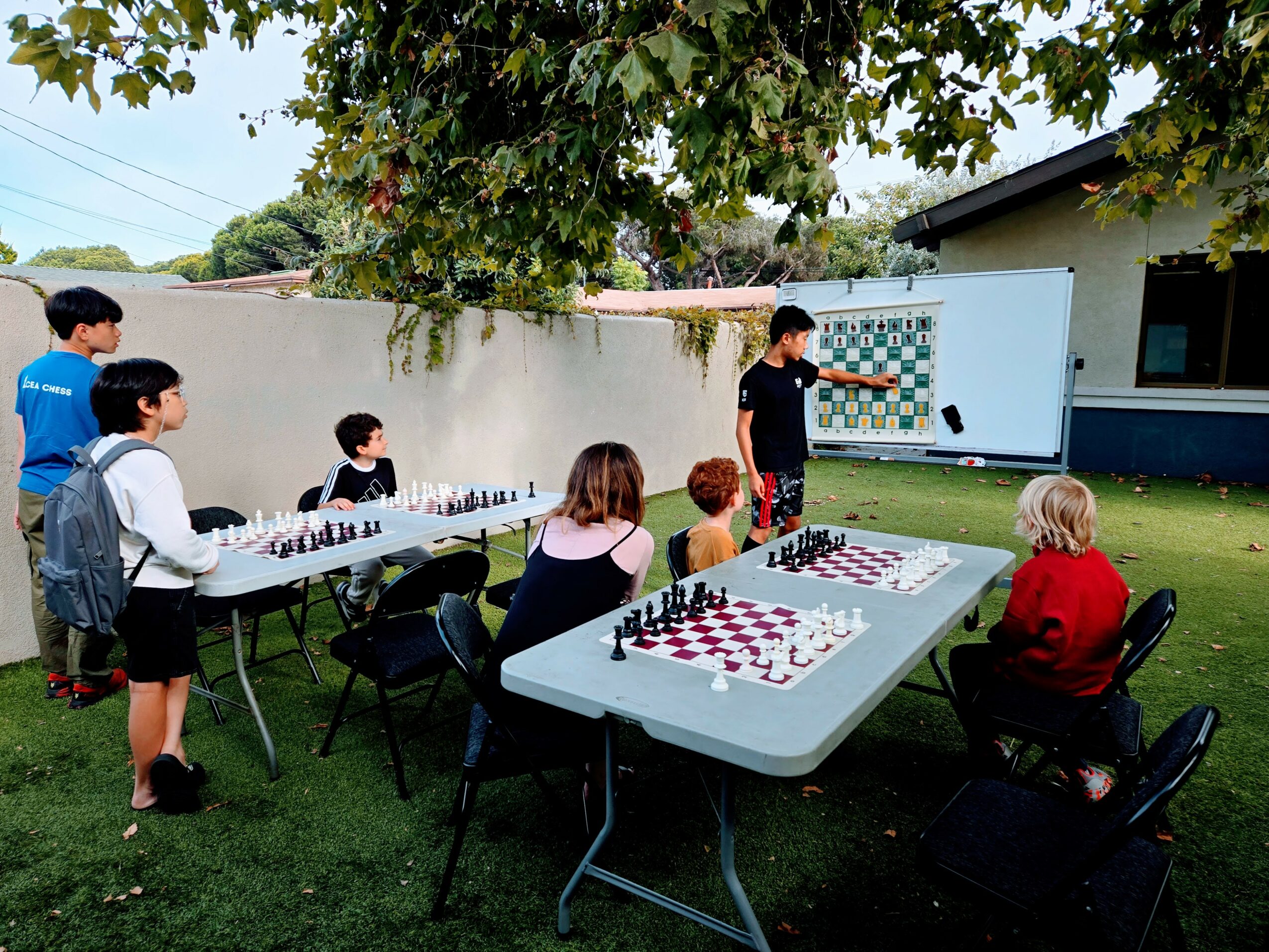
We decided that enough was enough and we needed to help the local community and ourselves when it comes to finding chess tournaments. We spent about $1,000 on tables and chairs, provided snacks and water, and welcomed anyone who wanted to play in our backyard. At first, it was just a few kids, but then more and more people showed up.
On my 11th birthday, during one of the tournaments hosted in our backyard, a mom I barely knew showed up with a birthday cake just for me. That was the moment I felt that I had finally found a community I belonged in.
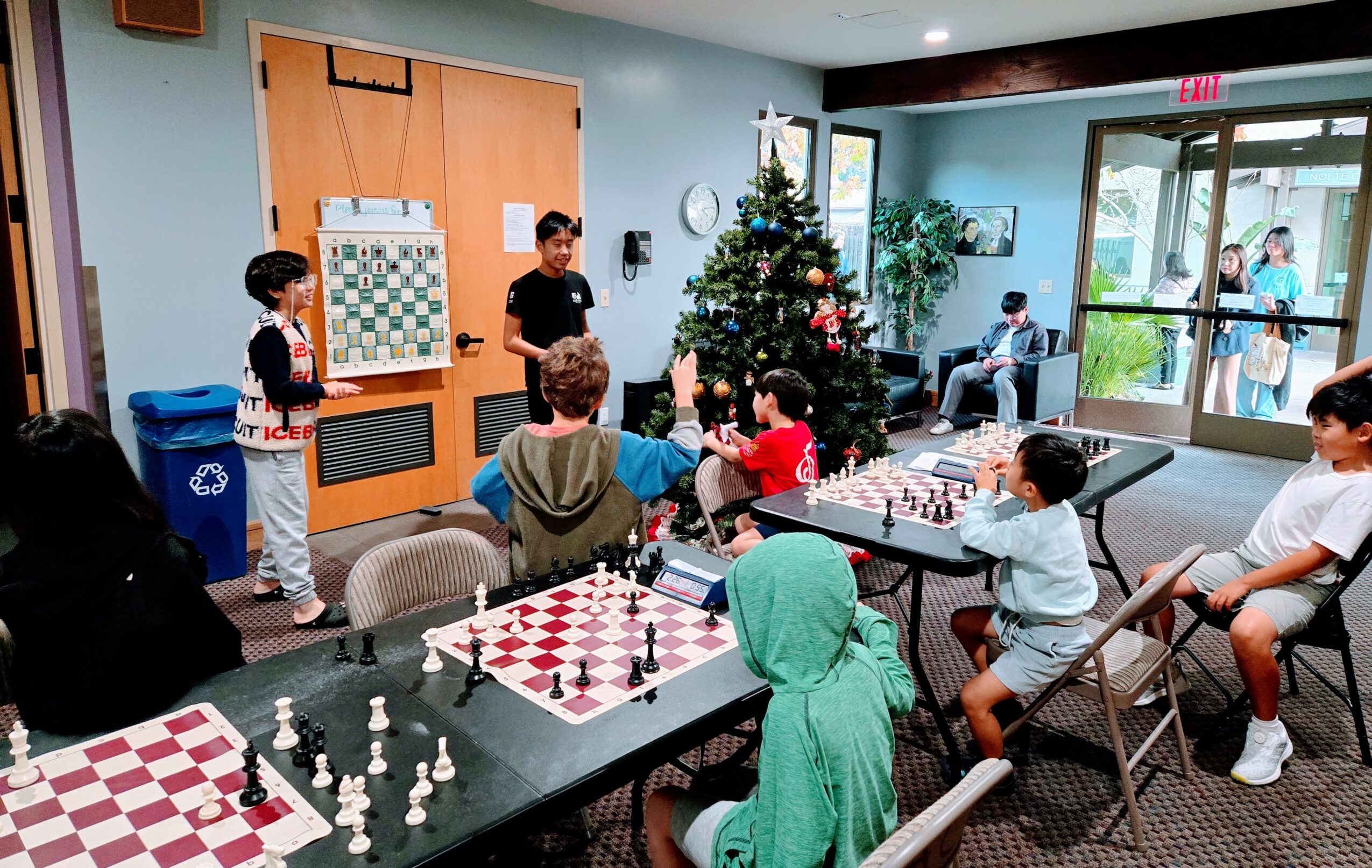
We faced many challenges with our venue, especially due to its outdoor setting. One night, when rain threatened to cancel a tournament, my family stayed up all night clearing out our garage so we could host the players and keep the event going. Eventually, a manager from the Wende Museum noticed what we were doing. Through an introduction from one of our chess parents, the museum offered us space to host tournaments for nearly a year. This marked the first time the Wende Museum opened its doors for a chess tournament.
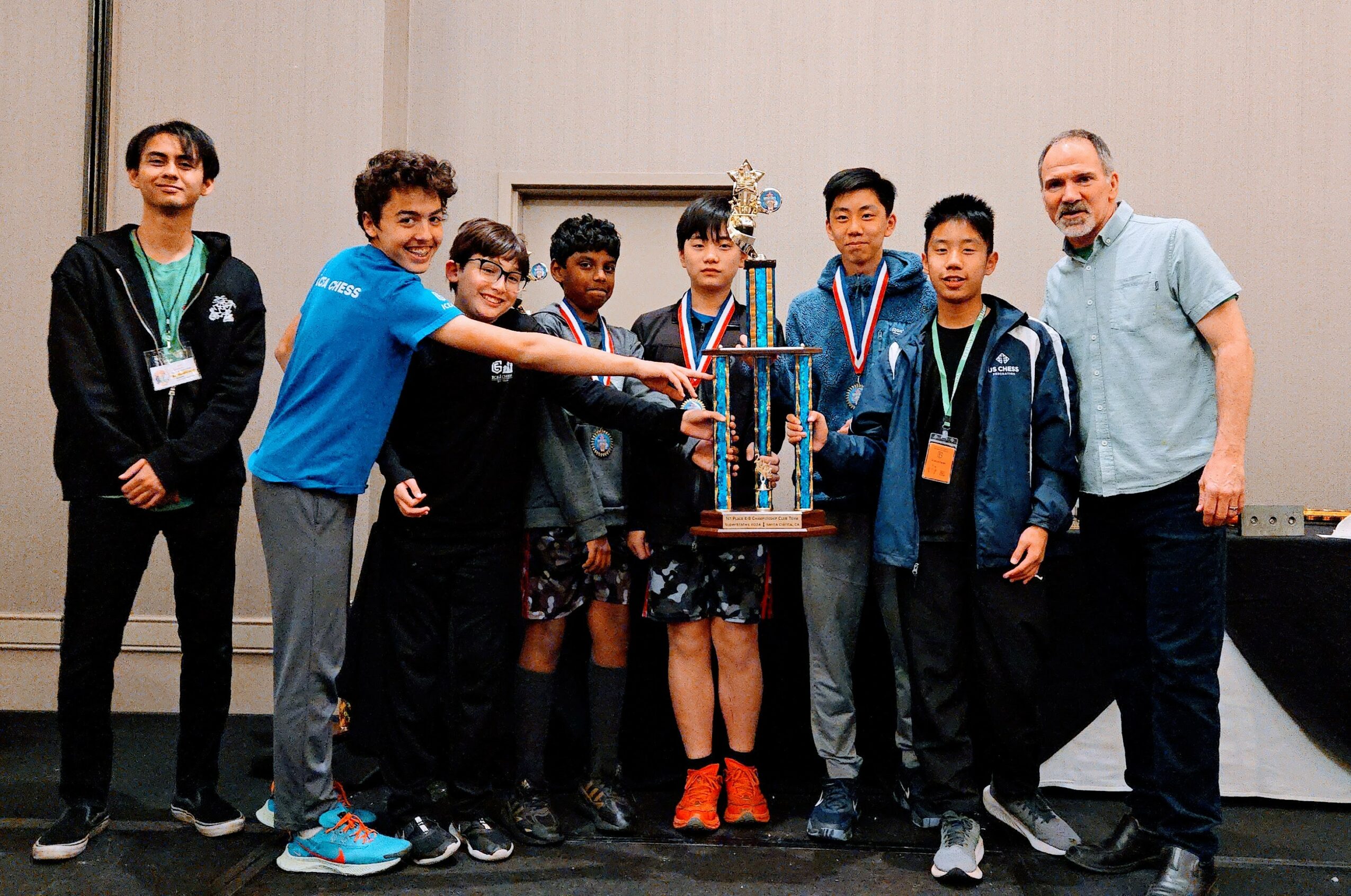
The biggest turning point came when I began hosting the SuperStates (https://SuperStates.org), which is one of Los Angeles’s largest chess events. In 2024, we co-hosted the tournament with Coach Jay, who had led SuperStates from 2011 to 2024. After that year, he passed the torch to us, and in 2025 we hosted the event independently for the first time.
In 2025, the SuperStates reached a record-breaking milestone of more than 1,000 players. It became a big chess event designed to welcome and inspire players of all levels.
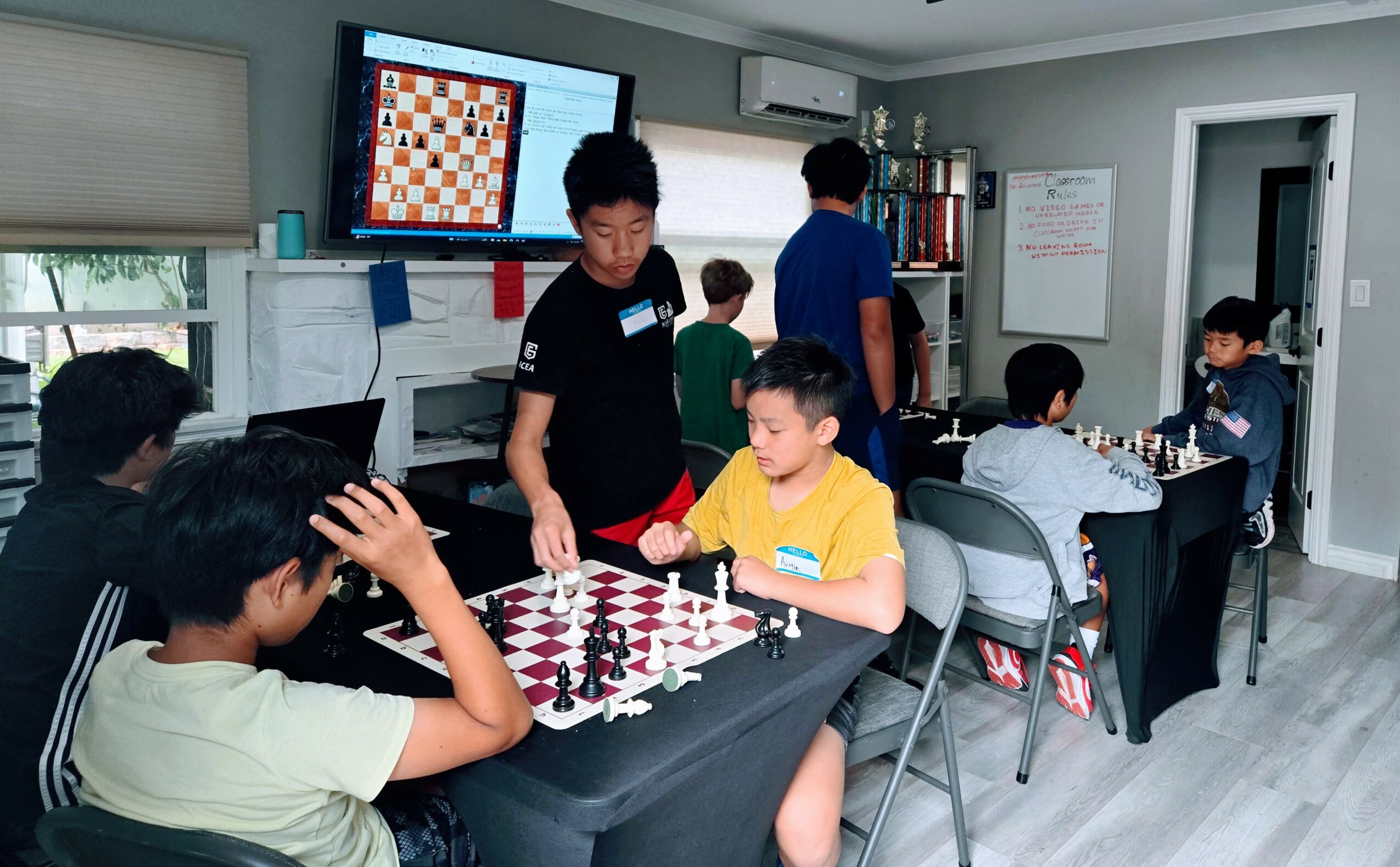
With the addition of more players, that resulted in a greater need for bigger venues which means needing some funding. Because of that, I began teaching chess wanting to share my learning experience with the next generation and be able to support ICEA Chess.
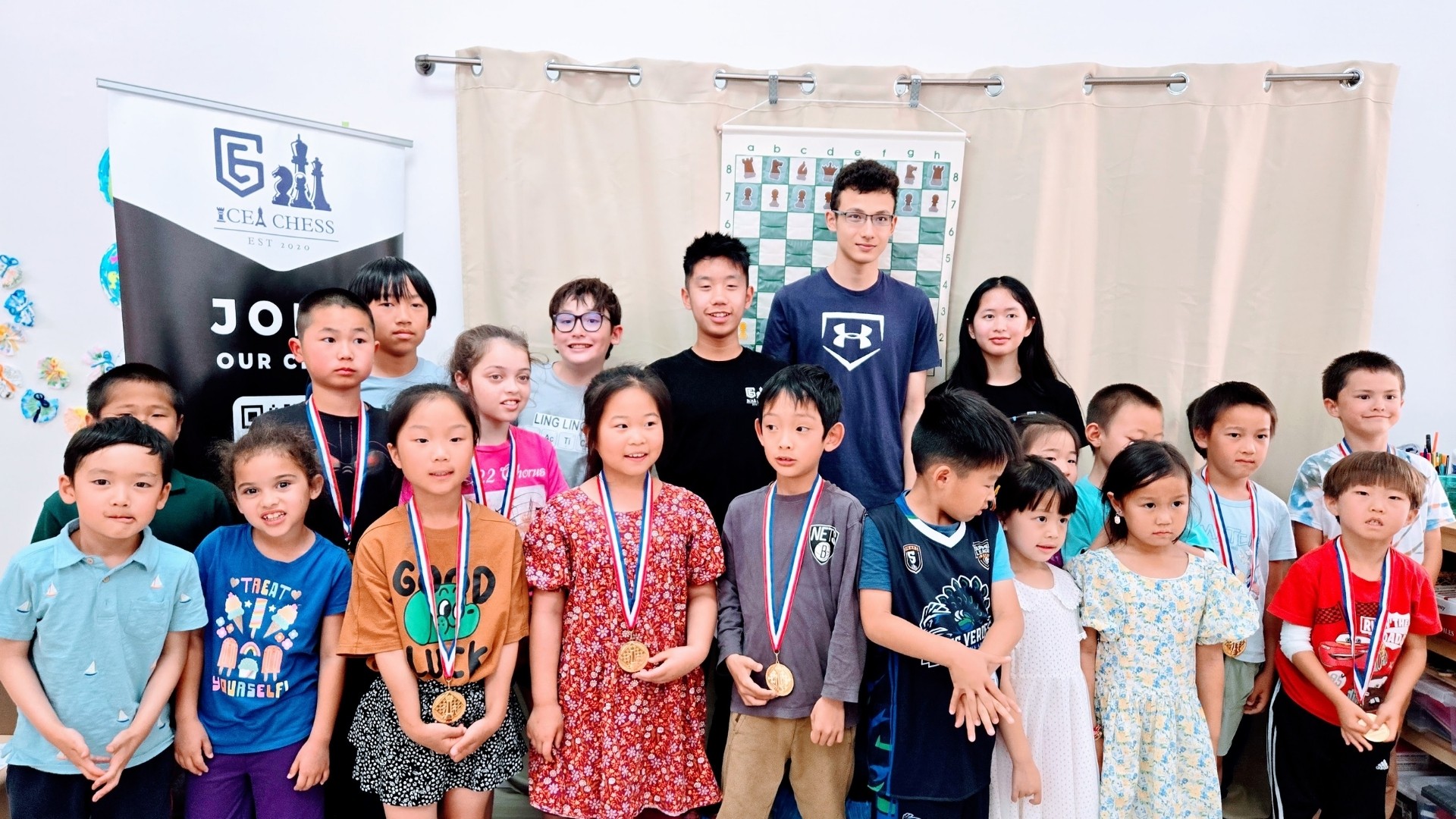
We also built a coaching team made up of young chess players, giving them leadership opportunities and a chance to positively influence other kids and strengthen the community.
I had built a chess club because LA had needed one and managed to create a big impact in the community.
Can you talk to us a bit about the challenges and lessons you’ve learned along the way. Looking back would you say it’s been easy or smooth in retrospect?
Running chess tournaments is much harder than it looks on the surface, and there is a good reason why not many people choose to host large chess events.
One major difference between a chess tournament and a regular event is the level of competition involved. Chess tournaments are extremely competitive, and because of that, emotions often run very high. When people care deeply about winning, disagreements and conflicts are almost unavoidable. During these moments, I often have to step in as a mediator and take on a leadership role to calm people down and help resolve issues in a fair and respectful way. This can be challenging, especially when tensions are at their highest. At times, it is particularly difficult to stay calm and professional, especially when a grown adult is making unreasonable demands. Even so, I have learned how important it is to keep my composure and handle situations maturely.
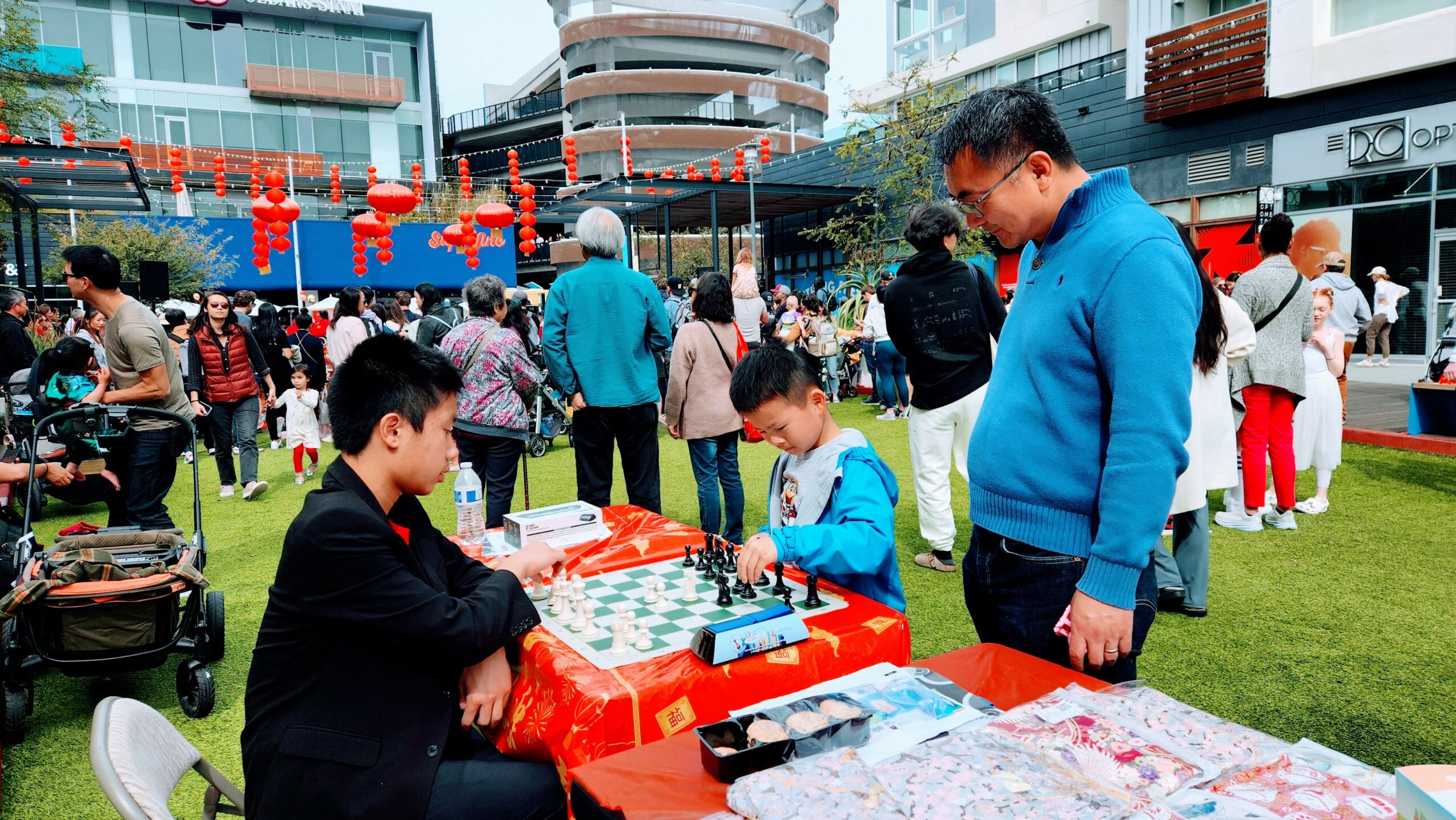
Another major challenge I face is managing multiple roles at the same time. ICEA offers chess classes to help fund many of the events we run, and I serve as a teacher for many students. However, since I am close in age to some of them, students sometimes see me more as a friend than as a teacher. This creates a difficult balance. I need to maintain authority and responsibility as an instructor while also being someone my students feel comfortable talking to and trusting. At the same time, I am still a kid myself, which makes this balance even more complicated. Learning how to handle all of these roles at once has been challenging, but it has also helped me grow in maturity, communication, and leadership.
Thanks – so what else should our readers know about your work and what you’re currently focused on?
I am a ninth grader who is a competitive chess player, coach, and youth organizer. I balance strong academic performance with a deep focus on tournament chess, strategic thinking, and building programs that help young players grow as competitors and responsible community members.
I founded and led ICEA Chess and ICEA Math, student-led organizations that host scholastic tournaments, training programs, and community events. Along with competing at the national level, I organize tournaments, mentor younger students, work with coaches and volunteers, and create opportunities for kids to learn through chess and math.
What I am most proud of is my ability to manage multiple roles at a young age while staying committed to constant improvement. My goal is to continue growing while using my experience to make a positive difference for others.
Before we go, is there anything else you can share with us?
I am someone who started playing chess relatively late compared to many other players. One day, I went to my piano lesson like I normally did, and my teacher noticed that I was playing too fast and rushing through the music. She told me that I needed more patience and focus, and she mentioned a game called chess that could help with that. I decided to try it out, and very quickly, I fell in love with the game. Before I knew it, I was playing chess every day and constantly trying to improve.
Even though chess now takes up a lot of my time, piano is still very important to me and remains one of my main hobbies. I still enjoy practicing and playing music whenever I can. I believe chess and piano go really well together because they both require focus and patience and are a great way to forget about the rest of the world.
Contact Info:
- Website: ICEAChess.org, ICEAMath.org
- Instagram: https://www.instagram.com/iceaofficial1/
- Other: https://iceavolunteer.org/felix-guo/
Popular
-

Matthew Hill on Turning Holiday Rituals into Haunting, Habit-Forming Storytelling with Long Winter Nights
-

Linda Villines on Releasing Stored Struggle and Reclaiming Ease Through the Body
-

Candice Swanson on Honoring the Sacred Early Days of Motherhood Through Intentional Photography
-

Michael Johnson on Telling Untold Stories of Identity and Leadership Through SQUAD
-

Owning the Narrative: Drew Dusterhoff Steps Into Power with Lincoln Must Die
-

Portraits of the Valley


