




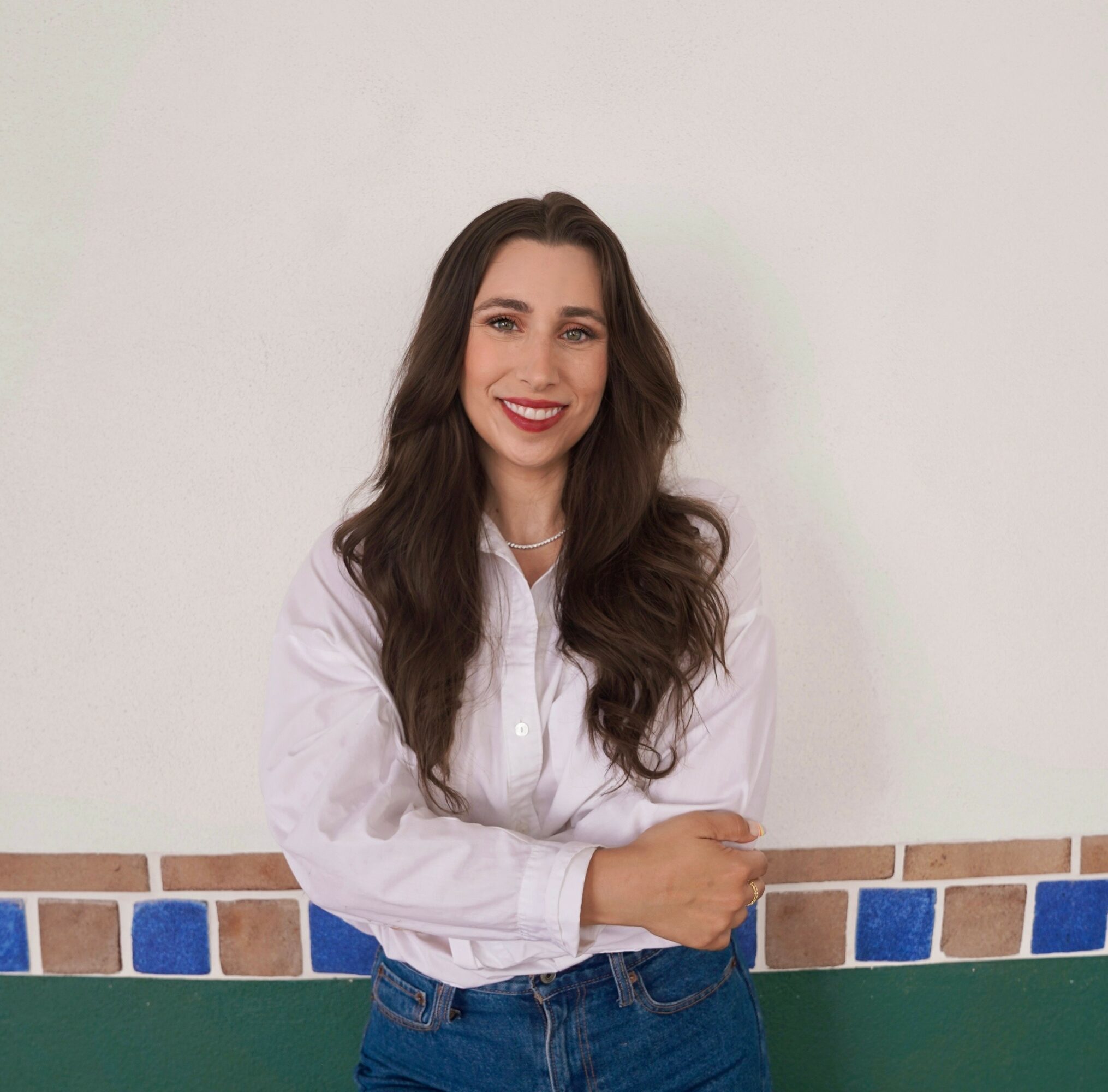
Today we’d like to introduce you to Lindsey Cooper.
Hi Lindsey, so excited to have you with us today. What can you tell us about your story?
My journey into the world of mental health began with a deep interest in the systems that shape our lives. I graduated with a Bachelor’s degree in Sociology, which provided me with a vital lens through which to view the world—one that recognizes how our environment, community, and systemic barriers impact our individual well-being.
Driven by a desire to help people navigate those complexities on a personal level, I transitioned into the field of psychology, earning my Master’s in Clinical Psychology from Antioch University Los Angeles. My career truly took root in community mental health. I was honored to be a founding member of the LGBTQ specialization at the Airport Marina Counseling Center, an experience that solidified my commitment to advocacy-based therapy.
Throughout my career, I’ve worked across all levels of care—from high-acuity crisis work to outpatient settings. This gave me a front-row seat to the gaps in our mental health system, particularly for the LGBTQ and TGI communities. I saw how traditional therapy often failed to account for neurodivergence or the trauma of systemic marginalization.
Today, I’ve funneled that decade-plus of experience into my private practice based in Westlake Village. As a member of CAMFT, I now serve clients throughout California, offering a space that blends high-level clinical expertise with genuine, identity-affirming care. I’ve specialized in trauma, addiction, and gender-affirming care, integrating specialized tools like Brainspotting and Dialectical Behavior Therapy (DBT) to help people move through life transitions and heal from the past. My goal has always been to move beyond ‘band-aid’ solutions and help clients build a life that feels authentic and safe.
Would you say it’s been a smooth road, and if not what are some of the biggest challenges you’ve faced along the way?
It definitely hasn’t been a smooth road—though I don’t think a smooth road exists in a field as deeply human as mental health. One of the most persistent challenges has been navigating the socio-political and systemic barriers that stand between people and the care they deserve. Whether it’s the labyrinth of insurance hurdles or the rising cost of living in California, I’ve had to be very intentional about how I structure my practice. To help bridge that gap, I’ve committed to maintaining sliding scale spots and partnering with Open Path Collective to ensure that high-quality, specialized care isn’t a privilege reserved only for the few.
Then, of course, there was the collective trauma of the pandemic. Transitioning an entire practice to 100% telehealth almost overnight was a massive shift. While it opened up doors to see clients across the entire state of California, it also required a new way of holding space and maintaining that deep, somatic connection—especially when doing intensive work like Brainspotting through a screen.
Another significant hurdle was building a referral network I could truly stand behind. For my clients, especially those in the TGI and neurodivergent communities, ‘standard’ referrals aren’t always enough. It took time and a lot of vetting to find a circle of doctors, psychiatrists, and fellow clinicians who are not just ‘competent,’ but truly affirming and trustworthy. Building that community took years of networking and advocacy, but it’s what allows me to provide truly holistic care today. The road has had its bumps, but each one has made me a more resilient and resourceful therapist for my clients.
Thanks for sharing that. So, maybe next you can tell us a bit more about your work?
I am a Licensed Marriage and Family Therapist (LMFT) in private practice, where I work with individuals navigating the complexities of identity, trauma, and major life transitions. My work is a blend of practical, evidence-based tools and deep, insight-oriented processing. I often use DBT (Dialectical Behavior Therapy) as a foundation to give clients immediate skills for emotional regulation, but we don’t stop there. We look at the ‘why’ behind the ‘what.’
What I’m most known for—and what I’m most proud of—is my specialization within the LGBTQ and TGI communities. I don’t just offer a ‘safe space’; I offer an affirming and informed space. I help clients understand their internal struggles as they are contextualized within their environments and the various systems they have to navigate daily. We look at how systemic barriers, neurodivergence, and societal expectations impact their mental health, rather than just looking at the individual in a vacuum.
What truly sets me apart is how I show up in the room. I’m not a blank slate or a detached observer. I am relatable, human, and I show up authentically. I believe the therapeutic relationship is a partnership. While I bring specialized training in things like Brainspotting for trauma processing, I also bring my real self to every session.
I am particularly proud of the work I’ve done in gender-affirming care and advocacy. Transitioning—whether it’s a gender transition or a major life shift like a career change or a loss—is a vulnerable time. Being the person who can walk alongside someone through that, acknowledging the systemic hurdles they face while celebrating their resilience, is the most rewarding part of what I do.
How do you think about happiness?
Professionally, there is no greater joy than witnessing that ‘lightbulb moment’ when a client makes a deep connection between their past experiences and their present self. I love seeing people overcome challenges they once thought were insurmountable, but I also find so much happiness in the smaller moments—getting to be excited right alongside them for the things they are passionate about. Being a witness to someone finally feeling seen and empowered in their own skin is incredibly fulfilling.
On a personal level, I’m a firm believer in finding joy in both the big and small things. My family and my friends are my core, and there is nothing better than quality time spent engaging with the people I love. I’m also a huge animal lover—my pups are a constant source of happiness and a daily reminder to stay present. I also find a lot of peace and joy in ‘pretty things’—whether that’s a beautiful view, art, or a well-curated space. I think surrounding ourselves with beauty and connection is a vital part of our own mental health and self-care.
Contact Info:
- Website: https://www.therapywithlindsey.com
- LinkedIn: https://www.linkedin.com/in/lindsey-cooper-berman/
- Yelp: https://www.yelp.com/biz/lindsey-cooper-lmft-westlake-village




Popular
-

Christina Wren Steps Into the Director’s Chair to Tell Stories That Feel Like Home
-

Portraits of the Valley
-

LA’s Most Inspiring Stories
-

JordanL on ‘Breathe,’ Belief, and Building a Movement Beyond the Music
-

Megan Birney Rudert on How Access to Light Is Powering a More Sustainable and Equitable Future
-

Linda Kneidinger on Building Lasting Change Through Small Steps and Self-Compassion


