




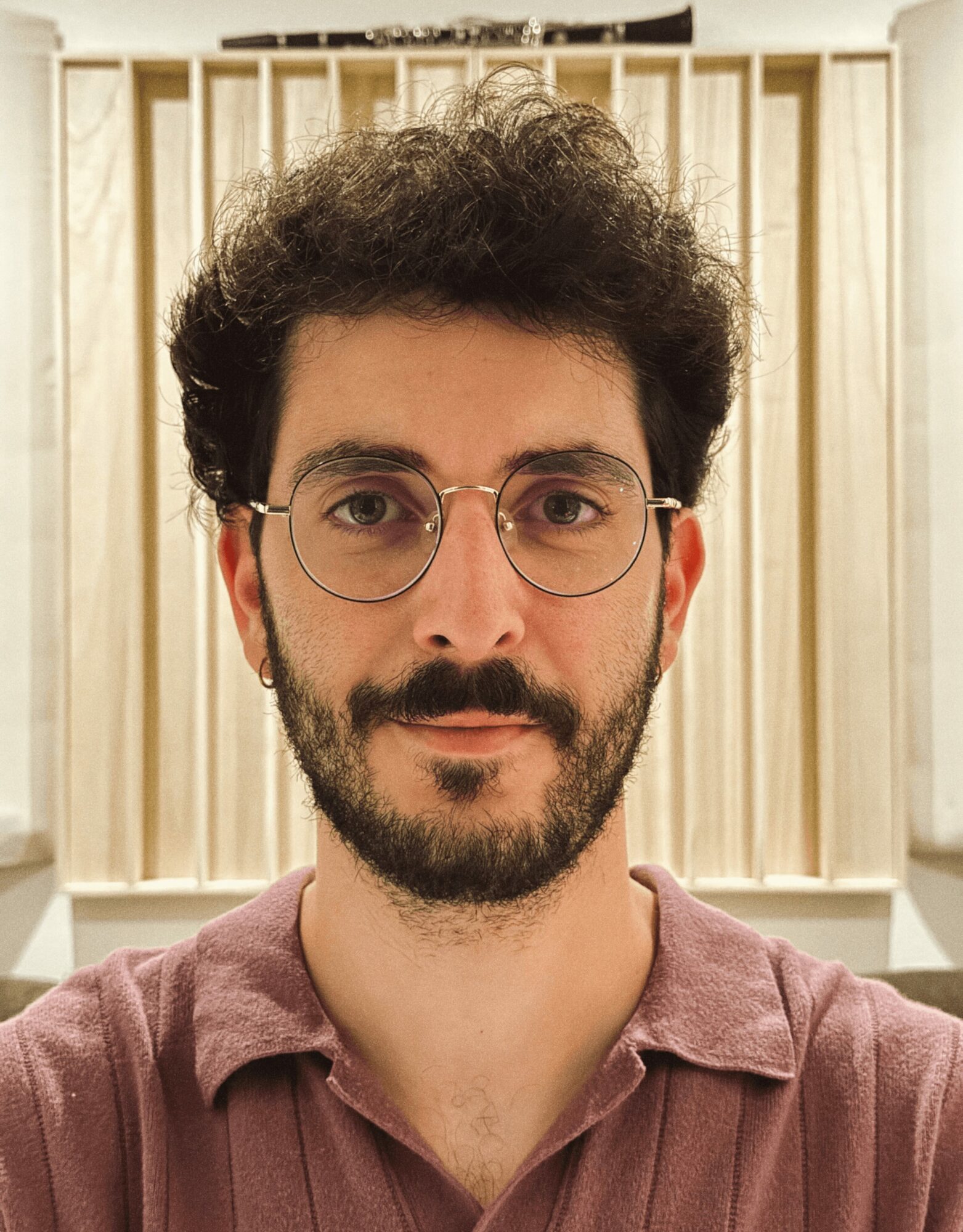
Today we’d like to introduce you to Ethan Cohen.
Hi Ethan, we’re thrilled to have a chance to learn your story today. So, before we get into specifics, maybe you can briefly walk us through how you got to where you are today?
I began my journey in music at about five years old after endlessly pleading for my parents to let me take piano lessons. I don’t come from a family of musicians, so a career in music wasn’t something I could conceptualize – I just knew that my experience playing and creating felt more innate than almost anything else, and tapped into something viscerally connected to so many aspects of my life.
In 5th grade, I joined the school band as a clarinetist, and I can clearly remember the mind-blowing experience of hearing my individual notes in relation to the entire ensemble for the first time. Playing piano had always been an individual discipline for me, so getting to share and create the experience with a room full of other players completely changed my perspective on what music could be. The following year, I began studying exclusively with a jazz piano teacher, and I jumped headfirst into the world of improvisation, collaboration, arranging, and producing. By the start of high school, I spent a large portion of my days dissecting and reproducing my favorite film scores, songs, and electronic producers by ear. My jazz piano teacher was a Berklee College of Music alumnus, and from the moment he mentioned Berklee offered the only undergraduate film scoring program in the country, I never looked back.
Before heading off to college, I landed my first studio gig working at the Beastie Boys’ Oscilloscope Laboratories, where I got an early start learning to run sessions, produce, and engineer bands, and on the indie film distribution branch of the company, I got my first taste of scoring to picture and collaborating with an editor.
A few years later, with a bachelor’s degree in film scoring from Berklee and four internships under my belt, I moved to Los Angeles and secured a job working for Hans Zimmer. I spent the next couple of years contributing to countless projects for various composers on the “Remote Control Productions” campus before my eventual move to Emmy award-winning and BAFTA-nominated “Bleeding Fingers Music,” where I joined the scoring team for Fox’s “The Simpsons”.
I now work independently, scoring film, television, and video games, while also producing records and arranging/recording strings for artists and producers.
Can you talk to us a bit about the challenges and lessons you’ve learned along the way. Looking back would you say it’s been easy or smooth in retrospect?
I don’t believe there’s a version of this career that is free of obstacles, and I’ve found that many of my more persistent challenges tend to exist internally rather than circumstantially. The barrier to entry in this industry is extreme, and the state of Hollywood entertainment continues to get tougher by the day, but the feast-or-famine reality for working composers can often be the primary driver for internal struggle in my experience.
At any stage of this industry, it’s extremely easy to measure personal progress against the trajectories of others, and in a field as visible and competitive as this one, the mental noise can be difficult to tune out. That said, I’ve come to understand that growth in this line of work is hardly linear, and periods of uncertainty or self-doubt can often be an indication of recalibration rather than misdirection. It’s obviously easier said than done, but focusing on the work in front of me—on learning, refining my craft, and staying curious—has been far more beneficial than any external benchmark.
Appreciate you sharing that. What else should we know about what you do?
As a composer, my job first and foremost is to collaborate and translate: to take the dialogue, characters, lighting choices, shot composition, director’s vision, etc., and create a musical palette designed to live in that world and ideally enhance its authenticity. The large majority of what I do in the logistical and musically technical areas of the job comes from decades of study and application, but for the collaborative and creative aspects, I’m able to lean heavily on my synesthesia. With my particular flavor of synesthesia, I experience nearly everything—shapes, colors, numbers, sounds, light, and textures, for instance—on an interconnected web, and what used to feel like a very distracting way to process information has now become a source of boundless contextualization. In simpler terms, my brain is doing almost all of the translation for me.
Musically, I would say my biggest strengths are my string writing and my production chops (primarily working with synths). Growing up as a keyboardist, I started exploring synthesizers and sequencers at a very young age; much of my production foundation comes from those early days of sculpting patches and sounds from scratch. My love for the orchestra developed in college, and once I got to LA and realized that 90% of my work involved composing for strings, I decided to purchase a cello. What started as an exercise to help me write more idiomatically for the string section led me to also learn violin and viola and, four years later, has become one of the primary things I’m known for. While many score budgets don’t account for recording live players, I feel fortunate to have the ability to record all sections of the string orchestra (aside from contrabass) myself. On the record side, coordinating an arranger and a group of players can be time-consuming and difficult, which has positioned me well as a one-stop-shop artists and producers can turn to for a cohesive sound on a tight deadline.
As for where I’m at in my career, I’ve always found it difficult to stop and look back. I guess my main takeaway is that I’m definitely proud of what I’ve been able to accomplish in the 10 short years I’ve been navigating this industry. I’ve contributed to over 100 film and television scores, countless records, and have been lucky enough to collaborate with some of the most creatively talented people on the planet. Just this year, I’ve worked with orchestras in Budapest and Prague, scored a feature sci-fi thriller, composed additional music for my first superhero score, and worked on more songs than in all my previous years combined. Ultimately, I’m grateful to be valued for the ideas I bring and for the trust I’ve built in this career I’ve been pursuing since I was five years old.
So maybe we end on discussing what matters most to you and why?
There is so much uncertainty in the world right now, and as someone who’s always been steadfast in pursuing both short- and long-term goals, I’ve found myself unexpectedly out of answers about my own future. In a time of rapid technological advancement, global unrest, and a shifting entertainment landscape, I’ve found it essential to regularly take a breath and make note of what matters most in my life.
Family and friends are extremely important to me. Sharing human experiences and learning from people with backgrounds vastly different from my own is important to me. Growing and traveling through life alongside my significant other is important to me. Play—whether through sports, music, or games—is important to me. And from the musical side of things, the preservation of artistic/creative experience and expression is vitally important to me. At the end of the day, people just want to relate; it’s why I work in this creatively collaborative field, and why I’m on a lifelong journey to learn and make the most of being on this planet.
Contact Info:
- Website: https://www.ethancohenmusic.com
- Instagram: https://www.instagram.com/ethan___cohen?igsh=NTc4MTIwNjQ2YQ%3D%3D&utm_source=qr
- Other: https://www.noise-engine.com
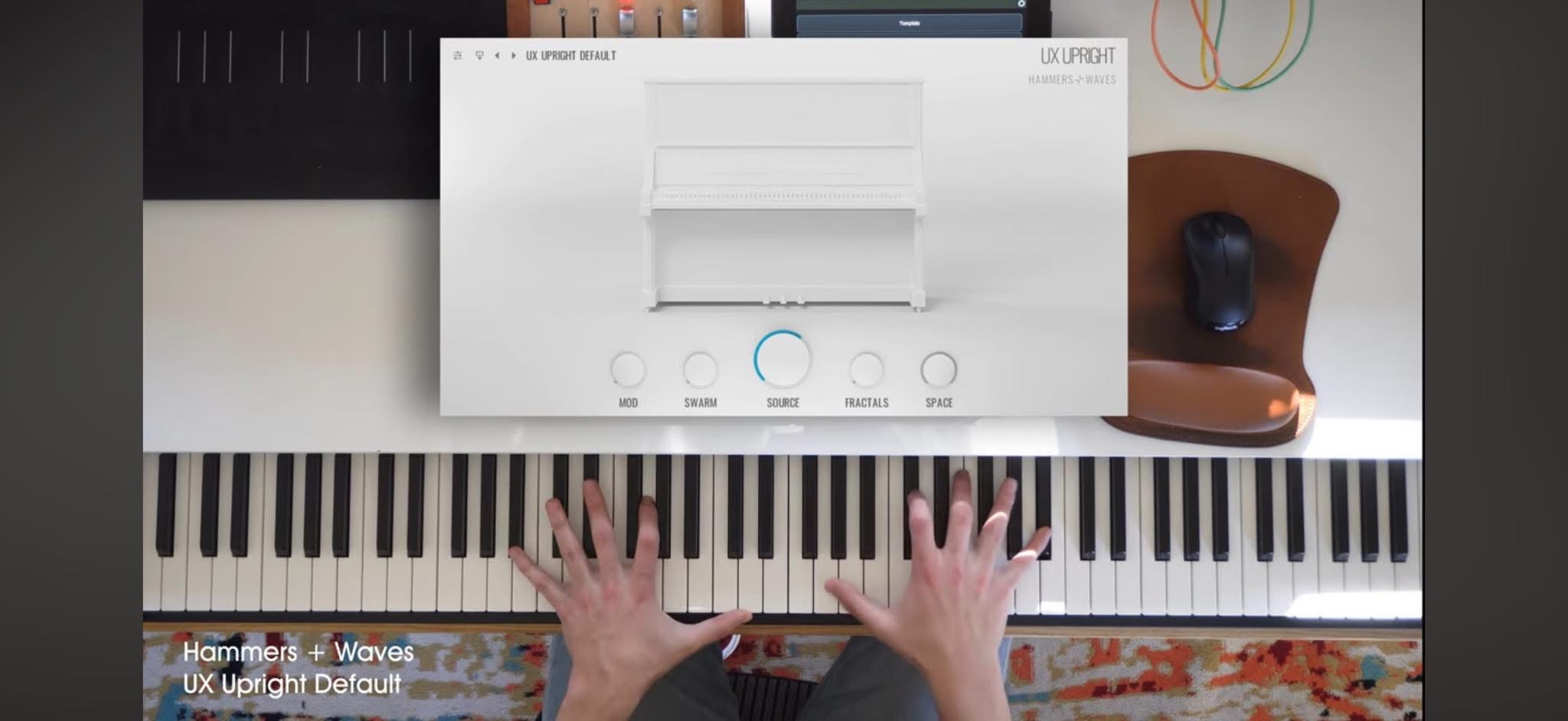
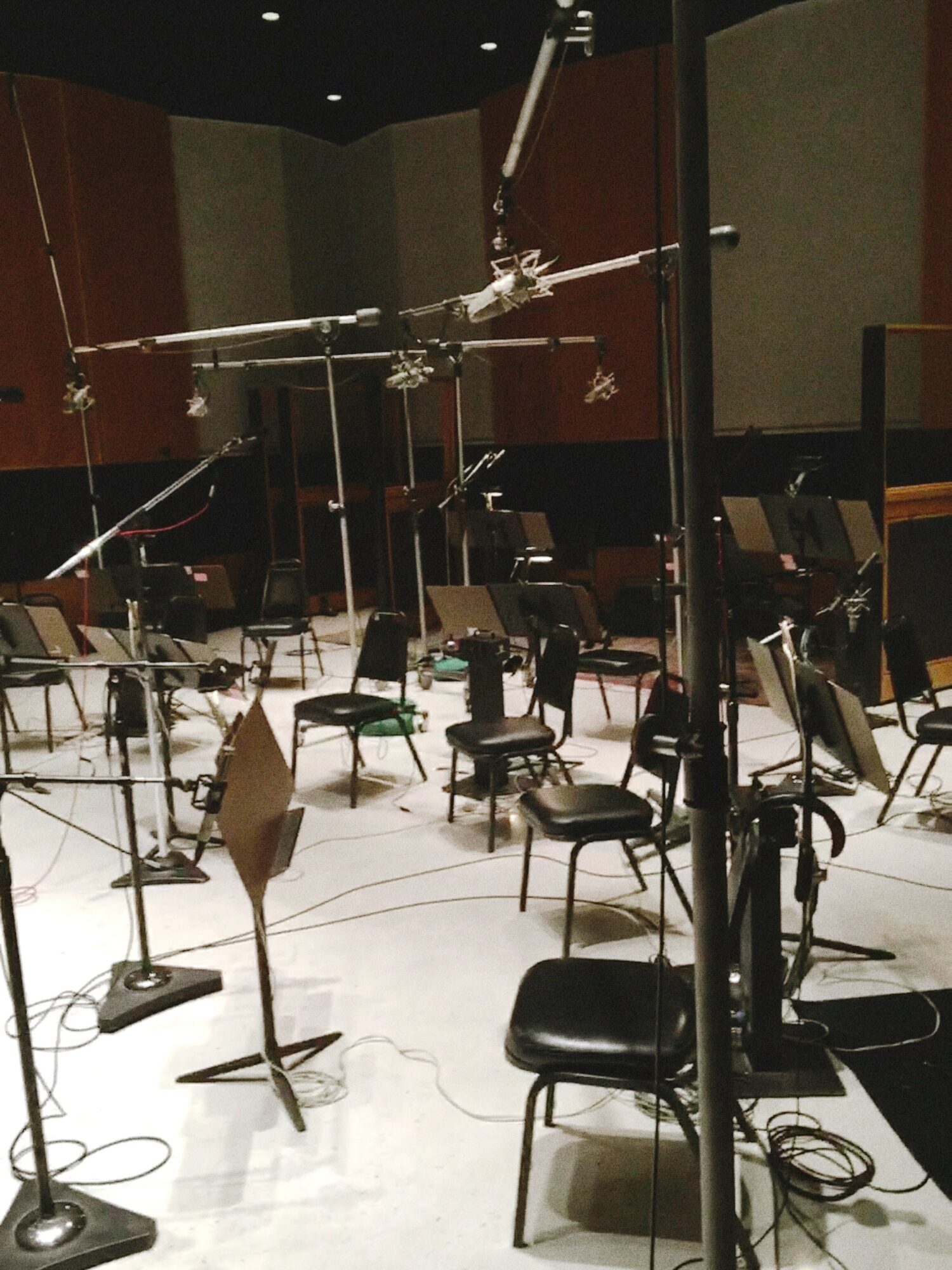
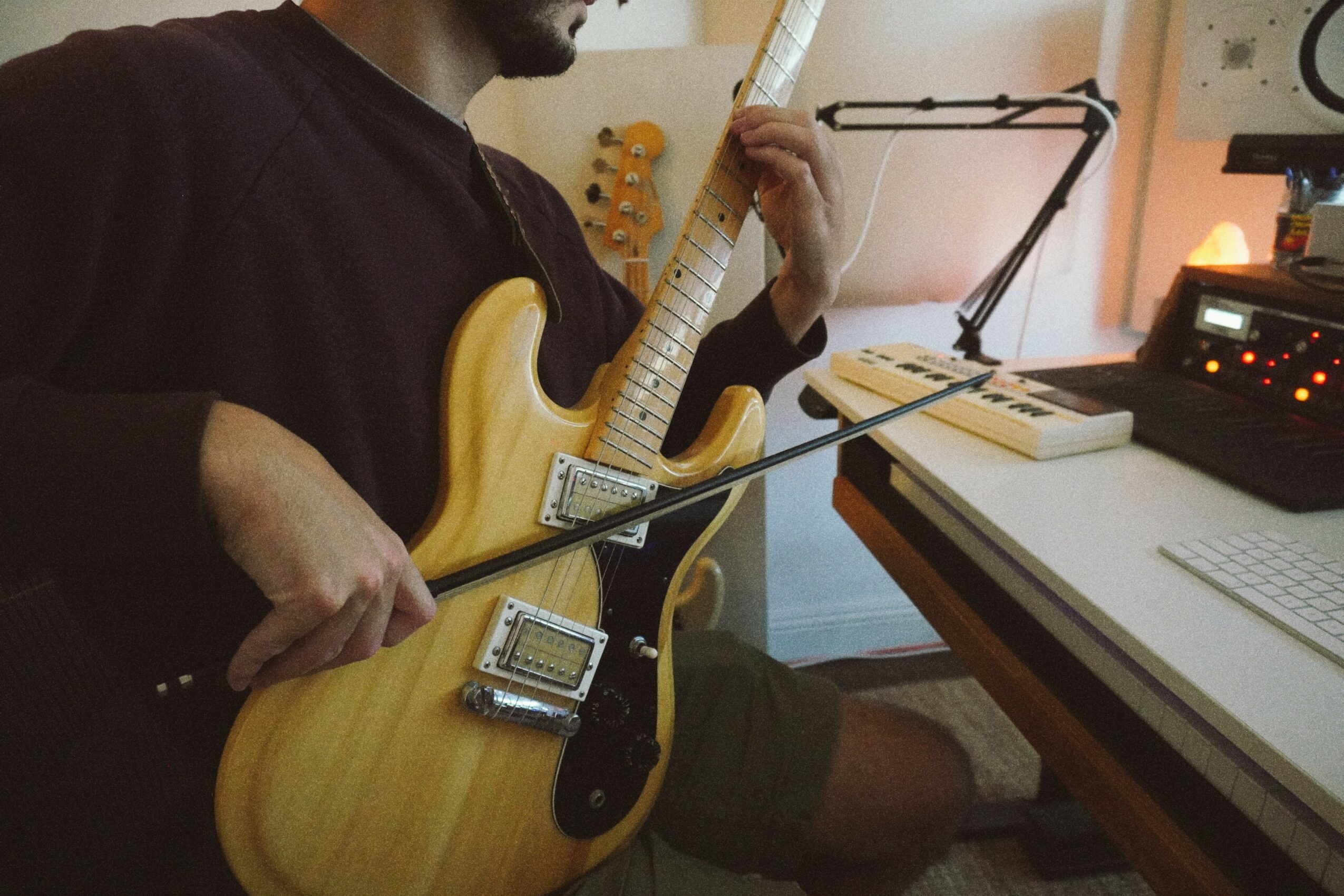
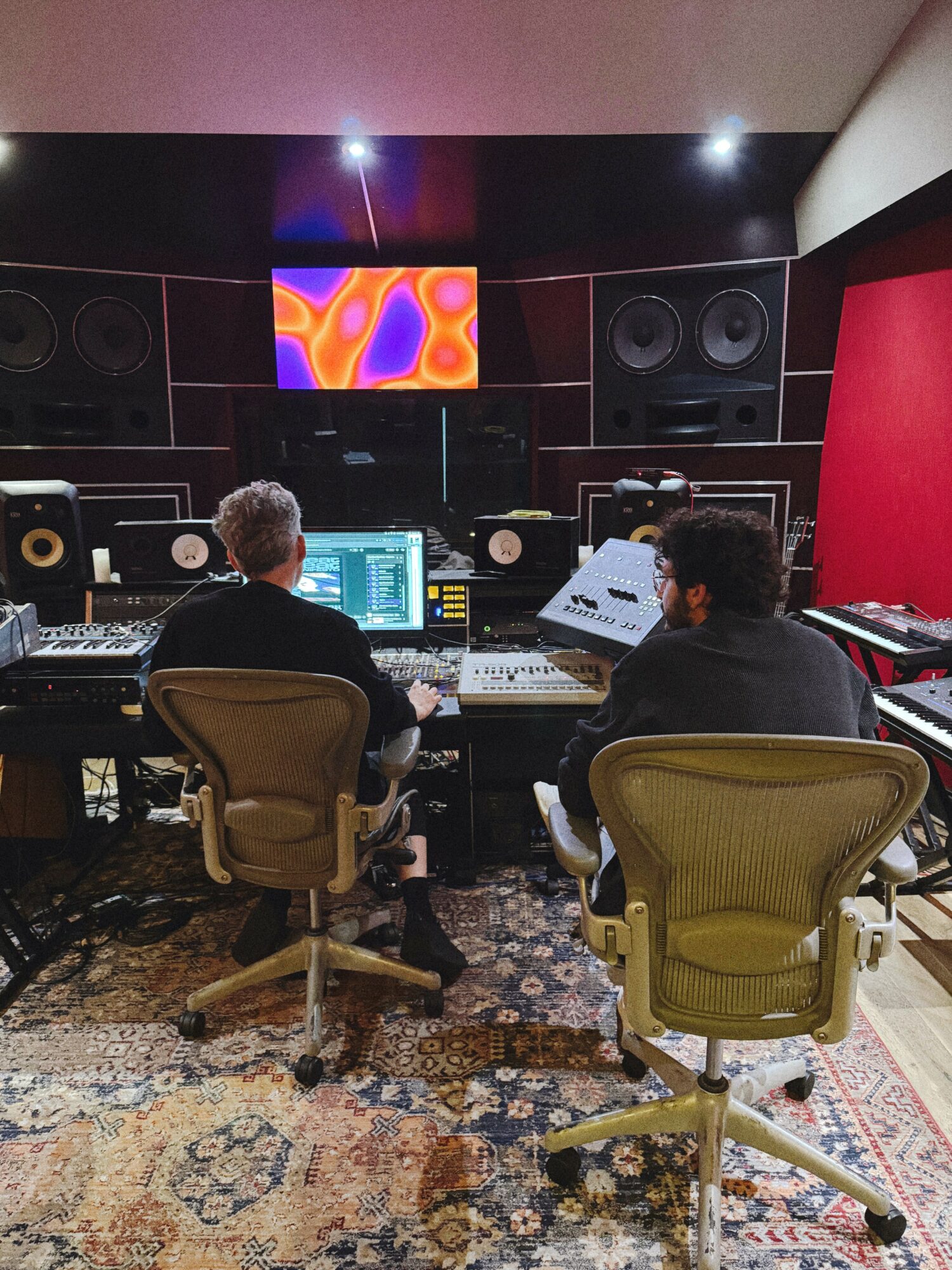
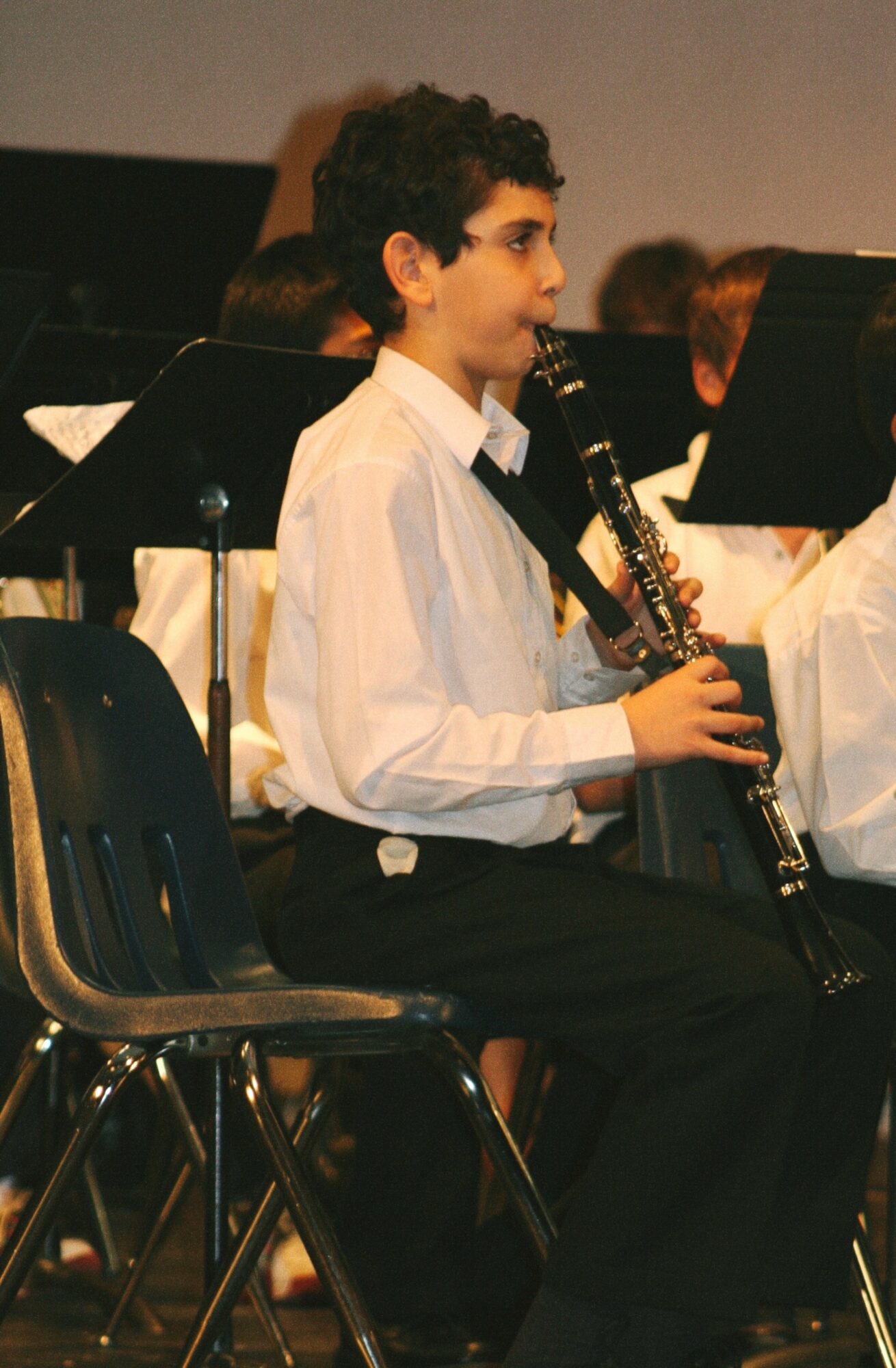
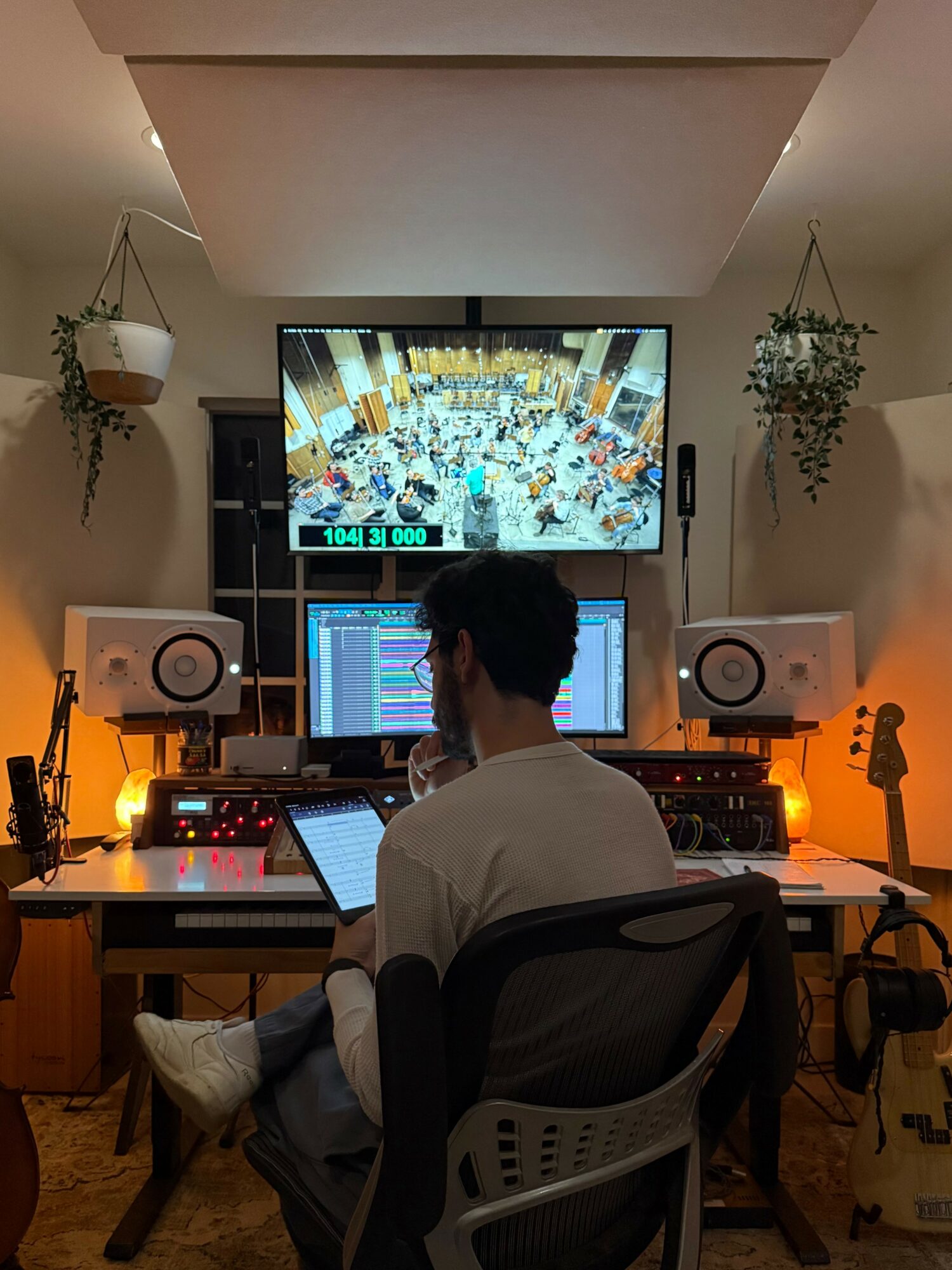
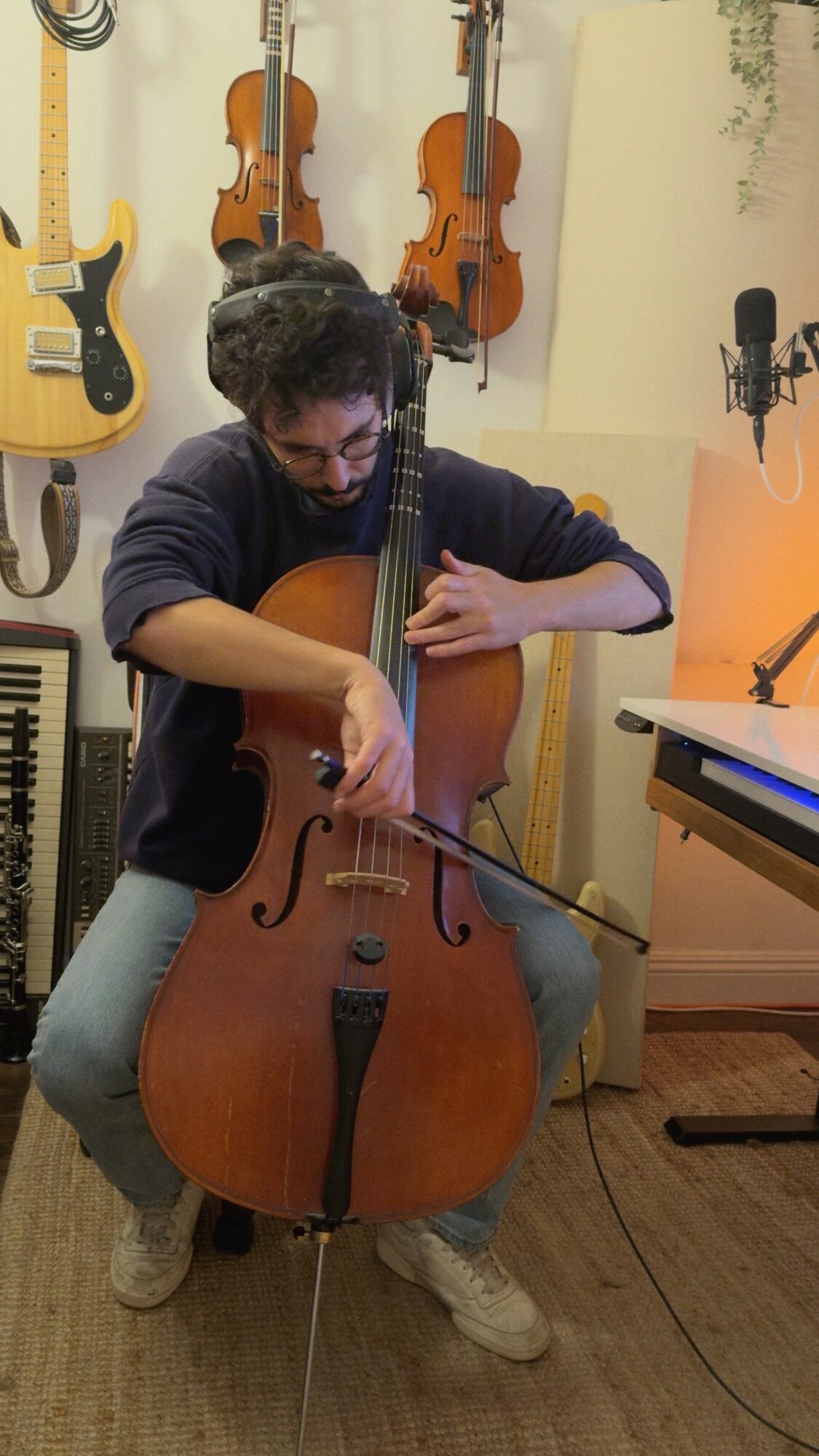
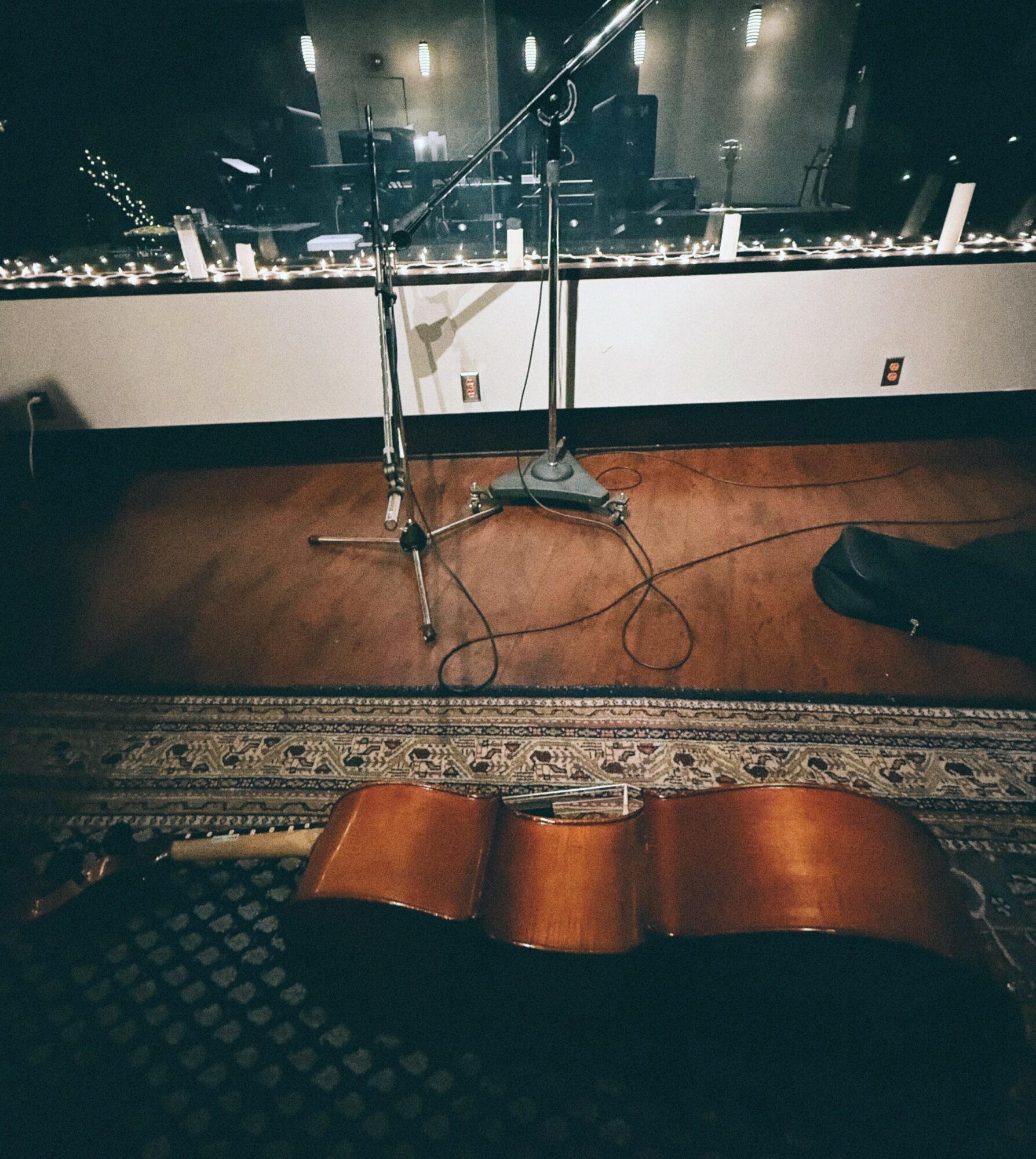
Image Credits
Shaan Ramaprasad
Rachel Scalera
Popular
-

Matthew Hill on Turning Holiday Rituals into Haunting, Habit-Forming Storytelling with Long Winter Nights
-

Linda Villines on Releasing Stored Struggle and Reclaiming Ease Through the Body
-

Candice Swanson on Honoring the Sacred Early Days of Motherhood Through Intentional Photography
-

Michael Johnson on Telling Untold Stories of Identity and Leadership Through SQUAD
-
Owning the Narrative: Drew Dusterhoff Steps Into Power with Lincoln Must Die
-

Portraits of the Valley


