




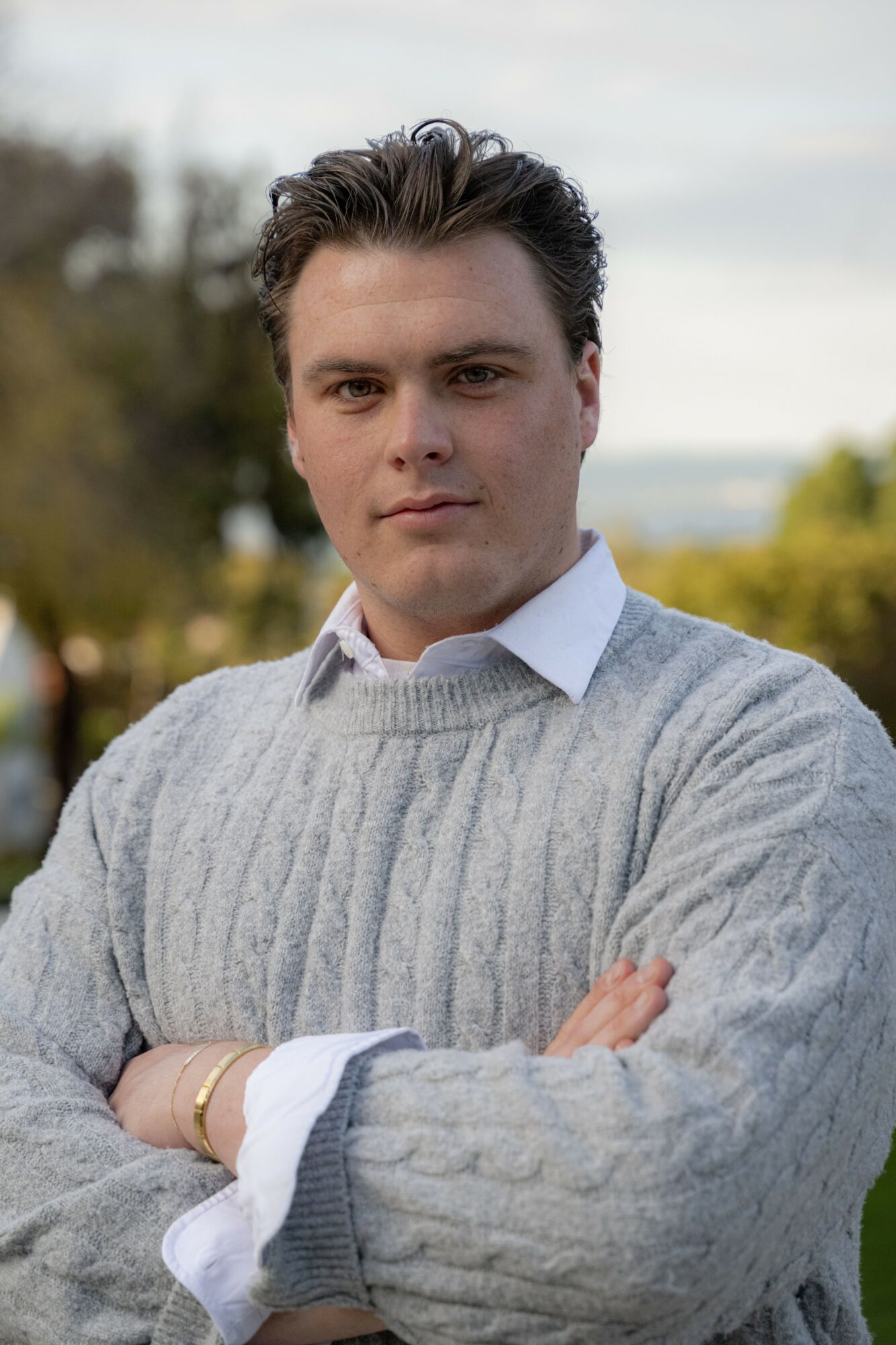
Today we’d like to introduce you to Trevor Baldwin.
Hi Trevor, so excited to have you with us today. What can you tell us about your story?
I have always been an inquisitive and observant person. From an early age, I was drawn to the world itself: how it moves, how it is shaped, and how people operate within it. I found myself paying attention to the systems, environments, and moments that define everyday life, and to how individuals connect, communicate, and make meaning from the experiences the world affords them. Growing up in Los Angeles played a significant role in shaping that perspective. Surrounded by cultural diversity, art, nature, and constant motion, I learned early on that the world is layered, complex, and continuously shaped by the people living within it.
My relationship with creativity began visually. I fell in love with cameras because they offered a way to slow the world down and study it more closely. Photography taught me to notice details that often go unseen and to recognize how much emotion can exist in a single moment. Through the lens, I became deeply interested in how people communicate beyond language: through expression, movement, environment, and presence. Creativity became a way for me to better understand both people and the spaces they inhabit.
That curiosity led me to study communication in college. I wanted to better understand how ideas move through the world, how relationships are formed and influenced, and how both verbal and nonverbal communication shape perception and behavior. My academic focus gave structure to instincts I had always felt, providing a framework for understanding how meaning is created, shared, and interpreted across different contexts.
As I entered the professional world, I was drawn to creative strategy and marketing, spaces where ideas could be shaped intentionally and creativity could serve a larger purpose. This work allowed me to think across storytelling, psychology, strategy, and design, while remaining grounded in human experience. Over time, my role evolved from contributing to individual creative outputs to thinking more holistically about how brands communicate, how audiences engage, and how systems of messaging are built to foster trust and connection.
That path ultimately led me to U Do It Legal, where my role has grown alongside the company. I never expected my work to intersect with the legal space, particularly one centered on deeply sensitive realities like domestic violence and unhealthy relationships. Yet in many ways, it brought me back to the same questions that first shaped my curiosity: how the world is structured, how systems impact people’s lives, and how communication can either create distance or foster understanding. Working within a legal tech startup has shown me how creative strategy can be used not just to inform, but to support and empower. It has challenged me to approach storytelling with care, clarity, and intention, translating complex and emotionally charged topics into communication that feels accessible and human. Through this work, I’ve grown both as a strategist and as a person, contributing to something meaningful by using creativity to connect people to knowledge, to resources, and to the reassurance that they are not alone in navigating difficult moments.
Would you say it’s been a smooth road, and if not what are some of the biggest challenges you’ve faced along the way?
No, it has not always been a smooth road. Creativity, especially when driven by curiosity and care, often comes with internal tension, and I have felt that deeply. I tend toward perfectionism, which can be both a strength and a challenge. As a result, wanting to do work that truly matters can sometimes turn inward, leading to moments of doubt about whether what you are creating is enough, or whether you are moving in the right direction at all.
The world we are living in only amplifies that tension. There is constant noise, rapid change, and external pressure to perform, produce, and define success quickly. In moments of uncertainty, it can be tempting to hold tightly to what feels familiar or stable. When those anchors begin to shift, it can shake your confidence and make you question not just your work, but your place within it.
Over time, however, I’ve learned that uncertainty isn’t something to avoid. Instead, it can be a powerful driver. It forces you to remain curious, to keep learning, and to stay open to growth. In fact, some of my most meaningful creative and personal breakthroughs have emerged during periods of discomfort, when I was pushed beyond what felt familiar or easy. Rather than viewing uncertainty as a weakness, I’ve come to see it as a signal that I am evolving.
Ultimately, the road has not been smooth, but it has been honest. And it’s that honesty, with myself, with my work, and with the world around me, that continues to guide me forward.
As you know, we’re big fans of you and your work. For our readers who might not be as familiar what can you tell them about what you do?
At the core of what I do is creative strategy, thinking about how ideas take shape, how messages land, and how brands build relevance in people’s lives. I currently serve as the Director of Digital Marketing at U Do It Legal, a legal tech startup, where I help shape how the brand communicates, grows, and evolves. In a startup environment, that role naturally spans strategy, creative development, and execution, requiring me to think across disciplines while staying attentive to both detail and long-term direction.
Because of that, much of my work focuses on connecting larger vision to the smaller decisions that bring it to life. I spend a great deal of time thinking about positioning, audience behavior, and how stories can be structured to remain clear and resonant over time. Rather than approaching marketing as a series of outputs, I see it as a system, one where strategy, storytelling, and design work together to create cohesion, trust, and understanding.
Alongside this work, I maintain an active photography practice. While I primarily work in real estate photography, I also photograph landscapes and portraits as a personal creative outlet. Photography acts as a grounding force for me. It sharpens my attention to composition, pacing, and restraint, and reinforces the importance of observation, qualities that naturally inform how I approach strategy and creative direction.
Over time, I’ve become known for my ability to think expansively while remaining solutions-oriented. When something doesn’t work as intended, I don’t see it as a failure, but as information. That mindset allows me to adapt, refine, and reimagine ideas until they align more clearly with their purpose. This persistence has shaped both my creative process and my career, helping me stay open, flexible, and forward-moving even when the path ahead isn’t immediately clear.
What ultimately ties my work together is a focus on using creativity with intention, thinking carefully about why ideas exist and what they are meant to do. I’m most fulfilled when creativity is used not just to attract attention, but to clarify ideas, build understanding, and contribute meaningfully to the spaces it enters.
One of the things I am most proud of is how my work at U Do It Legal has gradually expanded beyond traditional marketing into something more relational and human. In 2025, I began thinking more critically about how the company’s mission could be expressed in ways that felt real rather than abstract, especially in a digital environment where difficult subjects are often simplified, avoided, or stripped of nuance.
That shift led me to focus less on messaging alone and more on participation. Instead of relying on generalized narratives or educational framing, I wanted our work to reflect real experiences and real voices. That thinking became the foundation for U Tell It, which began as a storytelling outlet on our website where survivors could share their experiences in their own words. The goal was not to package these stories, but to honor them, and to allow others encountering them to recognize pieces of their own experience reflected back.
As the project developed, it expanded into filmed interviews with individuals who had experienced abuse in many forms. Working closely with people and their stories changed the way I approached creative work altogether. It required a different kind of attention, one rooted in listening, trust, and responsibility. These projects reinforced how powerful communication can be when it is grounded in lived experience, and how connection often begins when people feel acknowledged rather than spoken for.
What sets me apart is my willingness to stay with that discomfort and continue creating through it. I don’t see creativity as a way to soften or avoid difficult realities, but as a way to engage with them directly and thoughtfully. Domestic violence is far more common than many people realize, yet conversations around it are often shaped by silence or stigma. If this work helps even one person feel less alone, better informed, or more able to reflect on their own experiences, then it carries meaning far beyond any traditional measure of success. To me, that is where creative work matters most.
How do you think about luck?
I don’t tend to think of my life or my work as being driven by luck, whether good or bad. More often, I see outcomes as the result of the decisions we make and the intention we bring to them. When something works out, it’s usually because of consistency, curiosity, and a willingness to take risks and learn along the way. When something doesn’t, it often reveals a lesson that becomes part of whatever comes next.
That said, not everything is predictable or fully within our control. There are moments that feel like chance encounters or unexpected setbacks, but I’ve found that their impact depends largely on how we respond to them. What people often call luck seems, to me, to live at the intersection of preparation and openness. Being willing to say yes, to pivot when necessary, and to trust your instincts even when the path forward isn’t clear.
Ultimately, the takeaway for me has been simple. I try to focus less on waiting for the right moment and more on making intentional choices in the present. When you lead with purpose and remain open to where those choices might take you, the outcome almost always carries meaning, even if it looks different from what you originally imagined.
Pricing:
- In-Person DVRO Clinic: $500
- New DVRO Cases (Online DIY): $149
- DVRO Renewal (Online DIY): $49
- DVRO Modification (Online DIY): $99
- Form Review & Consultations: $175+
Contact Info:
- Website: https://www.udoitlegal.com/
- LinkedIn: https://www.linkedin.com/in/trevorbaldwin55/

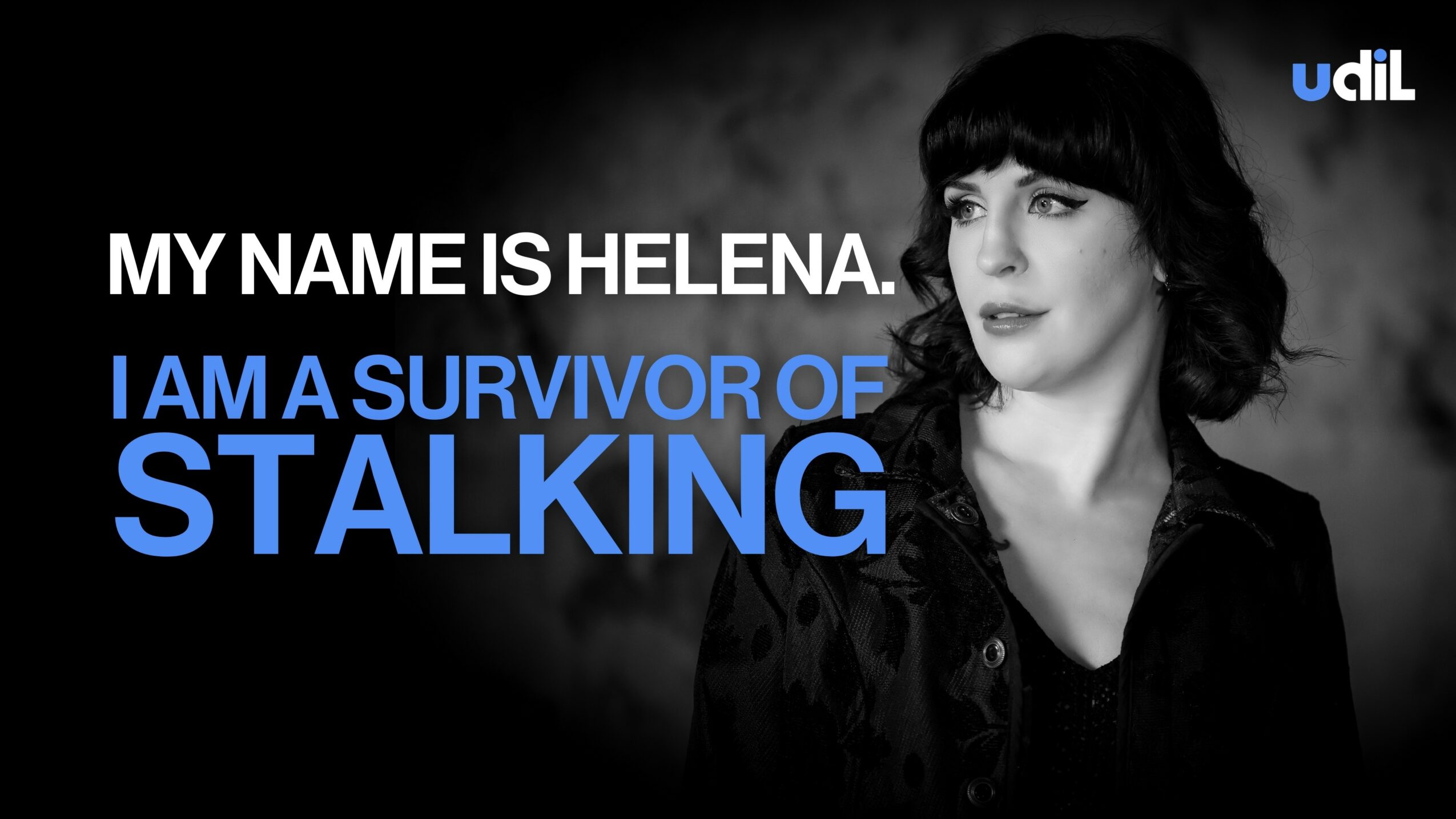
Image Credits
Gil Bothwell
Popular
-

LA’s Most Inspiring Stories
-
JordanL on ‘Breathe,’ Belief, and Building a Movement Beyond the Music
-

Megan Birney Rudert on How Access to Light Is Powering a More Sustainable and Equitable Future
-

Linda Kneidinger on Building Lasting Change Through Small Steps and Self-Compassion
-

Jolana Nika on Redefining Modern Connection Through Intentional, Real-Life Experiences
-

What did suffering teach you that success never could?


