




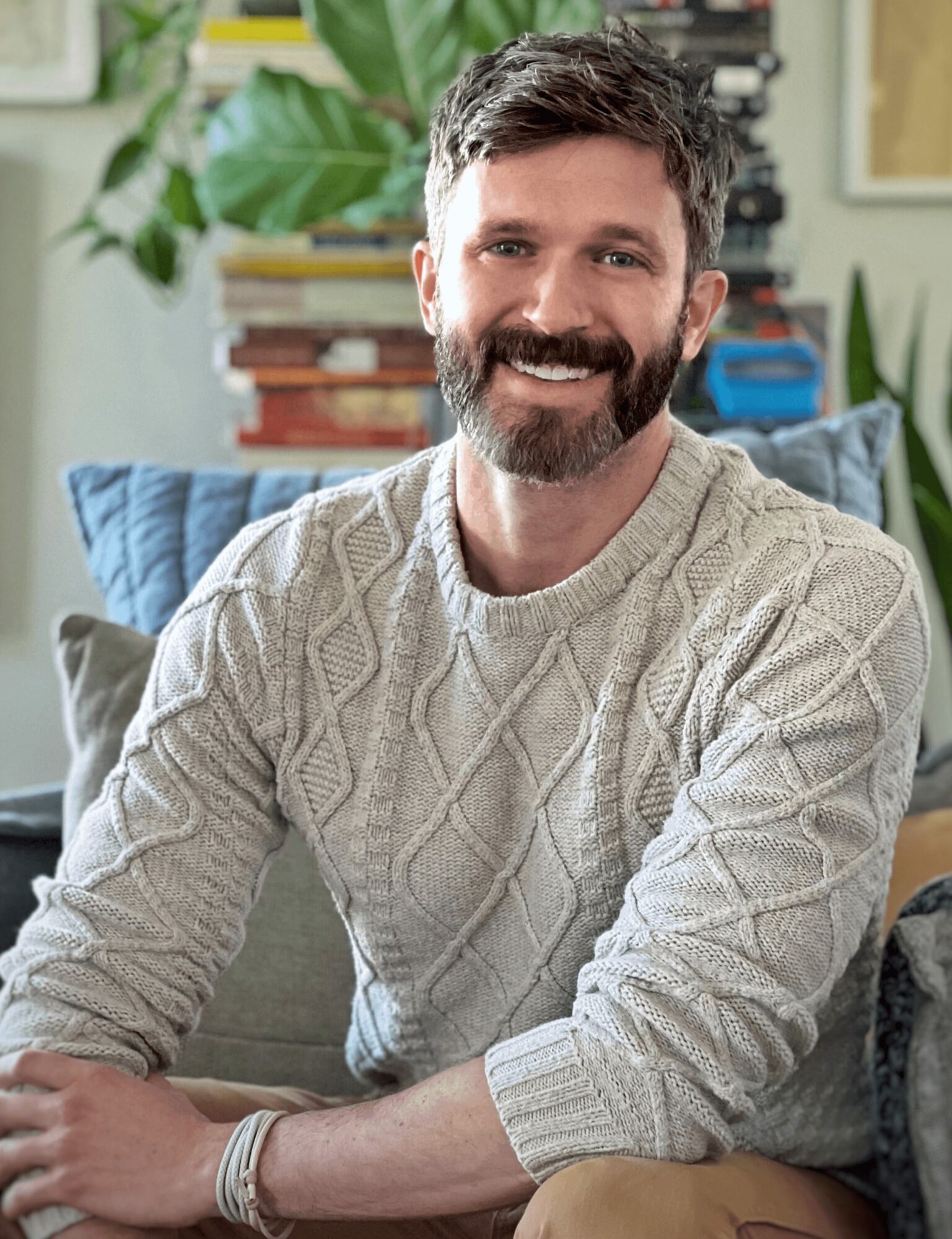
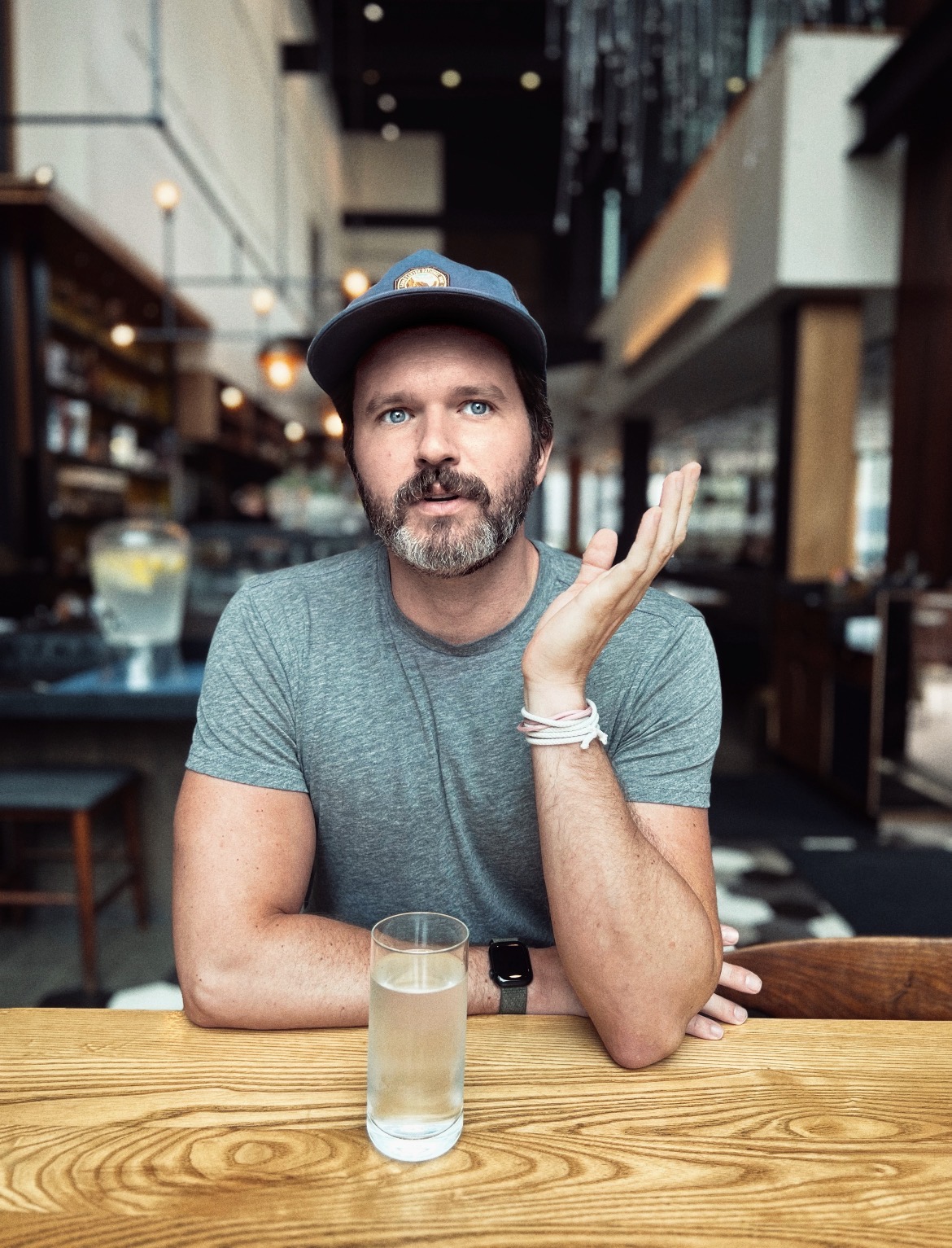
Today we’d like to introduce you to Andrew Lander.
Hi Andrew, so excited to have you on the platform. So before we get into questions about your work-life, maybe you can bring our readers up to speed on your story and how you got to where you are today?
How did I get here? That’s a bigger question than it sounds, and like many origin stories, it starts in a small town. I grew up in North Dakota, then did what a lot of people do when they’re trying to figure themselves out: I left. After some traveling, I eventually landed in Los Angeles, where I spent over a decade working in the entertainment industry.
When COVID hit, and everything slowed down, I realized I needed a change. I had always known helping people mattered to me, but I wasn’t sure what that actually looked like. Around that time, I started volunteering on a crisis line. The work was intense and humbling, and it showed me how powerful it is to be seen and supported. At the same time, I was reflecting on growing up queer and closeted in the Midwest, and later hiding parts of myself while working in entertainment. Living more authentically finally made me see how much hiding had shaped me. Realizing I didn’t fully know myself was huge. After my own journey in therapy and encouragement from a mentor, I decided to take that understanding and use it to help others, which led me to enroll in the Marriage and Family Therapy program at California State University, Northridge.
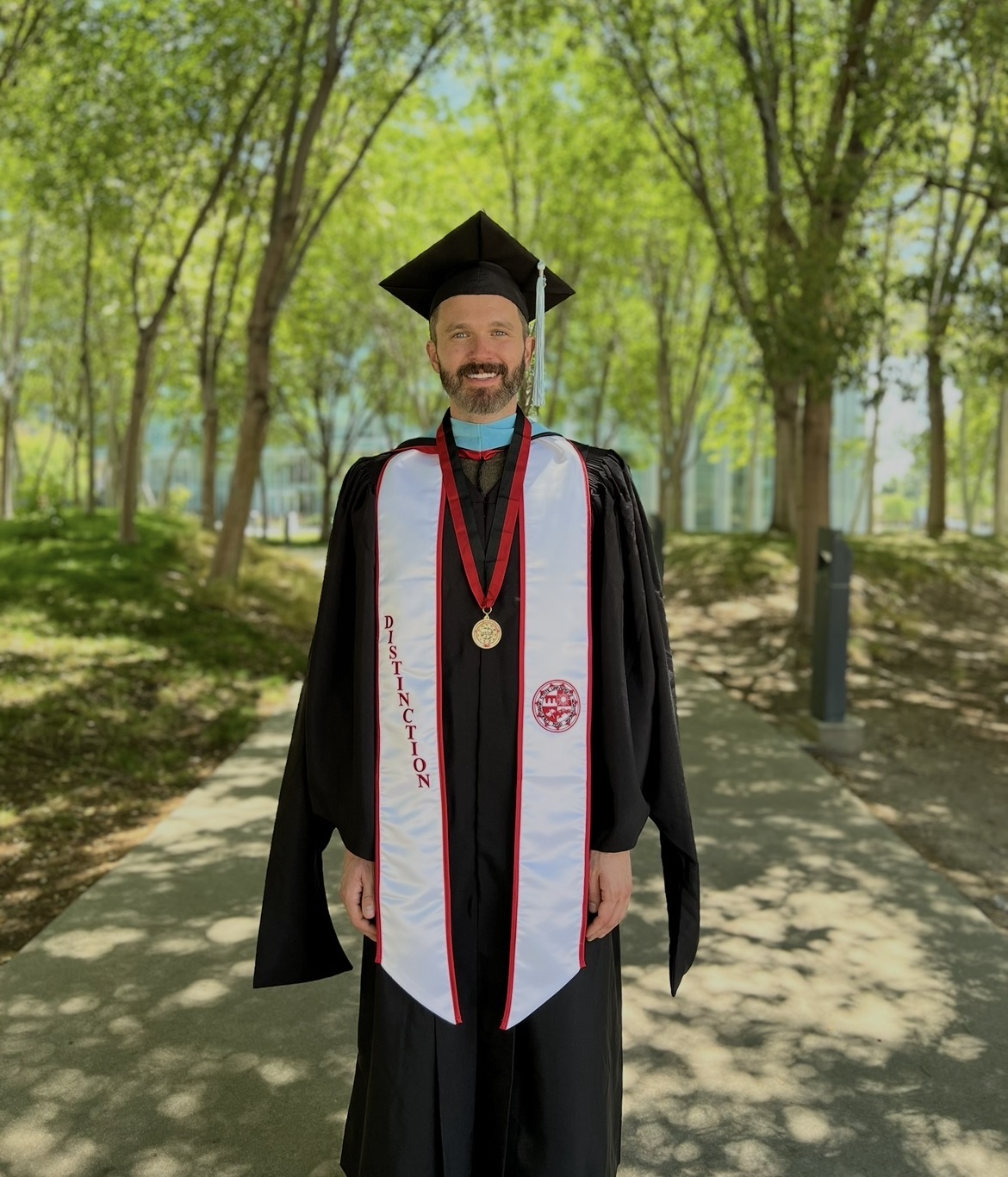
I began my clinical journey during my traineeship at Family Service Agency of Burbank, working with clients across the lifespan, with a focus on adolescents. After graduating, I started my associate work in private practice under the guidance of my incredible supervisor, Nick Bognar, where I continue to grow and refine my clinical voice.
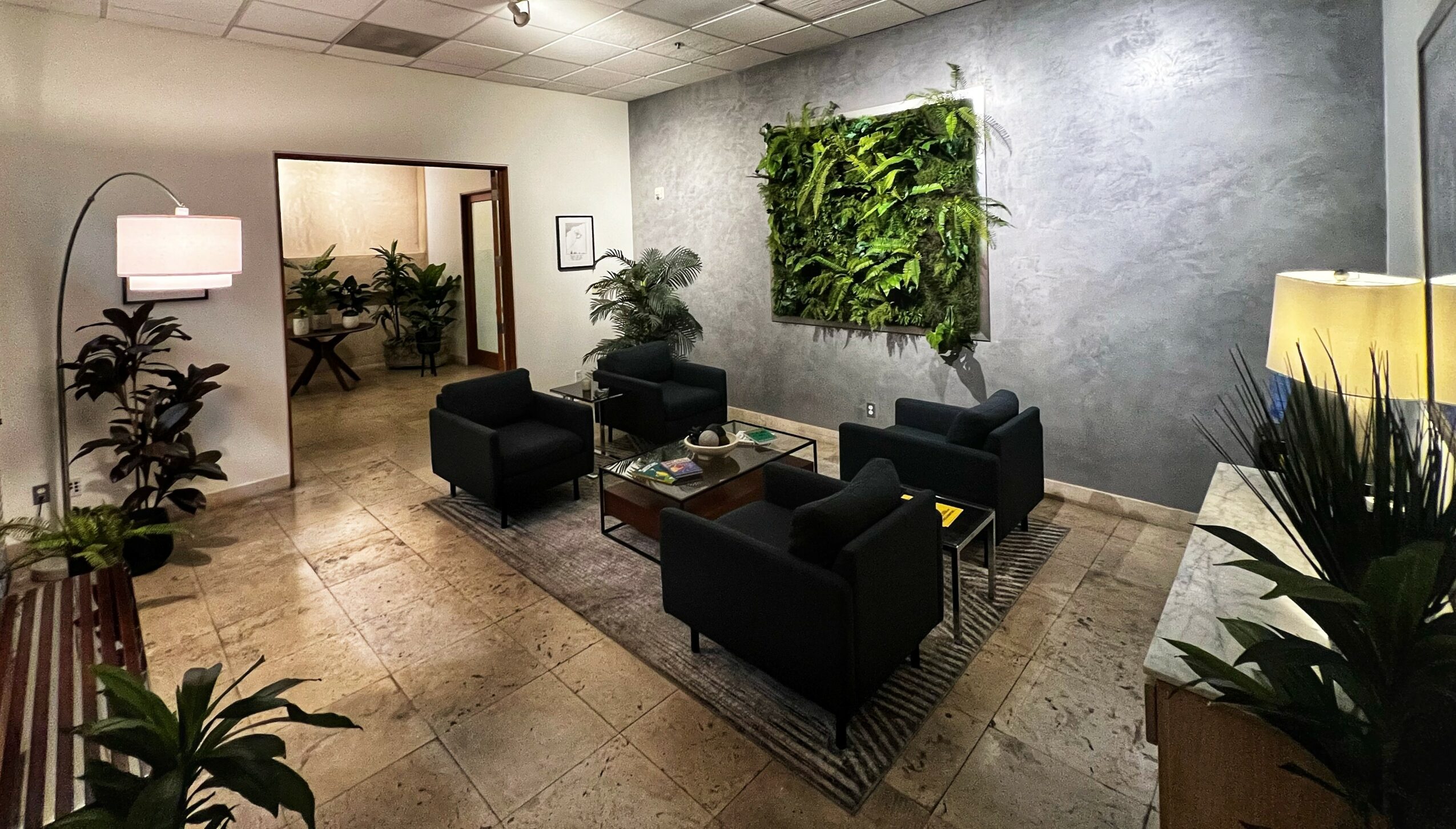
Today, I practice both in person in Pasadena and virtually throughout California. I primarily work with adults and couples, especially within the queer community, helping clients navigate relationships, self-worth, and the often messy process of understanding themselves. At the risk of sounding a little cheesy, I feel a deep sense of pride and fulfillment in connecting with my clients and walking alongside them as they shape the lives they want.
Can you talk to us a bit about the challenges and lessons you’ve learned along the way. Looking back would you say it’s been easy or smooth in retrospect?
Has it been a smooth road? Not exactly. Growing up queer and closeted in a small Midwestern town meant learning pretty early on how easy it is to question yourself and stay small just to fit in. Later, working in the entertainment industry, there was pressure to hide parts of who I was again, which only reinforced that sense of self-doubt.
Making the shift into therapy wasn’t seamless either. Going back to school and changing careers later in life meant sitting with a lot of uncertainty and trusting myself in a new way. Grad school and clinical work brought up that oh-so-familiar voice of imposter syndrome (you know the one). However, learning how to notice that voice without letting it take over has been one of the most impactful parts of my own personal growth.
In that way, I actually feel like those obstacles ended up teaching a lot, as they’ve shaped how I show up as a therapist. They’ve made me more patient and more curious about how self-doubt shows up in people’s lives. Having had to sit with my own uncertainty helps me meet clients with empathy and honesty, and with real respect for how hard it can be to show up and do this work.
Can you tell our readers more about what you do and what you think sets you apart from others?
These days, I primarily work with adults and couples, especially within the queer community. I help clients navigate relationships, self-worth, and the often complex process of understanding themselves and what they want their lives to look like. I also work with people who are navigating big transitions or trying to figure out who they are after spending years hiding parts of themselves.
I’d say what I’m most proud of is the space I create for people to really show up as they are, without judgment, and to explore the things that feel confusing, challenging, or even a little scary. I think that openness is something that resonates with clients. I try to meet people with honesty, warmth, and a sense of humor, while also holding the space for the hard stuff.
I’m drawn to work that involves self-discovery and deepening meaningful connections, and I love helping clients untangle patterns that no longer serve them. At the risk of sounding a little cheesy, I feel a deep sense of pride and fulfillment in connecting with my clients and walking alongside them as they shape the lives they want.
Who else deserves credit in your story?
Oh, jeez… there are so many.
My mentor in undergrad, Andrea Rashtian, who saw something in me and helped me get on the path toward becoming a therapist. Every single one of my professors in my graduate program supported and encouraged me in their own ways. Special shoutout to Stacy Kaiser, who helped me get out of my head and encouraged the real me to shine through.
My incredible clinical supervisors, Nicole Albers and Nick Bognar, have played an enormous role. Nicole guided me as a baby therapist with kindness, care, and compassion. Nick for helping me see strengths I hadn’t noticed in myself and for continuing to support my growth – plus his sense of humor is unbeatable.
My family, for their unwavering love and support. If there’s one thing I’ve learned since entering this field, it’s how much a supportive family shapes who you become. I am the person I am today because of their encouragement. I’m also grateful for my chosen family – friends from childhood, grad school, and everything in between – who keep me grounded, balanced, and enrich my life in countless ways.
And of course, my partner and our pups. They’ve endured more late nights, paper-proofing, and messy-stressy Andrew’s than anyone, and I couldn’t have done any of this without them.
Contact Info:
- Website: https://andrewlandertherapy.com
Popular
-

Christina Wren Steps Into the Director’s Chair to Tell Stories That Feel Like Home
-

Portraits of the Valley
-

LA’s Most Inspiring Stories
-

JordanL on ‘Breathe,’ Belief, and Building a Movement Beyond the Music
-

Megan Birney Rudert on How Access to Light Is Powering a More Sustainable and Equitable Future
-

Linda Kneidinger on Building Lasting Change Through Small Steps and Self-Compassion


