




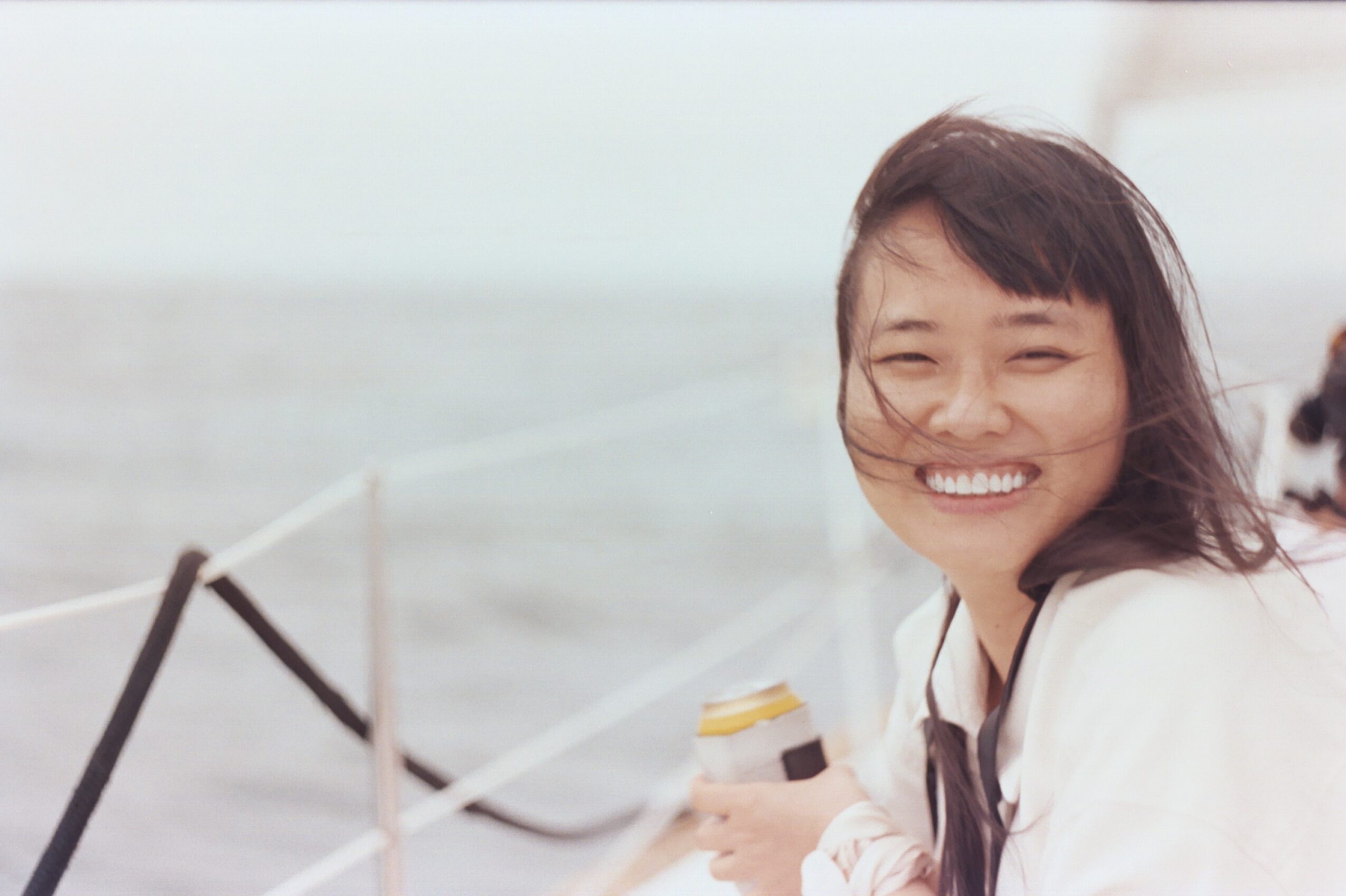
Today we’d like to introduce you to Nu (Nhung) Nguyen.
Hi Nu (Nhung), thanks for joining us today. We’d love for you to start by introducing yourself.
My relationship with sound began long before I ever stepped onto a film set in Los Angeles. I spent nearly ten years in television commercial production across Vietnam and Southeast Asia, working with global advertising agencies on large-scale campaigns. Those sets were demanding, fast, and precise—but they taught me discipline. They taught me how sound must hold up under pressure, how it must be invisible yet powerful, and how every detail matters when the clock is running.
Over time, I felt a pull toward deeper storytelling—stories that breathe, that linger. That instinct led me to Los Angeles, where I shifted my focus toward documentary producing and directing. Creating my own films, and later seeing them recognized and awarded, changed the way I approach sound forever. When you are responsible for the story from the first idea to the final cut, you learn that sound is not just captured—it is composed. Silence, texture, breath, and space all become part of the narrative language.
As my work grew, I was given the opportunity to bring that sensibility to projects of many scales. I’ve engineered sound for internationally recognized productions including Vogue Magazine, PBS, Frontline/PBS, and the Ad Council, as well as intimate independent films supported by CAAM. Moving between these worlds taught me adaptability—but more importantly, it reinforced my belief that no matter the budget or platform, every story deserves to be heard with clarity and intention.
In 2024, my path expanded again into vertical drama, a rapidly evolving format reshaping how audiences engage with stories across the United States. Working in this space has pushed me to rethink rhythm, proximity, and emotional immediacy—while still honoring cinematic sound principles within a new visual language.
While awards and recognition have marked milestones along the way, what I value most is how I show up on set. I’m known for a calm, grounded presence, a collaborative spirit, and a deep technical command that allows directors and performers to feel supported. My role is to protect the emotional truth of a moment—often without being noticed.
For me, production sound is not about capturing noise. It’s about listening. Listening to the story, to the space, and to the human moments unfolding in front of the camera—and translating all of that into something that stays with the audience long after the screen goes dark.
We all face challenges, but looking back would you describe it as a relatively smooth road?
It hasn’t been a smooth road—and I don’t think it’s supposed to be. Like many artists building a life in this industry, my path has always kept me humble and grounded, even while pushing me to keep reaching forward.
The past few years, in particular, have been a period of real transformation for our industry. We’ve lived through two major strikes, the rapid rise of AI, and a noticeable shift of production away from Los Angeles. For many of us in the crew community, work slowed in ways none of us expected. There were stretches when things were quiet—quieter than anyone would wish—and that silence can be challenging. It forces you into moments of soul-searching, of questioning where your edge is and how you continue to evolve.
What carried me through that period was community. I’ve been incredibly fortunate to have mentors and colleagues who never stopped offering insight, encouragement, and opportunities—people who believed in my work even during uncertain times. Their support reminded me that this industry, at its core, is built on trust and collaboration.
Those months became a turning point. That was when I made a pivotal transition into vertical drama production. It was not a step away from my craft, but a step deeper into it. My background in documentary sound—working fast, adapting constantly, capturing truth in unpredictable environments—prepared me perfectly for the pace and demands of vertical storytelling.
Through vertical productions, I found myself operating in multi-camera environments, sometimes running sound for four cameras simultaneously, expanding my skills as a boom operator, and managing complex mic setups—often wiring 10 to 15 professional actors for a single scene. I also had the opportunity to collaborate with some of the strongest crews transitioning from traditional Hollywood productions into this new format, learning alongside people who bring decades of experience into a rapidly evolving medium.
That period of uncertainty ultimately became a period of growth. Today, I’ve established myself as one of the most sought-after production sound engineers in vertical drama, while continuing to work across scripted and non-scripted projects throughout Los Angeles and California. The challenges didn’t slow me down—they reshaped me. They sharpened my instincts, expanded my technical range, and reinforced my belief that resilience, adaptability, and craft are what allow an artist not just to survive, but to thrive.
Thanks for sharing that. So, maybe next you can tell us a bit more about your work?
What sets me apart is the combination of technical mastery, narrative sensitivity, and how I show up as a collaborator on set.
I specialize in production sound for television, feature films, and unscripted storytelling, including documentaries, commercials, and reality TV. Over the past six years, I’ve worked across productions of every scale—from union and studio network projects, to public television, to independent films where resources are limited but vision is strong. Being able to move fluidly between those worlds has taught me how to protect the integrity of sound no matter the size of the production, while helping artists—especially emerging ones—bring their ideas to life.
From a technical standpoint, I’ve built a complete, industry-standard production sound system using the most advanced tools available today. But for me, gear is only meaningful when paired with knowledge. I consistently invest in my craft by attending industry trainings, technical workshops, and professional events, learning directly from leading manufacturers such as Shure, Lectrosonics, and Sennheiser. That ongoing education allows me to stay current, adaptable, and prepared for any production environment.
Equally important is how I work with people. I’m known for a calm, professional, and caring presence on set—whether I’m collaborating with directors, supporting actors, or working closely with documentary subjects. I’m efficient, solutions-oriented, and always thinking on my feet, especially when conditions change or challenges arise. Because of that, many of the productions I work on turn into long-term collaborations—once people work with me, they often bring me back.
I’m also known for thinking beyond the immediate ask. On set, I’m always listening for opportunities to capture additional audio—ambiences, textures, moments—that may not be explicitly requested, but that ultimately give the post-production team a richer palette to craft a more nuanced and emotionally grounded story.
Finally, I believe in community. I’m intentional about being supportive of my fellow sound mixers. When I’m unavailable for a project, I always recommend another mixer I trust—someone who will serve the production well. It’s my way of paying forward the support I’ve received, strengthening our creative ecosystem, and helping productions succeed even when I can’t be there myself.
At the end of the day, I don’t just deliver clean audio—I bring trust, preparation, and care to every project. That combination is what I believe truly sets me apart.
What was your favorite childhood memory?
I don’t remember a time when I wasn’t listening.
Before I understood what film was, before I knew the language of cameras or microphones, there was sound. Music drifting through rooms. Voices rising and falling from soap operas. Folk songs carrying the weight of generations. Later, pop music from faraway places, arriving like postcards from another world. Sound was my first storyteller.
As a child, I was always performing. Singing before I knew how to be shy. Dancing before I knew how to be watched. Standing on small stages, reading poems, telling stories, writing plays, directing classmates, joining drama competitions, building theater clubs out of nothing but imagination. Those moments were my refuge. When I stepped into a story, I disappeared—and in that disappearance, I found myself.
My father noticed. He listened too. A hobbyist singer with a generous heart, he believed in art as something to be shared, not withheld. Through friendships with local artists, he found ways to quietly usher me into the best opera and music performances that came through our hometown. I would sit there, impossibly small in my seat, eyes wide, staying up far past midnight, letting the music wash over me like a secret meant only for us.
And when the performances weren’t live, I chased them wherever I could. Slipping into a neighbor’s house to watch television in color. Waiting breathlessly for the next episode of my favorite soap opera. Stories became my compass. They told me where I was allowed to feel, where I was allowed to dream.
In those moments—inside a song, a scene, a performance—the world softened. Whatever difficulties existed outside the frame simply dissolved. Joy was not loud; it was complete. I was held by sound, by story, by the invisible thread that connects one human to another through art.
Looking back, I realize those memories were not just childhood wonder. They were the beginning of a lifelong devotion. Today, when I put on my headphones on set and the world narrows to breath, footsteps, silence, and emotion, I feel that same stillness.
It is the sound of being home.
Contact Info:
- Website: https://www.nhungfilmmaker.com
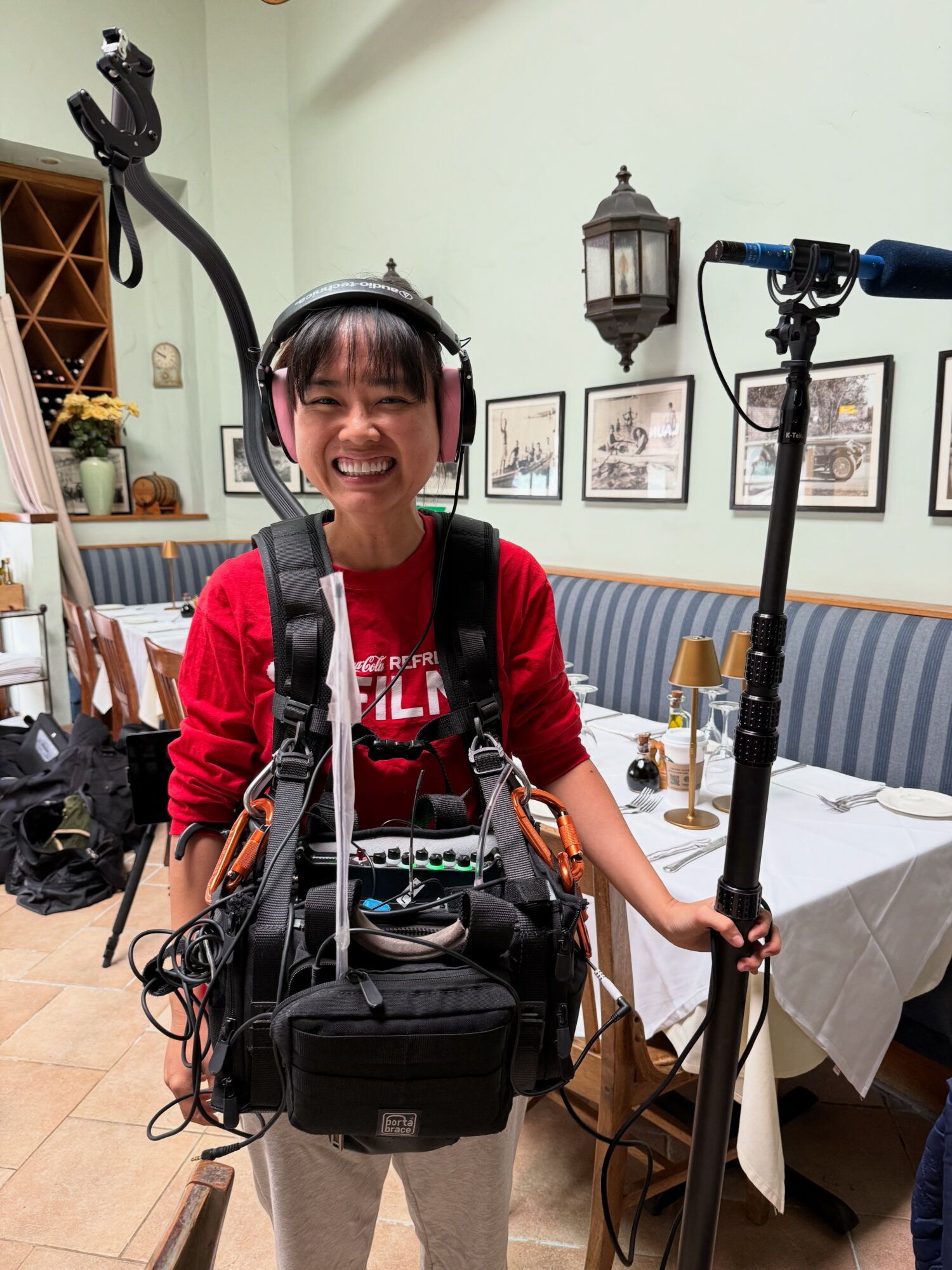
Image Credits
IMAGES BY Rocky Hagman, and Nhung Nguyen
Popular
-

Christina Wren Steps Into the Director’s Chair to Tell Stories That Feel Like Home
-

Portraits of the Valley
-

LA’s Most Inspiring Stories
-
JordanL on ‘Breathe,’ Belief, and Building a Movement Beyond the Music
-
Megan Birney Rudert on How Access to Light Is Powering a More Sustainable and Equitable Future
-

Linda Kneidinger on Building Lasting Change Through Small Steps and Self-Compassion


