




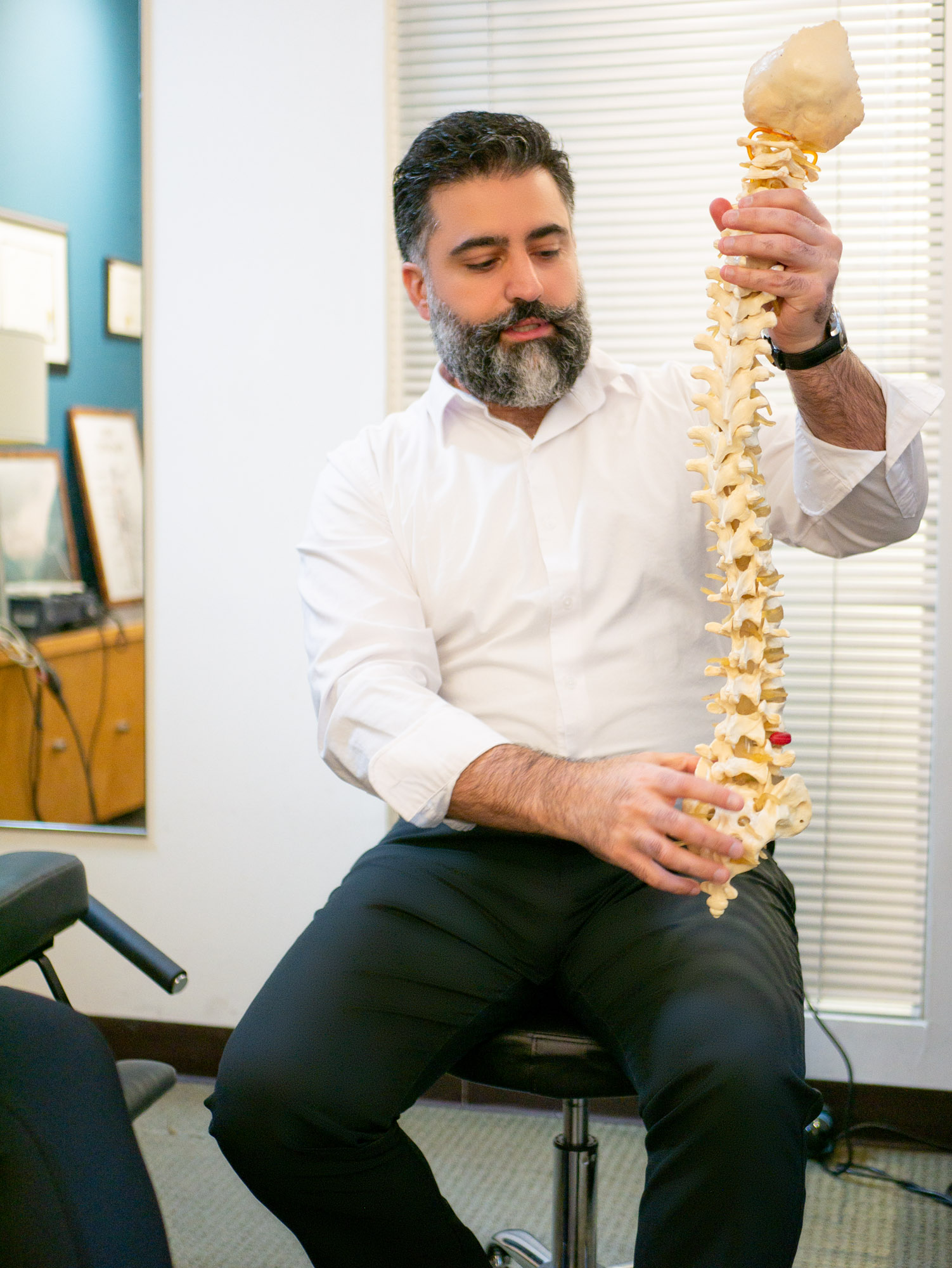
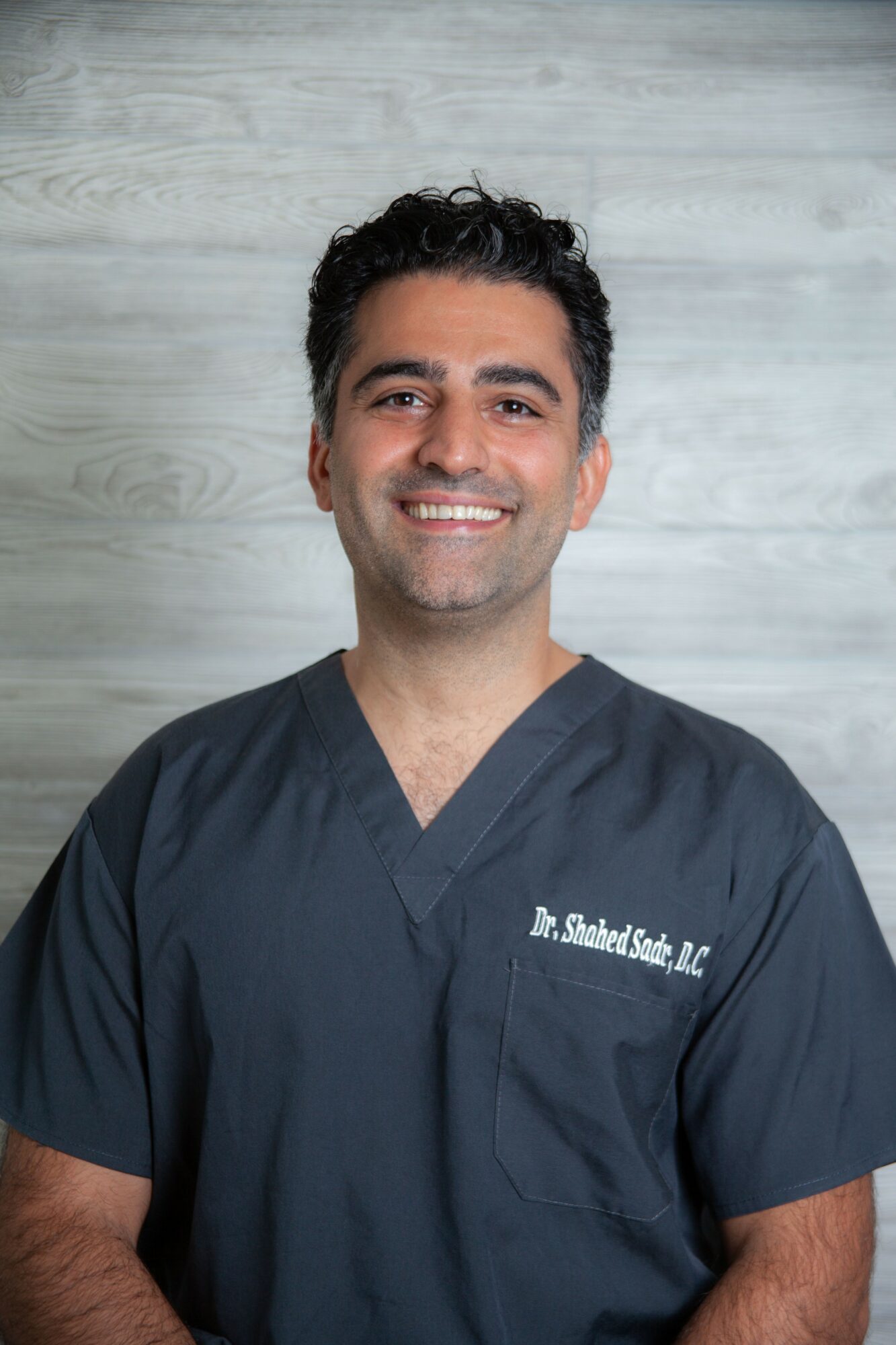
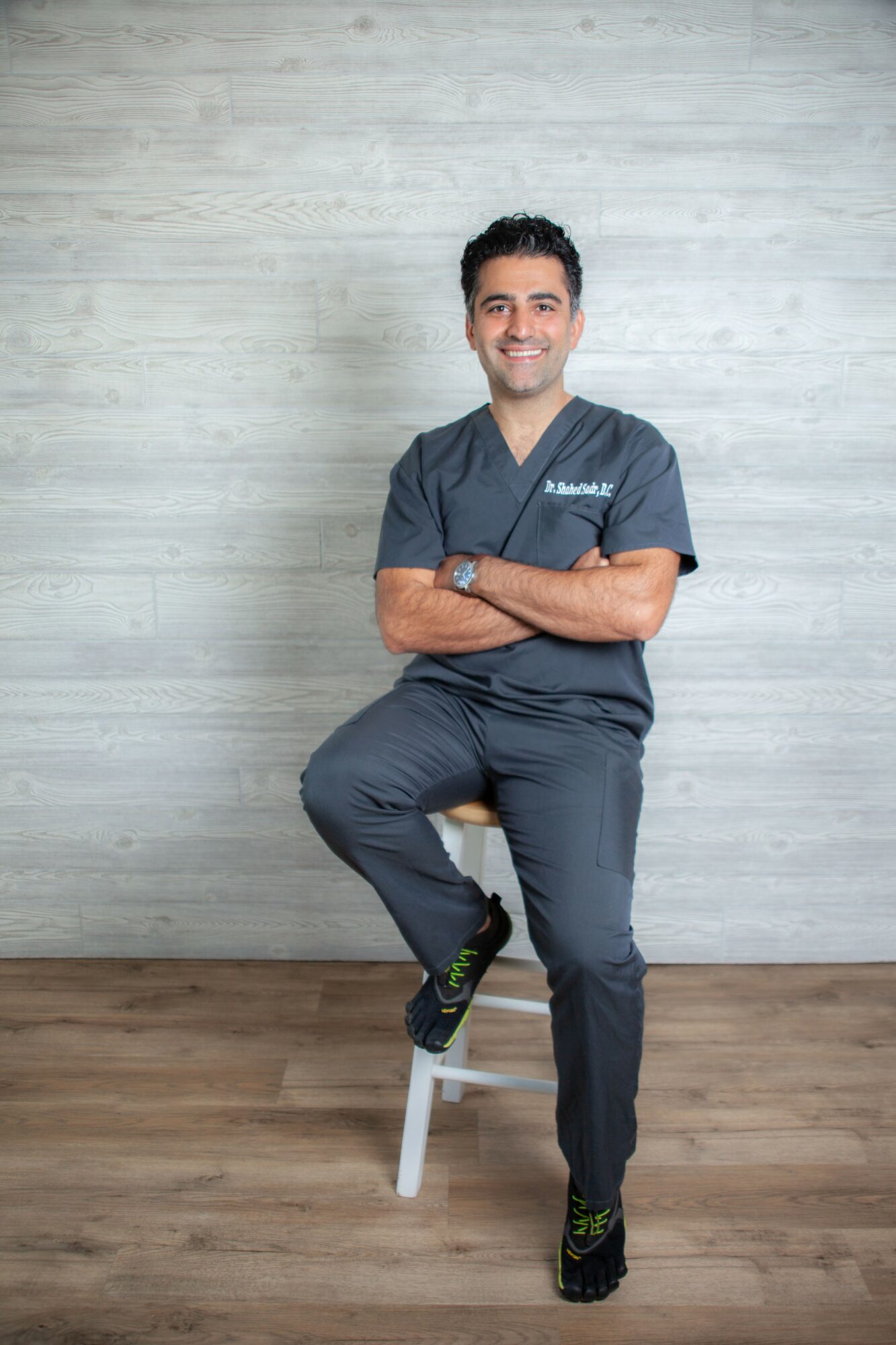
Today we’d like to introduce you to Shahed Sadr.
Hi Shahed, we’re thrilled to have a chance to learn your story today. So, before we get into specifics, maybe you can briefly walk us through how you got to where you are today?
The Journey That Led Me to Chiropractic
As a child, I felt unbreakable. My body was my tool for play, a way to express emotions beyond words. Pain was an afterthought, and recovery was a concept that didn’t make sense to me. But as I grew older, I realized that my body was more than just a tool—it was an intricate, living instrument, the only one I had to connect with the world. And like any instrument, it needed care, tuning, and adjustments to perform at its best.
Curiosity was my first step. I began questioning the pains within my body. How could I help this complex vessel—one without a user manual—reach its full potential? The human body is designed to heal itself, but what could I do to support and enhance that process?
Through my studies, I noticed a pattern: most physical pains followed people throughout their lives. Instead of resolving them, the body simply adapted to survive. I realized the difference between beneficial soreness—the kind that leads to growth—and pain that hinders progress due to a lack of understanding. This realization fueled my determination to explore the root causes of pain and limitations in movement.
Facing pain, whether physical or emotional, is one of life’s hardest yet most rewarding challenges. My passion for movement, healing, and the body’s resilience led me to chiropractic care. I immersed myself in understanding muscle function, ligament integrity, joint capsules, nerve pathways, and the concept of subluxation—how joint restrictions impact overall health. I discovered the immense power of stretching, strengthening, and restoring proper function to muscles and joints.
But movement is more than just physical—it’s neurological. Our brain controls every motion, yet through life experiences, we often lose full connection with our bodies. This disconnect creates resistance, limiting our movement and potential. That’s when I discovered neuroplasticity—the brain’s ability to adapt and rewire itself through repetitive movement and awareness. Just as playing piano requires repeated practice to develop muscle memory, restoring joint function requires consistent movement to rebuild neurological connections.
My mission is to share this knowledge with the world. I am especially passionate about helping those with scoliosis and spinal deformities, demonstrating the true power of chiropractic care. Before I leave this earth, I hope to change how people perceive the body’s healing potential and show them a new perspective on movement, pain, and the magic of chiropractic.
Would you say it’s been a smooth road, and if not what are some of the biggest challenges you’ve faced along the way?
It hasn’t been a smooth road—and in many ways, it wasn’t meant to be.
As a child, I felt unbreakable. My body moved freely, expressed emotion effortlessly, and recovered without thought. Pain didn’t have meaning then. But as I grew older, I began to understand that the body isn’t just something we use—it’s a living, intelligent instrument. And like any instrument, when it’s ignored, mistuned, or pushed without understanding, it begins to speak through pain.
My first struggle was curiosity itself. I started questioning the aches, the limitations, the quiet signals my body was sending. There was no manual, no clear roadmap—only questions. How does this system heal itself? Why do certain pains follow people their entire lives? Why does the body adapt instead of truly resolving dysfunction?
Through my education and personal experience, I saw a recurring pattern: most people don’t heal—they compensate. The body survives by adapting to dysfunction, not correcting it. I learned the difference between productive discomfort that leads to growth and destructive pain that limits progress. That realization was both eye-opening and frustrating. It meant the answers weren’t simple, quick, or widely understood.
The struggle deepened as I immersed myself in chiropractic. Understanding muscle balance, ligament integrity, joint capsules, nerve pathways, and subluxation required more than memorization—it required humility. I had to accept how much I didn’t know. I faced skepticism, self-doubt, and moments where the complexity of the human body felt overwhelming.
But the biggest challenge was realizing that movement isn’t just mechanical—it’s neurological. Life, trauma, habits, and fear disconnect us from our bodies. We lose awareness. We lose trust in movement. Rebuilding that connection takes time, repetition, and patience. Neuroplasticity taught me that healing isn’t passive; it’s an active dialogue between the brain and the body—much like learning an instrument, one repetition at a time.
The road was difficult because it demanded growth—physically, intellectually, and emotionally. But those struggles shaped my purpose. They clarified my mission: to help people reconnect with their bodies, restore movement, and understand their true healing potential. Especially for those with scoliosis and spinal deformities, I want to show that the body is capable of far more than we’ve been taught to believe.
It wasn’t smooth—but it was necessary. And every challenge along the way reinforced why chiropractic isn’t just what I do—it’s how I see the body, movement, and life itself
We’ve been impressed with Witness Chiropractic, but for folks who might not be as familiar, what can you share with them about what you do and what sets you apart from others?
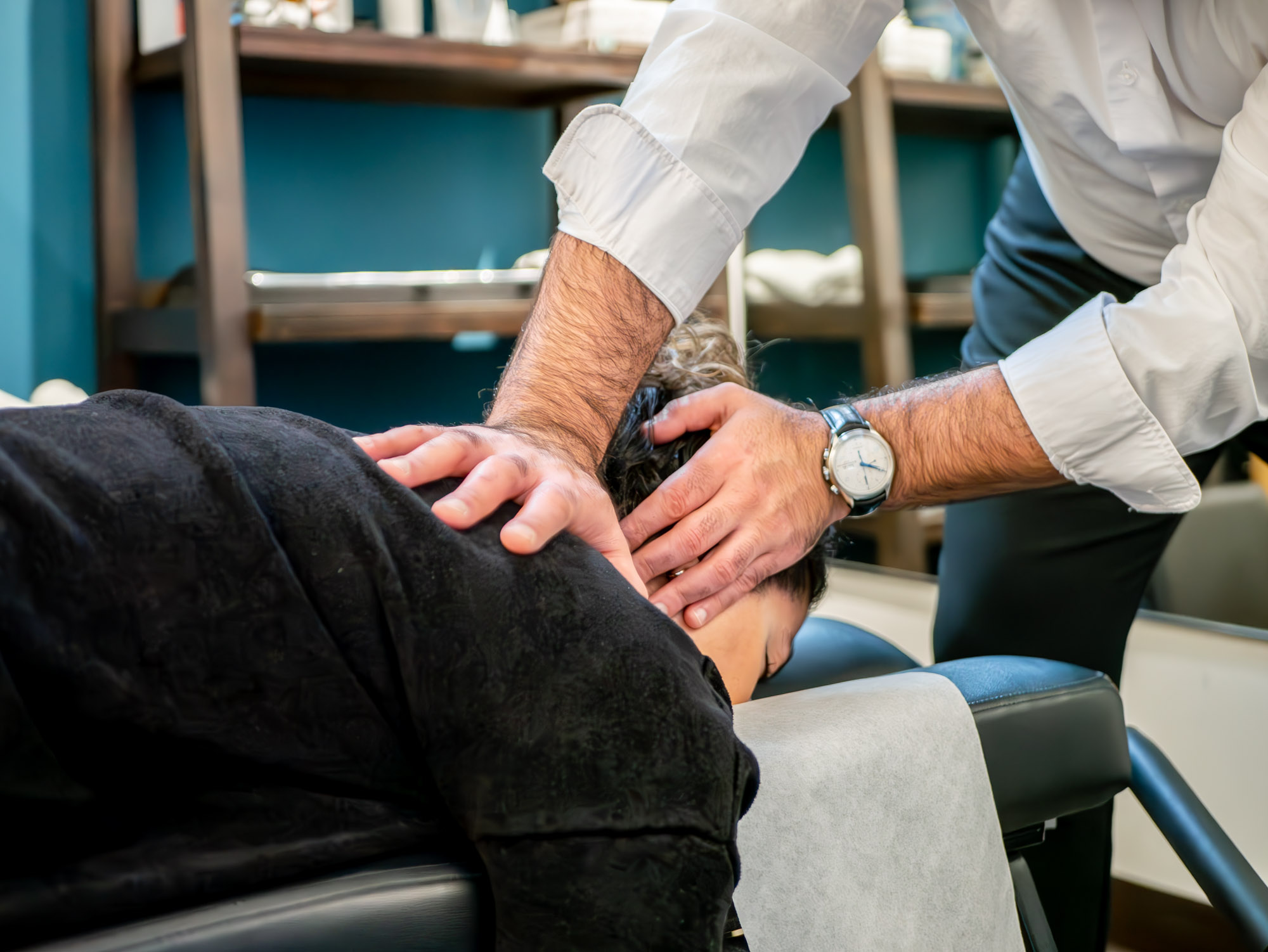
My business is built around helping people reconnect with their bodies and move without fear again. I don’t see patients as diagnoses—I see them as people who’ve been compensating, adapting, and pushing through pain for years because they didn’t have answers.
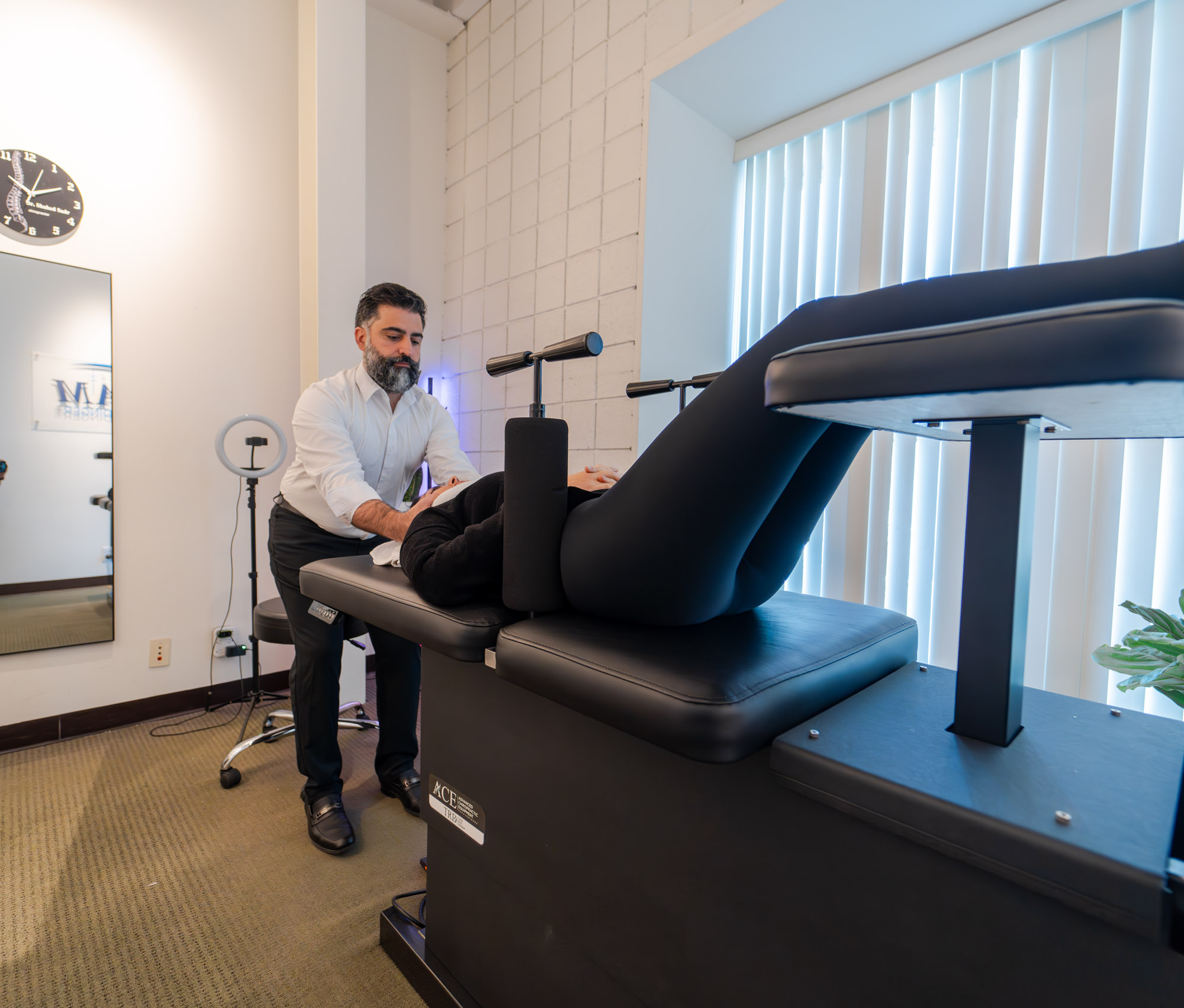
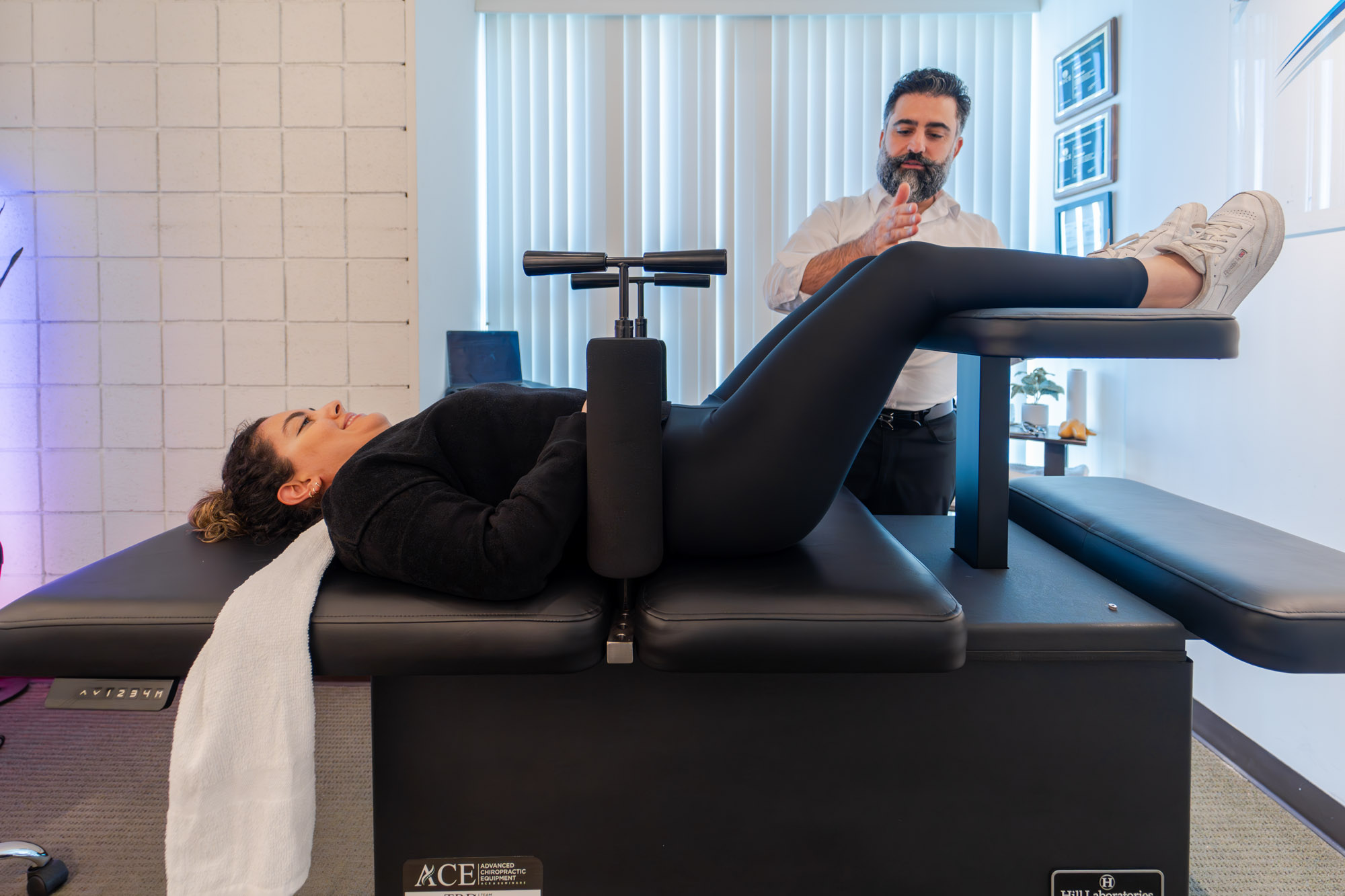
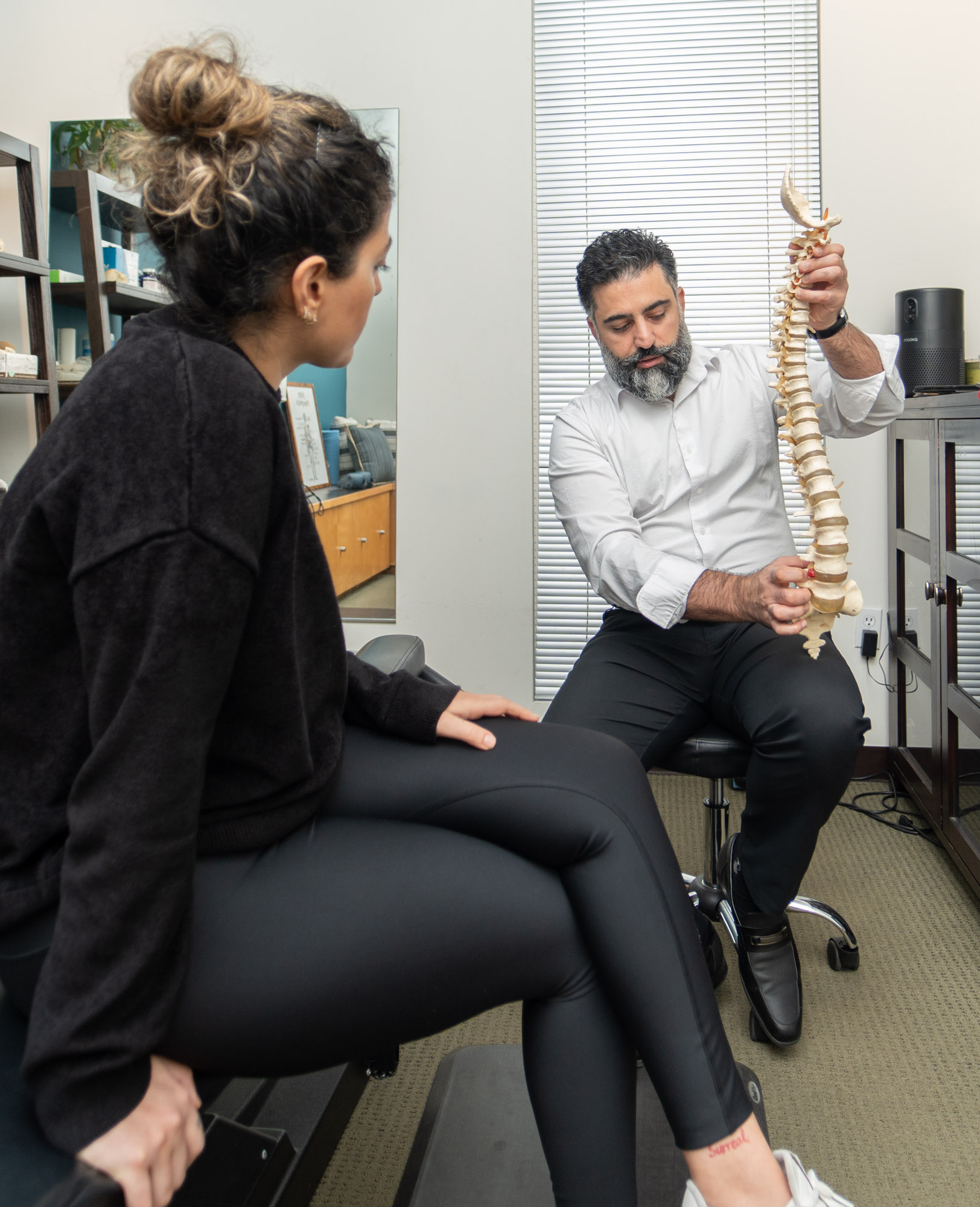
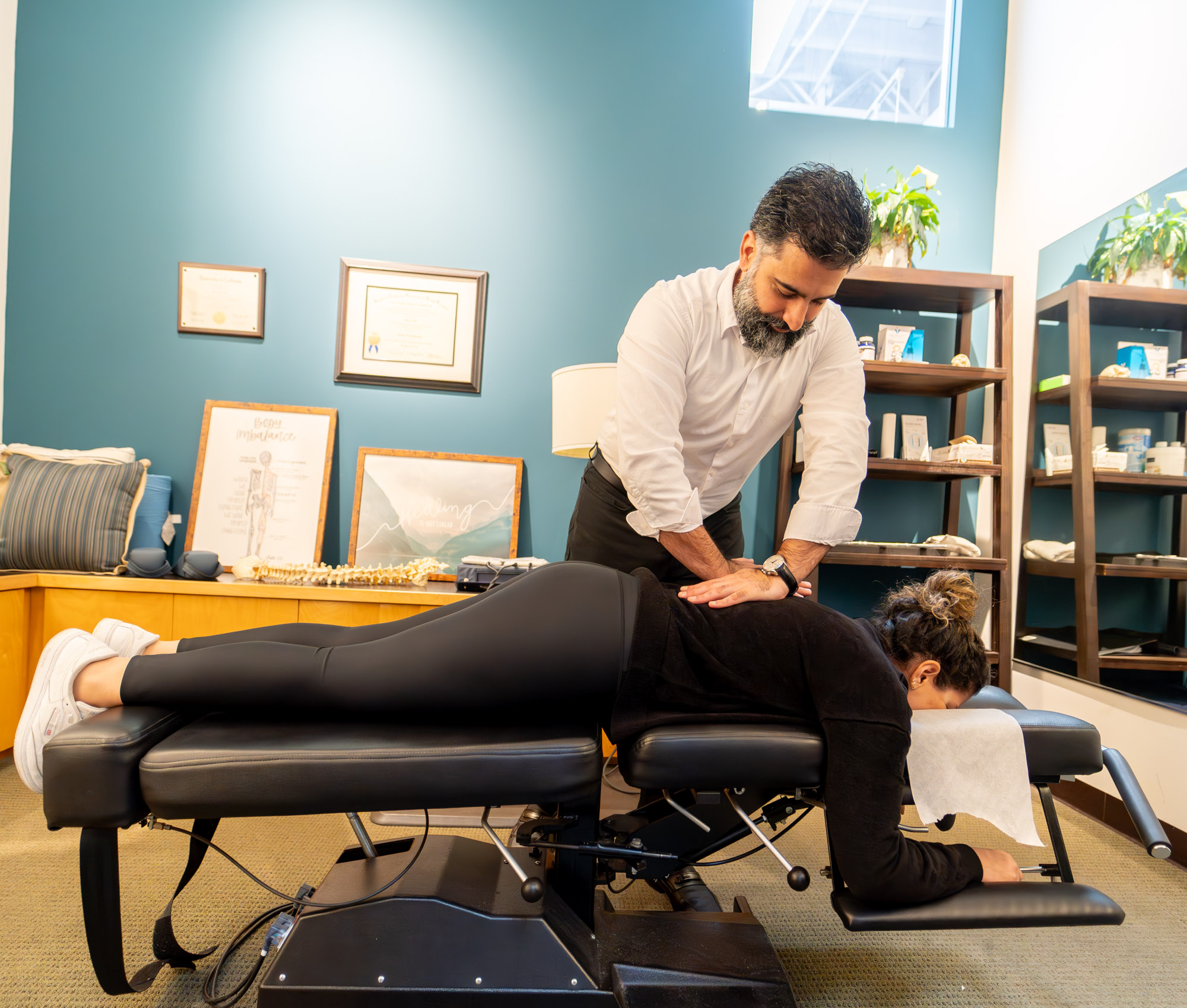
What I specialize in is complex spinal conditions and movement dysfunction, and one of my primary tools is full-spine decompression using the Ring Dinger technique. It’s a very specific, highly controlled form of Y-axis decompression, and only about 45 chiropractors in the world are licensed to perform it. I don’t use it casually—it’s reserved for the right patient, at the right time, after a thorough evaluation. When used properly, it can be life-changing.
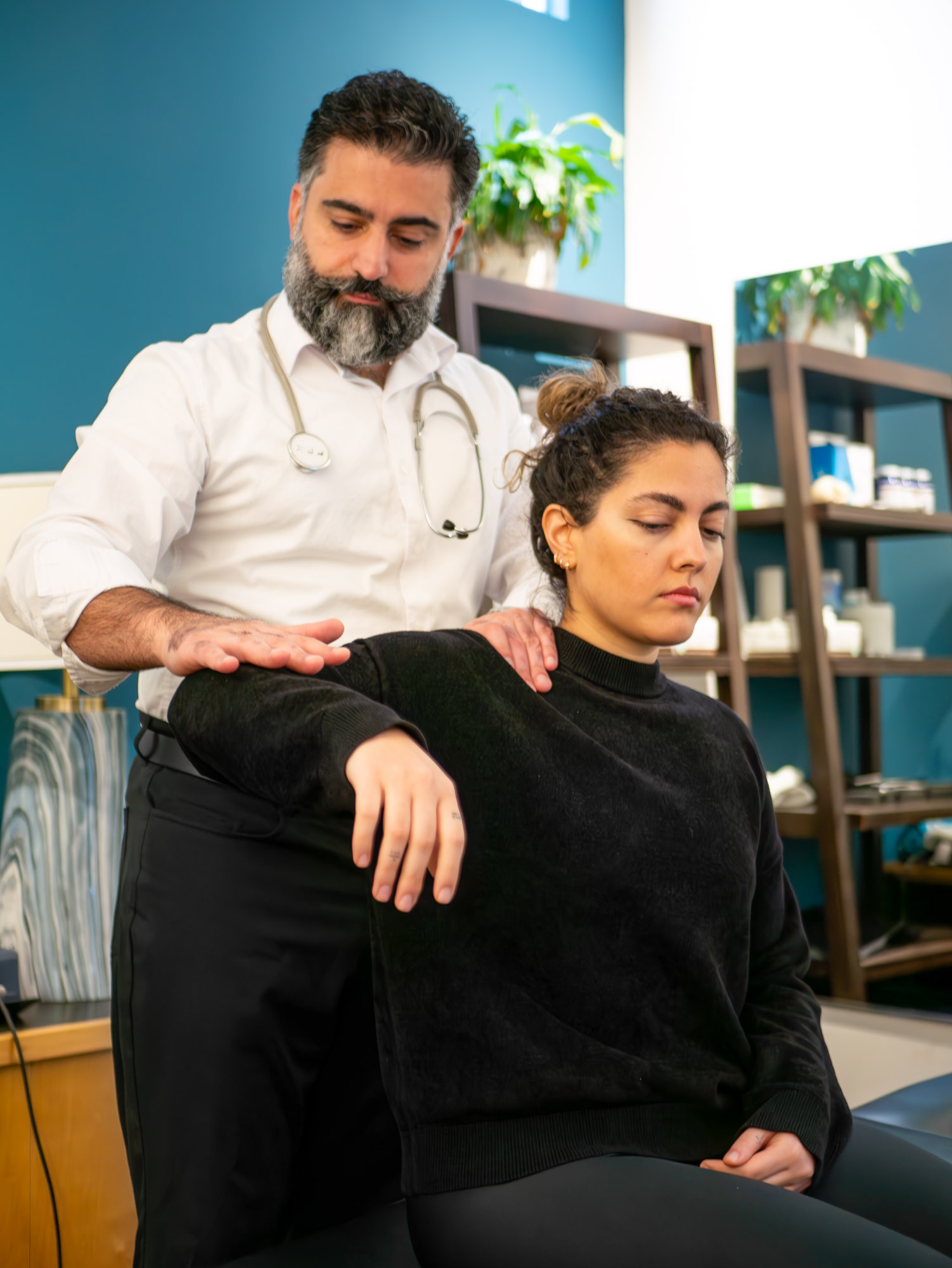
What really sets me apart is how I see the body. I have a deep understanding of biomechanics, and I’m very attentive to compensatory movement patterns—how someone stands, walks, breathes, or even sits. The body is always telling a story. Pain often shows up in one place, but the problem usually started somewhere else years earlier.
I spend a lot of time watching how people move because healing isn’t just about cracking joints—it’s about restoring balance, coordination, and communication between the brain and the body. Once you remove the restrictions and retrain movement, the body often does the rest on its own.
At the end of the day, my work is about giving people hope—especially those who’ve been told they’ll ‘just have to live with it.’ I want them to understand that their body isn’t broken. It’s adaptive, intelligent, and capable of far more than they’ve been led to believe.
How do you think about luck?
where most people say luck, I say faith, I see as alignment—being guided to the right places, people, and opportunities at the right time. Faith taught me to trust the process even when I couldn’t see the outcome.
There were moments in my life and business when doors opened that I couldn’t have forced—finding the right mentors, discovering techniques like full-spine decompression, or crossing paths with patients who were ready for change. From the outside, it looks like luck. From the inside, it felt like being prepared for what I had quietly been praying for.
Faith also helped me stay steady during the harder seasons—when growth was slow, when doubt crept in, or when staying ethical meant saying no to easier paths. I believe that when your intention is pure and your work serves something greater than yourself, things begin to align.
So yes, luck has played a role—but I believe faith is what positioned me to receive it. I did the work, but I also trusted that I wasn’t walking the path alone
Contact Info:
- Website: https://www.witnesschiropractic.com
- Instagram: https://www.instagram.com/witnesschiropractic/
- Facebook: https://www.facebook.com/people/Witness-Chiropractic/61567757847292/
- LinkedIn: https://www.linkedin.com/in/witnesschiropractic/
- Youtube: https://www.youtube.com/@witnesschiropractic
Popular
-

Linda Villines on Releasing Stored Struggle and Reclaiming Ease Through the Body
-

Candice Swanson on Honoring the Sacred Early Days of Motherhood Through Intentional Photography
-

Michael Johnson on Telling Untold Stories of Identity and Leadership Through SQUAD
-

Owning the Narrative: Drew Dusterhoff Steps Into Power with Lincoln Must Die
-

Portraits of the Valley
-

LA’s Most Inspiring Stories


