




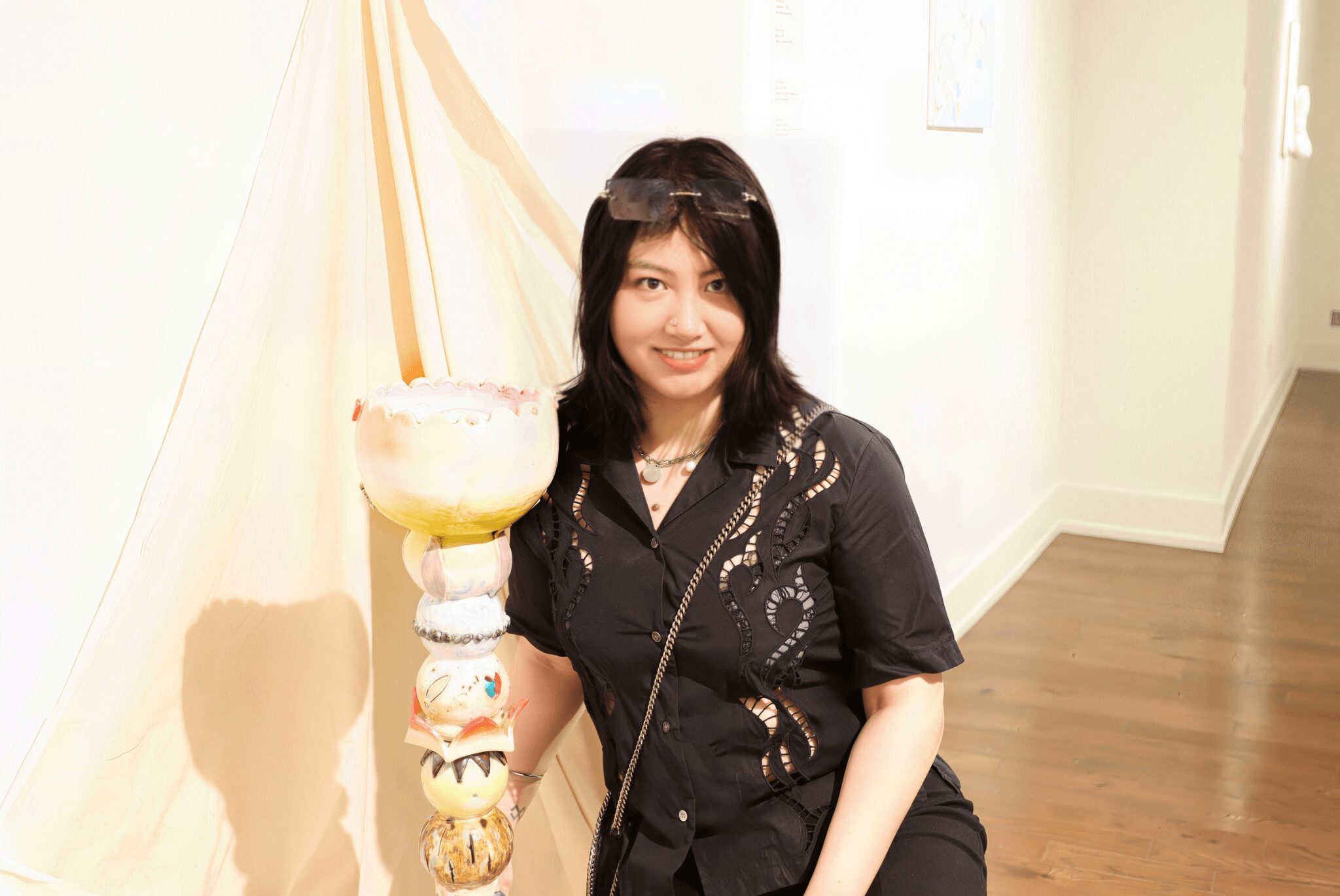
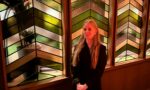
Today we’d like to introduce you to Ping Wang.
Hi Ping, thanks for joining us today. We’d love for you to start by introducing yourself.
I didn’t always know I wanted to be an artist, at least not in the way I am now. I grew up in China in a household where art was everywhere. My mother is a Chinese ink painter, but surprisingly, before high school, I wasn’t very interested in painting or drawing. I was more into Japanese anime. It wasn’t until high school that I made the decision to pursue art seriously. I followed the structure, learning the rules and perfecting technique.
After moving to New York and earning my BFA in Illustration at SVA, I found myself caught in the grind of freelance work. I was taking on projects to survive, not to express. It wasn’t the work that exhausted me. It was the feeling of always responding to someone else’s vision.
Eventually, I hit a wall. I felt burned out, disconnected, and unsure. But that discomfort pushed me back to myself. I started asking, what do I want to say? That question led me to graduate school at Brooklyn College, where I began to explore a more open and experimental practice. I started working with clay, motion, light, sound—whatever felt right. I stopped separating fine art from design, digital media, or craft. I let it all flow together.
Now, my work is about transformation—of materials and of self. It’s about migration, memory, and the space in between cultures and identities. Looking back, every detour brought me here. And I’m still evolving.
Would you say it’s been a smooth road, and if not what are some of the biggest challenges you’ve faced along the way?
It definitely hasn’t been a smooth road. There have been so many moments of uncertainty, especially as an international artist trying to build a life and career in a new country. Visa pressure, financial stress, language barriers, and rejection—they’ve all been part of the path. There were times I questioned everything, especially when it felt like I was working so hard but still not being seen or heard.
Another big struggle was shifting from doing client-based work to developing my own voice. It’s hard to let go of stability and choose the unknown. I’ve had to rebuild my confidence more than once, and remind myself why I do this. But honestly, those hard moments also pushed me to go deeper—to be more honest, more experimental, more open.
It’s not easy, but I’ve learned that struggle can also sharpen your vision. Every detour taught me something, and each time I came back to art, I came back stronger.
Thanks – so what else should our readers know about your work and what you’re currently focused on?
I work with ceramics, multimedia sculpture, painting, and digital media to explore intersections like identity, womanhood, and migration. Having grown up in China and later relocating to New York, my practice reflects the psychological and material complexities of “in-betweenness” has shaped both the conceptual and aesthetic foundations of my work. This journey informs a process of reconstructing power dynamics to confront interwoven themes of resilience and transformation.My creative process involves close attention to how subconscious fragments of memory, emotion, and experience surface through material experimentation. By deconstructing and reinterpreting bodily forms, natural elements, and cultural motifs such as architecture, interiors, calligraphy, and fashion, I create conceptual portals that connect inner and outer realities
What I’m most proud of is staying true to my voice. I come from a strong technical background, trained in academic drawing and painting in China, but I’ve allowed my practice to evolve. Over time, I’ve developed a language that’s intuitive, emotional, and deeply personal. I think what sets my work apart is how it speaks through feeling more than explanation. People often describe it as tactile, poetic, and quietly intense.
I recently completed a residency at Pioneer Works, where I created a new body of work that uses sculptural ceramics, sound, and motion to reflect on transformation and the connection between body and soul. I’m also beginning to explore wearable and functional objects—still conceptually rooted, but made for everyday engagement.
At the core of everything I do is the belief that art can hold space—for emotion, for memory, for the parts of ourselves we can’t always say out loud.
What matters most to you?
What matters most to me is honesty—especially emotional honesty. In life and in art, I care about staying connected to what feels real, even when it’s uncomfortable or hard to define. I think that’s where the most meaningful work comes from.
As someone who has moved between cultures, languages, and identities, I’ve often had to navigate ambiguity. So I’ve learned to listen closely to the things that don’t always have words—intuition, memory, tension in the body. That sensitivity is what guides my practice. I want my work to feel honest, even if it’s quiet or abstract. Because when it comes from a true place, it has the power to connect.
That kind of connection—between artist, material, and viewer—is what I care about most.
Contact Info:
- Website: https://www.pingwangart.com
- Instagram: https://www.instagram.com/xandri19w
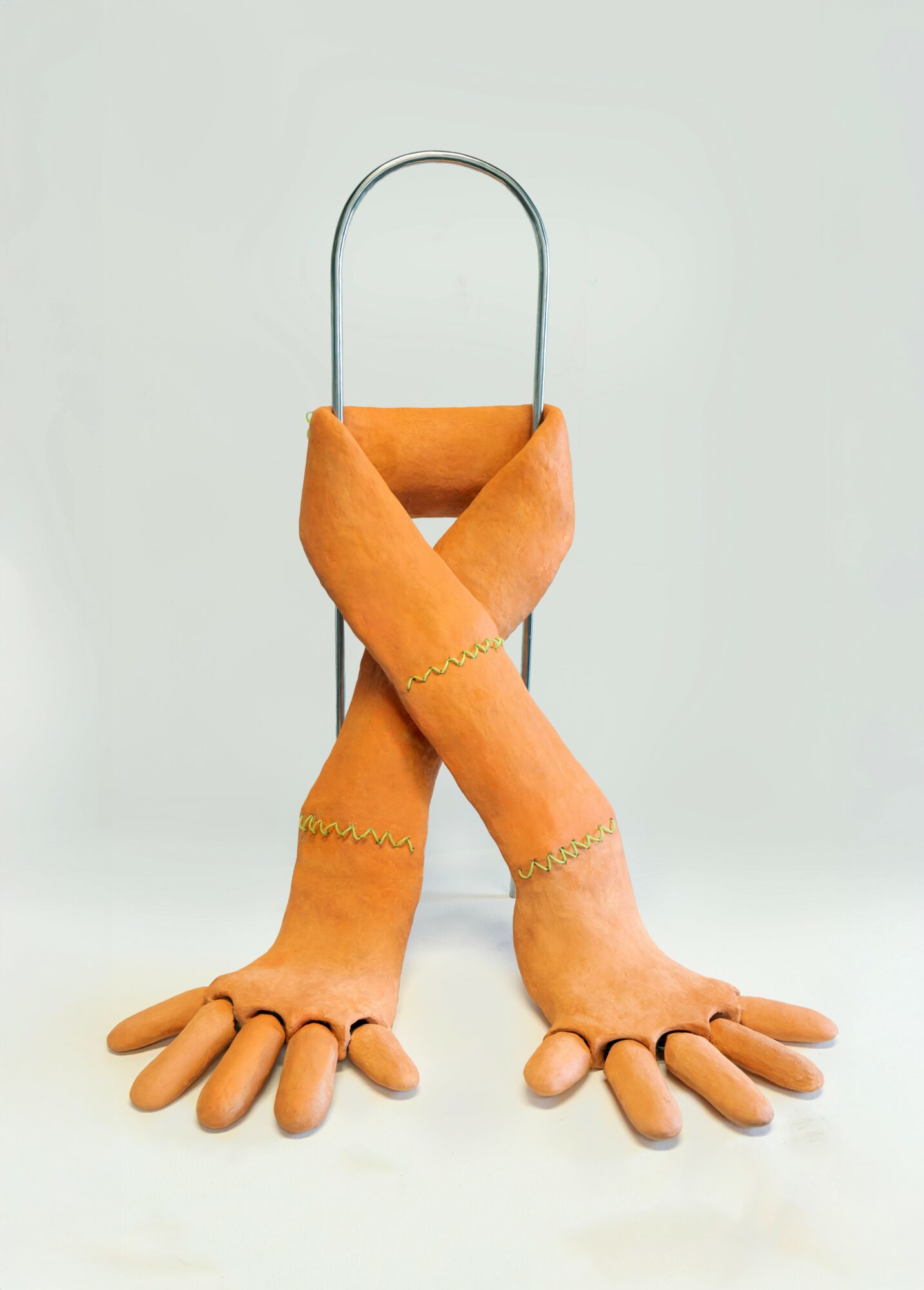
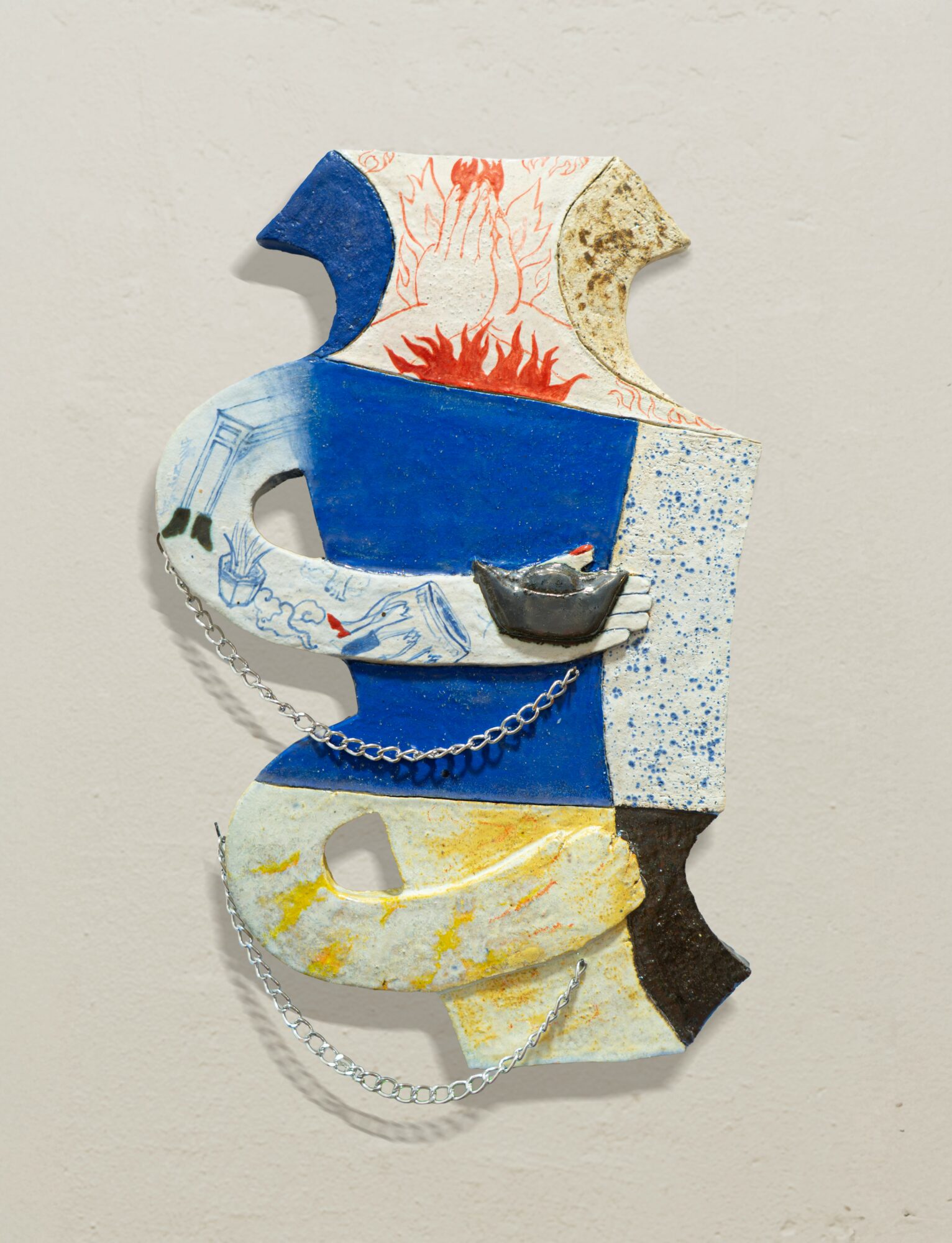
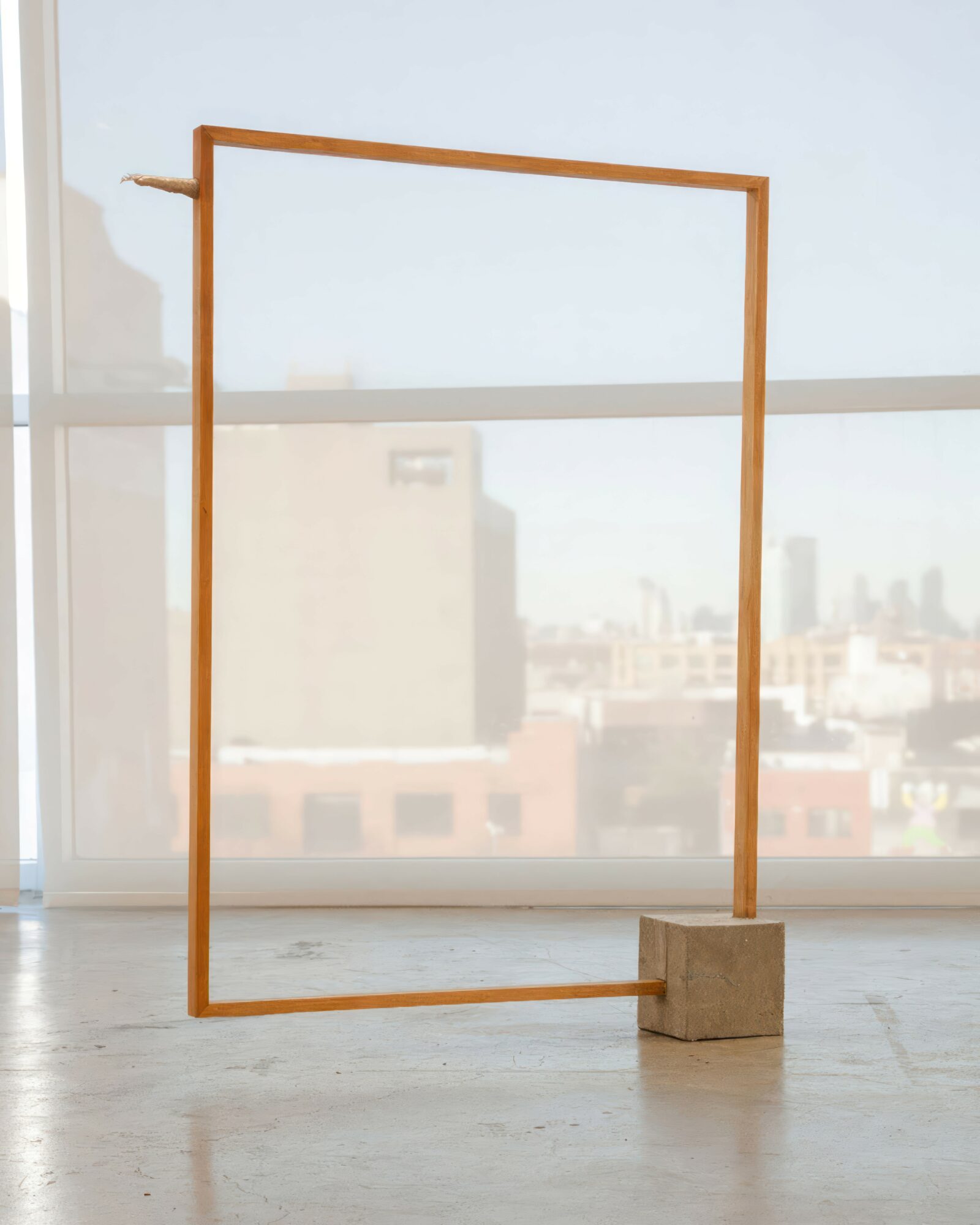
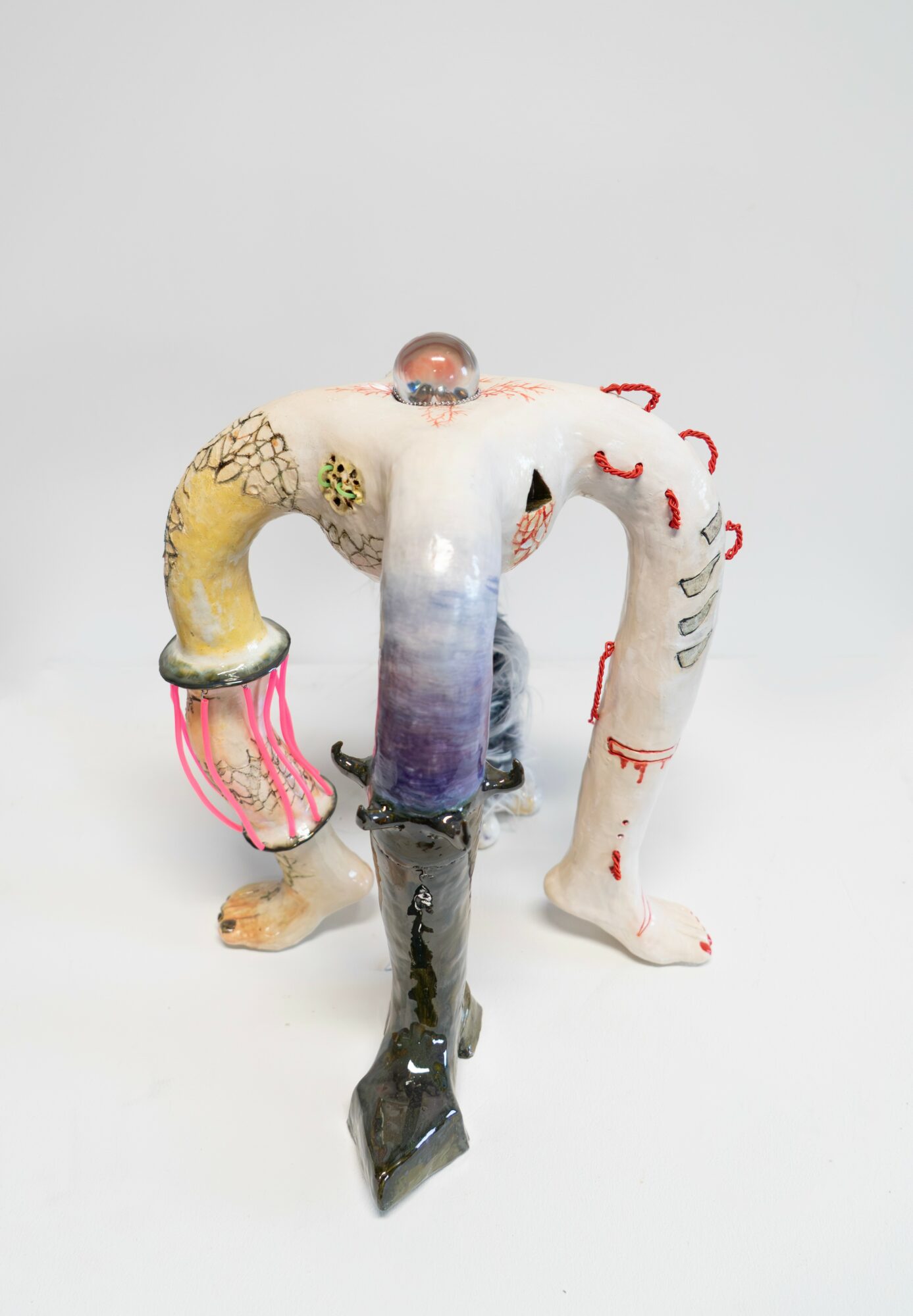
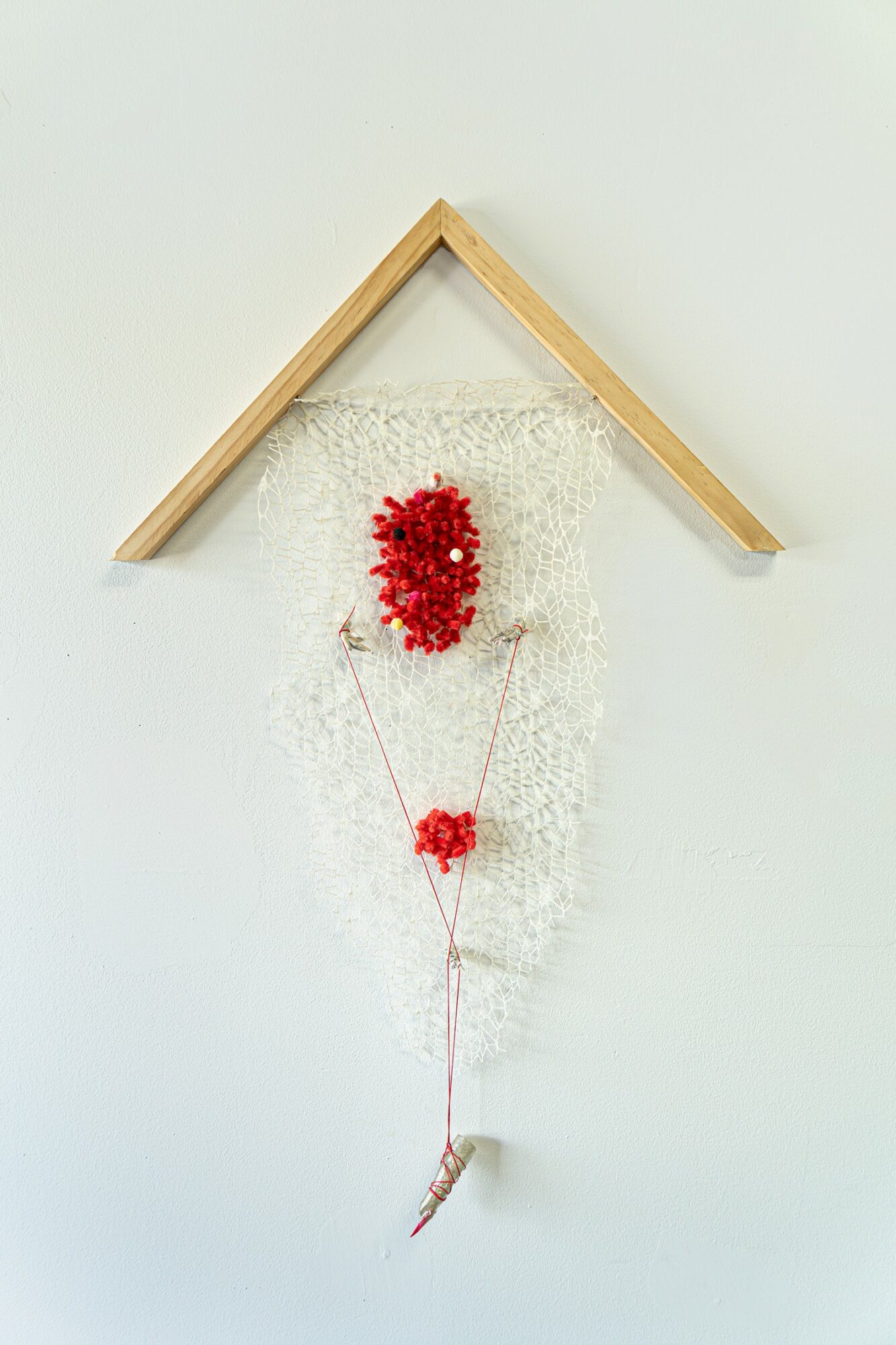
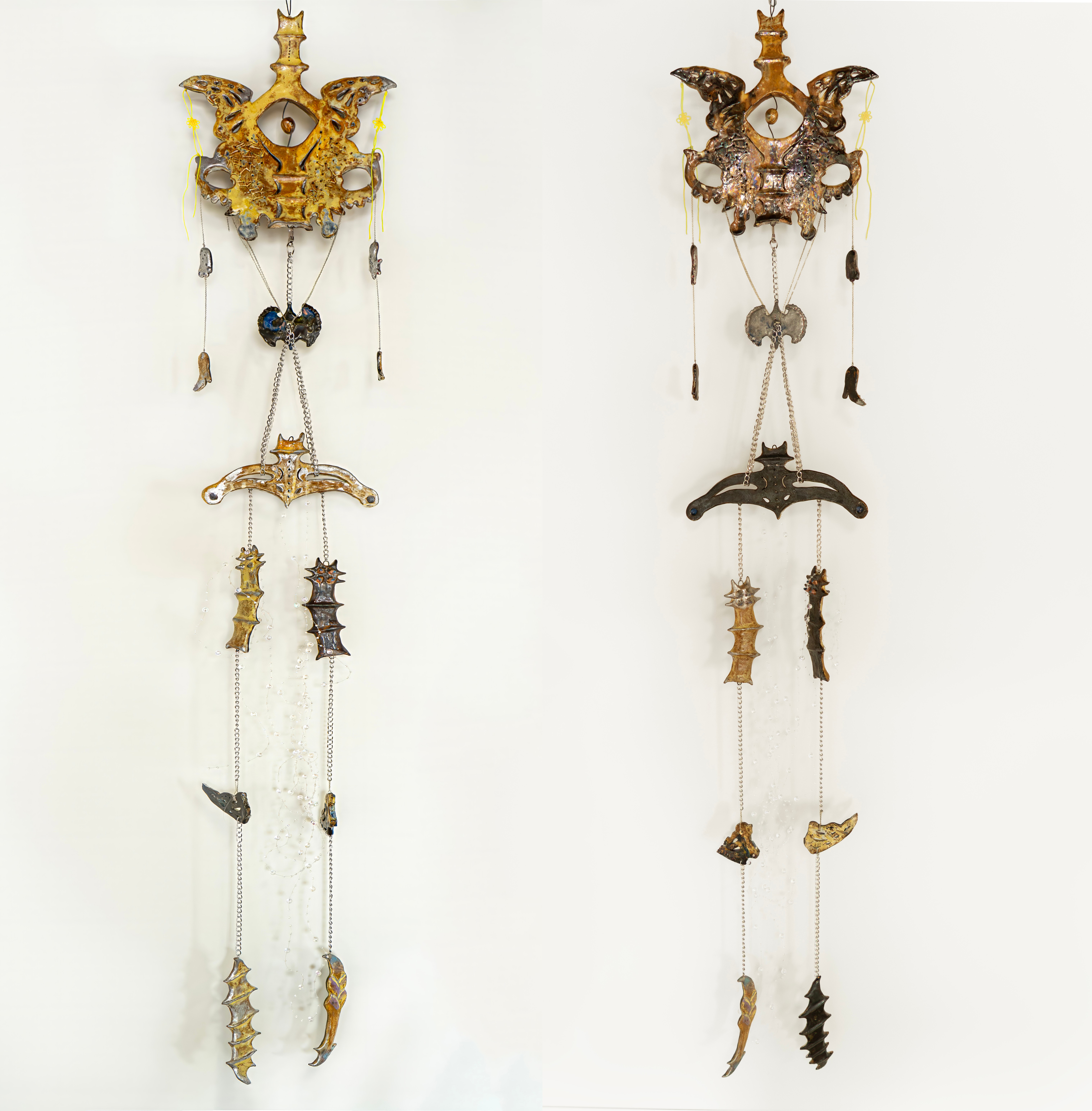
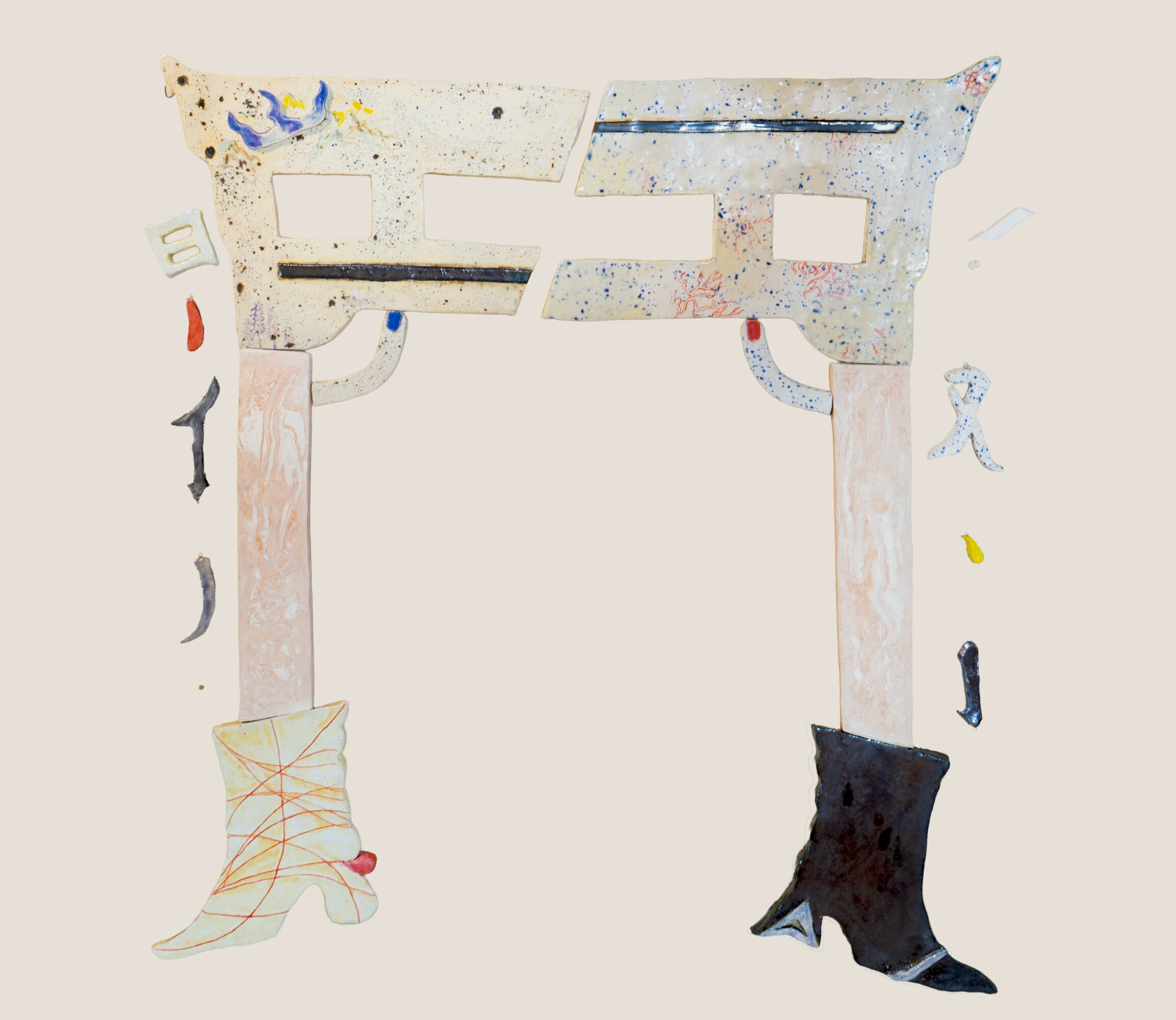
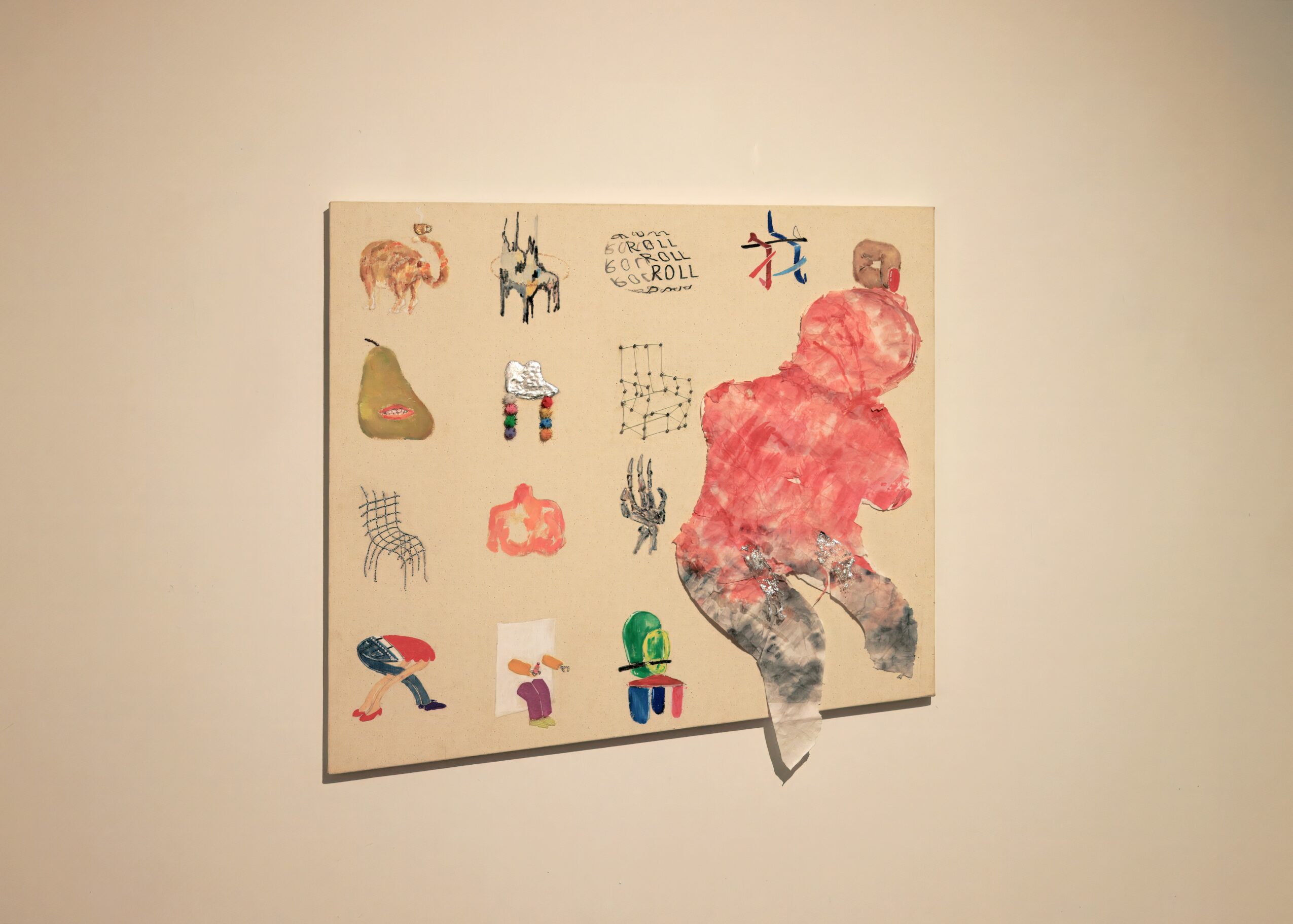
Image Credits
Ping Wang
Popular
-
JordanL on ‘Breathe,’ Belief, and Building a Movement Beyond the Music
-
Megan Birney Rudert on How Access to Light Is Powering a More Sustainable and Equitable Future
-

Linda Kneidinger on Building Lasting Change Through Small Steps and Self-Compassion
-

Jolana Nika on Redefining Modern Connection Through Intentional, Real-Life Experiences
-
What did suffering teach you that success never could?
-
Who saw you clearly before you could see yourself?


