




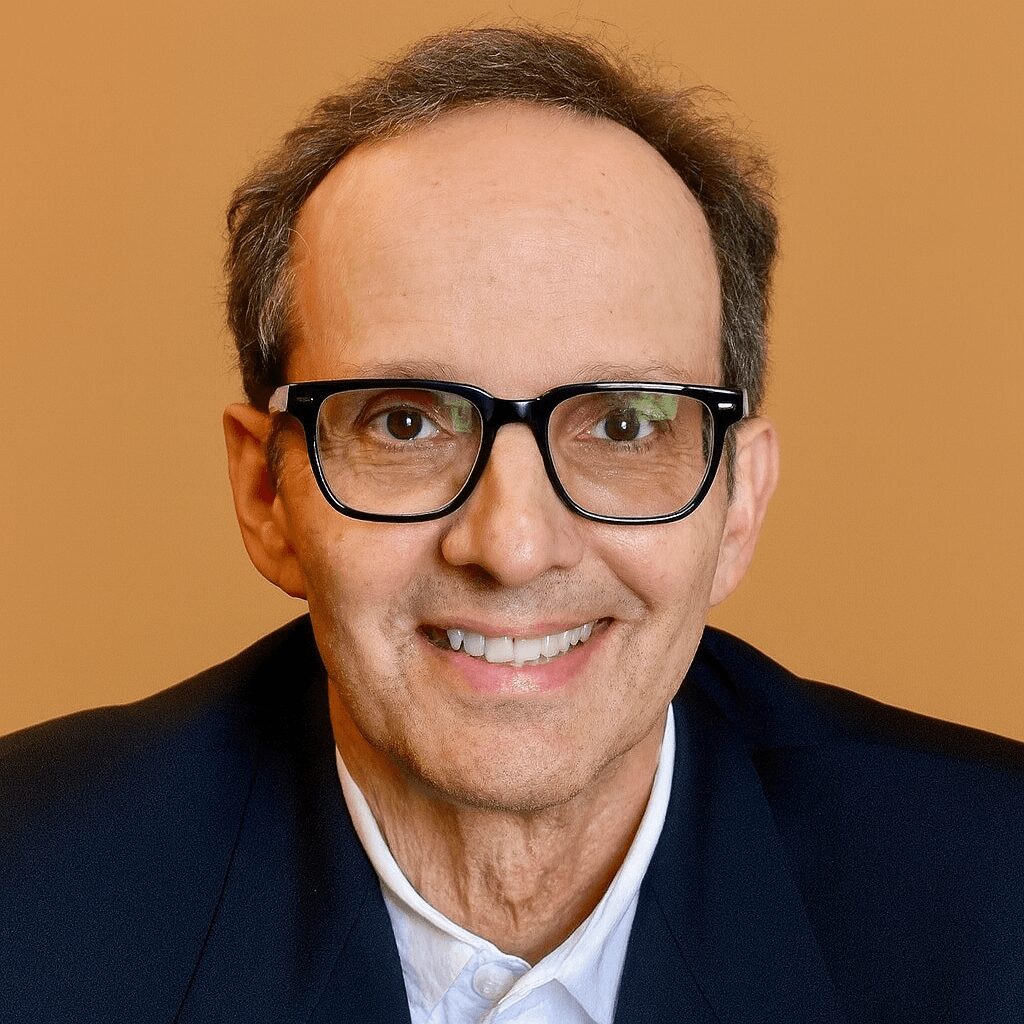
Today we’d like to introduce you to David Schechter.
Hi David, it’s an honor to have you on the platform. Thanks for taking the time to share your story with us – to start maybe you can share some of your backstory with our readers?
As with most people, there are many stories to tell that interweave. I was a child that was good at math and interested in science Some time in high school I realized that lab work as a researcher probably wouldn’t be ideal for me so I gravitated toward becoming a doctor. I went to public schools in Brooklyn, New York. This was before Brooklyn was “cool”.
When I first told my parents that they were very surprised as they looked up to Physicians and put them on a bit of a pedestal.
I went to college at Princeton thinking I would go to medical school, I majored in biochemistry, and despite being a good student, there are challenges along the way. I was fortunate to be accepted into two medical schools, one of which was New York University, which I attended, and again there are struggles along the way with courses and social life, and all of that, but I really enjoyed the clinical years. They were very meaningful to me and I enjoyed working with patients and did very well in that phase of the school. Also, in college, I won a Basketball Intramural championship, my biggest sports success. (I’ve also had three holes in one in golf, but I’m not a great golfer, albeit a bit lucky at times).
I decided to take a big leap and apply for family medicine residencies around the country and move away from the northeast, which was where I was comfortable, and matched at the UCLA/ Santa Monica Hospital program.
I may have been working 70-90 hours a week, but at least I was only 9 blocks away from the beach!. In fact after my long shifts, I sometimes drove out to Malibu, found a place to park, and fell asleep on the beach or the cliffs out there for a few hours before jogging on the beach and eventually got back in my car and went home.
I came to like Los Angeles and specifically Santa Monica and after residency. I worked in Urgent Care and taught at a residency program part-time and I received two teaching awards.
But the desire to have a continuity family medicine private practice won out, and I started seeking out ways to ease into that.
Although a moderate risk taker, I would say that rather than jumping all in at once, I eased in gradually. I also didn’t have a lot of financial resources. I still had school debt to pay off.
So I sublet office space for a while. I shared space with other doctors and established my own practice in Culver City and part-time in Beverly Hills as well.
Another aspect of my career that is interesting is that during medical school I had knee pain that wouldn’t go away saw a bunch of doctors and didn’t get any relief and then met Dr. John Sarno, who was a rehabilitation professor who lectured to us in the anatomy course. Dr. Sarno had unique and unconventional approaches to treating pain which focused on the psychological and educational as key elements. Lower the fear and the pain may go away.
It turned out that that awareness helped my knee pain to go away rather quickly. I was amazed by this and this influenced my career until this day. I did research with Dr. Sarno one summer during medical school following up on many of his patients and recording the same amazing results that I had experienced.
In addition to being a family medicine doctor and also getting a credential in sports medicine, I also specialize in chronic pain and other stress related disorders.
I’ve treated over 4500 patients with a Mind-Body approach to their pain. That is, where appropriate, I reassure and help take away the fear of permanent disability. I help them understand the stress and get them moving again. This simplifies it, of course —I have written several books on the subject, including workbooks which involve guided journaling and more of a reading book. Think Away Your Pain is my most complete book on the topic.
I get a great deal of satisfaction out of helping people unravel their chronic pain puzzle and helping them to reset their nervous system.
I’ve been very fortunate to have had great relationship with patients some of them have seen me for 10, 15, or 20 or more years and this is a satisfying part of my practice.
I’ve also had a staff member who stayed about 10 or 11 years and another one has been with me now for three years after the other one moved away. Working with people I choose and people I like to work with is a nice part of private practice.
I’ve also had an opportunity to hire and train UCLA students and recent graduates who go onto medical school or PA school and work for me during a gap year or two. This has been satisfying as I’m a mentor to them. I also teach residents and medical students in my office and occasionally give lectures at hospitals, residency programs, or conferences.
Would you say it’s been a smooth road, and if not what are some of the biggest challenges you’ve faced along the way?
Life is not a smooth road and a career is not a smooth road
I think that in my case, I rushed a bit through college medical school and residency and was board certified in family medicine before my 27th birthday, which is quite unusual.
I then slowed down and my first AOL Email address was MrVacation back in the early days of the Internet. I traveled a lot and caught up a little bit on life, dating, and relationships.
Eventually I met and married my wife in the 90s and we have two children in their 20s who have gone on to graduate from college and are both employed and independent at this point.
My career has also had a winding path as I mentioned I’ve done Urgent Care, I’ve done teaching, and now private practice for many years. This niche in MindBody medicine is very satisfying, but it’s not something that’s widely accepted or known by other physicians although that is changing gradually over the years.
I am well known to a small group of doctors, psychologists, and coaches who do this work because I’ve been doing it for a very long time and yet I am almost completely unknown to the vast majority of people and doctors in other fields or even in Pain Management, which is a more procedure oriented field.
Appreciate you sharing that. What should we know about I have a medical practice?
I also have an online business through my website MindBodymedicine.com which serves as a platform to expose people to my work and links to books on Amazon and an online course and other material materials. It is definitely enjoyable to have outlets other than just the medical practice in my career although medicine is far more lucrative than my experience than writing books.
I’m proud of the medical practice that I built up and the quality people that I’ve hired and the high standards that we hold ourselves to. Medicine is not a field that tolerates a lot of mistakes. Obviously big mistakes can hurt people, but even smaller mistakes can really frustrate them and we do our best to meet patient needs and demands as well as provide high-quality high-tech and high touch services to patients.
I certainly think that our services that we provide in chronic pain, neuroplastic conditions, and mind-body disorders is unique and offers a tremendous service to people many of them have not been held by the conventional conventional and alternative approaches. that they’ve tried before us.
Risk taking is a topic that people have widely differing views on – we’d love to hear your thoughts.
Confidence is important and some degree of risk taking is important in order to have success.
Risk taking in my example would be trying a variety of different practice, locations and styles before settling on the one that I felt as suited me. Starting a private practice was a risk. Employed physician life is certainly far more common these days.
In my personal life, I had to become a bit more of a risk taker when it came to socializing in my 20s and dating and relationships. I needed to break out of my shell and I did and I’m very glad that I did so.
In terms of business, most of the things I’ve tried have been successful, but some things haven’t worked. I’ve written books that haven’t sold well, and I’ve tried different medical devices that turned out not to be effective for patients or to not to be reimbursed in an adequate fashion by insurance. I’ve made some good investments and a few bad ones. You don’t have to be right every time to be successful. You do have to try.
We learn from our mistakes as much as we learn from our successes. I believe you have to be persistent, but not consistent in some cases because we have to try new things.
Medicine is a conservative profession in the sense that change occurs slowly but at the same time we have to keep up-to-date on what’s happening and what’s new.
Pricing:
- I would say about pricing is that my private practice is focusing on mostly self-pay. I believe our fees are reasonable for an experienced physician in West Los Angeles. I’m also a provider for Cigna and Aetna at this time but none others. When it comes to my books and online courses. They are typically priced for the value that they offer and comparable to other books in the field.
Contact Info:
- Website: https://Www.Schechtermd.com
- Instagram: DrdaveLA
- Facebook: https://Facebook.com/thinkawayyourpain
- Twitter: pain_md_la
- Youtube: https://Youtube.com/mindbodydr
- Other: https://www.Mindbodymedicine.com
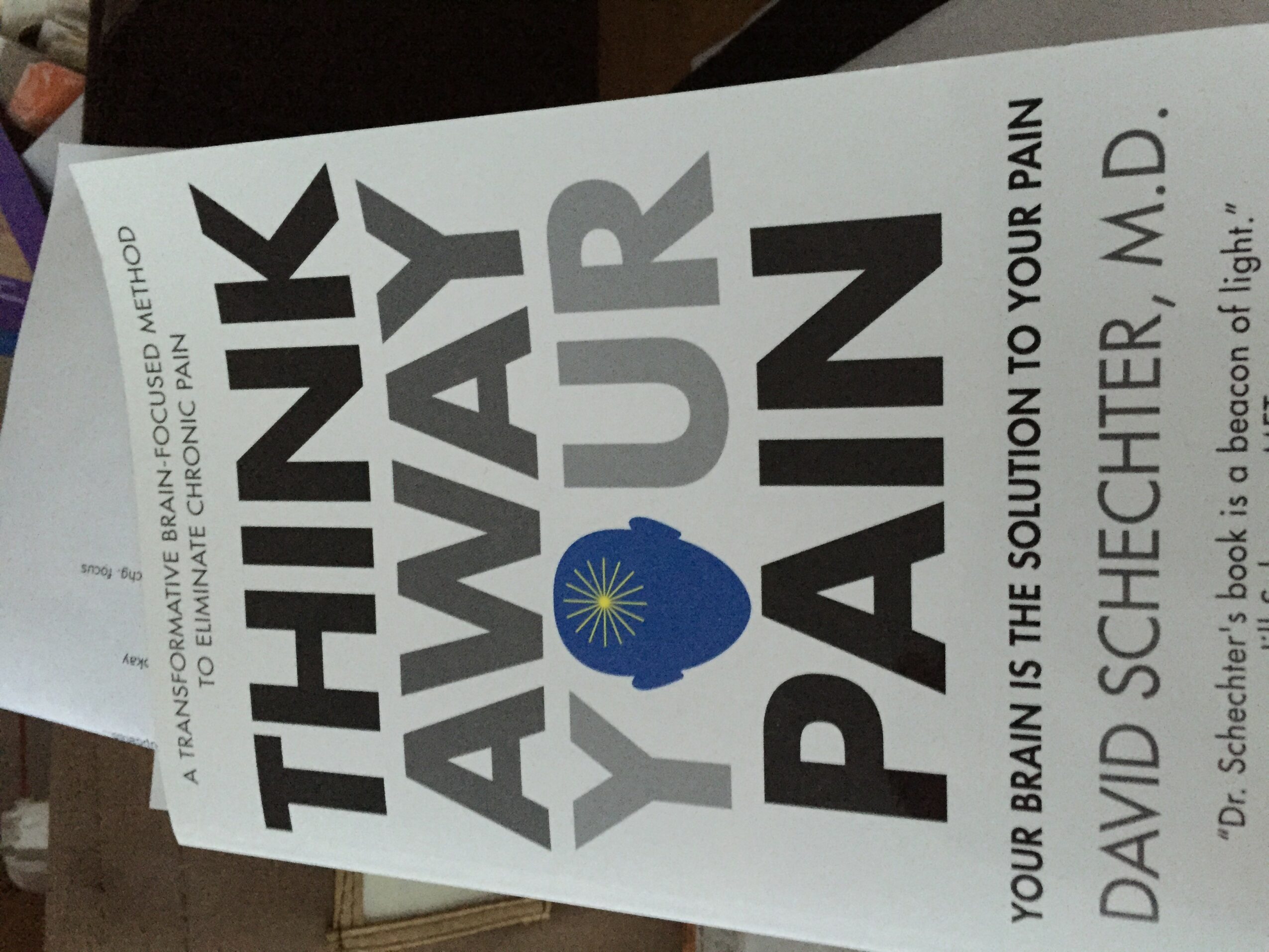
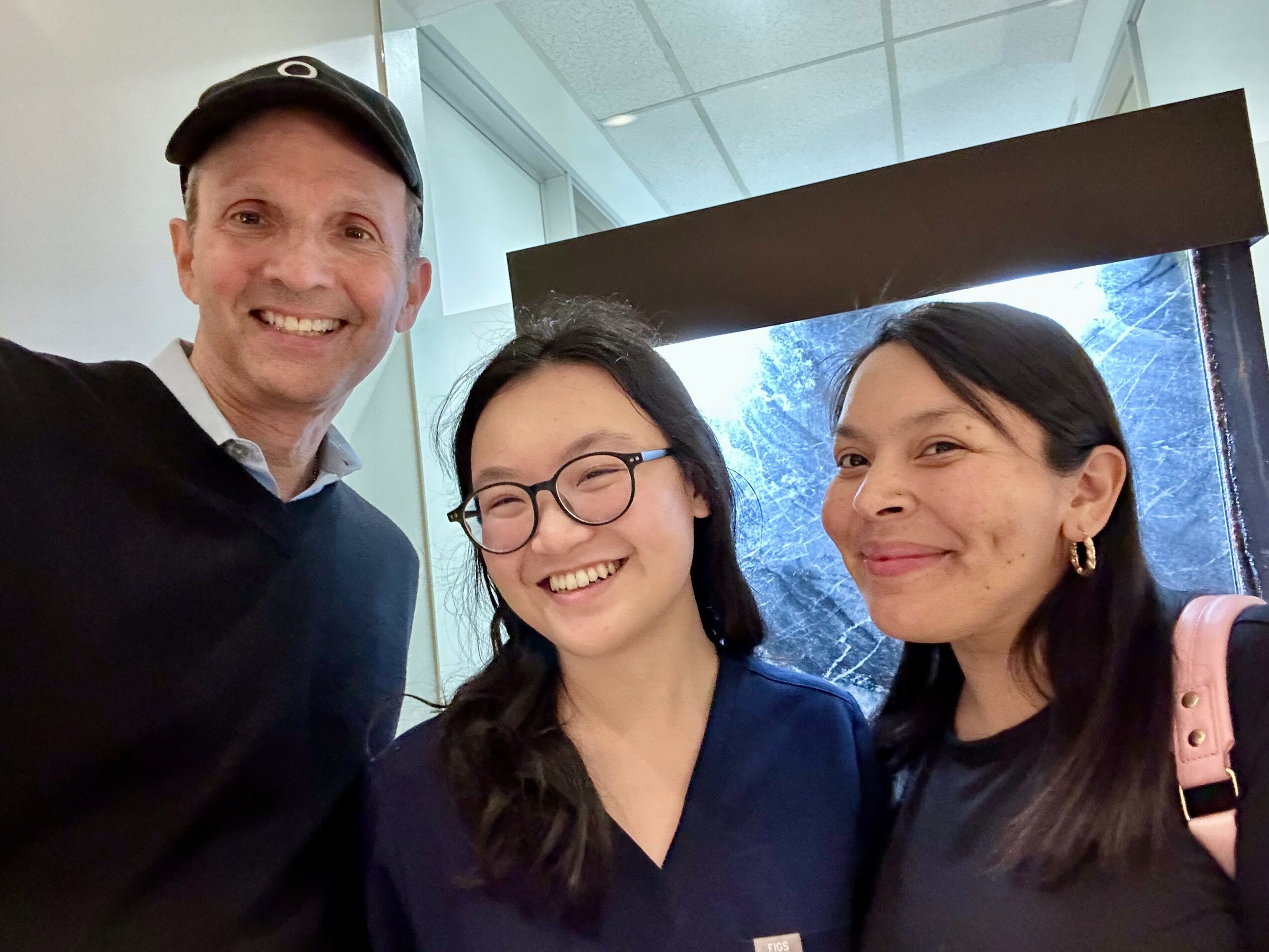
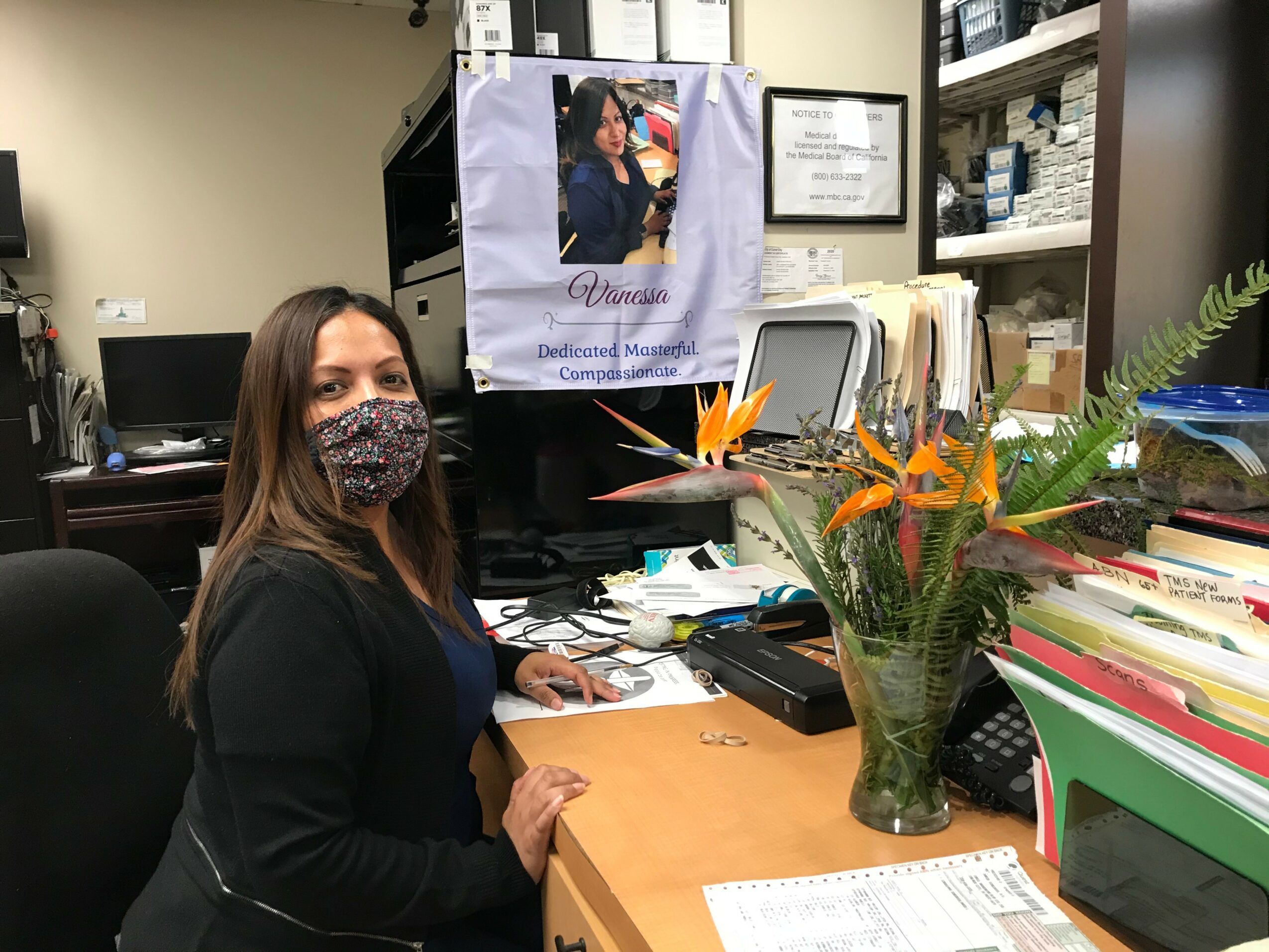
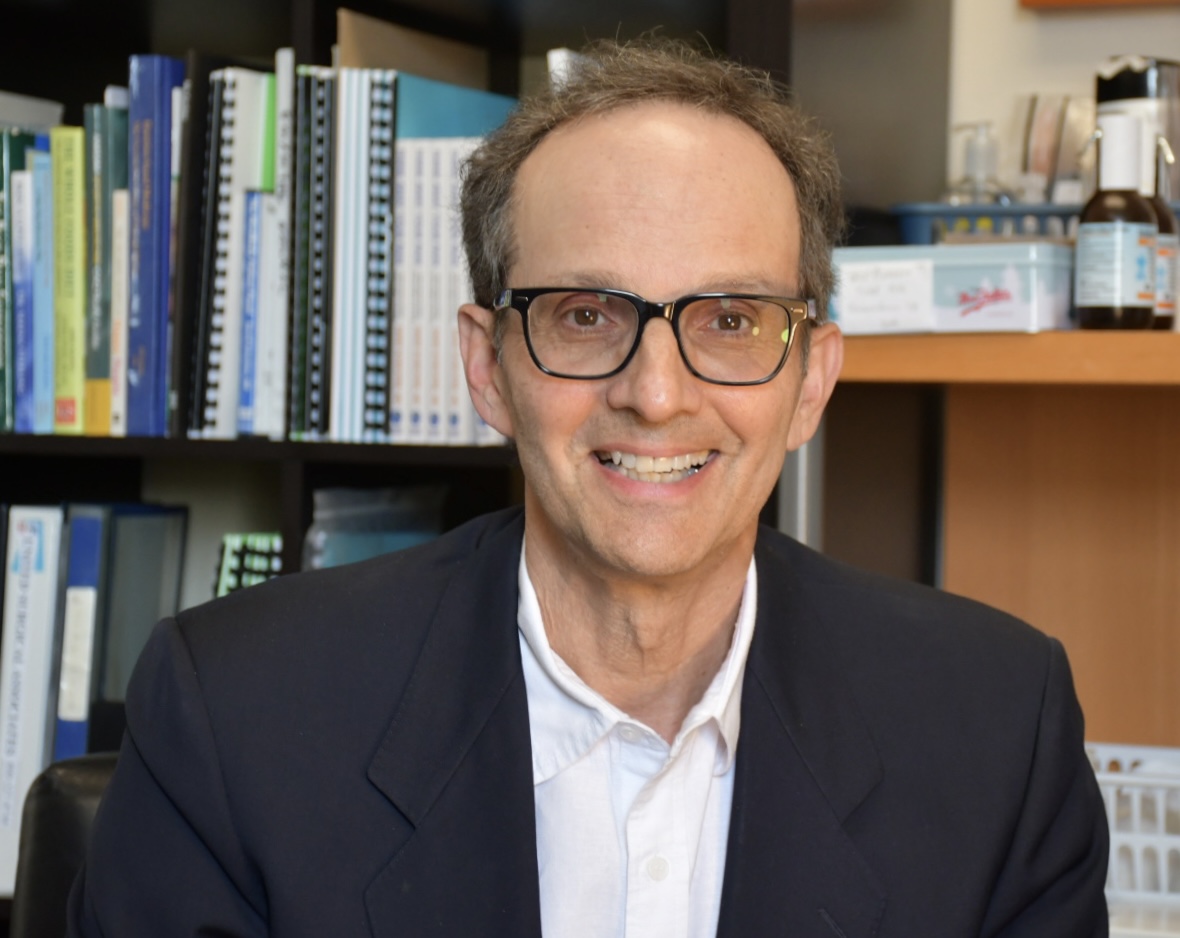
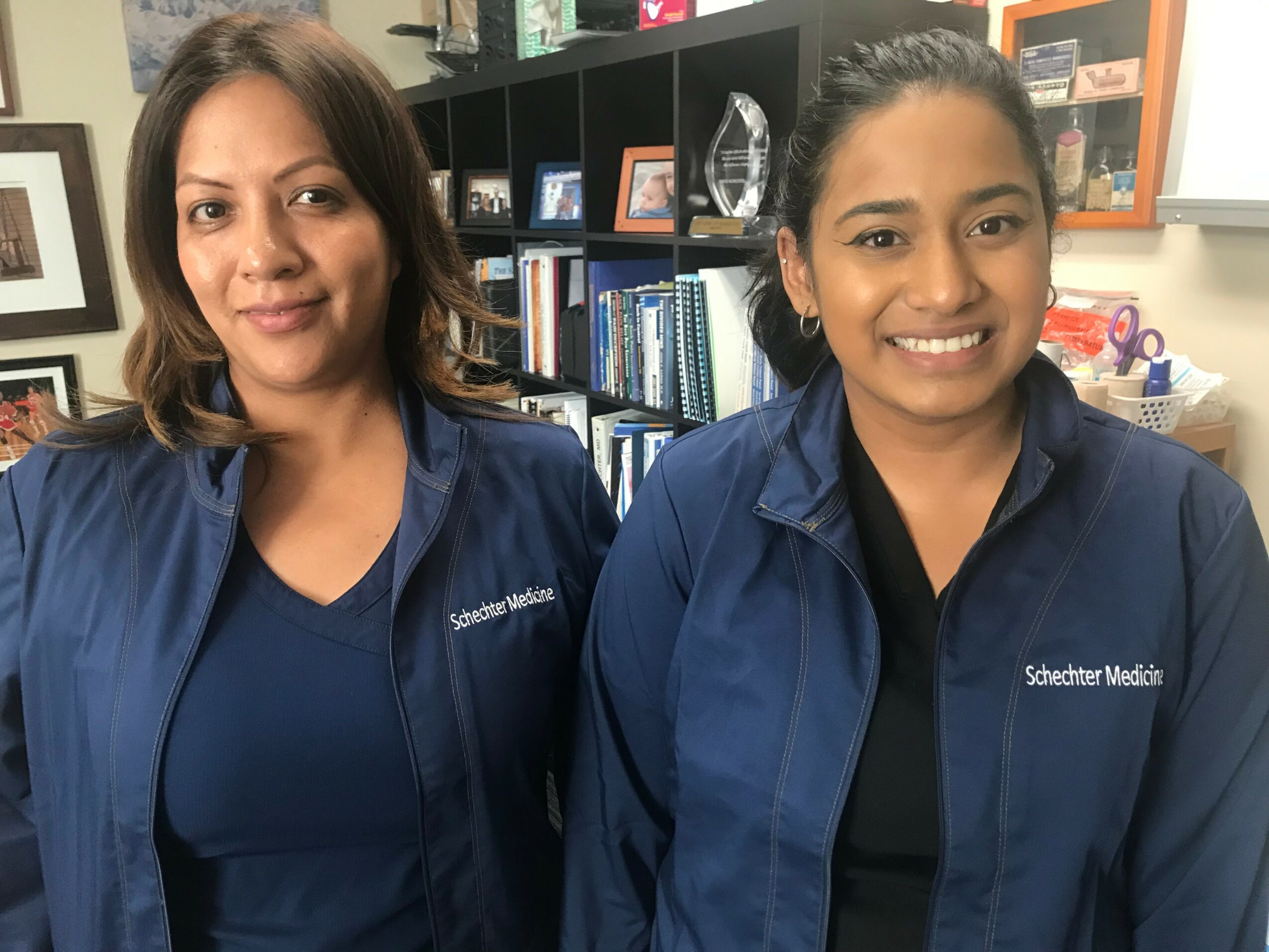
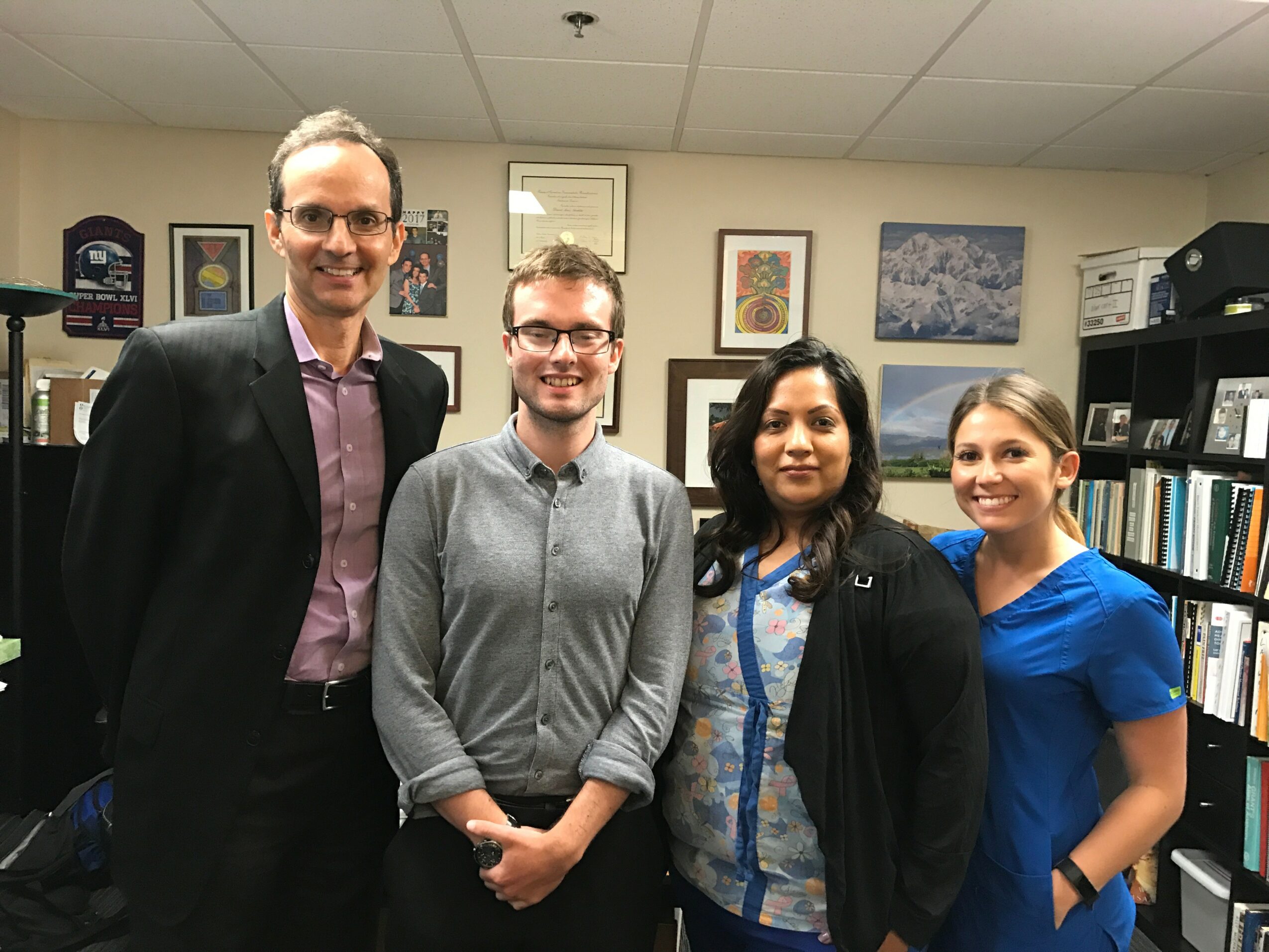
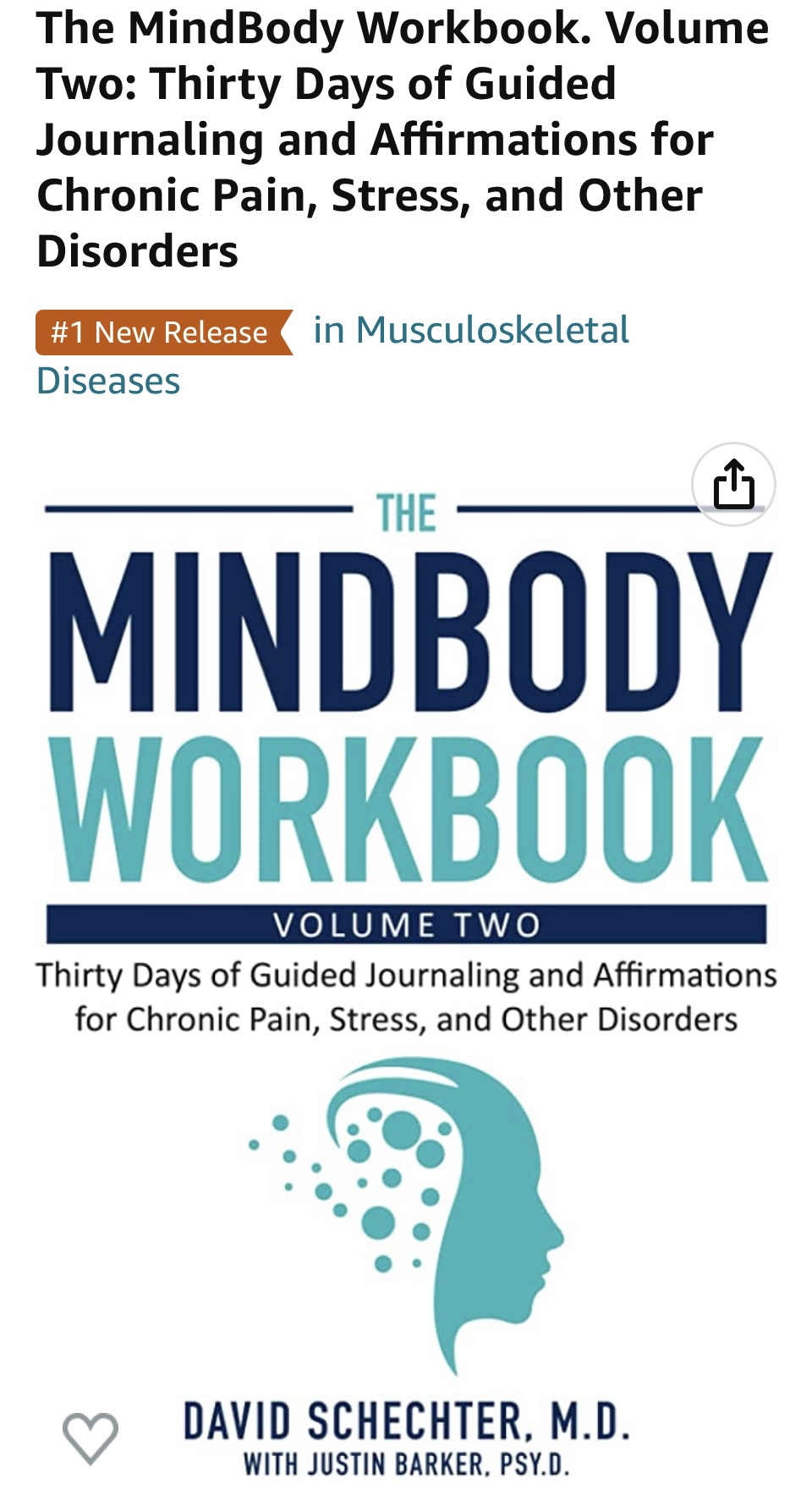
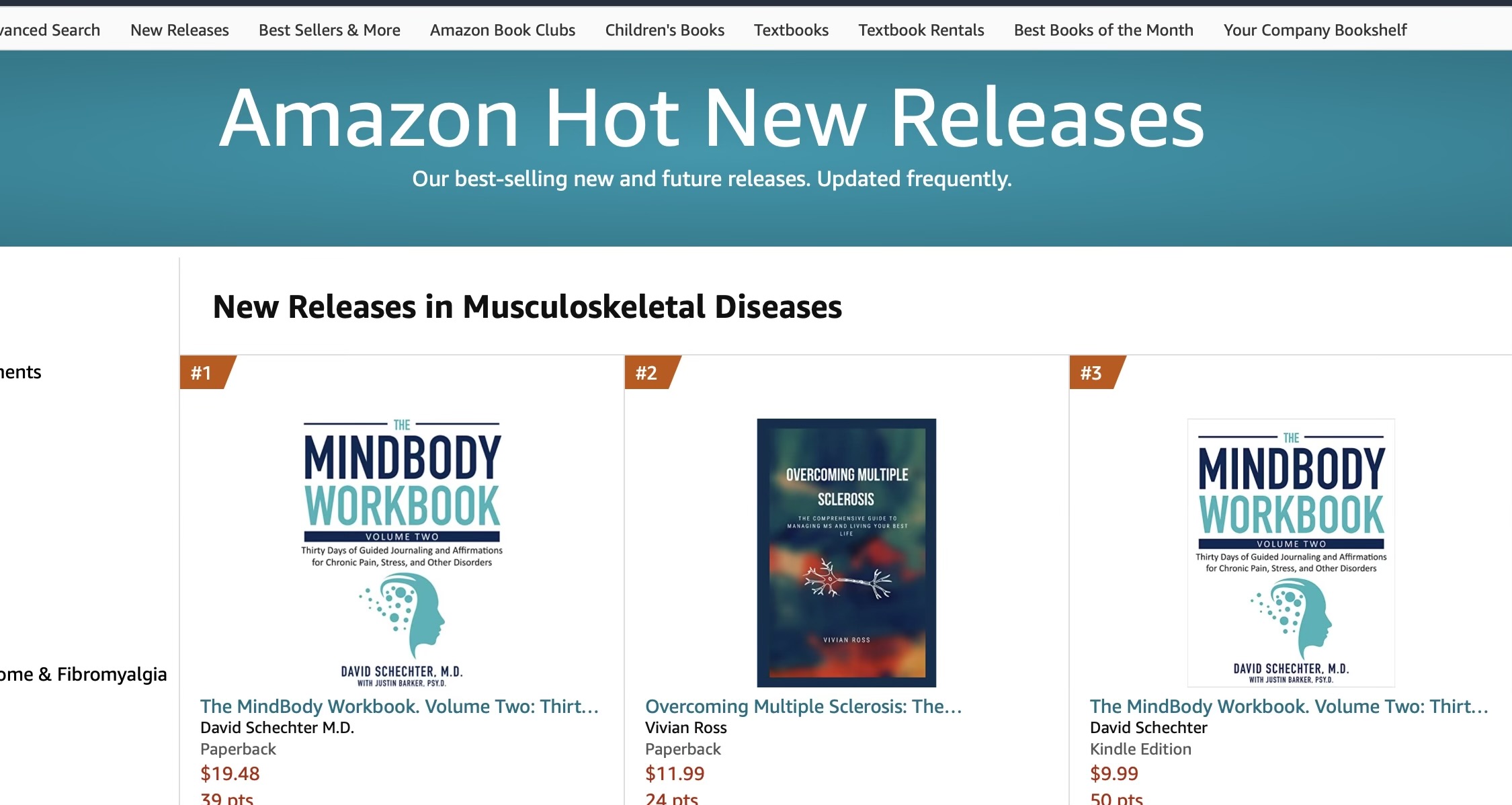
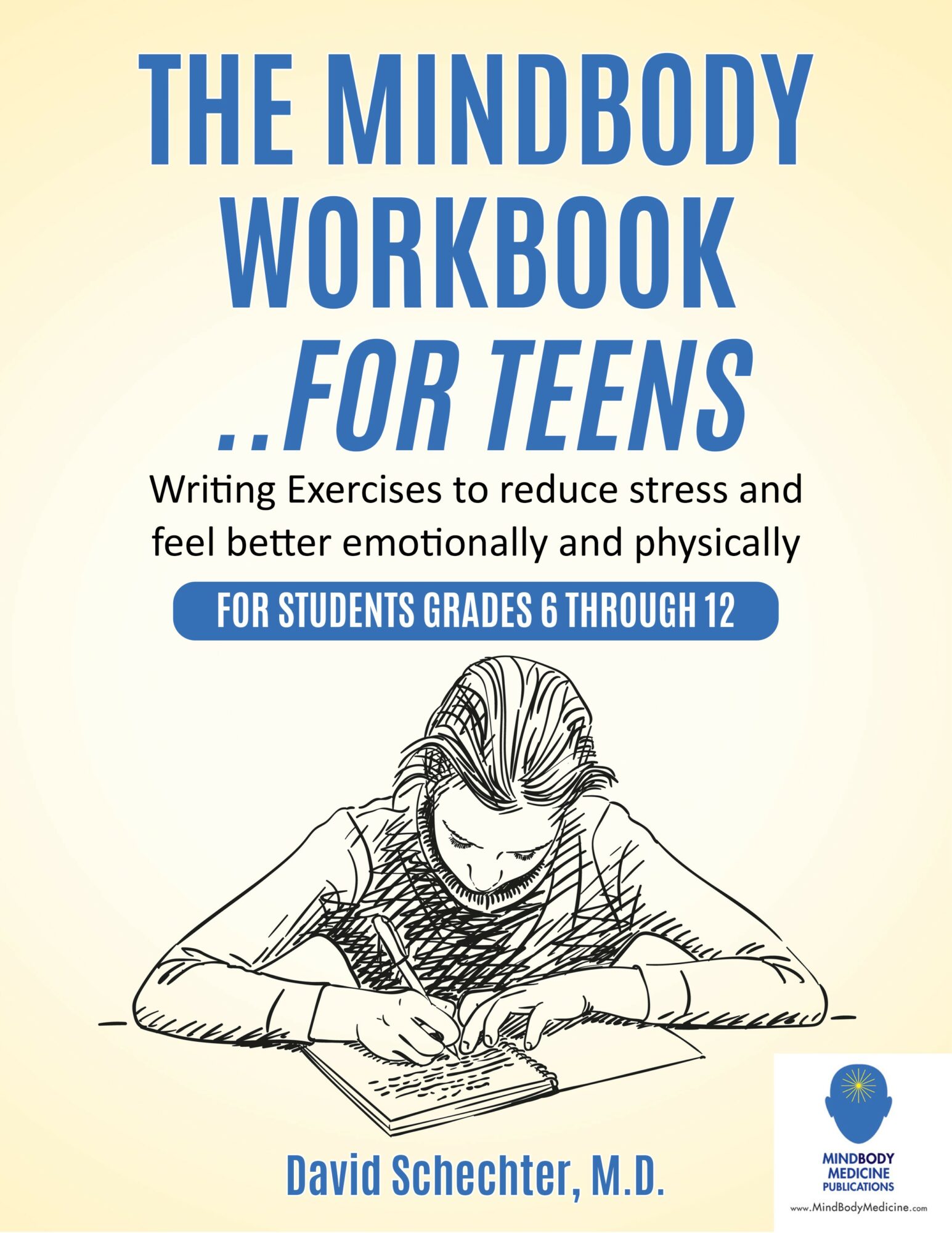
Image Credits
All images copyright David Schechter, MD
Popular
-

Que Johnson on Building Brands That Last: From Visibility to True Market Authority
-
Christina Wren Steps Into the Director’s Chair to Tell Stories That Feel Like Home
-

Portraits of the Valley
-

LA’s Most Inspiring Stories
-

JordanL on ‘Breathe,’ Belief, and Building a Movement Beyond the Music
-
Megan Birney Rudert on How Access to Light Is Powering a More Sustainable and Equitable Future


