




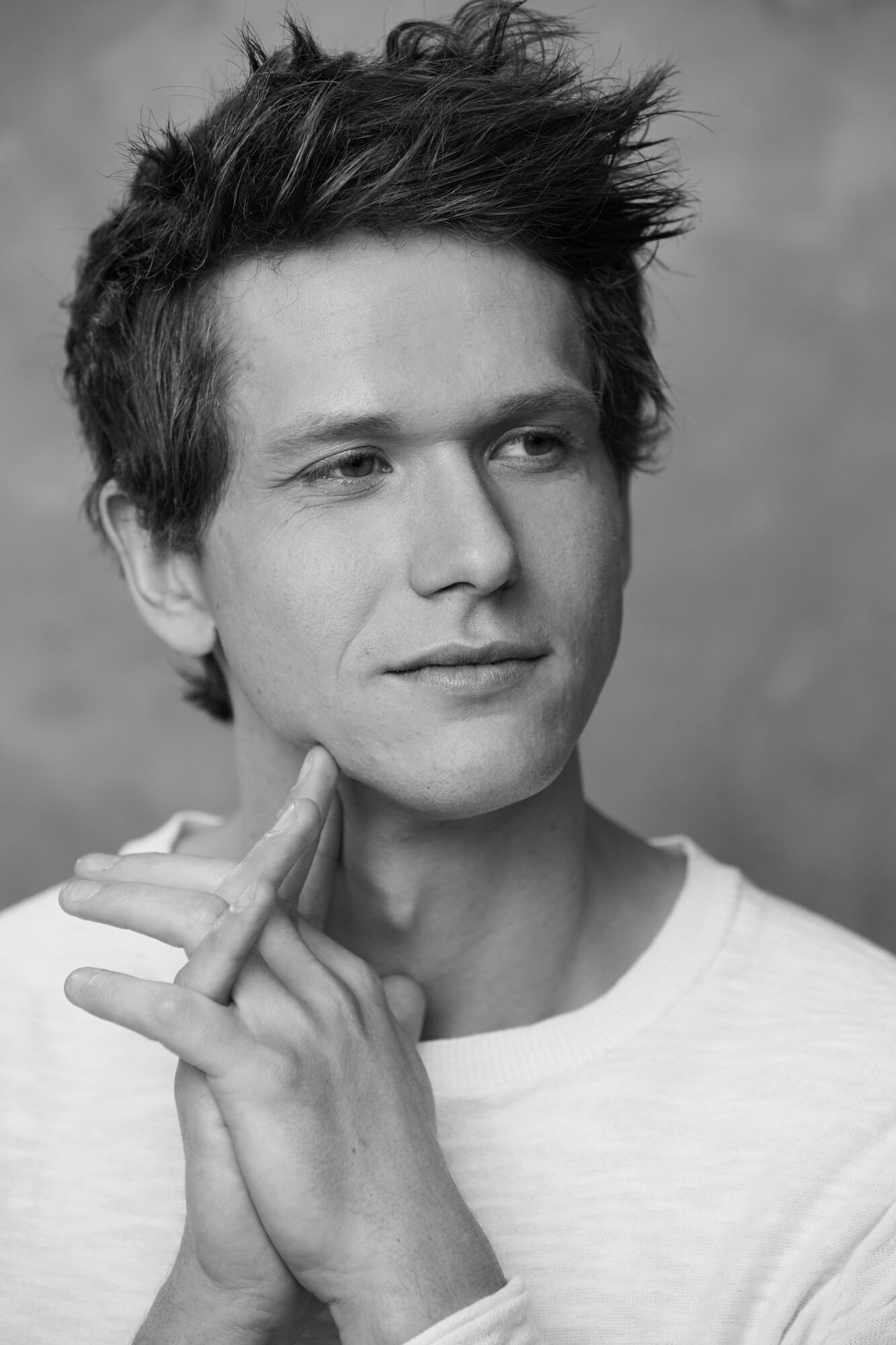
Today we’d like to introduce you to Dennis Mashevsky.
Alright, so thank you so much for sharing your story and insight with our readers. To kick things off, can you tell us a bit about how you got started?
I was singing at 3 and raising my hand for performance events somewhat compulsively as a little kid. I remember getting praise for a picture I drew in 4th or 5th grade. I remember like, drawing this tower thing against this red/orange almost grungy background. And I remember the feeling of discernment. No teacher taught me that. Like I knew what to add and what to subtract to approximate on some deeper level what I felt to be necessary for the thing I was drawing. But what is that? What is closer and farther away? How did I know in elementary school? They put it up in some office. I got praise for it. The whole class applauded, and I think that hooked me in the art direction on like a dopamine level. I’m not at all a visual artist now, but I do think I was born into artistic sensibility in some way.
Then in middle and high school I just got lead after lead, and that kind of praise and support is super powerful at that age. I found community. I really had something to do that worked for me. And also, I went to school in Palo Alto, so we had real resources and money. Incredible teachers, curriculum, and incredible performance spaces. I developed something like an obsession for theatre. I really just needed to be really good and memorize all my lines first and all that. I leaned on acting for my sense of self. I picked up writing as well. Then I got into NYU for acting and I just kept on doing it.
At NYU I got into this studio called Playwrights’ Horizons Theatre School, which emphasized generating work. They taught me how to think critically about how to actually produce theatre. How to get a team together. Who you need, and how to talk to them. They also gave me the ability to produce work that I wrote, so I really began to understand writing. I read a lot. I liked really intense people at the time like Antonin Artaud, Beckett, Andre Breton, Sarah Kane, Patti Smith, and Rothko. I ate the museum scene and engaged in self-destructive behavior. I wanted to feel like an artist. And I did, or at least the NYU-privilege version of it. But I also had a bunch of other issues. My grades were a rainbow. It was like the Noah’s ark of grades. 2 of every letter, with little rhyme or reason.
Interestingly, considering all that, I only truly accepted the pursuit of acting and being an artist as a full-blown career pursuit at like, 25-27. There was so much doubt. Unbelievable amounts of doubt. My need to perform was paired with many insecurities. After college, my mental health caught up to me and I couldn’t really do much, but then the pandemic started and I moved back in with my folks and saved money. Then five-ish years ago, Mom gave me her old car and I moved to LA with ten grand I saved up working at Whole Foods and not paying rent. Then in LA, I joined an acting studio and just got back into it.
Then in LA I really began to learn how to be an actor, not just how to act. Headshots, self-tapes, all that stuff. I was a think tank artist, and I needed to learn how to collaborate with the rest of the world. That was tough on my inner teenager, but I kept going because at every attempt to stop, at every scheme to quit, it’s just, what now?
There’s this scene in the Bear where Richie is thinking about quitting and he’s like pensively smoking outside or something, and they have this close up on Tina and she just slowly says, “Where you gonna go, Richie?” I connected with that a lot.
Would you say it’s been a smooth road, and if not what are some of the biggest challenges you’ve faced along the way?
I’ve been held every step of the way. We had money. As much as my family has its own “stuff”, they are and were always there for me. The school theatre programs held me up. The studio I found in LA was wildly supportive instead of hierarchical and egotistic, which it could have been. Even though at times I was too distracted to see or sense it, I always had really cool friends who really loved me. I really want everyone to have the resources I had. To be held, caught – like the bumpers on a pinball machine.
I did all the dumb things artists do. Drank heavily at times. I could have learned more for that godforsaken three hundred thousand dollar arts education. I could have connected better to the people in my life at that time. So yeah, there were struggles. Deep shame around my work. I needed to be a good, successful artist to feel good inside. So when I wasn’t good or approved of, it was a painfully harsh let down. I coped in sad ways, and those ways took me to some of the sad places poor coping mechanisms take you.
Now, I’m an artist in LA with almost no debt, living a comfortable sunny life as a grocery store employee and pet-sitter. I believe I’m worth much more than my career outcome. I don’t owe anyone much. I’m pretty sure I’m in like, the top 5% of good lives people can have in the world. I’m not a very stressed out person at the moment. Maybe it was tough at times, but I do my best each day and I try not to dwell on the hard times.
Thanks – so what else should our readers know about your work and what you’re currently focused on?
I’m an actor. Acting is like… Imagine a big luscious beautiful green tree. Sunny day. And it’s full of oranges. All kinds of oranges. And one orange says to the other orange, “hey, watch me pretend to be that one.” Except at the same time, that other orange has terminal cancer and can’t pay the bills, or is falling in love for the first time, or anyone in a real tough bind. So it’s the goofiest thing ever and also a deeply high honor and something to be treated with great respect at the same time. It’s an awesome game of consciousness.
When I first got to LA, it was loads of plays at Crash Acting. Then I did student films with Louie Greenwald and others at Chapman. Now I’m auditioning for commercials and indie work.
I produced and acted in a nerdy rom-com play called “Completeness” by Itamar Moses at the Eastwood Performing Arts Center.
I wrote a play called Nature’s Wedding, which is a post-apocalyptic sci-fi fantasy poem about a robot chasing the queen of nature and coming to terms with his own lack of humanity.
I’m writing a screenplay called “Kinda” about a marriage being threatened by indecision around whether or not to have a child when the LA fires suddenly break out.
I played the anxious dad in Ava Corder’s “Motherhood”, about the first trans woman with a uterine transplant to have a natural birth.
I played Ben In Peter Mackie’s “Love Itself”, about a fight between two newlyweds after the husband (me) frames their marriage as a “green card marriage” at his birthday dinner.
I’m a second-generation Ukrainian American, so I grew up in a family of immigrants. Other than that (and that’s no small thing), what sets me apart is that behind my smile is a deeply thoughtful, absurd, dirty, colorful, grotesque, and expansive imagination.
So maybe we end on discussing what matters most to you and why?
Finding the balance between transcendence and collaboration matters to me more than anything.
Good art isn’t good if you can’t share it. But why share it if it isn’t good art?
How do I play the game with the world, and keep the authenticity and discernment that brought me here in the first place? What do I give up and what do I keep? I’m making this kind of decision on a micro and macro level all the time. Like sometimes they just need a smile and I think of kittens and sunshine and I do like seven jumping jacks. Other times you’d be totally blown away, the well-practiced Jedi tricks I’ve been preparing for weeks for a scene.
You can know how to give the most self-revelatory, blissful performance ever, but if you don’t know how to actually get on set, who cares? The take could have gone great, but it was meaningless because you forgot to turn your head half a degree toward camera. How do you remember it’s not about you when the magnifying glass is literally on you?
And yet, how do you keep the fire alive, and not become a submissive robot, when there are so many elements trying to make you jaded? I see so many people trying so hard to book. I just want to tell them to go hug a tree. How do we remember the childish magic, the soul of making art, a breath of fresh air, or even communion with the divine, that people hope to experience when they take a risk on your art? And if you can’t remember, how can you expect your audience to remember?
Contact Info:
- Instagram: @dennis.mashevsky
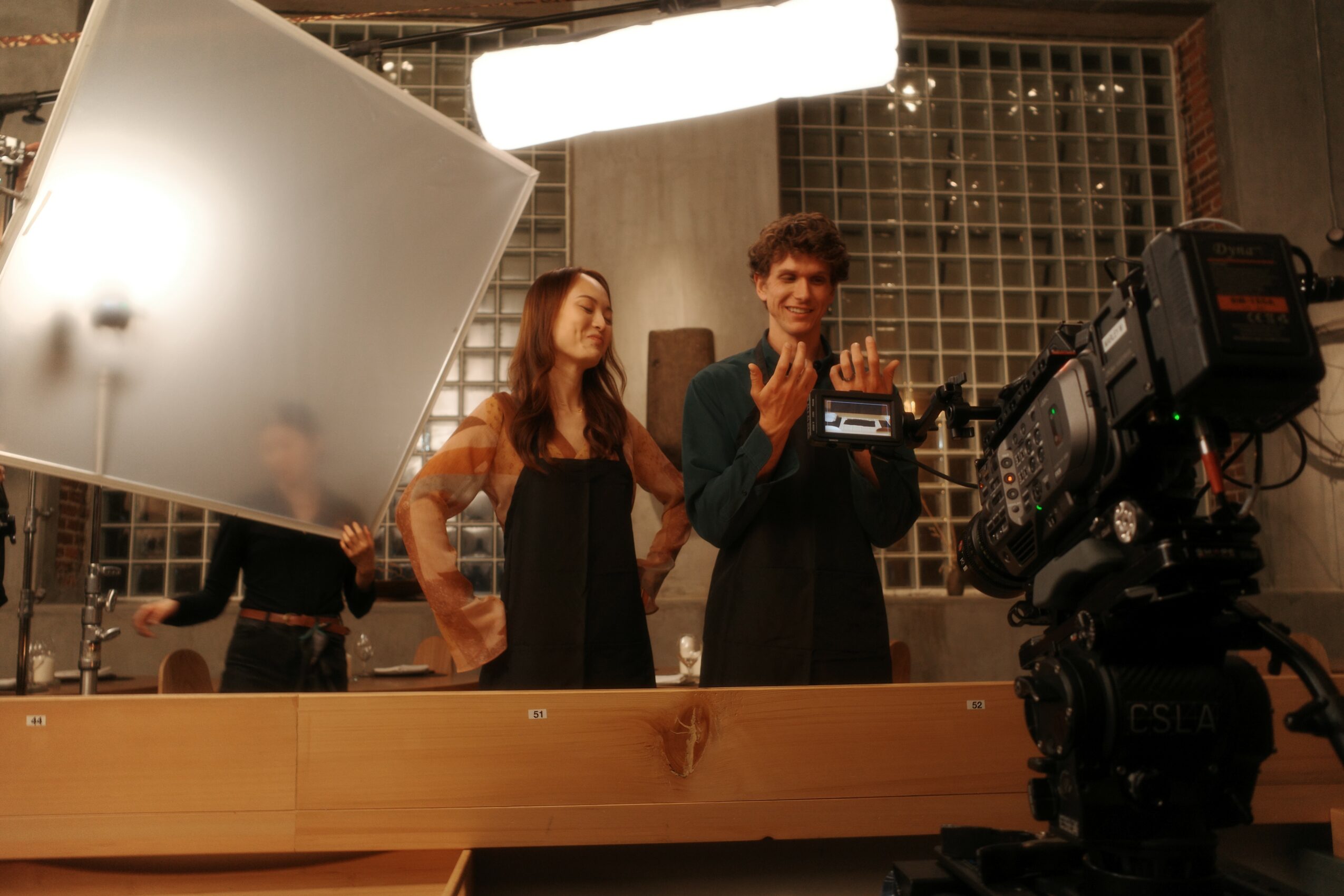
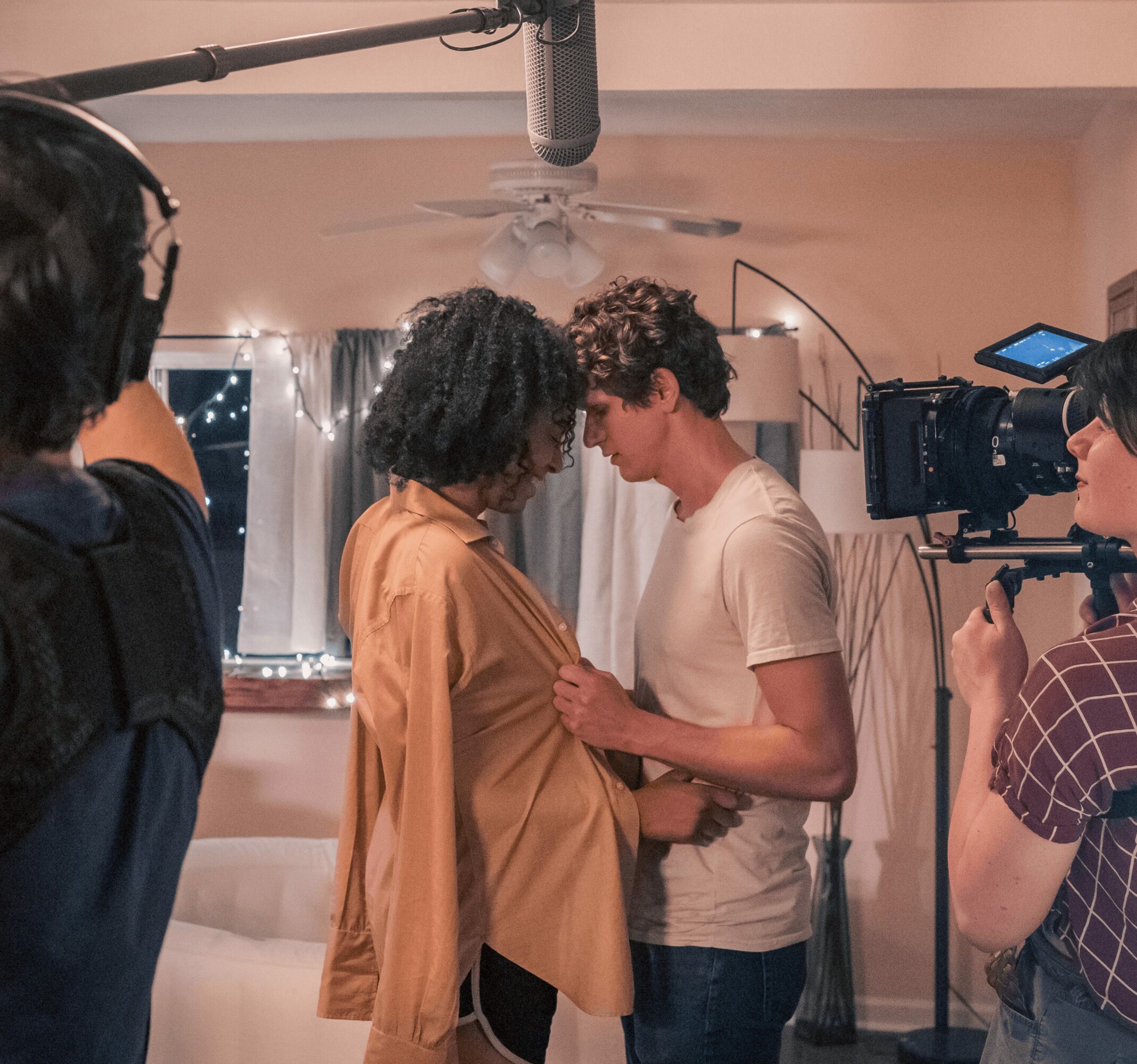
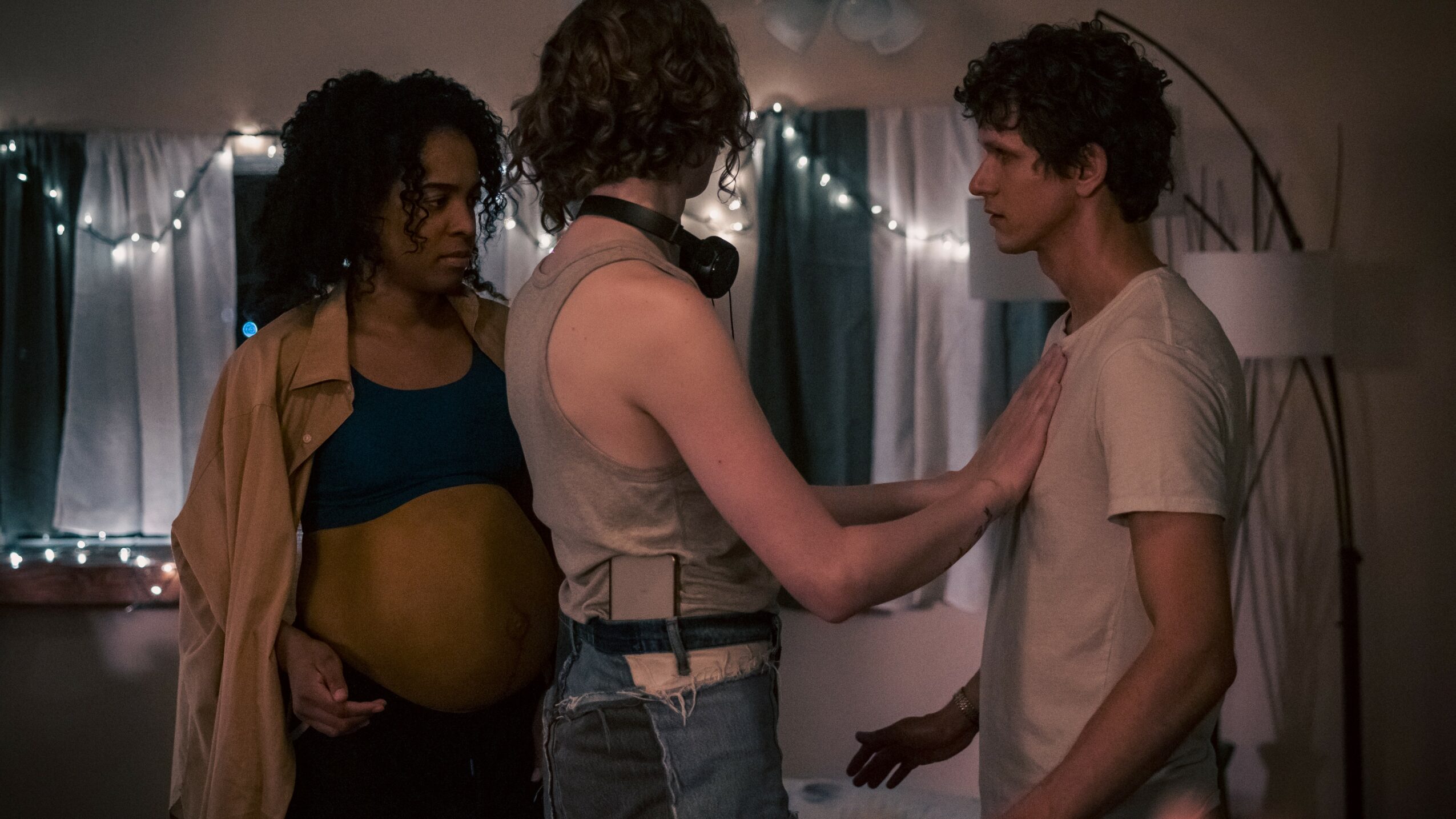
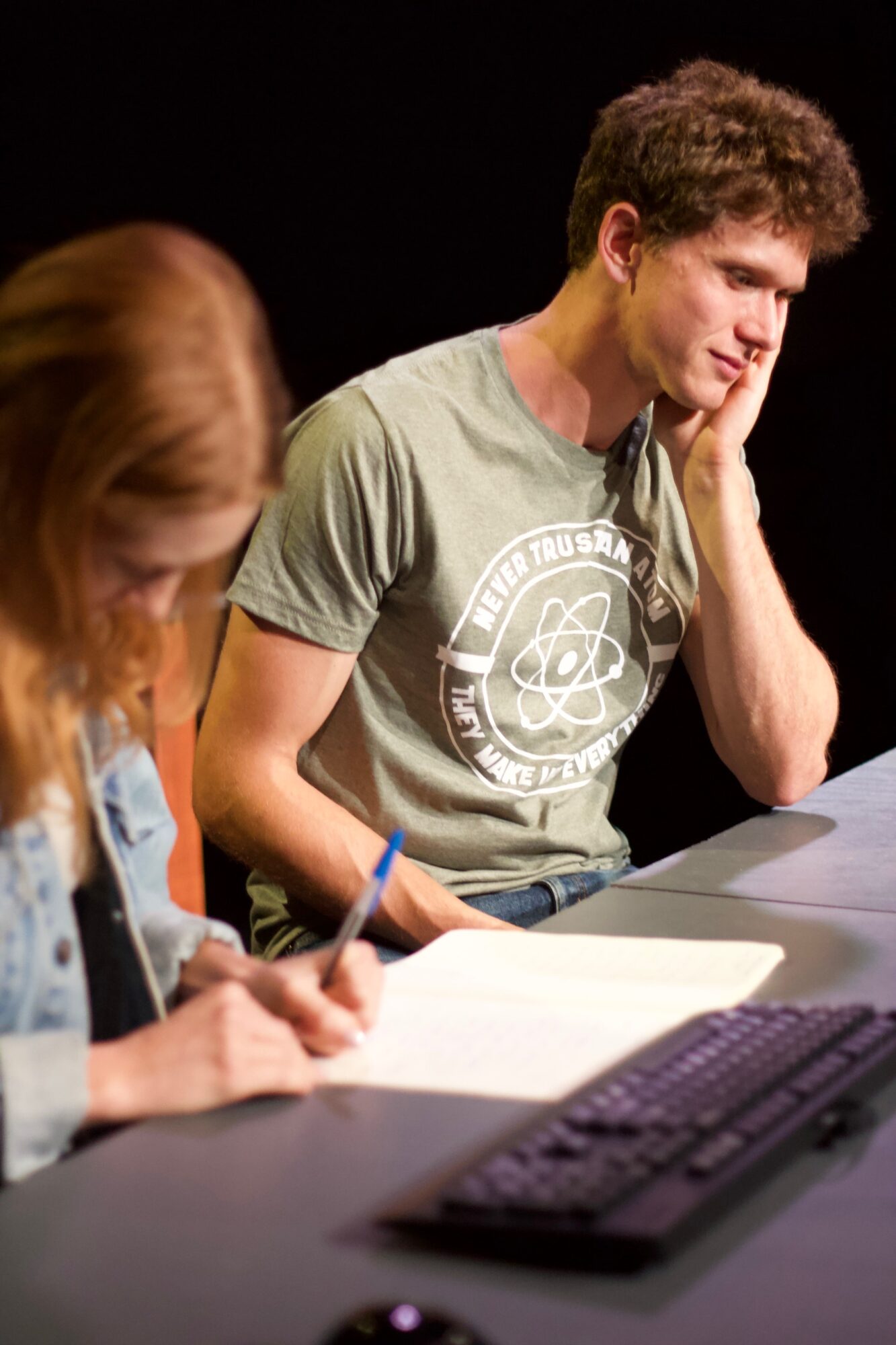
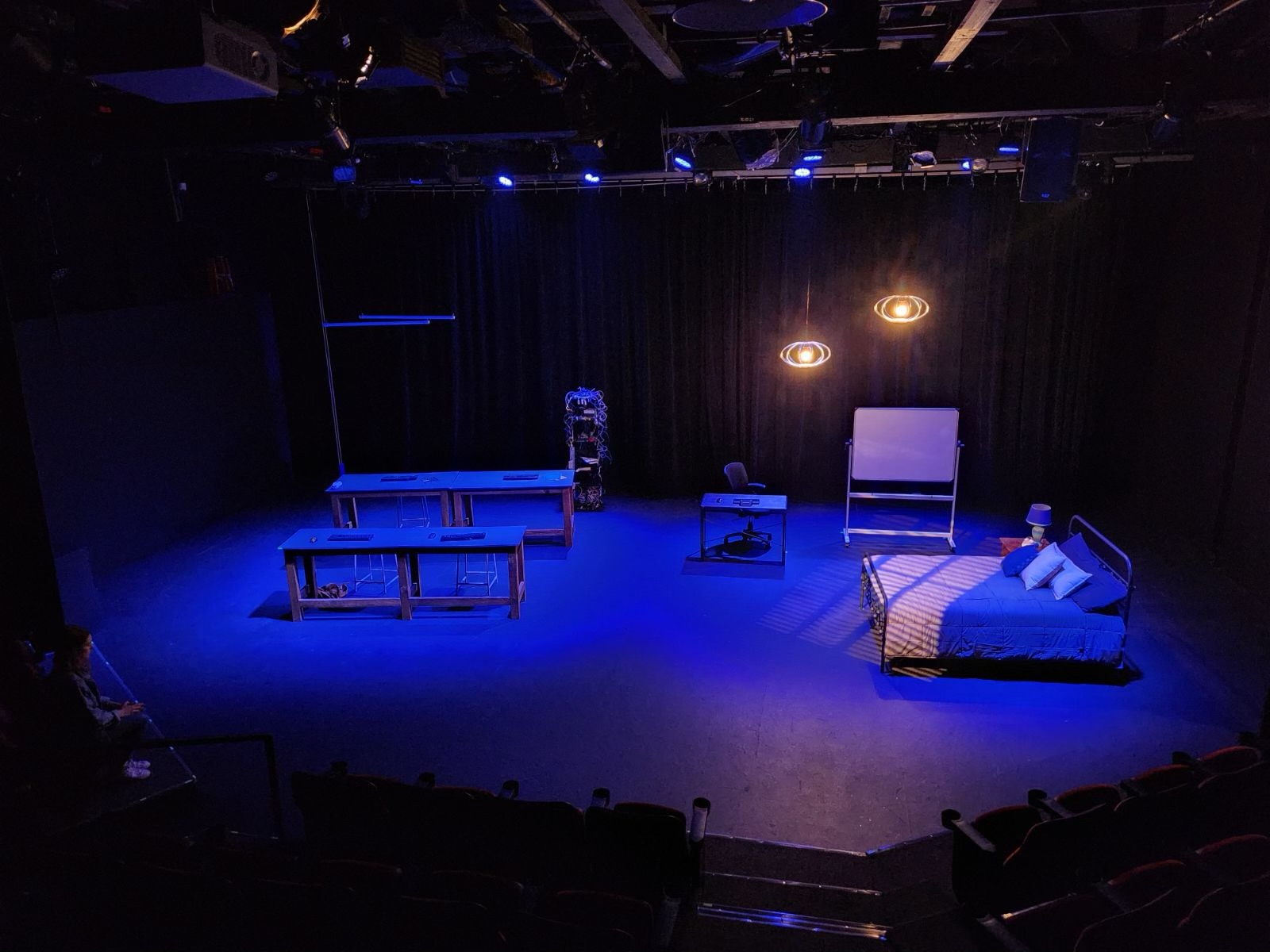
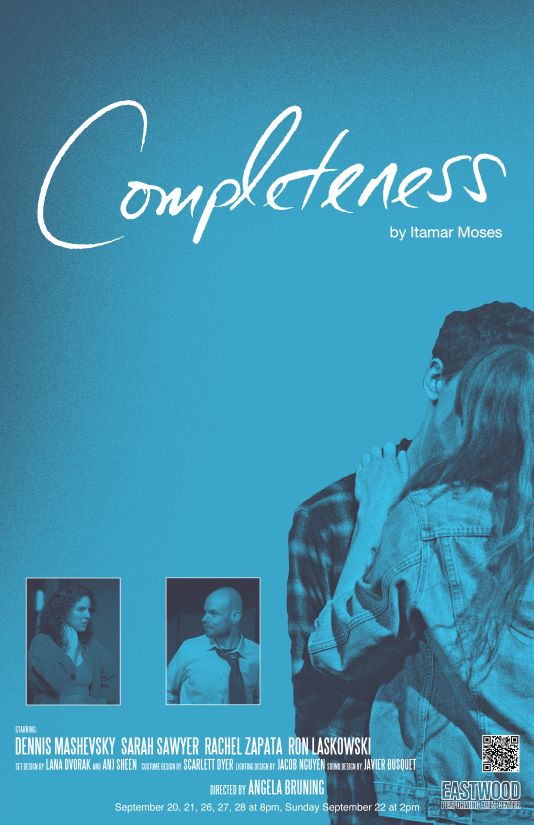
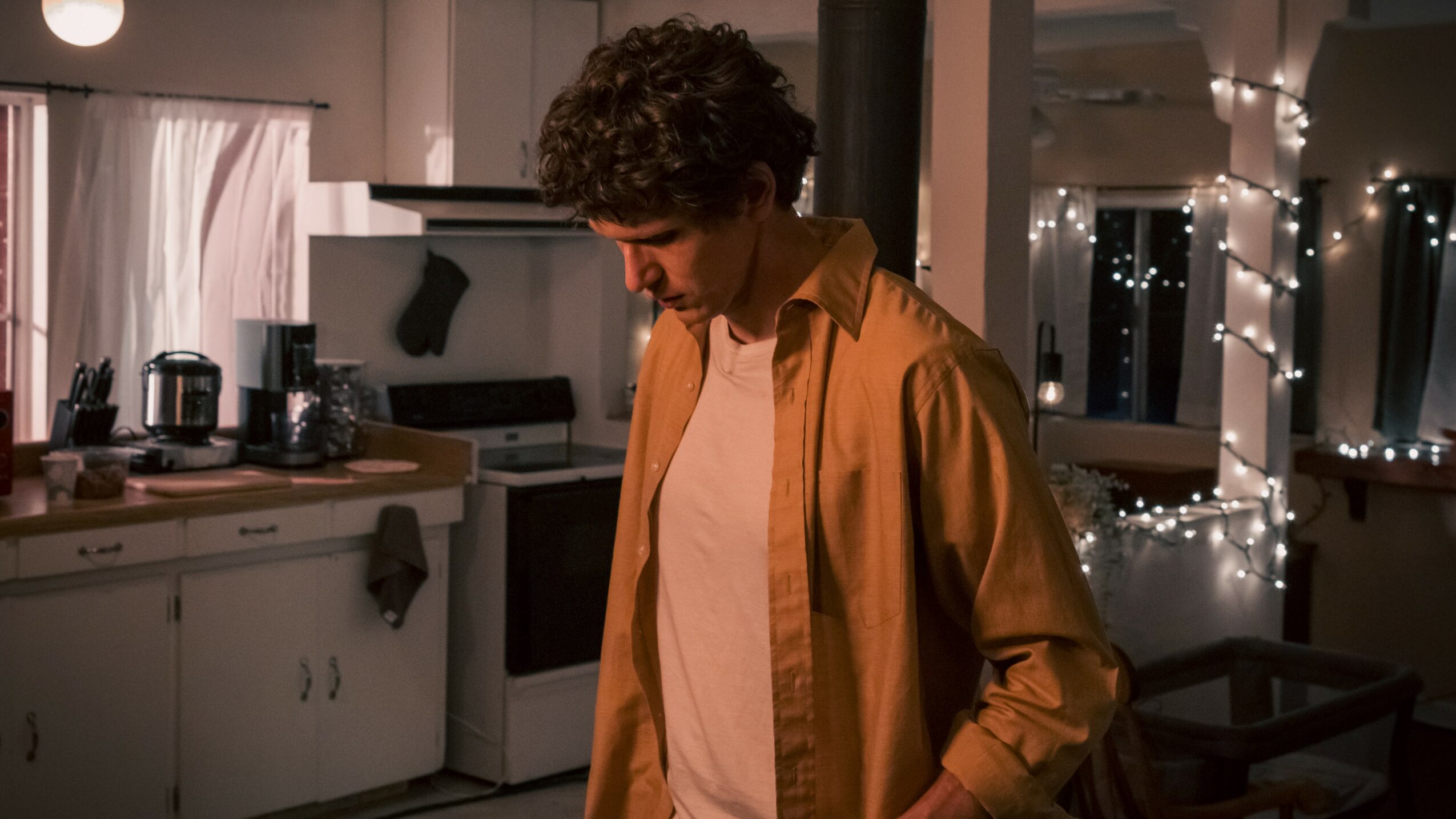
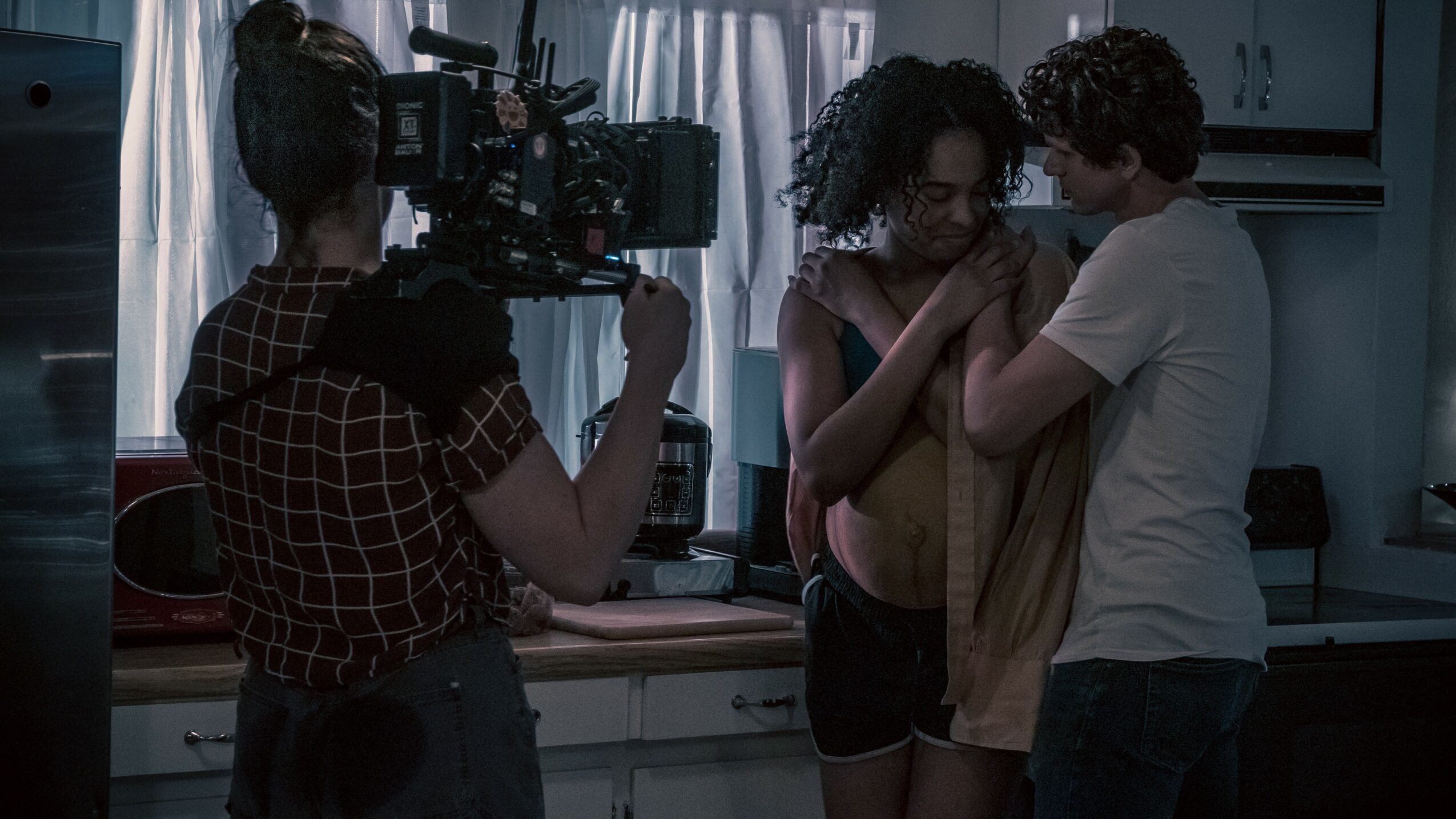
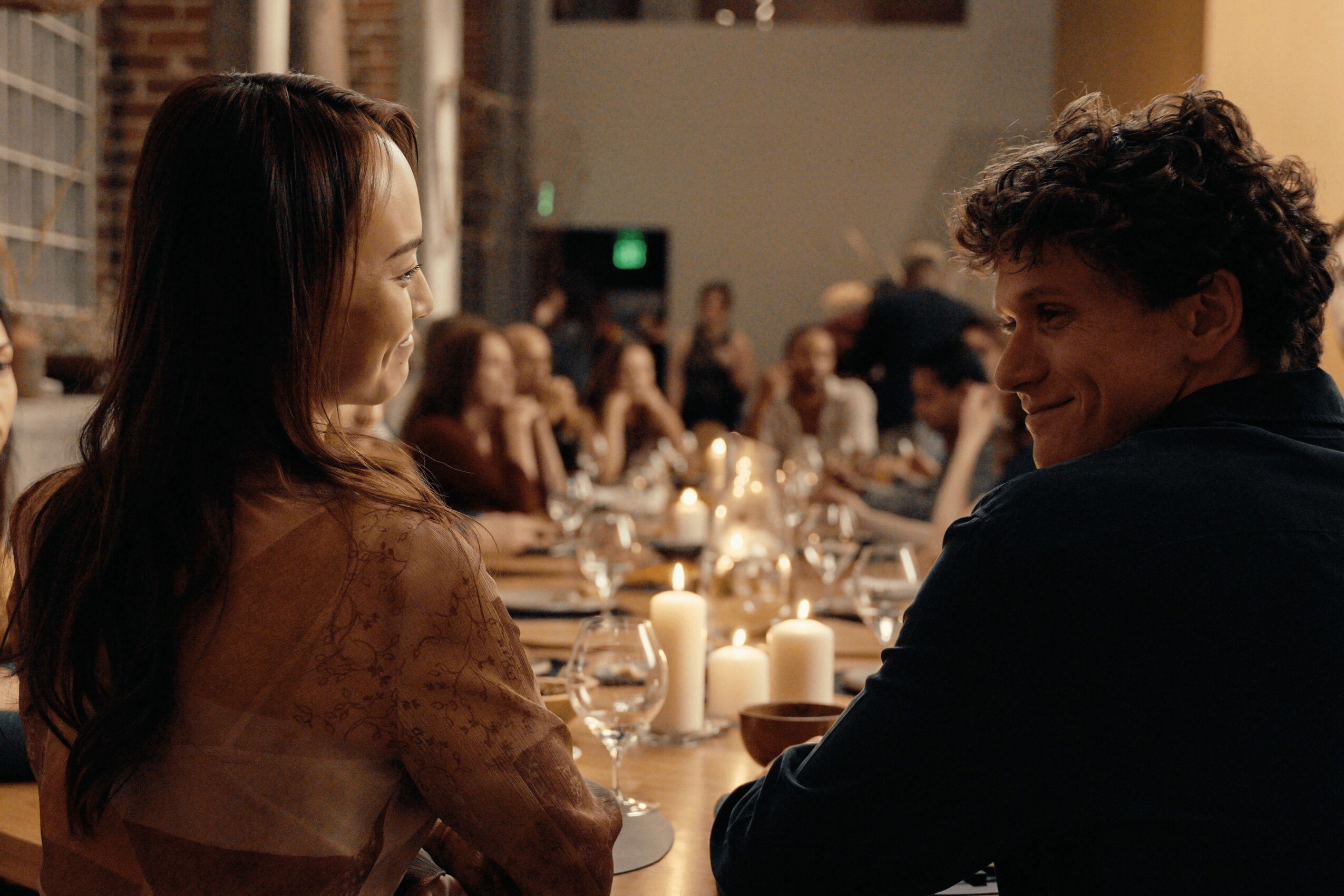
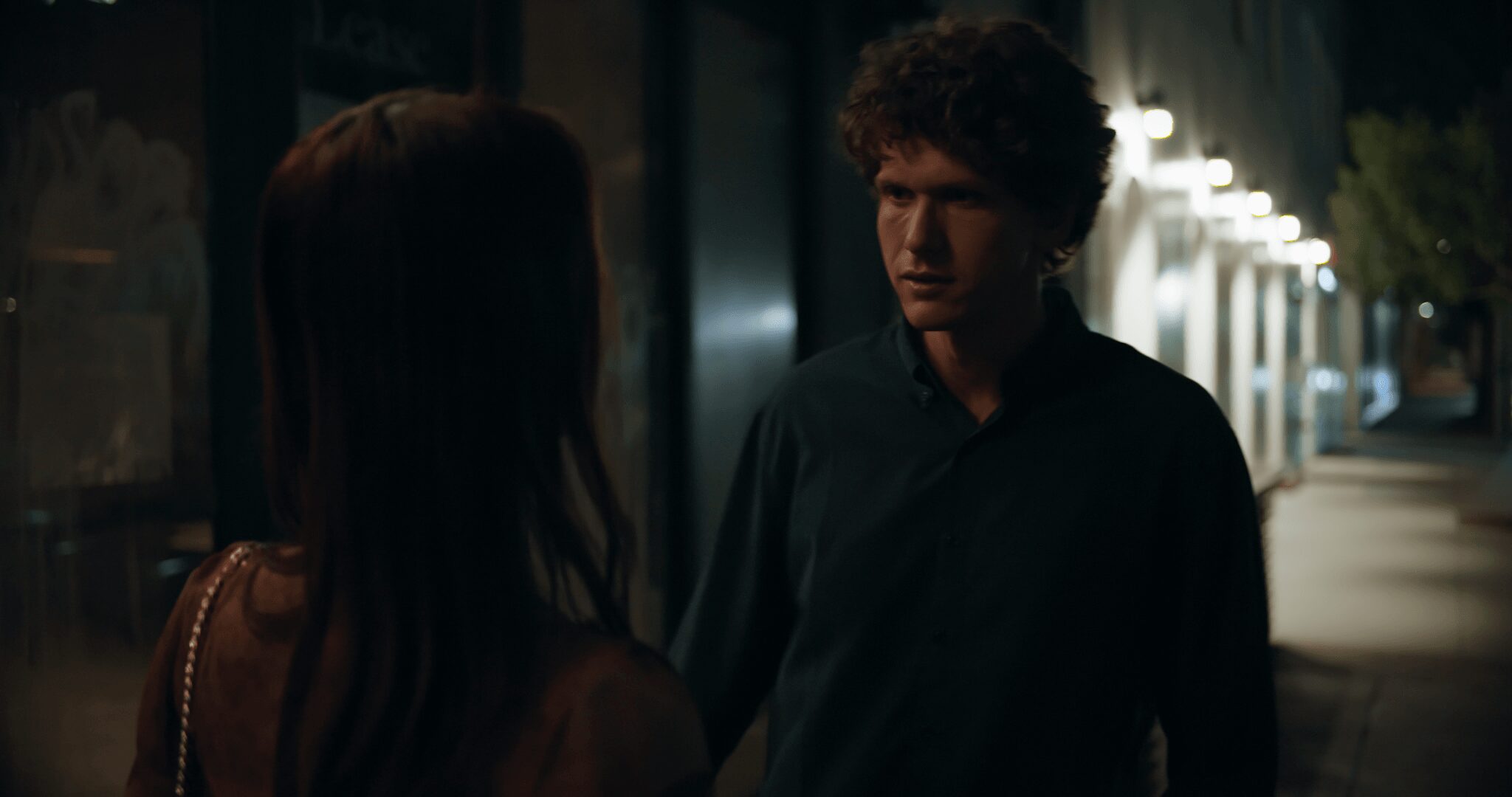
Image Credits
Cathryn Farnsworth
Hannah Kean
Peter Mackie
Dhruv Lapsia
Shadi Petosky
Popular
-

Que Johnson on Building Brands That Last: From Visibility to True Market Authority
-

Christina Wren Steps Into the Director’s Chair to Tell Stories That Feel Like Home
-

Portraits of the Valley
-

LA’s Most Inspiring Stories
-
JordanL on ‘Breathe,’ Belief, and Building a Movement Beyond the Music
-
Megan Birney Rudert on How Access to Light Is Powering a More Sustainable and Equitable Future


