




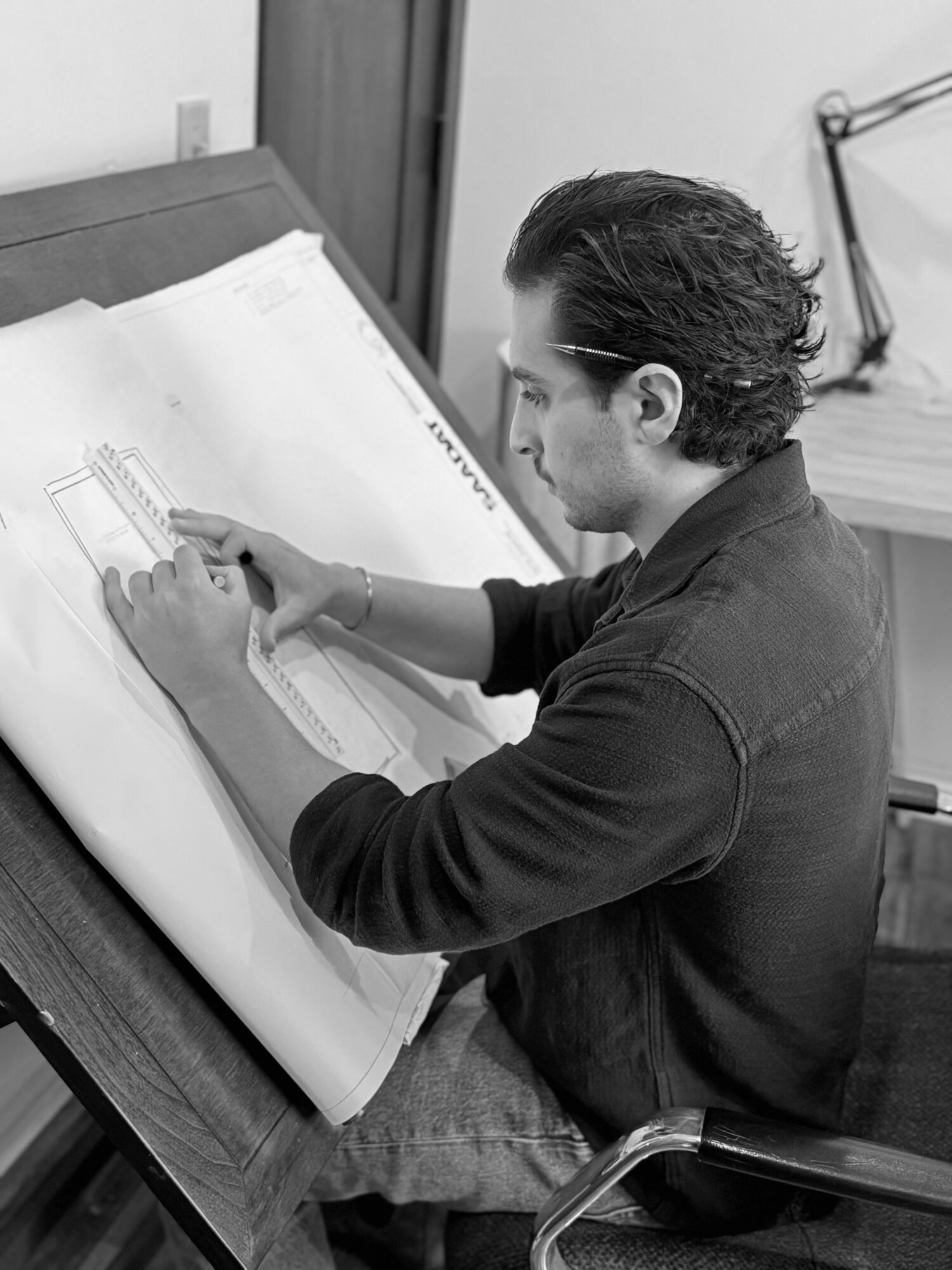
Today we’d like to introduce you to Ariel Saadat.
Hi Ariel, so excited to have you with us today. What can you tell us about your story?
I actually discovered architecture by accident. In my senior year at Beverly Hills High, I took Mr. Federman’s art class and started building architectural models out of foam core. It was frustrating and rewarding at the same time, and he pushed me harder than anyone had ever pushed me creatively. We even built an electric guitar together after school. I still have it.
After graduating, I had no idea what I wanted to do. I went to Santa Monica College and took the usual GE courses while I tried to figure out a direction. At one point I leaned toward law because my history major lined up neatly with it, and I eventually transferred to UC Santa Barbara. But after talking to several attorneys who all told me not to go into law, I pivoted again and explored medicine. I took chemistry and biology, volunteered at a hospital, and pretty quickly realized the medical world wasn’t for me either. Hospitals felt heavy and disconnected, and I couldn’t picture myself in that environment long term.
Right before graduating, I went to my counselor determined not to leave college without some sort of path. We looked at every option, and I ended up adding a minor in the History of Art and Architecture. That’s where things started to click. I took a master planning course that I loved, and afterward I asked my professor—who was a licensed architect—if I could talk to her about her career. She sent me to her husband, also an architect and professor, and after a couple of conversations he challenged me to research the profession for myself and come back with a real plan. That pushed me to dive deeper.
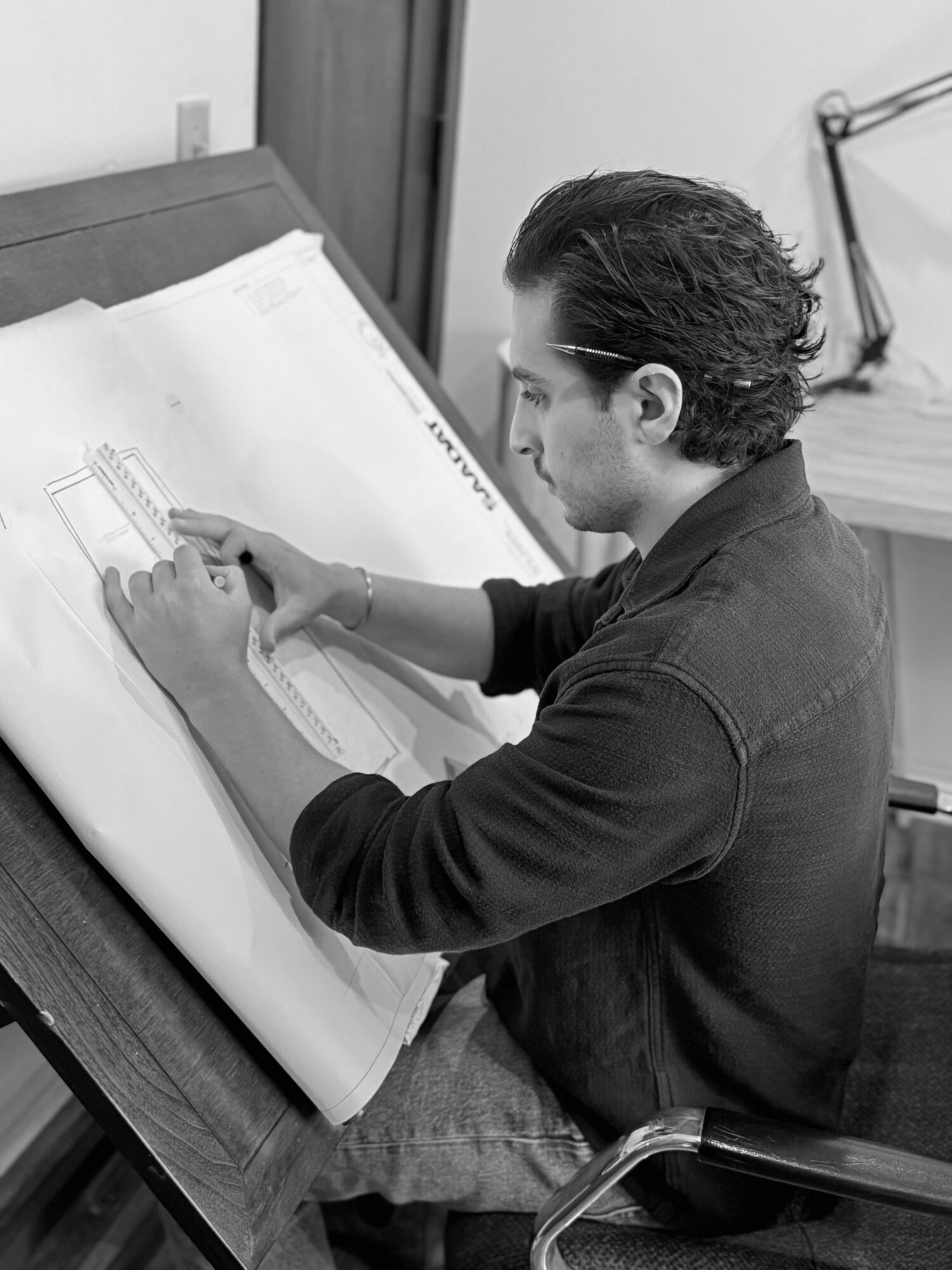
When I returned ready to commit, he put me in touch with two architects in Santa Barbara: Ellen Bildsten and Paul Rupp. Ellen gave me my first internship, and Paul gave me design challenges and guidance through a mentorship program. Around this time I took a hand-drafting course taught by Professor White. That class changed everything. It was the first moment I knew, without hesitation, that I wanted to be an architect.
After graduating in 2016, I moved back to LA and was hired by a young architect named Ben Ballentine. He saw how badly I wanted to learn. I ran plans to the city, learned AutoCAD at night on YouTube, drafted all day, and absorbed every bit of knowledge he shared. He gave me my foundation.
After two years I wanted to broaden my experience, so I joined AB Design Studio in Santa Barbara. I learned BIM, worked in a fast-paced environment, and got a feel for a larger studio. All the while I was also taking small residential side projects with my brother, which helped me grow more confident as a designer navigating real permits and real clients.
When COVID hit, I joined HMC Architects remotely, but commercial work wasn’t for me. From there I moved to Tim Barber Architects, and that was a turning point. Tim’s office focuses on traditional and historic residential architecture—Spanish revival, Greek revival, homes that feel timeless. The level of detail, the freedom to offer design input, the care in the work… it all clicked. Tim became a mentor and still is today.
Meanwhile, I kept logging my NCARB hours, taking exams, and growing my own small client list. Eventually I passed all my exams, got licensed, and joined BDE Architecture remotely for a period before deciding it was time to build something of my own.
I started Saadat Architects and it’s the happiest I’ve been. Today I focus on single-family homes, historic and traditional design, and thoughtful, sustainable solutions. And every month I still meet with Tim Barber, who continues to mentor me on the craft, the business, and the parts of the profession that don’t always come naturally, like presenting. It’s been a long road with a lot of pivots, but every turn led me exactly where I’m supposed to be.
We all face challenges, but looking back would you describe it as a relatively smooth road?
Not at all. The path was anything but linear.
I went through several career pivots before I even discovered architecture. I tried law, medicine, different majors, different volunteer programs. That constant uncertainty was its own challenge. I remember feeling like everyone around me had a clear plan, and I was still stumbling around trying to find something that felt right.
Once I finally committed to architecture, the struggles shifted. I didn’t come from an architecture school, so I had to fight through a steep learning curve. I learned drafting on my own at night, I made a lot of mistakes early on, and I had to build confidence the long way. Getting licensed was another mountain. Logging hours while working full time, studying for exams, taking side projects to gain experience—it was exhausting, but it taught me discipline.
There were also moments of real financial and emotional stress. Working full time and juggling side projects is exciting, but it’s also overwhelming. And when you’re young in this field, it’s easy to feel like you’re constantly proving yourself. I definitely felt that pressure.
Starting my own firm came with its own challenges too. You go from being part of a team to suddenly being responsible for everything: clients, design, permits, finances, the whole operation. It can feel lonely at times, and there’s no safety net. Luckily, you have a community of family and friends who believe in you and your work.
But none of those struggles were wasted. They made me more resourceful, patient, and resilient. They pushed me to seek out mentors, to keep refining my craft, and to stay grounded. Looking back, every tough moment played a part in getting me to where I am today.
Thanks for sharing that. So, maybe next you can tell us a bit more about your business?
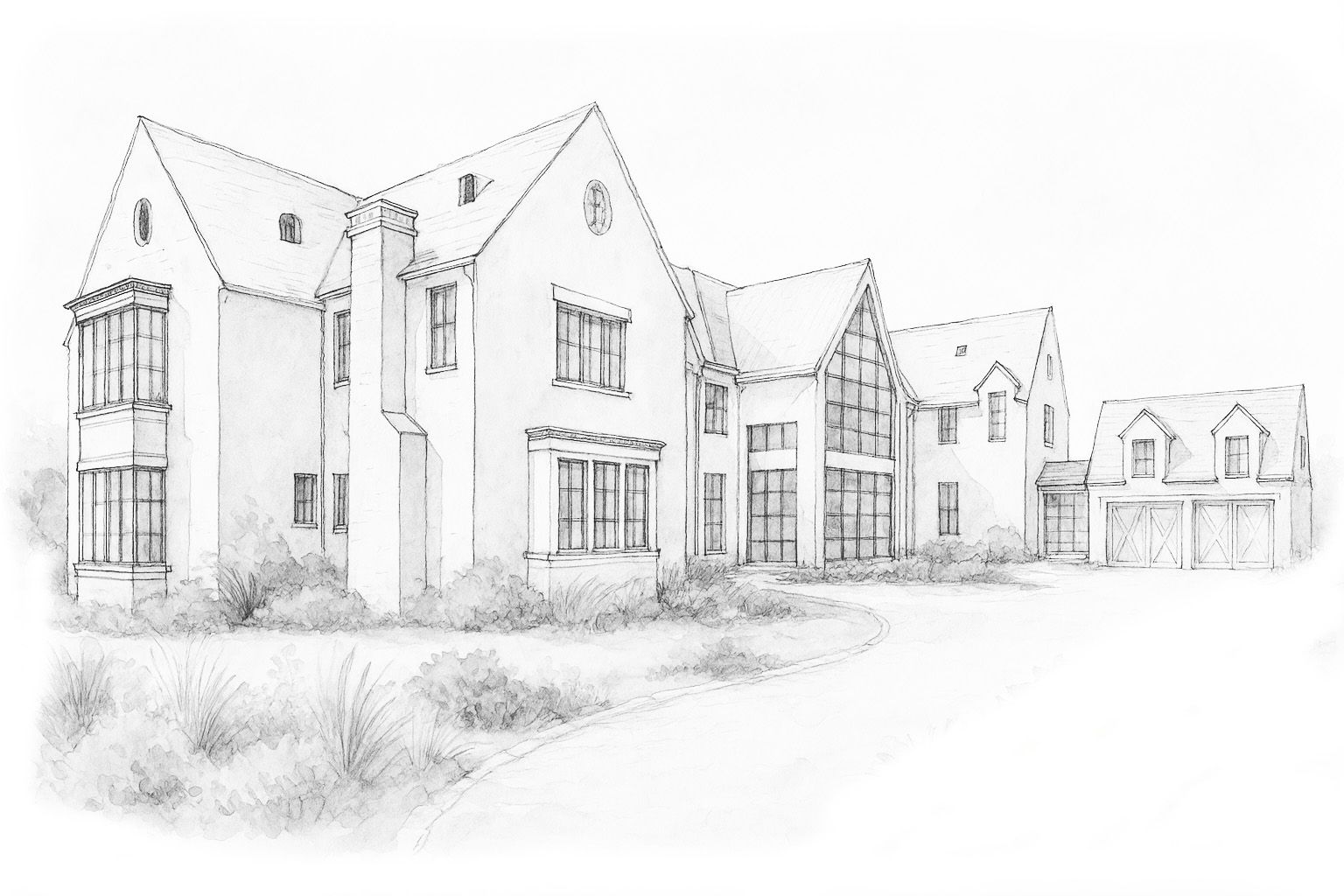
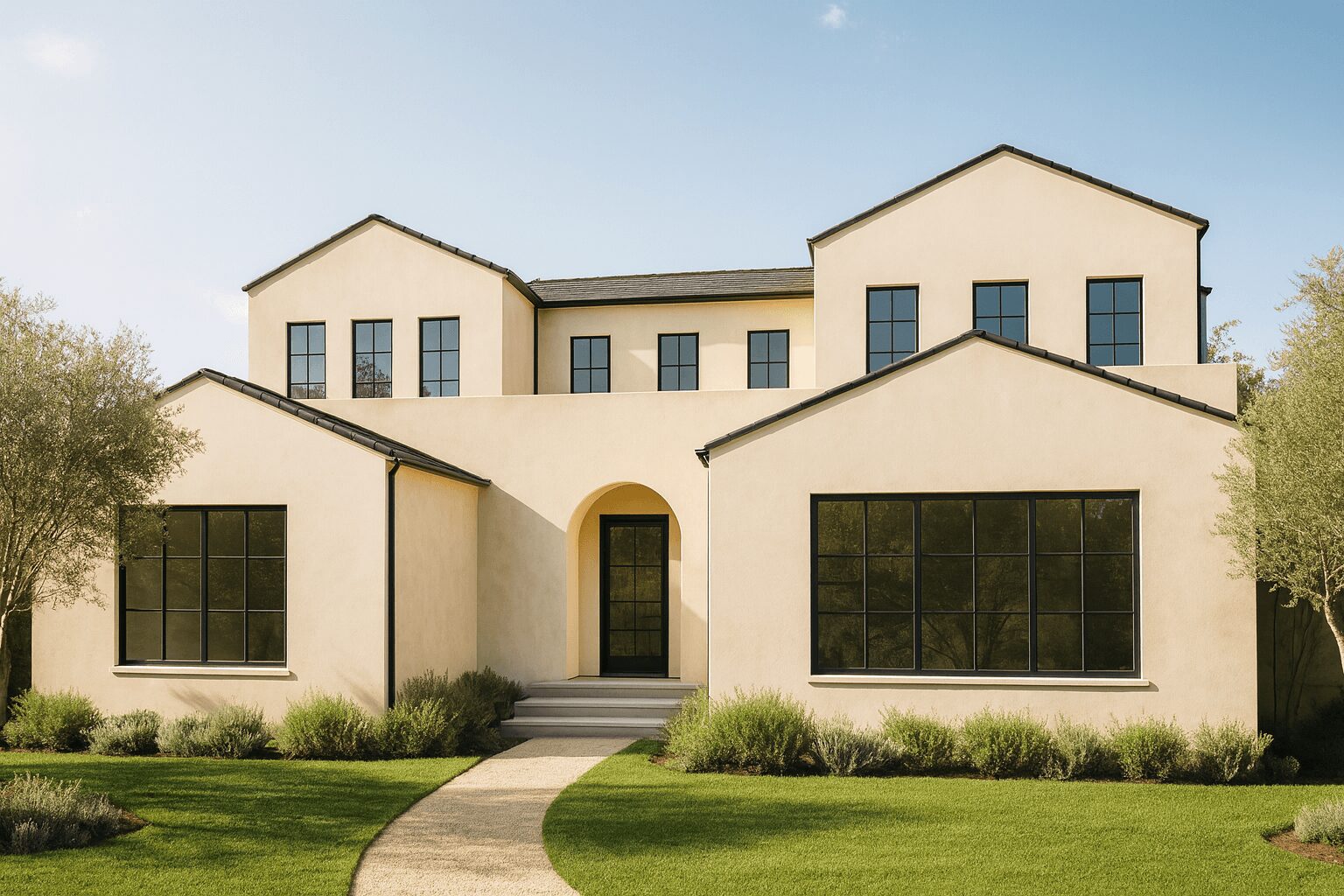
Saadat Architects is a small, design-focused practice based in Los Angeles. We work primarily on single-family homes, with a strong emphasis on historic architecture, traditional styles, and thoughtful modern updates. A lot of our projects involve reimagining older homes, respecting their character, and bringing new life and clarity to them. Clients come to us when they want something timeless, intentional, and crafted with care.
What sets us apart is the way we work. We don’t approach design as a trend or a template. Every project starts with listening, understanding a family’s routines, what they value, how they want to feel in their home. From there, we study the history of the property, the neighborhood, the architecture, and the story the home wants to tell. The goal is always to create something that feels rooted, not forced.
We’re also very hands-on with the process. I learned architecture the old-fashioned way: hand drafting, studying proportions, spending time with mentors who taught me the importance of detail. That mindset still shapes the studio. We care about the small things, the thickness of a shadow line, the reveal around a window, the way materials meet. Those details are what make a home feel settled and effortless.
Brand wise, I’m most proud that our work feels personal. Clients tell us they feel guided, supported, and understood. We take on a limited number of projects so we can be fully present with each one. And because we work closely with expeditors, engineers, builders, and consultants, we’re able to move a project from early concept to final permit with clarity and minimal stress for the homeowner.
For readers, the most important thing to know is that we’re not chasing scale, we’re chasing quality. We design homes that feel calm, warm, and timeless. We blend historic character with modern living. And we approach every project with honesty, craftsmanship, and respect for the people who will call that space home.
If someone is looking for a firm that’s attentive, detail driven, and truly invested in creating a long-lasting home, that’s where we thrive.
How can people work with you, collaborate with you or support you?
People can work with me in a few ways. The most direct is through new residential projects, whether it’s a renovation, an addition, or a ground-up home. I usually start with a conversation to understand the client’s goals, the property, and the scope, and from there we map out a clear path for design, permitting, and construction. I like being involved from the early idea stage all the way through the details.
Collaboration is another big part of what I do. I work closely with builders, interior designers, landscape architects, engineers, and consultants, and I’m always open to partnering with people who value thoughtful design and clear communication. If someone shares a similar mindset about craft and care, it usually leads to good work.
As for support, the best way is simply spreading the word—referring friends or family who are thinking about a project, sharing our work, or staying connected with what we’re doing. My firm grows through relationships and trust, and I never take that for granted.
And for students or emerging designers, I’m always open to giving guidance or answering questions. Mentorship played a huge role in my career, and I try to pay that forward whenever I can.
Contact Info:
- Website: https://www.saadatarchitects.com
- Instagram: https://www.instagram.com/saadat_architects?igsh=NTc4MTIwNjQ2YQ%3D%3D&utm_source=qr
Popular
-

JordanL on ‘Breathe,’ Belief, and Building a Movement Beyond the Music
-

Megan Birney Rudert on How Access to Light Is Powering a More Sustainable and Equitable Future
-

Linda Kneidinger on Building Lasting Change Through Small Steps and Self-Compassion
-

Jolana Nika on Redefining Modern Connection Through Intentional, Real-Life Experiences
-

What did suffering teach you that success never could?
-
Who saw you clearly before you could see yourself?


