




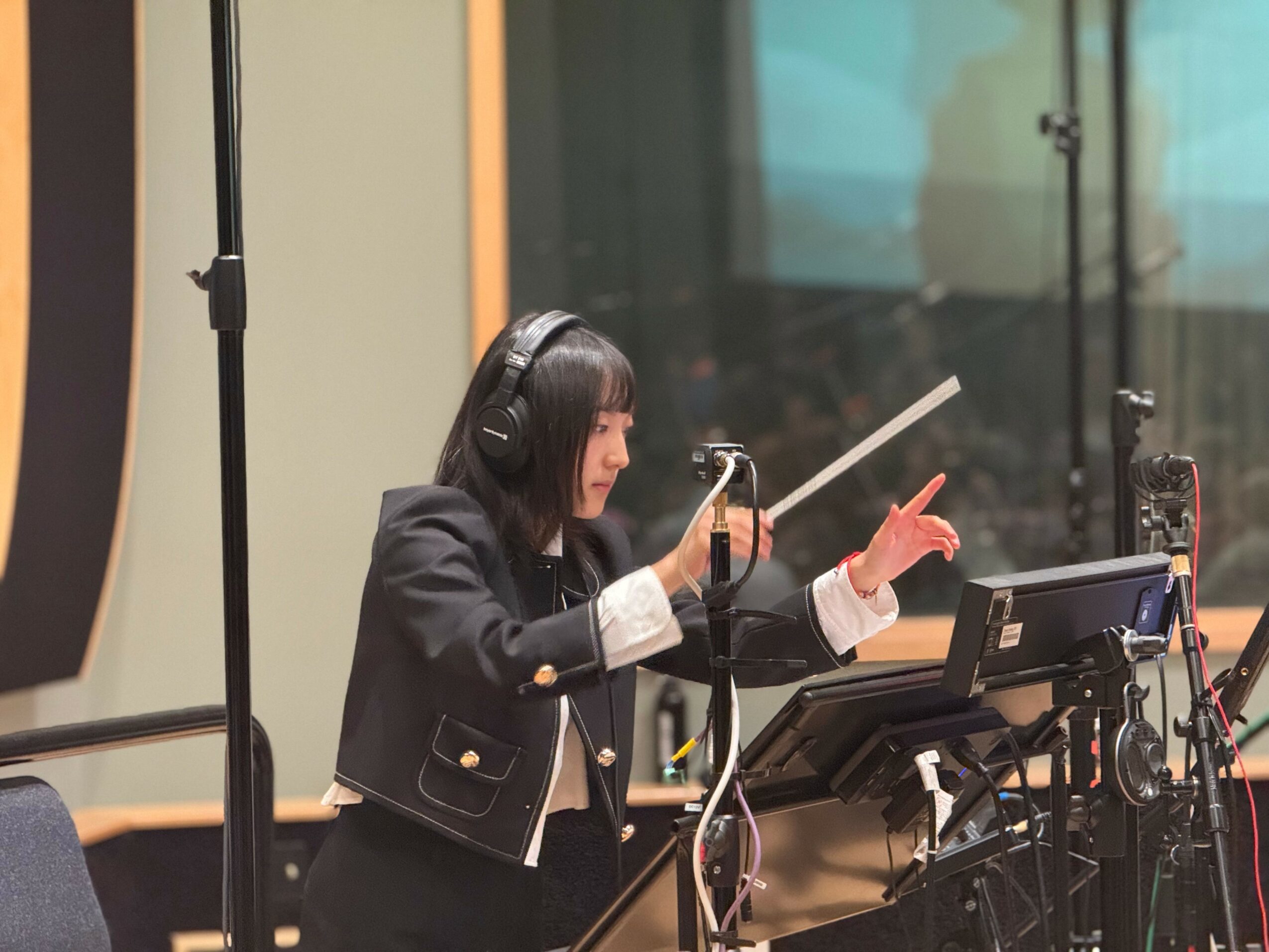
Today we’d like to introduce you to Elva Chen.
Hi Elva, thanks for joining us today. We’d love for you to start by introducing yourself.
My name is Hung-Hua Chen, but most people call me Elva. I’m originally from Taiwan, where my musical journey began in middle school when I joined a traditional Chinese orchestra and played the ruan. Around that time, I also started studying pop music composition and arrangement at Maximum Music Studio. In high school, I majored in composition at Hua Gang Art School for a year and a half, then continued home-schooling so I could focus full-time on creating music at Maximum. In 2019, I composed a duet for violin and piano that was performed by Min-Ling Wang at her solo recital — my first public performance as a composer.
In 2022, I came to Los Angeles to study film and game scoring at Musicians Institute. One of my major works, Tall Wall (directed by Bea Qian), received international recognition including nominations and selections from the Apex Film Awards, The Rookies, NYAFA, SLAFA, and even the Festival de Cannes. I also composed the full soundtrack for the Chinese game 300 Heroes and scored the animated short SugarCoat directed by Kyumin Kim. My piece Twin Sparks placed 30th out of 235 submissions in the Indie Film Music Contest – Winter 2024.
For me, music is a way to connect worlds, East and West, tradition and modern storytelling. Every project feels like an emotional voyage, where I turn invisible feelings and imagined worlds into sound.
Alright, so let’s dig a little deeper into the story – has it been an easy path overall and if not, what were the challenges you’ve had to overcome?
The road definitely hasn’t been smooth, but every challenge has helped me grow into who I am today. Back in high school, I felt limited by the education system in Taiwan — art and music often had to fit into certain rules, and my creative ideas started to feel boxed in. I wanted to follow my own path, so I made the bold decision to apply for home-schooling to study full-time at Maximum Music Studio. At first, my parents were completely against it because self-education was almost unheard of in Taiwan. To prove my commitment, I applied to the Ministry of Education myself, wrote a full proposal, and gave a presentation to my family. Only after they saw my determination did they agree. That was the moment I learned to take ownership of my dream.
In college, one of my biggest challenges came from scoring my first animated film, Tall Wall. My first version didn’t match the director’s vision — she wanted a dark and melancholic tone, but I naturally write in a dreamy and emotional style. It forced me to step out of my comfort zone and really learn how to listen. I began asking simple yes-or-no questions to better understand her emotions, and I studied the film’s colors and atmosphere until I could truly feel what she felt. That process taught me that composing is not only about writing notes, but also about understanding people’s inner worlds.
More recently, I faced another creative block while composing a piece inspired by Black Myth: Wukong. I wanted to bring my Chinese orchestra background into a fusion of Eastern and Western orchestration, but nothing sounded right at first. Eventually, I took a break — meditating, traveling, and talking honestly with close friends about my doubts. When I returned, the music finally flowed. It became one of my biggest breakthroughs, reminding me that creativity always moves with balance between the mind, heart, and soul.
Thanks – so what else should our readers know about your work and what you’re currently focused on?
I’m a film and game composer based in Los Angeles, originally from Taiwan. My work focuses on expressing emotion through sound — I love exploring how music can capture invisible feelings, colors, and movement that exist between reality and imagination. I specialize in cinematic scoring and orchestral writing, but I also enjoy blending different styles when the story calls for it, including elements from Eastern and Western music. While I can write for traditional Chinese instruments, what defines my music most is its sense of color and emotional flow — many people say it feels like being transported into another world.
Most of my recent work has been in storytelling-driven projects. I composed the full score for the animated short Tall Wall directed by Bea Qian, which received international recognition from festivals such as the Apex Film Awards, The Rookies, NYAFA, SLAFA, and even the Festival de Cannes. I also created the original soundtrack for the Chinese game 300 Heroes and scored the animated short SugarCoat, directed by Kyumin Kim. Each project has taught me more about how sound can shape emotion and reveal what’s hidden between the lines of a story.
What I’m most proud of is not only the achievements, but the creative growth behind them. I see music as both painting and storytelling — a space where sound becomes color and emotion turns into movement. My goal as a composer is to create scores that feel alive, full of personality and imagination, and that invite listeners into worlds they’ve never experienced before.
Where do you see things going in the next 5-10 years?
1. Immersive audio and spatial sound
We’re moving toward richer and more three-dimensional listening experiences. Technologies like object-based audio and 3D immersive sound are becoming more common in film, games, and virtual reality. As audiences expect deeper and more emotional environments, composers will need to think beyond background music, we’ll be designing full sound-scapes and emotional spaces.
2. Globalized music and cross-cultural fusion
Because media today reaches international audiences instantly, there’s a growing demand for music that connects cultures, combining traditional influences with cinematic language. For someone like me, who writes with both Eastern and Western sensibilities, this feels like a very natural direction. I think music that blends different worlds emotionally and sonically will continue to rise.
As immersive audio becomes more important, the ability to create “world-building” music will be a real strength. You’re not just writing melodies; you’re designing emotional environments that transport people somewhere new. I also think more opportunities will appear in games and interactive media, not just linear film, giving composers more freedom to collaborate globally and build their own creative place.
Contact Info:
- Website: https://elvachen.com
- Instagram: https://www.instagram.com/elva.chen_1011
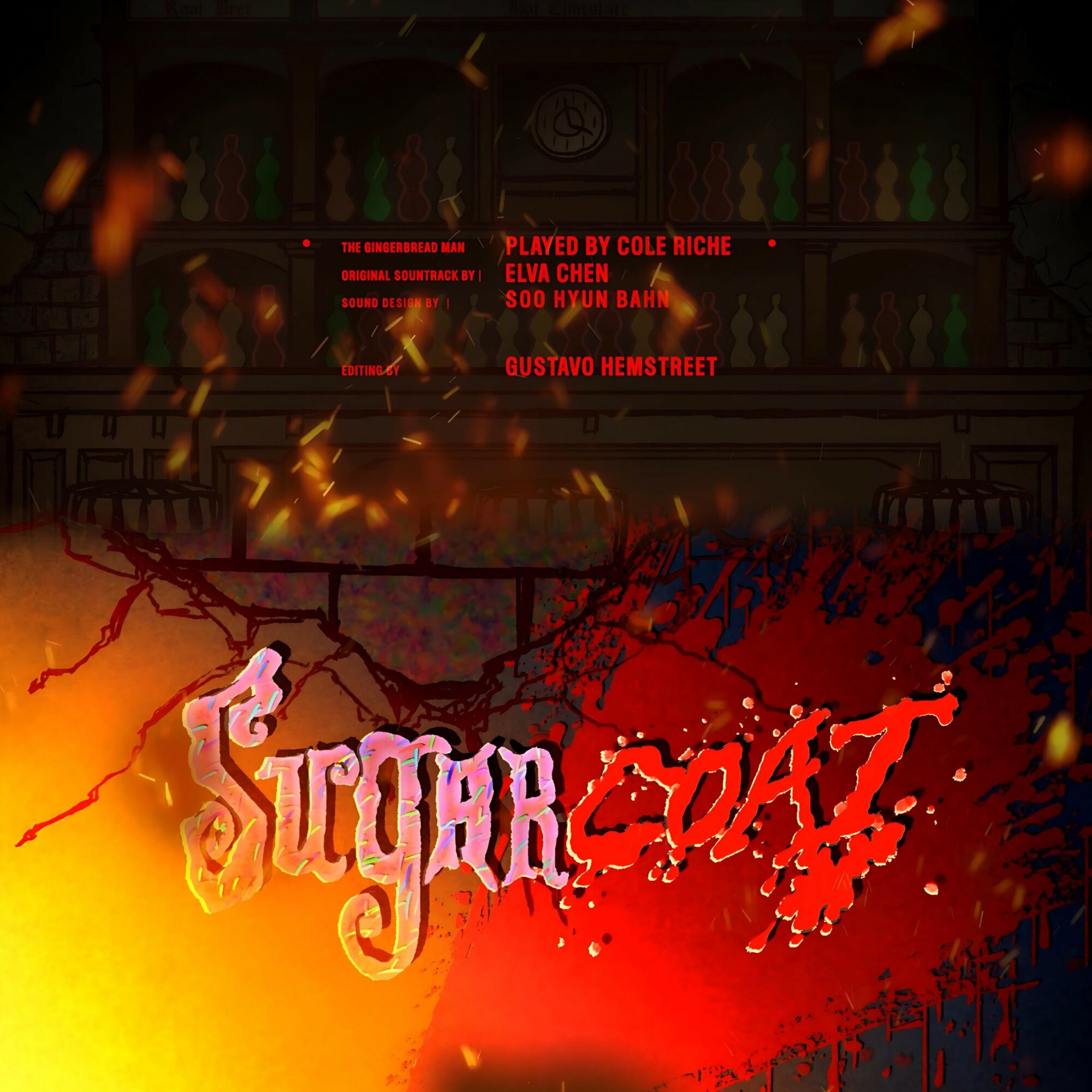
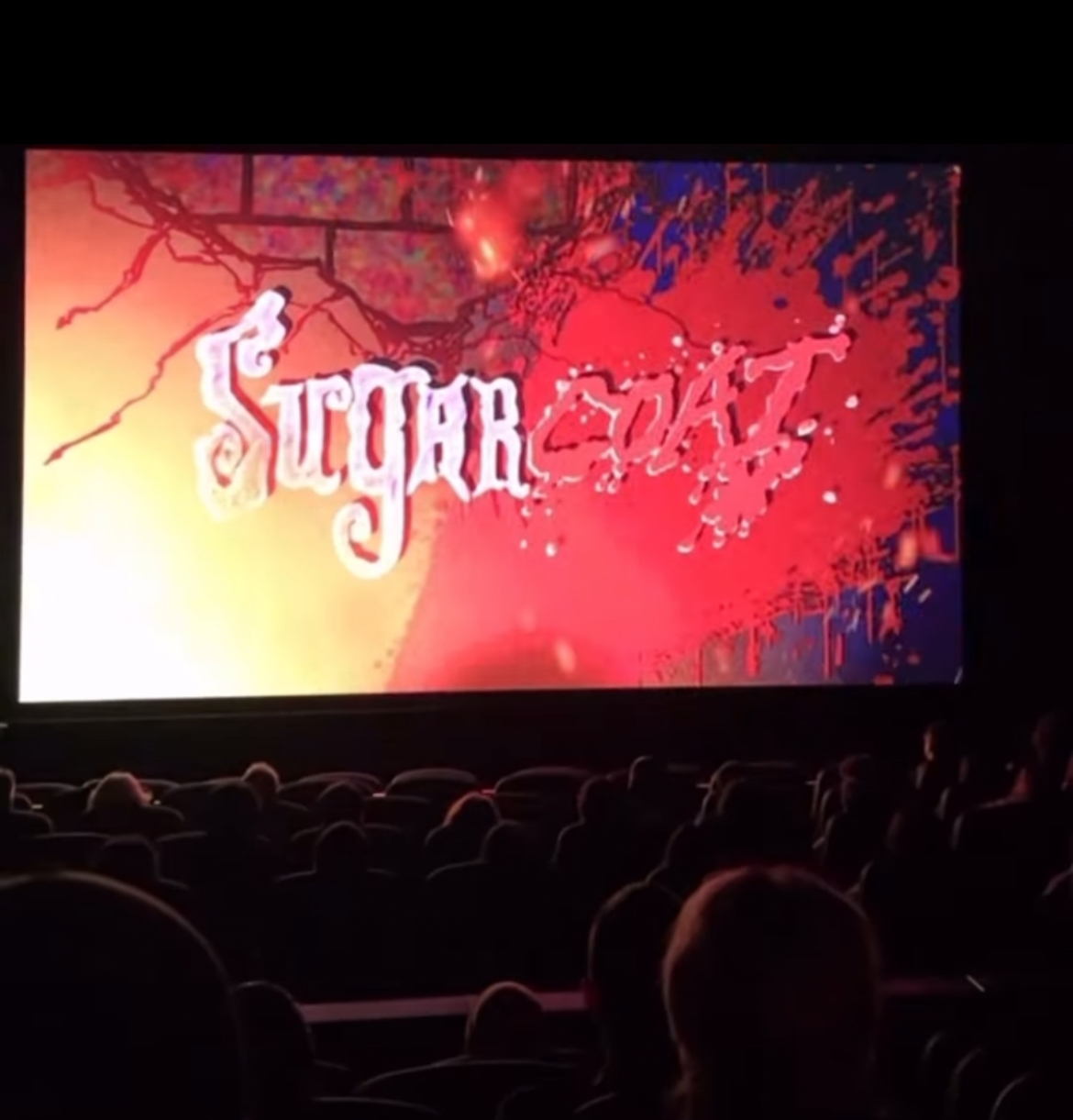
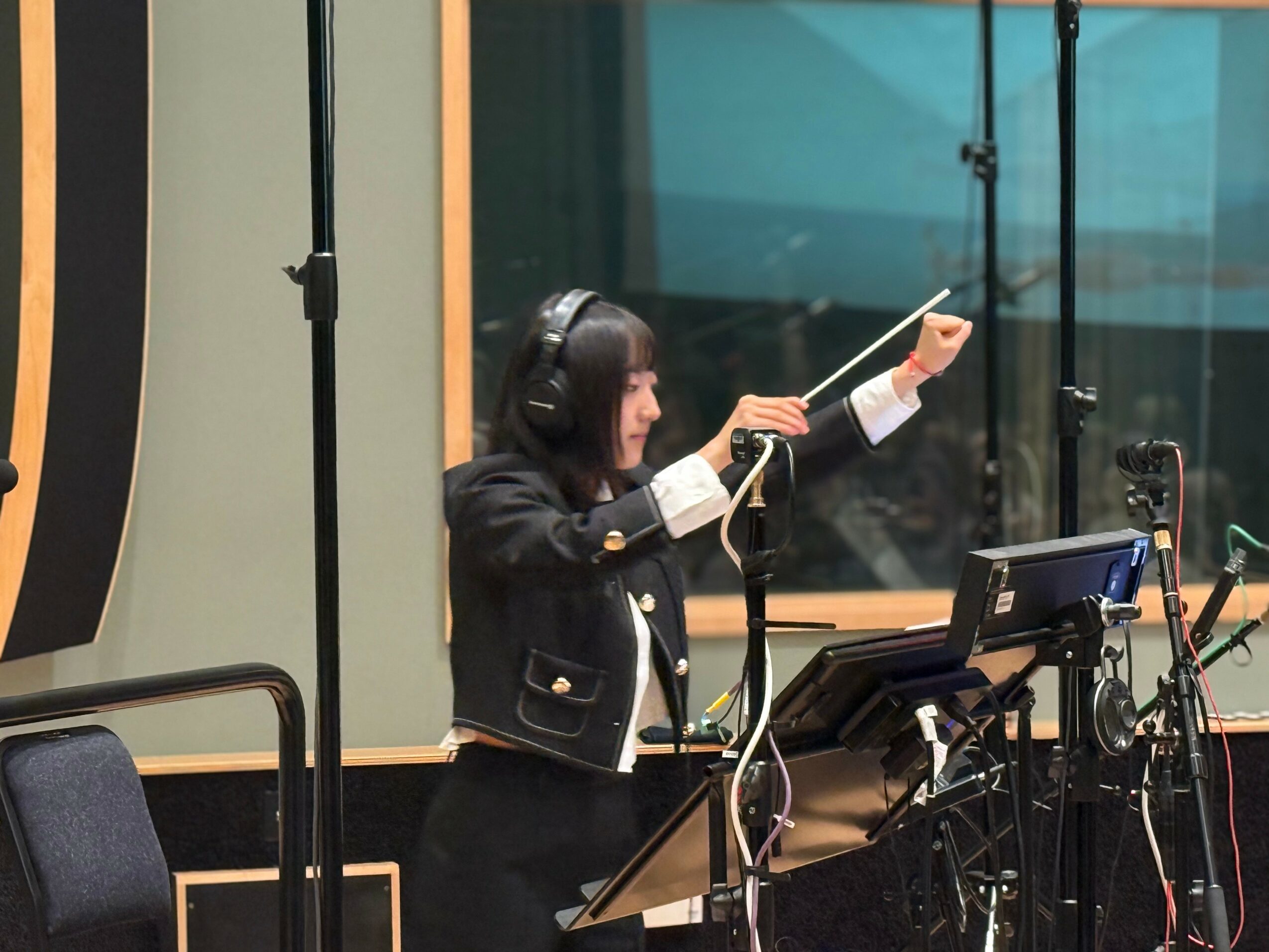

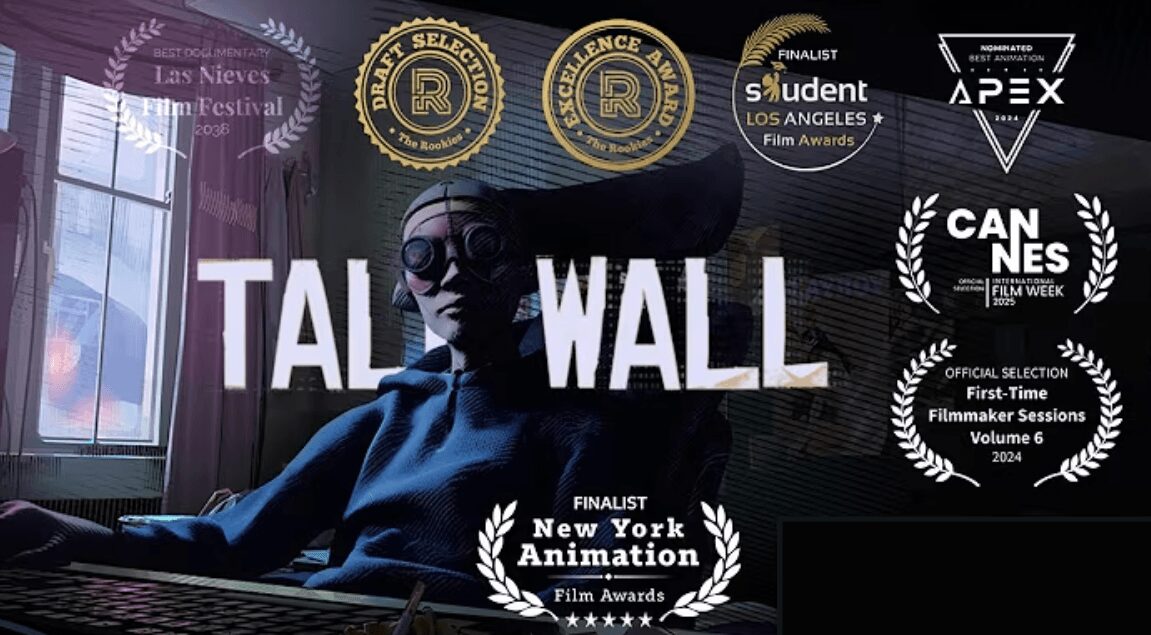
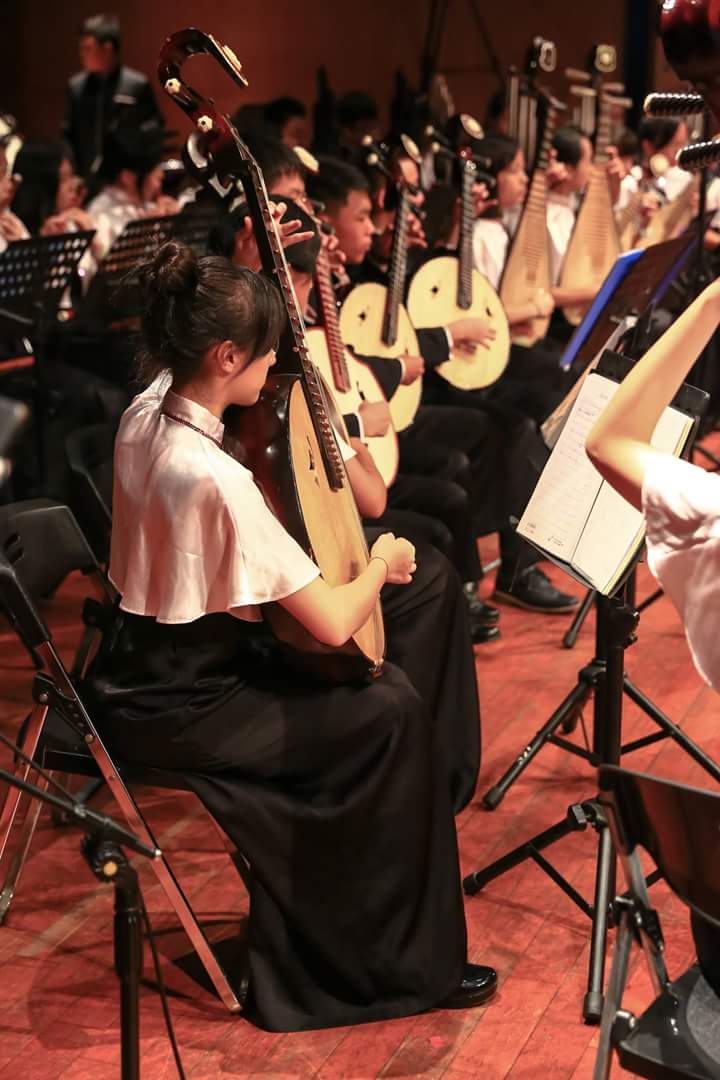
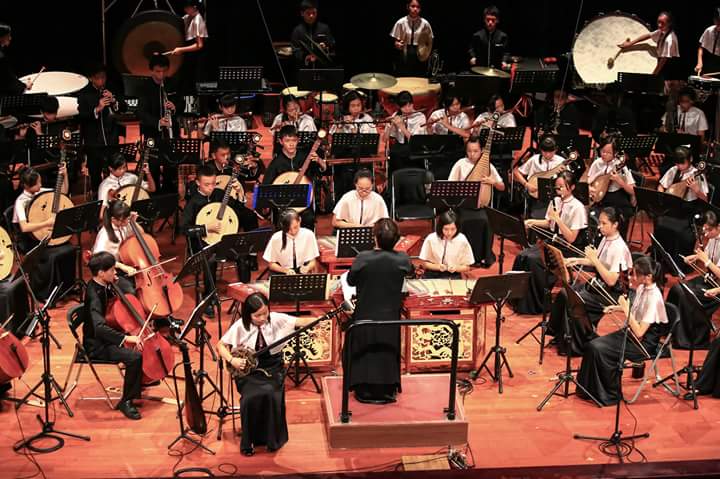
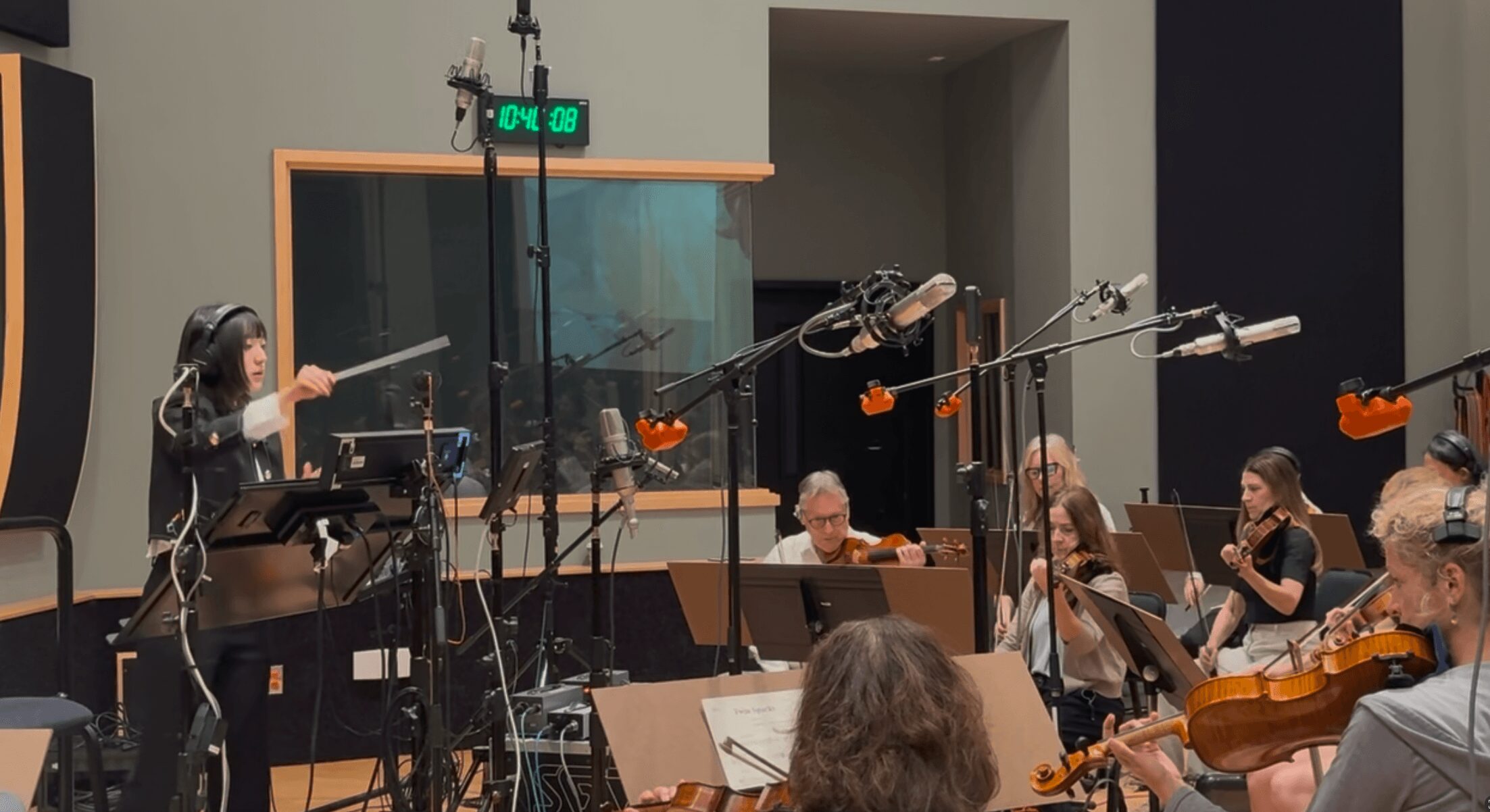
Image Credits
– Tall Wall – ArtCenter College of Design Screening
– SugarCoat – ArtCenter College of Design Screening
– 300 Heroes – Game Soundtrack
– Evergreen Studio – Orchestra Recording Session
– Traditional Chinese Orchestra (Taiwan)
Popular
-

Que Johnson on Building Brands That Last: From Visibility to True Market Authority
-

Christina Wren Steps Into the Director’s Chair to Tell Stories That Feel Like Home
-

Portraits of the Valley
-

LA’s Most Inspiring Stories
-

JordanL on ‘Breathe,’ Belief, and Building a Movement Beyond the Music
-

Megan Birney Rudert on How Access to Light Is Powering a More Sustainable and Equitable Future


