





Today we’d like to introduce you to Yuko Mabuchi.
Hi Yuko, we’d love for you to start by introducing yourself.
I was introduced to music at the age of four. I found my rhythm in the world of classical piano in my hometown of Fukui, Japan. However, I didn’t stay confined to just one genre. Growing up, I was drawn to American R&B, Hip-Hop, and Blues, but it was Jazz that struck a chord deep within me. In fact, jazz captivated me so much that I dedicated my post-high school years to studying jazz piano. This early initiation into various genres fueled the music concepts that influence my creative and performing directions to this day.
Would you say it’s been a smooth road, and if not what are some of the biggest challenges you’ve faced along the way?
My journey has had many beautiful moments, but it definitely hasn’t been smooth. I began as a classical pianist in Japan, and when I discovered jazz, I fell in love, but switching paths wasn’t easy. Jazz requires a different kind of freedom and confidence. Beginning studying Jazz when I did started my transition at a good time. When I moved America, I had to start fresh with the new language, new culture, new audiences. I played in clubs, accompanied dance classes, played for church choirs, accompanied a youth orchestra, and said yes to just about every opportunity, even when it barely paid. I was very fortunate to develop a support system of several local musicians who I was able to work with and learn from.
Another challenge has been the business side of music. Being an artist today means not just practicing and performing, but also managing social media, promotion, booking, recording, and often doing it with limited resources. I’ve had to learn how to juggle all these roles while still protecting my creativity.
But every struggle has shaped me. Each setback pushed me to grow, to trust my own voice, and to keep moving forward. And every time someone connects with and enjoys my music, whether in a concert hall or online, it reminds me why the journey has been worth it.
Alright, so let’s switch gears a bit and talk business. What should we know about your work?
I think my work sits at the intersection of jazz and classical piano. I blend rigorous classical technique with the improvisation and groove of jazz. I also incorporates Latin influence and broader rhythms and grooves that I grew up with. When I perform I search for the emotion of each composition. If I cannot feel it, I can’t expect the audience to feel it. Many fans like how I fuse different styles, but always groove.
Being Japanese born and now active in L.A., I bring a cross-cultural perspective, not just playing “jazz by the book,” but merging traditions, visuals, and styles in a personal way. People compliment my work, not just what I play, but how I play. How I play is a part of my statement. When I mix genres its not gimmicky fusion. I spend a lot of time thinking about the composition.
I’m very proud of my latest album “QUANTUM,” that is considered “Jazz, Classic, and Latin Fusion” But my most successful venture to date was the recent release of the single entitled, “ETHEREAL”(SRG) which was a collaboration with Jeff Lorber, and has done very well in the Smooth Jazz market. We will be following up with a second single over the holidays. “QUANTUM” (Vista) is a slightly different proposition that is a fully orchestrated project featuring my original compositions. Both of these projects are a great source of pride, because of the immense amount of work, and to know that they are being played around the world.
Before we let you go, we’ve got to ask if you have any advice for those who are just starting out?
If I could give one piece of advice to musicians, it would be to enjoy the process. When I was starting out, I worried too much about being perfect, perfect technique, perfect sound, perfect everything. But music grows from curiosity and joy, not perfection. If you fall in love with practicing every day, even the slow work, you will grow naturally. Another thing I learned is to listen more than you play. Listen to the masters, of course, but also listen to the musicians around you. Jazz is really a conversation, and your ears are your greatest teacher. When you listen deeply, you begin to understand how to communicate through music.
I also wish I understood earlier how important the small things are , like your time, feel, your touch, your dynamics, your phrasing. These fundamentals become your freedom. Don’t rush them.
Sometimes musicians feel like they have to play fast or complicated to be accepted. But I learned that audiences and musicians connect more with honesty than with speed. Play from your heart. I believe that’s what people remember.
None of this matters if you don’t take care of your body and mind. My health is part of my instrument. Rest, breathe, and keep a good balance in your life.
Contact Info:
- Website: https://yukomabuchi.com
- Instagram: https://www.instagram.com/mabuchikeys
- Facebook: https://www.facebook.com/yuko.mabuchi.1
- Youtube: https://www.youtube.com/yukomabuchi
- Other: https://yukomabuchi.hearnow.com/quantum


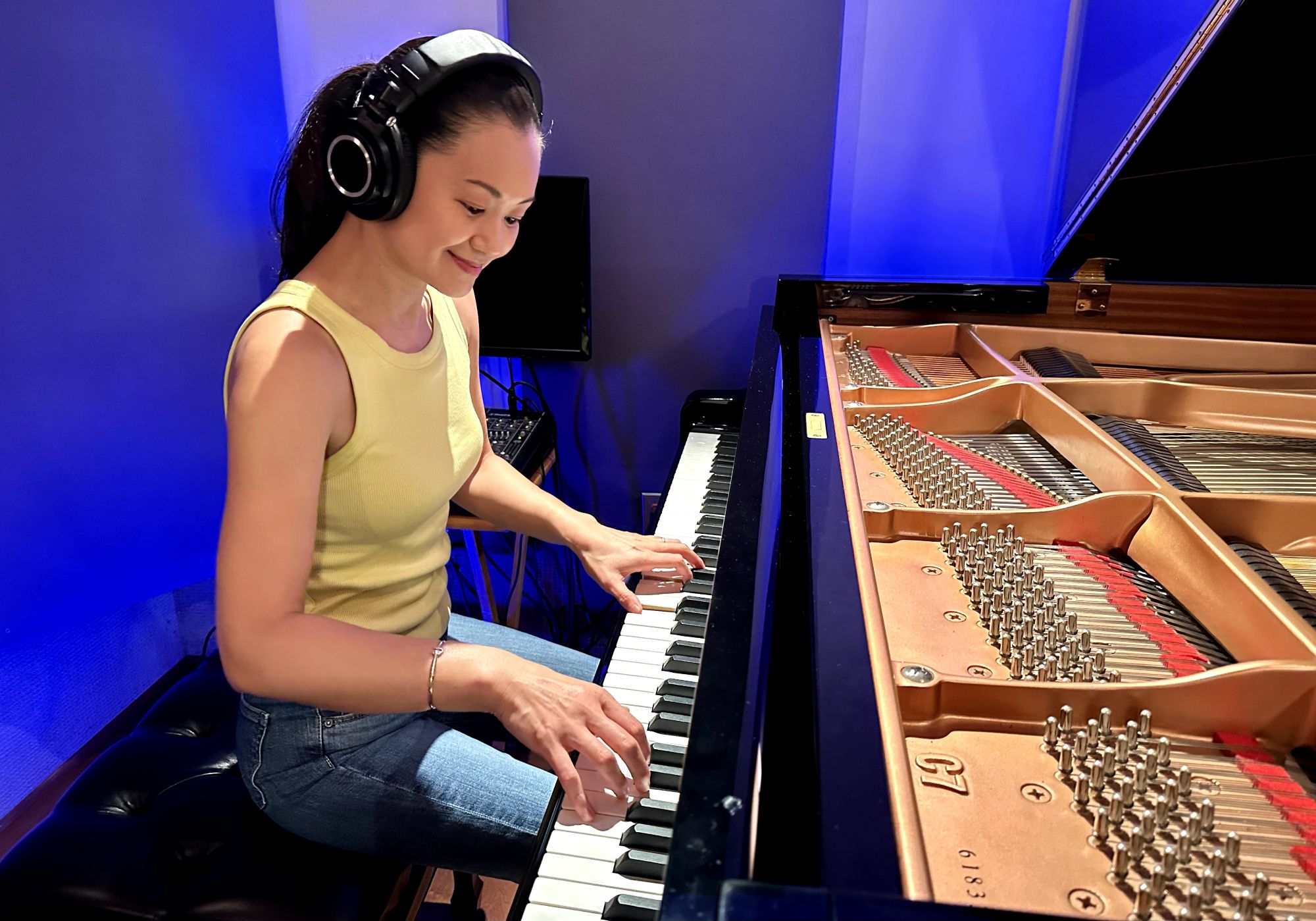
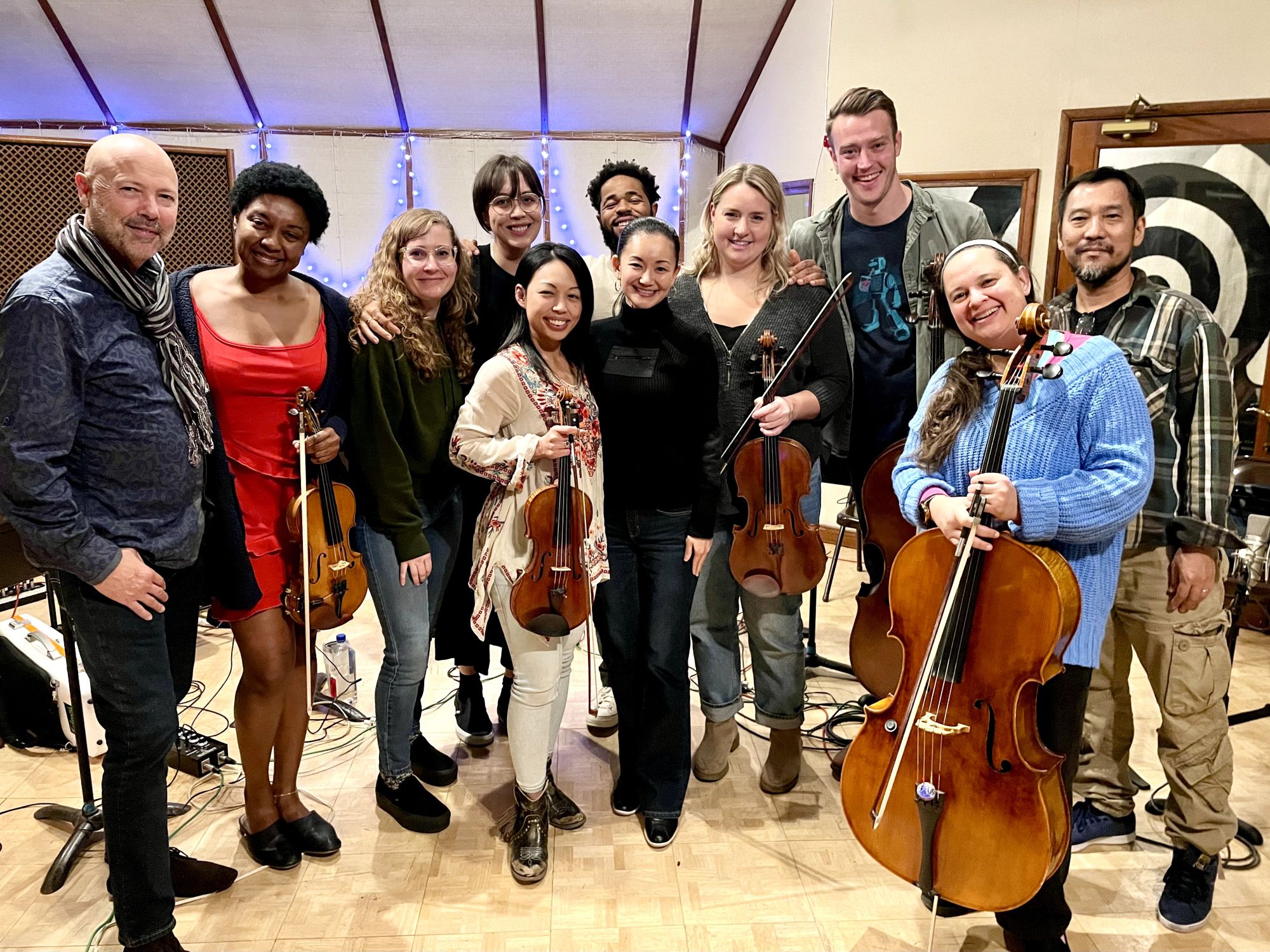
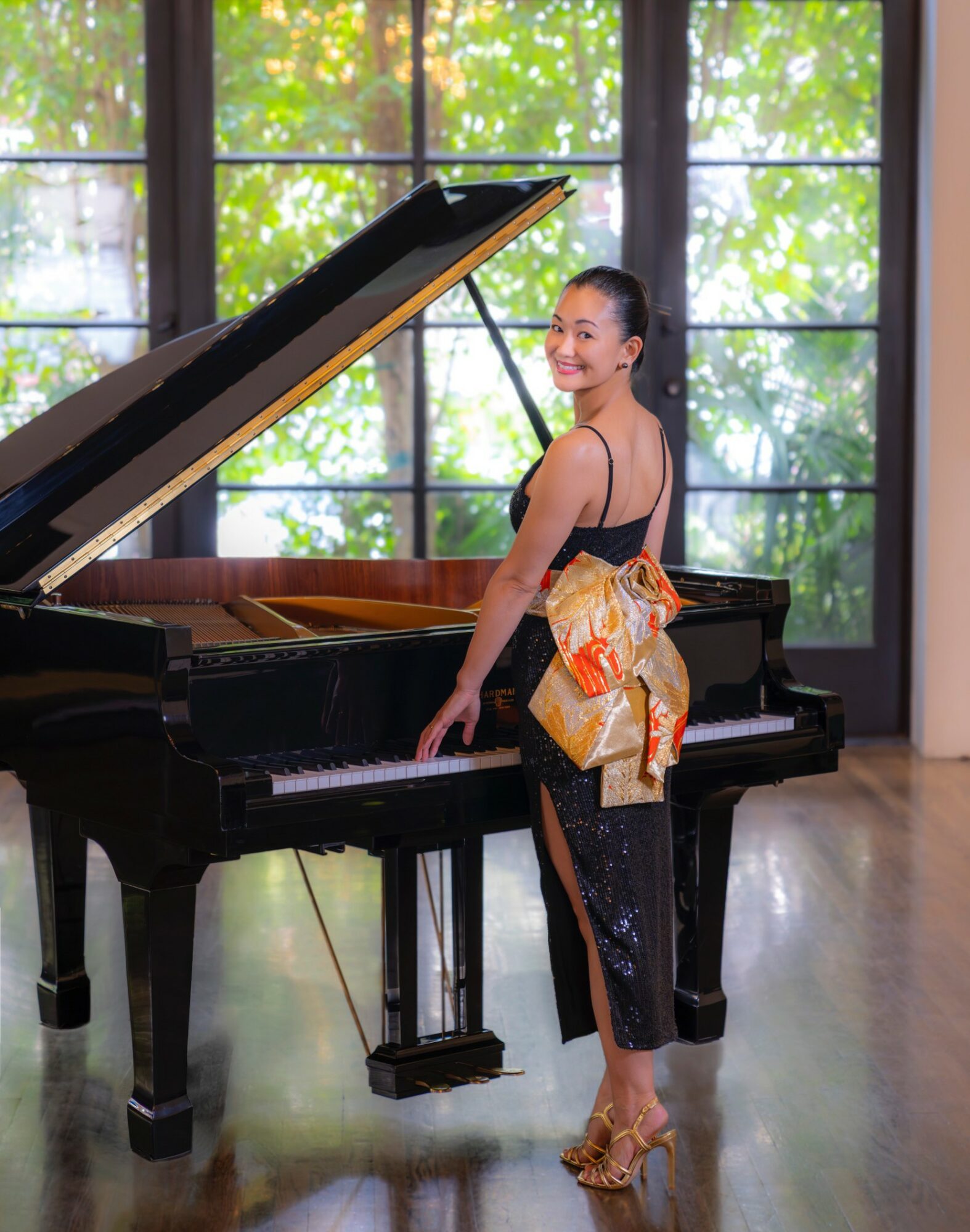
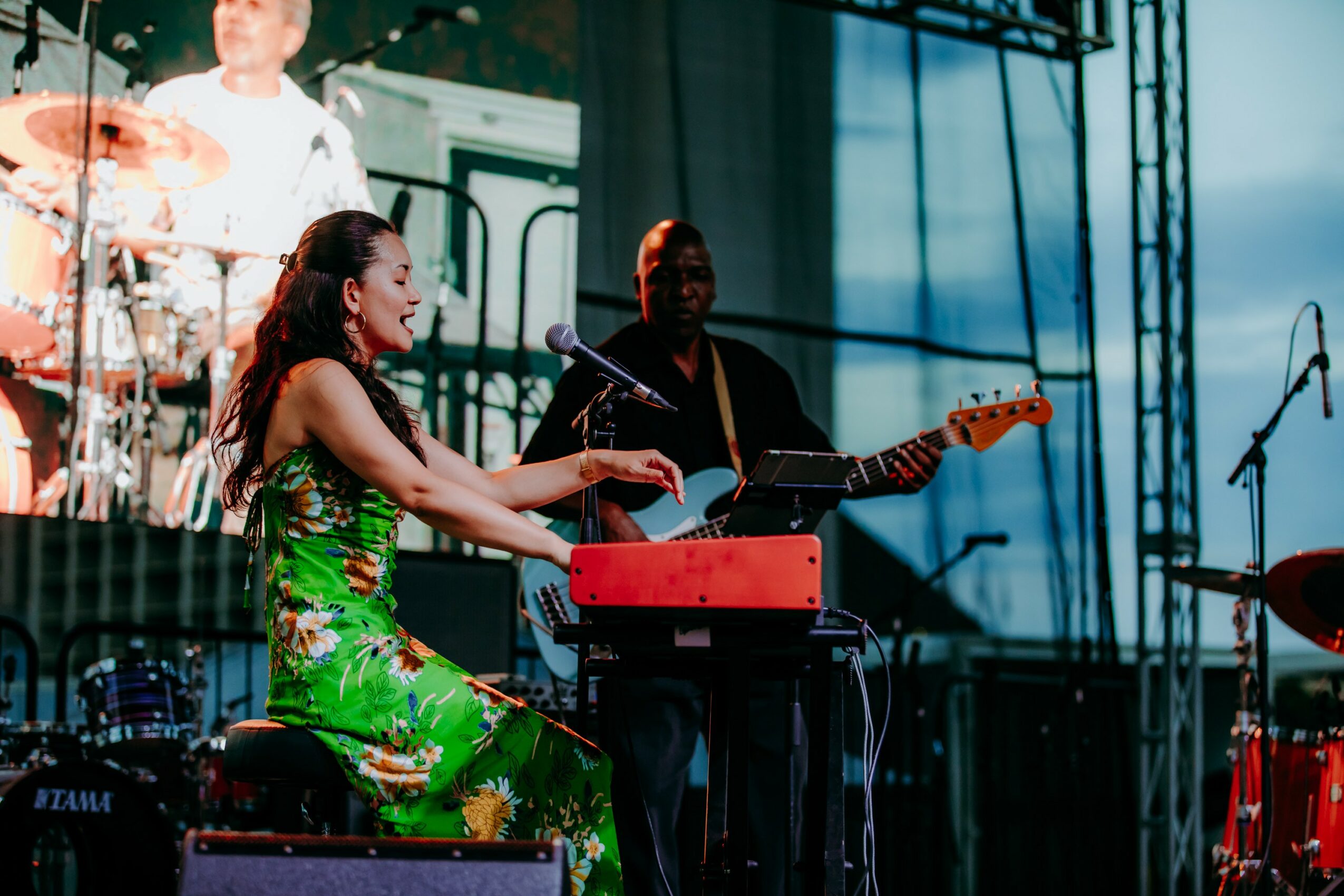
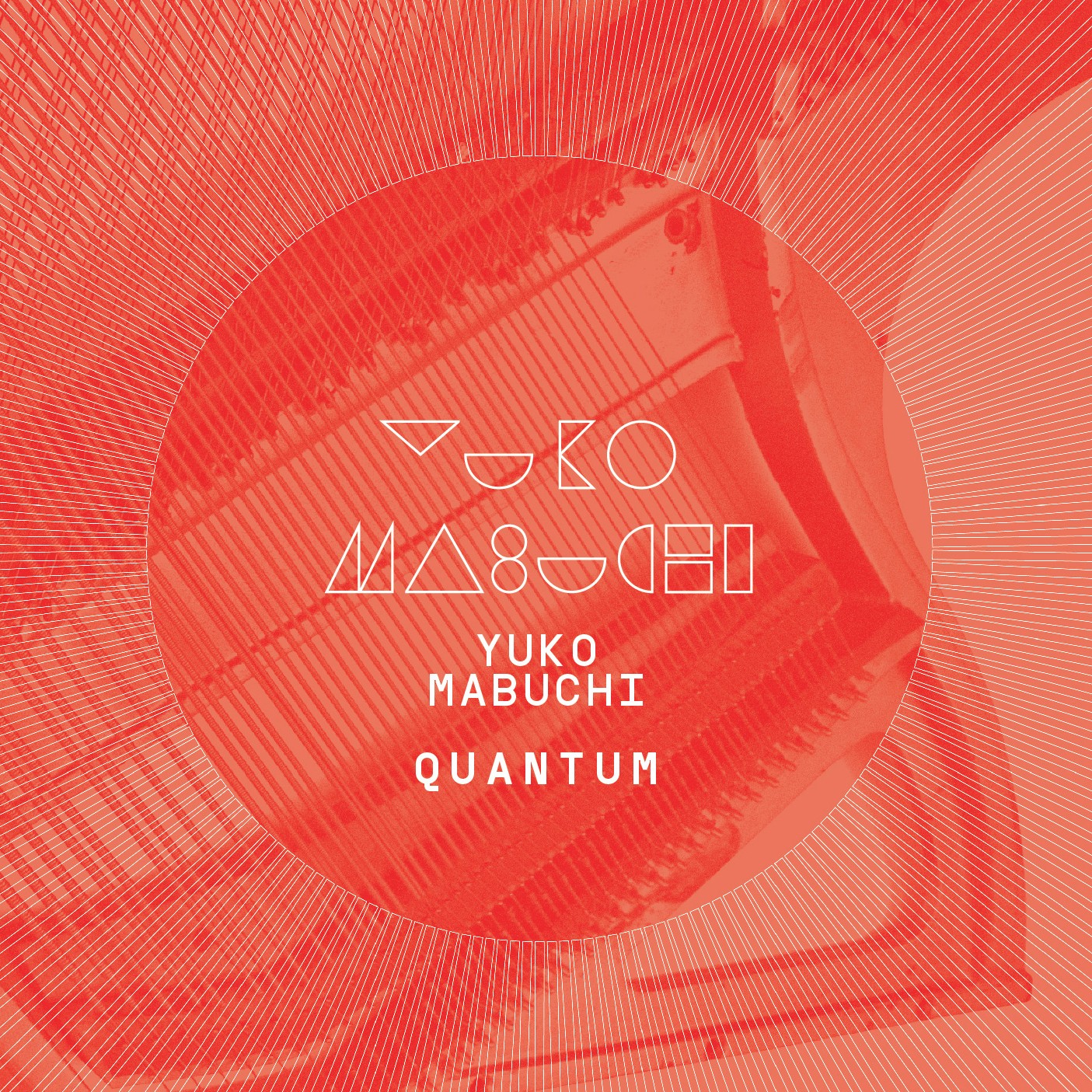
Image Credits
Kentaro Terra Billy Mitchell
Popular
-

Christina Wren Steps Into the Director’s Chair to Tell Stories That Feel Like Home
-

Portraits of the Valley
-

LA’s Most Inspiring Stories
-

JordanL on ‘Breathe,’ Belief, and Building a Movement Beyond the Music
-

Megan Birney Rudert on How Access to Light Is Powering a More Sustainable and Equitable Future
-

Linda Kneidinger on Building Lasting Change Through Small Steps and Self-Compassion


