




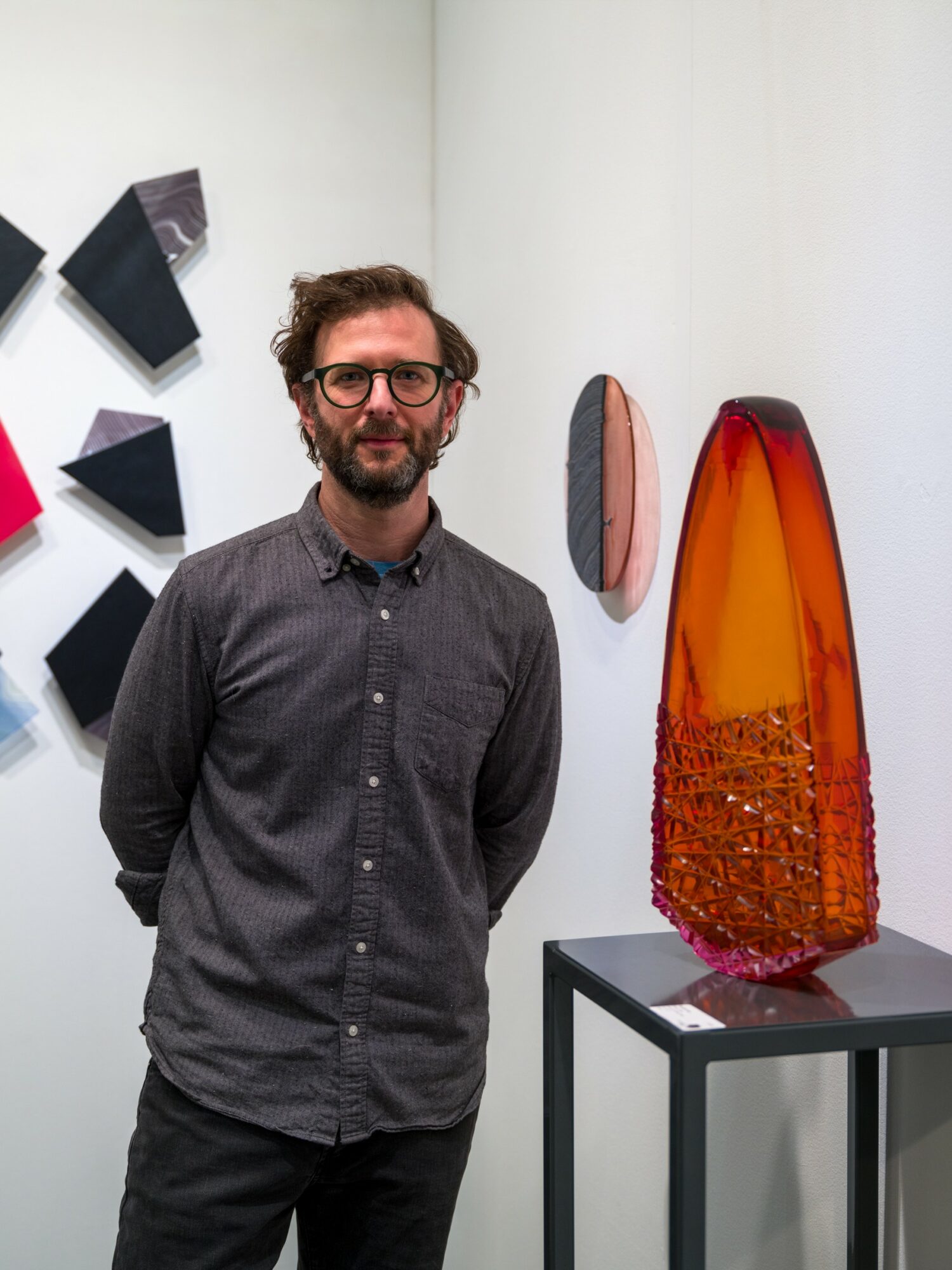
Today we’d like to introduce you to Ethan Stern.
Ethan , we appreciate you taking the time to share your story with us today. Where does your story begin?
I started as a ceramics kid. I studied sculpture at Alfred University and clay was the first material that made sense to me. But one night I walked into the hot shop and everything changed. The speed, the heat, the light, the physicality of it all, it felt like a language I already knew. That moment set me on the path to glass.
After graduating I spent years working in studios across the Pacific Northwest, learning from artists who shaped the field and finding my own voice as a maker. Over time my focus shifted toward carving and cold working, drawing inspiration from the history of brilliant cut crystal and reinterpreting those traditions through contemporary sculptural forms.
My career has always combined studio practice, teaching, and community building. I have taught at Pilchuck, the Corning Museum of Glass, Otis college of Art and Design, and CCA in Oakland, and I have shown work nationally and internationally, including recently at the China Academy of Art.
Today I am based in Los Angeles and work out of my own studio under Ethan Stern Design. Along with my studio work I lead the glass program at the Community Center of La Cañada Flintridge, where I am creating a community focused space for people of all ages to learn flameworking, fusing, and kilnforming.
It has been a winding path, but the same curiosity keeps me moving forward. I am still fascinated by the way glass holds and shapes light and by the continual discovery that comes from working with a material that never stops challenging you.
We all face challenges, but looking back would you describe it as a relatively smooth road?
It definitely has not been a smooth road. Working in glass is a life built around a material that demands time, space, equipment, and a lot of problem solving. Early on I worked long hours in other people’s studios to learn the craft and to keep myself afloat while slowly building my own practice. There were years when I was juggling multiple jobs, teaching gigs, production work, and trying to find time in the studio whenever I could.
There have also been periods when things changed suddenly. Moving to Los Angeles meant rebuilding a studio life from the ground up and finding a new community. The pandemic years were another major challenge. I stepped into the Executive Director role at the Community Center of La Cañada Flintridge right as Covid began, and navigating that period required a different kind of resilience. It pulled me away from full time studio work, but it also taught me a lot about leadership, community, and adaptability.
Like most artists, I have had stretches of doubt, financial strain, and moments when projects fell through or materials failed. But each challenge has pushed me to refine how I work and why I do it. The struggles have shaped my practice as much as the successes, and they have kept me connected to the core of what I care about, which is craft, curiosity, and building creative communities.
Thanks – so what else should our readers know about your work and what you’re currently focused on?
I am a glass artist and designer working primarily in blown and carved glass sculpture. My work focuses on cold working and deep carving, drawing from the history of brilliant cut crystal while pushing those techniques into contemporary sculptural forms. I build layered, geometric shapes in the hot shop and then carve the surface to create shifting patterns that catch and shape light.
I am best known for my Cut Clear and Crosscut series, which explore texture, pattern, and optical movement. The work sits between sculpture and crafted object and aims to feel both precise and expressive.
Alongside my studio practice I teach and build community programs. Teaching at Pilchuck and the Corning Museum has been meaningful, and in Los Angeles I lead the glass program at the Community Center of La Cañada Flintridge where I focus on accessible glass education for all ages.
What sets my work apart is the combination of traditional carving methods with a contemporary visual language. I care deeply about craftsmanship and about creating objects that come alive through light and movement.
What has been the most important lesson you’ve learned along your journey?
The most important lesson I have learned came from moving to Los Angeles. Starting over in a new city forced me to let go of the idea that everything has to be fully established before you take the next step. I arrived without a studio, without a built-in community, and had to rebuild my practice piece by piece.
What I learned is that growth happens when you stay open, show up, and keep putting the work out there even before things feel settled. LA taught me to be patient with the process, to trust that the right connections and opportunities come through persistence, and to hold onto curiosity even in uncertain moments.
That mindset has shaped everything I do now, from my studio practice to the community programs I build. Moving here reminded me that reinvention is part of the artistic path and that staying adaptable is its own form of strength.
Contact Info:
- Website: https://www.ethanstern.com/
- Instagram: https://www.instagram.com/ethanmstern/
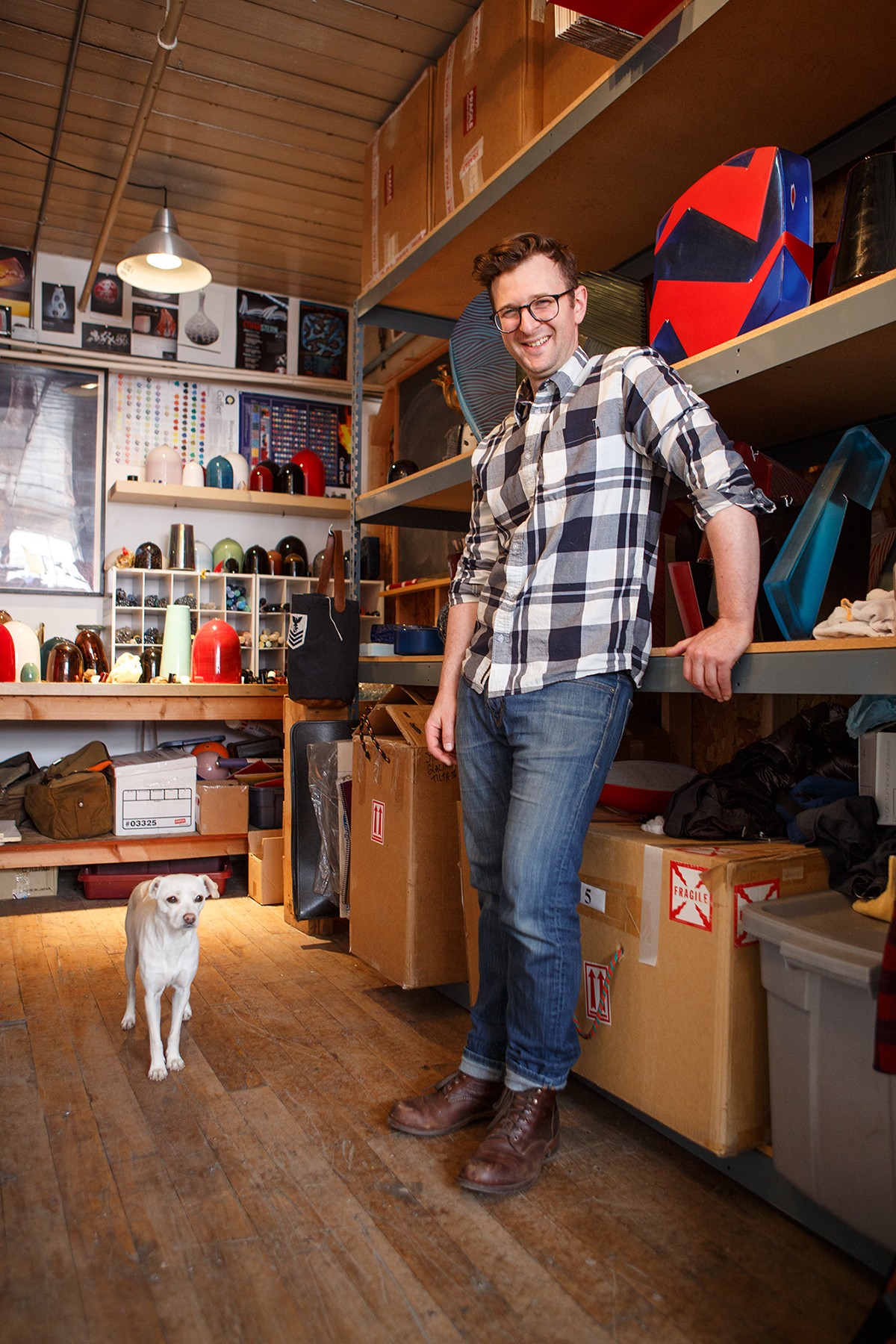
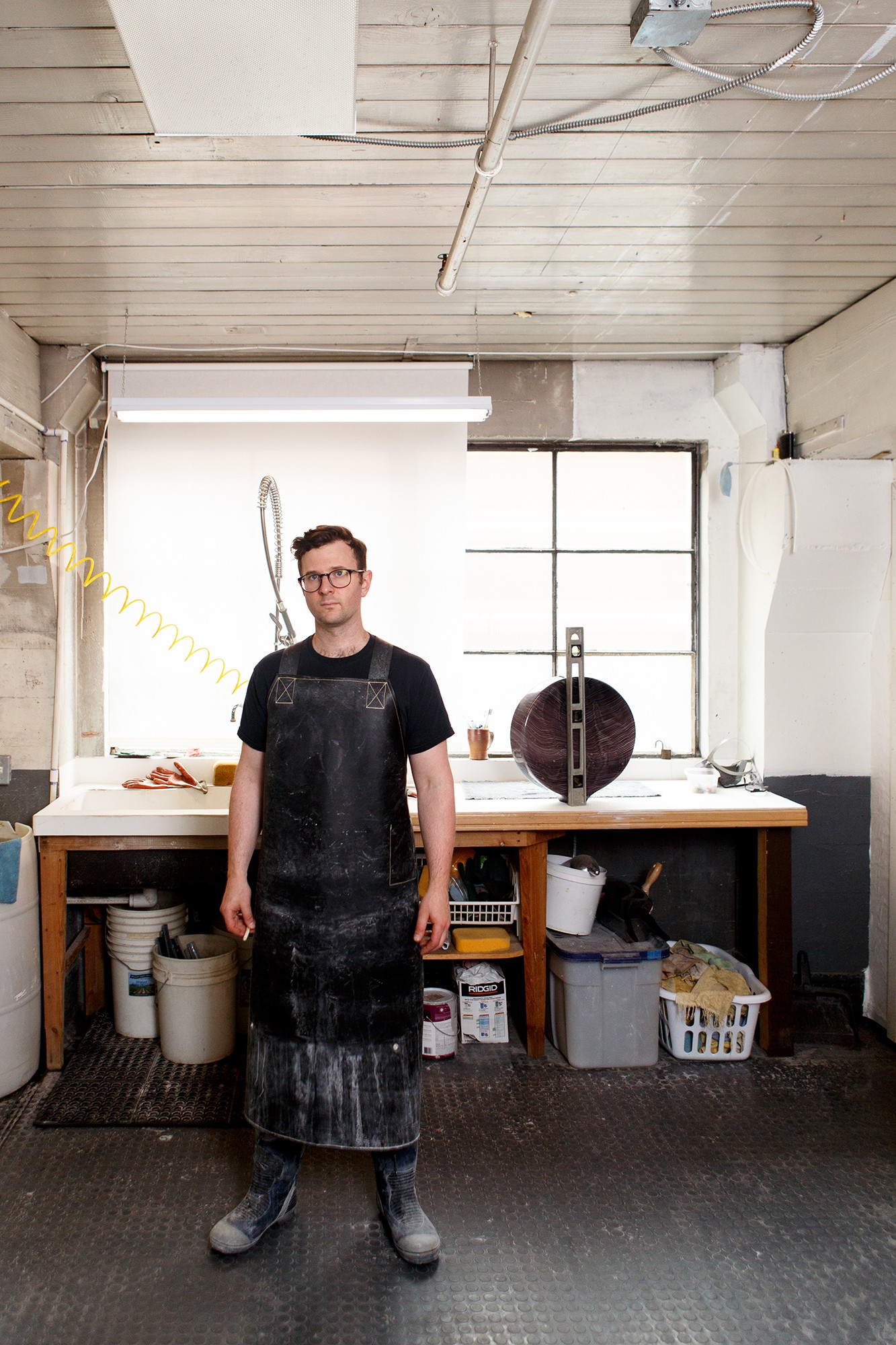
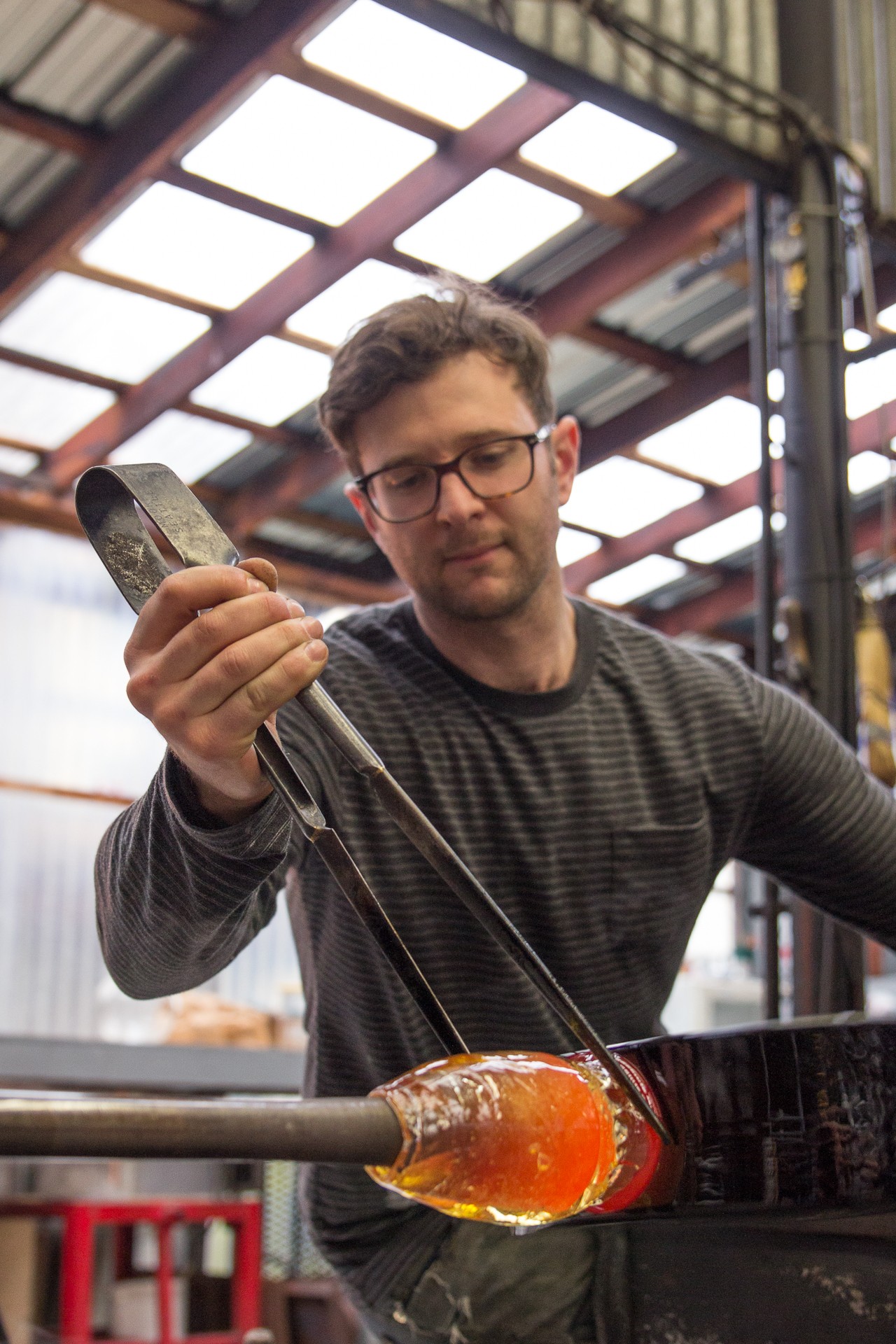
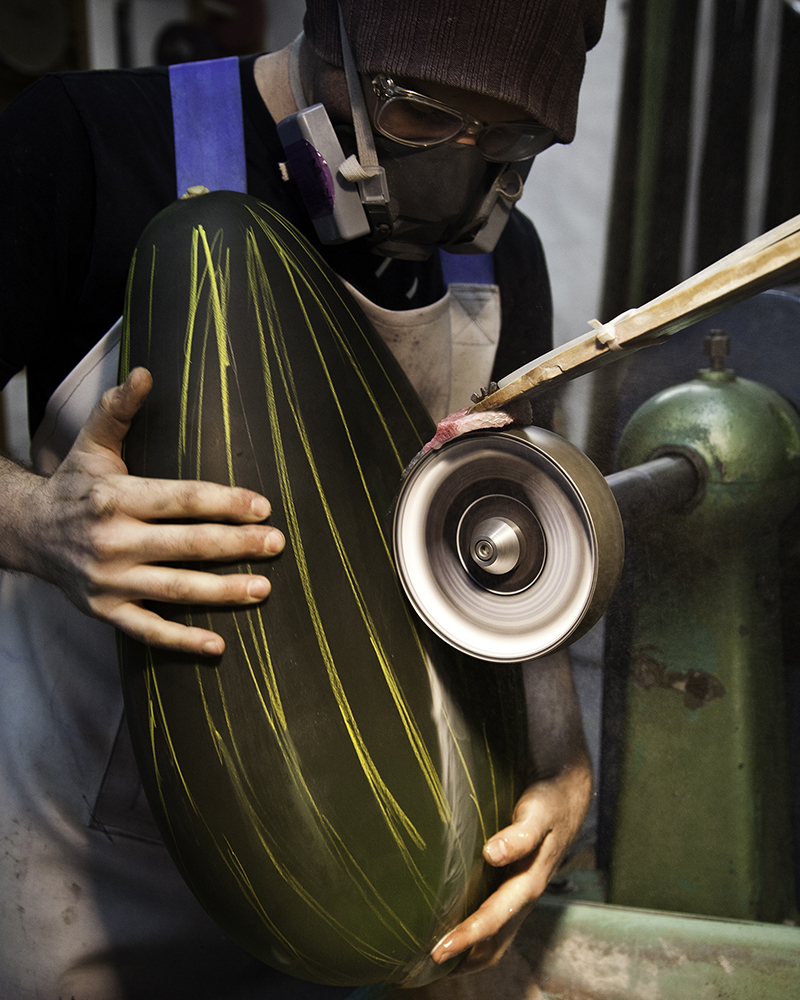
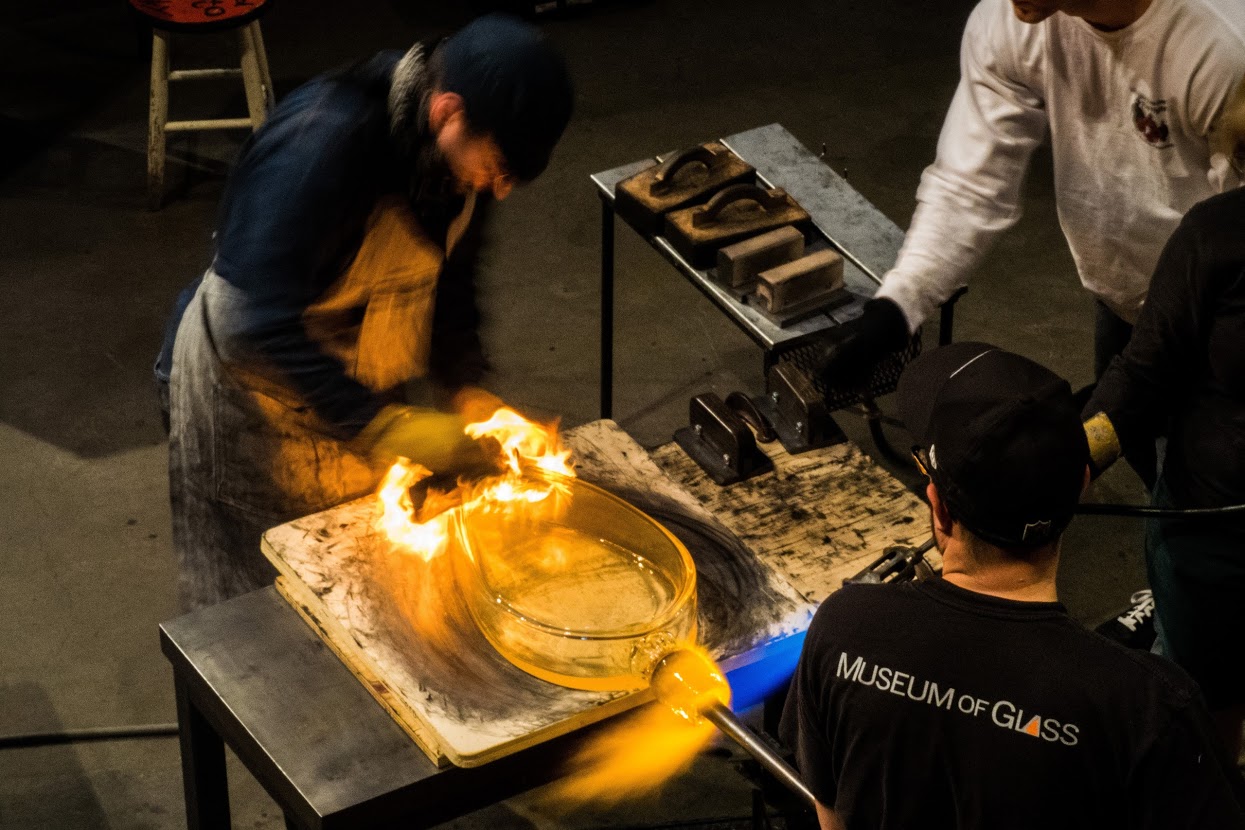
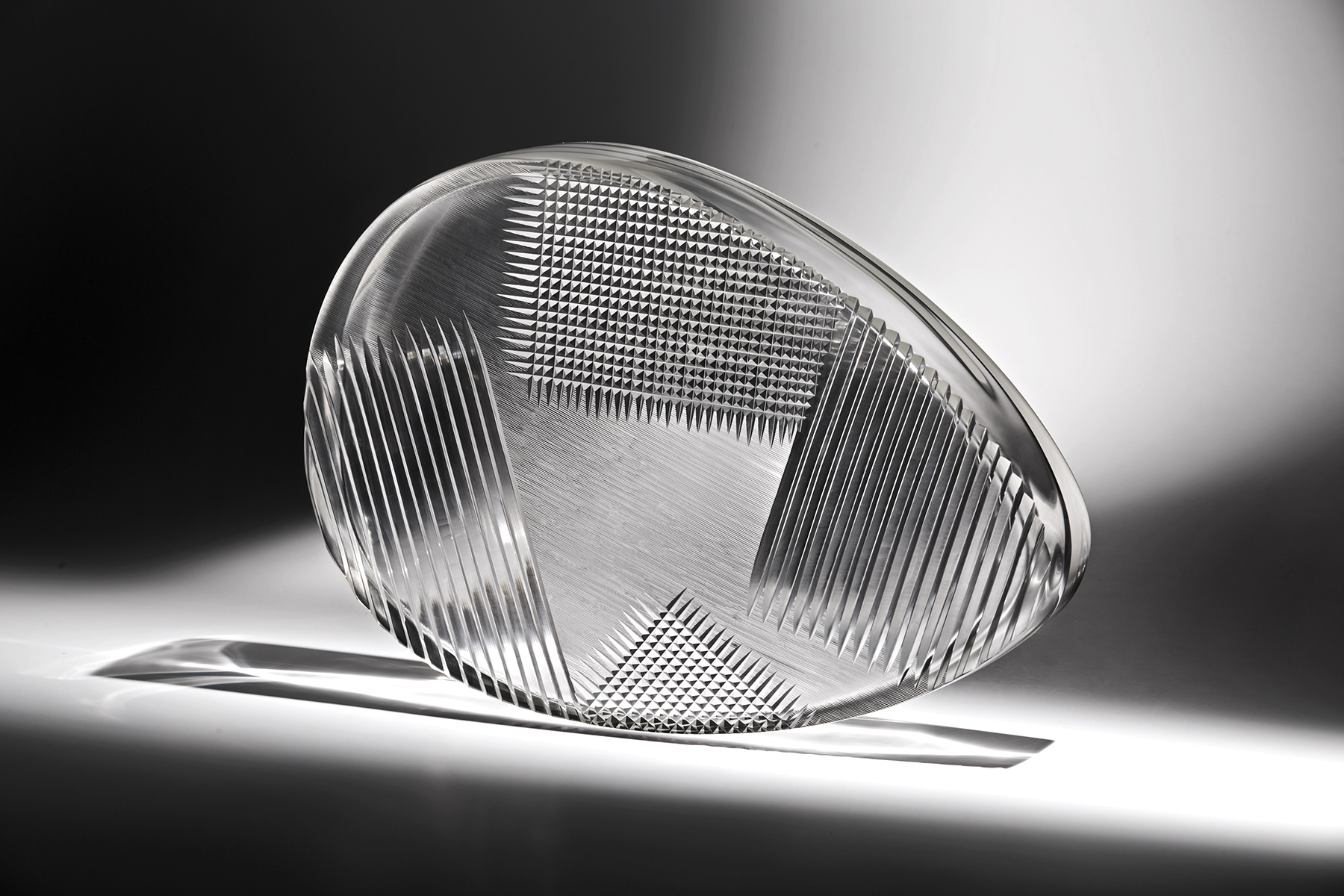
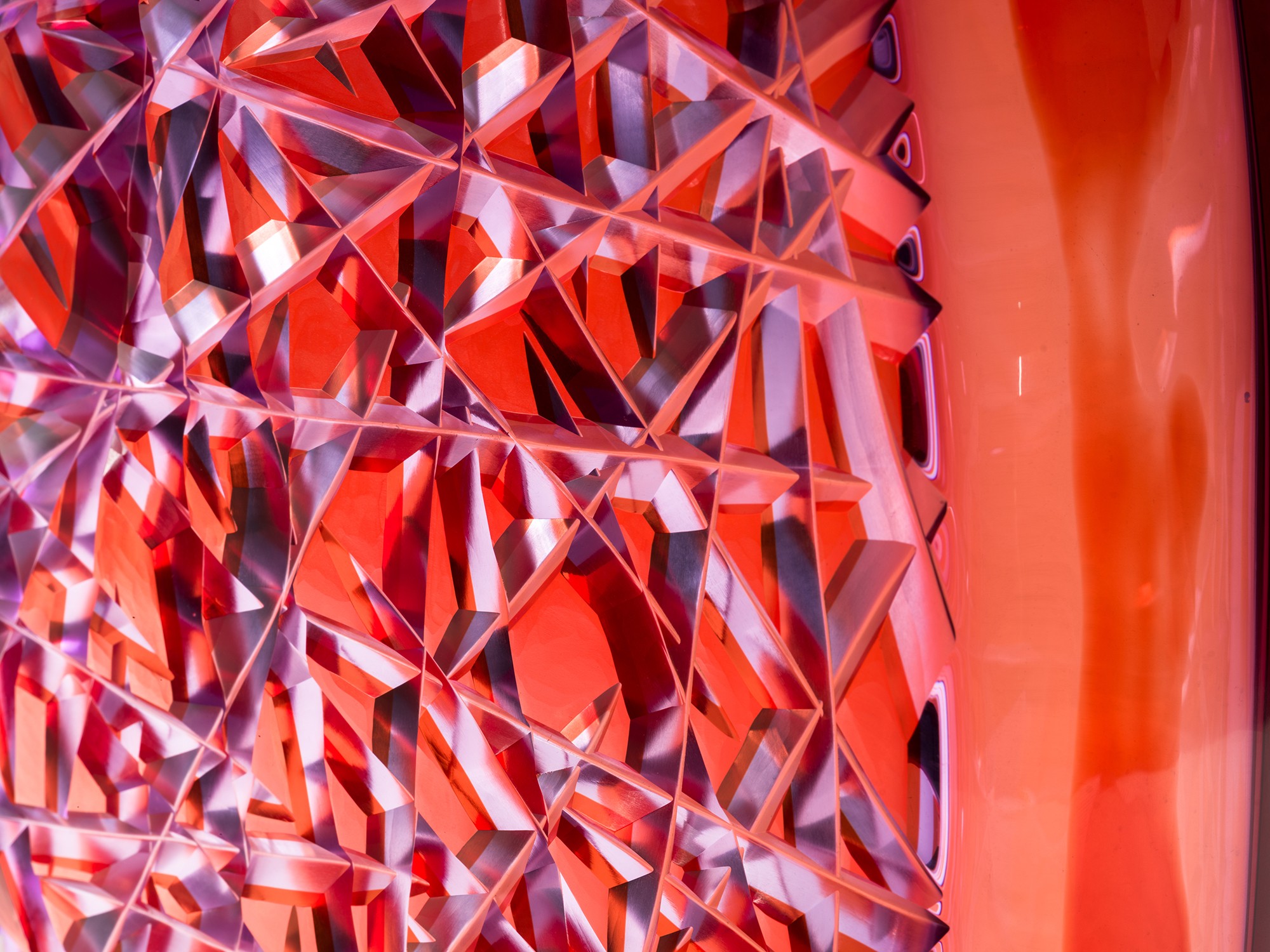
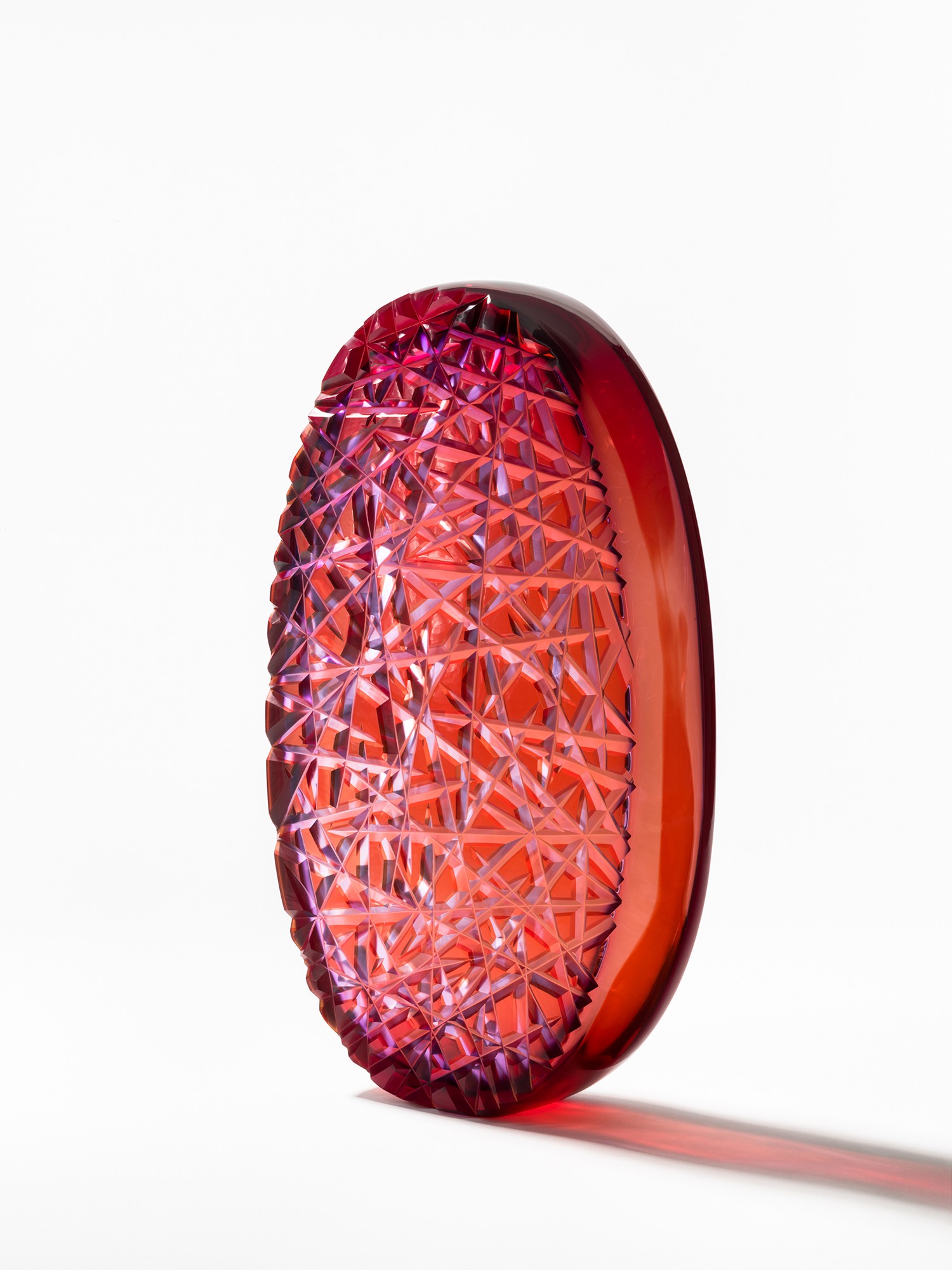
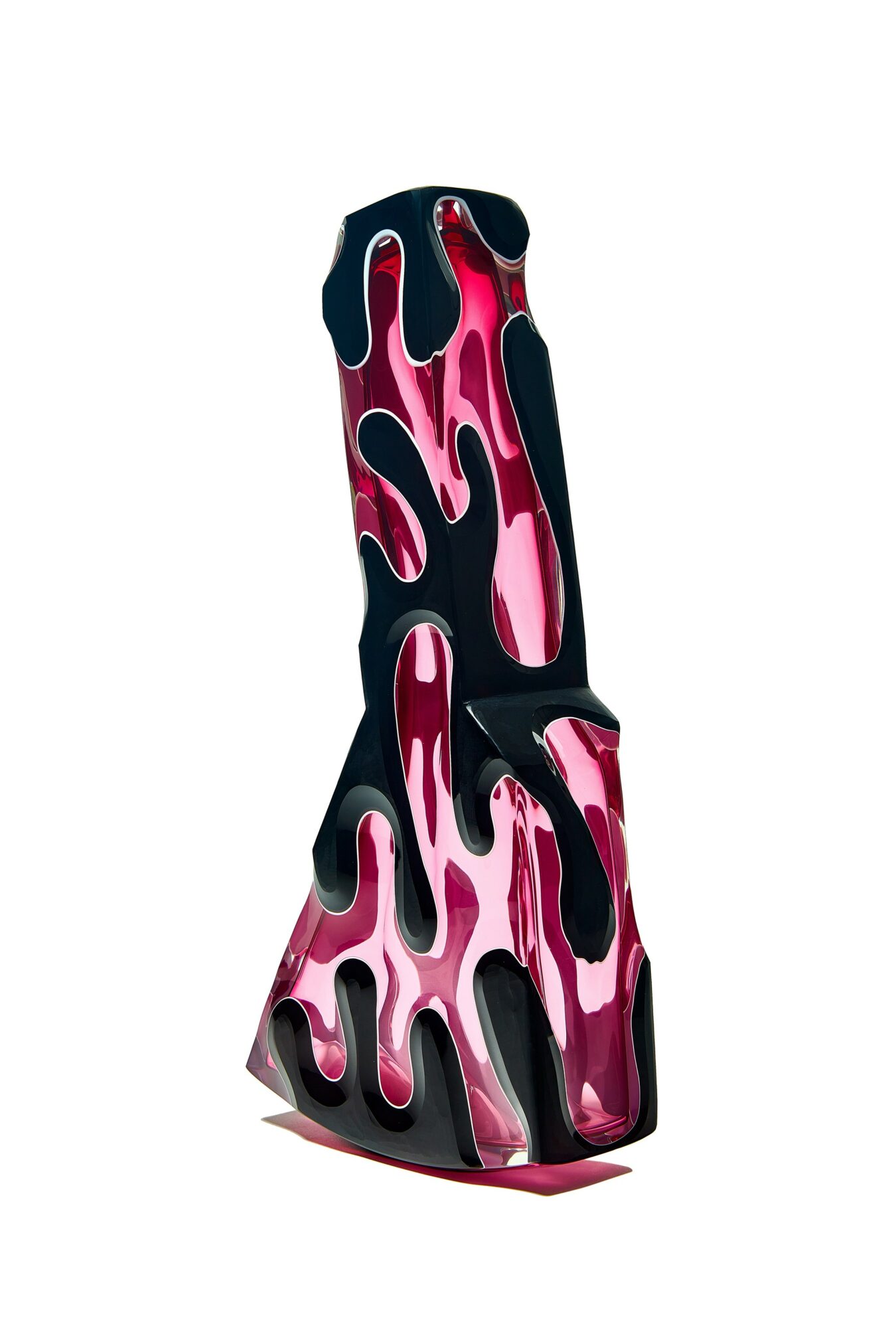
Image Credits
Alec Miller, Spider OQ, Ruben Diaz, Russel Johnson
Popular
-

Que Johnson on Building Brands That Last: From Visibility to True Market Authority
-

Christina Wren Steps Into the Director’s Chair to Tell Stories That Feel Like Home
-

Portraits of the Valley
-

LA’s Most Inspiring Stories
-
JordanL on ‘Breathe,’ Belief, and Building a Movement Beyond the Music
-
Megan Birney Rudert on How Access to Light Is Powering a More Sustainable and Equitable Future


