




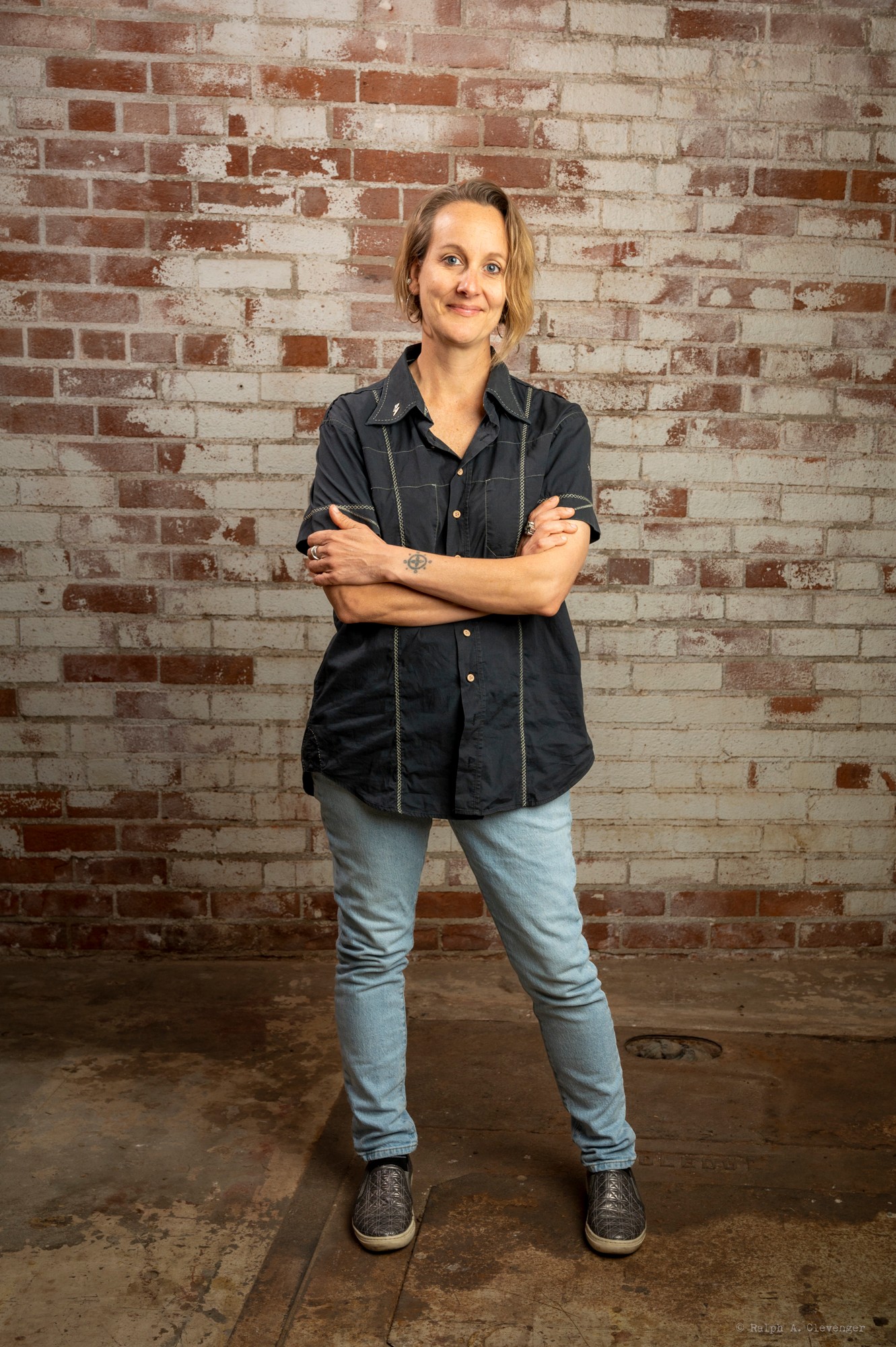
Today we’d like to introduce you to Adrienne De Guevara.
Hi Adrienne, so excited to have you on the platform. So before we get into questions about your work-life, maybe you can bring our readers up to speed on your story and how you got to where you are today?
Santa Barbara, often seen as a bedroom community for LA, is home to a strong art community made up of transplants and home-growns alike. This small community contains a variety of small art ecosystems swirling around one another often crossing over to collaborate but mostly thriving as stand alone micro-cultures of their own. My place in this community is as a community organizer, social practice artist, and sculptor.
Social Practice Art prioritizes process, relationship, and community engagement as the medium and the method of making. In the last 4 years, my artwork has changed to incorporate this idea blurring the line between audience and artist. I build objects but now with the primary focus of incorporating an interactive component. Public art that the community helps to create through physical interaction of varying degrees.
My day job has me overseeing programs and fund development for the Santa Barbara Arts Collaborative (SBAC) and affords me the ability to connect factions of the arts community, foundations, and civic entities together in the goal of a prosperous creative community.
The work I do for this organization directly utilizes my social practice and sculptor work allowing my creative practice to intersect and inform both continuously. SBAC has become a resource and collaborator in my work.
Can you talk to us a bit about the challenges and lessons you’ve learned along the way. Looking back would you say it’s been easy or smooth in retrospect?
The primary struggle with social practice art and for any working artists is finding the space, time, and funding to do the part of the work that doesn’t have an ROI. So much of the time needed for creating is quiet and uneventful. It requires research, budgeting, gathering materials, and then execution takes the least amount of time.
Grants only go so far and there is intense competition for support without strings attached. Making objects is all well and good but without gallery representation or a museum interested in the work, many small artists can barely make a living.
As an art advocate in the nonprofit world, I find myself constantly trying to find ways to support my own practice as well as the work of artists in my community.
As you know, we’re big fans of you and your work. For our readers who might not be as familiar what can you tell them about what you do?
My work is a dialogue between form and perception—a deep exploration of how shape holds truth and how that truth shapes us in return. Through assemblage, I break apart and reconfigure the discarded, transforming disparate objects into something new. But beyond objects, my practice extends to people—bringing them together in immersive experiences that challenge assumptions and invite reflection. Form is not neutral; it informs the way we see, the way we move, the way we believe. By disrupting and reconstructing familiar structures, I seek to reveal the biases embedded in our perceptions and open space for new narratives to emerge. My work invites curiosity, engagement, and transformation—encouraging alternative ways of seeing and creating unexpected doorways into possibility.
In 2024, my collaborator and I created the Kinetic Cake Expo, a kinetic sculpture race where artist teams were challenged to build human powered sculptures to deliver a cake through an obstacle course. I would say this is my most successful social engagement piece to date. This event had several layers of involvement where the line between participants and spectators was extremely murky.
Alright, so to wrap up, is there anything else you’d like to share with us?
I was the recipient of an Artist Fellowship Award from the California Creative Corps in 2023.
Contact Info:
- Website: https://www.deguevaraart.com
- Instagram: @deguevaraart
- Soundcloud: Shaktipops
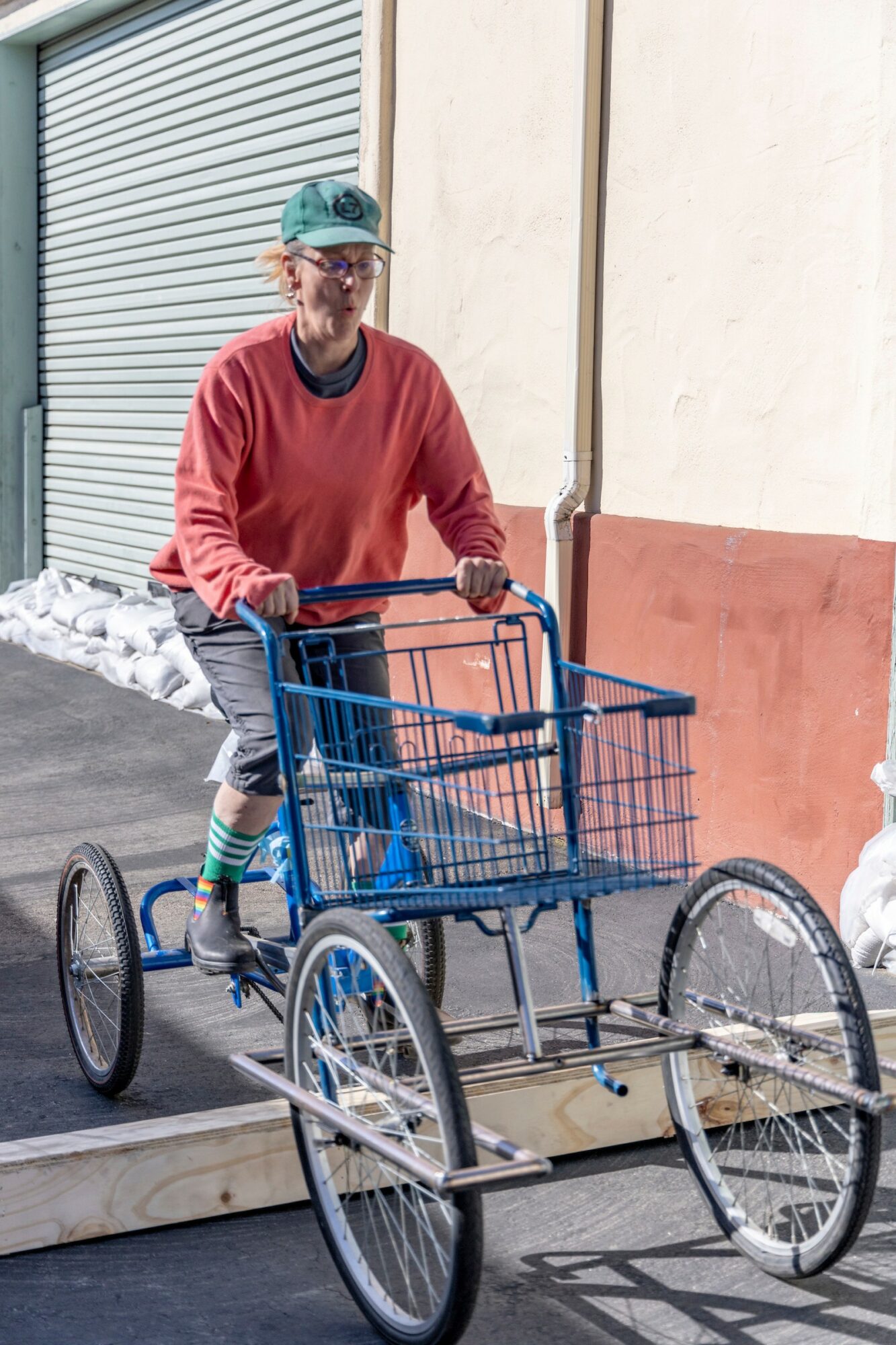
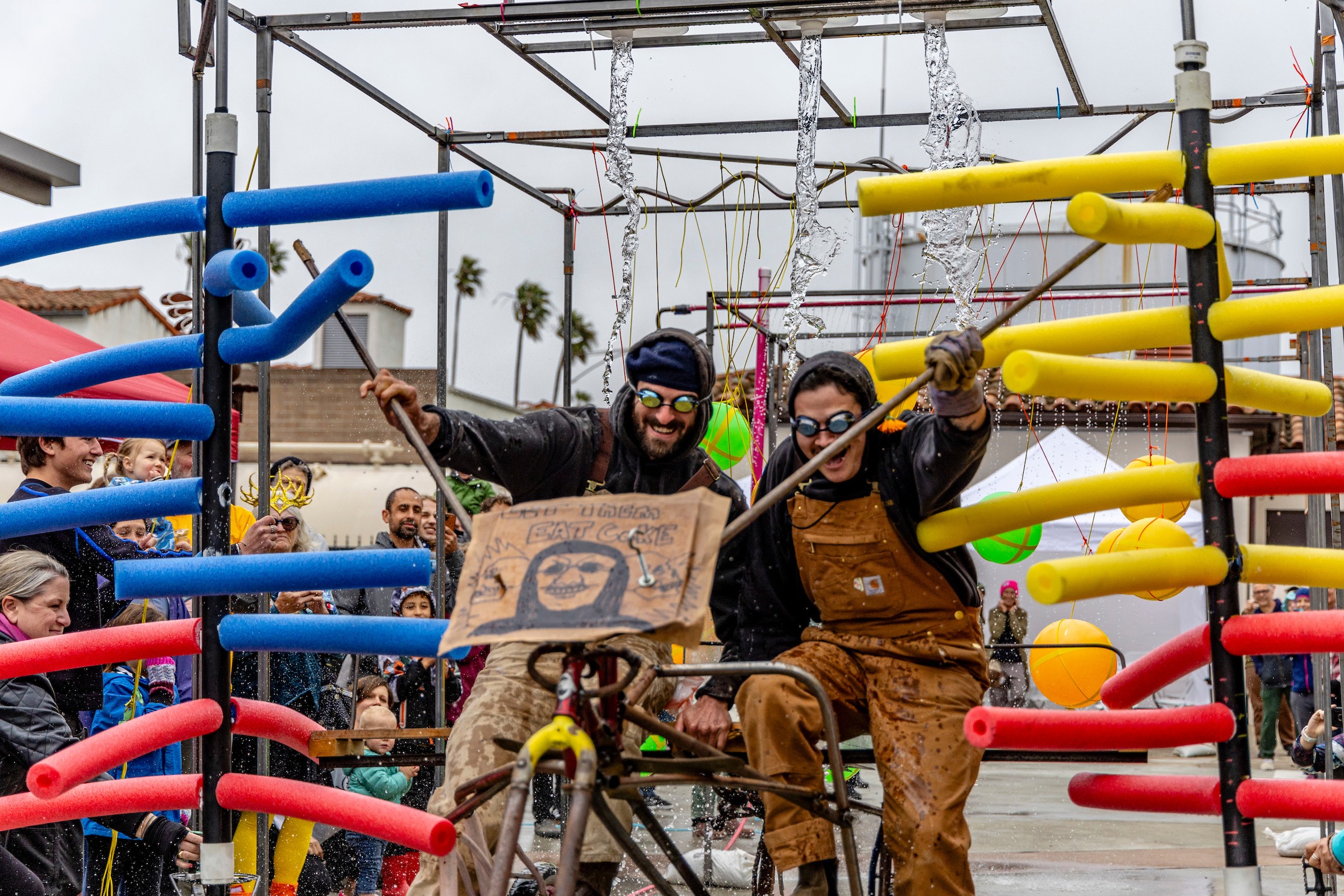
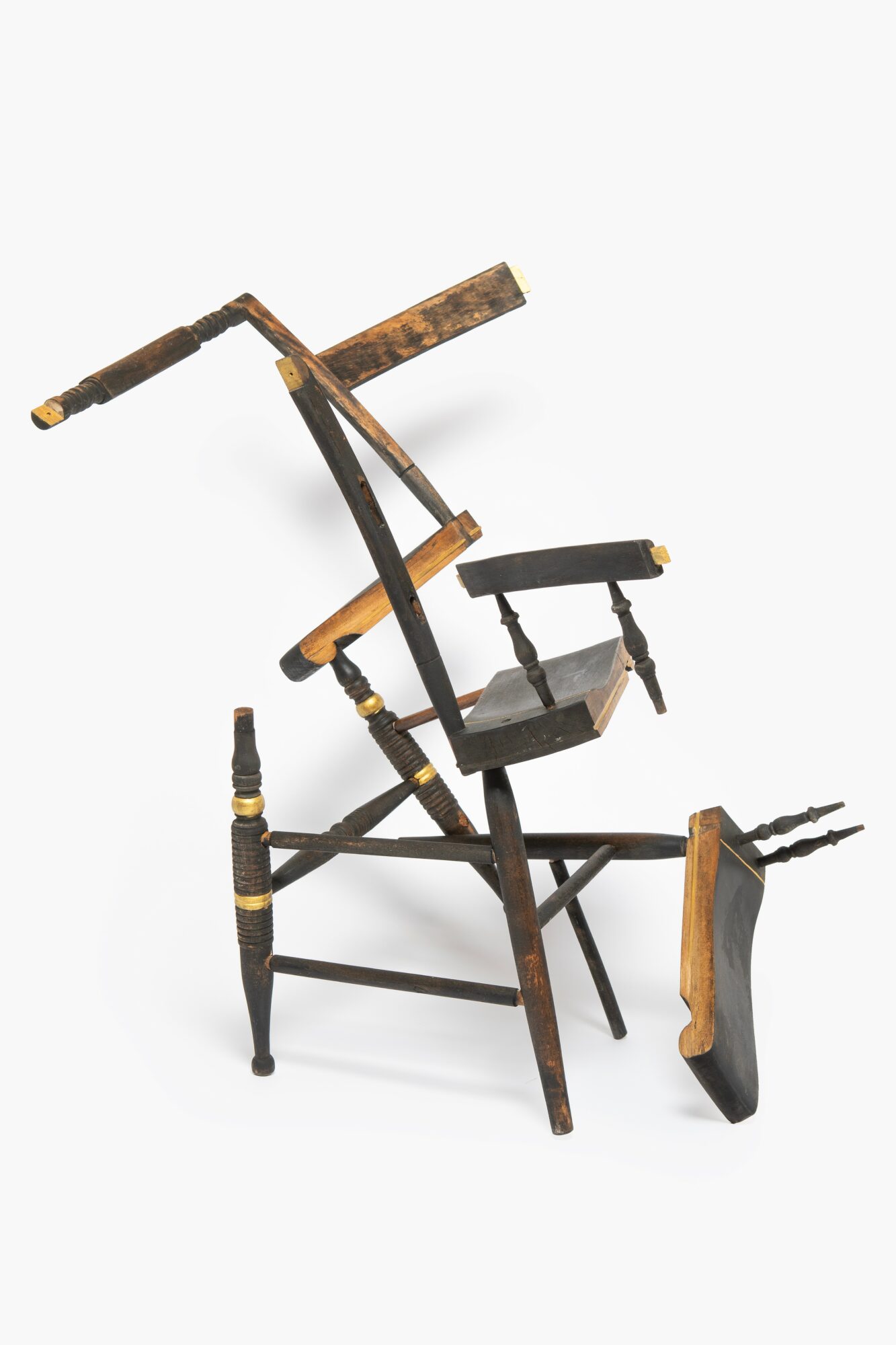
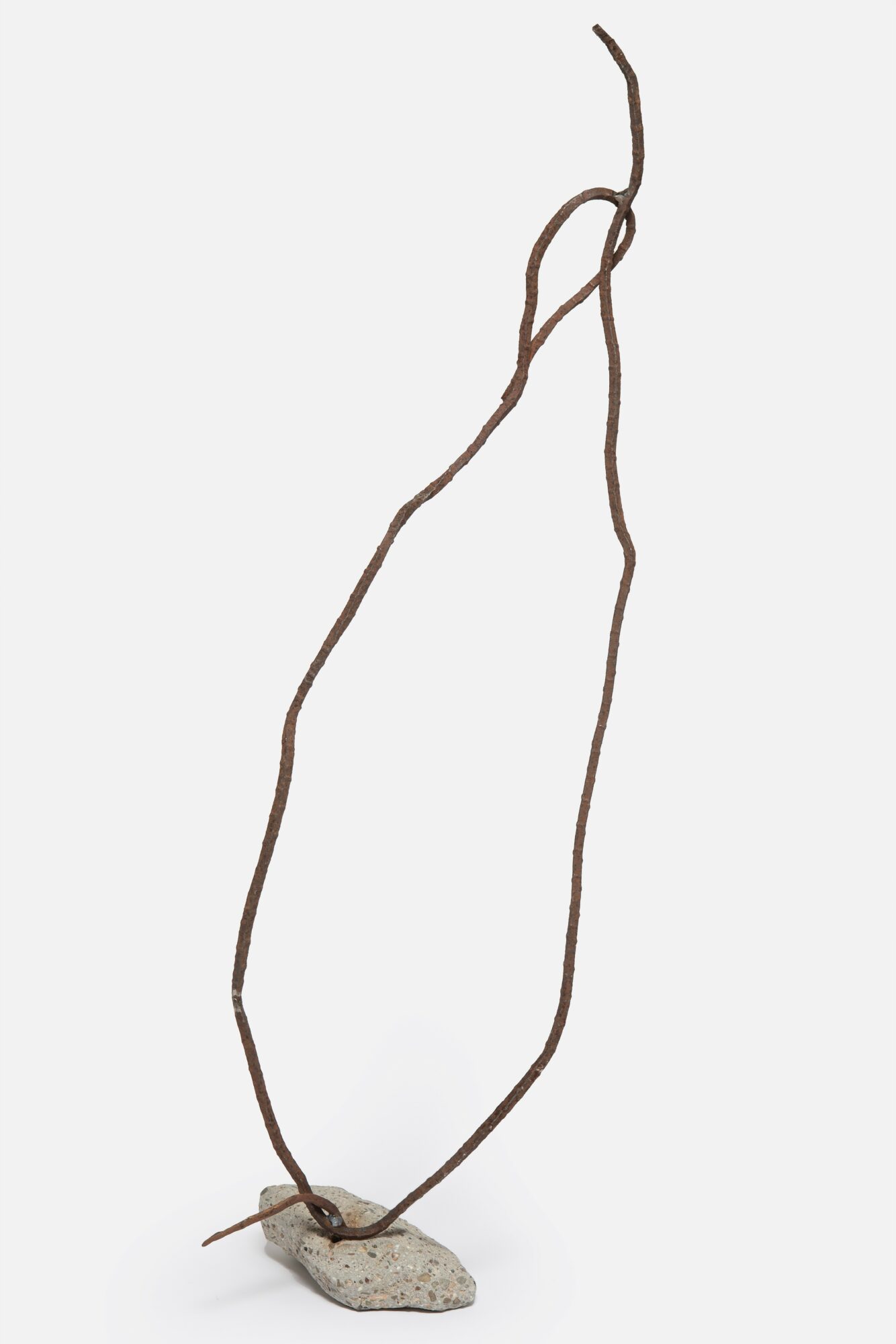
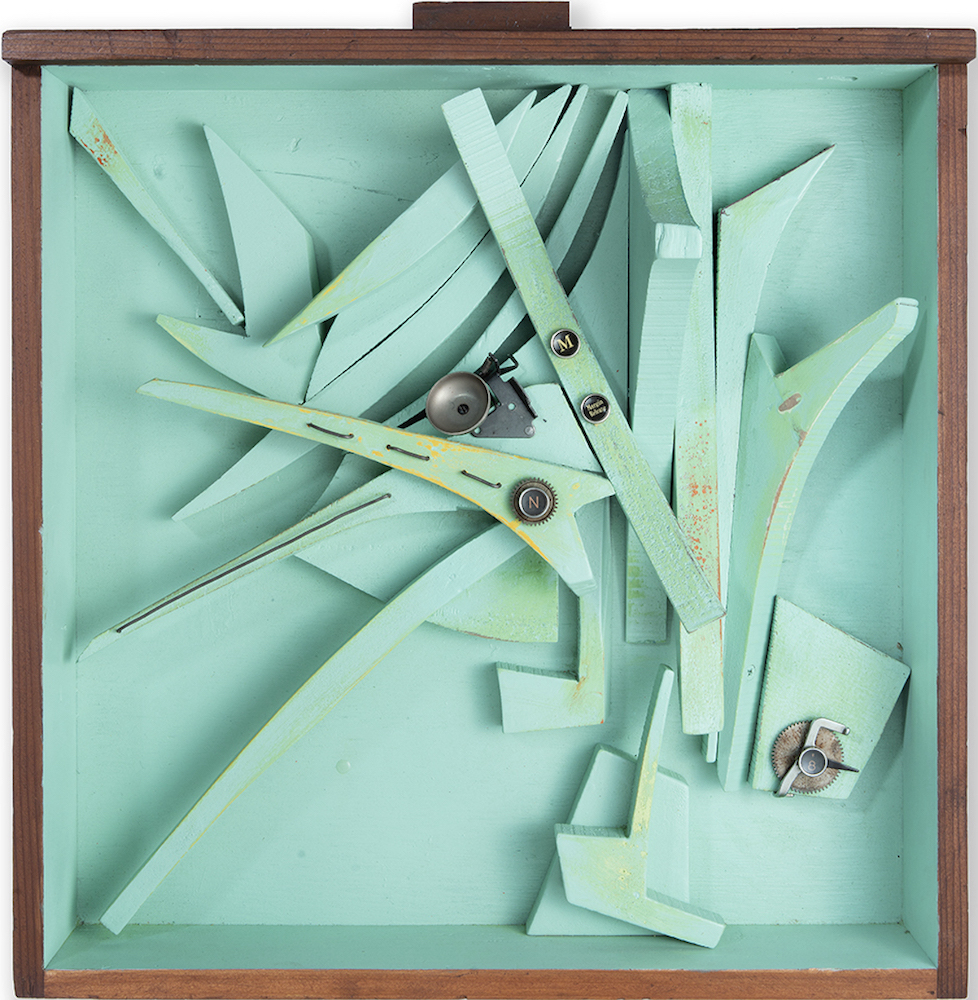
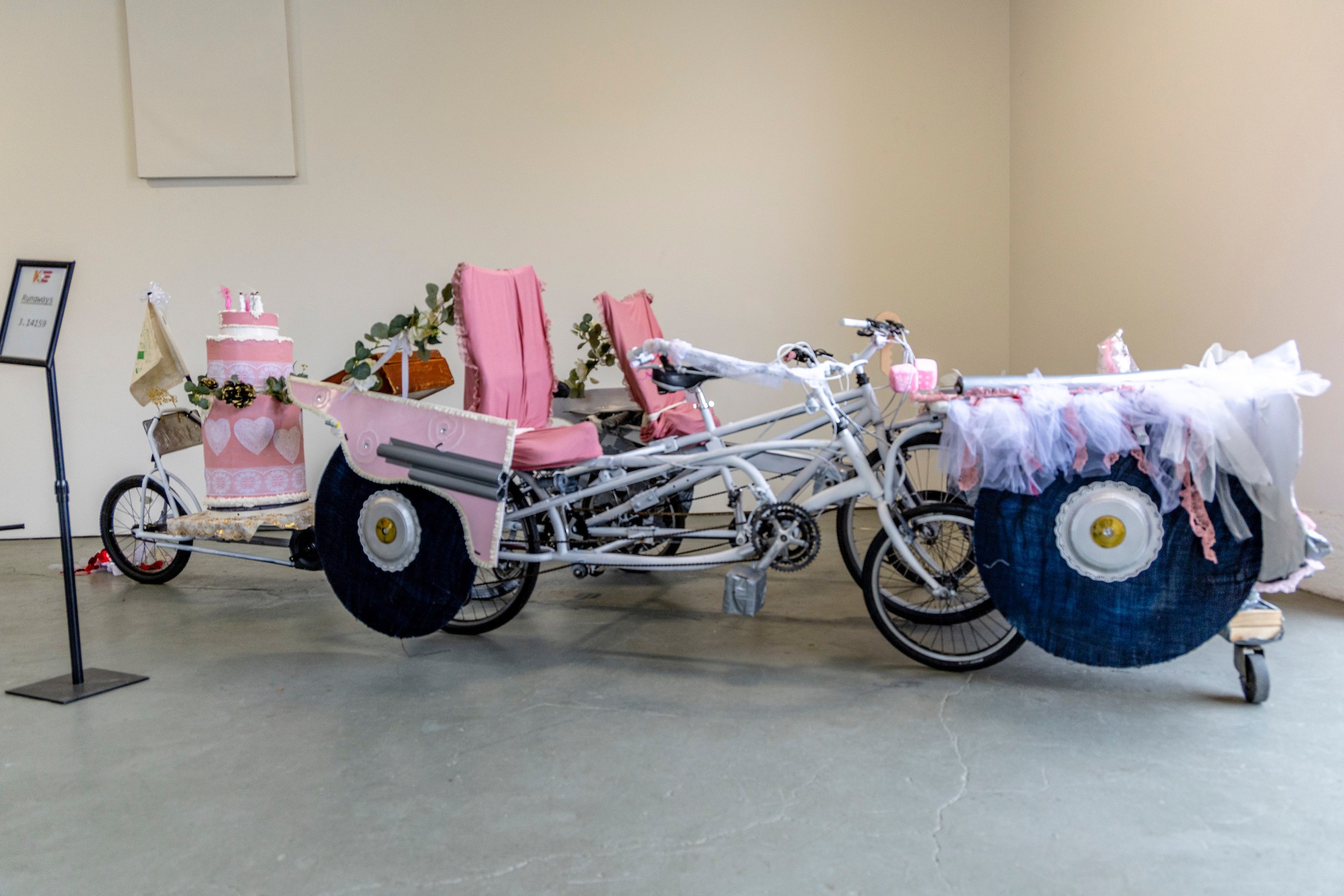
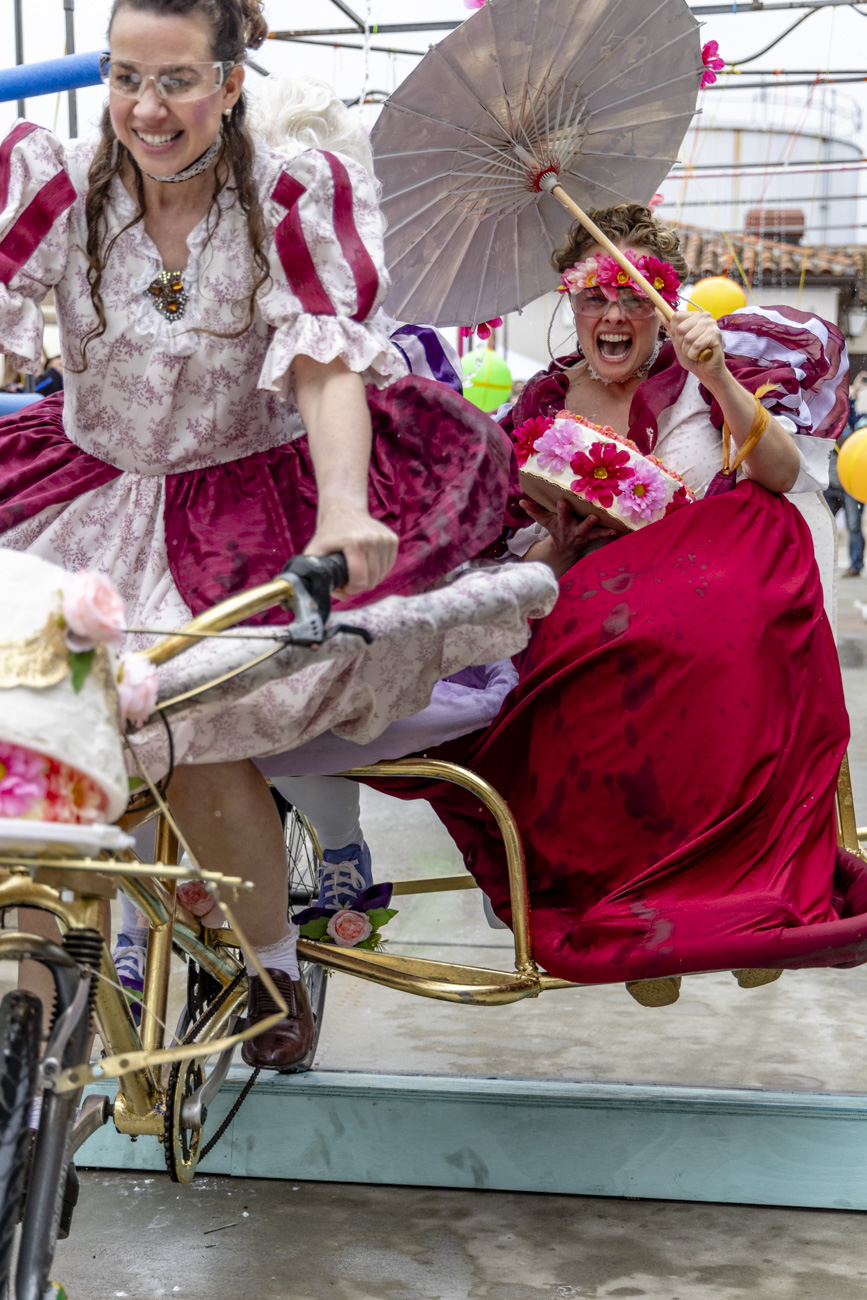
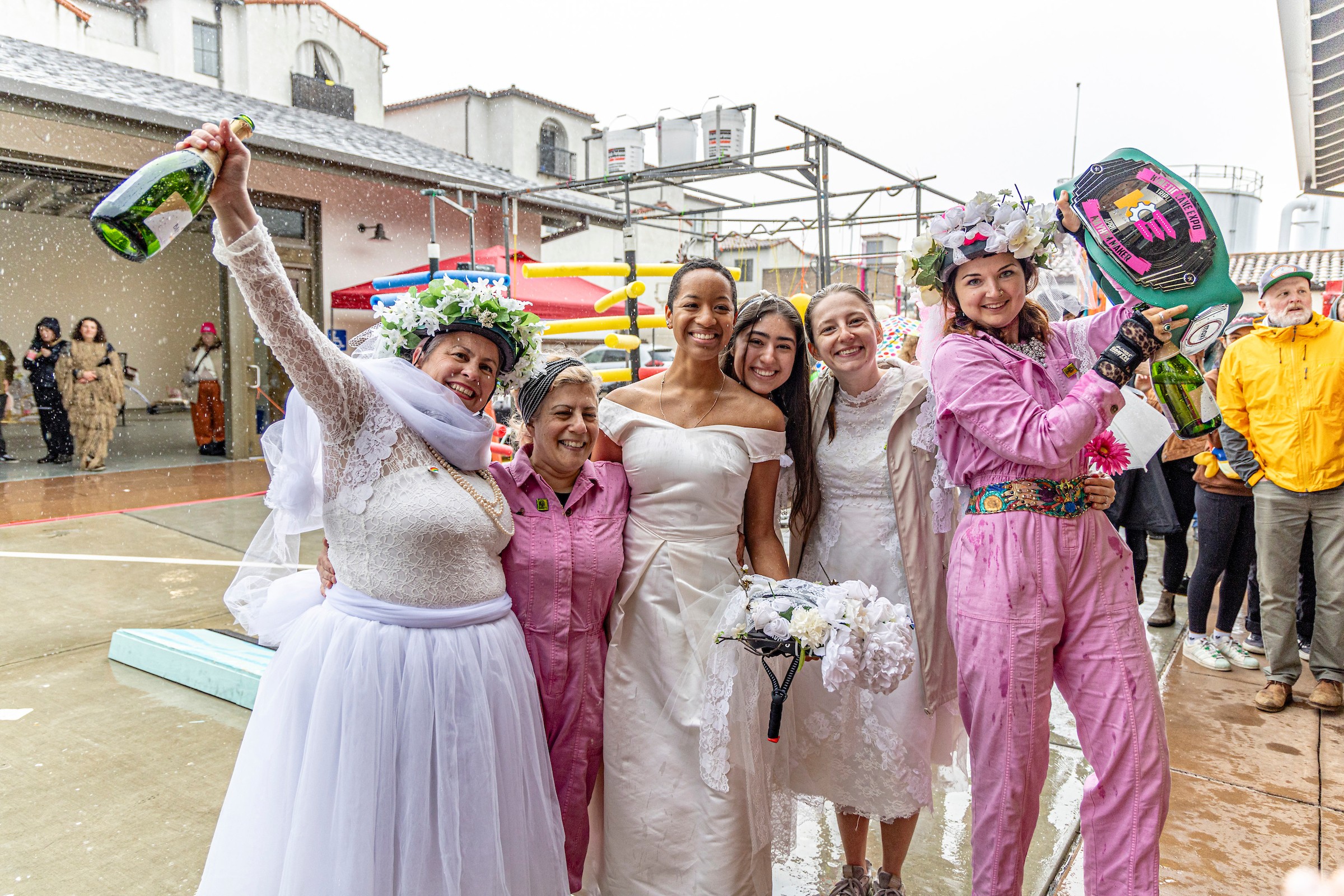
Image Credits
Rod Rolle Photo
Mehosh Commercial Photography Studio
Chris Owen Photography
Ingrid Bostrom
Popular
-

Que Johnson on Building Brands That Last: From Visibility to True Market Authority
-

Christina Wren Steps Into the Director’s Chair to Tell Stories That Feel Like Home
-

Portraits of the Valley
-

LA’s Most Inspiring Stories
-

JordanL on ‘Breathe,’ Belief, and Building a Movement Beyond the Music
-

Megan Birney Rudert on How Access to Light Is Powering a More Sustainable and Equitable Future


