




We recently had the chance to connect with SUUVI and have shared our conversation below.
SUUVI, really appreciate you sharing your stories and insights with us. The world would have so much more understanding and empathy if we all were a bit more open about our stories and how they have helped shaped our journey and worldview. Let’s jump in with a fun one: What’s more important to you—intelligence, energy, or integrity?
Integrity. All three are important, but without integrity, intelligence and energy can be hollow—or even dangerous. The moment I start to question someone’s integrity, I absolutely refuse to work with them, no matter how talented they are or what they have to offer. Integrity builds trust, and without trust, there’s no real foundation for meaningful collaboration or growth.
Can you briefly introduce yourself and share what makes you or your brand unique?
I’m SUUVI, a Cuban-Chinese cellist, composer, producer, and multidisciplinary artist. My work bridges classical training with contemporary art and culture, blending music, film, visual design, and performance to create immersive experiences that feel both emotional and cinematic.
I started my career as a classical soloist performing in venues like Carnegie Hall and the Berlin Philharmonie, but over time I felt called to break out of tradition and create my own artistic language—one that reflects who I am and the world we live in now.
My work today lives at the intersection of sound, story, and identity. I’m interested in transforming how people experience music and reimagining what it means to be a modern artist who moves fluidly between genres, mediums, and worlds.
Amazing, so let’s take a moment to go back in time. What did you believe about yourself as a child that you no longer believe?
That my worth depended on achievement.
As a child, I grew up believing that love and value had to be earned through perfection: through how well I performed, how much I accomplished, how “exceptional” I could be. It took years to unlearn that. Now, I understand that my worth isn’t conditional. It doesn’t come from what I produce or how others perceive me, but from who I am when everything external falls away.
What did suffering teach you that success never could?
From the very beginning, so much of my life was built around success. My parents were political refugees from Cuba and China, and they had incredibly high expectations for what I would accomplish. For as long as I can remember, my existence revolved around achievement and its measure: how many hours I practiced the cello, how many awards I won, how quickly I could meet or exceed any goal I set for myself.
I lived within a framework ruled by discipline, control, and the endless pursuit of “enough.” From the outside, it looked like success—performances, recognition, accolades. But inside, I was unraveling. The anxiety, the loneliness, and the constant fear of falling short became the price I paid for the pursuit of being extraordinary.
At some point, I realized that all the success in the world could never fill the void I was trying to numb. It could offer validation, but it couldn’t soothe the ache underneath. I began to see that my obsession with achievement was, in many ways, a distraction from facing the emptiness I had carried for most of my life.
When I finally turned inward and devoted my energy to understanding what lay beneath, suffering began to teach me what success never could.
It taught me to sit still, to embrace my shadows, and to stop running toward validation. Above all, it taught me to listen—to the quiet, to my intuition, and to the parts of myself I had silenced. Over time, I understood that peace, happiness, and fulfillment aren’t found in applause or achievement, but in authenticity and living in alignment with who you truly are.
Sure, so let’s go deeper into your values and how you think. Is the public version of you the real you?
I spent the first part of my career creating a version of myself that I thought the world wanted, and it made me so miserable it nearly wrecked me. My best friend and I even nicknamed her Gigi, because she was so different from who I was in my real life that it felt like a character I was playing.
When I was twenty-seven and made the decision to change my name and step away from my prior career as a classical soloist, I was simultaneously making the decision to stop curating myself into something I thought people wanted of me and just be who I actually am.
Since then, I’ve tried to live and create with as much honesty as possible. What’s beautiful is that people have resonated with me so much more since I stopped pretending to be something I’m not. I often get told that my work and the way I present myself feels genuine, raw, and authentic. That means so much to me, because it’s exactly what I strive for. I’m not a perfect person, but I can stand by everything I do because I know it’s real and genuine to me.
Before we go, we’d love to hear your thoughts on some longer-run, legacy type questions. What is the story you hope people tell about you when you’re gone?
I once heard someone say they always strive to leave people, places, and things better than they found them. There are so many things I hope to accomplish and experience in my lifetime, but if they aren’t rooted in that ethos, then none of it really matters.
If people remember me for anything, I hope it’s that I made them feel something—that I left a trace of beauty, honesty, or healing in the spaces I touched.
Contact Info:
- Website: https://suuvi.xyz
- Instagram: https://www.instagram.com/callmesuuvi/
- Facebook: https://www.facebook.com/callmesuuvi
- Youtube: http://youtube.com/@callmesuuvi
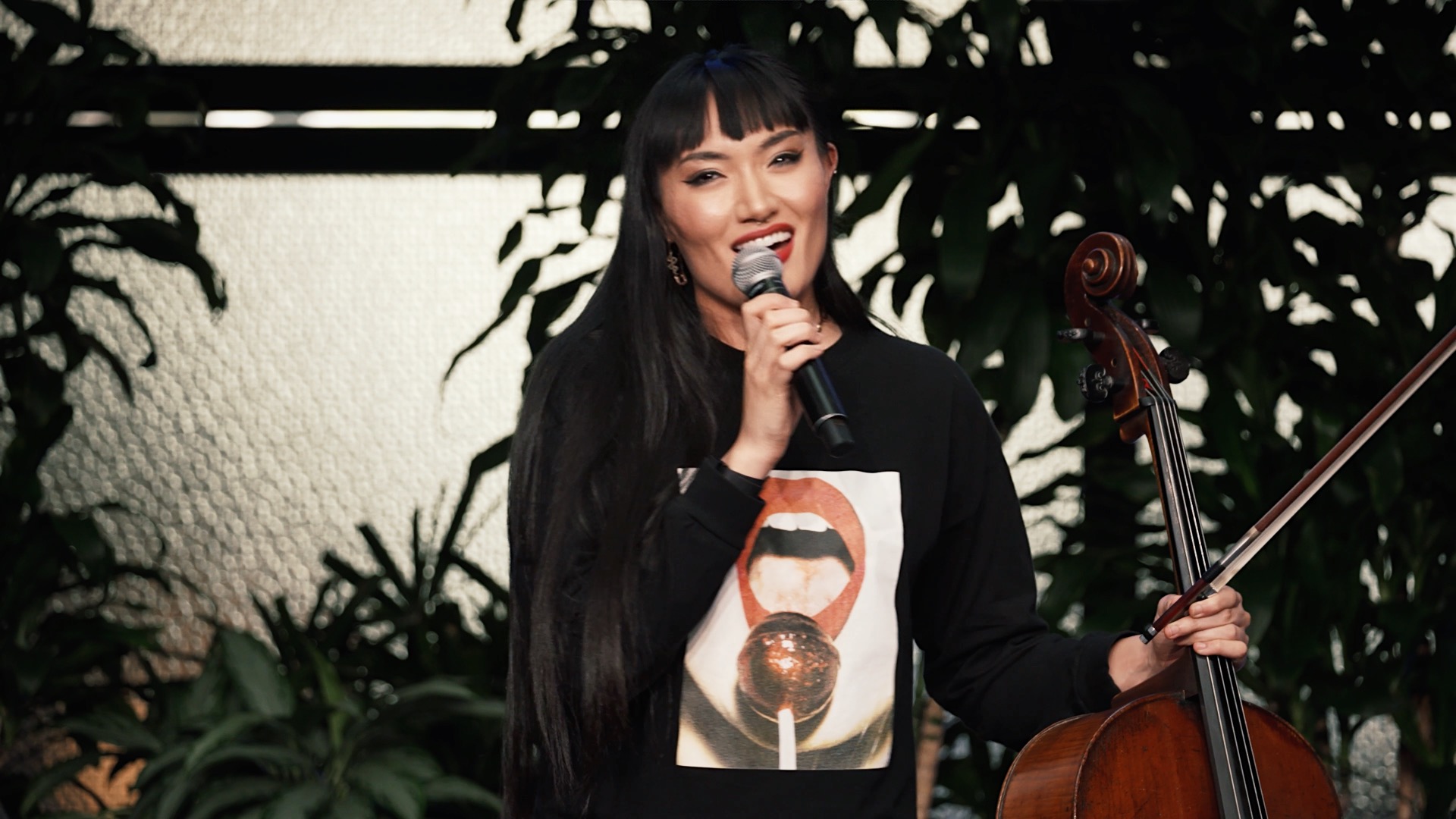
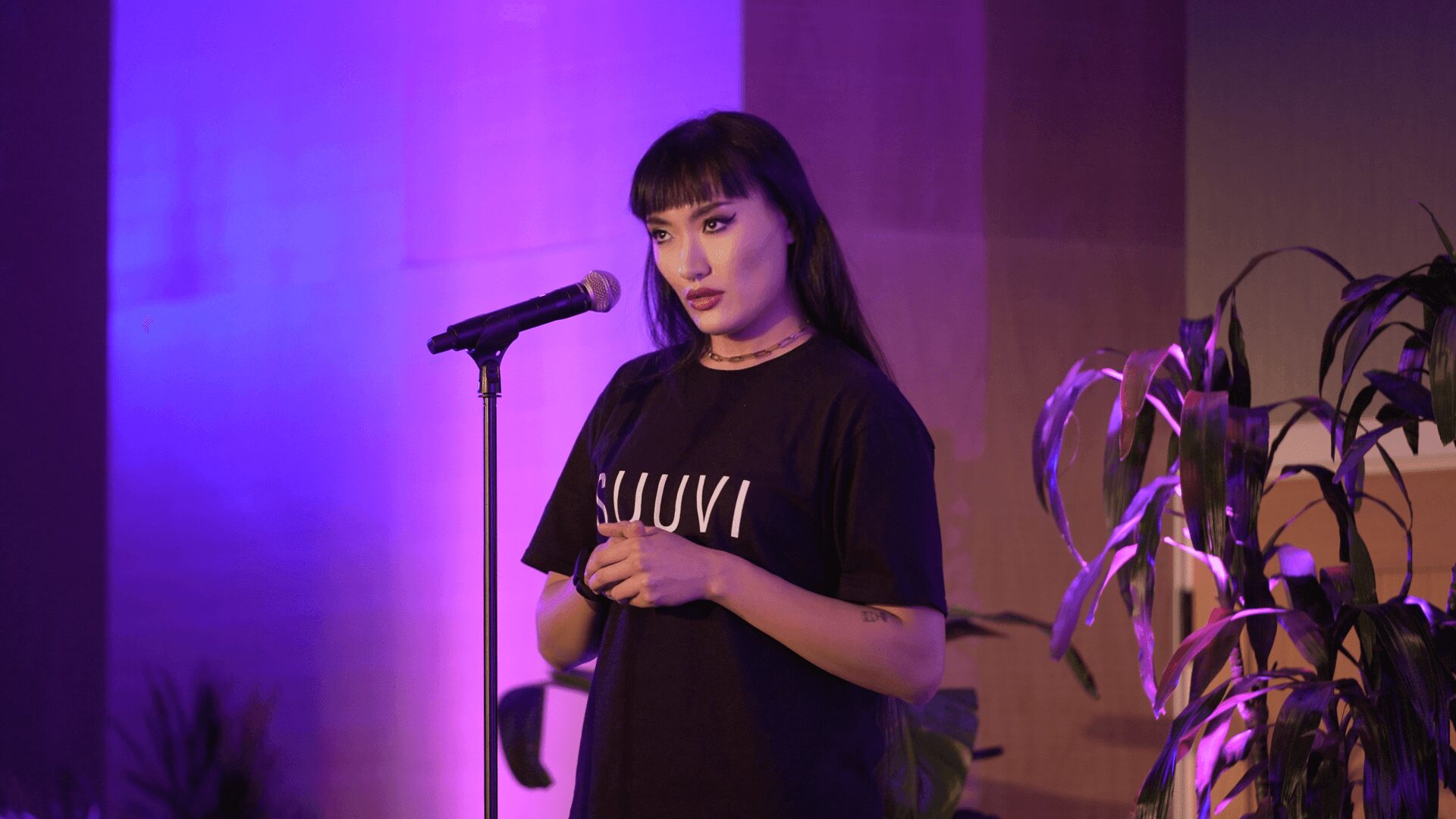


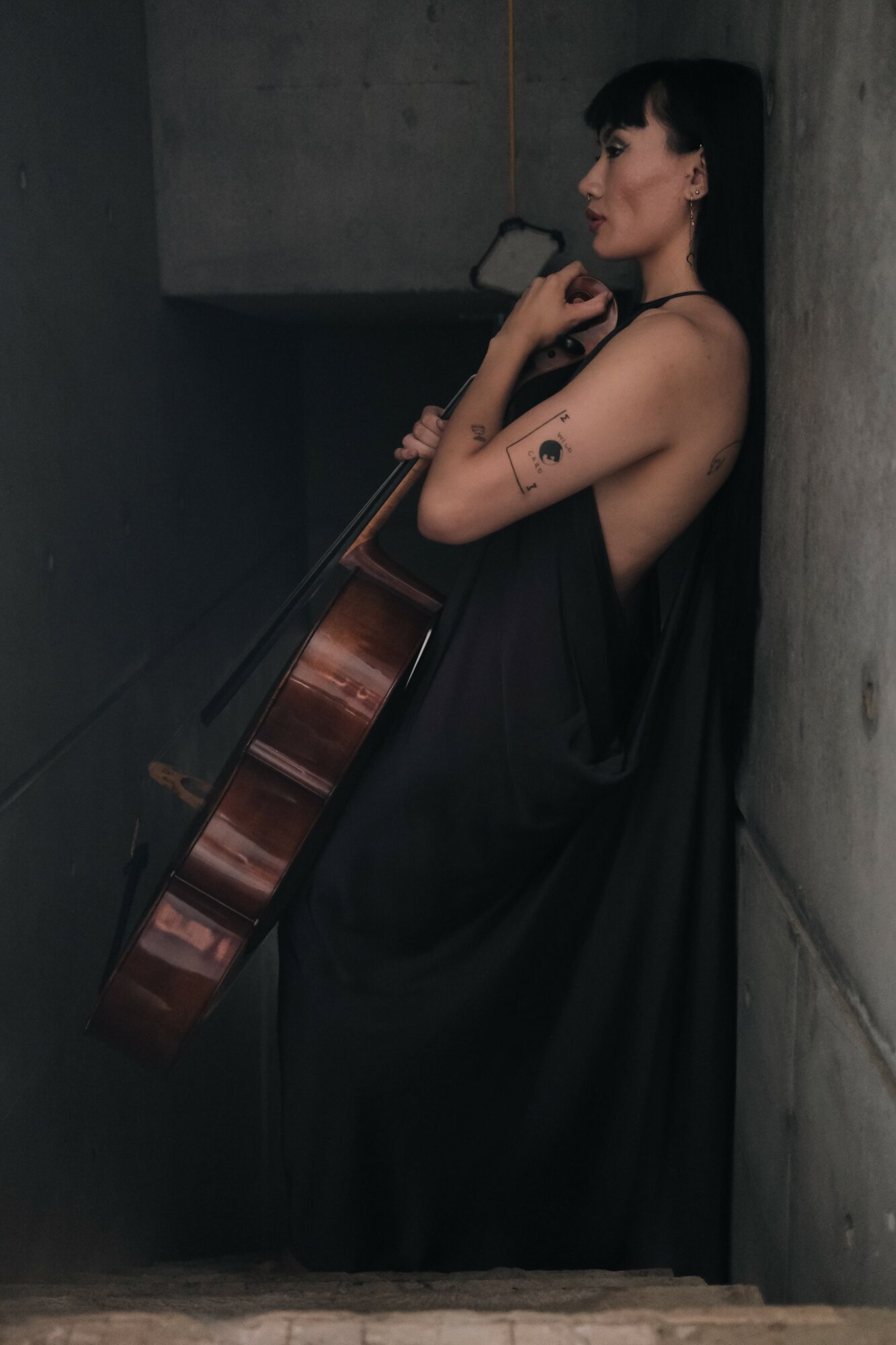
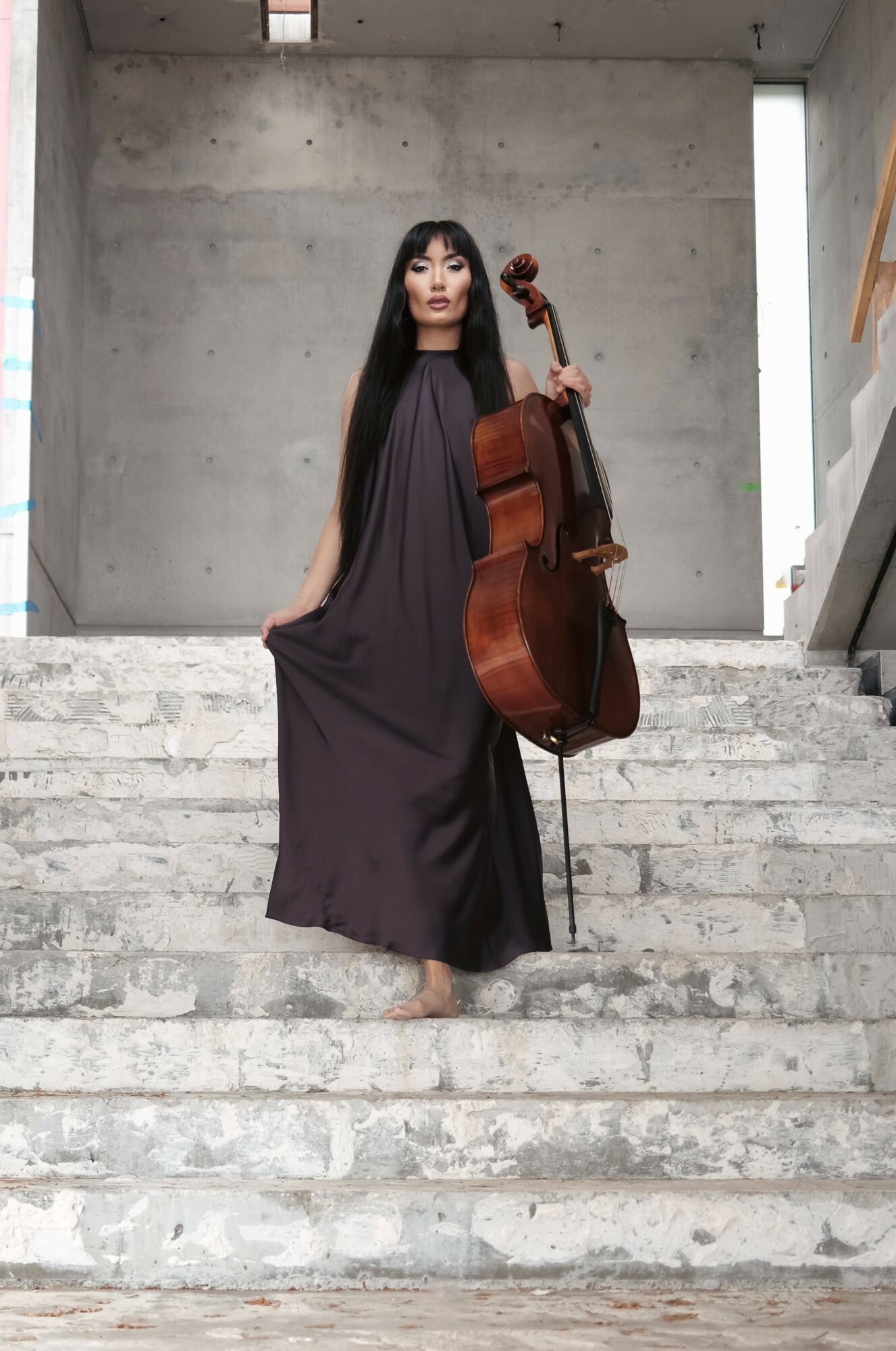
Image Credits
Katherine J. Flynn
Popular
-

Portraits of the Valley
-

LA’s Most Inspiring Stories
-

Rick Norris Learned That Building a Successful Business Means Building a Life You Actually Want to Live
-

How Olivia Rush Turned Survival Into a Mission to Help Others Keep Going
-

How Bibi Goldstein Is Helping Entrepreneurs Reclaim Their Time by Embracing the Power of Delegation
-

Victoria Hasson is Redefining Voice Coaching Through Community and Collaboration


