





We’re looking forward to introducing you to Shannon Daneshrad. Check out our conversation below.
Hi Shannon, thank you so much for taking time out of your busy day to share your story, experiences and insights with our readers. Let’s jump right in with an interesting one: What do you think is misunderstood about your business?
I think one of the biggest misconceptions about therapy, and by extension, our practice, is that it’s only for people in crisis. In reality, therapy is just as much about growth, reflection, and prevention as it is about healing. At Century Psychology Group, we see therapy as a collaborative process that helps people better understand themselves, their relationships, and their patterns—so they can make more intentional choices in their lives.
Another misunderstanding is that therapy is a one-size-fits-all process. We’re very intentional about tailoring treatment to each individual’s needs, values, and goals. Our clinicians come from diverse backgrounds and specialize in different modalities, so clients can connect with someone who truly understands their experiences.
At its core, our work is about helping people build emotional awareness and resilience, not because they’re “broken,” but because we all benefit from having a space to think, feel, and grow with support and perspective.
Can you briefly introduce yourself and share what makes you or your brand unique?
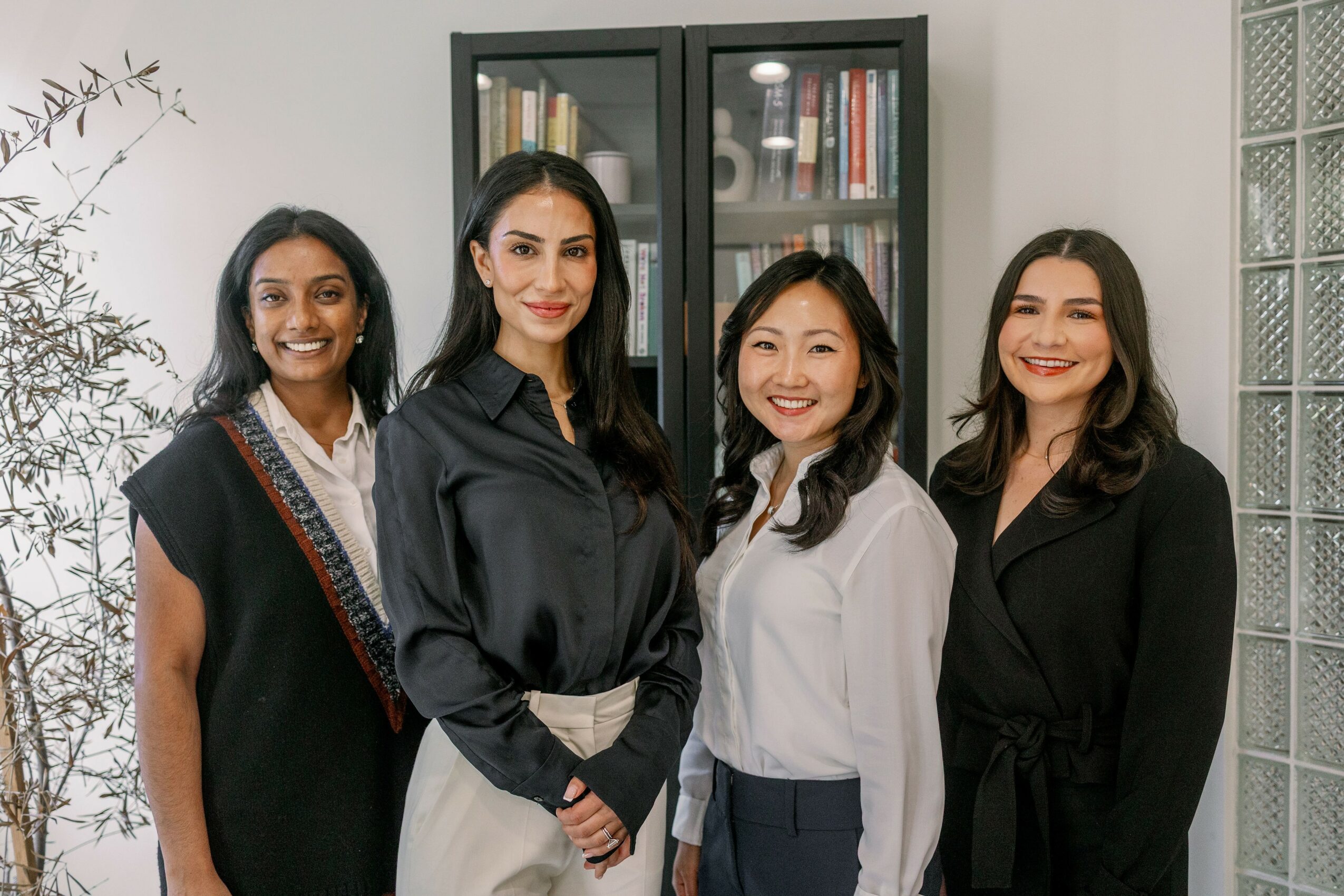
I’m Dr. Shannon Daneshrad, a licensed psychologist and the founder of Century Psychology Group, a modern private practice in Beverly Hills dedicated to helping individuals, couples, and families improve their emotional well-being and relationships. I started this practice with the vision of creating a space that feels both sophisticated and deeply human, a place where therapy isn’t cold or clinical, but warm, insightful, and approachable.
At Century Psychology Group, we offer a range of mental health services, including individual therapy, couples therapy, family therapy, and comprehensive psychological testing and assessment. What makes our work unique is the diversity and expertise of our clinicians, as well as our personalized approach. We understand that no two people are alike, and we tailor treatment to reflect each client’s experiences, background, and goals.
My mission has always been to bridge clinical psychology with real-life connection, to bring evidence-based care into conversations people can relate to. Beyond the therapy room, I’m passionate about normalizing discussions around mental health, which is why I’m developing a psychology podcast that explores everyday emotional experiences through an honest and relatable lens.
At its core, Century Psychology Group is about helping people feel seen, understood, and empowered. We want therapy to be a meaningful, accessible part of living well, not something reserved only for moments of crisis.
Thanks for sharing that. Would love to go back in time and hear about how your past might have impacted who you are today. What breaks the bonds between people—and what restores them?
What often breaks the bonds between people is a gradual loss of emotional safety and curiosity. When individuals stop feeling heard or understood, they begin to protect themselves instead of staying open. Miscommunication, defensiveness, and unspoken resentment tend to build over time, eroding trust and connection. In relationships, whether romantic, familial, or professional, bonds don’t usually break from one event, but from a series of small moments where people feel unseen or dismissed.
Restoring those bonds requires empathy, accountability, and time. Healing happens when both people are willing to understand the other’s perspective rather than just defend their own. In therapy, we often work on helping clients rebuild emotional safety through communication, validation, and consistent effort. At Century Psychology Group, we help individuals and couples learn how to reestablish trust by slowing down conflict patterns, identifying triggers, and developing healthier ways of connecting.
Ultimately, relationships thrive when people return to seeing each other with compassion instead of judgment. Repair is possible when both sides commit to understanding before being understood. That shift alone can transform disconnection into renewed closeness.
When did you stop hiding your pain and start using it as power?
That shift happened when I realized that vulnerability is not weakness, it’s strength in its most honest form. Like many people, I grew up believing that keeping it together meant staying strong. But over time, both personally and as a psychologist, I learned that real growth begins when we stop performing strength and start allowing ourselves to feel.
Pain, when explored with curiosity instead of shame, becomes a source of insight and connection. It teaches empathy, resilience, and depth, the very qualities that shape how I show up for my clients and in my own life. At Century Psychology Group in Beverly Hills, we often help people reframe their emotional pain not as something to “get rid of,” but as something to understand and integrate. When you can name what hurts, you can start to heal it, and eventually use it to connect with others in more authentic ways.
I stopped hiding my pain when I realized it could serve a purpose: to help others feel less alone in theirs. That’s when it became power.
Alright, so if you are open to it, let’s explore some philosophical questions that touch on your values and worldview. How do you differentiate between fads and real foundational shifts?
In mental health, it’s easy to get caught up in what’s trending. Every few months, there’s a new “tool,” buzzword, or viral idea about healing. I think the key difference between a fad and a foundational shift is depth. A fad tends to oversimplify the human experience, while a true shift expands our understanding of it.
Foundational change happens when something consistently improves people’s well-being across time, cultures, and contexts. For example, mindfulness isn’t a fad; it’s supported by decades of research showing measurable effects on stress and emotional regulation. The same goes for evidence-based therapies like Cognitive Behavioral Therapy and Emotionally Focused Therapy. They endure because they are grounded in science and adaptable to individual needs.
At Century Psychology Group in Beverly Hills, we take an integrative approach that blends proven therapeutic frameworks with new insights from neuroscience, attachment theory, and emotional intelligence. We’re curious about innovation, but we filter everything through research, ethics, and real-world outcomes. That’s how we separate what’s momentarily popular from what truly transforms people’s lives.
Real change doesn’t come from trends; it comes from consistency, awareness, and the courage to do the deeper work.
Okay, so let’s keep going with one more question that means a lot to us: Are you doing what you were born to do—or what you were told to do?
I’m doing what I was born to do, though it took time and a lot of self-exploration to fully realize that. Psychology has always felt like a calling rather than a career choice. I’ve always been drawn to understanding people, their emotions, behaviors, and the invisible patterns that shape their lives. But I think I had to go through my own process of unlearning what “success” was supposed to look like before I could truly follow that path.
In many ways, becoming a psychologist was my way of aligning purpose with passion. I get to help people make sense of their experiences and find meaning in their challenges, which feels deeply natural to me. Founding Century Psychology Group allowed me to build a practice that reflects that philosophy, where therapy feels human, individualized, and transformative rather than formulaic.
So while I may have been encouraged toward achievement, I chose fulfillment. I’m doing work that not only uses my education and training but also honors who I am at my core. That, to me, is what it means to do what you were born to do.
Contact Info:
- Website: https://www.centurypsychologygroup.com/
- Instagram: @CenturyPsychologyGroup
- Linkedin: https://linkedin.com/company/century-psychology-group
- Facebook: https://www.facebook.com/p/Century-Psychology-Group-61559581211595/?_rdr
- Youtube: https://www.youtube.com/channel/UC7lbtlK_TmRuEHcE2r8Rs_Q

Popular
-

Portraits of the Valley
-

LA’s Most Inspiring Stories
-

Rick Norris Learned That Building a Successful Business Means Building a Life You Actually Want to Live
-

How Olivia Rush Turned Survival Into a Mission to Help Others Keep Going
-

How Bibi Goldstein Is Helping Entrepreneurs Reclaim Their Time by Embracing the Power of Delegation
-

Victoria Hasson is Redefining Voice Coaching Through Community and Collaboration


