




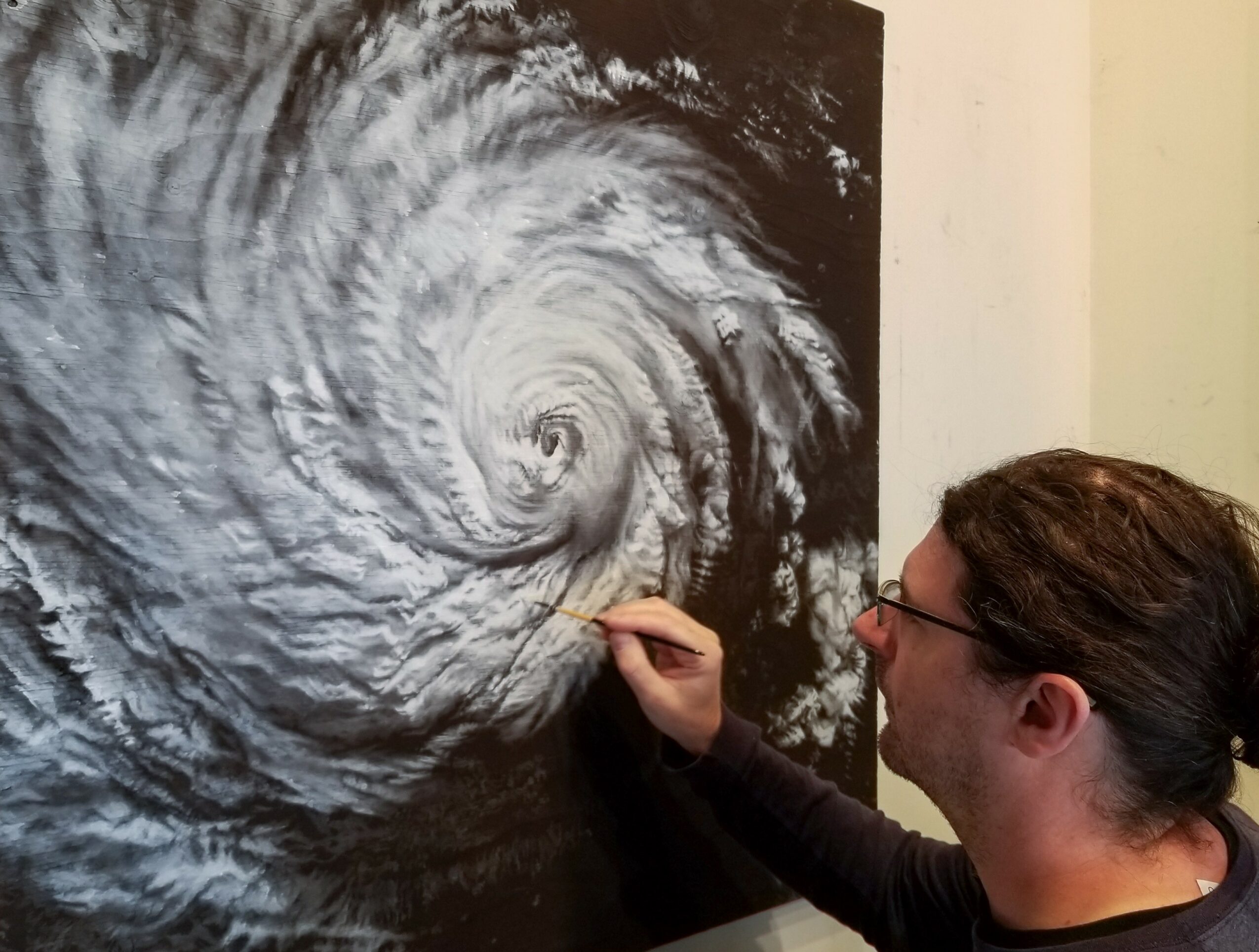
Tom Pazderka shared their story and experiences with us recently and you can find our conversation below.
Tom, it’s always a pleasure to learn from you and your journey. Let’s start with a bit of a warmup: What do the first 90 minutes of your day look like?
I’m pretty much a creature of habit. Every morning I drink a hot blend of green tea and earl grey, or what I call ‘green grey’, while watching a 15 minute stock market vlog about the financial outlook for the day and for the week. Then I do a 10-15 minute stretching exercise to get the blood flowing and my back in place from the previous night. They’re the same 8 exercises every time from the Eight Brocade Qi Gong. After that I throw a couple tarot cards to see what to watch out for during the day. Only then I actually feel like I can start work or get going on a project.
Can you briefly introduce yourself and share what makes you or your brand unique?
I’m an artist. A painter mostly, but I also write a lot, for magazines, newspapers, and my Substack. I’m not sure what my business is and I always say that artists have the worst business models. Artists make a lot of things that only they like and then hope someone wants to buy them. It is actually the opposite of a viable business model for anything from a store, a restaurant or a factory. But sometimes, if an artist is persistent, it works, and the work finds an audience. That’s what’s been happening to my work recently and it is both strange and exciting, because I make paintings that have pretty dark esoteric themes. The last eight to nine years I’ve been making paintings using ash, charcoal and oil paint on wood panels I burn with torches. They’re all black and white, with some color washes every now and then, and the themes I most often explore are nostalgia, alienation and belonging, the human condition, through various series of images. The main series are paintings of ash clouds from fires, volcanoes and explosions, family photos and my esoteric series of historical photos. I recently started a fourth series of mountain peaks that are a mixture of real and fake images created by AI, as a way to recapture the lost meaning behind the slew of AI slop that regurgitates images at will, leaving behind a wasteland of meaningless imagery, all trained on images that once used to be full of symbolism.
Amazing, so let’s take a moment to go back in time. What’s a moment that really shaped how you see the world?
In November 1989, when I was eight years old, the Velvet Revolution swept through Czechoslovakia. I watched it unfold on television, which was back then totally controlled by the state. There were millions of people in the streets throughout the country, maybe as many as a million in Prague alone, a city that itself has about a million residents. I didn’t understand why all those people were out there, jamming the streets, holding up placards and chanting slogans. I also didn’t understand the violence that ensued shortly thereafter. One moment you see people singing and then next moment riot police is kicking and beating them with clubs. It was supposed to be carefully staged propaganda that failed in the end. The state miscalculated their grip on power. The authorities wanted to show the crowds as malcontents and vagrants, people unfit for society gathering in the streets to disrupt the political utopia they were organizing. They thought that ‘normal’ people would never support these entitled students. When that failed and more and more people joined the protests, the authorities decided for Plan B, which was always Plan A, a show of force. If the images of unkempt students didn’t work to keep the public from joining in, then violence surely would. It was a primitive scare tactic that had lived out its usefulness in an era when the authorities were going through a crisis of legitimacy. In a country where things no longer worked and where people were lied to every waking hour about the bright future that awaited them, power was stripped of its most valuable asset, control. One could see in real time how power reacts when it gets cornered and when it fails, because all power, no matter how big or concentrated, ultimately falls apart under its own weight.
What did suffering teach you that success never could?
Suffering and success are two sides of the same coin. Often, one leads directly into the other. But one has to be careful. Too much suffering and too much success can turn people into monsters. However, to your question, suffering teaches the kind of value of life that is simply missing from the experience of success.
Sure, so let’s go deeper into your values and how you think. Is the public version of you the real you?
Absolutely, I don’t hide behind personas. I don’t like the propagandistic public relations personae and identities that many people inhabit today. One cannot turn this way or that today, without being sold something, a product, a subscription, an ideology, a point of view. It’s dispiriting, and ultimately cringe.
Okay, we’ve made it essentially to the end. One last question before you go. Could you give everything your best, even if no one ever praised you for it?
I’ve always been 100% committed to everything I do and I don’t make art for the applause. It’s something I have to do. It’s an internal drive, a need to create and push things out. If I don’t, I get anxious and later depressed. Getting praise in this sense is only a cherry on top. I’ve always brought this condition into everything else I did or still do, work, relationships, etc.
Contact Info:
- Website: https://www.tompazderka.com
- Instagram: @tompazderka
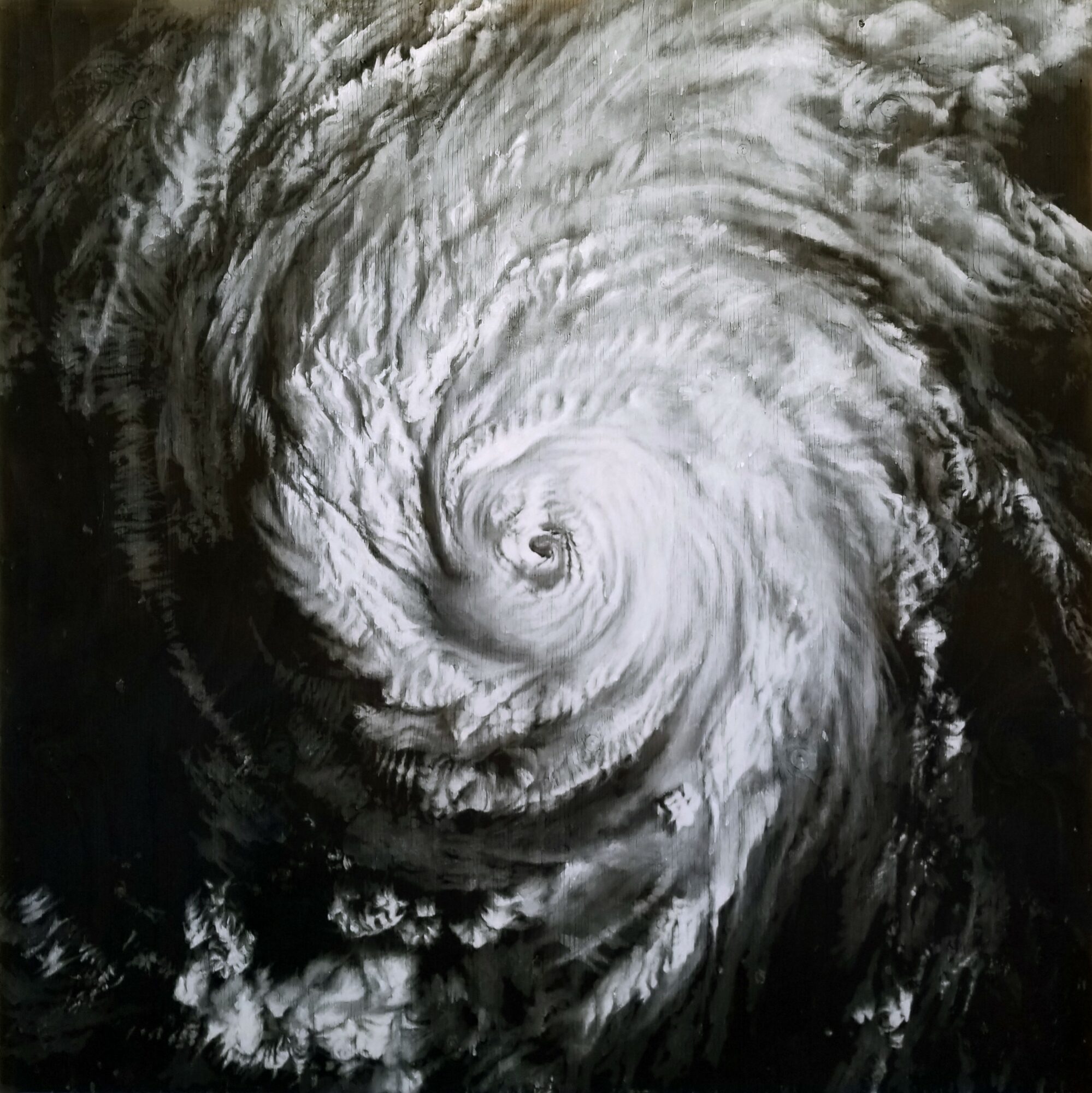
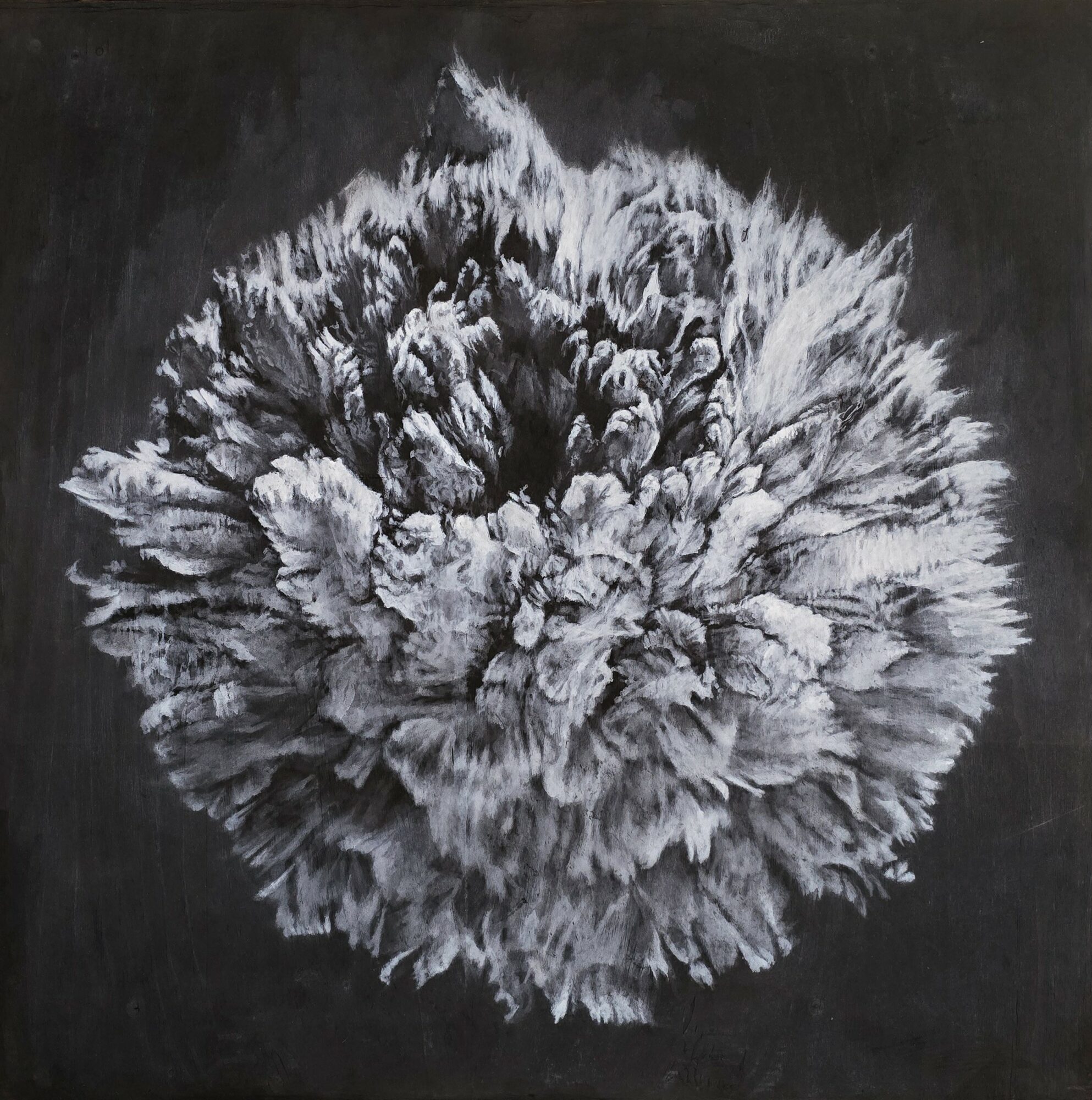
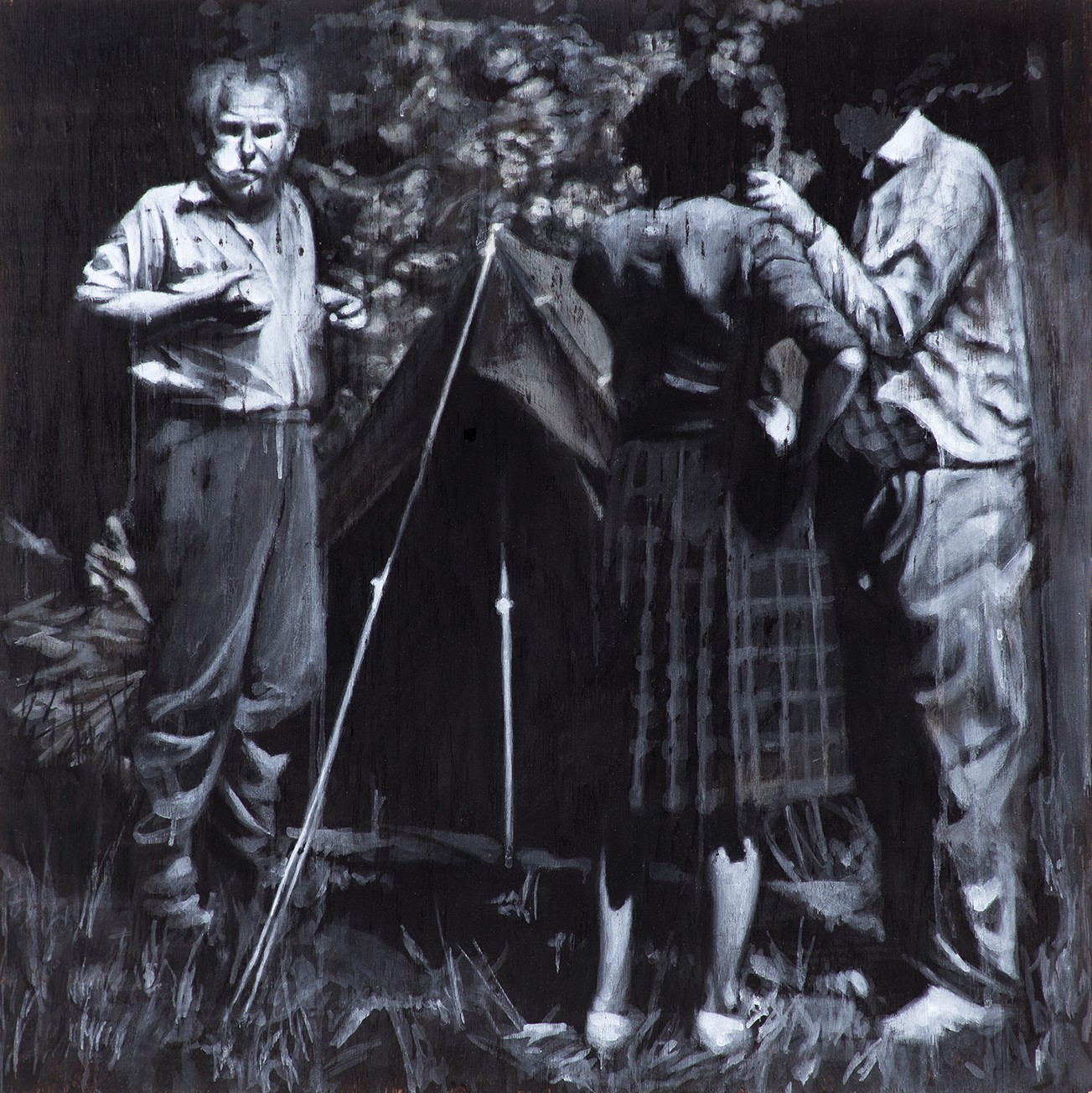
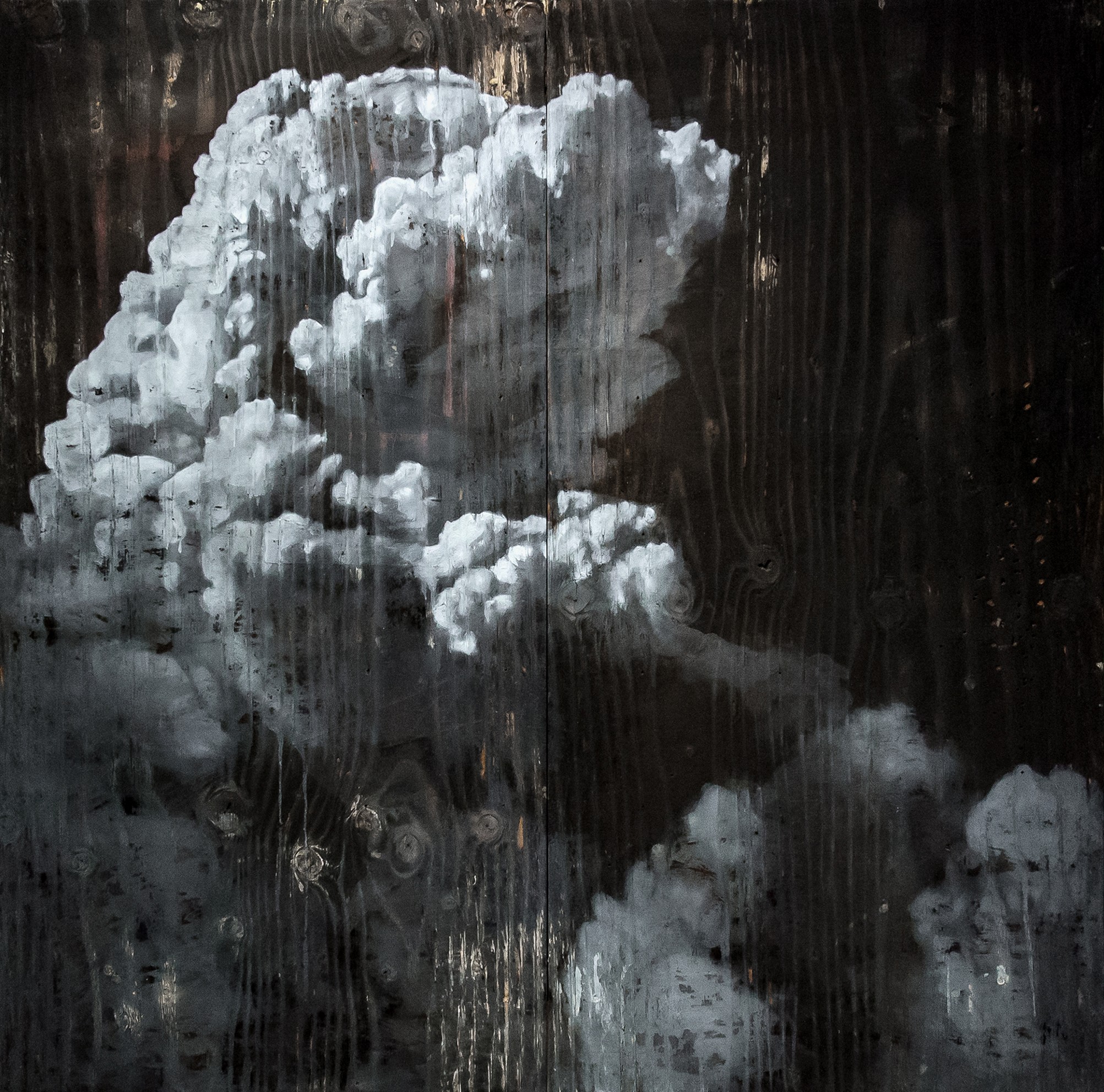
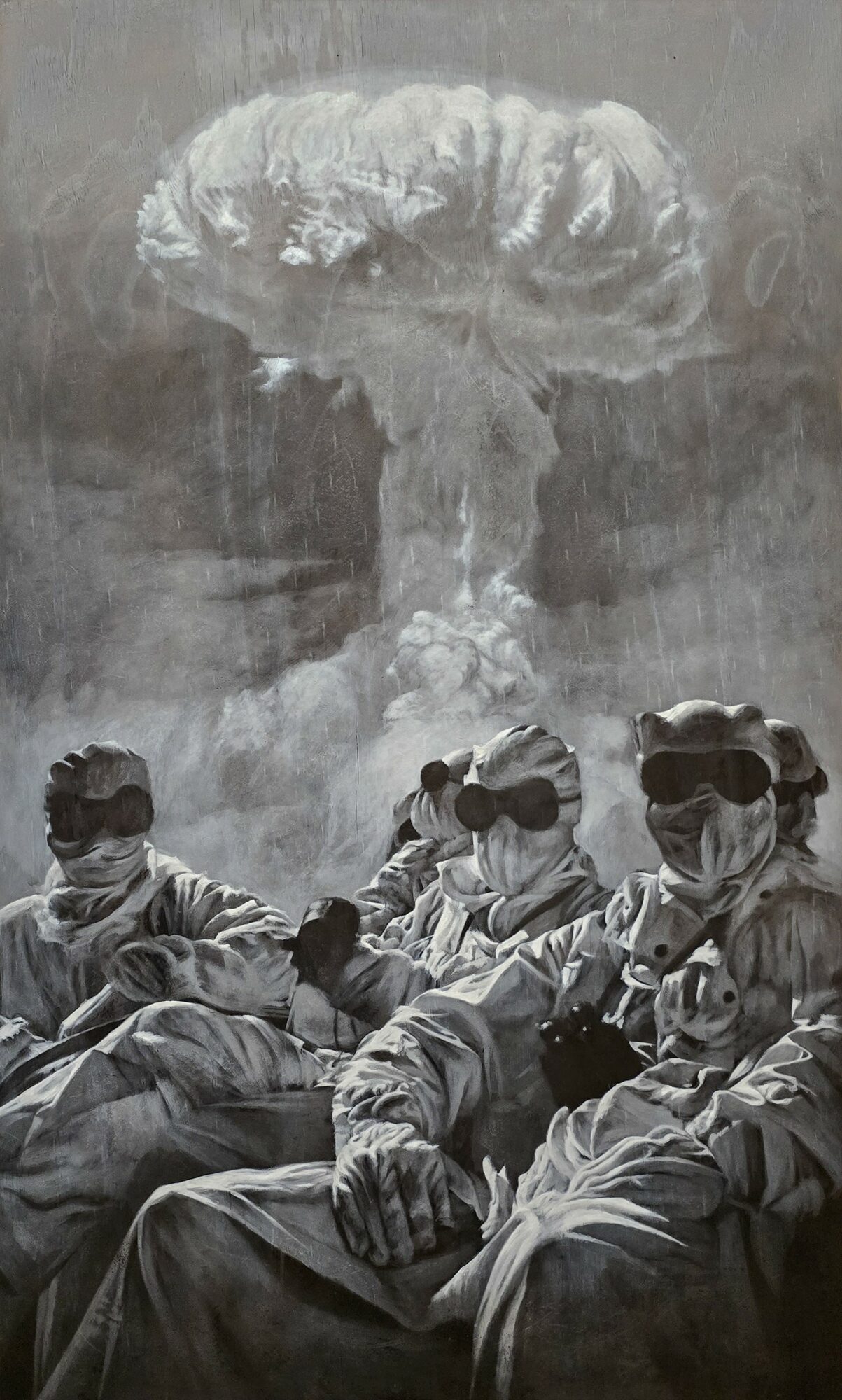
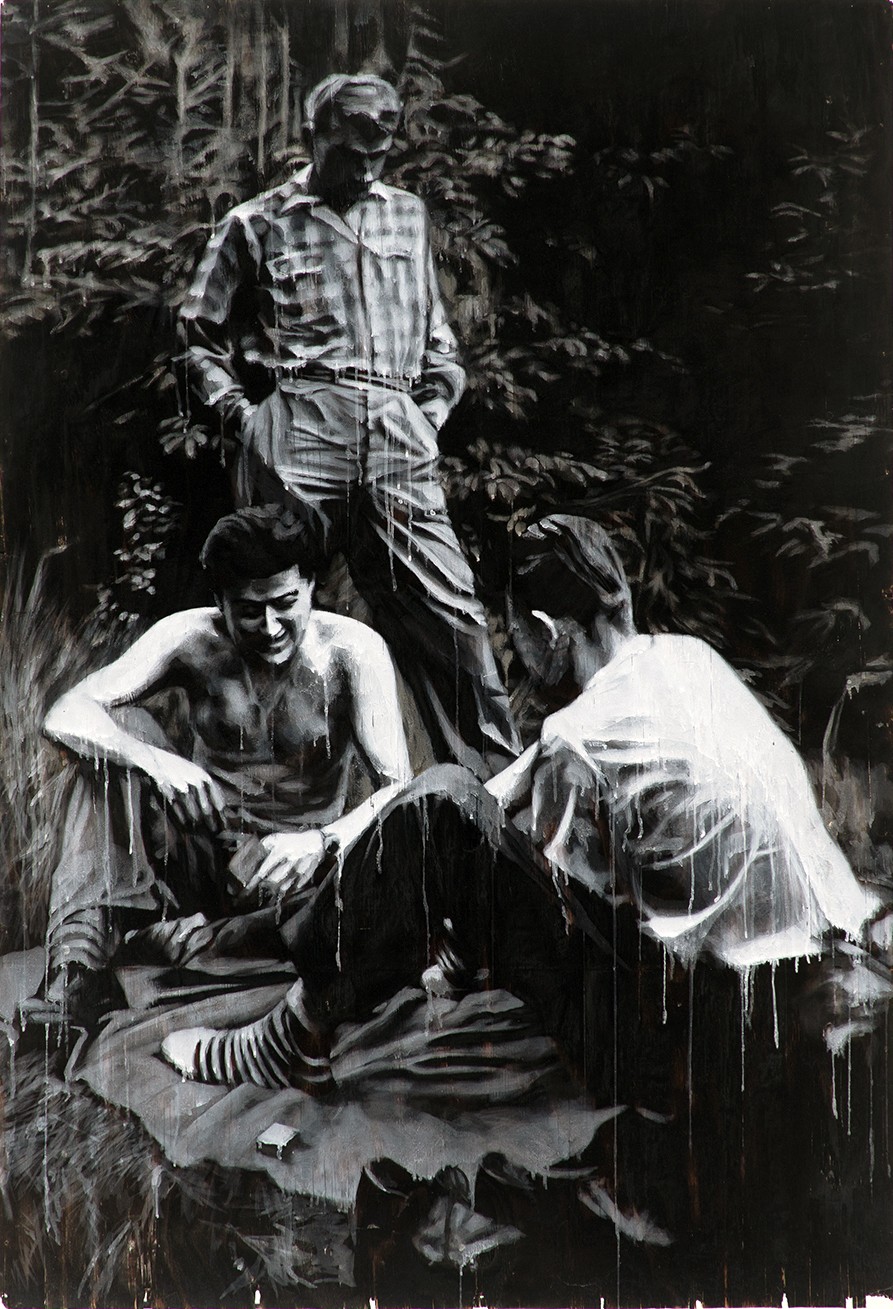
Image Credits
Tom Pazderka
Popular
-

Portraits of the Valley
-

LA’s Most Inspiring Stories
-

Rick Norris Learned That Building a Successful Business Means Building a Life You Actually Want to Live
-

How Olivia Rush Turned Survival Into a Mission to Help Others Keep Going
-

How Bibi Goldstein Is Helping Entrepreneurs Reclaim Their Time by Embracing the Power of Delegation
-

Victoria Hasson is Redefining Voice Coaching Through Community and Collaboration


