





We recently had the chance to connect with Jessica Viola and have shared our conversation below.
Jessica , we’re thrilled to have you with us today. Before we jump into your intro and the heart of the interview, let’s start with a bit of an ice breaker: When have you felt most loved—and did you believe you deserved it?
One of the most imprinted memories in my life was when my daughter was about two months old. We were just looking into each other’s eyes — barely a few breaths old in the world — and I watched her recognize me as her mama and soften into me. It felt like a recognition far older, bigger and deeper than either of us… like something ancient clicked into place — a tether between hearts and souls that changed me forever. This bond is still the most heart-opening, soul-lifting relationship of my life. Like all mother trees, we grow beyond ourselves for those we love.
And I’ve learned a version of that same love in the garden. I feel it every time I plant something, and then return months or years later to find it stretching, rooted, thriving. They say you never forget where you plant a tree. And it’s true — every time I return and see a garden I planted growing and evolving, my own heart expands along with it.
Can you briefly introduce yourself and share what makes you or your brand unique?
Viola Gardens is a full-service, boutique landscape design and build firm that has been curating ecologically sustainable and artistically conceived landscapes throughout Los Angeles County for nearly two decades. Founded and led by Jessica Viola — one of the few fully licensed female landscape designers and contractors in California — the firm is rooted in regenerative design, ecological literacy, and the belief that landscapes are living systems capable of healing land, people, and community.
Over the last 18+ years, Jessica has become a recognized leader in ecological landscape resilience work, crafting solutions informed by climate reality and the unique ecological conditions of Southern California. Her work integrates native and fire-resilient plant communities, water harvesting systems, erosion mitigation, habitat restoration, and strategic site planning — all guided by permaculture ethics and whole-systems thinking. Every garden is designed not just to look beautiful the day it’s installed — but to stay beautiful, adaptive, alive, and ecologically functional for decades to come.
Beyond founding Viola Gardens, Jessica is also the creator of The Art & Ecology Studio in Malibu — a botanical showroom, community gathering space, and nonprofit learning hub dedicated to creative ecology, education, art, and regenerative cultural practice. The Studio now hosts workshops, talks, salons, ecology celebrations, biodiversity lectures, and experiential learning programs — weaving nature education, artistry, and community into one shared living classroom.
Jessica is also the author of A Hundred Bells: Understanding Patterns in Nature on the Path to Empowerment — a book that blends ecology, poetry, photography, and philosophy to illuminate how the patterns of the natural world can be used as tools for personal growth, collective evolution, and creative resilience.
At Viola Gardens, every landscape is approached as both art and ecology — a living composition that reflects identity, place, and purpose. Our gardens often include contemplative spaces, yoga platforms, labyrinths, food forests, amphitheaters, artist corners, biodynamic plantings, farm-to-table dining spaces, custom stonework, sculptural landforms, and play environments. We paint with plants — layering form, texture, color, scent, movement, and seasonality — creating deep emotional resonance and experiential beauty.
For 20 years, Viola Gardens has helped communities across Los Angeles and the Santa Monica Mountains rebuild, regenerate, and reimagine what is possible. Each landscape we build is a future-legacy — rooted in care, built with intention, and designed for resilience, reciprocity, and belonging.
Appreciate your sharing that. Let’s talk about your life, growing up and some of topics and learnings around that. What’s a moment that really shaped how you see the world?
A pivotal moment that set me on the path to my career in ecological design wasn’t just one event, but a culmination of deep-seated wonder, creative expression, and a longing to understand the intricate connections between human nature and the natural world.
Growing up in a suburb just outside of New York City, I would often sneak out into the night, gazing up at the stars while the distant hum of life and the orange glow of city lights lingered in the sky. In those quiet moments, I would ponder what other worlds existed—both beyond and within me. Even then, I sensed an undeniable truth: that I, too, was made of the same essence as the stars, intrinsically connected to the living systems around me.
This curiosity led me to San Francisco, where I apprenticed at a native plant nursery and worked as an organic gardener. It was here that I first encountered the principles of Ecological Design and Permaculture—concepts that would shape the foundation of my life’s work. I immersed myself in studying regenerative landscapes, traveling through Mexico, Peru, Santa Fe, and the Southwest to explore natural building techniques like adobe, super adobe, dry stack, and cob. Each experience deepened my understanding of how to design with nature rather than against it, reinforcing the idea that landscapes could be more than just beautiful; they could be abundant, restorative, and deeply personal.
My journey in ecological landscape design has been profoundly shaped by the mentors who guided me along the way.
My first employer, Paul O’Donnell, was a true pioneer in regenerative gardening. I stumbled upon his small nursery in Marin in the late ‘90s, unaware that I was stepping into a revolution he had been spearheading for over 25 years. Paul and his wife, Giselle, took me under their wing, teaching me the art of plant guilds, irrigation installation, propagation, pruning, and organic problem-solving. They introduced me to the brilliance of California native plants and, in doing so, opened up an entire universe in my mind—one that connected my love for nature with a deeper understanding of my place in the world. Through their teachings, I came to see that my life mattered, that I was part of a vast and interconnected system, as meaningful as the earthworms, the sunshine, the wind, or the rain.
Was there ever a time you almost gave up?
Years ago, during a holiday visit back home, a snowstorm stranded me longer than planned. That same winter, my 93-year-old grandmother went into the hospital. When I walked into her room, she looked at me and said, in her unmistakable New York Italian cadence, “What have I done to you, God? Why am I still here?” Then, more quietly, “I ain’t gonna see you no more.” And all I could say was, softly, “I know.”
She went on — “I’m very angry with your grandfather. I have a few words for him when I see him.” My grandfather had been gone for years. I paused, then said gently, “Gram… you can leave this world angry, or you can make peace before you go.”
She looked at me, took a slow beat, and then — in her classic way — deflected with love disguised as humor: “You’ve got the same nose as your father.” She died three days later.
We were close. Those Sunday afternoons in her kitchen were more than cooking lessons — they were maps of identity. Little hand-drawn pathways to who she was, where we came from, what shaped us, and who I would one day grow into. And as I’ve lived longer, I now understand those maps were also teaching me how to navigate forgiveness — not as an event, but as an ongoing landscape we move through our whole lives. A topography in the soul we learn to cross again and again: in our relationships with others, in our relationship to nature, and ultimately in our relationship to ourselves. Forgiveness is identity work. Forgiveness is lineage work. Forgiveness is how we compost the unprocessed into wisdom.
The longer I live, the more I’m certain: forgiveness is what everything ultimately comes down to. If not for ourselves, then for someone else. Either way — it is always a sacred gift.
These last two years have stretched me in ways I never expected — a collision of heartbreak, upheaval, betrayal, deep beauty, loss, revelation, and grace. We began 2024 with atmospheric rivers, earthquakes, heat waves, fires — a reminder of how fragile our systems are, and how necessary it is to keep planting beauty anyway… especially when the world feels weary.
As my company expanded, I was also tested in business — navigating fraudulent claims, robberies, malignment, instability, and the emotional labor of holding a vision under pressure. I lost my home of eight years. I separated from a partner I loved for nearly a decade. I had an emergency plane landing in the Gulf of Mexico. A family member was diagnosed with cancer. Fires destroyed parts of the Palisades and Topanga and erased decades of memory. We lost multiple homes mid-project and had to start again. My best friend died in January.
My naivety was weathered off of me. And I had to evolve — as a leader, designer, builder, mother, woman. I rebuilt the architecture of my business from the soil up — reinforcing systems, contracts, roles, boundaries and the integrity of our work. And I did that while raising my daughter, moving homes, tending my heart, and still creating beauty in the world when all I wanted was to collapse.
Cheryl Strayed wrote: “You will come to know things that can only be known with the wisdom of age and the grace of years. Most of those things will have to do with forgiveness.”
Working with earth has taught me this: we do not control the weather. We only choose how to weather it. Whether we constrict in fear or rise to meet change with breath and presence — composting what we cannot keep, and letting our hearts choose the path forward.
I learned that I can trust myself. Even when tired, I show up. I chant. I do yoga. I sing. I write. I create. I listen. I know there is more than water in tears — there is salt, memory, medicine.
My world fell apart — and still, stitch by stitch, seed by seed, breath by breath — I have been re-weaving.
Strengthening what needed structure. Softening where my heart needed space. Honoring my intuition when it says no. Choosing what lights me up. Releasing what drains life force.
When I feel out of alignment, I return to what nature taught me first: quiet down. Put my head below my heart. Touch the earth. Plant something living. Love my daughter. Love my animals. Water my plants. Let presence make me porous to the sacred again.
That is where I remember who I am. That is where forgiveness lives. That is where I begin again.
So a lot of these questions go deep, but if you are open to it, we’ve got a few more questions that we’d love to get your take on. What important truth do very few people agree with you on?
As a culture, we are living through a major paradigm shift as the climate destabilizes. I have worked inside atmospheric rivers, fires, earthquakes, droughts — and what I see again and again is this: as the earth becomes hotter and more reactive, we must learn to cool our own tempers. To regulate us while the planet de-regulates.
I watch people blame one another, build walls, install fast-growing hedges that soothe the ego but burn like tinder when the winds return. Yet permaculture — at its core — is built on simple ethics: care for the earth, care for people, and return all excess back into those first two. Over and over again. Not as philosophy — but as practice.
We have to open our eyes to what is right in front of us. Notice where the sun rises. Feel the direction the Santa Ana winds blow. Learn how to plant a tree. Learn how to read what the land is telling you.
Nature responds instantly to indicators — biofeedback is fast. But just as important as tending soil, water, fire, and planting native plant communities… is tending relationship. The repeatable patterns between humans that either regenerate life… or drain it.
We cannot build ecological resilience without social resilience. We cannot design regenerative land while operating through fear, extraction, competition, or isolation.
We must learn to build support systems — financially, relationally, socially, educationally — that mirror healthy ecosystems. Systems that cycle energy. That create true yield. That design for more than one outcome at a time. That cultivate reciprocity. That allow trust to return.
We need to trust each other again.
We need to soften where we’ve hardened. Cool the fires inside as the external fires intensify. Become wellsprings and conduits — not accelerants. Return to presence, breath, right action.
If we can collectively move beyond fear — and act from earth care, people care, and self care — then we can extend ourselves beyond our edges, the way trees do — creating shade, nourishment, shelter, lineage, and future.
And from that, we all can grow.
Okay, so before we go, let’s tackle one more area. What do you think people will most misunderstand about your legacy?
While I love beauty, design, poetry, art, gardens and people — beneath all of that — I simply want to help. That is why I started my nonprofit, and why I wrote my book. I want to be part of a solution in this weary world. I want to help people reconnect to their own nature — their core nature — through the living world, through creativity, through expression, through beauty as a pathway back to belonging.
I feel the urgency everywhere: when the salmon don’t return… when a species disappears quietly… when an oak succumbs to disease… when slopes slide, when fires rage, when people despair, when the knowledge of how to live with the earth fades. I feel it in the collective fear around money and survival — born from forgetting how to grow food, harvest water, tend soil, or even speak to one another with care.
I believe that for true change to take root — it must be personal. It must mean something in the heart. When a garden touches someone deeply, curiosity awakens. They begin to care, to observe, to notice who returns — the bees, the butterflies, the birds — and in that noticing, wonder ignites. And wonder creates stewardship — for the earth, for each other, for the self.
For my daughter, for the planet, for those I love — and for the legacy of every seed I plant — I hold faith that a better world is possible. And I can see a map toward it. But it starts inside each of us first: in how we tend our inner ground, how we relate to the planet, and how we show up in relationship to one another.
Contact Info:
- Website: https://www.violagardens.com
- Instagram: @violagardens
- Facebook: ViolaGardens
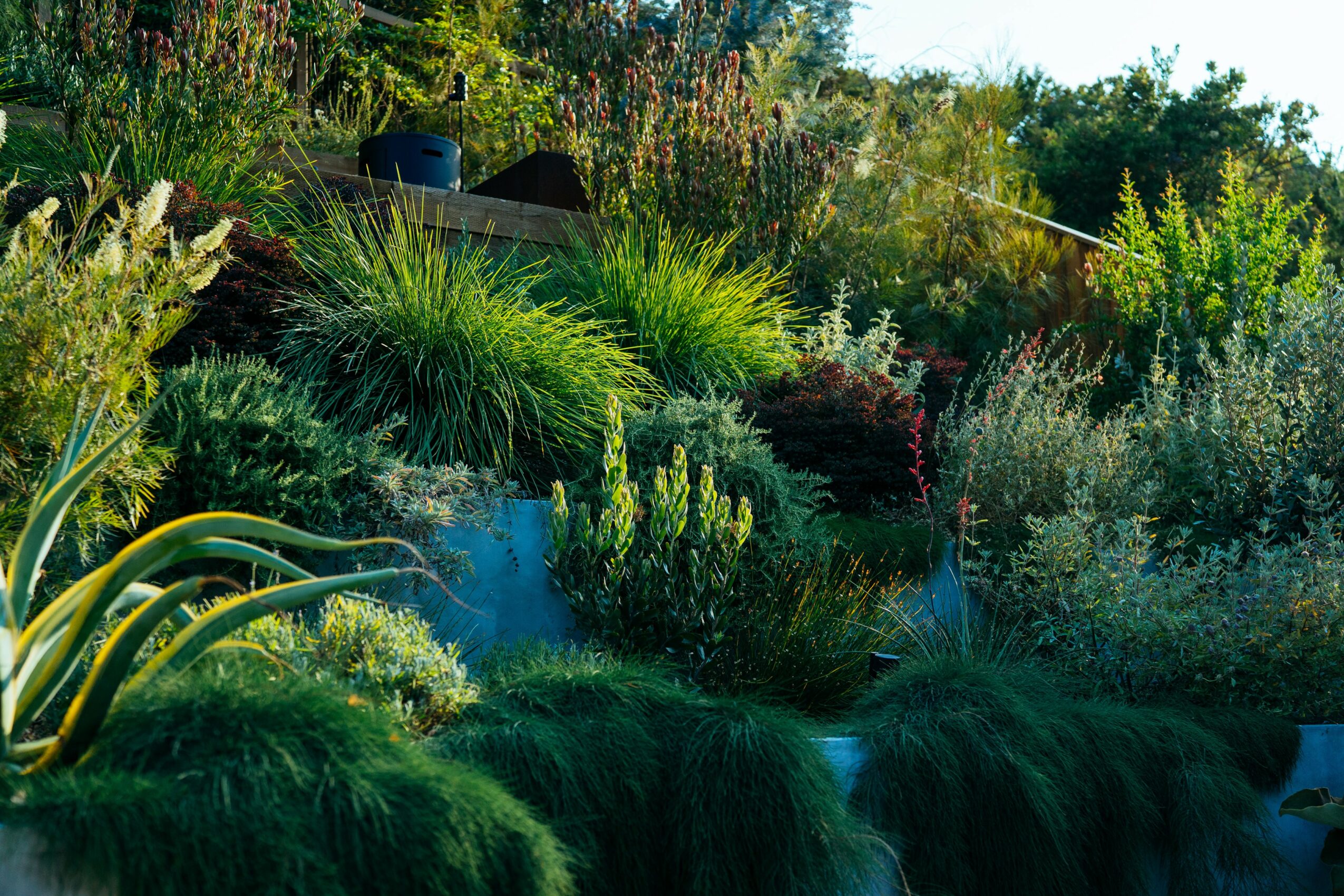
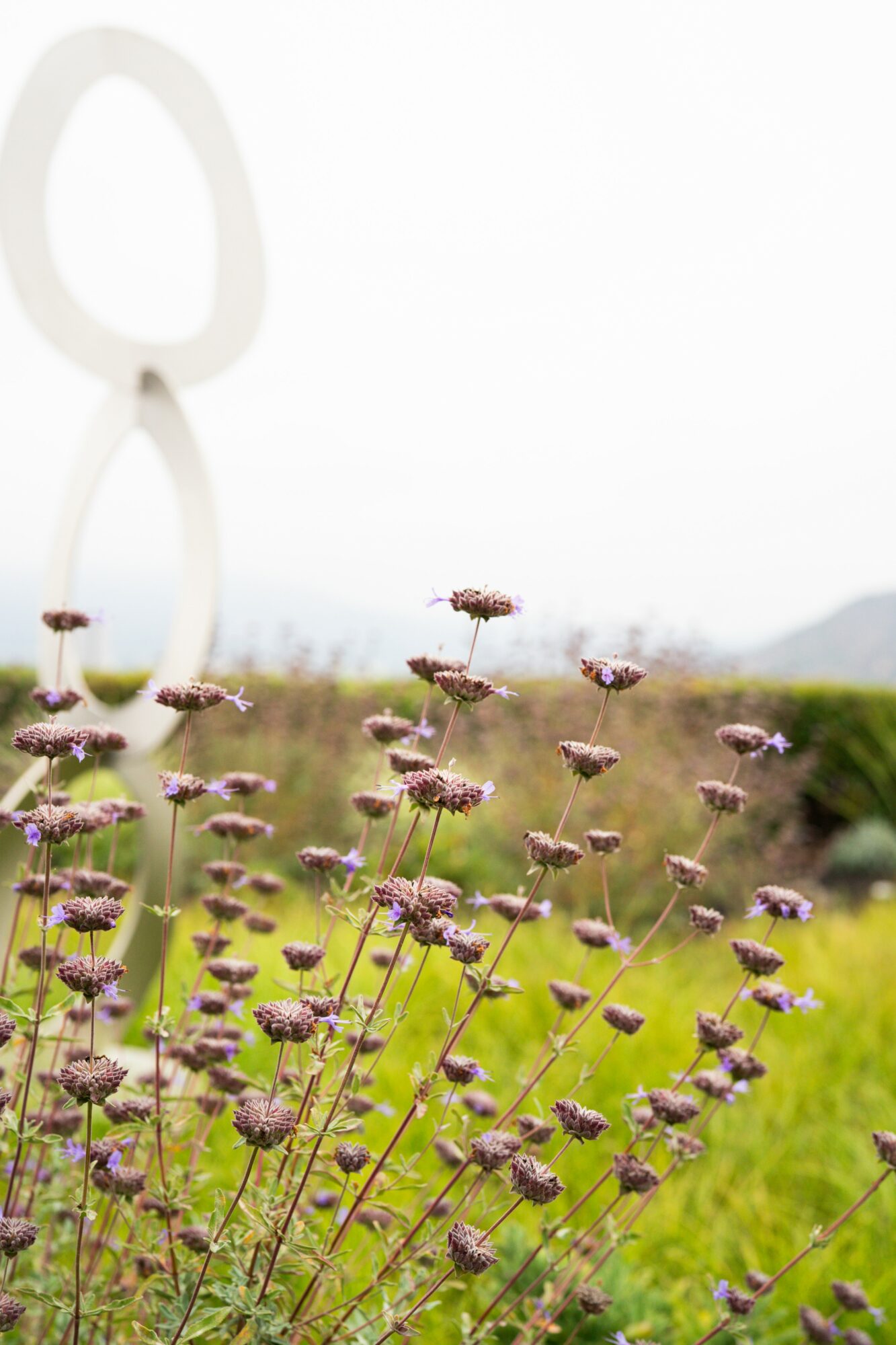
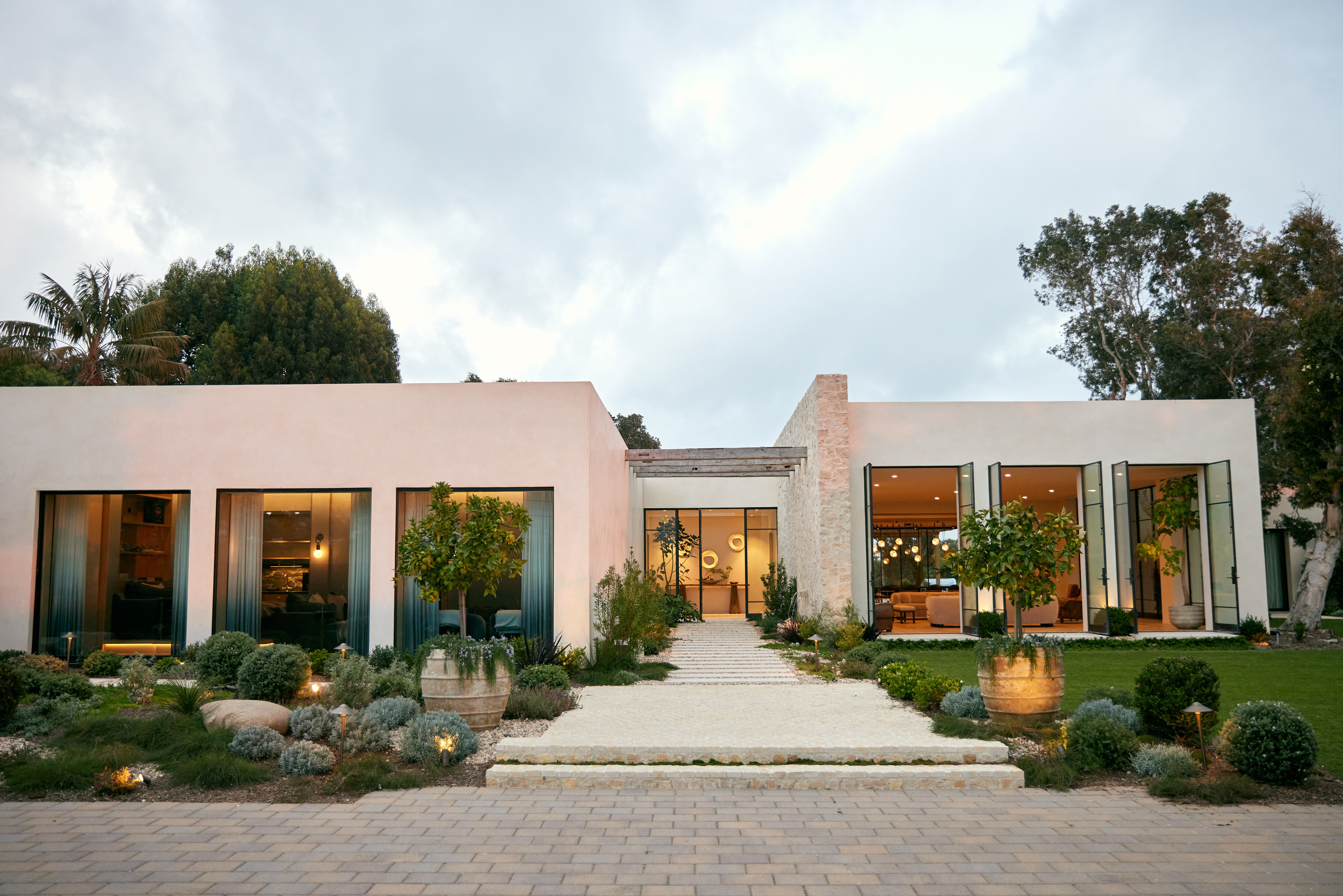
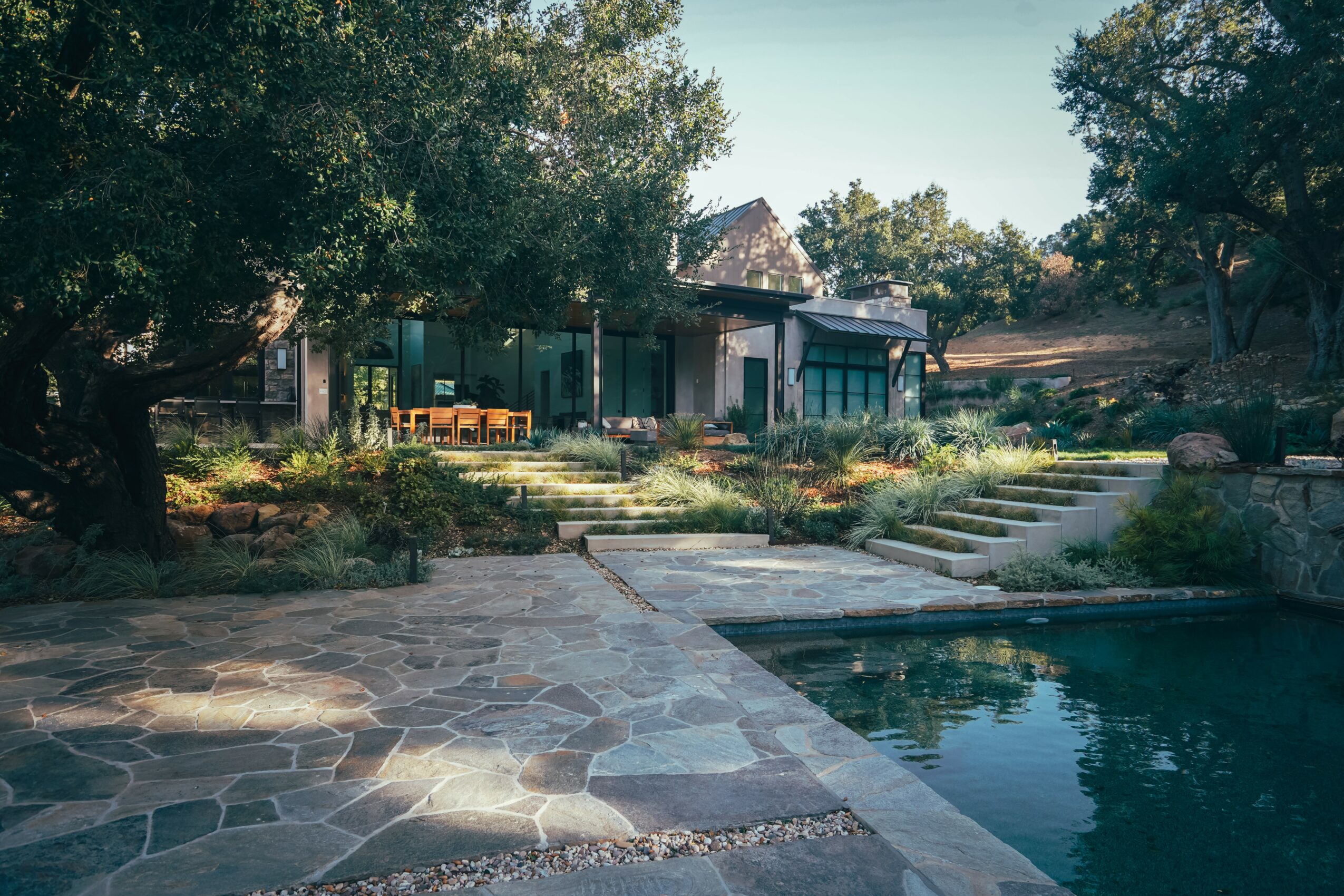
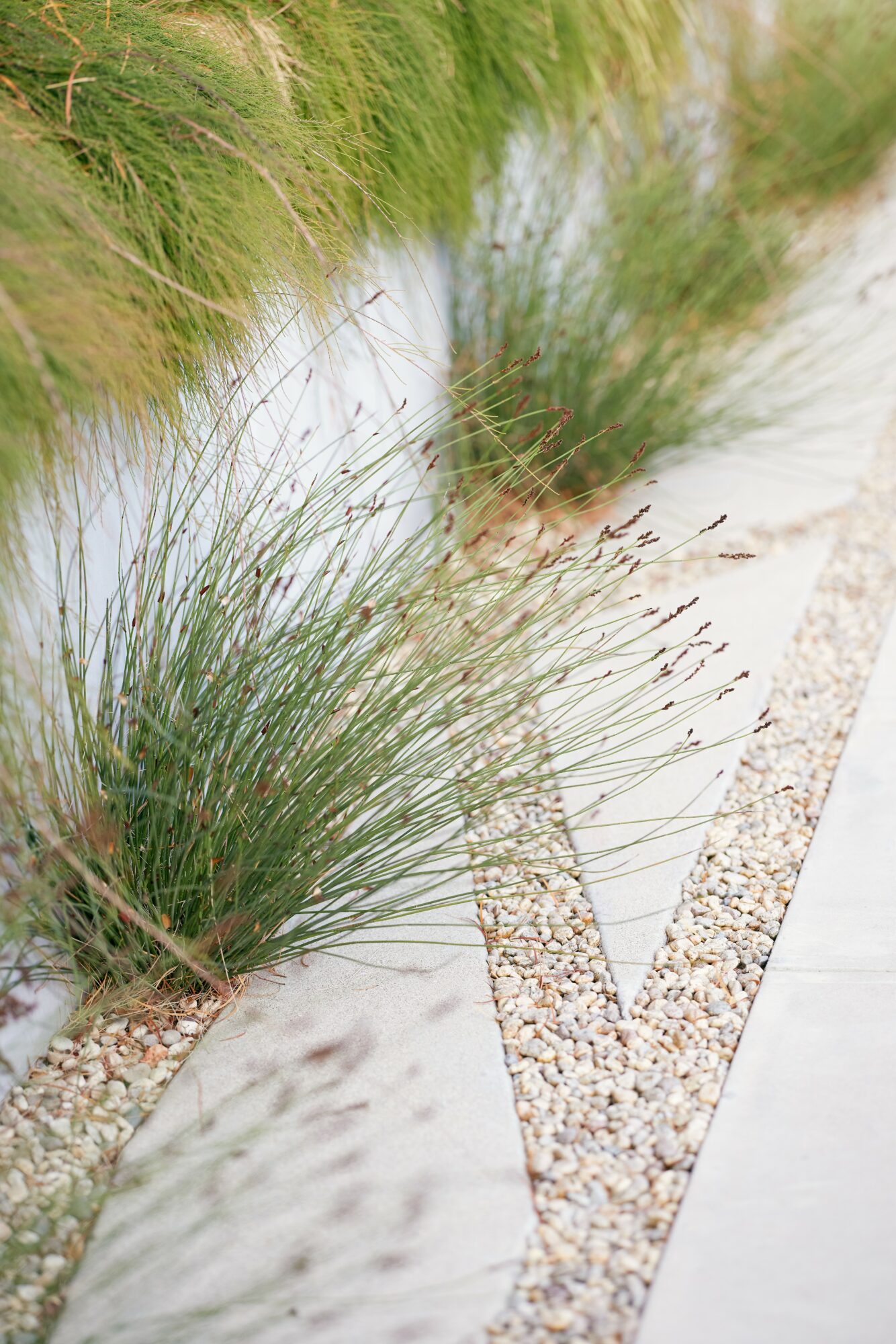
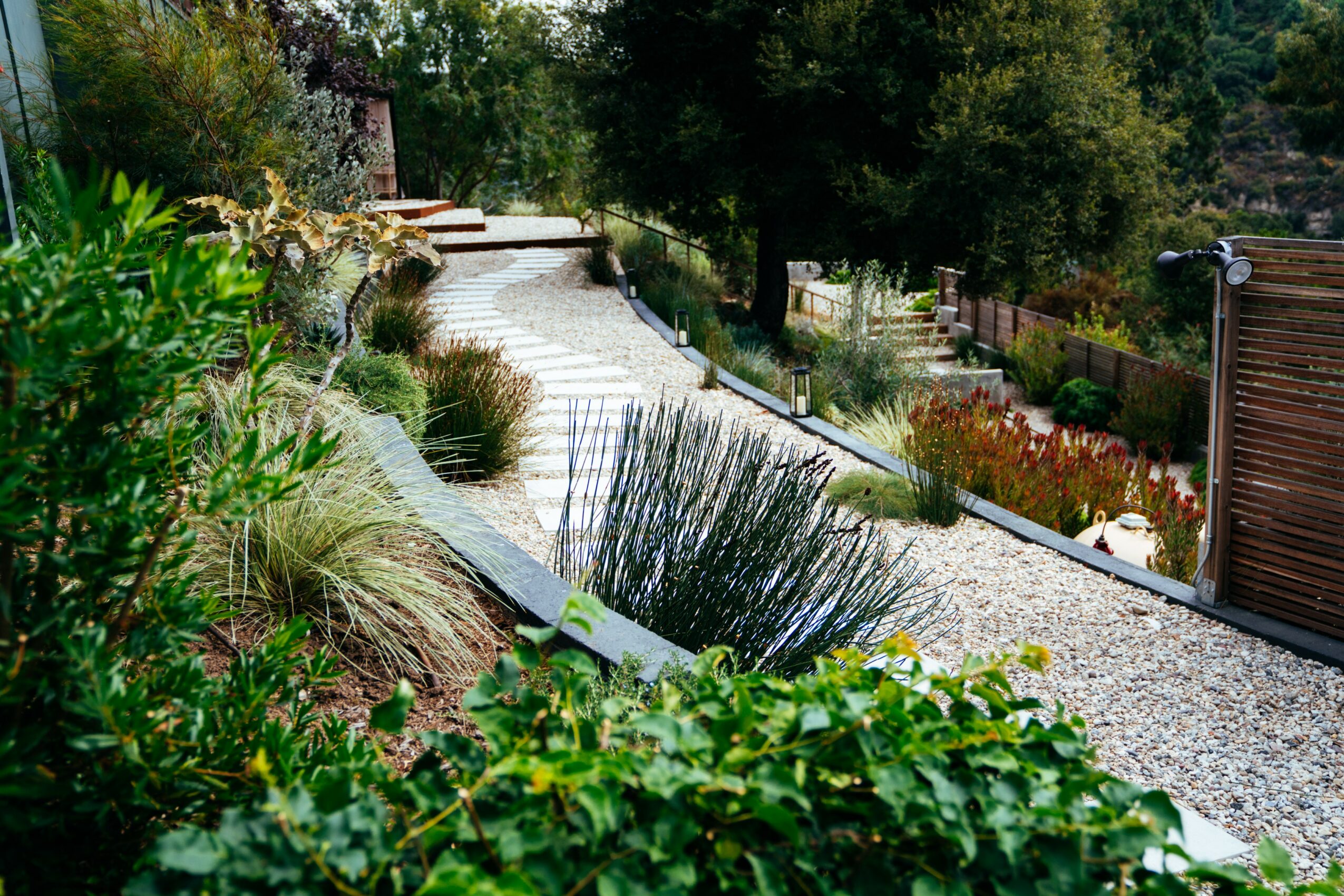
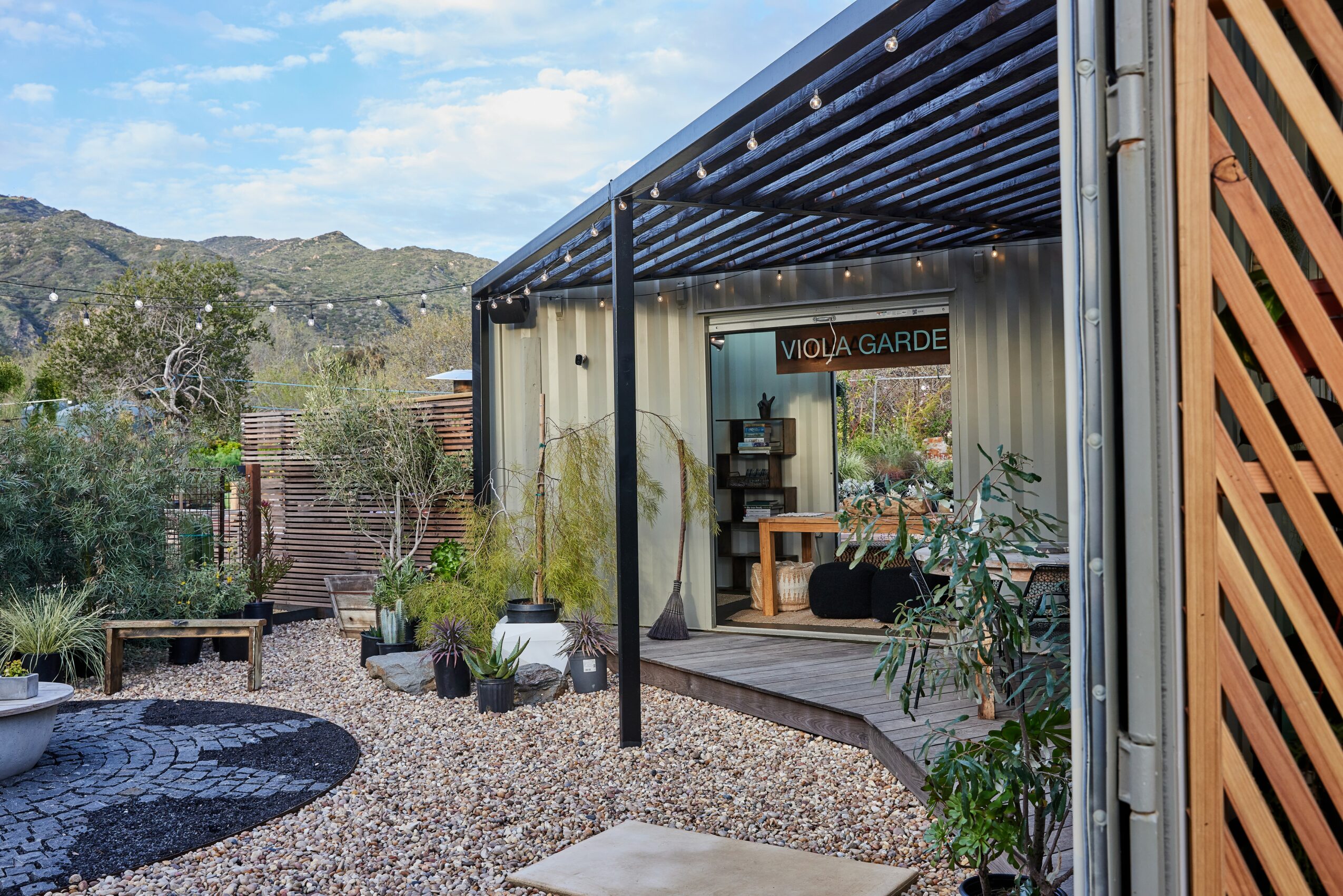
Image Credits
Suzanne Strong, Amy Smyth, Lauren Purves
Popular
-

Portraits of the Valley
-

LA’s Most Inspiring Stories
-

Rick Norris Learned That Building a Successful Business Means Building a Life You Actually Want to Live
-

How Olivia Rush Turned Survival Into a Mission to Help Others Keep Going
-

How Bibi Goldstein Is Helping Entrepreneurs Reclaim Their Time by Embracing the Power of Delegation
-

Victoria Hasson is Redefining Voice Coaching Through Community and Collaboration


