




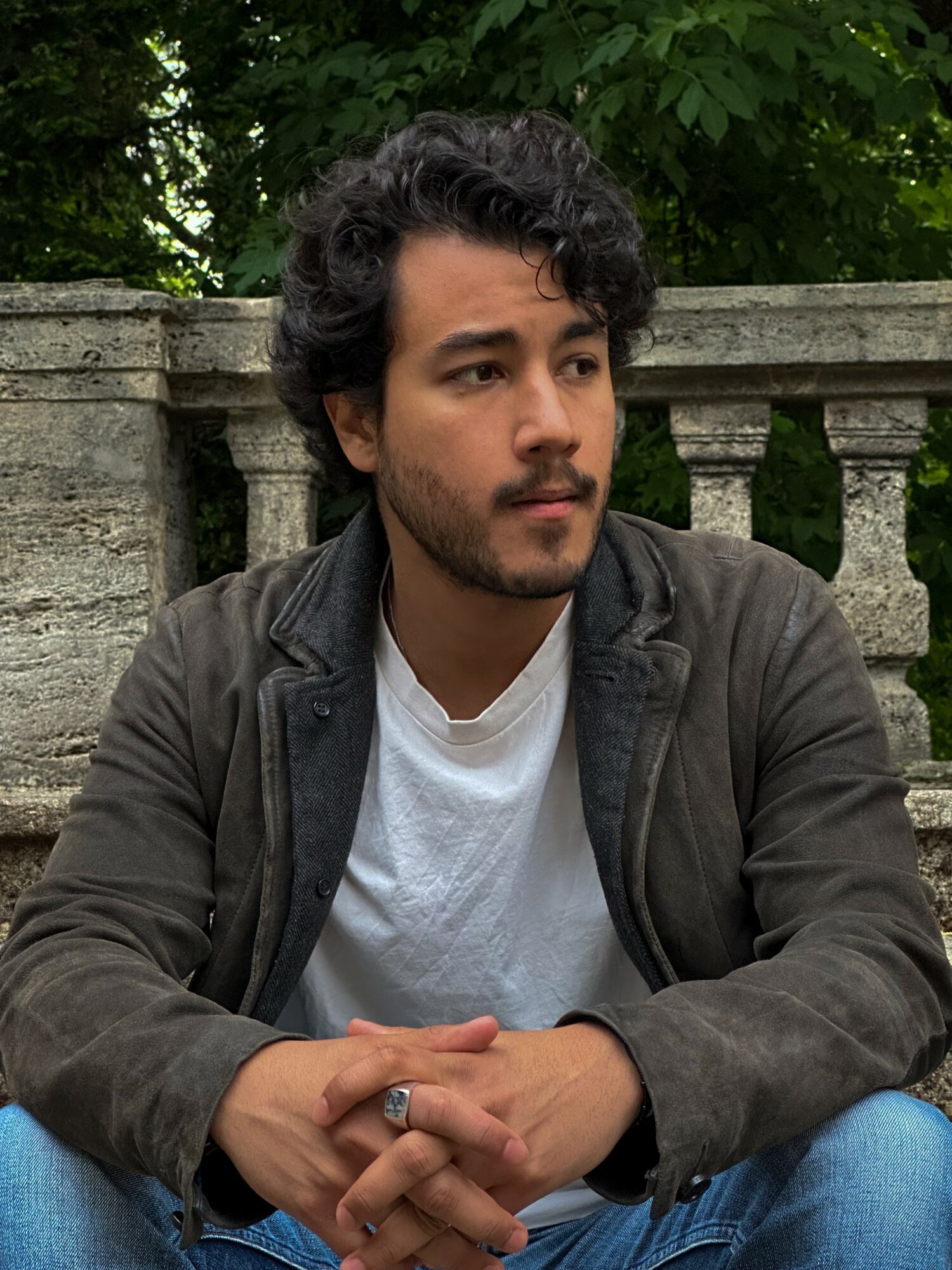
Today we’d like to introduce you to Fabian Palacios V..
Hi Fabian, thanks for sharing your story with us. To start, maybe you can tell our readers some of your backstory.
Since childhood, I’ve been immersed in film, literature, and music, always knowing deep down that I wanted to land in the arts. At 16, I took my first big step into that world through an internship at Madrefoca TV, a production company in Mexico City, where I witnessed firsthand how productions are built from scratch. That experience, combined with my constant daydreaming and storytelling, cemented my decision to pursue film. For me, stories have always been inseparable from music; every idea, every image begins with sound, shaping the emotional core of my narratives. When I moved to New York to study film at the School of Visual Arts, I discovered just how vast the cinematic universe was. I began watching films obsessively, almost like a sport, falling in love with visual language and experimenting across departments until I found my true home in directing and screenwriting. My short film, Azar, became my first major project, where I directed a crew of over 35 people in Mexico City. Taking that story from concept to final edit was both a challenge and a revelation; it reassured me that I could not only imagine but also execute and deliver full narratives, solidifying my voice as a filmmaker.
I’m sure it wasn’t obstacle-free, but would you say the journey has been fairly smooth so far?
Just like for anyone studying an art form, the transition from school to real life was a big punch. Without a “solid” network of established filmmakers, I had to carve my own path, constantly balancing the need to make a living with the drive to keep creating personal projects. That’s the reality of being an artist: finding that delicate balance, not losing yourself in work that doesn’t truly ignite your passion, while at the same time staying afloat. Everyone’s journey is different; there’s no single way to “make it”, and that’s what makes each story unique. For me, the friendships I made in film school became my real network, and that’s one of the most valuable parts of film school itself. Those peers are often the first people to hire you, collaborate with you, and push you forward professionally. I’m still developing my voice in film, working on short films and developing my first feature, but interestingly enough, it was during this stage that I unexpectedly fell in love with editing. Back in school, I actually hated editing. I found it nerve-racking and overwhelming. But after graduating, I asked myself, “What am I going to do for a living?” and I started working as an editor. That experience completely changed my perspective. Now I truly enjoy it, and it has become an integral part of how I understand storytelling, something I never would have imagined when I first started.
Thanks – so what else should our readers know about your work and what you’re currently focused on?
I’m a filmmaker specializing in directing and screenwriting, but at the heart of it, I see myself as a storyteller constantly searching for new ways to bring ideas to life. What excites me most is the challenge of being courageous enough to step into unfamiliar formats and topics, whether that means exploring different genres, experimenting with narrative structures, or weaving in elements from music, literature, and visual art. For me, storytelling is an evolving process. Each project is a new opportunity to push boundaries and discover something fresh. My work is often described as naturalistic yet visceral, rooted in emotion and driven by music, which for me is always the starting point of any idea. One of my proudest milestones so far has been Azar, my first large-scale project, which I directed in Mexico City. Taking it from an idea in my head to a finished film on screen not only reassured me of my ability to create full narratives but also became a turning point in my creative journey. The film’s recognition at international festivals, including the Audience Award in Berlin and the Jury Prize in Tokyo, was deeply humbling, but what matters most to me is that it proved stories born from personal vision can resonate across borders. I believe what sets me apart is my multicultural upbringing between Mexico, Germany, and the United States, which has given me a perspective that naturally blends different influences and allows me to craft stories that feel intimate yet universal.
We’d be interested to hear your thoughts on luck and what role, if any, you feel it’s played for you?
The greatest luck I can think of in my career has been the unwavering support of my friends and family. They’ve been the constant voice cheering me on, reminding me not to surrender to circumstances and to keep pushing forward. I also consider myself lucky for the friendships I built during film school; many of those peers have become some of my closest collaborators and continue to play a huge role in my creative journey. One of the most meaningful examples is meeting my DP, Alejandro Cortés. Thanks to our professor at SVA, Dejan Georgovich, who paired us up back then, Alejandro has become not only one of my closest friends but also my lifelong and greatest collaborator. More broadly, I believe we attract the kind of luck we’re open to receiving. Both good and bad luck shape who we are, but what matters most is how we interpret it. A difficult moment can either be seen as a setback or transformed into a motivation to push harder. Likewise, good fortune can serve as reassurance that you’re moving in the right direction. For me, it’s about embracing both sides of luck and using them as fuel to keep creating.
Contact Info:
- Website: https://vimeo.com/user115411807?fl=pp&fe=sh
- Instagram: https://www.instagram.com/fabianpalacios_/
- LinkedIn: https://www.linkedin.com/in/fabian-palacios-v-239896246/
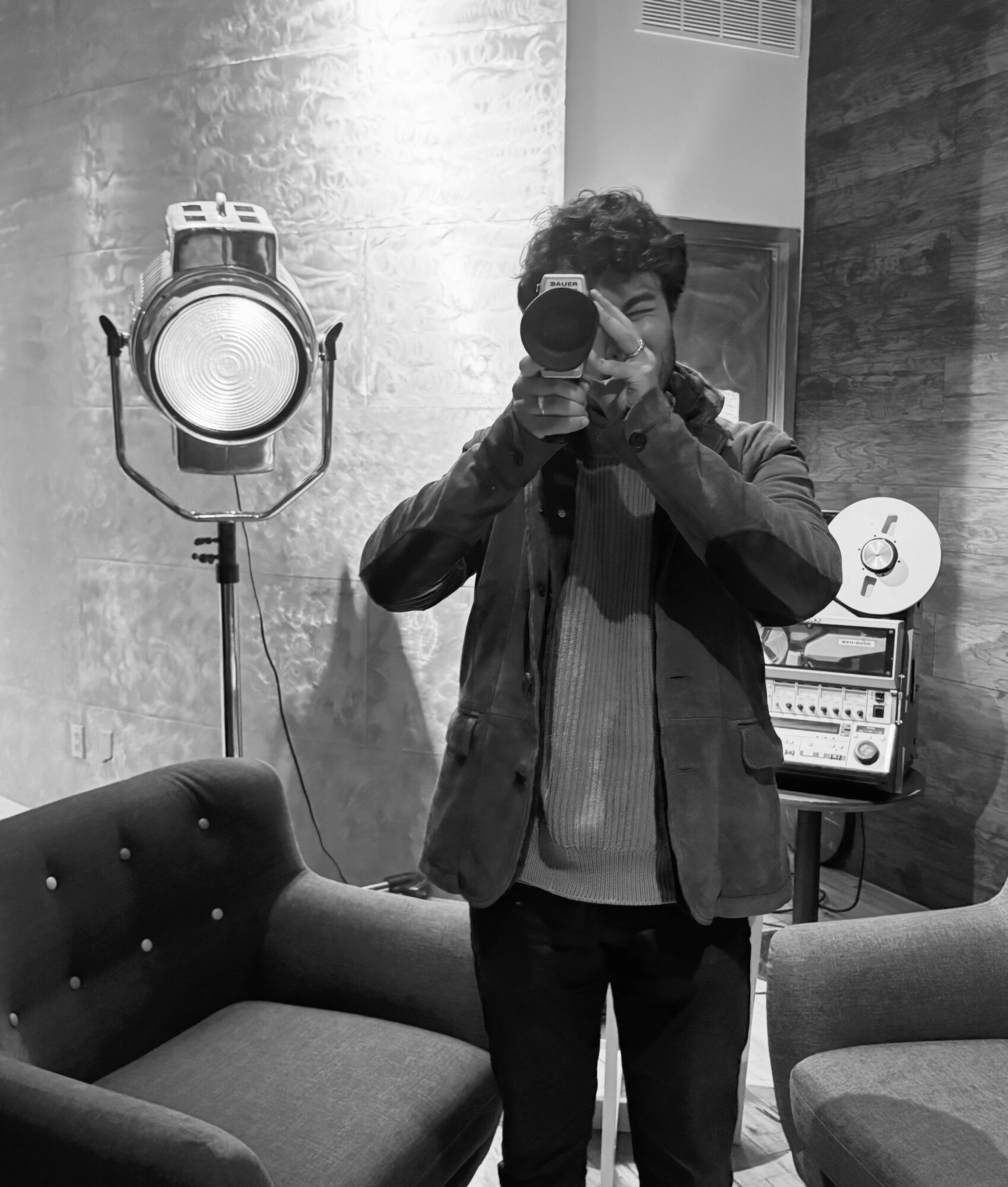
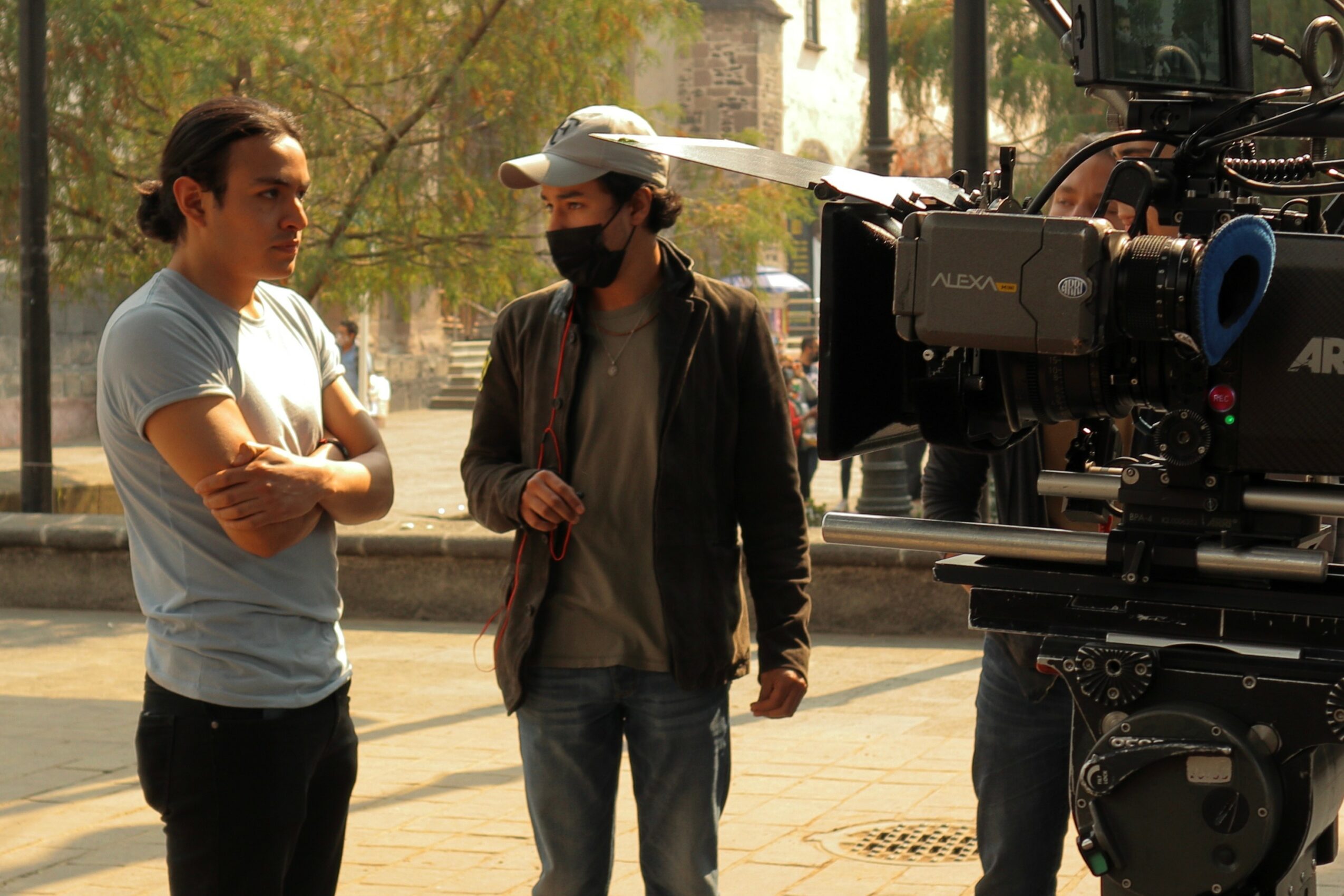
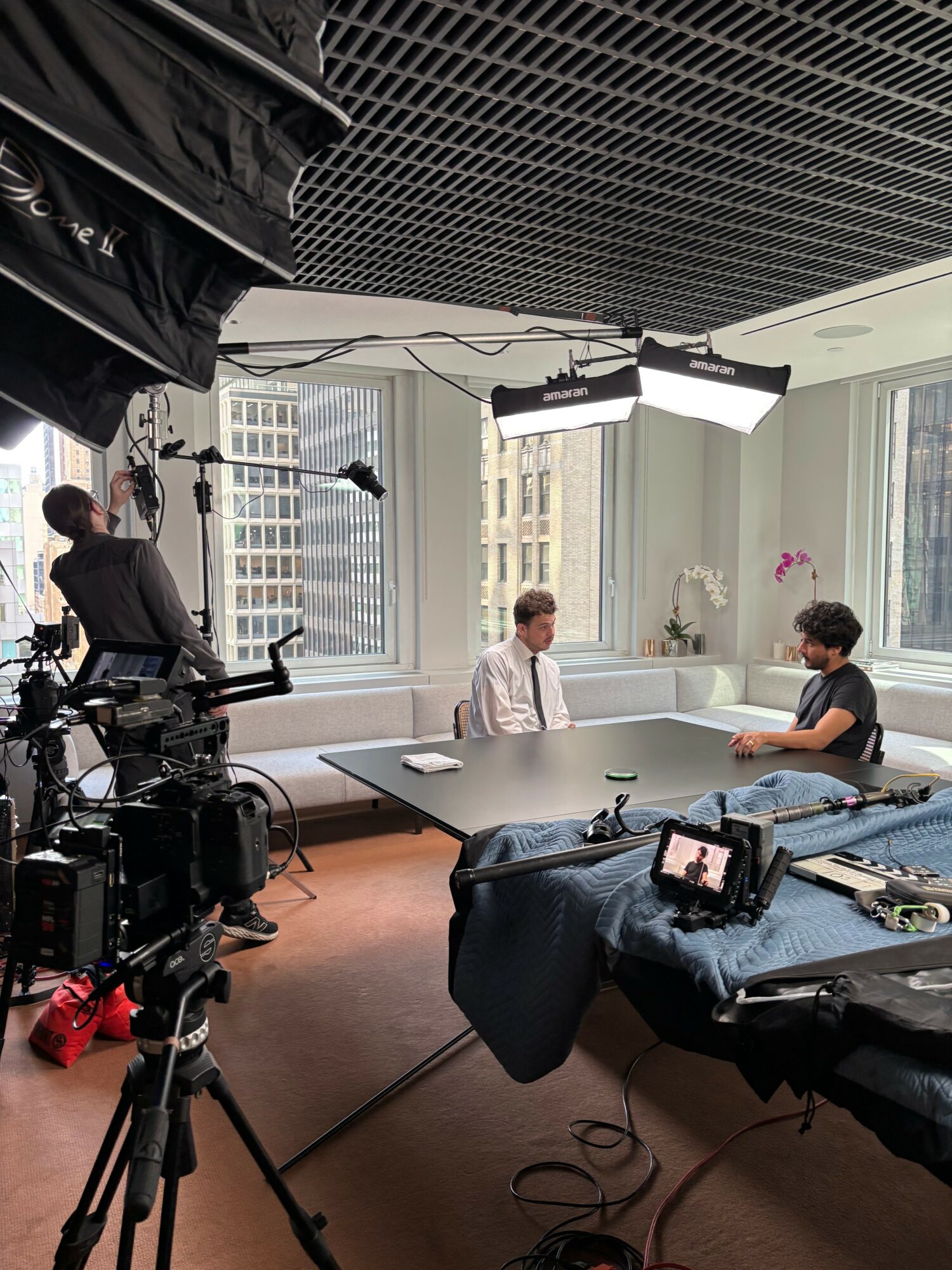
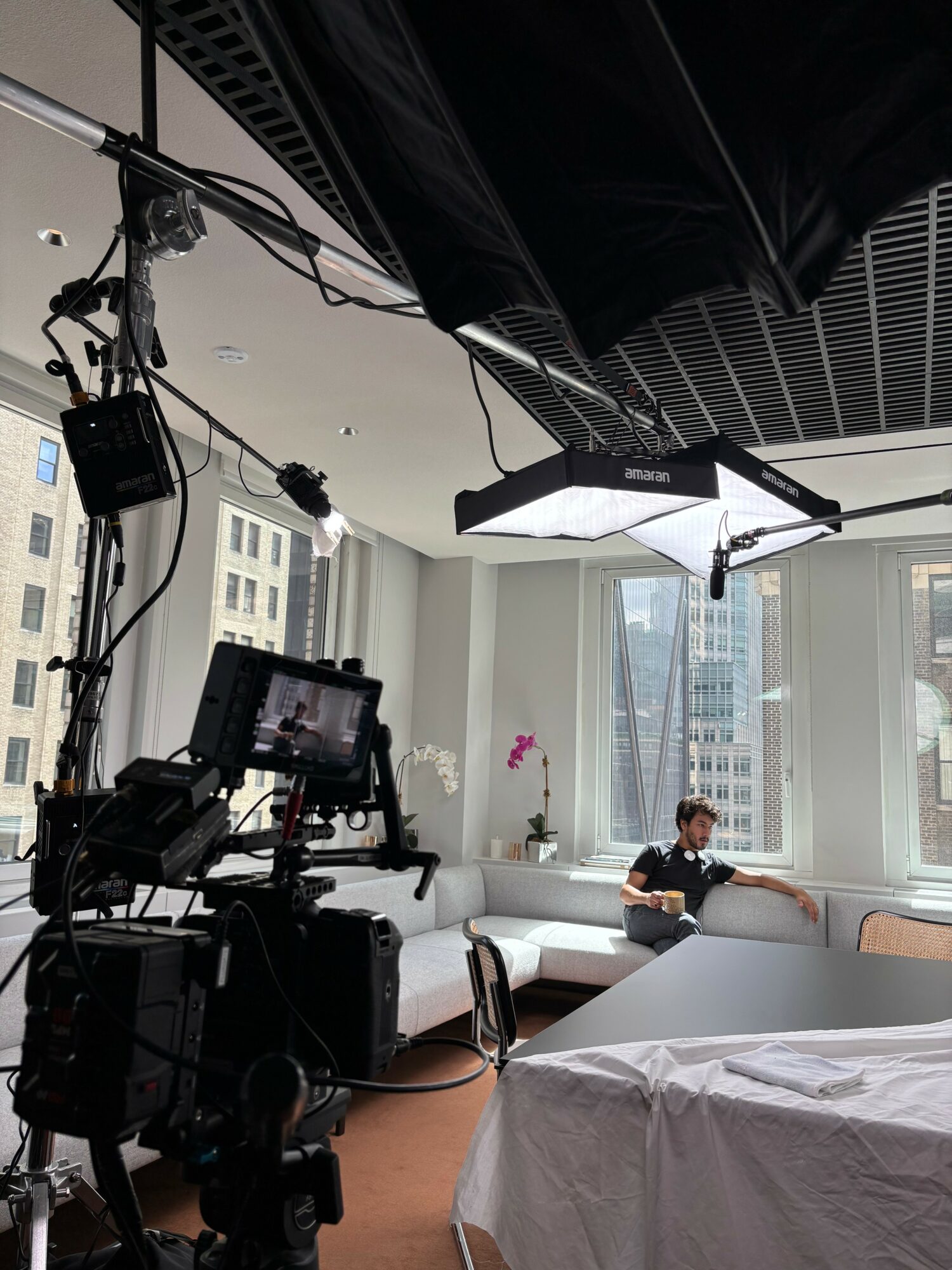
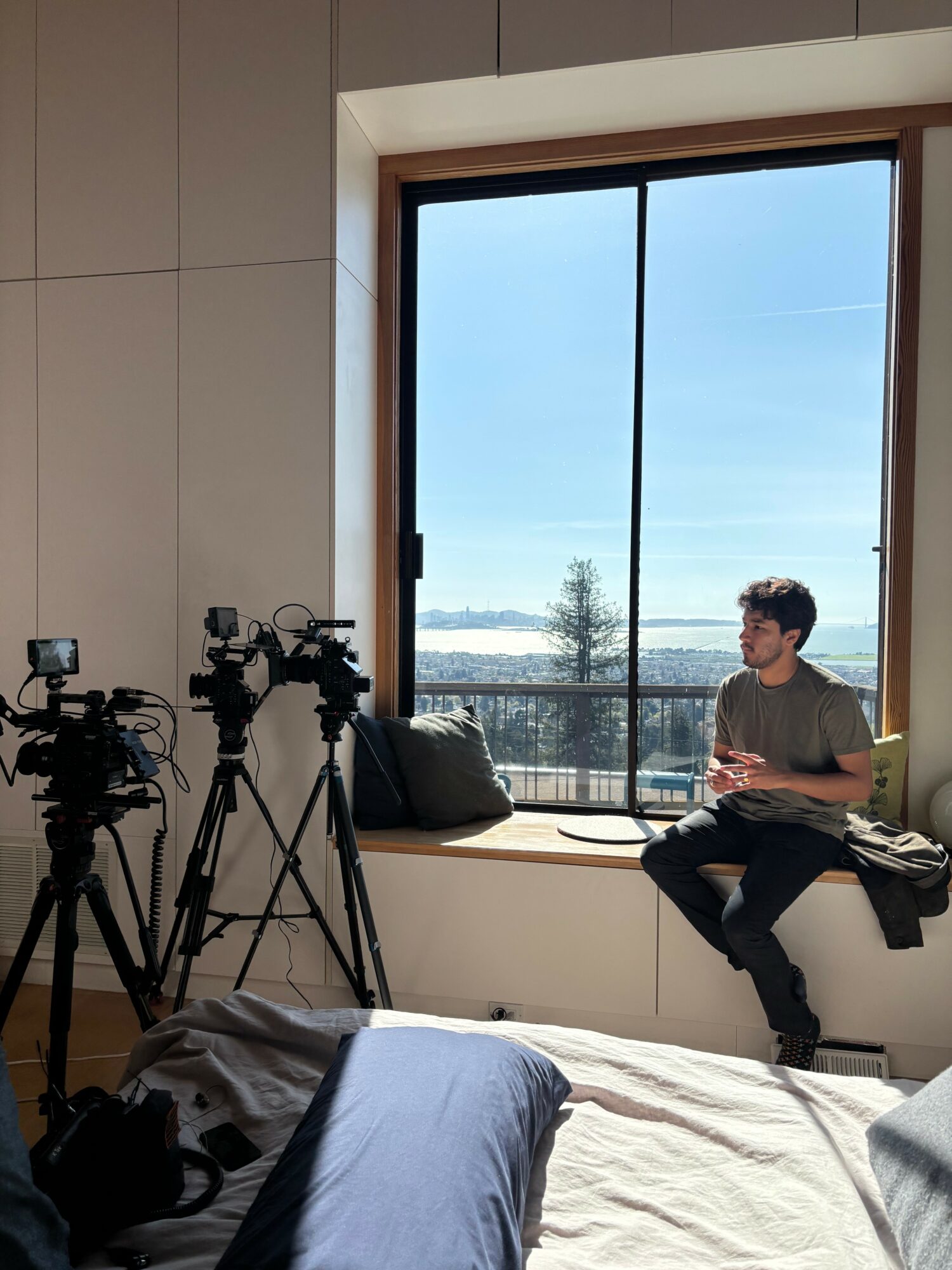
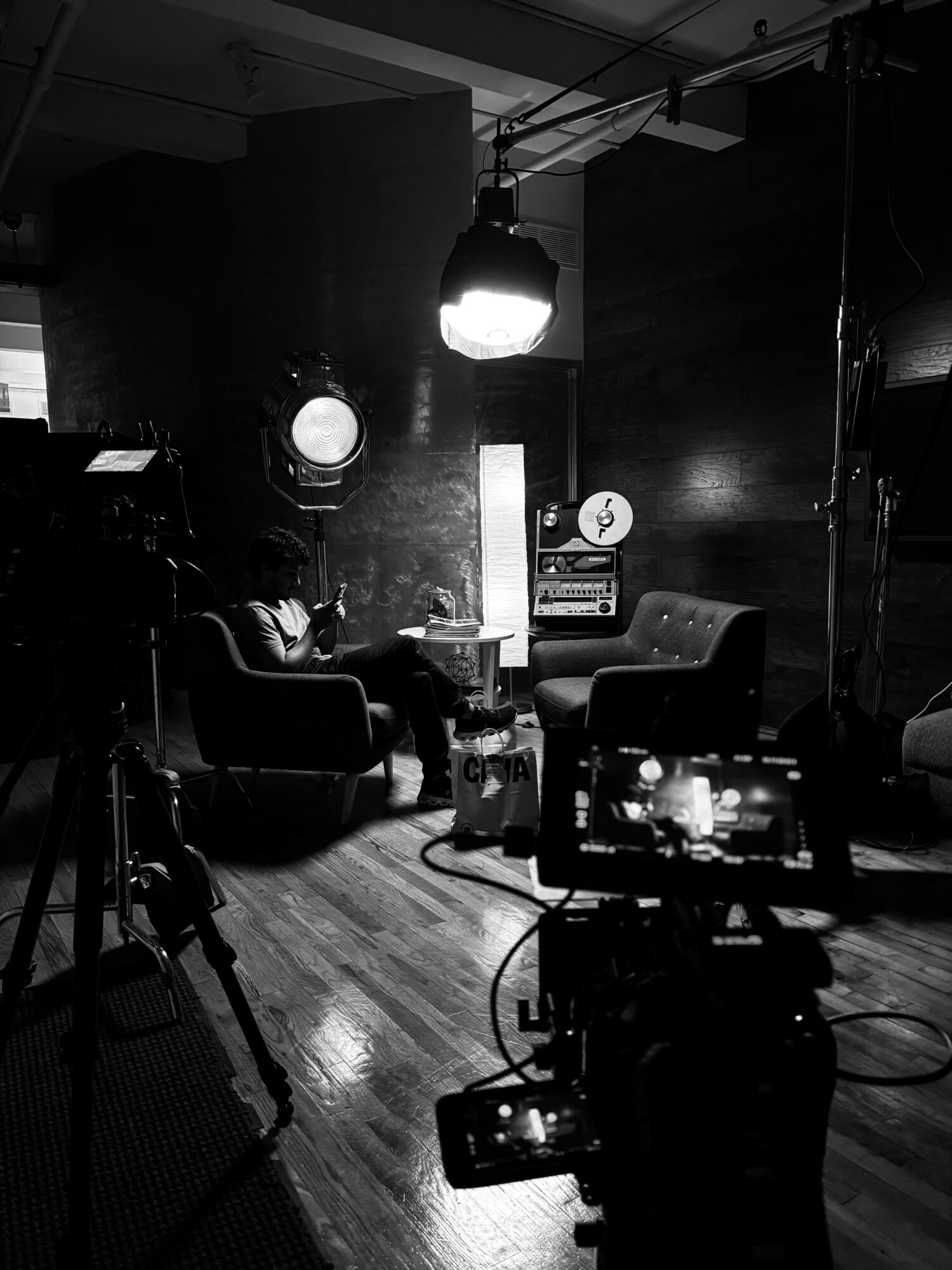
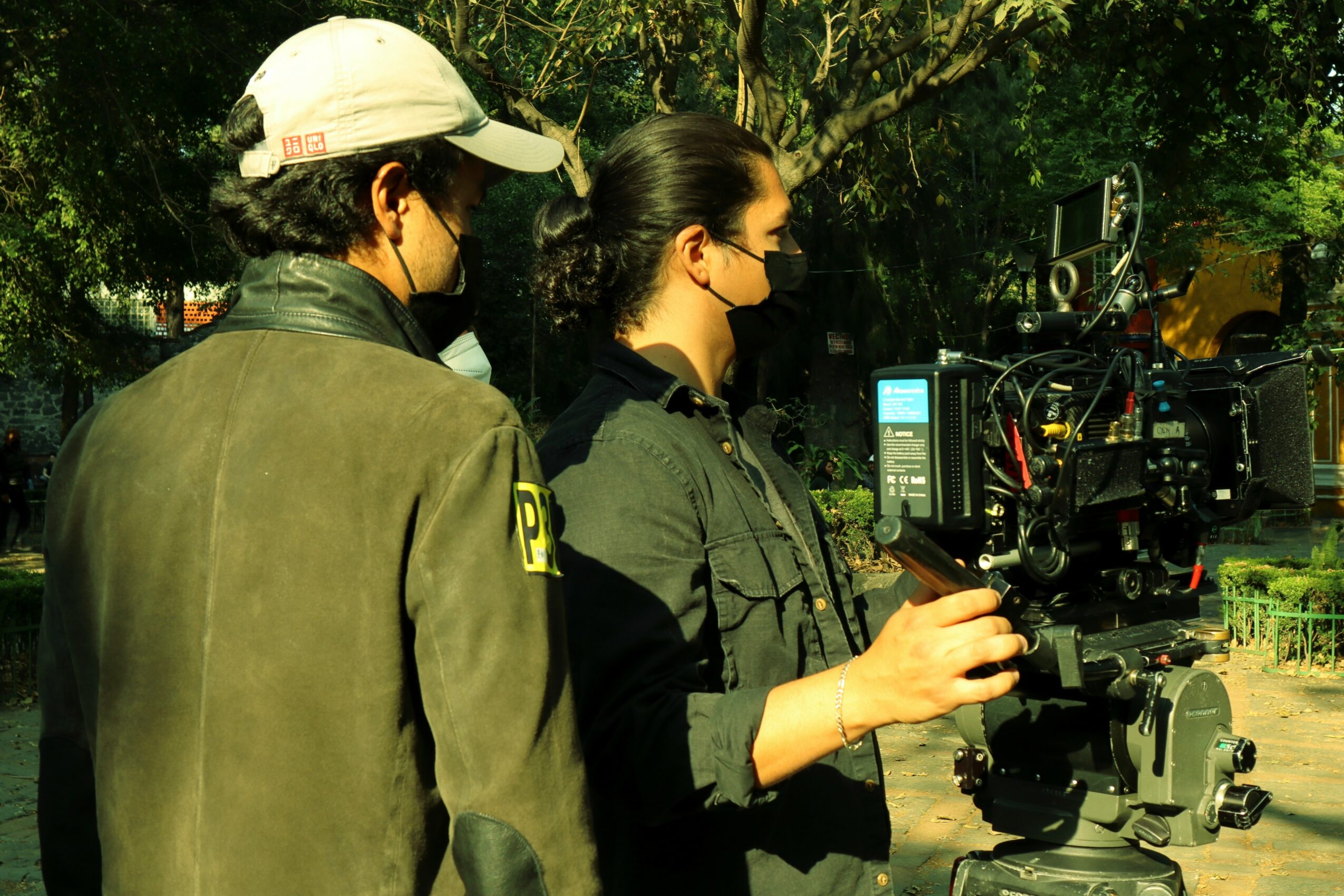
Image Credits
Alejandro Cortés, Natalia Jacott
Popular
-

Christina Wren Steps Into the Director’s Chair to Tell Stories That Feel Like Home
-

Portraits of the Valley
-

LA’s Most Inspiring Stories
-

JordanL on ‘Breathe,’ Belief, and Building a Movement Beyond the Music
-

Megan Birney Rudert on How Access to Light Is Powering a More Sustainable and Equitable Future
-

Linda Kneidinger on Building Lasting Change Through Small Steps and Self-Compassion


