




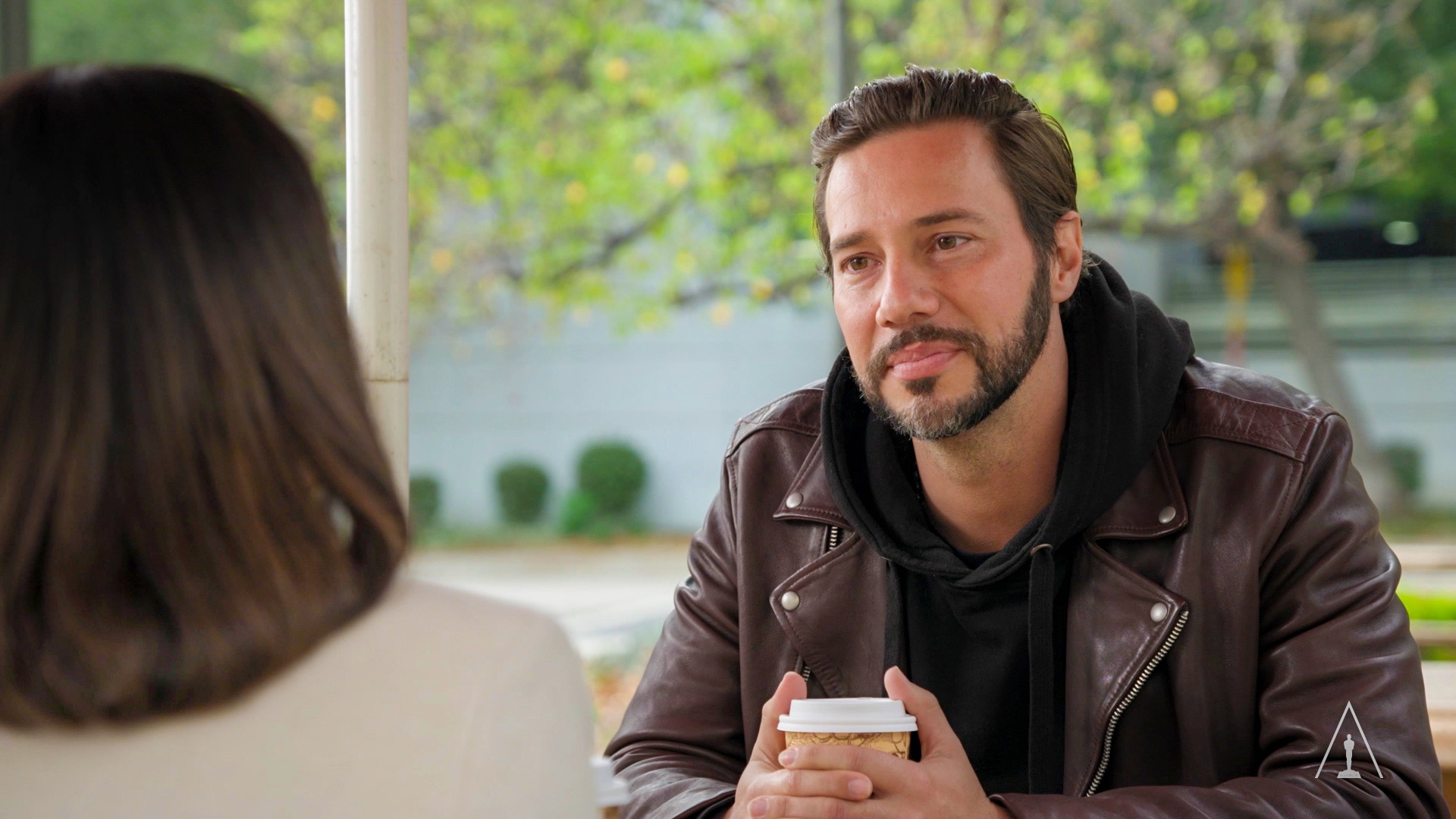
Today we’d like to introduce you to Nick Barili.
Nick, we appreciate you taking the time to share your story with us today. Where does your story begin?
My mother and I stepped off the plane from Argentina when I was eight—her Fulbright to Berkeley’s School of Journalism our one-way ticket, a suitcase full of dreams our only certainty. My first year in school was a blur of foreign sounds and faces, a world I couldn’t yet decode. I pieced together English from Hip Hop lyrics, TV reruns, and the thoughtful teachers of Malcolm X Elementary. I searched for a story like mine on television, most days, there was nothing—but every couple of years, a movie like Stand and Deliver or Mi Familia would flicker across the screen, and for a moment, I saw myself.
After a decade growing roots in the U.S., I became an “illegal alien” overnight when I turned 18 and was dropped from my mom’s visa. Occidental withdrew my scholarship because there was no DREAM Act at the time. While classmates packed for the future, I slept on a futon in my mom’s kitchen, hustling under-the-table jobs—factories, restaurants, telemarketing—haunted by depression and the threat of deportation. I know what it means to live in the shadows, to flinch at every knock, to feel everything you’ve built is one moment away from vanishing. That fear never truly leaves you—and now, with ICE raids and the criminalization of immigrants, I see my story echoed in families everywhere. My mother and I fought for political asylum; after an emotional trial, I became a resident alien, and twenty years later, a citizen. That journey forged my empathy, ambition, and sense of justice.
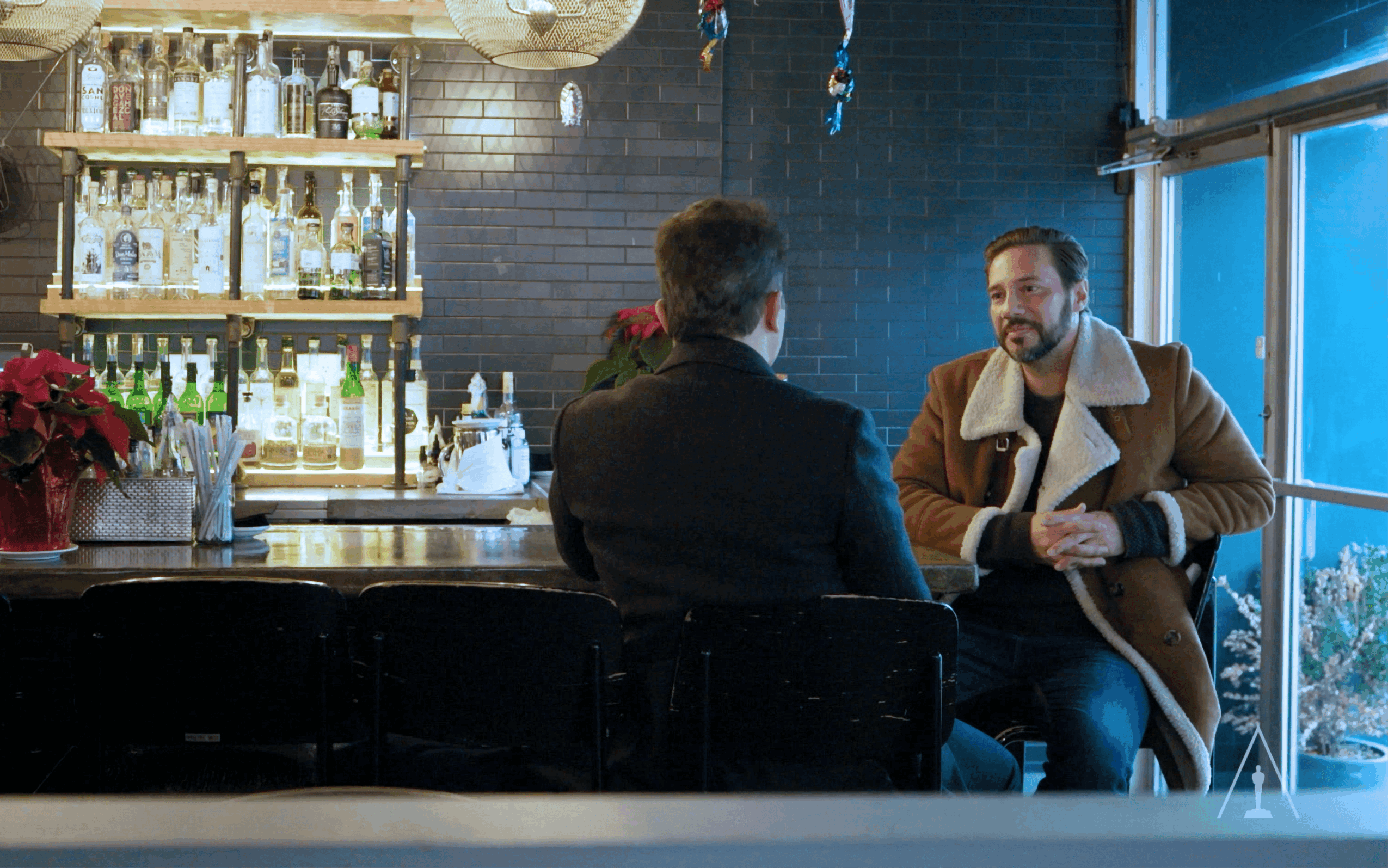
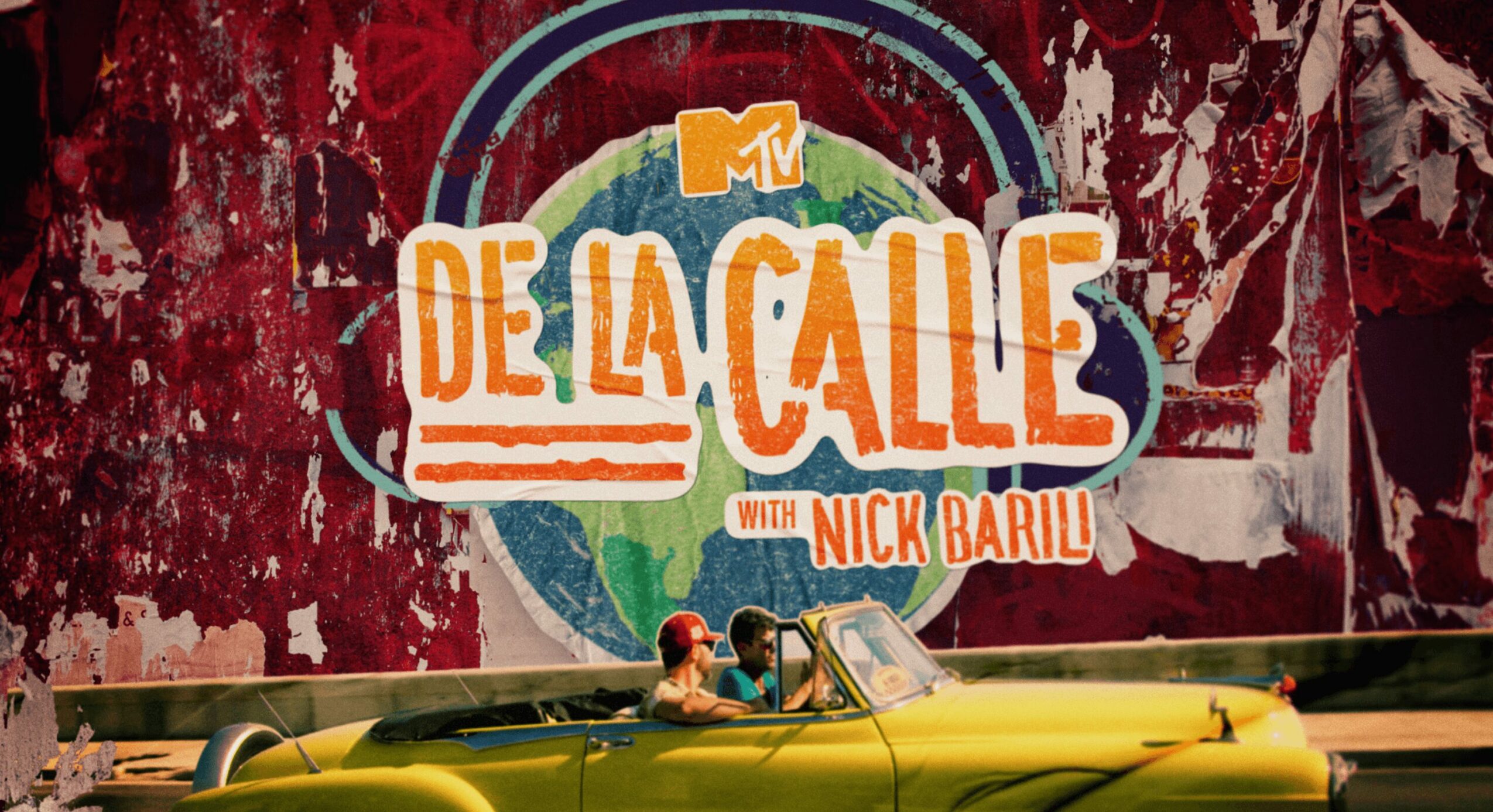
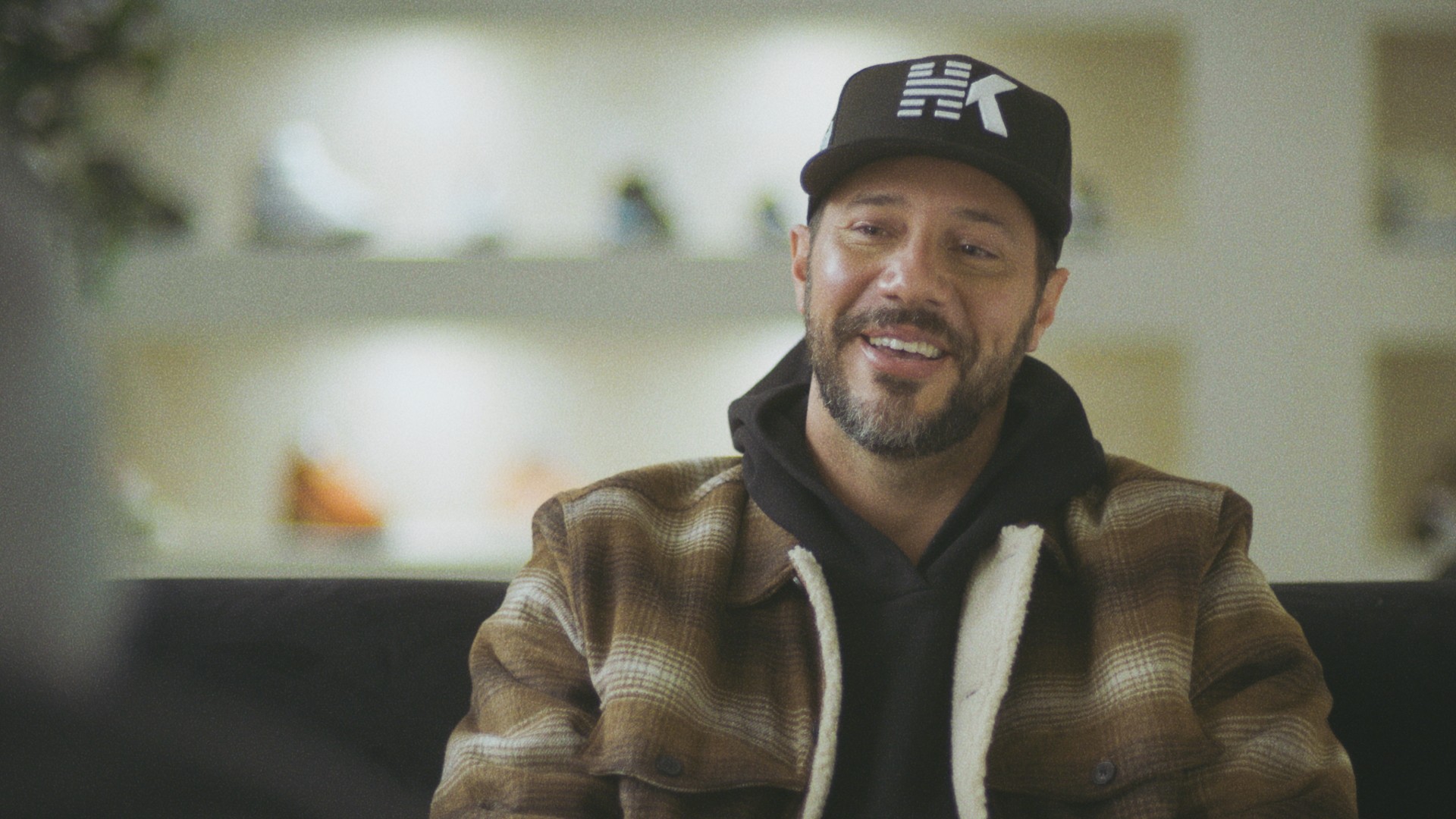
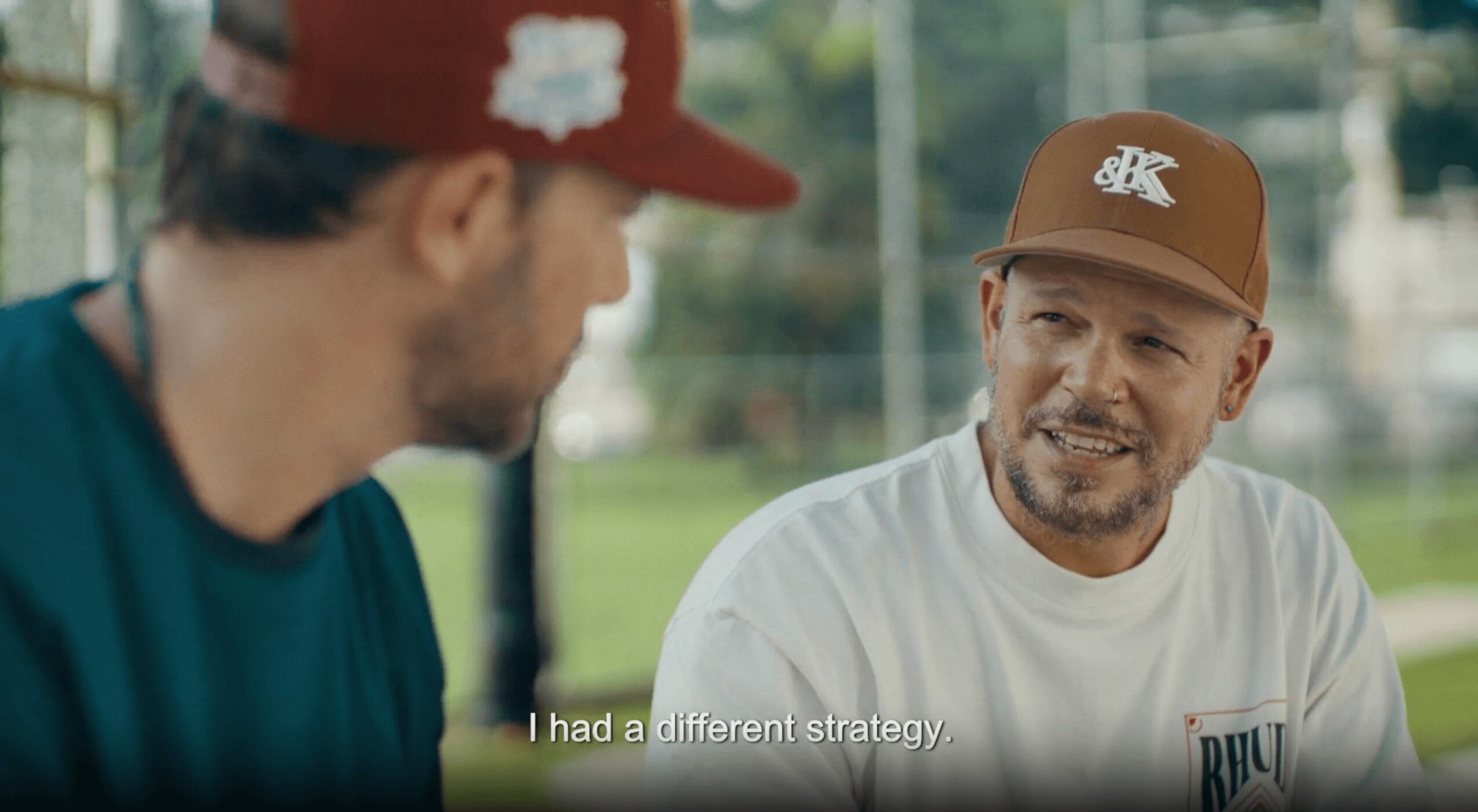
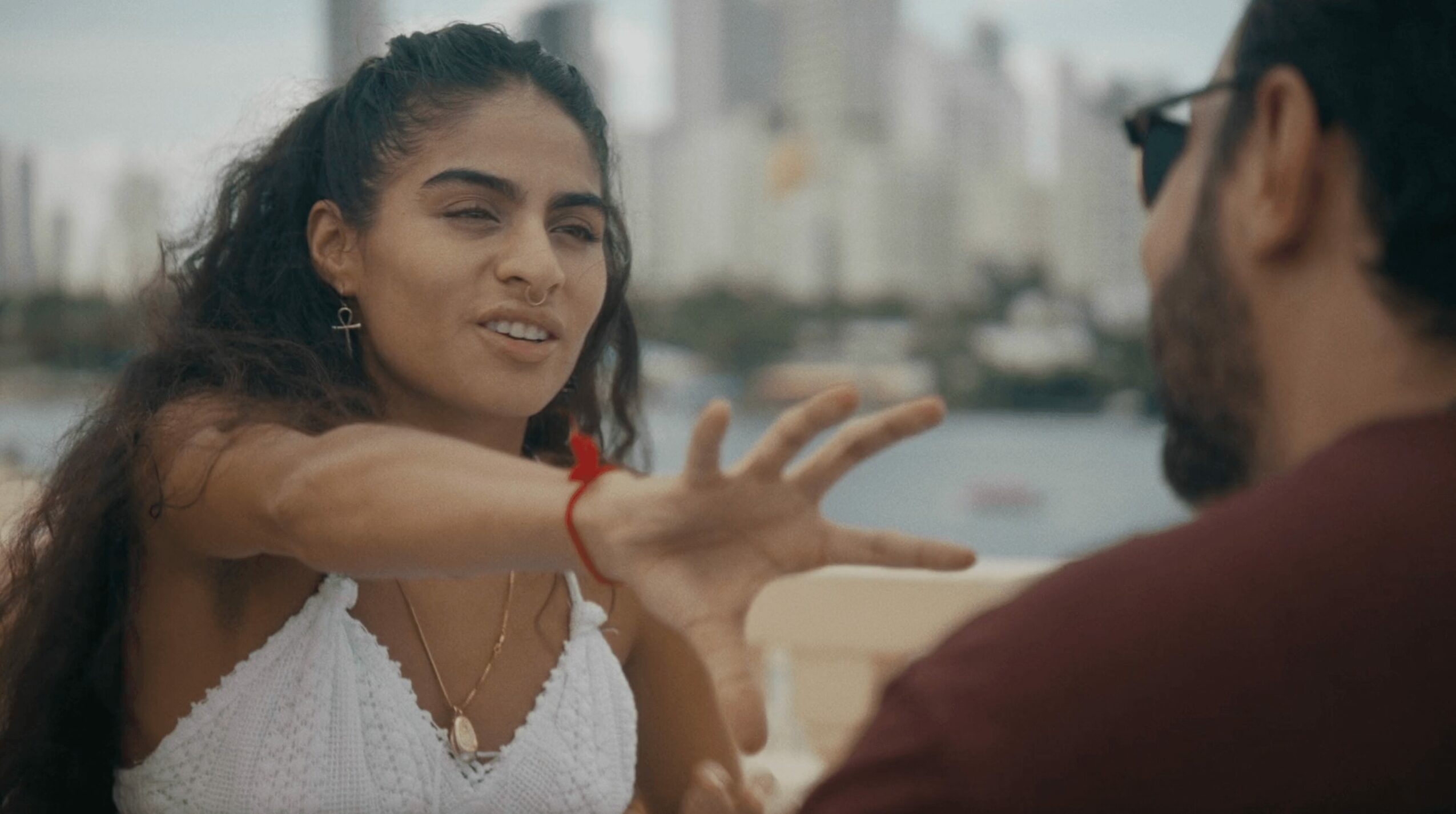
After graduating as a film major at Occidental College, Hollywood called my ideas “niche,” so I built my own lane, launching Hard Knock TV—the first Hip Hop channel on YouTube—giving a stage to artists like Kendrick Lamar and J. Cole long before they became household names. After two decades building my own platform, I sold my series De La Calle to MTV Studios, where I traveled across the Americas to sit down with voices like Residente, Feid, and Jessie Reyez to trace the roots and future of Urbano culture. I also created and hosted SEEN with the Academy, sharing intimate conversations with icons like Eva Longoria, Edward James Olmos, and John Leguizamo about representation in Hollywood.
Now more than ever, I feel a responsibility to tell stories that restore humanity to communities too often defined by other people’s fear. From De La Calle to SEEN to ALL IN, my mission is to honor my mother’s legacy of truth-telling and give our communities space to see ourselves whole. I create to build bridges, disrupt stereotypes, and remind anyone who’s ever felt unseen or out of place: you are not alone. I know firsthand the power—and the danger—of having your story told by someone else. Resilience isn’t an option, it’s survival.
I’m sure it wasn’t obstacle-free, but would you say the journey has been fairly smooth so far?
It definitely hasn’t been a smooth road. When I lost my scholarship at Occidental because of my immigration status, I went from planning my future to wondering if I even had one. I worked under-the-table jobs—factories, restaurants, telemarketing—while sleeping on a futon in my mom’s kitchen. On top of the financial strain, there was the constant fear of deportation. That kind of uncertainty weighs on you; it’s hard to dream when you’re just trying to survive.
Later, breaking into the entertainment industry came with its own set of challenges. Early on, Hollywood executives told me my ideas were “niche” and didn’t see value in stories from our communities. Rather than give up, I built my own platform from scratch—launching Hard Knock TV on YouTube before people thought a channel could be a business. There was no blueprint, no investors, just a camera, a lot of rejection, and relentless hustle.
Those struggles shaped who I am. They gave me resilience, empathy, and a deep sense of purpose. They taught me that even when the doors are closed, you can build your own. And in many ways, those same struggles prepared me to tell the kinds of stories I tell today—because I know what it feels like to be unseen.
Thanks – so what else should our readers know about your work and what you’re currently focused on?
I’m a filmmaker, journalist, and entrepreneur who’s spent the last two decades creating stories at the intersection of music, culture, and identity. I specialize in purpose-driven storytelling—whether that’s through Hard Knock TV, the first Hip Hop channel on YouTube, my award-winning docu-series De La Calle, or SEEN with The Oscars. Across all of these, my goal is the same: to restore humanity to communities too often defined by other people’s fears.
I’m known for conversations that go deeper than the headlines. On Hard Knock TV, I’ve interviewed cultural giants like Nipsey Hussle and Donald Glover at pivotal moments in their careers—capturing Nipsey talking about wealth and ownership years before it became a mainstream conversation, and Donald reflecting on identity and creativity as he crossed from music to film and television. With SEEN, I created space for icons like Eva Longoria and Edward James Olmos to reflect not just on their careers, but on their impact. Eva spoke about her journey from studying Chicano Studies at CSUN to producing stories that center our community, showing how her academic roots informed her advocacy. Mr. Olmos opened up about the Youth Cinema Project and we visited students whose lives are being changed by learning to tell their own stories through film. Those moments reminded me that storytelling isn’t just entertainment—it’s education, mentorship, and legacy.
What I’m most proud of is that these projects haven’t just entertained—they’ve been used in classrooms, sparked dialogue, and created visibility for stories that matter. What sets me apart is my perspective. As a first-generation immigrant, I navigate both the U.S. and Latin America with lived experience. I’m bilingual, bicultural, and I’ve built my career without a safety net—often creating opportunities when the system said there weren’t any. That gives me a different kind of access and empathy, and it’s why artists, executives, and audiences trust me. At the heart of it, I’m not just telling stories—I’m building bridges.
What was your favorite childhood memory?
One of my favorite childhood memories is sitting at home with the radio tuned to The Wake Up Show, my finger hovering over the cassette deck’s record button, ready to catch songs that spoke to me and add them to my pause tape. Those late nights weren’t just about collecting tracks—they were my first lessons in Hip Hop, language, and storytelling. Looking back, it feels like training for what I do now: listening deeply, preserving culture, and sharing it with others.
Contact Info:
- Instagram: https://www.instagram.com/nicolasrbarili/
- Youtube: https://www.youtube.com/hardknocktv
Popular
-

LA’s Most Inspiring Stories
-
JordanL on ‘Breathe,’ Belief, and Building a Movement Beyond the Music
-
Megan Birney Rudert on How Access to Light Is Powering a More Sustainable and Equitable Future
-

Linda Kneidinger on Building Lasting Change Through Small Steps and Self-Compassion
-

Jolana Nika on Redefining Modern Connection Through Intentional, Real-Life Experiences
-
What did suffering teach you that success never could?


