




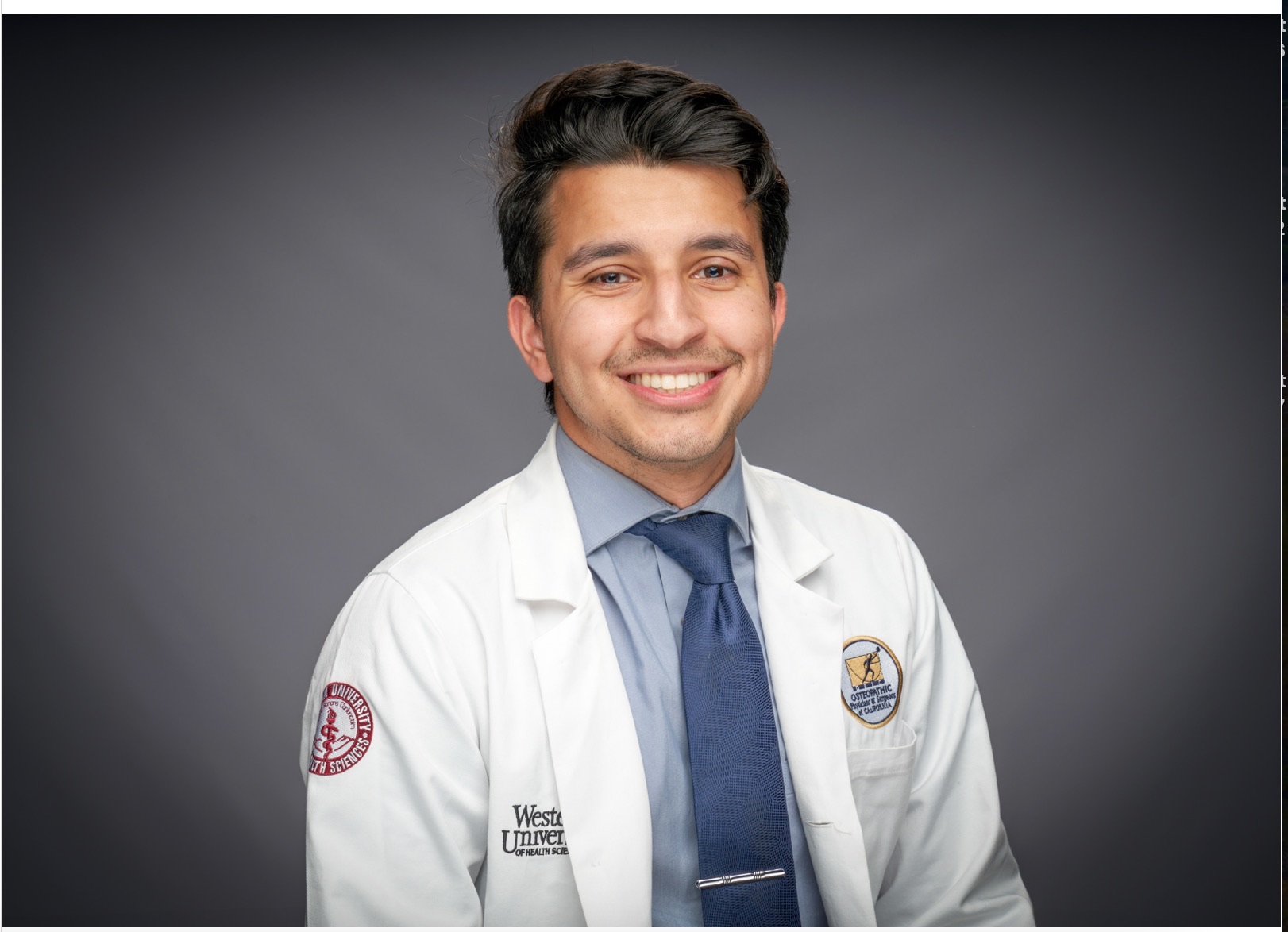
Today we’d like to introduce you to Zubair Ahmed.
Hi Zubair, can you start by introducing yourself? We’d love to learn more about how you got to where you are today?
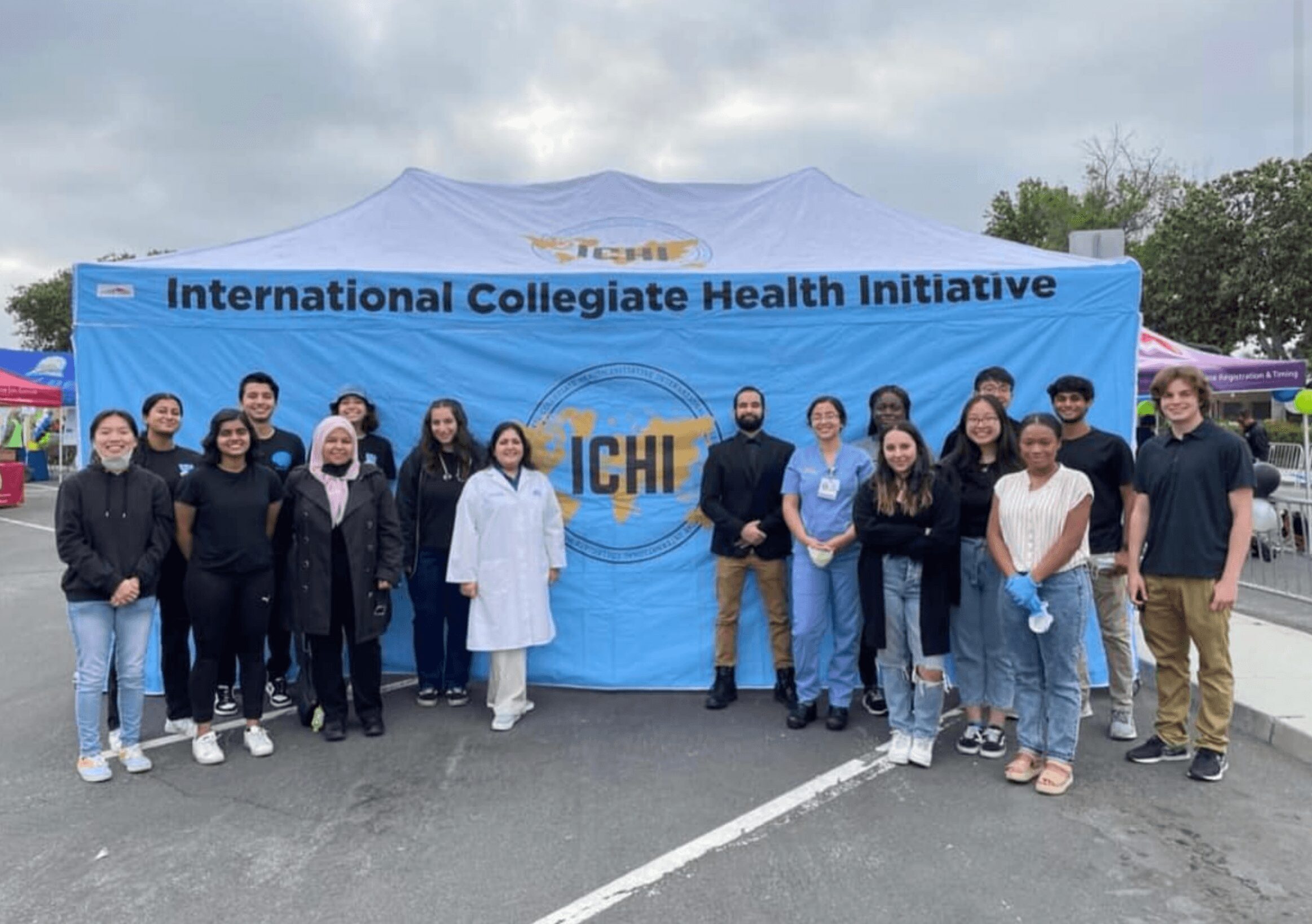
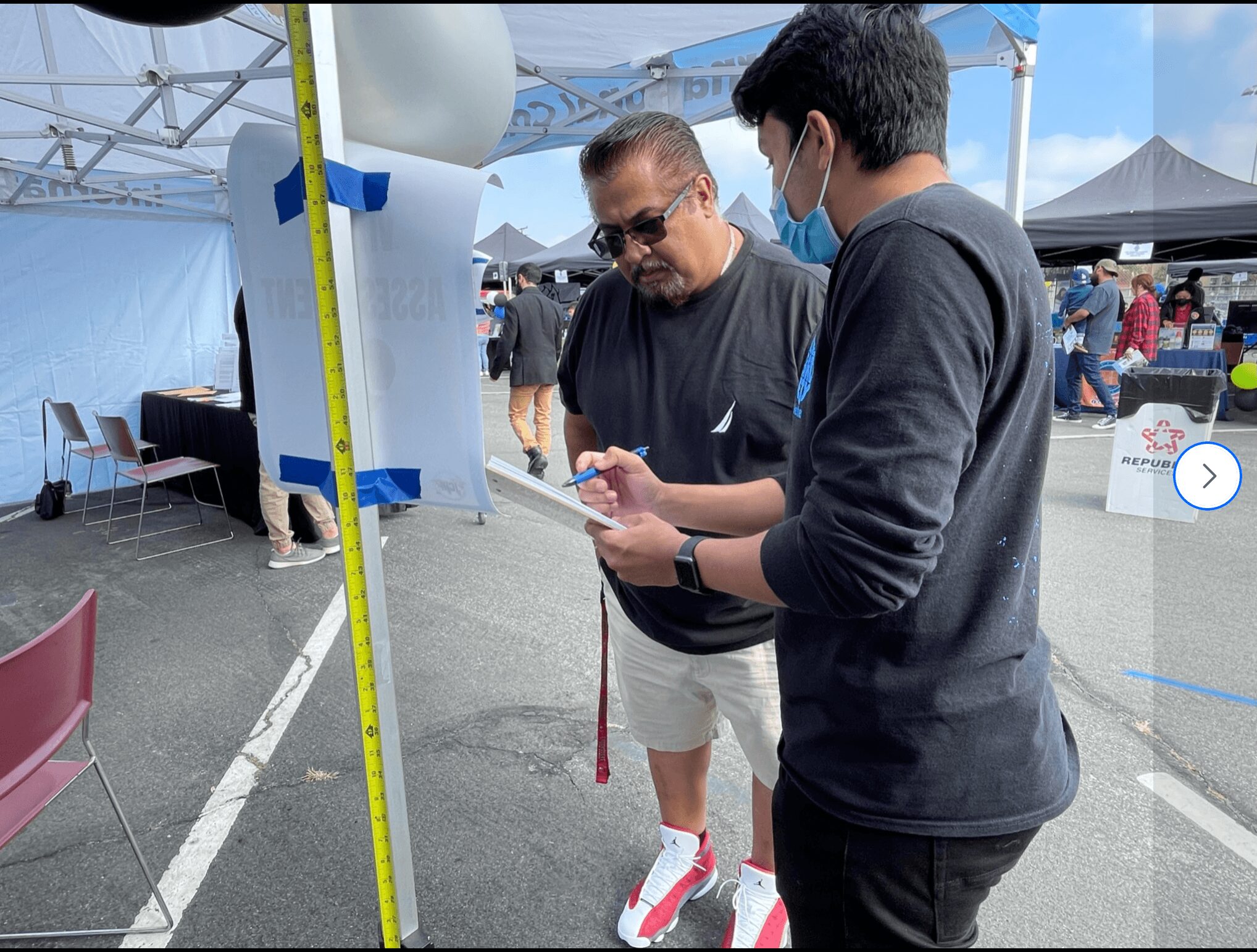
Since joining the International Healthcare Organization in 2020 and serving as Director of Operations, I have grown deeply committed to public health and the needs of underserved populations. At IHO, a nonprofit based in Los Angeles, our mission is to deliver high-quality medical care to those who cannot afford it—particularly low-income, multicultural, homeless, immigrant, and refugee communities—through initiatives like mobile clinics, telehealth services, and community-driven social advocacy. Leading operations, I witnessed firsthand how structural challenges—such as unstable housing, food insecurity, and language barriers—amplify health inequities. This experience sharpened my resolve to bridge gaps in care and inspired me to pursue medicine with a focus on dismantling systemic barriers and ensuring equitable access to health care for all.
Transitioning into the role of Board Advisor deepened my perspective on public health leadership and advocacy. Through strategic planning and community engagement, I’ve been part of co-designing integrated services that address both physical and mental health, recognizing their syndemic interactions—especially within homeless populations facing multiple comorbidities. This taught me that advocating effectively for underserved communities requires foresight, interdisciplinary collaboration, and a persistent commitment to health equity. My involvement with IHO has not only shaped my clinical aspirations but profoundly influenced my vision: to be a physician who doesn’t merely treat illness but also champions community empowerment, systemic change, and holistic, culturally conscious care.
I’m sure it wasn’t obstacle-free, but would you say the journey has been fairly smooth so far?
It definitely hasn’t been a smooth road. One of the biggest challenges I faced early on was learning how to balance the logistical demands of running an organization with the human side of healthcare. As Director of Operations, I was often confronted with limited resources and had to make difficult decisions on how to allocate time, funding, and volunteers to reach the greatest number of people in need. It was humbling to realize that even with the best intentions, we couldn’t solve every problem at once. At times, the weight of these limitations felt discouraging. What helped me overcome this challenge was shifting my perspective—from focusing on what we couldn’t do, to recognizing the meaningful impact of what we were accomplishing. Celebrating small victories, like expanding mobile clinics or connecting one family to long-term care, reminded me of the value of persistence and creativity in overcoming systemic barriers.
Another struggle was learning how to amplify the voices of underserved communities while avoiding the trap of speaking for them. Early in my leadership, I sometimes focused too heavily on operational efficiency without always centering the lived experiences of the people we were serving. Over time, I learned to slow down, listen more intentionally, and involve community members in shaping our programs. By adopting this more collaborative approach, not only did our services become more impactful, but I also grew as a leader—realizing that true advocacy means building with communities, not simply delivering care to them.
Finally, I faced personal challenges with balancing my role at the organization with my academic and career goals. There were moments where the workload felt overwhelming, and I questioned whether I could handle both. What carried me through was my deep conviction in the mission, along with the support of mentors and colleagues who reminded me of the long-term vision: that these challenges were shaping me into the kind of physician I aspire to become—resilient, compassionate, and steadfast in advocating for public health and equity.
Appreciate you sharing that. What else should we know about what you do?
In my work with the International Healthcare Organization, I have specialized in operational leadership and strategic program development for underserved communities. As Director of Operations, and now as a Board Advisor, I focused on building systems that increased access to care for vulnerable populations—including individuals experiencing homelessness, immigrants, and refugees. I became known for bringing structure and scalability to our programs, ensuring that mobile clinics, telehealth services, and community-based initiatives were sustainable and impactful. Beyond logistics, my role emphasized advocacy, bridging the gap between healthcare providers and the communities we served.
What I am most proud of is helping the organization grow in a way that centered equity and inclusivity. By developing partnerships, streamlining operations, and ensuring that community voices shaped our programs, I contributed to initiatives that not only delivered care but also empowered patients to engage in their own health journeys. I take pride in fostering collaboration across disciplines and in finding innovative solutions despite limited resources.
What sets me apart is my ability to merge organizational leadership with a deep commitment to public health advocacy. I approach challenges with both a systems-level perspective and an appreciation for the individual patient experience. This dual lens—seeing both the broader structural barriers and the personal impact of care—is something I plan to carry forward as a physician. It allows me to think strategically about sustainable solutions while never losing sight of the human beings at the center of the work.
What quality or characteristic do you feel is most important to your success?
The quality I believe has been most important to my success is adaptability. Working in public health and organizational leadership, I quickly learned that circumstances can change unexpectedly—whether it’s limited funding, shifting community needs, or unforeseen barriers in delivering care. Adaptability allowed me to stay focused on our mission while finding creative solutions in the face of challenges. It meant being open to new perspectives, adjusting strategies when necessary, and maintaining resilience when initial plans did not unfold as expected.
Equally important, adaptability has enabled me to connect with diverse communities in a meaningful way. Every patient population has unique cultural, social, and structural realities, and being adaptable has allowed me to listen closely, adjust my approach, and build trust. This quality has not only strengthened my leadership but has also reinforced my commitment to becoming a physician who can navigate complex systems while advocating effectively for patients and communities alike.
Contact Info:
Popular
-

Portraits of the Valley
-

LA’s Most Inspiring Stories
-

Matthew Hill on Turning Holiday Rituals into Haunting, Habit-Forming Storytelling with Long Winter Nights
-

Linda Villines on Releasing Stored Struggle and Reclaiming Ease Through the Body
-

Candice Swanson on Honoring the Sacred Early Days of Motherhood Through Intentional Photography
-

Michael Johnson on Telling Untold Stories of Identity and Leadership Through SQUAD


