




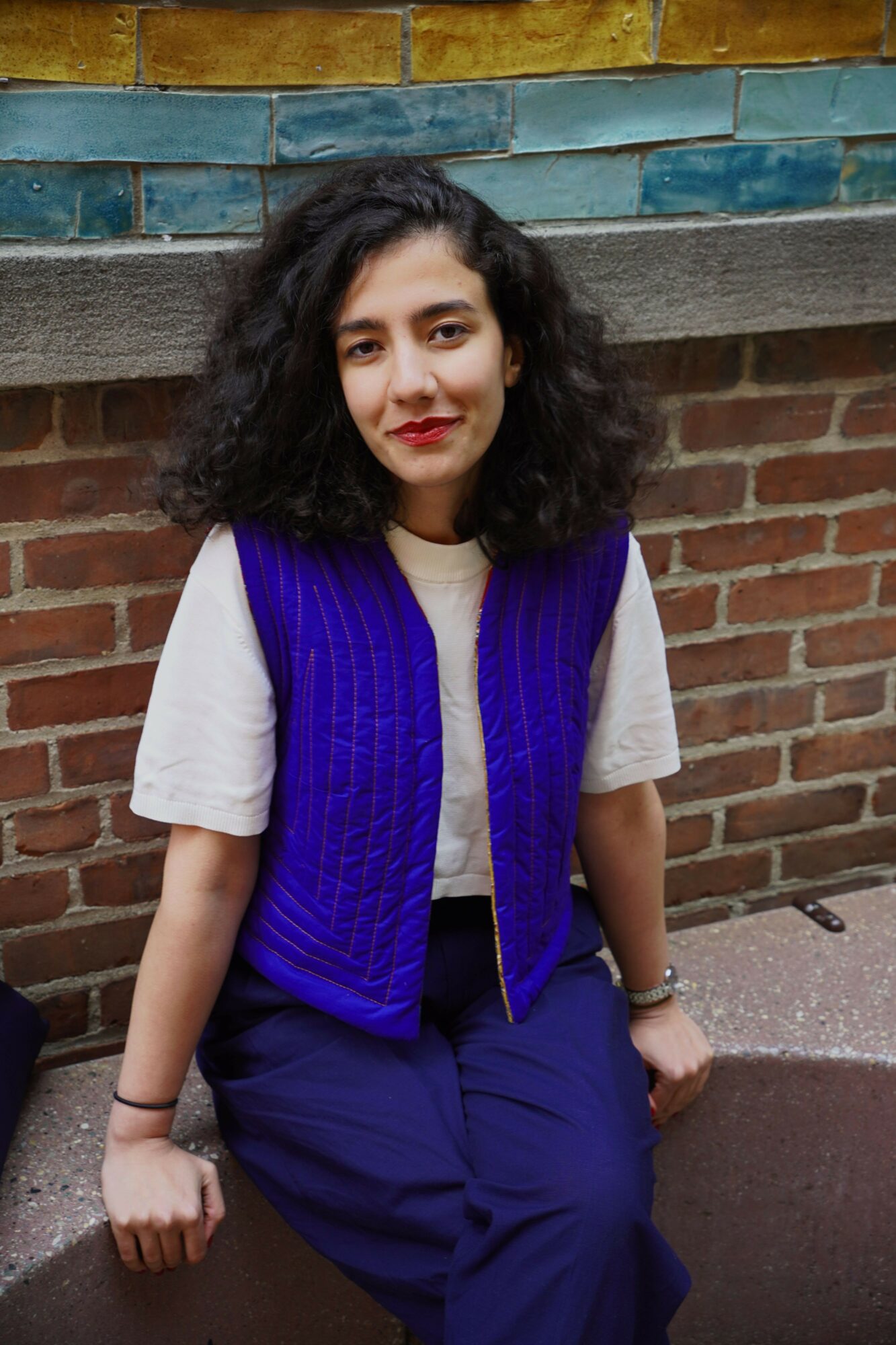
Today we’d like to introduce you to Maedeh Tafvizi.
Hi Maedeh, can you start by introducing yourself? We’d love to learn more about how you got to where you are today?
I was born in Isfahan, Iran, where I grew up surrounded by the rhythm of traditional Iranian life; tiled courtyards, carpets being shaken out, my mother’s daily gestures that somehow felt choreographed. None of it was labeled “art” back then, but all of it shaped the way I started to understand space, repetition, and form.
I studied Islamic Art during my BA, mostly out of curiosity; ceramics felt familiar and distant at the same time. I didn’t know then that it would become my medium. Years later, I moved to the U.S. for grad school and earned my MFA in Ceramics at RISD. That experience shifted everything. It gave me both tools and space to think more critically about where I come from, and how that shows up in what I make.
My practice today is rooted in clay but also branches out- sometimes through 3D printing, sometimes through writing or collaborative projects. I make large-scale installations that deal with memory, grief, and repetition; often using Egyptian paste and low-fire techniques. I also teach and manage ceramic studios. These parts of my life feed into each other. I’m interested in building systems and spaces that support experimentation and community.
There hasn’t been a single breakthrough moment. My path has been shaped by navigating multiple homes, languages, and responsibilities. Some days I feel like I’m starting over. But I keep moving !
Alright, so let’s dig a little deeper into the story – has it been an easy path overall and if not, what were the challenges you’ve had to overcome?
Definitely not a smooth road. I moved to the U.S. to attend RISD which had been my dream school for years. Getting accepted was a huge moment for me, something I had worked toward for a long time. It wasn’t a smooth transition, though. Even with the admission in hand, moving countries, starting over, and leaving everything familiar behind was a huge emotional and logistical shift.
RISD ended up being a turning point not just professionally, but personally. It gave me space to reframe what ceramics could be, and to build a practice that’s both experimental and deeply connected to my background. But even during that time, I was constantly working balancing jobs, classes, and the emotional weight of being far from home.
Since graduating, the pressure hasn’t really let up. I’ve been managing ceramic studios, teaching, developing my own projects, and dealing with the complexities of the U.S. immigration system all while trying to maintain a studio practice. That means dealing with constant deadlines, limited stability, and the reality that any shift in my legal status could change everything.
Being an Iranian artist in the U.S. also means operating across multiple cultural frameworks. I’m often translating not just language, but values, metaphors, even material sensibilities. That can be isolating, but it’s also what pushes my work to go deeper.
So no, it hasn’t been smooth. But it’s been honest. And I’ve learned to let the instability shape the work, rather than stop it.
Thanks for sharing that. So, maybe next you can tell us a bit more about your work?
My work sits at the intersection of material, memory, and architecture. I’m a ceramic artist, educator, and studio manager but at the core, I work with clay to explore how bodies hold memory and how space can carry emotion. I specialize in low-fire techniques like Egyptian paste, a self-glazing ancient ceramic material that allows for delicate, porous surfaces. It’s both fragile and persistent which feels conceptually important to the kind of stories I’m trying to tell.
I often work in large-scale installations that combine ceramics with architectural references and textile rhythms. One of my ongoing concerns is how repetition, failure, and repair show up in both materials and in life especially in diasporic experiences. My pieces aren’t meant to be perfect objects; they carry cracks, seams, and evidence of the hand. I’m less interested in “mastery” and more in the honesty of process.
I’ve shown work nationally and internationally, including upcoming exhibitions at the Sharjah Islamic Arts Festival in 2026 and the Tallinn Design Festival in Estonia. I’ve also contributed to publications and academic platforms not just as an artist, but as someone thinking about ceramics as a form of language and cultural labor.
I’m proud of the fact that I’ve built this practice while managing real-life limitations immigration pressure, financial instability, and the realities of living between systems. I don’t take for granted the ability to keep working. What maybe sets me apart is that my work doesn’t try to neatly translate one culture into another instead, it holds space for friction, layering, and in-betweenness.
We all have a different way of looking at and defining success. How do you define success?
To be honest, I’ve never really liked the word success. It feels too tied to outside approval or a fixed idea of achievement. I think for me, it’s more about how I live not just what I accomplish.
If I can stay honest with myself, build relationships that feel mutual, and keep learning even when things are uncertain that’s enough. Being able to move through the world with curiosity, care, and some level of self-respect matters more to me than hitting a certain milestone or title.
I don’t think “success” is something you arrive at. It’s more about how you continue.
Contact Info:
- Instagram: @maedetafvizi
- LinkedIn: https://www.linkedin.com/in/maede-tafvizi-385732158/
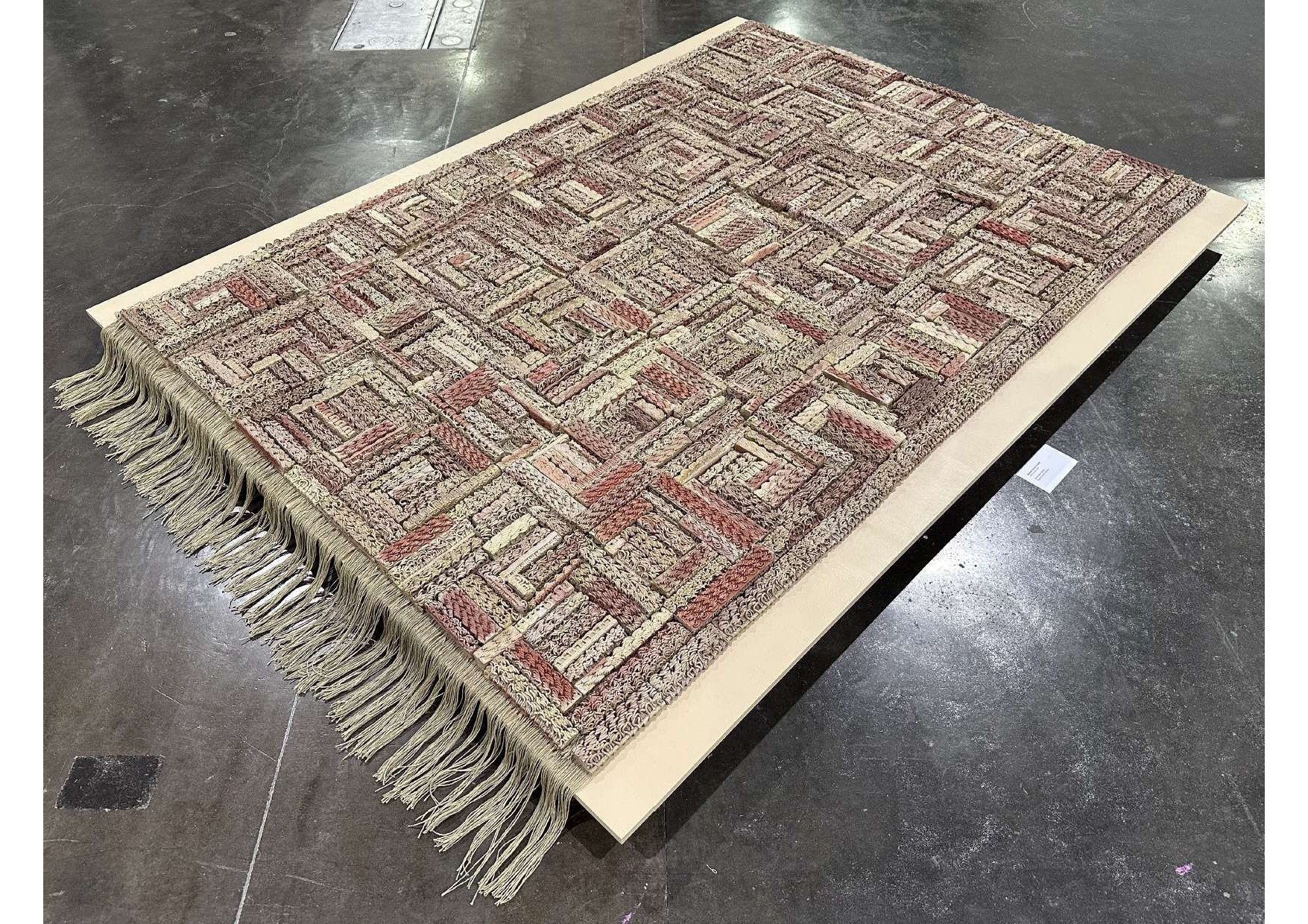
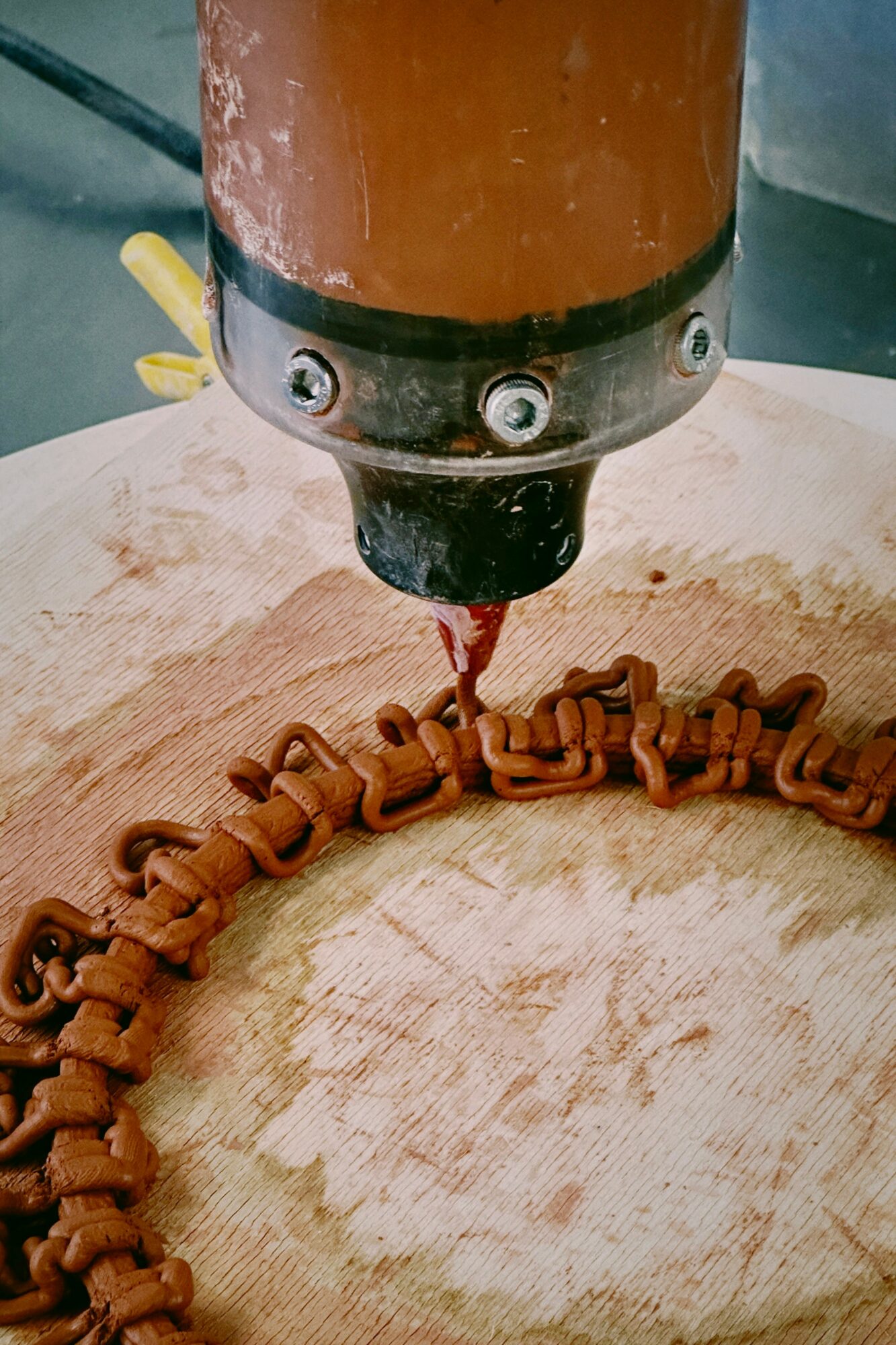
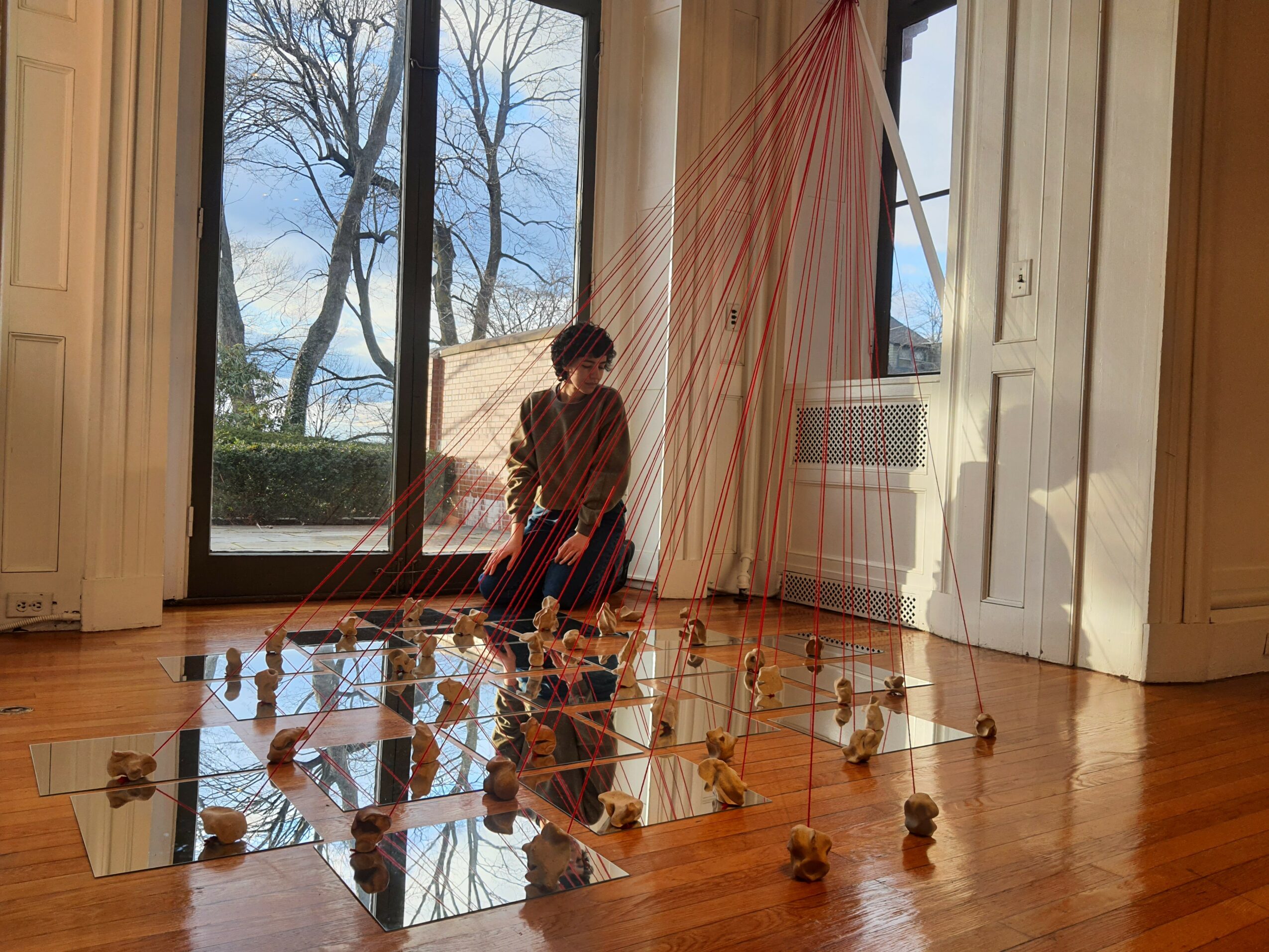
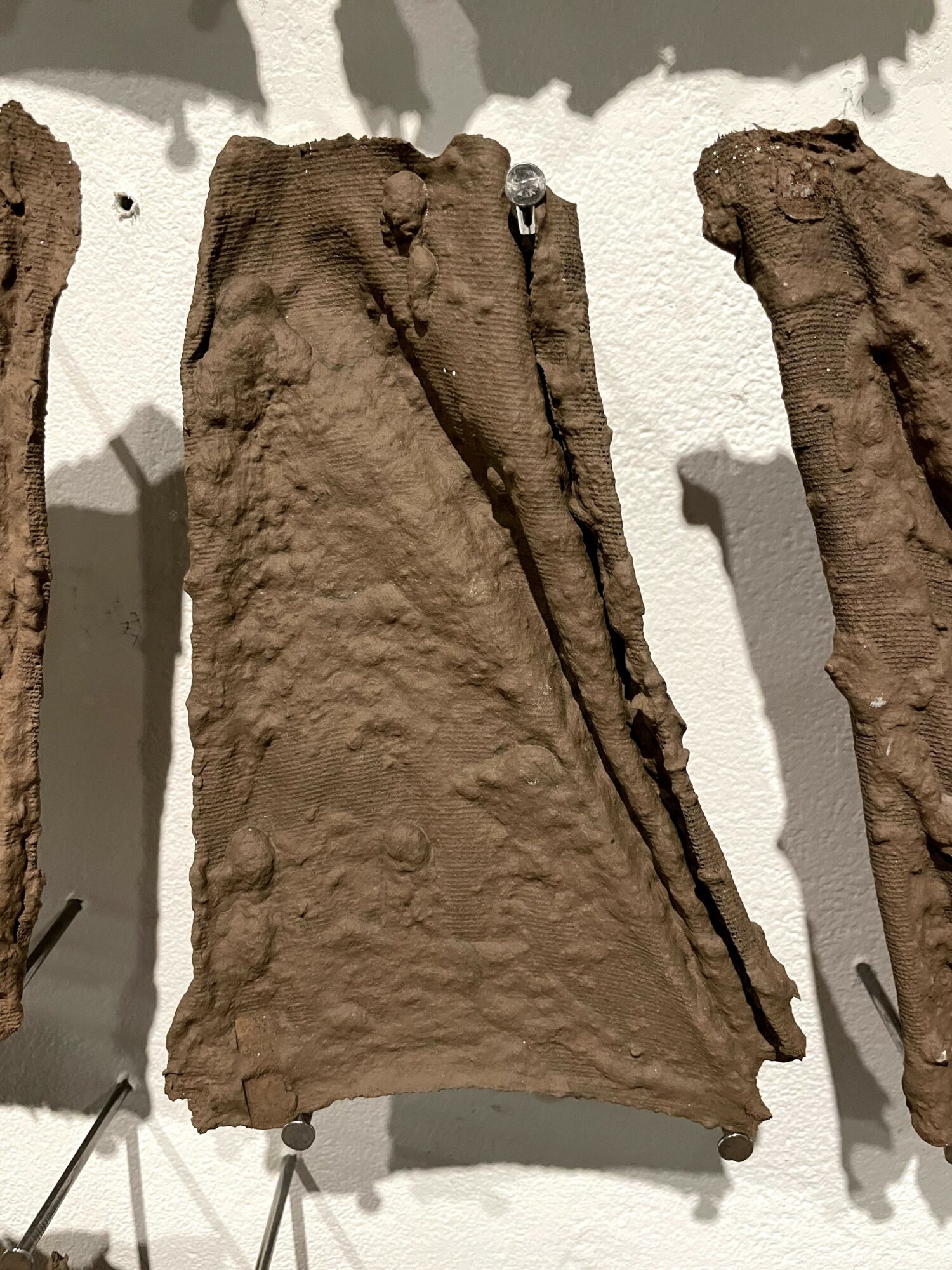
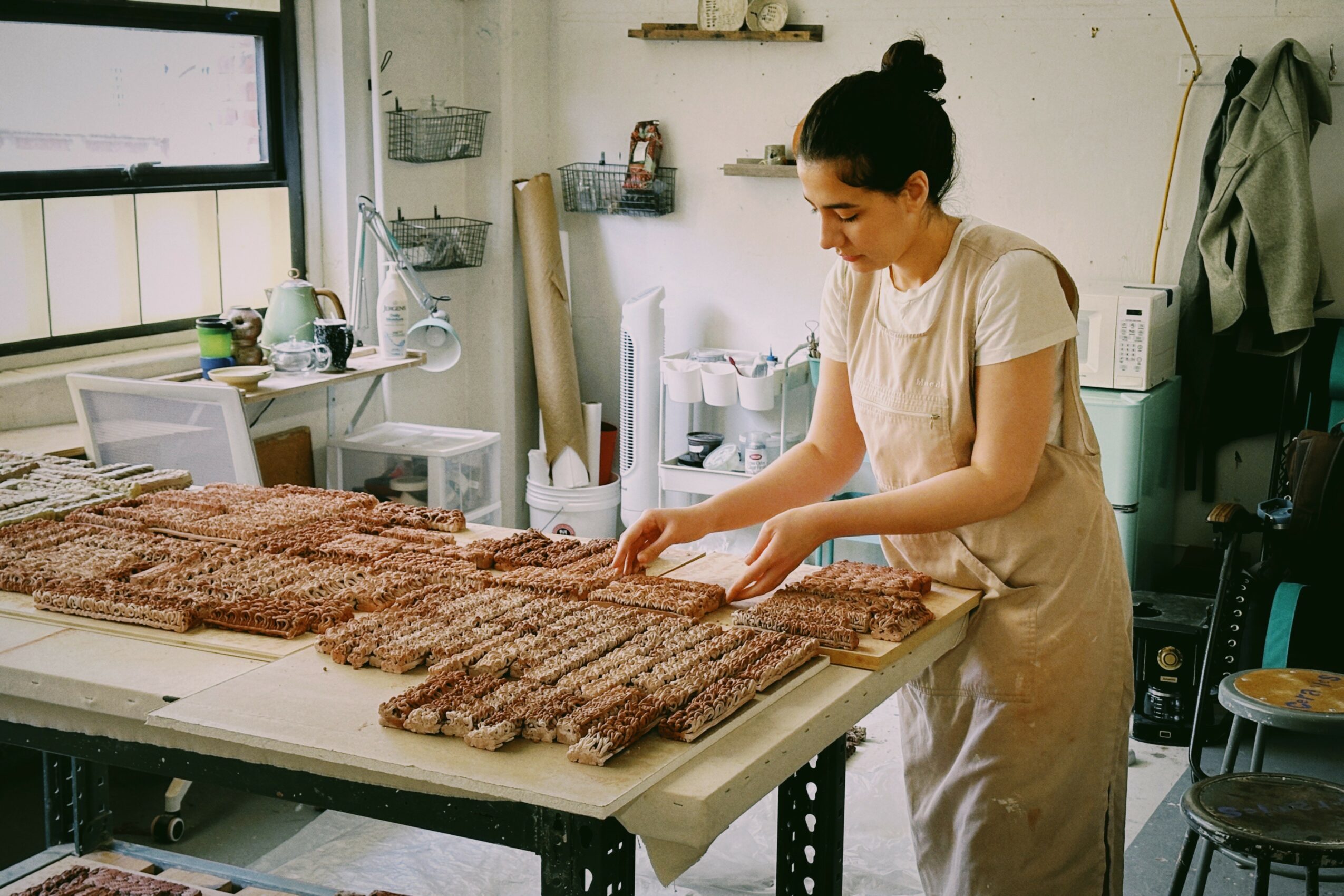
Image Credits
all the photo credits are by the artist: Maedeh Tafvizi
Popular
-

Que Johnson on Building Brands That Last: From Visibility to True Market Authority
-

Christina Wren Steps Into the Director’s Chair to Tell Stories That Feel Like Home
-

Portraits of the Valley
-

LA’s Most Inspiring Stories
-

JordanL on ‘Breathe,’ Belief, and Building a Movement Beyond the Music
-
Megan Birney Rudert on How Access to Light Is Powering a More Sustainable and Equitable Future


