




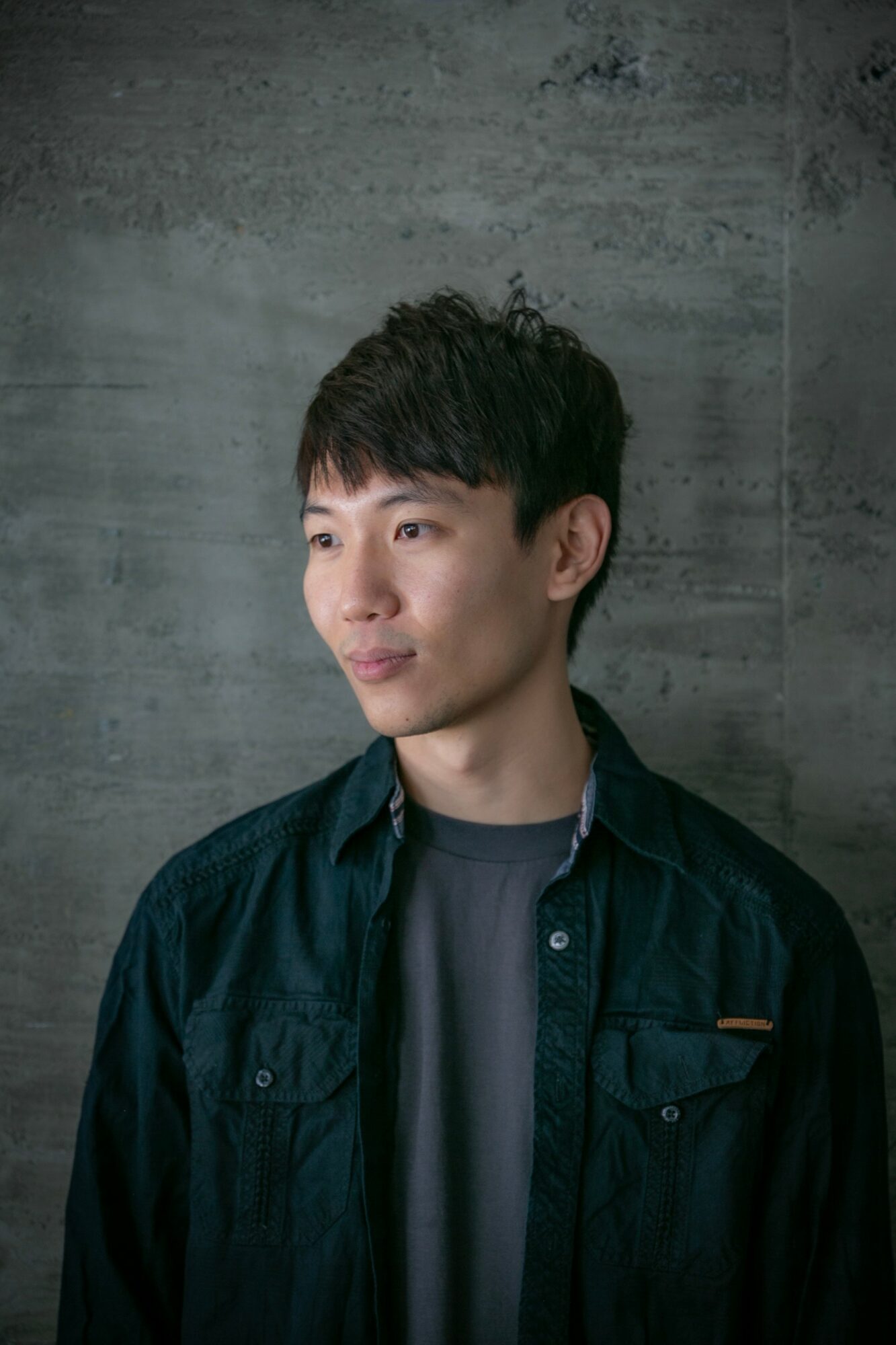
Today we’d like to introduce you to Hung Chi Hsu.
Hi Hung Chi, we’d love for you to start by introducing yourself.
Hi, I’m Hung-Chi Hsu—though please call me Cyan. I trained and practiced in Taiwan as a licensed architect before coming to Los Angeles in 2023 to earn my Master of Science in Fiction and Entertainment at SCI-Arc.
Midway through my architectural career, I realized I was far more excited by the limitless possibilities of virtual environments than by static physical structures. That passion for immersive, interactive worlds is what brought me to LA—and what led me to pivot fully from architecture into real-time environment design.
Today, I work at the intersection of real-time media and spatial storytelling, harnessing Unreal Engine—a game engine that’s also become indispensable for film and architectural visualization—to craft immersive worlds as a 3D generalist and environment artist.
My current projects span a wide spectrum: character animation, fully immersive environment design, robotic asset modeling, AI-driven interactive installations, and VFX for commercials and AI-generated short films.
Looking ahead, I envision a future where AI systems seamlessly enhance character design from gaming, where 2D graphics naturally evolve into rich 3D animation, and where virtual environments become our primary shared spaces. In that world, environment artists won’t just dress a scene—we’ll be the architects of the 3D internet, shaping how people live, work, and connect in virtual realms.
Alright, so let’s dig a little deeper into the story – has it been an easy path overall and if not, what were the challenges you’ve had to overcome?
It’s been anything but smooth. At first, I only knew I wanted to do something different—and that studying abroad might be the way to spark that change—but my entire skill set was anchored in architecture. I had no idea where that could take me. Then I discovered the Fiction & Entertainment master’s program, which felt tailor-made for people pivoting into digital storytelling.
The program was just one year long, so the learning curve was brutal: Maya, Unreal Engine, Substance, and a half-dozen other tools that share almost nothing with traditional CAD, and Rhino. Every week was a sprint to absorb new software, complete assignments, and still carve out time to build a portfolio strong enough to open doors after graduation.
Even with the degree in hand, breaking into the industry has been hard. As a foreigner without AAA credits, I watch studios post openings that read “senior only,” while junior positions quietly disappear unless you’re referred by someone on the inside. Visa sponsorship is another hurdle, so rejections often arrive before your reel is even reviewed. It can be frustrating.
The upside is that those roadblocks pushed me to create my own opportunities. I’ve kept freelance projects rolling and recently co-founded a small studio with friends who share the same real-time-world-building obsession. The path is still winding, but every project sharpens my craft and expands my network, and I’m optimistic the momentum will keep building.
Can you tell our readers more about what you do and what you think sets you apart from others?
My proudest piece is Purify Spire, a three-minute CG short that earned an Honorable Mention at the Keelung Art Exhibition. The film imagines a post-apocalyptic planet where liquid metals have poisoned the ground. Only stilt-legged salvage robots dare roam the toxic landscape, scavenging for humans who survive inside towering shelters called Purify Spires. These structures harvest the last pure resource—clouds—using massive turbines that condense vapor into electricity and drinking water. Inside, waterfall in lobby, clouds in factory, and lightening in batteries.,those indicats a totally different life style different from familiar solarpunk tropes.
What sets my work apart is this blend of speculative ideas and end-to-end execution. I take a concept from sketch to final composite—modeling, simulating, lighting, and grading—to ensure every detail serves the story. The goal is a universe that feels both imaginative and unsettlingly plausible, inviting viewers to rethink the futures we might be heading toward.
What matters most to you?
I believe environments aren’t just backdrops—they’re catalysts for imagination, emotion, and connection. When a virtual world feels alive, it invites users not just to watch, but to explore, experiment, and even shape the narrative themselves. That sense of agency—giving each person the freedom to co-create—drives everything I do, because I’ve seen firsthand how immersive spaces can transform the way we learn, play, and connect with one another.
Contact Info:
- Website: https://cyanhsu.com/cyan-hsu
- Instagram: https://www.instagram.com/cyan_hsu.11/
- LinkedIn: https://www.linkedin.com/in/cyan-hsu-11×6/
- Other: https://vimeo.com/996809179
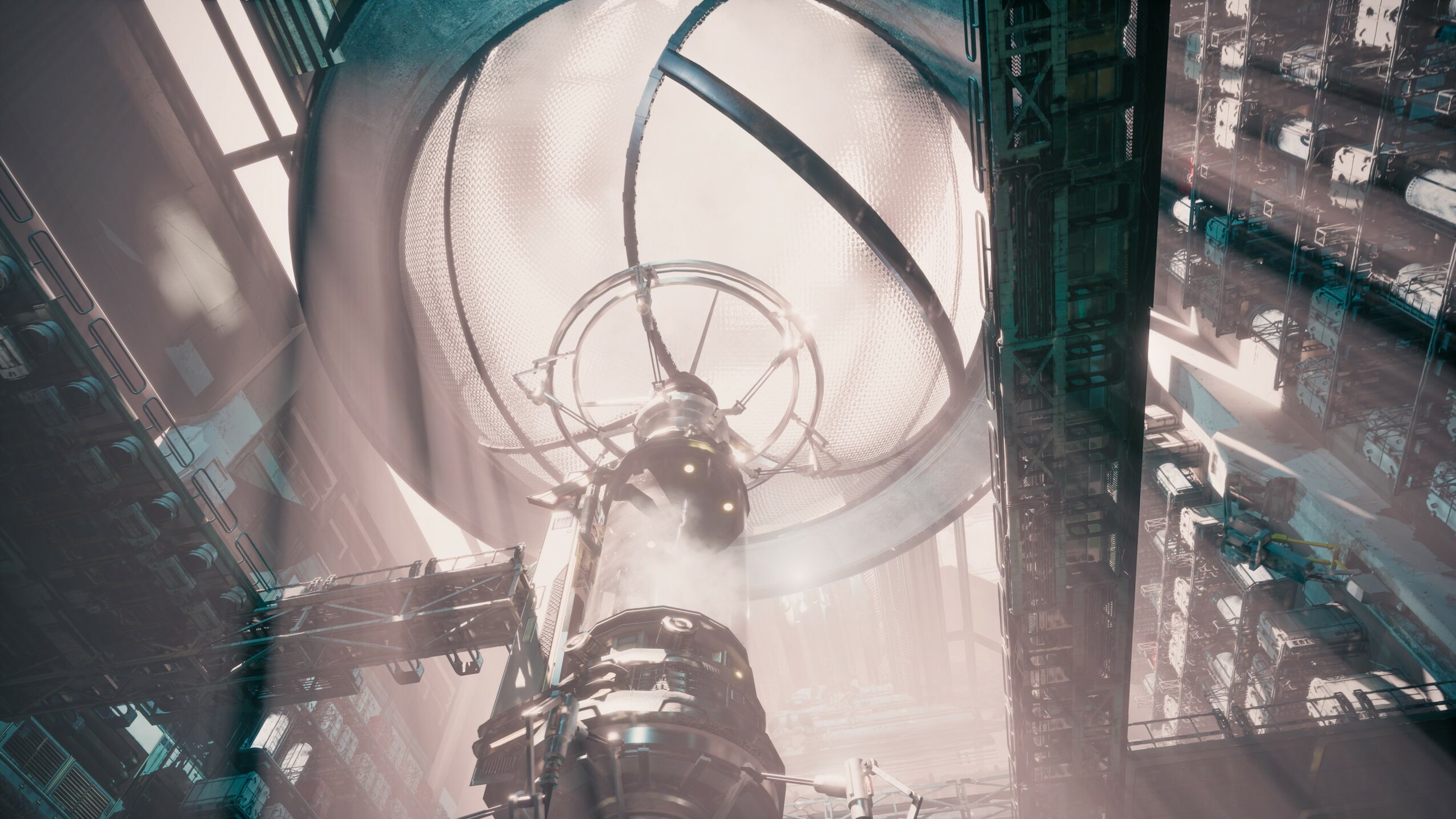
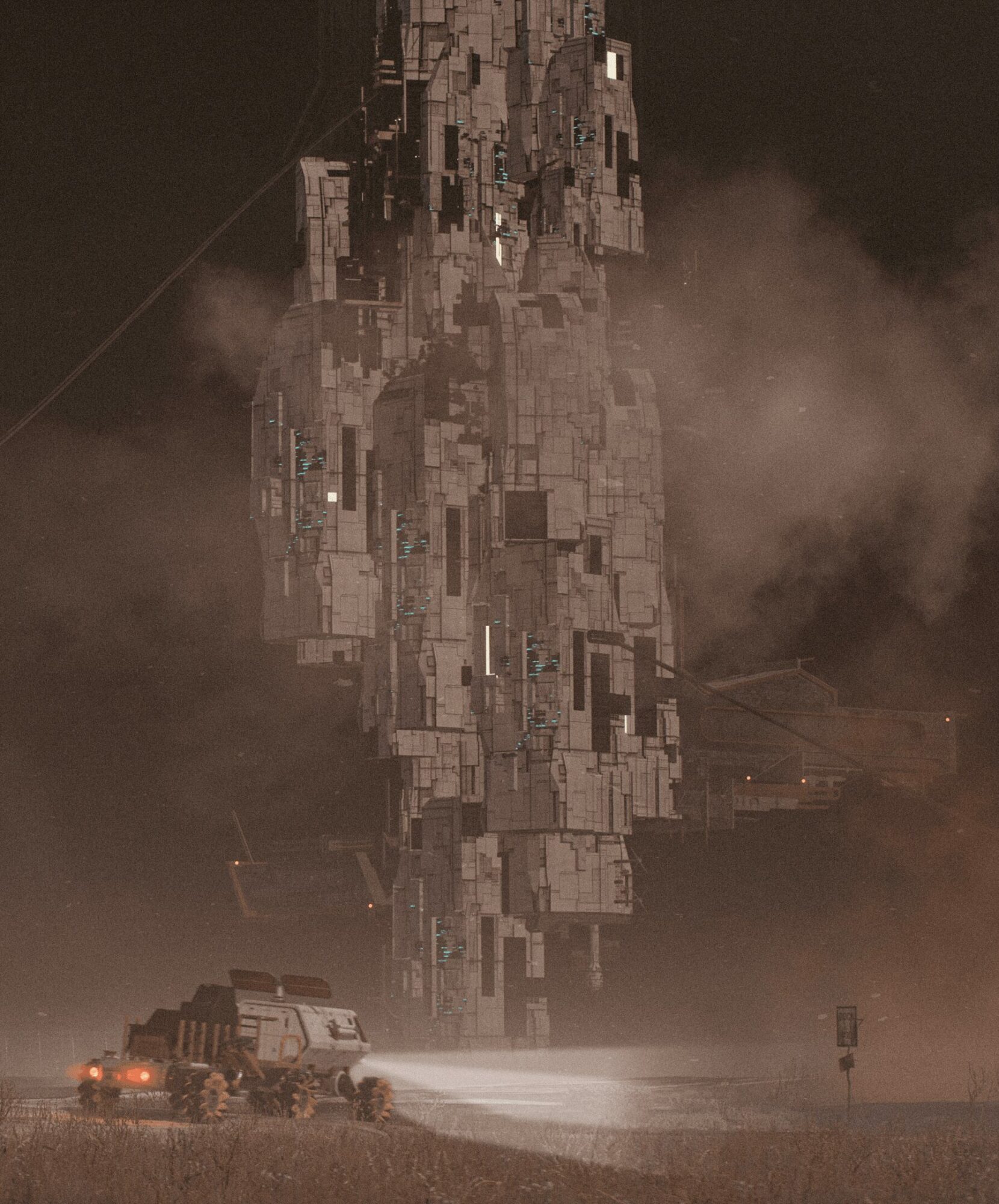
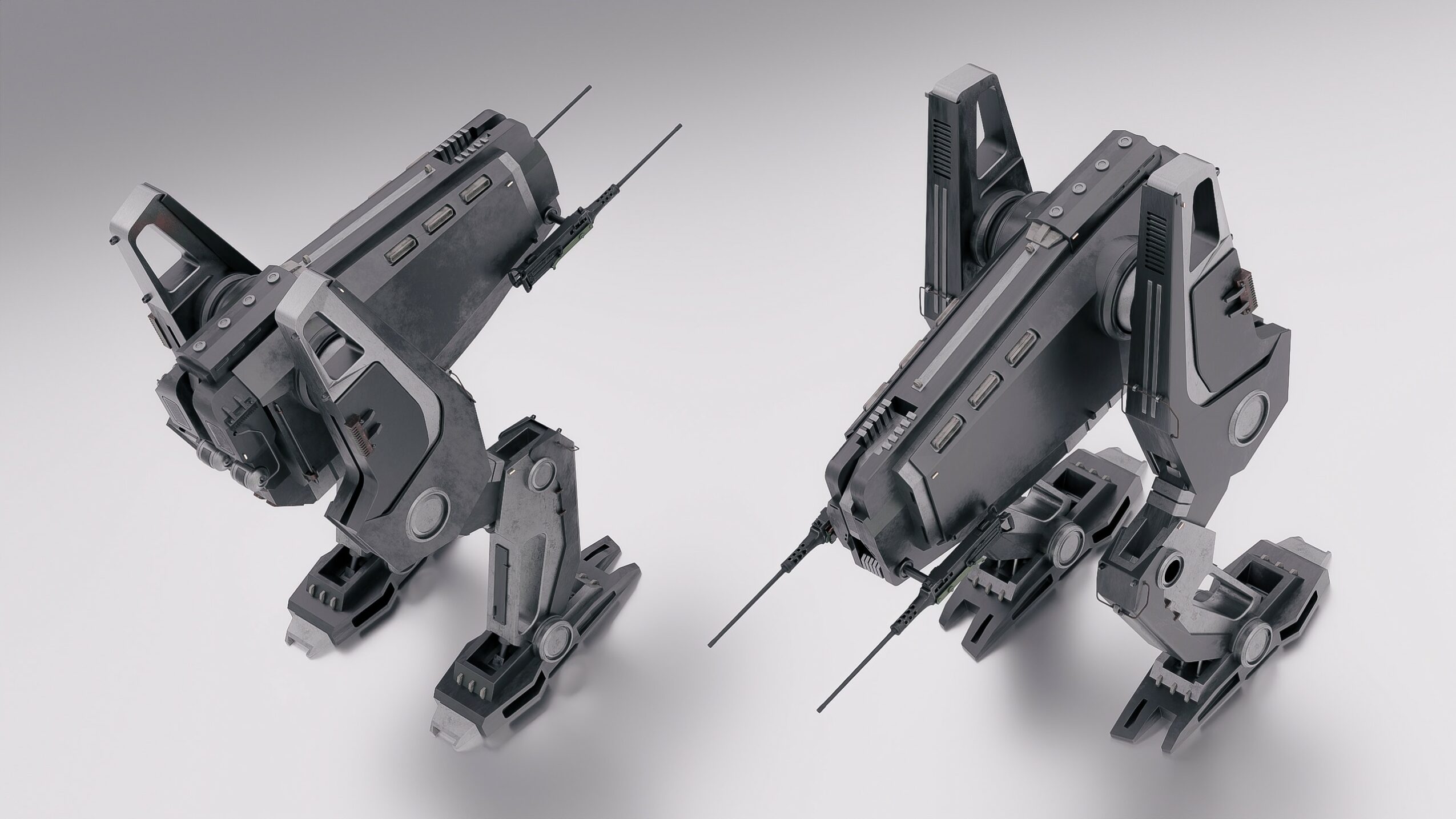
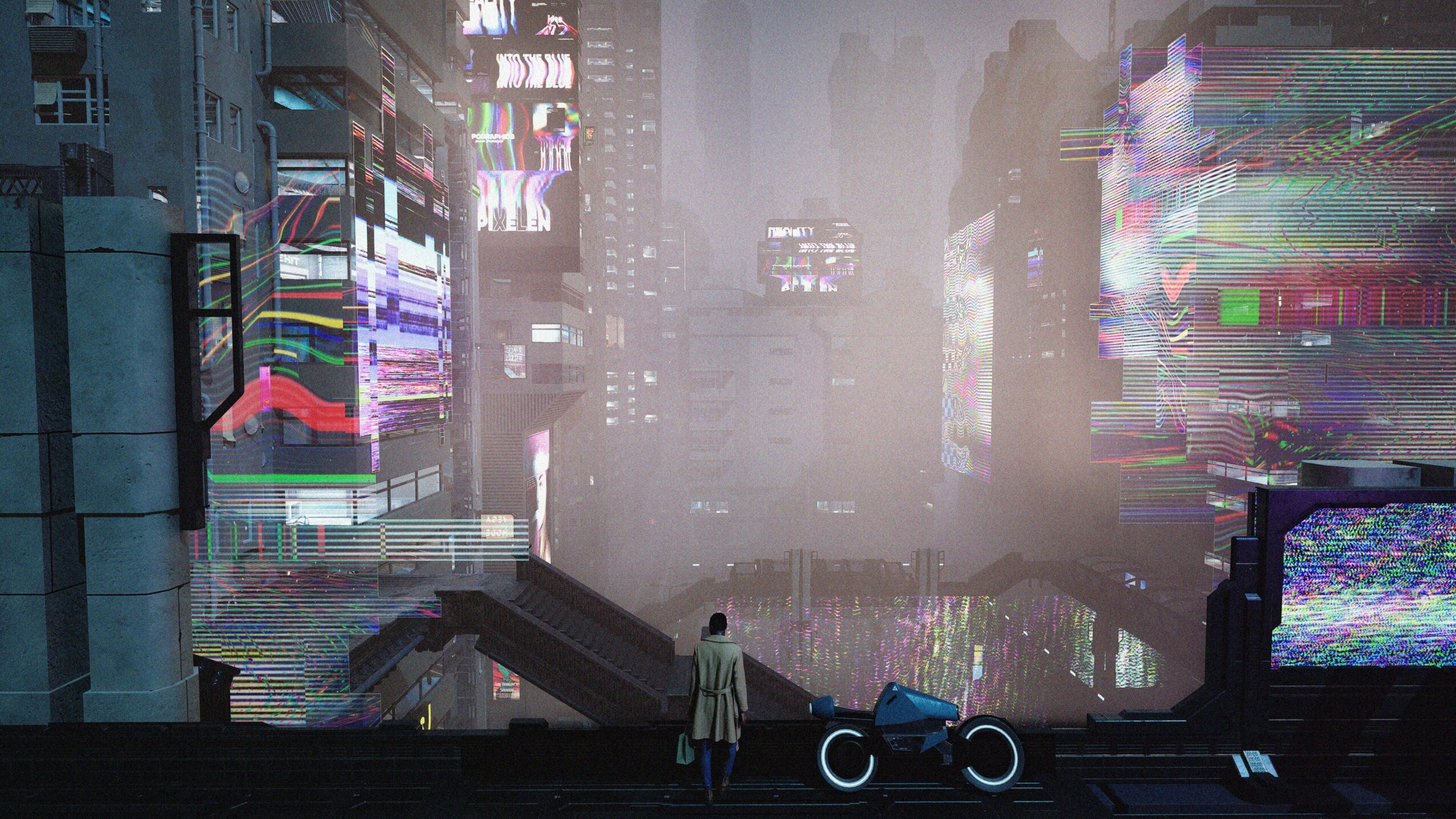
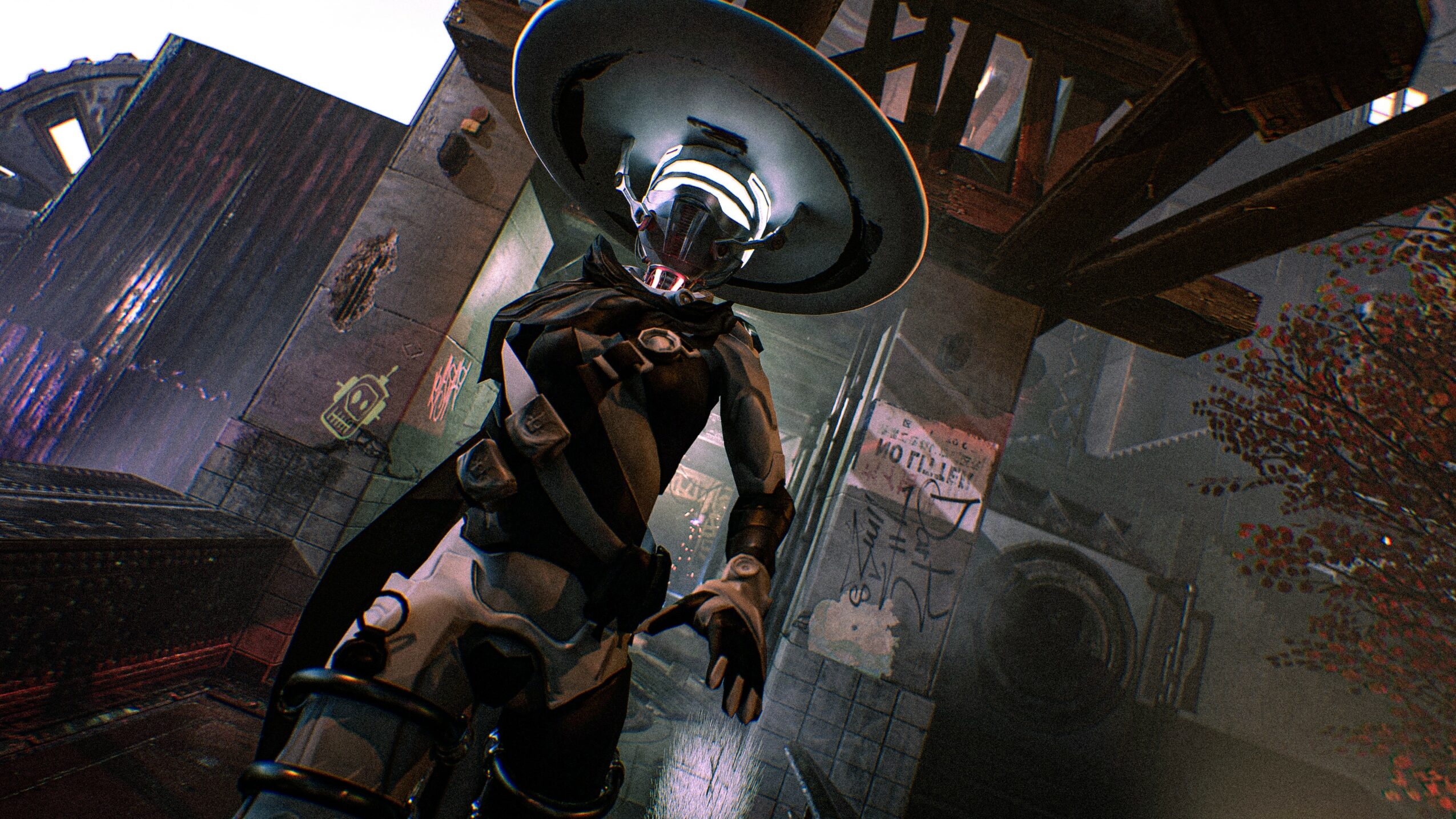
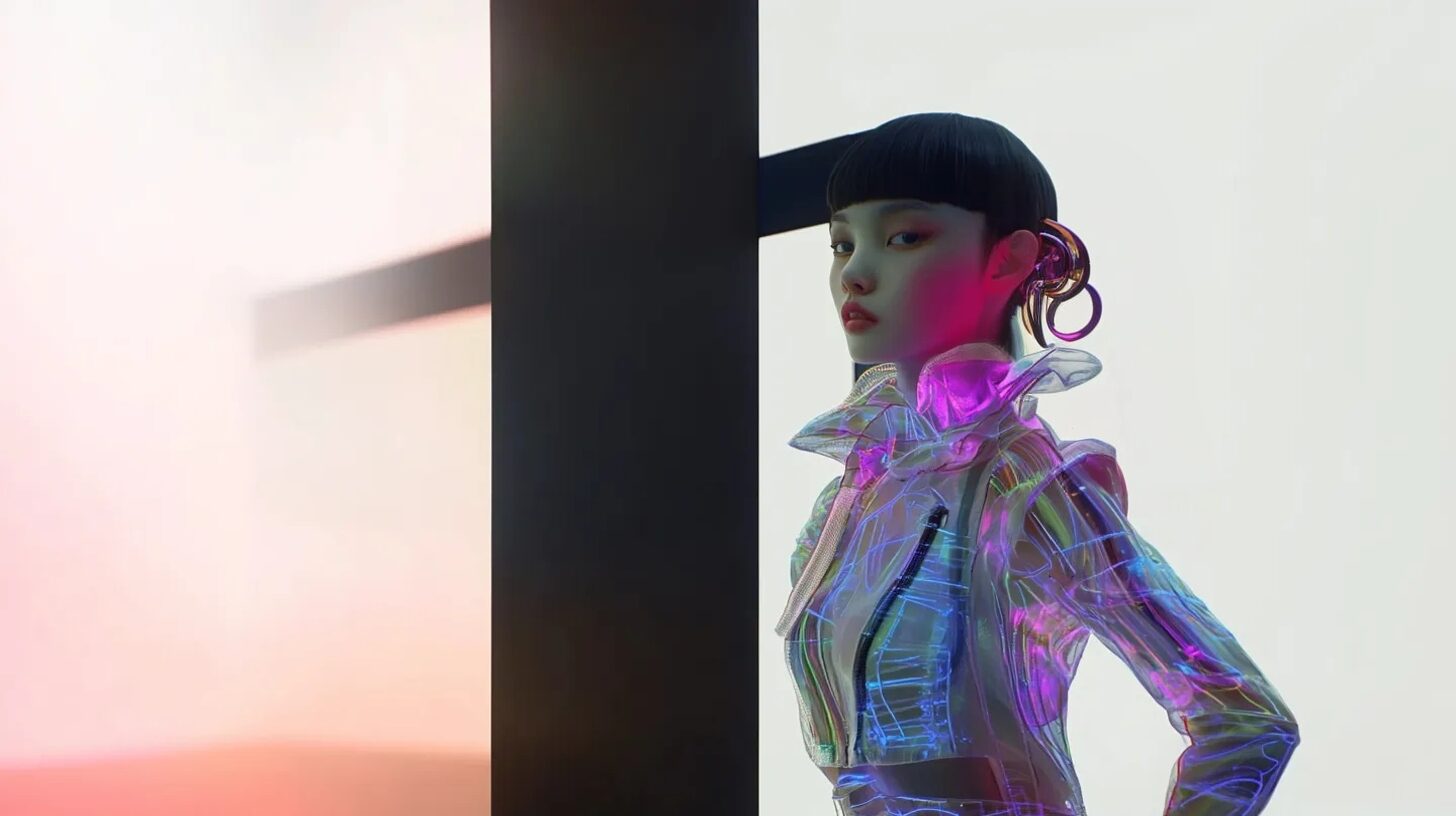
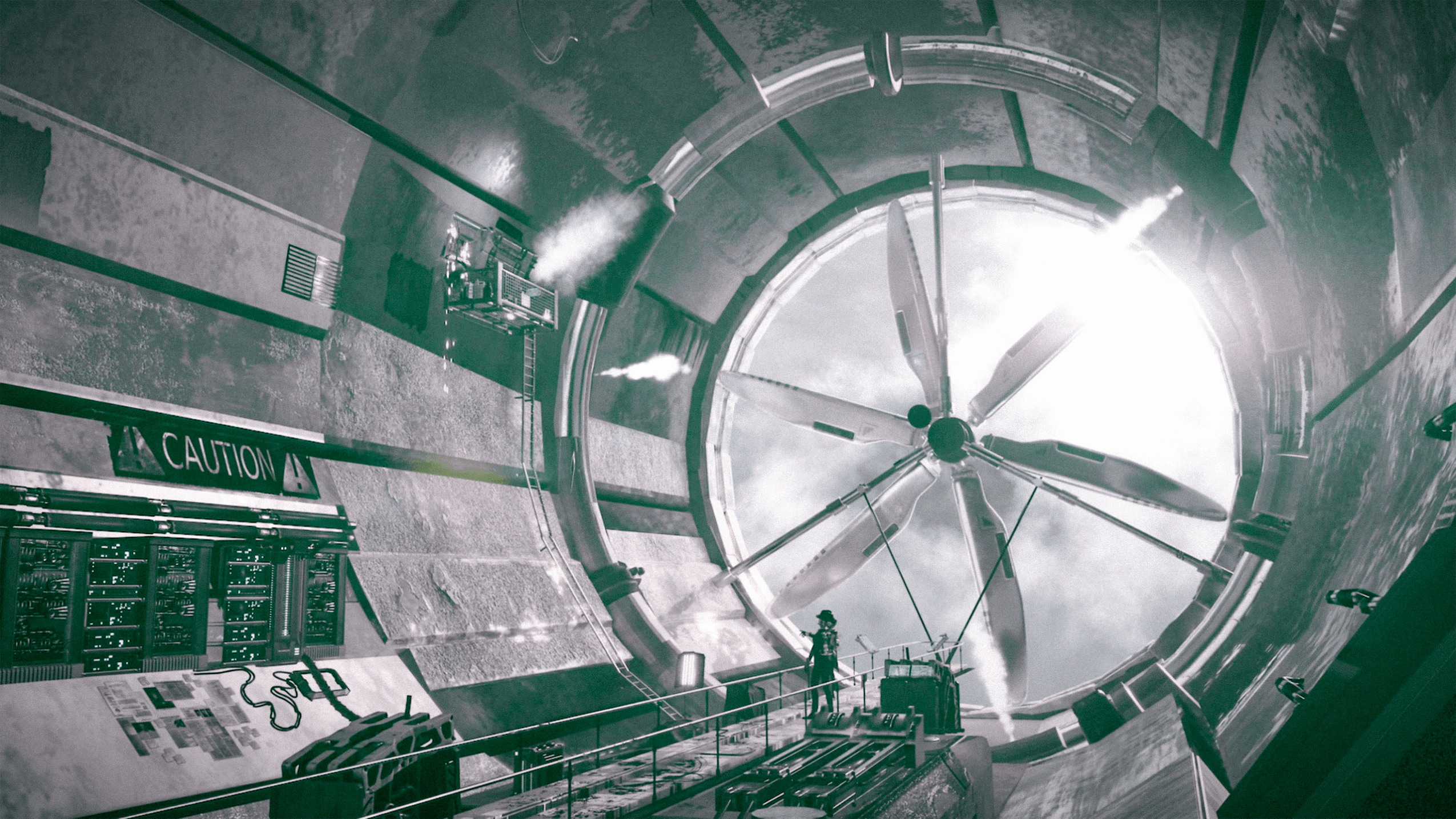
Image Credits
Chains of Illusion by Z Axis Studio
Robot Desgin with Nandar Thu
Popular
-

Que Johnson on Building Brands That Last: From Visibility to True Market Authority
-

Christina Wren Steps Into the Director’s Chair to Tell Stories That Feel Like Home
-

Portraits of the Valley
-

LA’s Most Inspiring Stories
-

JordanL on ‘Breathe,’ Belief, and Building a Movement Beyond the Music
-

Megan Birney Rudert on How Access to Light Is Powering a More Sustainable and Equitable Future


