





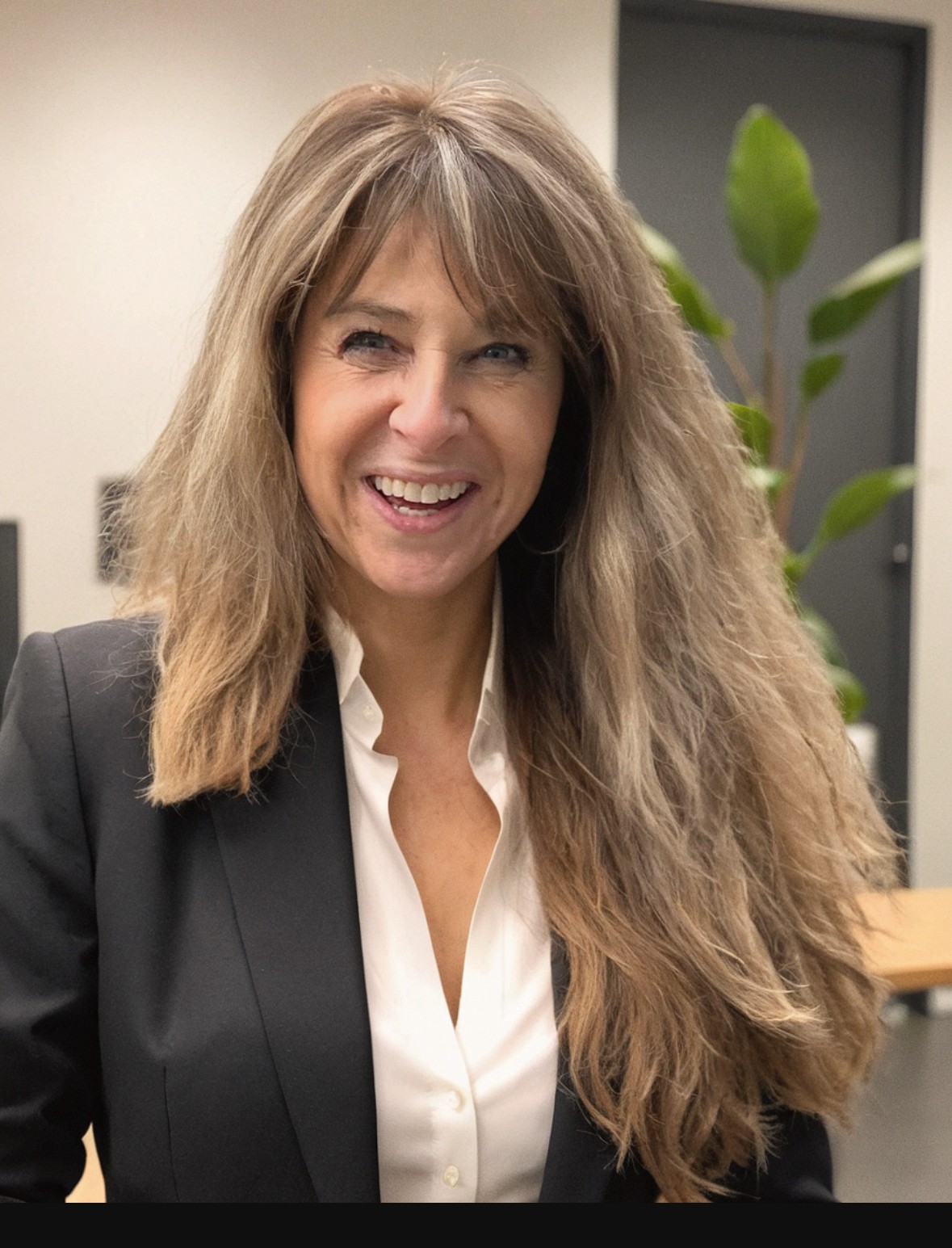
Today we’d like to introduce you to Amanda Barnett.
Hi Amanda, please kick things off for us with an introduction to yourself and your story.
I was raised in Pacific Palisades during a time when the world felt very safe. There was the rising consciousness of sex, drugs and rock and roll, coming out of the Vietnam War and the awareness of Women’s Lib all of which I was quite drawn to.. The town was a tight community and everyone looked out for all us kids, so we were safe and for a very curious and mature teen, that was alot of what kept me alive.
I was raised by two parents who were both musicians, my mother an opera singer and my father a songwriter. Music was inevitable, as it was in my fabric. I began playing guitar at the age of seven, which is when my brother decided to do an “El CaBong” against the wall, breaking my guitar into pieces. Not to be deterred, I got another guitar. And then another one. And today I have 15. I’m sure my therapist would have a field day with that.
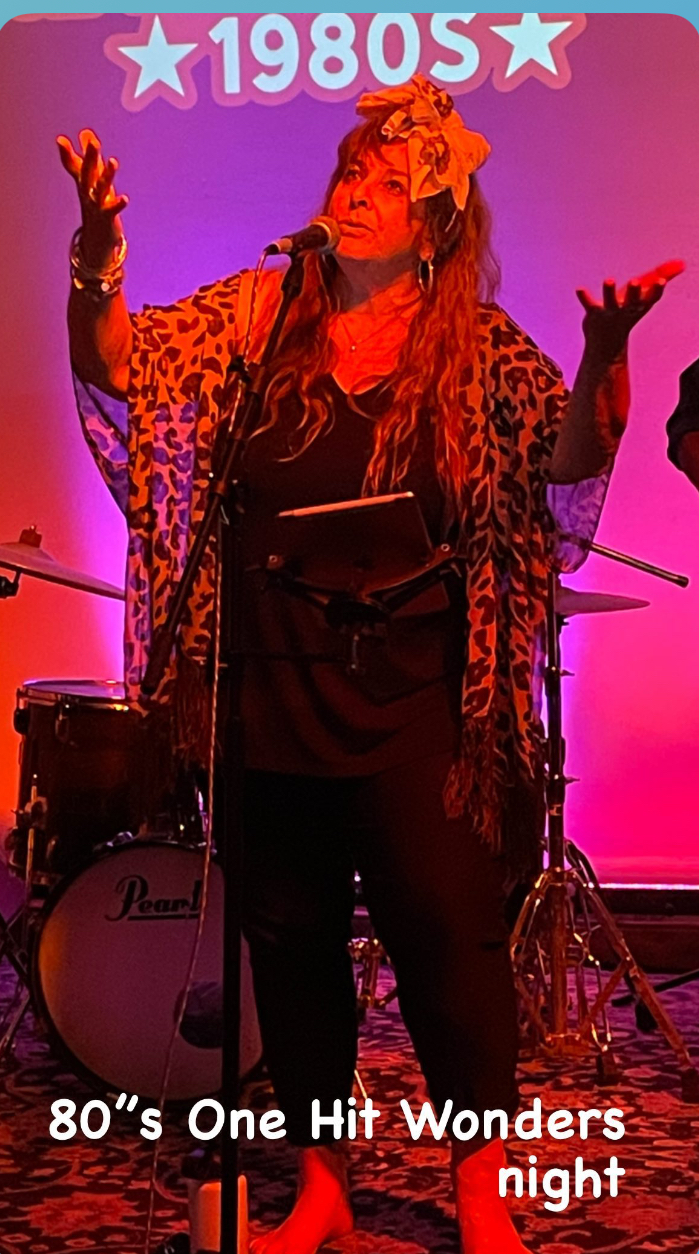
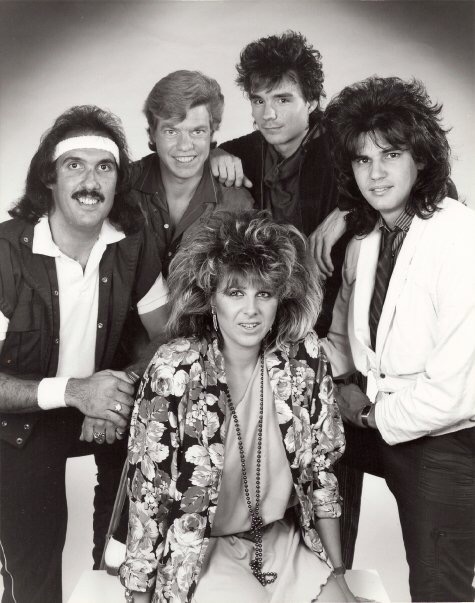
I continued with music in high school, in Madrigals and fronting the popular band, Bunny and the Hot Rocks. We played summer festivals, and most of the weekend parties around Pacific Palisades, Brentwood, Santa Monica and the “westside”. When people’s parents were out of town they usually left $200 for pizza, which was then used instead to pay the band and get a keg of beer.
After high school, I enrolled in college at Cal State University, Northridge with my drummer, but was yearning to follow my music career. After about a year in college, I left to go on the road with Brownsville Station, the originators of “Smoking in the Boys Room”. I then took the band over as manager and lead singer at the ripe age of 20, and ended up on the road for four years, which was quite an adventure. That would be a whole other article.
When I returned to Los Angeles, I decided to become a therapist and help people find their voice. I eventually went to graduate school on a scholarship at USC and went to work in the private nonprofit sector of community mental health. I eventually opened my own private practice and now have developed www.Beyou.solutions,,my private practice that helps women and men in relationships to themselves and others. It has been my absolute dream and delight to be able to do this for the last 20 something years. I also developed innerrockgoddess (@innerrockgoddess) that currently serves as a site for inspiration and humor and I will be launching the innerrockgoddess women’s retreats in the coming year.
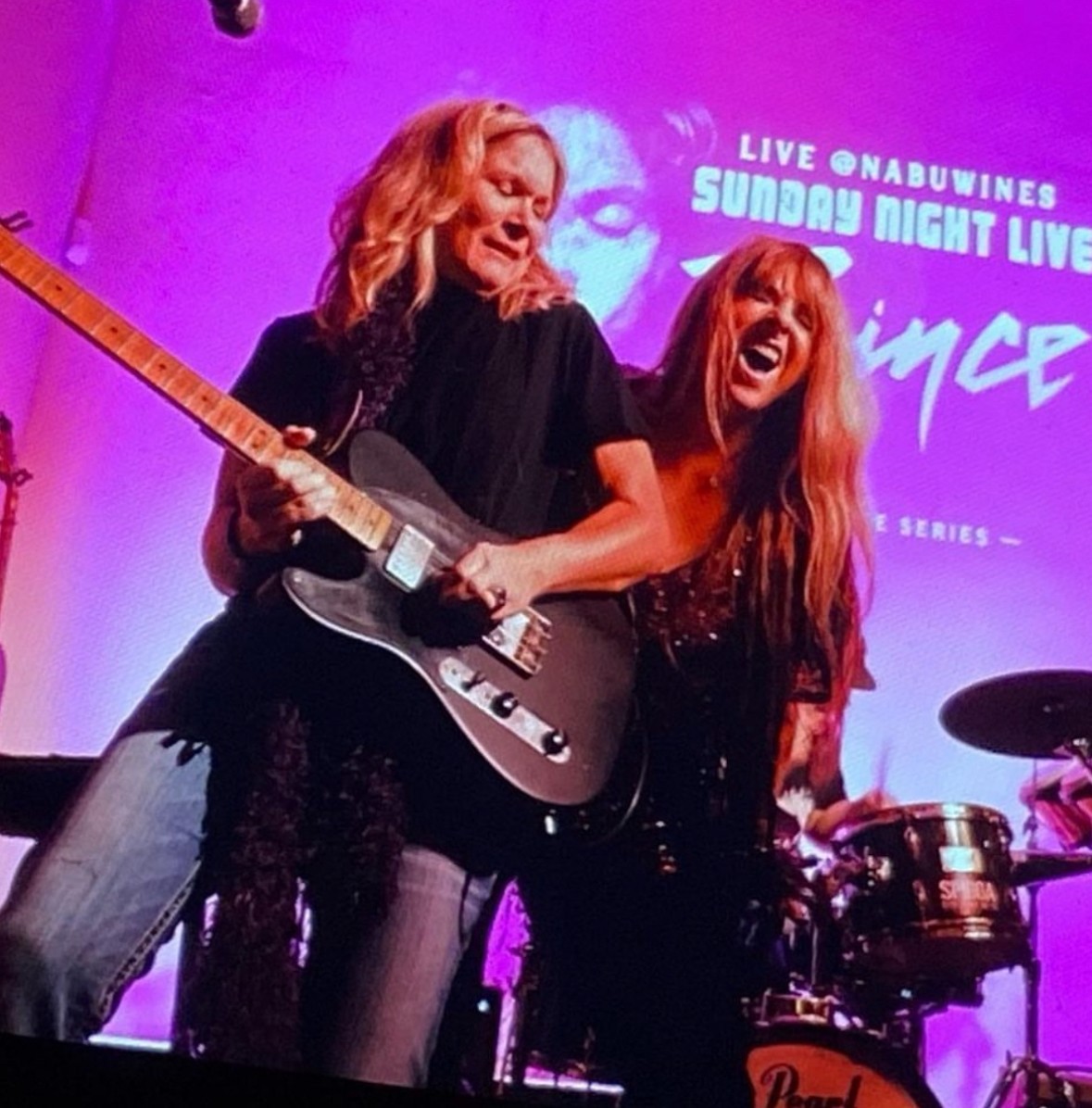
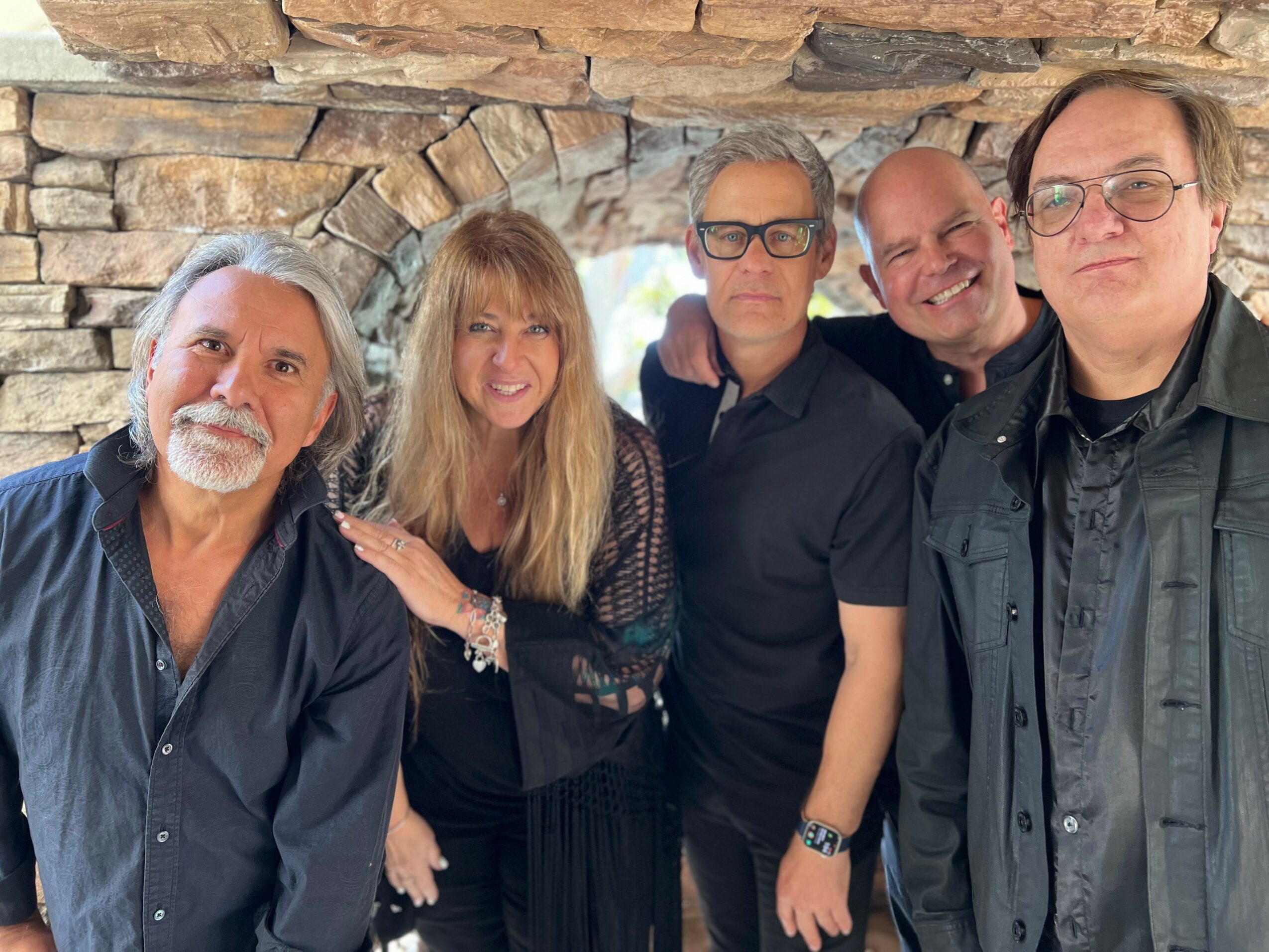
My music career took a back seat for a bit but was resurrected in 2008 when I began singing with Steely Jam, a Steely Dan review. This lead to 3 years ago being invited to join Steely Band (aka Steely Jazz) which is an all-star tribute to Steely Dan with players from the original and touring band: Keith Carlock, Tom Scott, Denny Dias, Skunk Baxter, Freddie Washington and Royce Jones to name a few. We also had Drew Zingg, who recently passed away and was a wonderful person to know and play music with.
We will be in Thousand Oaks September 14th.
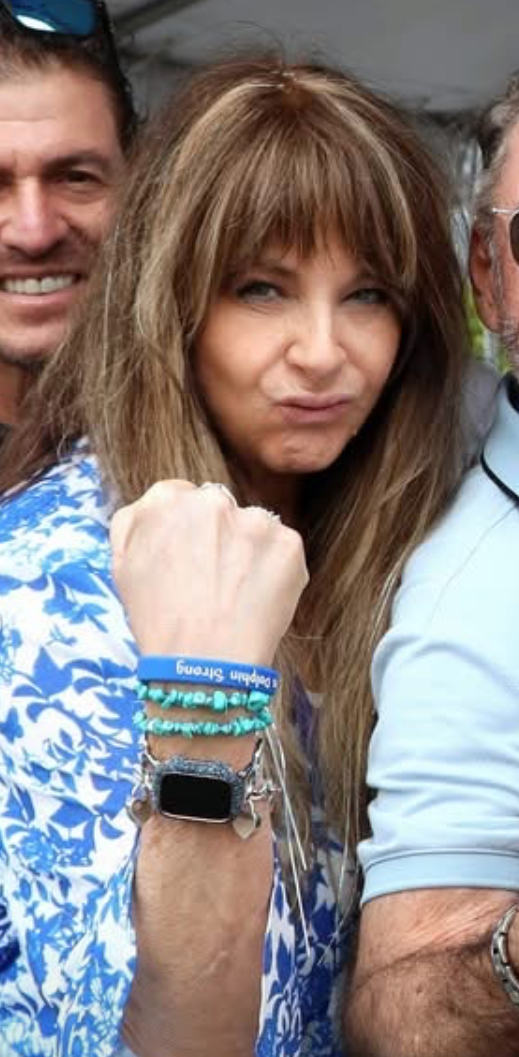
Finally, being from Pacific Palisades, I was invited to assist in creating Palisades Dolphin Strong, a non profit, providing vetted resources for those affected by the Palisades and Eaton fires. We have tried to gather resources for everything from cleanup to move in and we are also working to assist the under and uninsured. Our first fund raiser is July 20 in Santa Monica. Information on all of this is at Palisadesdophinstrong.org.
Can you talk to us a bit about the challenges and lessons you’ve learned along the way. Looking back would you say it’s been easy or smooth in retrospect?
My life’s journey has been relatively smooth, save for the evolving challenges of aging: think arthritis, a cranky hip, and the relentless monthly battle against grey roots. Professionally, both my music and therapy careers have undergone a seismic shift. The internet, a double-edged sword, offers an unparalleled reach to millions but also fuels the doom-scrolling anxiety that turns everyone into their own diagnostician, and creates communities of disconnect, isolation and loneliness. Meanwhile, the music world, now armed with Garage Band and Pro Tools, has become a fiercely competitive arena. And while tele-health offers convenience, it often sacrifices the irreplaceable energy of in-person connection. Then there’s AI—a magnificent invention that might just be the grand finale of communication as we know it. Clearly, there’s no shortage of new roads to navigate; complacency isn’t an option.
Thanks for sharing that. So, maybe next you can tell us a bit more about your work?
My inherent curiosity has always shielded me from surprise. The open road, while a whirlwind of sex, drugs, and rock ‘n’ roll, quickly taught me a vital lesson: if I was going to make it professionally, I’d need a smarter approach than living out of my car. This drive for a different path, coupled with a lifelong role as a trusted confidant (a trait I learned from my incredibly helpful mother), naturally led me to a career of guiding others.
These contrasting early experiences—the raw reality of the music industry alongside a solid education—have uniquely equipped me. I embody a rare blend: an expert in mental health who also intimately understands the music business’s complexities. My own journey through loss and reclaiming personal power further enables me to offer compassionate, nonjudgmental support to a diverse range of people. I often describe myself as “Buddhish,” a philosophy that allows me to champion curiosity, non-judgment, non-attachment to outcomes, and self-kindness, while integrating mindfulness, meditation, and a healthy challenge to narratives and perfectionism.
Where do you see things going in the next 5-10 years?
Both industries face similar existential questions posed by rapidly advancing technology:
The internet allows us “to reach out to millions, but also makes people inherently more anxious as they doom scroll and become their own diagnostician.” This highlights a critical need for mental health professionals to help clients navigate digital overload, misinformation, and the self-diagnosis trap. Therapists will increasingly act as guides in digital well-being and provide a supportive navigation during this tumultuous time.
The ability of AI and digital tools to track behaviors and identify potential issues could lead to earlier detection and intervention, shifting the focus from crisis management to preventative mental well-being.
The balance and shift will continue to be a vital approach.
Both fields of music and mental health will grapple with how to leverage AI’s power for efficiency and reach without sacrificing the essential human elements of creativity, empathy, and genuine connection. The challenge will be to ensure AI acts as a tool to augment human capabilities, not replace them where deep human interaction is crucial.
The Ethical considerations will be data privacy, algorithmic bias, and the responsible use of powerful new technologies will be paramount.
Professionals in both music and mental health will need to be lifelong learners, continuously adapting to new technologies, platforms, and consumer/client needs.
The future will likely be defined by how we intelligently integrate technological advancements while fiercely preserving and valuing the irreplaceable “human fabric”, community, connection, communication.
Contact Info:
- Website: www.beyou.solutions , palisadesdolphinstrong.org, steelyjam.band
- Instagram: innerrockgoddess; offtherecord
- Facebook: AmandaBarnett, LCSW
Popular
-

Que Johnson on Building Brands That Last: From Visibility to True Market Authority
-

Christina Wren Steps Into the Director’s Chair to Tell Stories That Feel Like Home
-

Portraits of the Valley
-

LA’s Most Inspiring Stories
-
JordanL on ‘Breathe,’ Belief, and Building a Movement Beyond the Music
-
Megan Birney Rudert on How Access to Light Is Powering a More Sustainable and Equitable Future


