




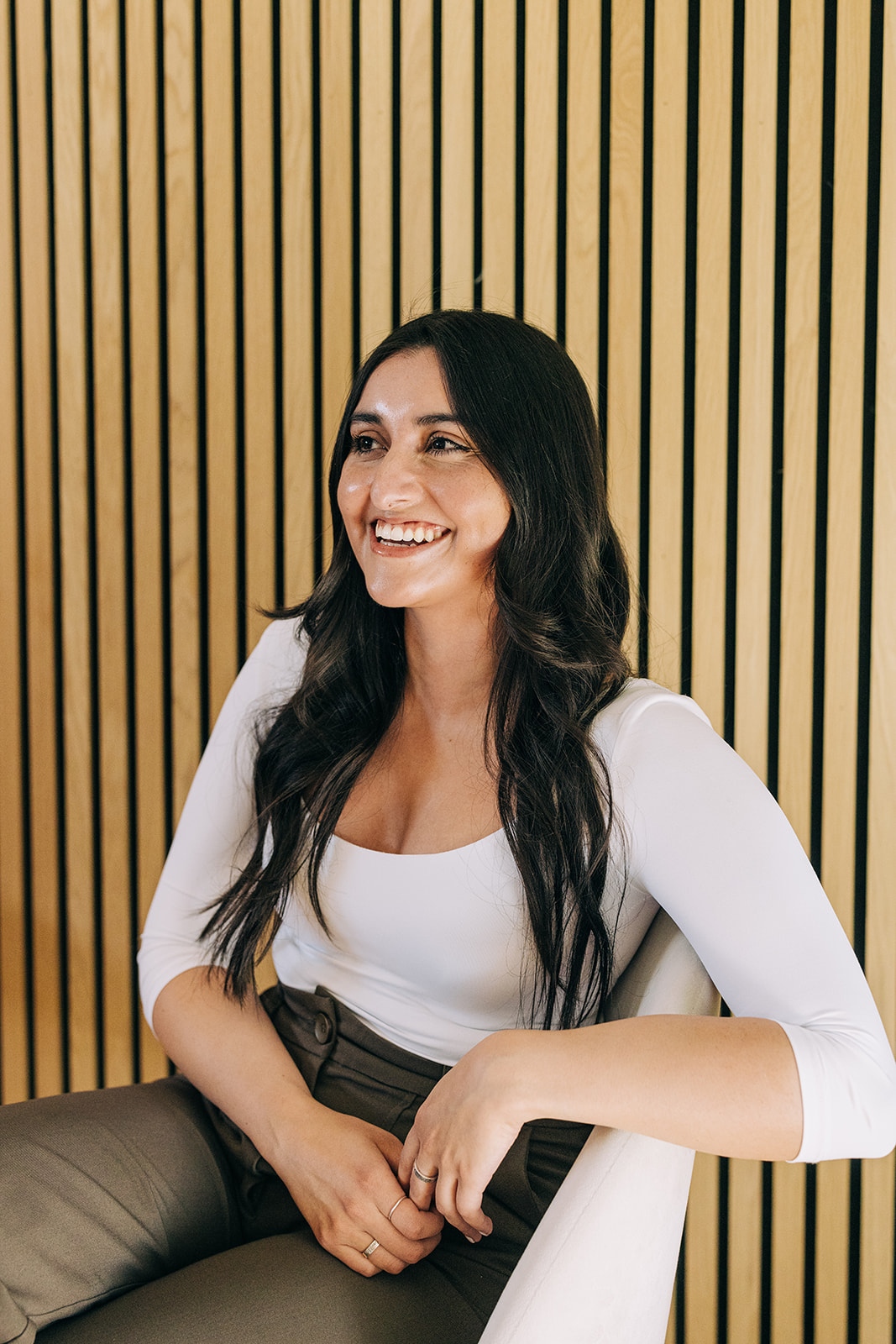
Today we’d like to introduce you to Kristiana Guzman.
Hi Kristiana, thanks for joining us today. We’d love for you to start by introducing yourself.
I was born and raised in Whittier, California, in a close-knit family with two older sisters and a younger brother. My parents, both coming from a more traditional Mexican upbringing, were incredibly caring and thoughtful. They were determined to give us the opportunities they didn’t have growing up, particularly in areas like education and creativity, which were not as emphasized in their own childhoods.
My dad was told that pursuing college would be a waste of time. He defied those expectations and became the first in his family to attend and graduate college. Meanwhile, my mom was discouraged from seeking higher education, as it was deemed something “women don’t do.” This only fueled her desire to prove that belief wrong. Both of them raised us with the values of perseverance, education, and breaking barriers.
In our household, education was not just encouraged—it was expected. I grew up in a space where I was not limited by the stereotypical roles that can be placed on women in more traditional Mexican households. I now realize how fortunate I was to be raised in an environment where I was free to explore my potential without fear of societal and social constraints.
Would you say it’s been a smooth road, and if not what are some of the biggest challenges you’ve faced along the way?
Things became difficult during my teenage years, but not because of the typical adolescent challenges. A sudden and life-altering shift in my family’s circumstances placed us in roles and situations we never anticipated. During that time, I began my own mental health journey. Struggling with grief and emotional turmoil, I sought therapy—an experience that profoundly shaped my life. Therapy became a lifeline for me, and I’ve been a firm believer and advocate for mental health support ever since.
Seeking therapy wasn’t easy. Although I grew up in a loving household, emotions and grief were rarely discussed openly. I initially felt a sense of shame in seeking help, as though it meant I couldn’t handle life’s challenges on my own. But through therapy, I learned that my trauma didn’t define me, even though it had shaped me. I realized that I had the power to decide what that trauma would turn into, and that realization set me on the path to becoming a therapist myself. My goal is to provide others with the same sense of relief, validation, and connection that I felt during that first therapy session—a feeling of being understood and less alone.
Appreciate you sharing that. What should we know about Tala Mental Health ?
Today, I work as a Licensed Marriage and Family Therapist at a Women of Color-owned private practice “Tala Mental Health” with locations in Long Beach and Echo Park. There I provide therapy for children, families, individuals, and couples. I’m also trained in Accelerated Resolution Therapy (ART), a powerful and effective approach that helps people quickly resolve emotional and psychological distress. ART combines guided imagery, eye movements, and deep relaxation techniques to target traumatic memories and emotional patterns, allowing the brain to reprocess them in healthier, more adaptive ways.
In all that I do, my mission remains the same: to help people heal, grow, and reclaim their lives, just as I did.
Contact Info:
- Website: https://talamentalhealth.com/
- Instagram: talamentalhealth


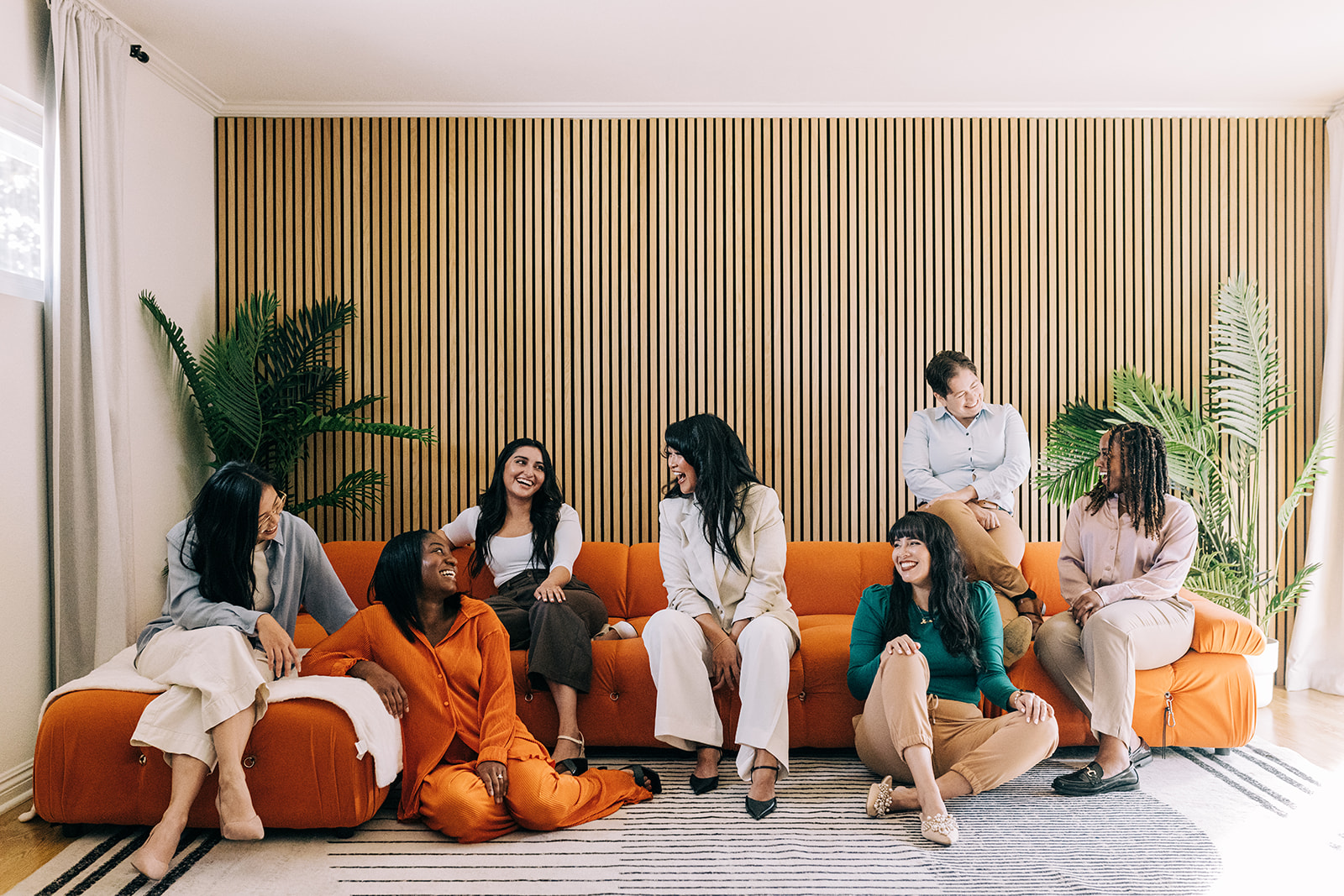
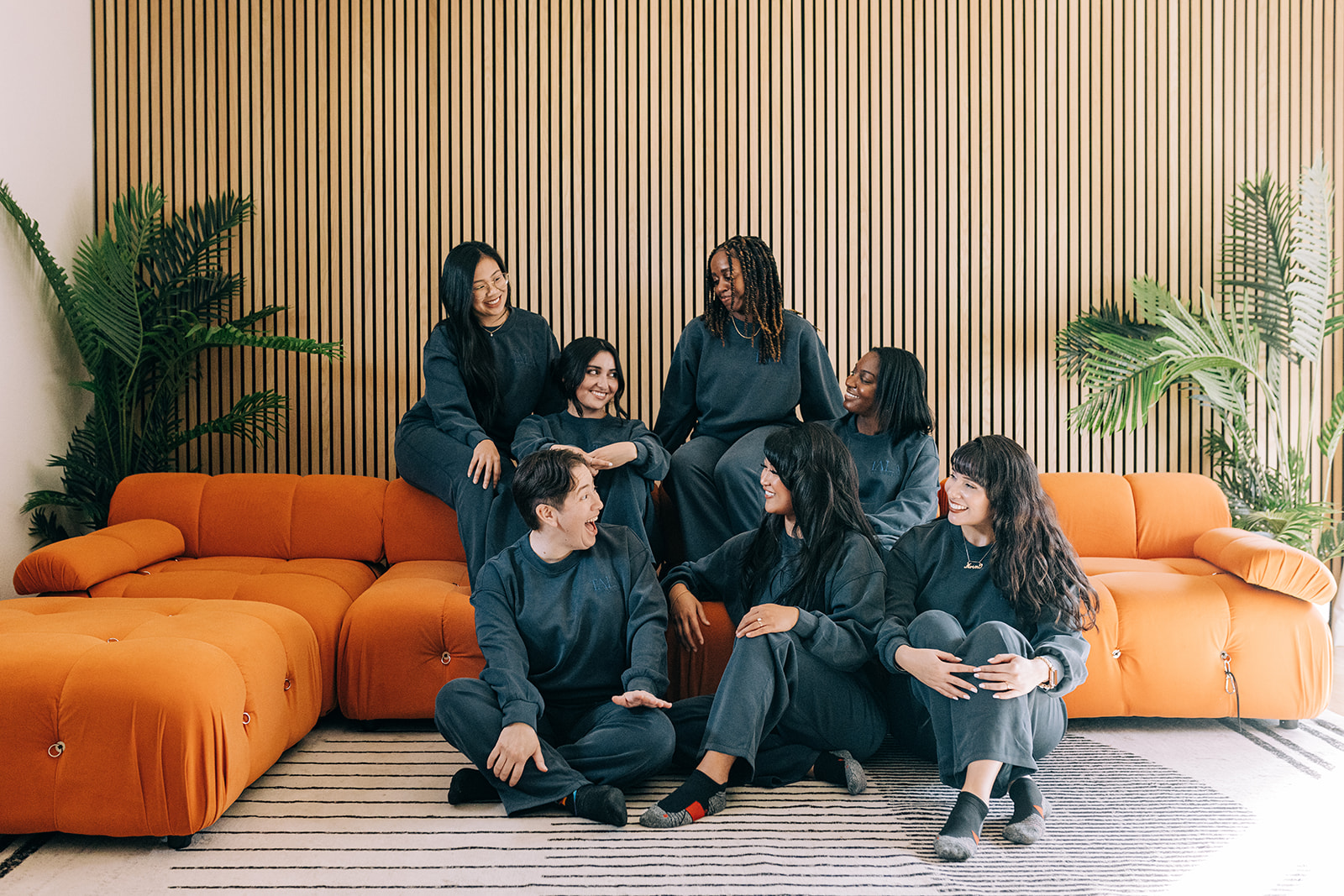
Image Credits
Xiaopan Xue
Popular
-

Que Johnson on Building Brands That Last: From Visibility to True Market Authority
-

Christina Wren Steps Into the Director’s Chair to Tell Stories That Feel Like Home
-

Portraits of the Valley
-

LA’s Most Inspiring Stories
-

JordanL on ‘Breathe,’ Belief, and Building a Movement Beyond the Music
-

Megan Birney Rudert on How Access to Light Is Powering a More Sustainable and Equitable Future


