




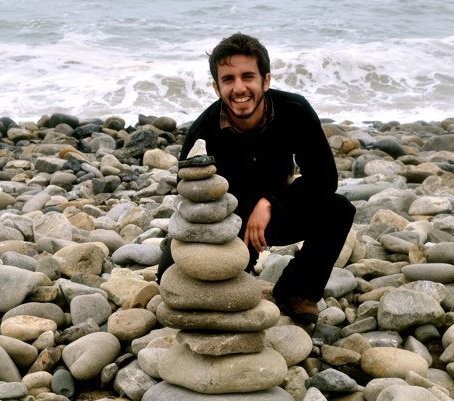
Today we’d like to introduce you to Jared Bendifallah.
Hi Jared, so excited to have you on the platform. So before we get into questions about your work-life, maybe you can bring our readers up to speed on your story and how you got to where you are today?
Born in raised in Los Angeles, I have struggled with anxiety for much of my life. As a teenager, I struggled with extremely heavy social anxiety. However, back then, in the early 2000s, mental health wasn’t being talked about the way it is now. I didn’t even know what mental health was and certainly didn’t have the words or the understanding that I was going through a mental health crisis at the time.
Nevertheless, in middle school, high school, and throughout college, I was always able to keep myself stable mentally and emotionally by focusing on school and leaning on the structure that being a student provided me. I was high functioning with anxiety and was able to get excellent grades at school, so as a result I don’t think people noticed how much I was struggling, and I suffered in silence for years.
Unfortunately, after college, my entire life fell apart. I didn’t want to do anything with my college major, and without the structure that school provided me, I had zero direction in life and was like a “ship without a rudder.” I ended up moving back to my childhood home and over the next three years, my mental health completely deteriorated, until I was unrecognizable from the person I used to be. I became extremely socially isolated, developed an eating disorder, and felt hopeless and suicidal. The three years after college were the “dark years” of my life.
Thankfully, in the summer of 2015, I was able to go to a residential recovery program, where I spent 4.5 months. It was here that I finally got my life back and began my mental health recovery journey. I overcame my eating disorder and felt hope again for the first time in three long years, and I’ve been in recovery ever since, for the last 9.5-10 years.
I went back to school at Santa Monica College in 2016 and in 2019 I earned a Master’s degree from the University of Southern California in Urban Planning with an interest in public transportation. I worked a couple of jobs as a planner, but life had other plans for me.
One day in August 2019, I think I did a Google search for something like “mental health support group Los Angeles” and I found NAMI WLA, the National Alliance on Mental Illness Westside Los Angeles. I had never heard of NAMI before, but I figured I had nothing to lose. So I took the bus to a NAMI WLA support group in West Los Angeles for people like myself in recovery, living with a mental health condition. Within a few weeks of going to these groups, I could already feel that I had found my community of people. I didn’t really have to explain or justify myself at these groups, because everyone there had been through similar experiences. I felt at home.
After attending these support groups religiously for about a year as a participant, I decided to get trained to lead the support groups, and in October of 2020, I led my very first NAMI WLA support group. Then, in January of 2021 an opportunity arose and I took the chance to become a support group facilitator of 3 support groups every single week. To this day, I lead three out of four NAMI WLA peer support groups every single week, and I have led over 600 support groups since October of 2020. It is the most fulfilling and rewarding job and career I have ever had in my life. I’m able to leverage my personal experience in recovery to connect and relate to others who come to the support groups looking for a safe space to talk about their struggles, challenges, and successes in recovery.
Since October of 2020, I have worn many hats for NAMI, working part-time and full-time in various roles. In addition to being a Peer Support Group Facilitator, I have also worked as an “Ending the Silence” Presenter, Peer Support Specialist, Peer to Peer Class Teacher, and Speaker.
As an “Ending the Silence” Presenter, I talk to middle schoolers and high schoolers in West LA about mental health and stigma. As a Peer Support Specialist, I work one on one with people in recovery practicing active listening, providing emotional support, and helping people work towards personal goals and problem solve. I also teach NAMI’s Peer to Peer Class, which is an 8-week class for adults in recovery from one or more mental health conditions to help them better understand themselves and their recovery journeys. As a speaker, I have shared my story at multiple events and also presented my “Five Building Blocks of Recovery” (formerly the “5 Pillars of Recovery to Mental Wellness”) as both a keynote presentation and a multi-part workshop.
The Five Building Blocks of Recovery is my signature keynote speech, workshop, and podcast. In the summer of 2022, I wanted to figure out how I could summarize, at the time, around 7 years of extensive experience in recovery living with a mental health condition, to provide something tangible and digestible for others like me in recovery to help them along their own recovery journeys. As a friend of mine once joked, I have a “doctorate in lived experience” when it comes to living with a mental health condition, and I wanted to pass on this knowledge to others.
I wanted to guide people so that they don’t make the same mistakes I did, and to give them an easily applicable framework to understand their own recovery journeys. I created the Five Building Blocks of Recovery by reflecting on my own journey and also reflecting on my professional experience as a Peer Support Group Facilitator and Peer Support Specialist with NAMI WLA.
As I say on my public speaking website, the Five Building Blocks of Recovery provide practical strategies for creating optimal mental health and building resilience along the mental health recovery journey. I want to inspire people to never give up no matter how hard the recovery journey gets, and to cultivate resilience in the midst of the inevitable struggles that come along with living with one or more mental health conditions.
I continue to work for NAMI WLA and am a professional public speaker, sharing my “Five Building Blocks of Recovery” wherever and whenever I can.
We all face challenges, but looking back would you describe it as a relatively smooth road?
I gave a very long answer to the previous question, which partially answered this question, but I will answer here as well:
It has been anything but a smooth road for me. One of my Five Building Blocks of Recovery is “trusting the process of recovery” and by extension, “trusting the process of life itself” and the reason why this is so important is because life, and recovery, will always include tough times, bad days, and setbacks, and it is about how we bounce back from the struggles that make the biggest difference in life and also in recovery. This is a huge element to cultivating resilience as well.
Dealing with heavy anxiety as a teenager, without any help or support related to my mental health and my anxiety, was a huge struggle. I think a huge part of this was my age at the time and a lack of awareness of what I was experiencing. I didn’t really have the words to define it. So I didn’t ask for help. And being high functioning and getting excellent grades in high school, others didn’t seem to be aware of my struggles either. So I suffered in silence for years and did the best I could to cope with my anxiety with no professional help. As a result I lived with unregulated anxiety for many years with no therapist or any other external support.
Another huge struggle, which I didn’t initially handle very well, was after graduating college and going from being a student for the first 22 years of my life to suddenly not having any direction or structure and not knowing what to do next with my life. Sure, I tried and failed at a couple of part time jobs here and there after college, but I had no true direction or path. Looking back, I wish I had gone to community college to take some classes and figure things out, or that I had volunteered, or thought more carefully about what kind of career I would like for myself.
But instead, I ended up back at my childhood home, with way too much free time and no direction for my life, and my mental health completely fell apart as I mentioned in my story. Finding my life’s calling and career path in the mental health field as a peer and ultimately a professional public speaker would take me a very long time from when I graduated college. Looking back, if I had made better decisions after college, it is possible my mental health wouldn’t had fallen apart the way it ultimately did.
Another obstacle has been to be patient with myself and never give up hope along my recovery journey. Since I got a second chance at life at the residential in 2015, overall I have been getting better, but 10 years is a long time, and the mental health recovery journey has many ups and downs. There have been countless moments of struggling to maintain hope and wanting to give up or things not going well, and every time it is a challenge to pick myself up after a bad day or bad week. The recovery journey continues forward. I do my best to remain resilient no matter what happens, outside of myself or internally.
Had a bad day? I sleep it off and try again the next day. Experienced heavy anxiety? I try to use my coping skills and reach out for support. I continue to try to understand myself and to continue to grow. I continue to try to maintain hope and optimism, pushing forward no matter what.
Alright, so let’s switch gears a bit and talk business. What should we know about your work?
If I could, I would select “Employee/Professional” and also “Business”
I also talked about this a bit when telling my story, but I’ll share here.
I’m blessed to have been able to draw from decades of life experience, and a decade of experience in recovery, to create a career for myself in the mental health field.
I am most proud of myself for two things in particular – being a Peer Support Group Facilitator for NAMI WLA and being a professional mental health public speaker sharing my “Five Building Blocks of Recovery.”
As a Peer Support Group Facilitator, I lead three support groups every week for NAMI WLA for adults in recovery from one or more mental health conditions and I have led over 600 support groups since October of 2020. It is the most fulfilling and rewarding professional role I have ever had in my entire life. I’m able to leverage my personal experience in recovery to connect with and relate to others who come to the support groups looking for a safe space to talk about their struggles, challenges, and successes in recovery. This role has taught me how to be a better leader and a better communicator.
I am also a professional public speaker in the field of mental health and resilience. I feel incredibly proud to have created my signature program, the “Five Building Blocks of Recovery” (again, formerly the “5 Pillars of Recovery to Mental Wellness”) which I have turned into a keynote presentation, workshop, and podcast. This is my unique creation and what sets me apart in the mental health field.
I have shared these building blocks as a keynote presentation and/or workshop for multiple mental health organizations, such as NAMI Westside Los Angeles, NAMI Urban Los Angeles, and The Self Help and Recovery Exchange (SHARE!).
The Five Building Blocks of Recovery provide practical strategies for creating optimal mental health and building resilience along the mental health recovery journey. I designed them so that they build on one another, are very easy to follow, and can provide a framework for people to better manage their recovery journeys.
The Five Building Blocks are:
• Basic Stability
• Having a Self-Care Plan
• Trusting the Process of Recovery
• Finding Your Community
• Expanded Self-Awareness and Intuition
Basic stability includes finding support and having structure in one’s life. Clinical support includes having a therapist and/or psychiatrist, and non-clinical support is everyone else, such as friends, family, sponsor, mentor, life coach, etc… Structure is about having something to do with yourself at least once a week to keep you grounded in the present. Examples of structure are volunteering, going to school, and/or working.
Having a Self-Care Plan includes consciously practicing self-care in all areas of your life (but especially mental and emotional health), having coping skills to use when in distress, and having just one non-negotiable self-care tool that you use every day, something that acts as a foundation or an anchor for you.
Trusting the process of recovery is about understanding that the mental health recovery journey has ups and downs and bad days and setbacks, and that no matter what happens, to keep moving forward and to trust the process of your own recovery journey and your own life journey.
Finding your community is about finding a community of people around whom you feel safe/supported and you feel seen, heard, and understood.
Finally, the fifth building block, expanded self-awareness and intuition, is about becoming aware of your gifts and talents as well as your struggles and challenges and tapping into the power of your intuition to help guide you and figure out your unique personal/soul calling.
I want to inspire people to never give up no matter how hard the recovery journey gets, and to cultivate resilience in the midst of the inevitable struggles that come along with living with one or more mental health conditions. I hope that people can use the Five Building Blocks of Recovery as a tool to build resilience and as a framework for recovery that they can reference whenever they feel lost or overwhelmed.
I am also proud of my podcast, the “Five Building Blocks of Recovery,” which I created to also educate and inspire others living with mental health conditions. Some episodes are more educational and some are more inspirational, featuring interviews with people with inspiring recovery journeys to share and/or expertise to share in the mental health field.
I have included a link to my podcast on Spotify in the “Contact Information” section of this form.
Any advice for finding a mentor or networking in general?
So many of my opportunities to network and meet new people in the last couple of years have come from community. I currently have two communities I am part of:
1. NAMI Westside Los Angeles
2. Toastmasters
Many of the opportunities that have come my way in the last 3-4 years have been through connections I have made with people in the communities I am a part of.
My advice would be, especially if you are feeling isolated and don’t have many connections, to start by taking small steps such as attending an event or a class, or in my case, going to a NAMI WLA support group and joining a Toastmasters club. Make your presence known, not through anything flashy necessarily, but just by showing up to groups you are a part of, and over time people will be able to get to know you and you them. You can share of yourself and your goals too and don’t be surprised if people offer to help or to connect you with someone who could help you. Keep your ears perked for any opportunities that may be advertised because of your involvement with a group or organization.
For me it started with the simple act of attending a NAMI WLA support group in the summer of 2019 and then saying “yes” to whatever opportunities were presented to me through NAMI WLA over the years to either take a class or sign up for a training. Over time, I became more and more involved with NAMI WLA programming and was naturally able to form connections with other people in the NAMI WLA community. And the same is with Toastmasters – by showing up to Toastmasters meetings over and over again, I was able to make connections with people which led to opportunities to improve my skills and meet new people.
So start small. Attend an event. Join a club. Attend groups regularly. Say “yes” to the small opportunities that come your way. See where it goes.
Contact Info:
- Website: https://thefivebuildingblocksofrecovery.com
- LinkedIn: https://www.linkedin.com/in/jared-bendifallah/
- Other: https://open.spotify.com/show/63BOX5Rl5pF5kC24YV5Y4U
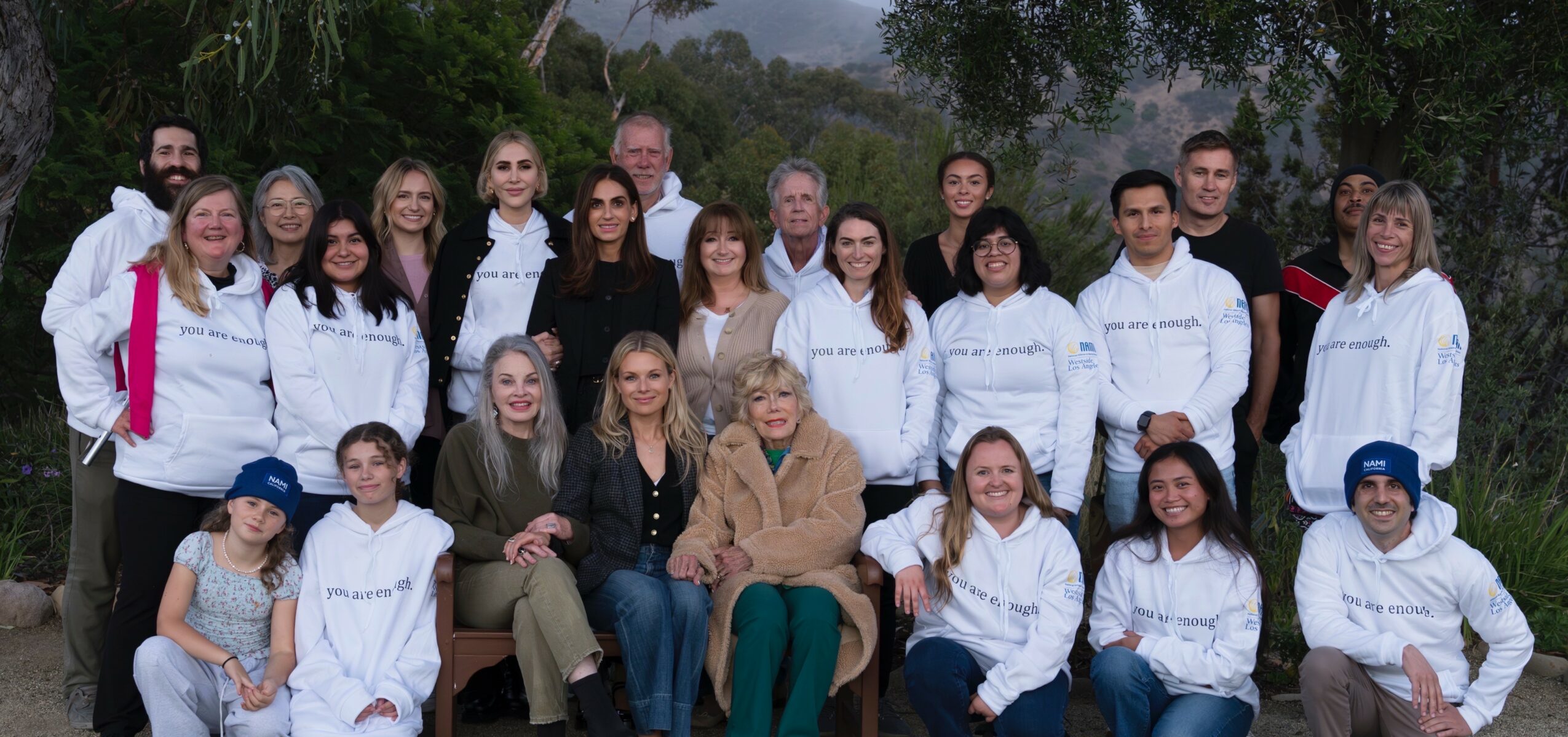
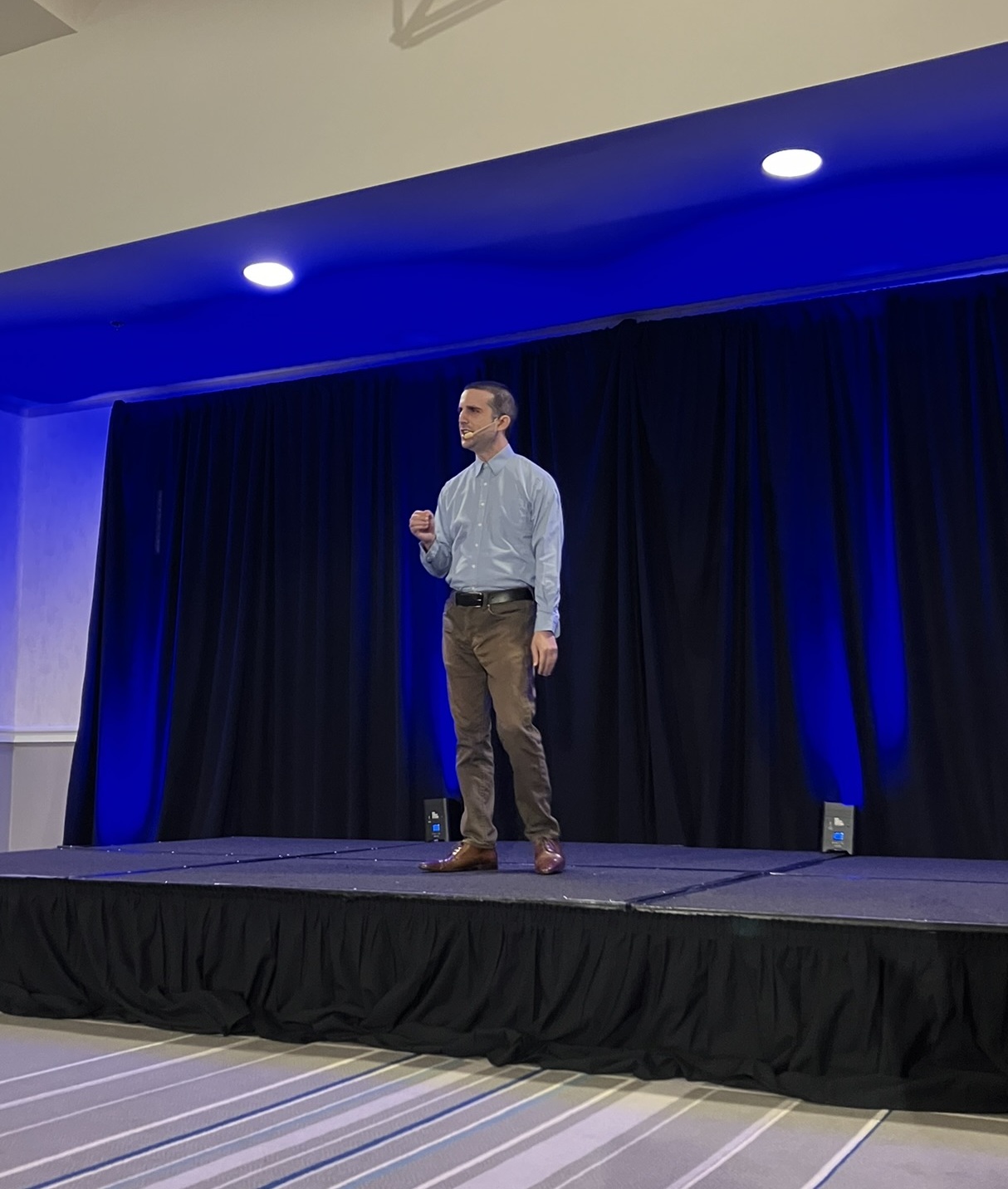
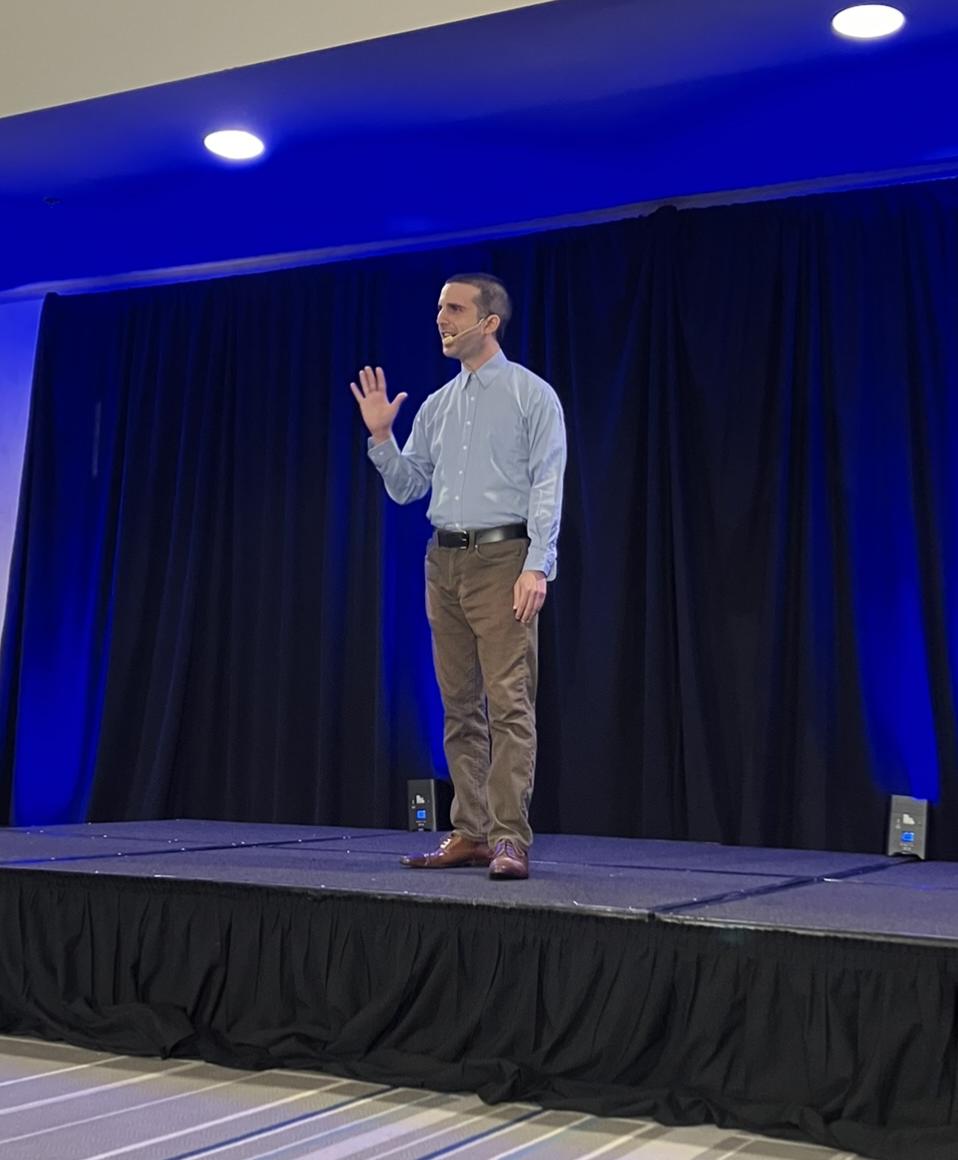
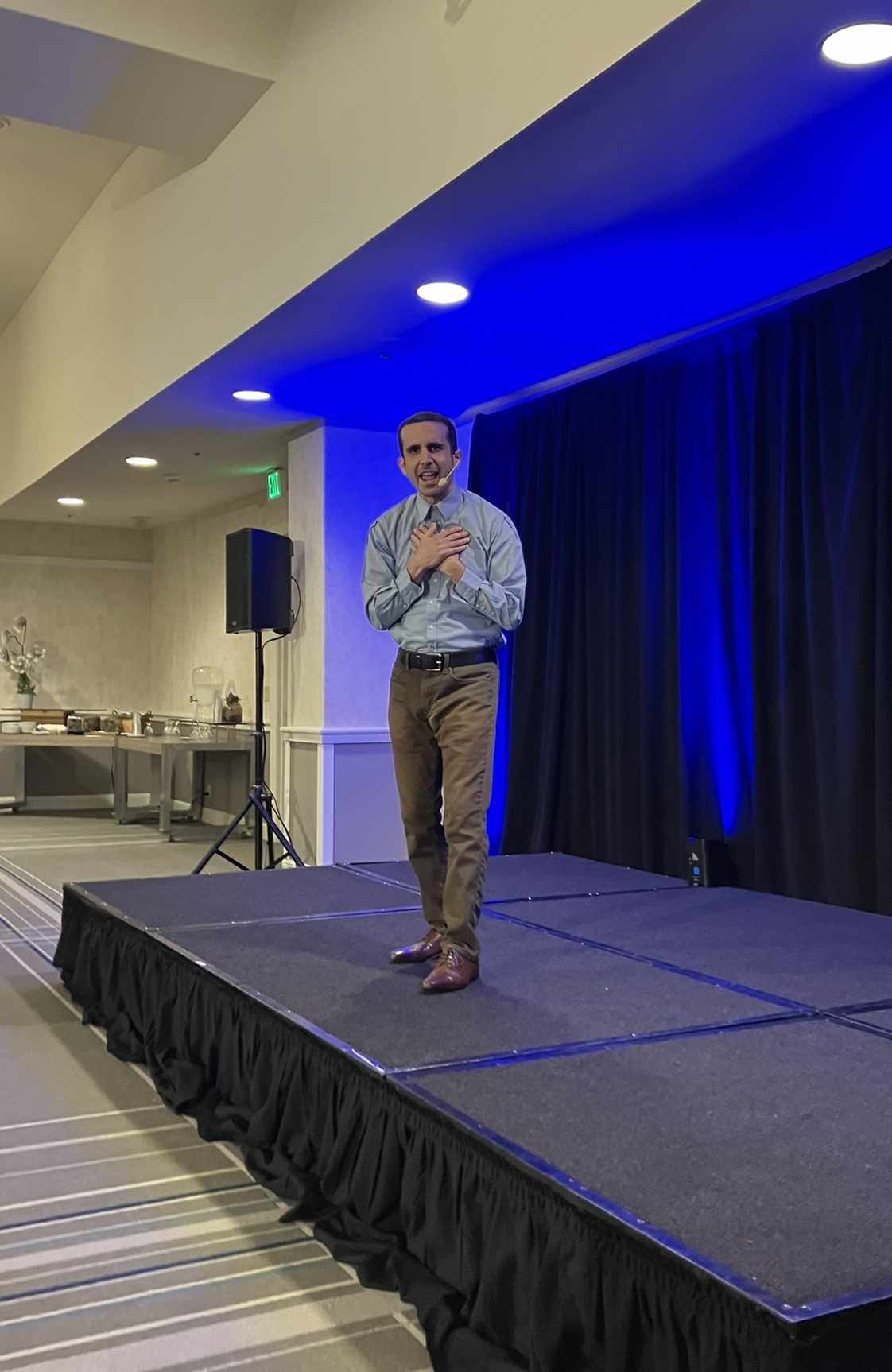
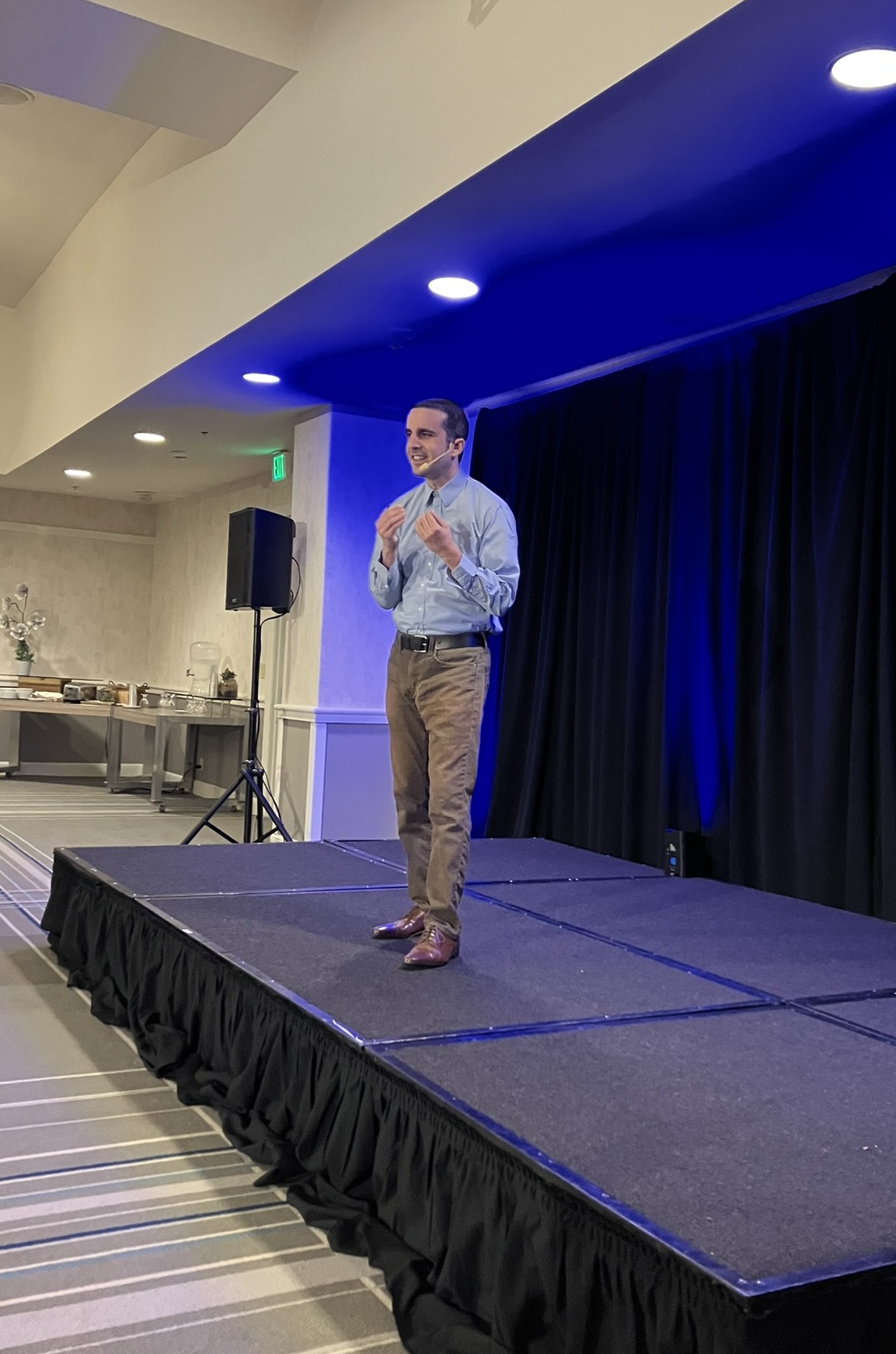
Image Credits
The group photo can be attributed to “NAMI Westside Los Angeles” — it was a team photo
Popular
-

Que Johnson on Building Brands That Last: From Visibility to True Market Authority
-

Christina Wren Steps Into the Director’s Chair to Tell Stories That Feel Like Home
-

Portraits of the Valley
-

LA’s Most Inspiring Stories
-

JordanL on ‘Breathe,’ Belief, and Building a Movement Beyond the Music
-

Megan Birney Rudert on How Access to Light Is Powering a More Sustainable and Equitable Future


