




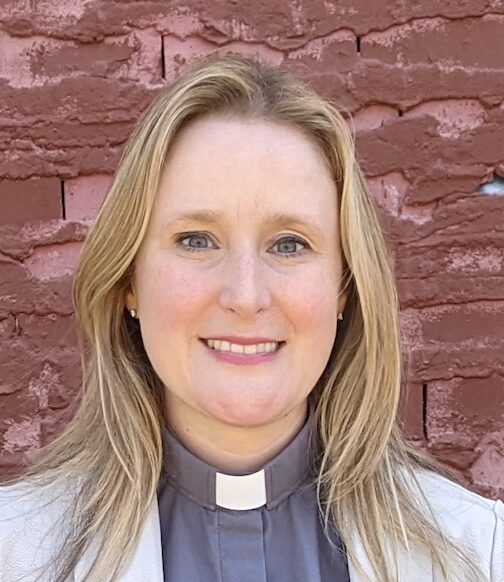
Today we’d like to introduce you to Amanda Riley.
Hi Amanda, please kick things off for us with an introduction to yourself and your story.
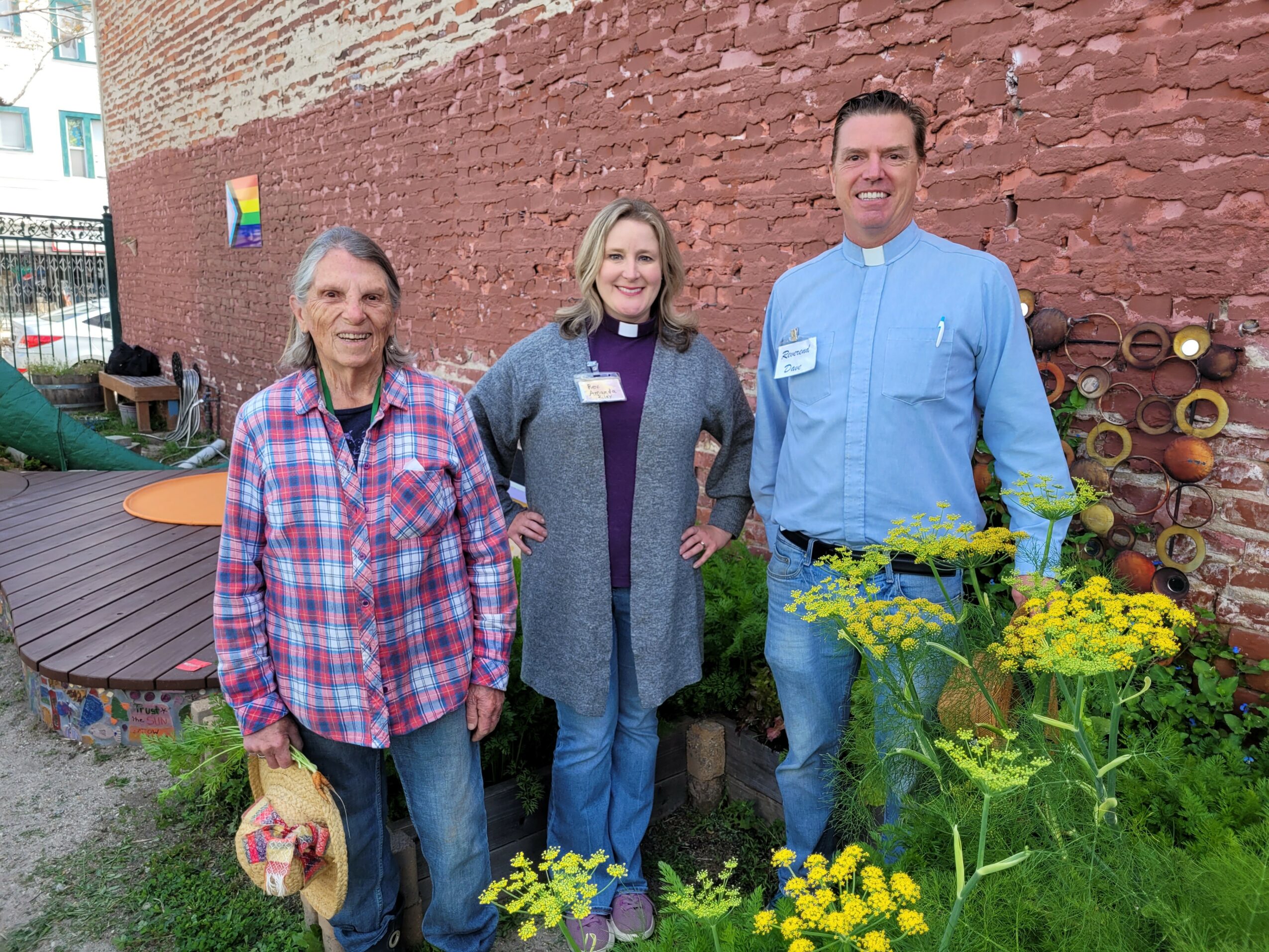
In 2004 a visionary pastor, Rev. Anna Woofenden answered a call to found a church that was a garden and a garden that was a church.
The Garden Church was founded out of a longing and a wondering, a vision and a hope that church could be something that spoke to the interconnection of food and earth, community and God. Over the years as we have experimented and explored, we have found where church is coming alive in the messy soil of everyday life and the world around us. As we took an empty lot and worked together to transform it into an active urban garden and outdoor sanctuary, we have seen where justice is inexplicably intertwined with liturgy, where the sacred is found on the cracked sidewalk, and where the brokenness of the world permeates the walls of the church.
We spent our first month’s gathering people together, meeting for worship in public parks, walking our streets, asking questions, and seeing and listening to our community. In May of 2015, we rented an empty lot in the old-town area of San Pedro, and opened our gates as a church. The very first thing we did was to place our table, a beautiful round cedar stump, in the middle of the empty lot, and dedicate it as God’s table where all are welcome.
It’s amazing what happens when you consecrate a rough red cedar stump, as the prophetic witness for all that is to happen in that space. Over the past two and a half years, we keep pointing back to that table in the middle—God’s Table where all are welcome—as the center and inspiration for all we do. The thing about having a table in the middle is that all sorts of different kinds of people gravitate around it. From the autistic pre-teen who comes right up to it and lunges toward the Communion bread, to the shy blond woman who carefully parks her possession-laden shopping cart outside the gates and sits quietly in the prayer garden until it’s time for dinner. People come through our gates to explore the garden, to volunteer, to take home fresh veggies, to pray, to be seen—to feed and to be fed.
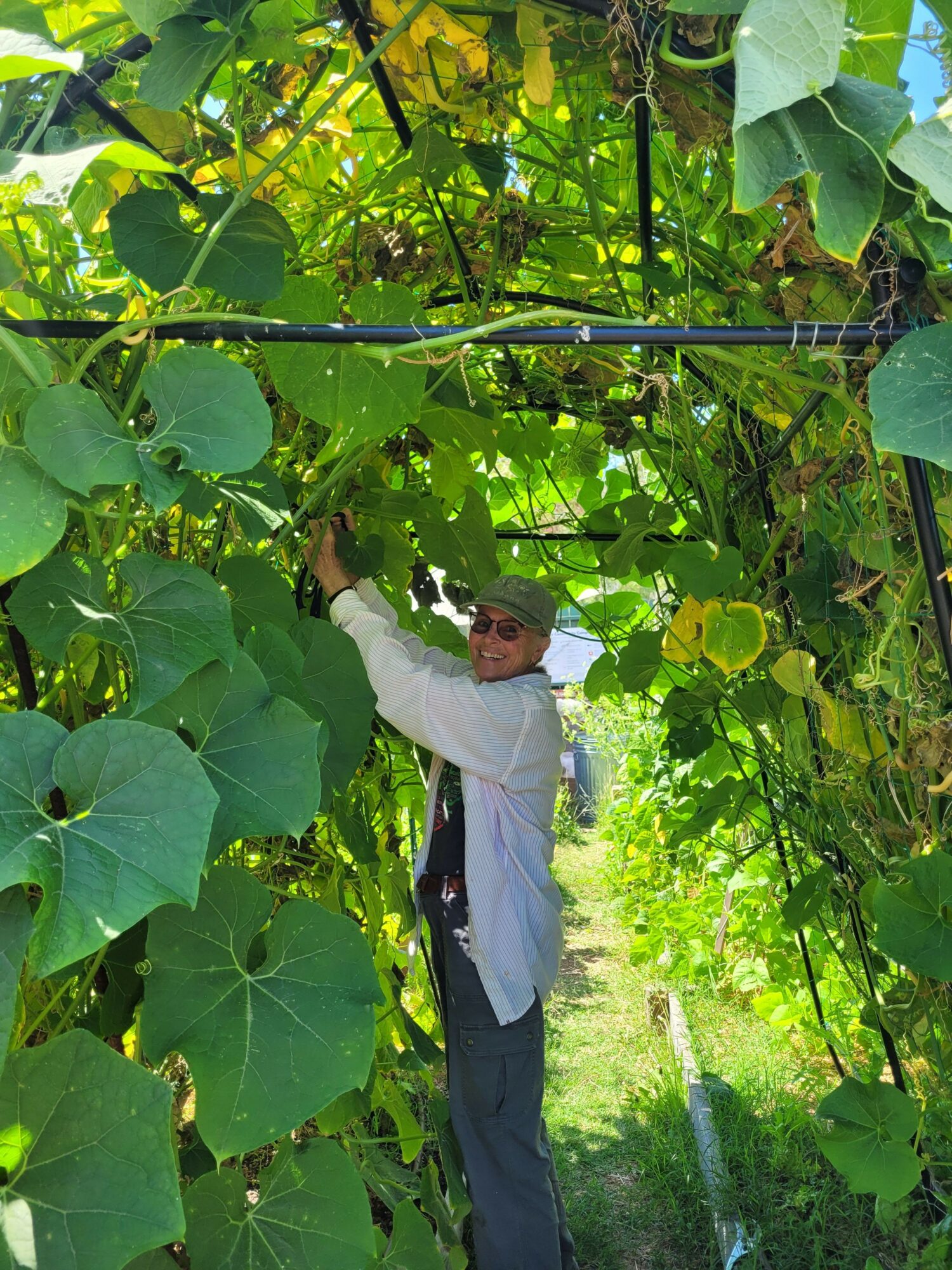
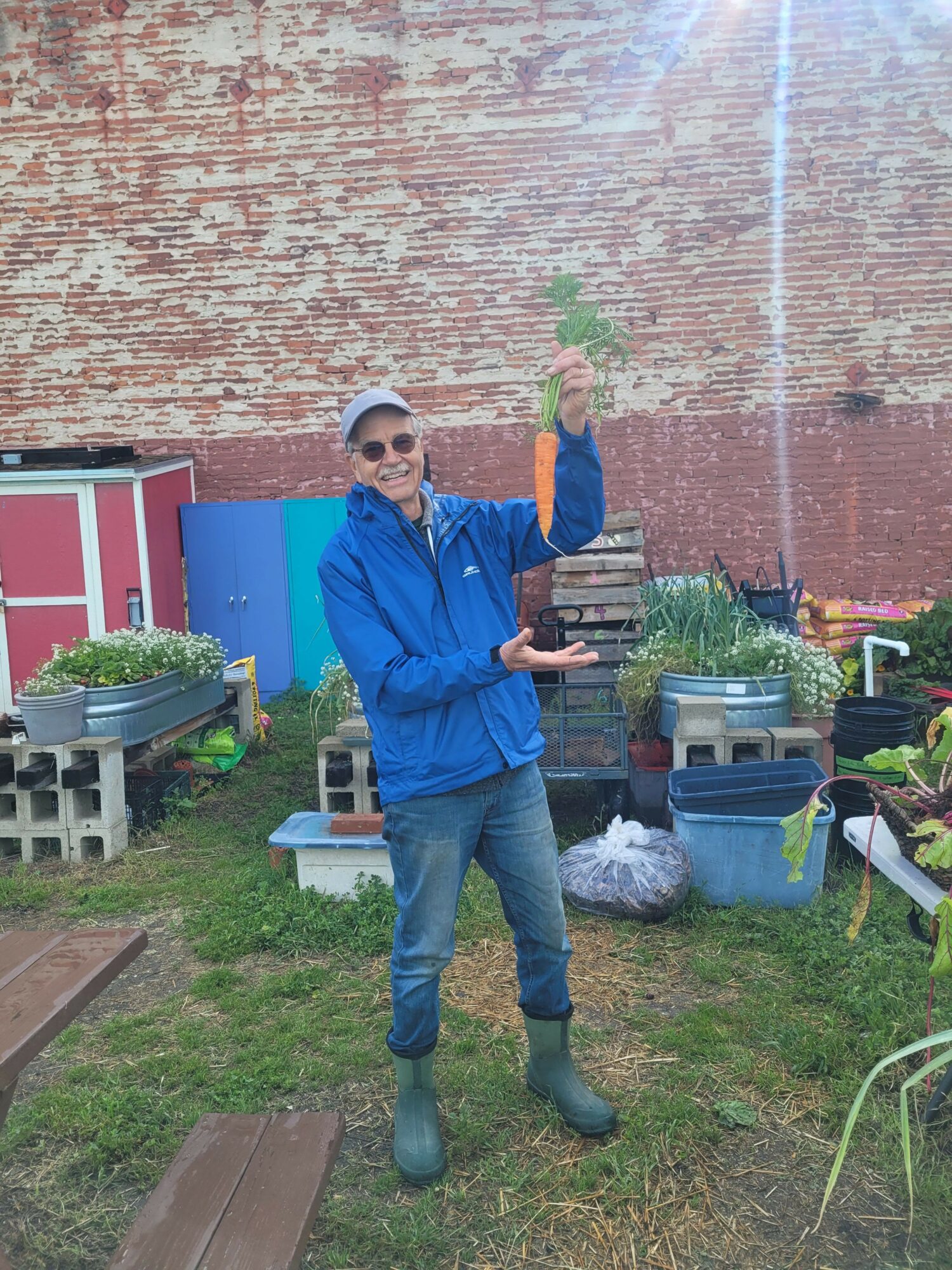
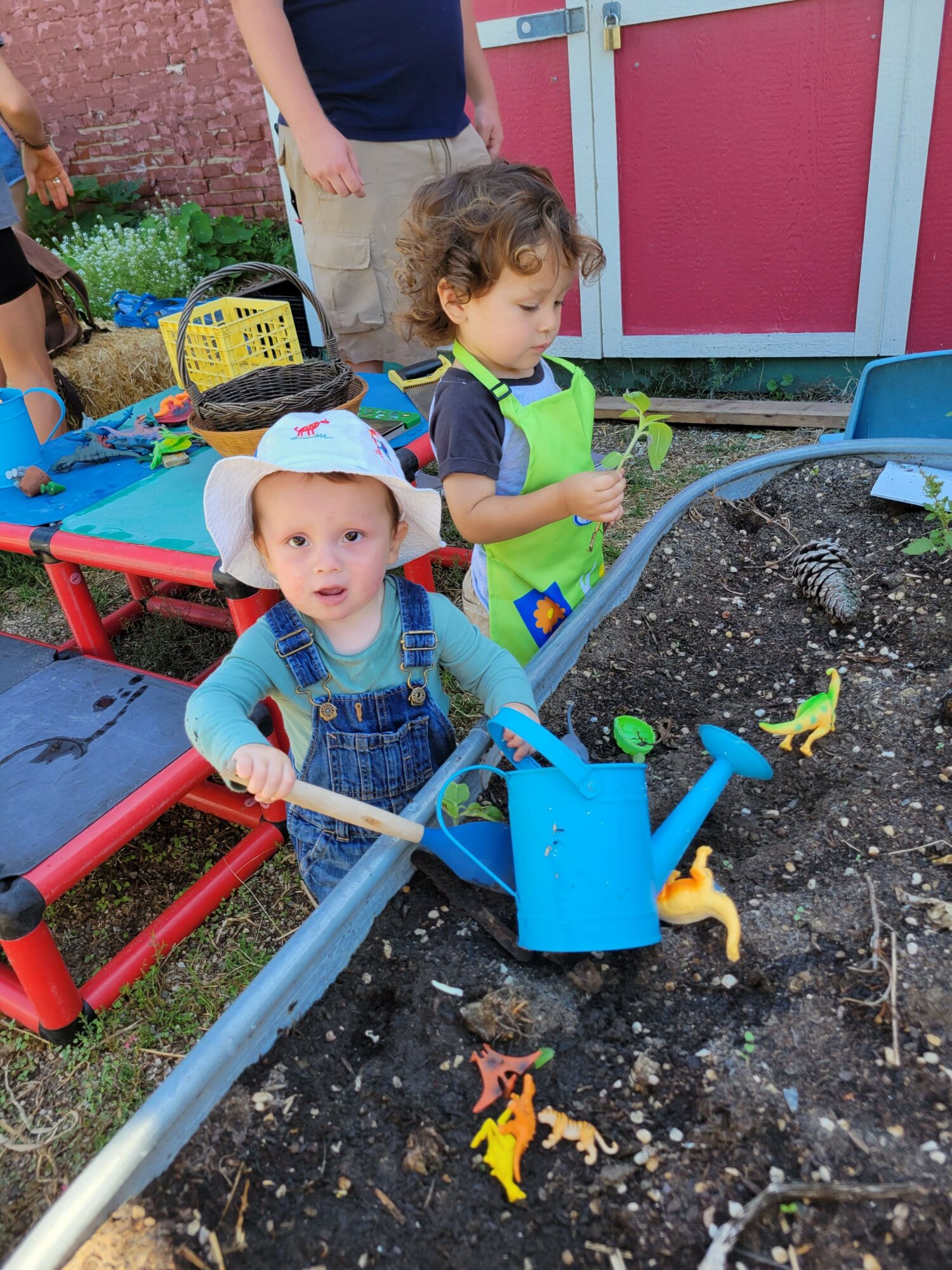
Every Sunday afternoon we meet for our weekly Gathering, where we make church together. We start at 3 pm by working together in the Garden. We always have a variety of jobs available, for every age and ability, and each week we revel in how people connect with each other and the earth through cultivating our food together. Little kids get excited about picking and eating peas, a lonely man has a wash of precious childhood memories while eating a kumquat, professors are in conversations with meth addicts, and the 80-year-old former nun ties up the tomato plants with the atheist teenager.
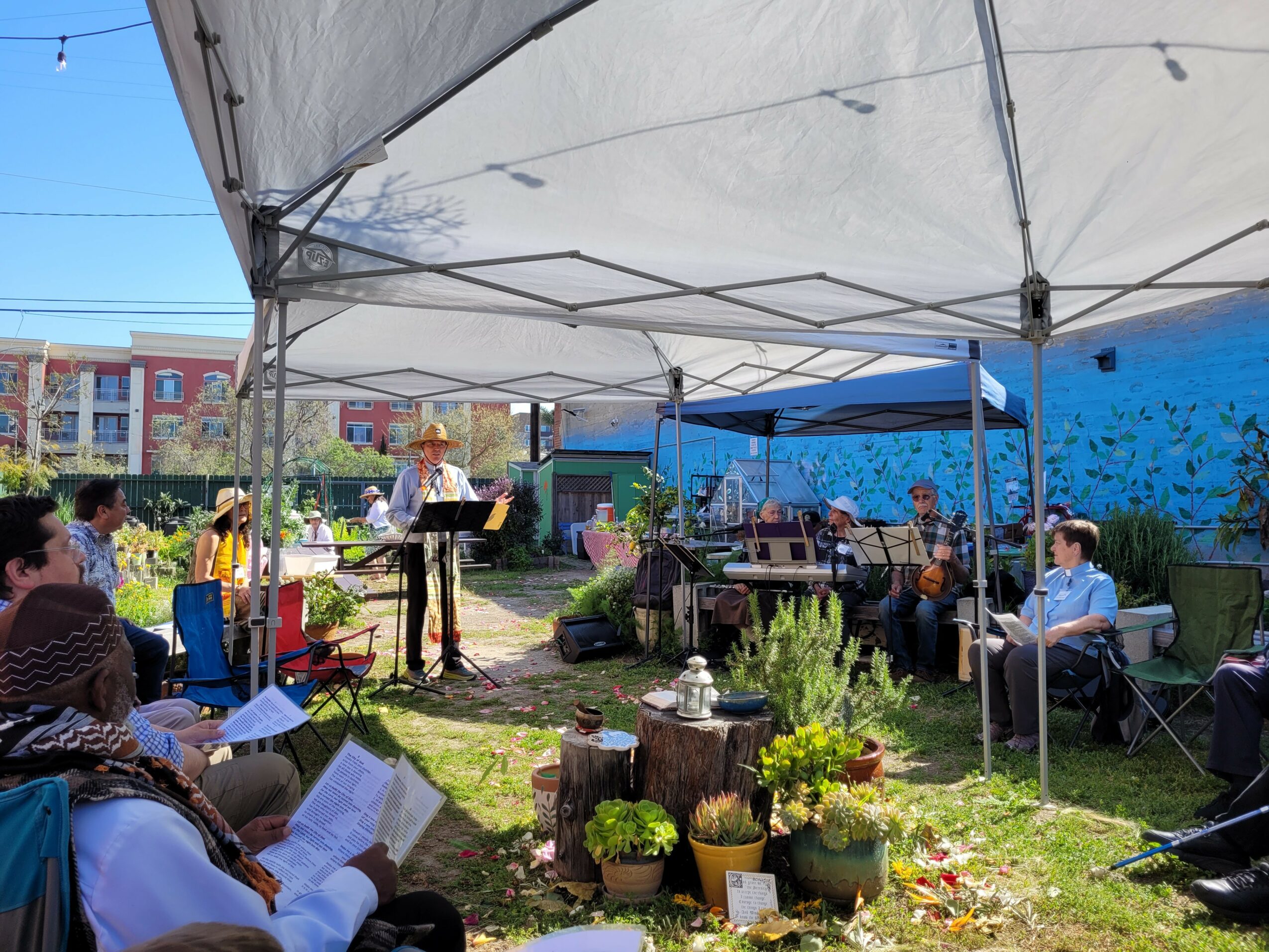
At about 4, you’ll begin to hear the bars of “As We Gather” played, and people begin washing their hands, putting away tools, and finding their seats in the camping chairs gathered around the stump in the sanctuary area of the garden. As we settle into worship, we talk about what we noticed happening during work together time, and celebrate what is now available at the Feed and Be Fed Farm Stand (take what you need, pay what you can) and how everyone participated in the work that day. As we move into worship, we recognize that another way we make church together is to sing together. And with the wind and the birds and the helicopters adding their parts, we sing our way into worship.
As our voices blend with the noise of the city, we unpack our tabernacle—our church in a basket. In this ritual, we harken back to our ancestors, the Children of Israel, as they wandered through the desert, stopping to unpack and set up camp each place they stopped. We unpack the items in our tabernacle as we remember God’s presence moving in all things, and right there with us and among us. We unpack the Bible, the stories of God and the stories of humanity. The candle, the light of Christ, the light that shines in the darkness and is not overcome. The light that we see when we look across the circle into each other’s eyes and see the spark of the Divine in all people. We unpack the water, the water of life, water that reminds us that every day— every moment—is a new beginning, and the water for the sacrament of baptism. We unpack the bread and the cup for Holy Communion, where we gather around God’s table where all are welcome to feed and to be fed.
And then we take out our delicately painted icon of the Tree of Life. This reminds us of why we keep gathering each week to make church together. This image comes from the end of the Bible, in the book of Revelation, where the heavenly city, New Jerusalem, is descending. In this city there is no temple, because God is everywhere, and in the middle of the city there is the river of the water of life and the tree of life. And the tree of life has twelve kinds of fruit, all kinds of food, for all kinds of people, and leaves that will heal the nations. We hold this icon together and remember why we keep gathering week after week in this plot of dirt in the middle of our city. Trying to cultivate a place that is a little bit more like a heavenly city, right here on earth. A place where people are fed in body, and mind, and spirit, and a place where the healing leaves of justice and compassion, reconciliation, and justice and hope can be cultivated.
As the worship service unfolds, each of these items that we unpack come into play, as we share scripture together, read by whoever jumps up to answer the call, and reflect and pray and get up and greet each other as we pass the peace. And then, and then we break that heavenly bread of life over the table. People filter in, and sometimes, out. We walk out around the garden with the bread and cup, offering it to everyone, whether they’re still busy picking beans or shyly sitting on a bench in the back. As we come back around the table for the Communion prayer, we look into each other’s eyes and see God and community anew.
We transition from our sacred communion meal to our shared community meal with a blessing song, sharing what we brought and what it has from the garden in it. Our blessing song functions as the claiming of a prophetic promise. Written by our friend Kerri Myer as a response to the works of Wendell Berry and the longings in her own heart, we sing the words, “There is enough, there is enough, there is enough, enough and some to share.” Inevitably, as much as I have worried about whether there will be enough food on that table, week after week, the blessing comes true. Stalwart volunteers may bring one more dish, or perhaps a 10 year-old-boy decides his calling is to cook. The line around the serving table starts, and some of our neighbors from the street jostle to the front. “What’s that?” I hear one young man say to another. “That’s vegetables, but it’s okay, vegetables are cool here.”
People sit down next to each other and you begin to hear stories being shared at some tables, and somewhat awkward companionable silence being shared at others. A toddler runs in through the gates, just up from her nap, with her green stuffed monkey—Mono Verde—in her arms and multiple people raise their hands and voices in greeting. A loud-voiced, somewhat unstable, rarely listened to man begins delivering a rambling announcement about historical dates, while the young couple tries to continue their conversation about composting. All the voices blend in together, and as the sun starts to go down, a cool breeze blows through the corn stalks, and you can smell the fresh basil on the air.
When most of the eating is done, we gather back around the circle for closing, singing, blessing, and anointing for any milestones or special prayers, and our closing ritual, “God is here.” People name where they saw or tasted, heard or felt, the presence of the Divine that day, and after each person shares, the community responds singing, “God is here.”
In the faces of the children…. God is here.
In that apple pie! God is here.
When I got really angry and wanted to hit that guy, but then my friend came along and distracted me and so I didn’t. God is here.
In that bright red sunflower in the Prayer Garden, in the conversation at dinner, seeing the worms working hard in the compost, here, here at Church. God is here.
God is here. God is here.
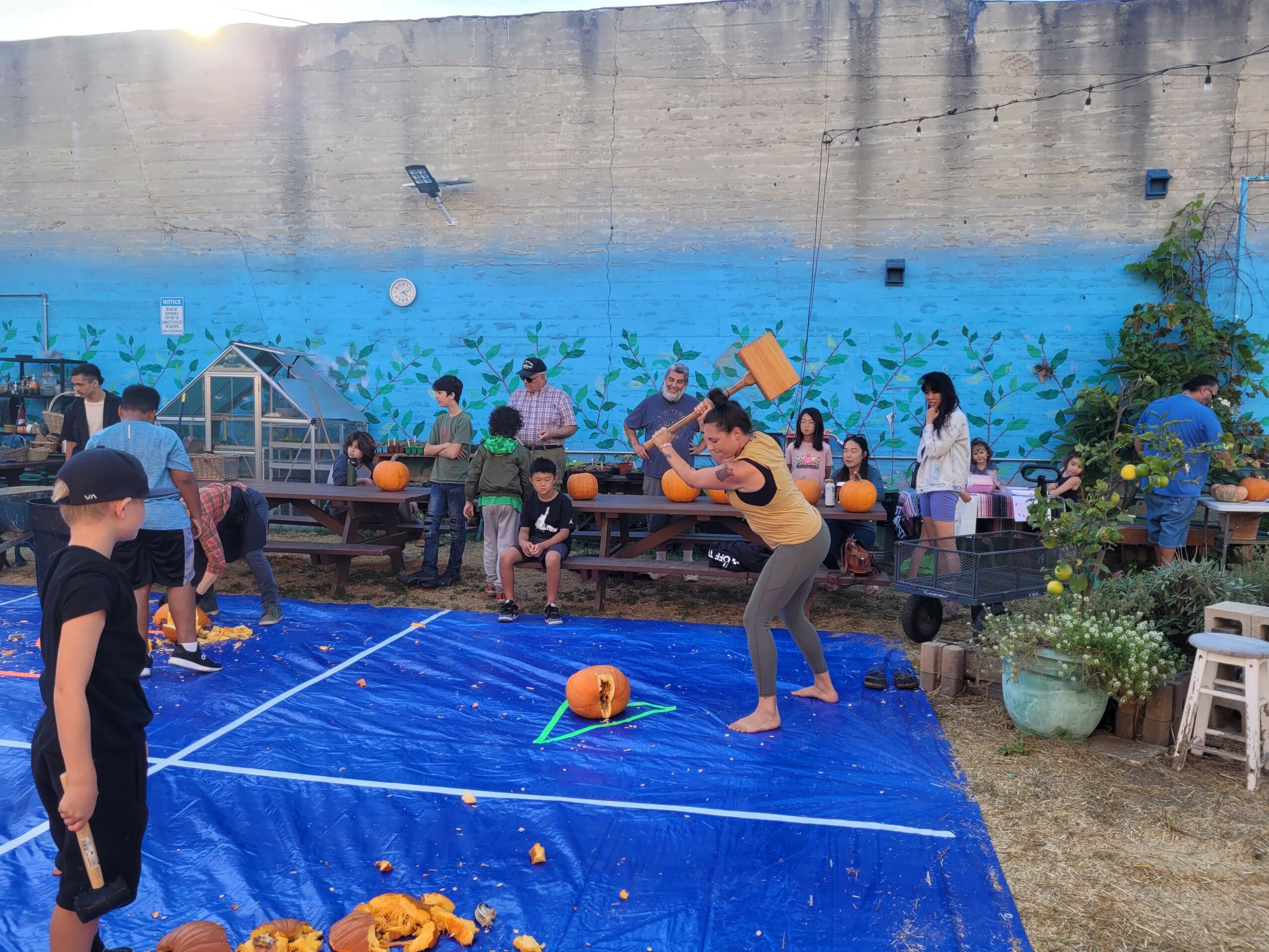
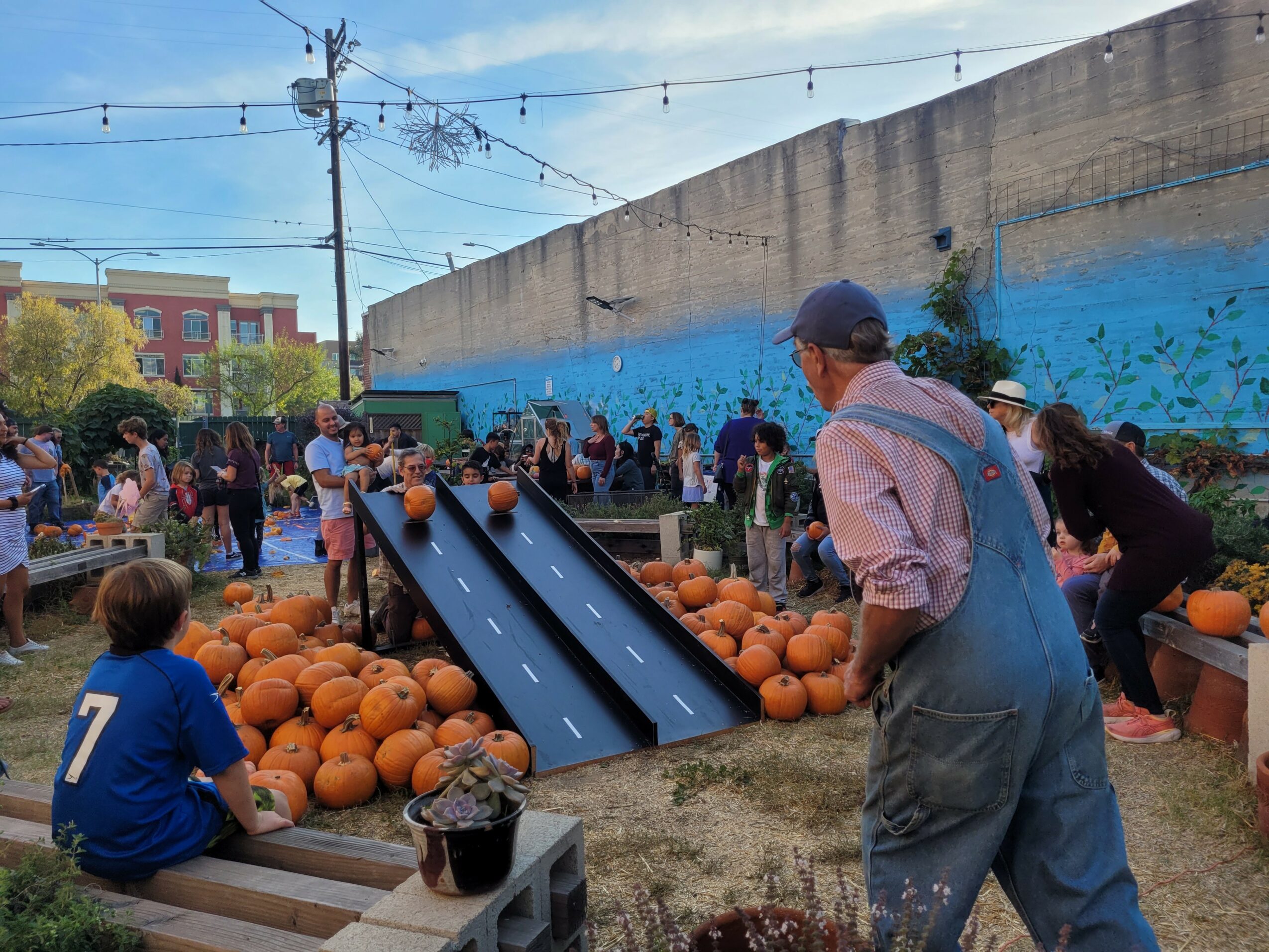
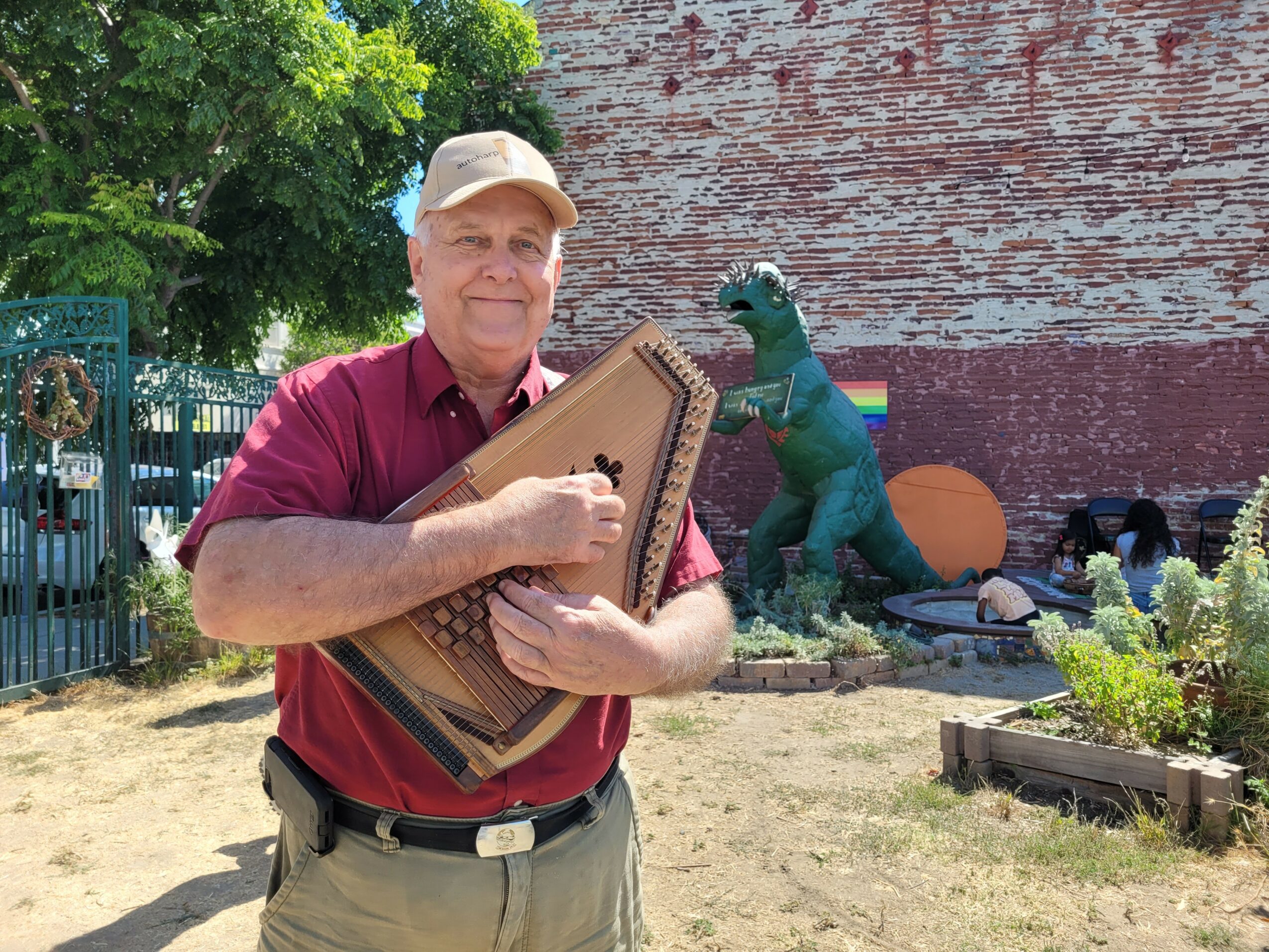
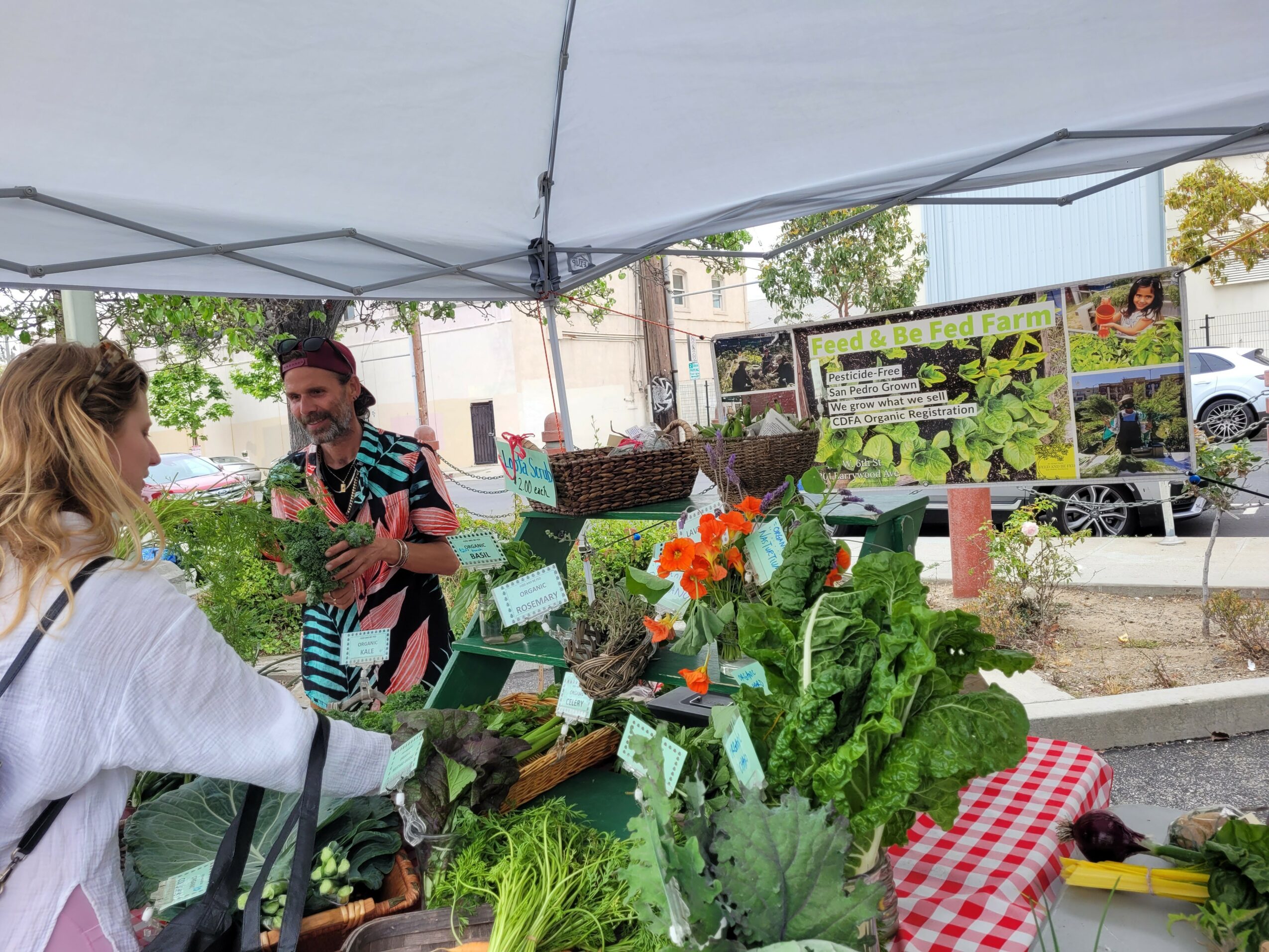
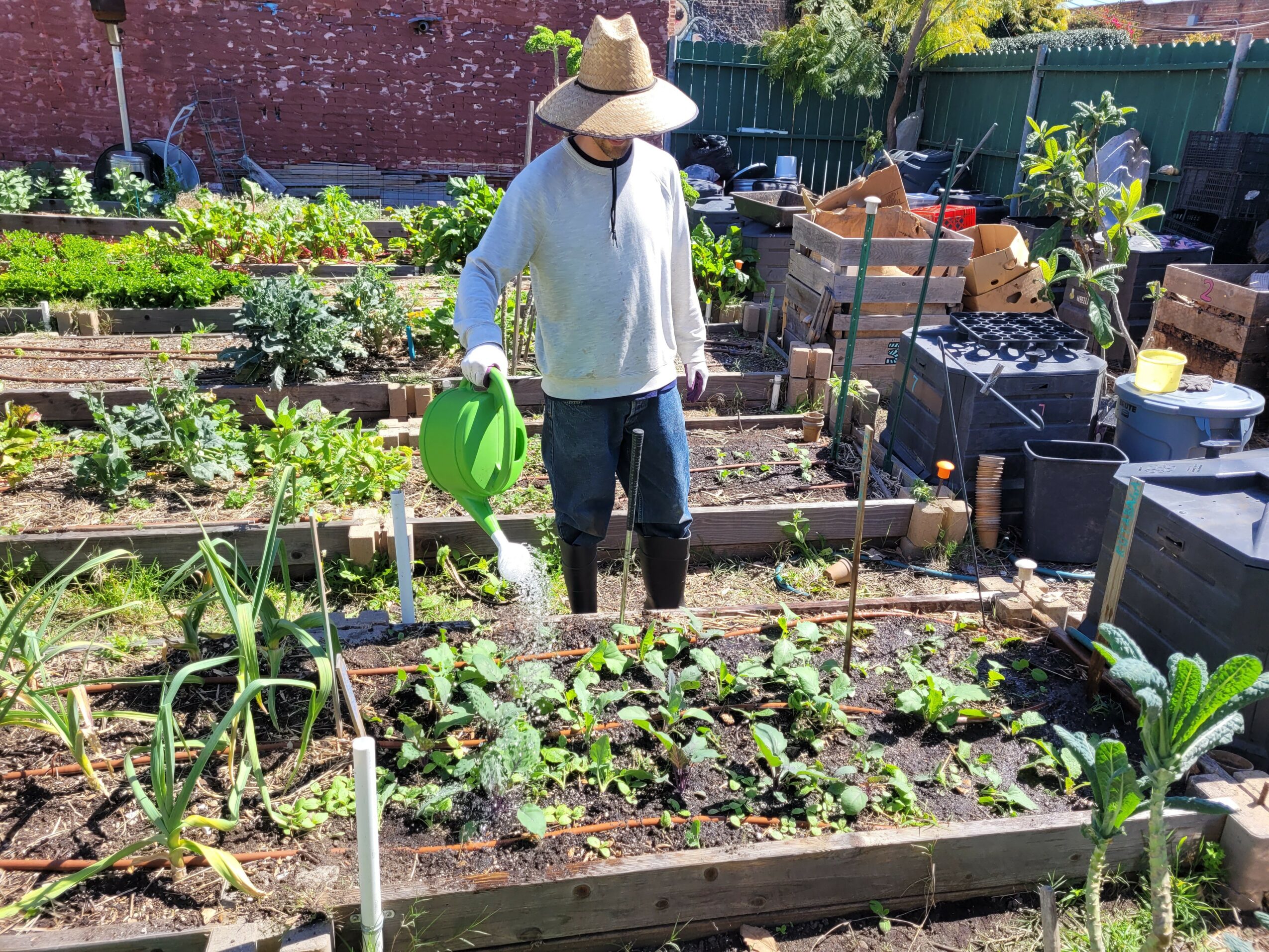
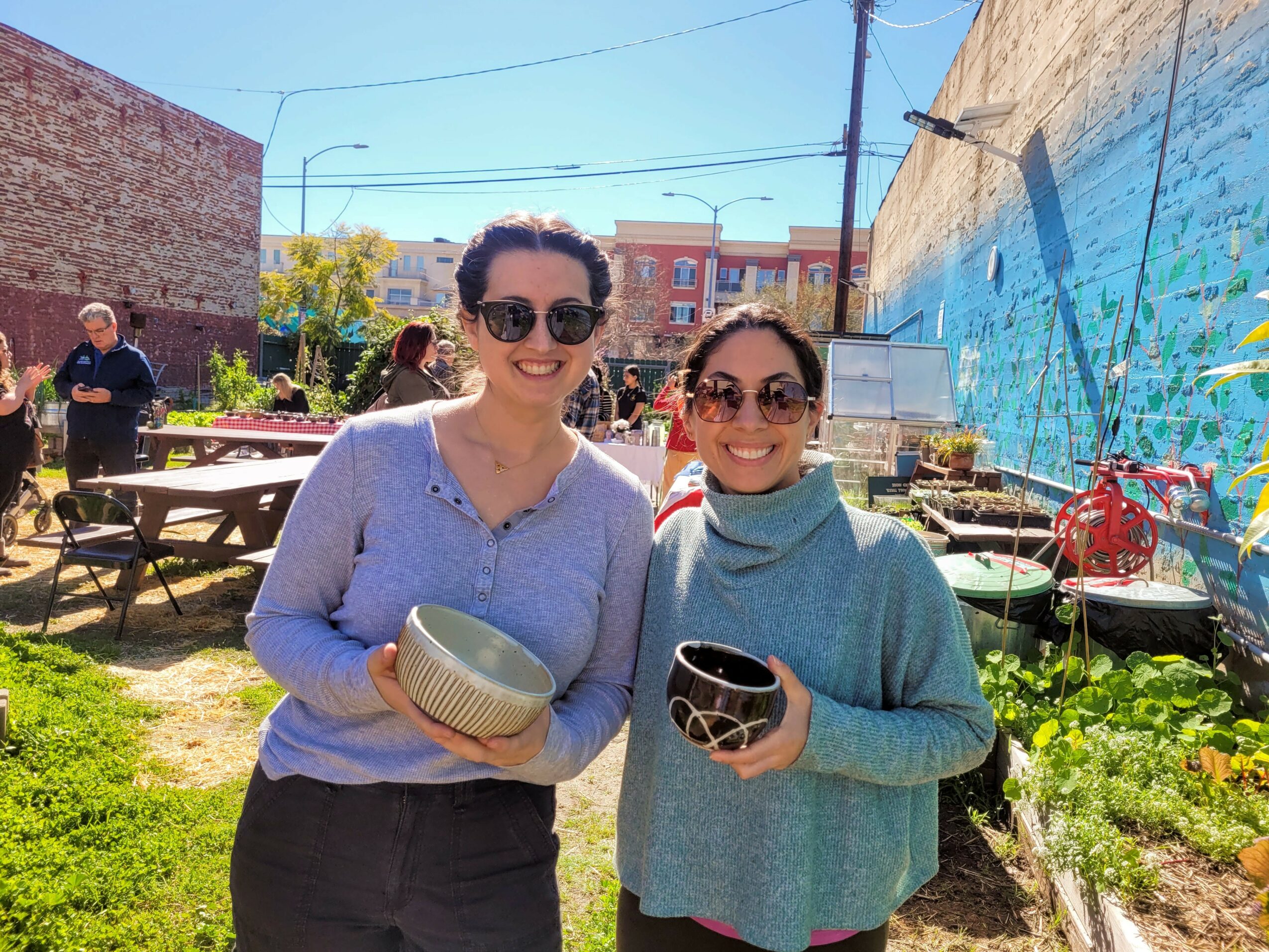
God is here at other times during the week as well. When we open our gates for Open Garden time to work together to grow food for our community, when we invite live music and the community in for the First Thursday Art Walk, and a myriad of other events we do in tandem with our non-profit wing, Feed and Be Fed Farm which the church launched in 2017.
We welcome your involvement and participation in all of these events and programs!
Alright, so let’s dig a little deeper into the story – has it been an easy path overall and if not, what were the challenges you’ve had to overcome?
Starting and maintaining anything has challenges. For The Garden Church and Feed and be Fed the pandemic brought unique challenges. Over the years we’ve had a handful of break-ins to the garden including theft. Each time the community has rallied to help us from donations to kind words to funds from Supervisor Janice Hahan’s office, we have been blessed in unexpected ways. Feed and Be Fed is a young and very small non-profit and as it continues to get its footing we are fortunate to have community members volunteer to serve on the board, provide music, and outreach for the educational work being done. At every challenging point along the way the community has stepped up and together we have kept the garden growing through volunteers and making church together through whoever shows up on Sunday.
Alright, so let’s switch gears a bit and talk business. What should we know?
At The Garden Church:
We strive to follow the example of Jesus by loving, serving, and feeding each other. The vision for The Garden Church embraces the idea that the church is itself an organism that is gathered together to be useful to the broader community, not merely existing to serve itself, and that it is a place where people can come and be useful to each other and to the community around them. Embodying the Swedenborgian teaching that “all religion is of life, and the life of religion is to do good,” we will blur the lines between worship and service, community development and church as an embodied Spiritual community. Drawing from the teaching of the deep connection between the natural world and a Spiritual reality, we will engage nature and food through embodied theology as we garden and eat together.
Engaging the teachings of interconnected community and the multiple levels of loving the neighbor, we envision this church to serve as an organic emanation of God’s redemptive and transformative work. We see the work we do together bringing transformation to individuals, between people, in the local community, for the broader denomination, and to society as a whole.
At Feed and be Fed, We care for people, the planet, and the future by practicing and teaching:
Organic, sustainable urban farming
Food justice means that there is more than enough food for everyone
Composting of food waste
Teaching the next generations through our youth programs
Regeneration of degraded landscapes
Providing sanctuary for renewal of the spirit
Contact Info:
- Website: https://www.gardenchurchsp.org/ and feedandbefed.org
- Instagram: https://www.instagram.com/gardenchruchsp and https://www.instagram.com/feedandbefedfarm
- Facebook: https://www.facebook.com/search/top?q=the%20garden%20church and https://www.facebook.com/search/top/?q=feed%20%26%20be%20fed
Popular
-

Portraits of the Valley
-

LA’s Most Inspiring Stories
-

JordanL on ‘Breathe,’ Belief, and Building a Movement Beyond the Music
-

Megan Birney Rudert on How Access to Light Is Powering a More Sustainable and Equitable Future
-

Linda Kneidinger on Building Lasting Change Through Small Steps and Self-Compassion
-

Jolana Nika on Redefining Modern Connection Through Intentional, Real-Life Experiences


