




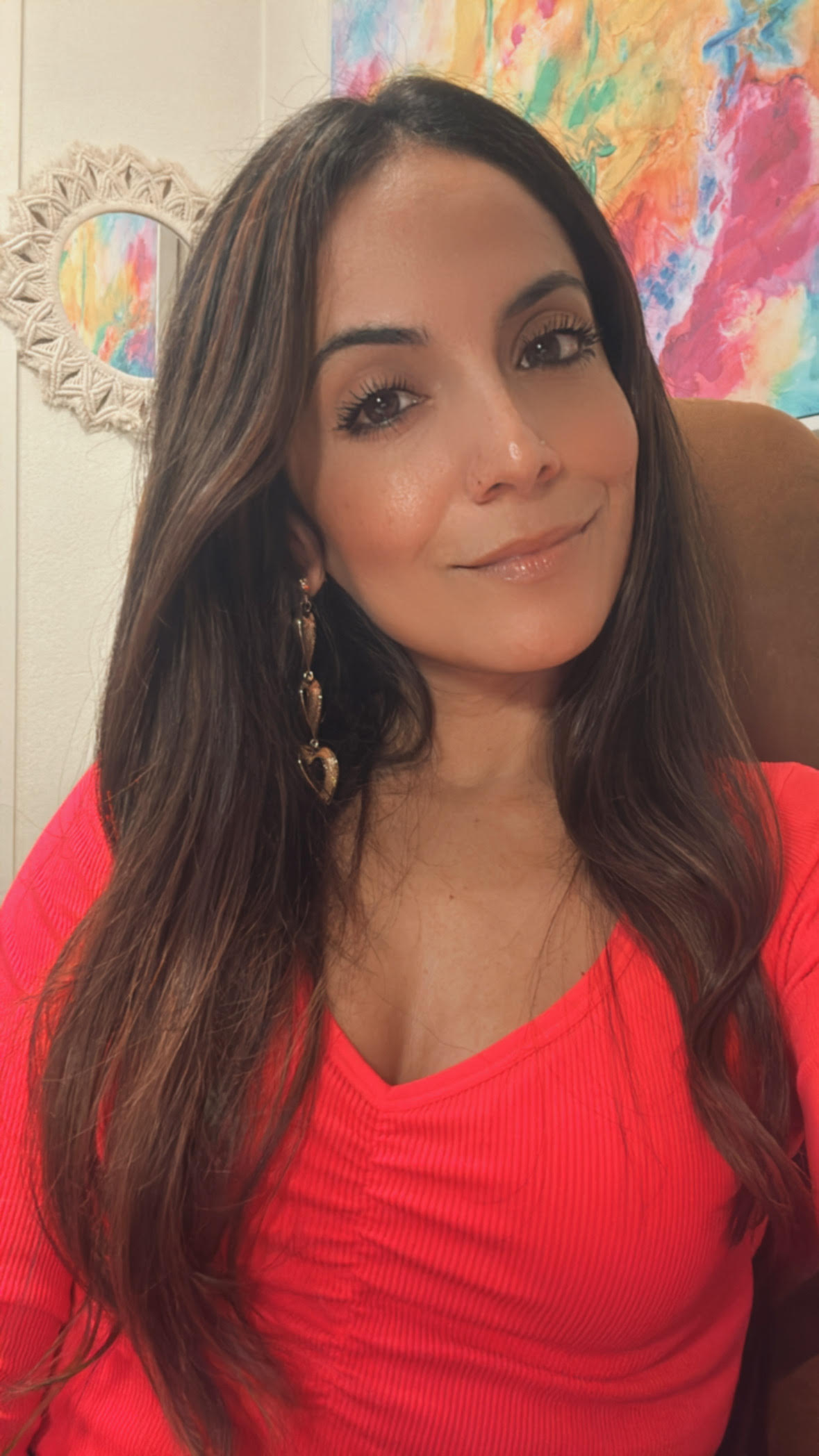
Today we’d like to introduce you to Alicia Gomez.
Alicia , we appreciate you taking the time to share your story with us today. Where does your story begin?
I was born to teenage parents of Mexican descent in the inner-city of Los Angeles, California. My father had immigrated to the U.S. and was battling heroin addiction, still grieving the loss of his mother who passed at just 13. My mother, one of nine children, had run away from a home marked by poverty and complex, often painful family dynamics. From an early age, I learned survival: how to read danger, how to escape it, how to stay alive. My father gave me ‘the safety talk’ before I even understood what it meant or why it was necessary.
In high school, I was diagnosed with depression, though I didn’t recognize it then. I felt the weight of pressure but didn’t recognize that my experience was anything unusual. I was aware of my financial struggles, often comparing our Section 8 apartment to the beautiful homes my friends lived in—places like the Palisades, Malibu, and Baldwin Hills. Nevertheless, I felt rich in love, friends, and soul. I cheered, danced, smiled—but inside, I was unraveling. One day, asked to read in class, I opened my mouth—and tears fell instead of words. I knew then something was wrong.
The emotional weight I carried became harder to hold and I started cutting—partly to alleviate my pain, partly to feel something, anything. When my mother discovered the cuts, she immediately sought out mental health services—something foreign to our family and culture.
Medication numbed me; therapy gave me voice. I stopped taking the medication. But when therapy was taken away—due to cultural clashes between my therapist and my mom—I was left to face the pain alone. One day, while typing an essay using a free trial AOL disc, I stumbled upon the quote: “If God brings you to it, He will bring you through it.” That line sparked something in me. I knew I’d survive. And I did. Getting through that chapter not only proved my resilience—it ignited my desire to become a therapist and help others move through their pain, too.
I became the first in my extended family to leave county lines when I moved to San Diego to begin my college journey. As a first-generation college student, I earned both my BA and Master’s in Multicultural Counseling from SDSU.
Though I had physically left my family system, the emotional patterns I grew up with followed me. While pursuing my degree, I worked to pay for school and navigated a difficult relationship with my high school sweetheart—who I later discovered was battling a crack addiction. I fought hard to support him, but when the relationship turned physically abusive, I realized I had to save myself.
At 22, while completing my master’s program, I was introduced to theories and frameworks that reshaped how I understood myself. I was surrounded not only by professors, but by powerful healers. Their influence, combined with my coursework, led me to seek therapy. In that space, I began healing my inner child, my teenage self, and confronting the abusive patterns I had come to normalize. That season marked the beginning of deep transformation.
By 23, I was answering crisis calls, saving lives on a suicide prevention hotline. Hundreds of calls a month. Four years. My voice became a life raft. But I burned out. I needed more.
I moved to Florida to pursue my Doctorate in Marital and Family Therapy. Just two months in, I was sexually violated by a peer. After everything I had endured in life up to that point, I was cautious—carefully vetting the people I allowed into my world. But I also challenged myself not to close off to connection, especially in a new state where I had no friends or family. I thought I had a good read on this colleague based on how he presented himself. I was wrong.
Ironically, just a month after the incident, I was hired by a Rape Crisis Center in South Florida. I had applied, thinking it was a domestic violence shelter. During the training process, I realized I was, in fact, a survivor of sexual violence. It was a confusing revelation. What I experienced wasn’t rape, but it involved coercion, manipulation, and the abuse of power—hallmarks of sexual violation.
I continued in my doctoral program while serving at the Rape Crisis Center. That role gave me a profound sense of purpose. I empathized deeply with the survivors I supported—during forensic exams and later in trauma-informed counseling. The center became a safe haven. I felt at home among passionate, like-minded advocates.
Despite this grounding work, I was still in survival mode. Every time I drove to campus, my heart raced, my palms sweated, and thoughts like “What if I run into him?” haunted me. Still, I persisted.
In my final year of the program, I chose to share my story on my personal social media platform. A colleague—someone who had presented herself as trustworthy and who I confided in after she checked in on me during practicum when I seemed withdrawn and guarded—ended up reporting me to the university. I was blindsided by a call from the new Department Chair. As I shared my story, she asked if anyone had informed me of my Title IX rights and the option to pursue a university investigation. No one ever did.
That last year nearly broke me. I was attending classes with both the perpetrator and the woman who reported me. I was working full-time at the Rape Crisis Center, supporting clients while undergoing a Title IX investigation. I was met with hostility from female faculty, some of whom threatened to call security on me to escort me off campus. I called over 20 lawyers, only to be retraumatized by cold intake processes. I was also completing my research—on narrative therapy for survivors of sexual assault—while navigating a romantic breakup and battling symptoms of PTSD. I felt utterly alone.
Despite everything, I never let anyone see me sweat. I walked into that building with my head high, exuding confidence and strength. But inside, I was exhausted. My support system was 3,000 miles away, and still—I refused to quit.
I wrote every word of my dissertation in just nine months. Professors told me it wasn’t possible, that the timeline was unreasonable. But I knew how hard I could work. Two weeks before my defense, one of my committee members pulled out. I was tested again. Fortunately, another professor agreed to step in, even with the investigation underway.
I graduated with my Doctorate in Marital and Family Therapy, shaking the hand of the Dean who never once responded to my heartfelt email about my victimization, the department’s failure to inform me of my rights, or the toxic dynamics I endured. I pointed out the irony in being trained to help others heal from family secrets and systemic trauma, while the program itself turned a blind eye when those very patterns showed up in their own halls.
Still, I didn’t let the university rob me of my moment. I crossed that stage proudly, surrounded by friends and family who flew in from California. What made it even more special was having my grandparents—who immigrated from Mexico—there to witness me become, Dr. Gómez. I thought of them, of my family, of my humble beginnings. And I remembered why I endured: to give back, to break cycles, to help others heal.
After what felt like a five-year deployment—far from family and friends—I moved back to California.
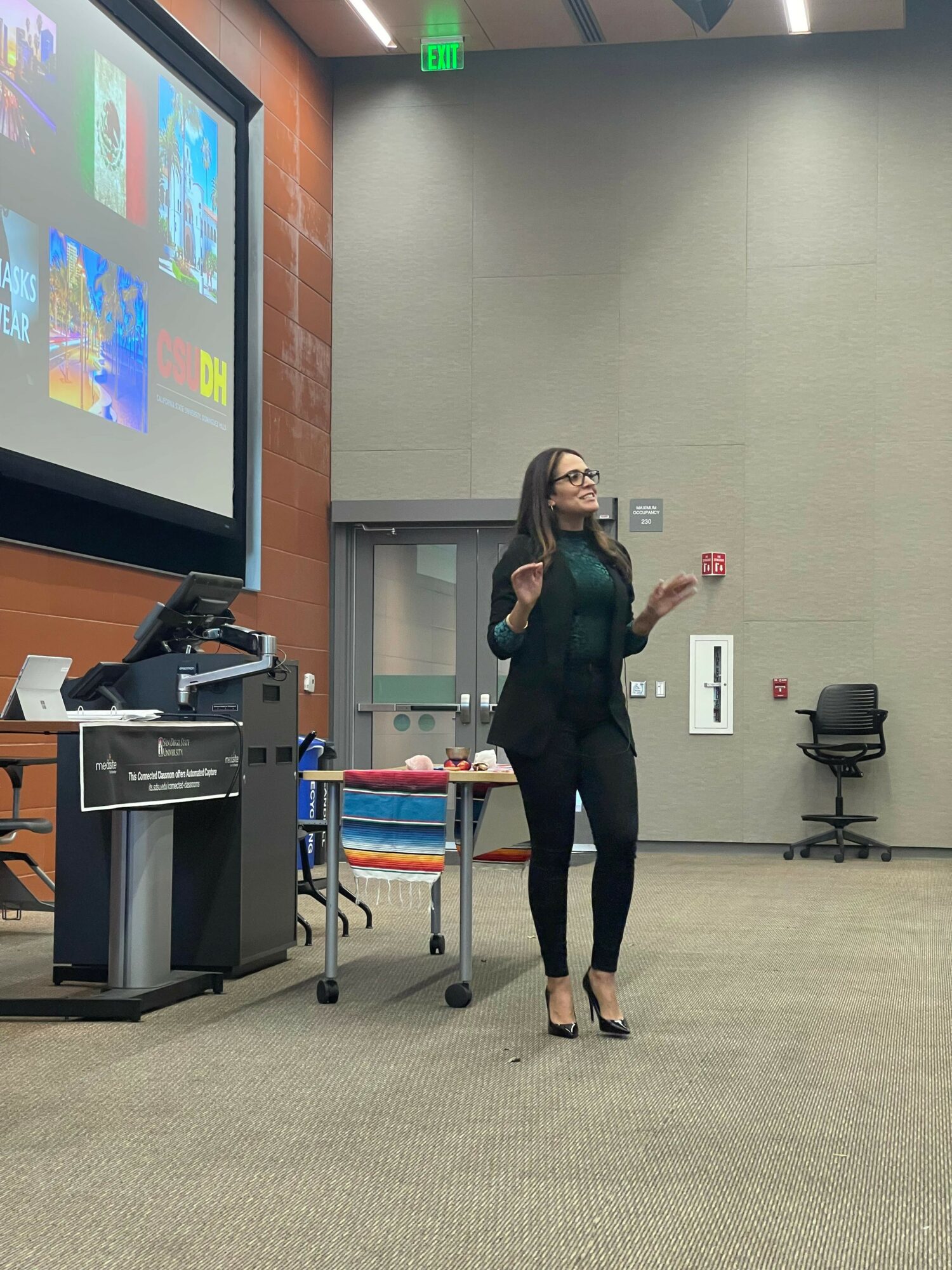
I hadn’t lived in Los Angeles for 13 years and often wondered how I’d break into academia without connections. But I landed my first full-time tenure-track Assistant Professor position at California State University, Dominguez Hills, in their Marriage and Family Therapy Master’s Program. I served there for three years and loved sharing my passion for the field with budding clinicians. It felt like a full-circle moment to teach at the same institution my mother graduated from while raising two kids as a single parent.
While I was grateful for the opportunity, I also experienced exploitation as a junior faculty member. It wasn’t until I spoke with a seasoned professor that I realized my workload was far from standard for someone new to academia. Research shows that women faculty—especially women of color—are often tasked with additional administrative responsibilities on top of teaching, research, and service. These added roles are essentially a second job, often unpaid. Unlike some junior faculty who have mentors to guide them, I had severed ties with my doctoral program after reporting sexual violence, leaving me without that critical support. I didn’t know what I didn’t know—and had no one to show me what to advocate for.
Still, therapy had taught me to honor the limits of my mind, body, and soul. During my exit interview, I summed up my decision to leave in two words: self-love.
During my final semester in academia, I poured myself into researching and preparing to launch my virtual private practice. Some people have the privilege of hiring web designers, attorneys, or leaning on colleagues or relatives for support. I didn’t. As the first in my family and social circle with this level of education—limited contacts and a modest income—I had to build everything from the ground up.
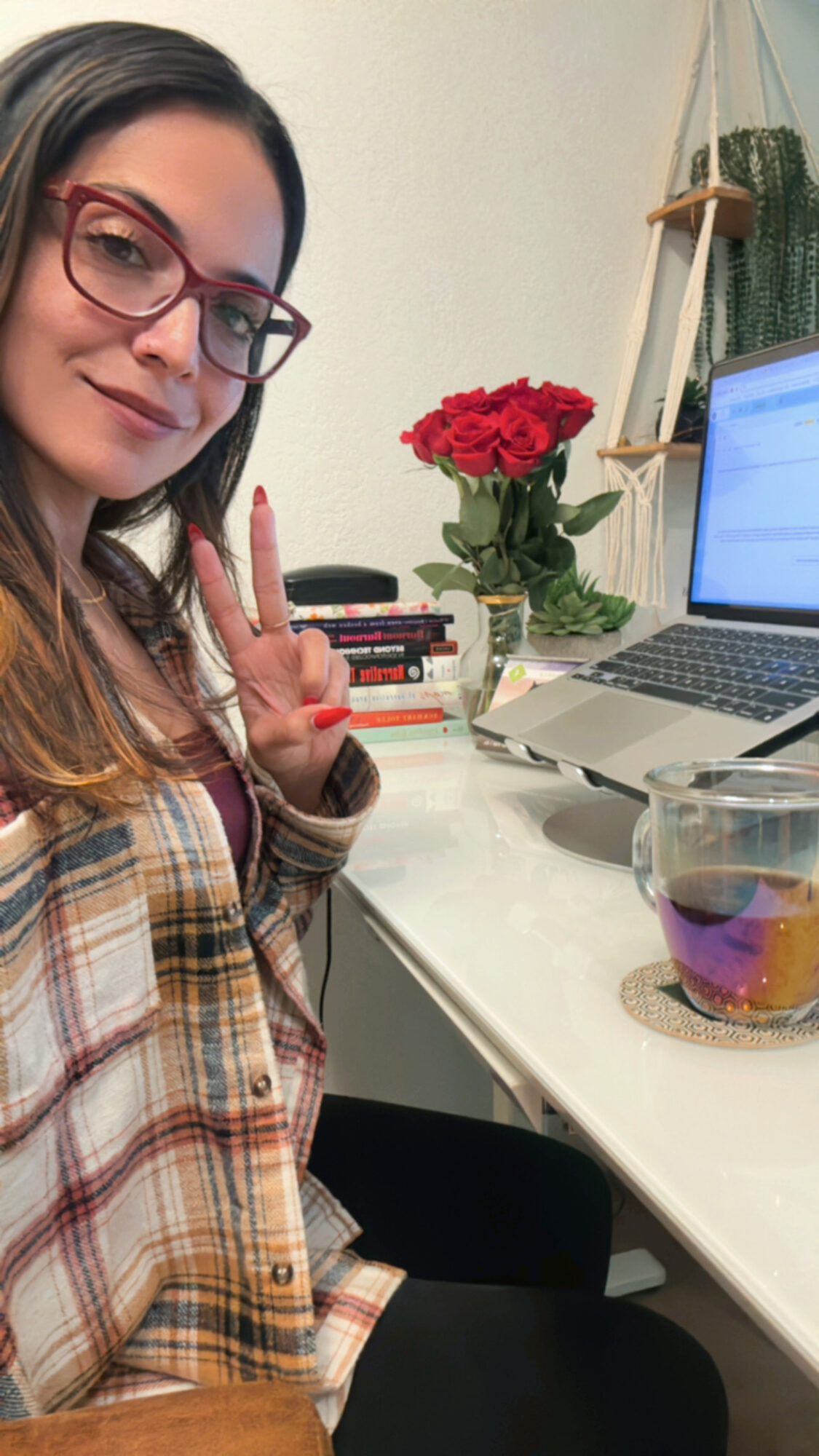
In January 2022, I launched It’s a Vibe Therapy & Wellness. I built the website, created all the forms, set up the systems, and opened my (virtual) doors to serve people seeking healing in both Florida and California. Within two months, I had a full caseload. By month three, I matched my professor salary. By month four, I surpassed it. I was so proud.
At the same time, I was navigating a mentally and emotionally abusive relationship. After three years of being entangled in that connection, my soul finally said, “No more,” and I found the strength to let go.
In my second year of entrepreneurship, I took on three additional jobs in addition to my full-time practice: I led trainings for mental health professionals, provided therapy as a consultant for an Employee Assistance Program (EAP), and returned to academia to teach at the University of Southern California (USC).
I worked four jobs for nearly two years. And while I recognize that running on adrenaline and having a dysregulated nervous system isn’t a badge of honor, intensity was familiar—and it helped me thrive. I channeled that energy into deep empathy for my clients. I did excellent emotional work because I had lived the pain they carried. My studies, passion, and lived experience allowed me to show up powerfully.
Then, in my third year of entrepreneurship, I reconnected with a former high school friend who reintroduced me to peace. He shook my world—in the best way. I began to slow down. My body started asking for rest. I released the additional jobs and focused solely on my private practice, creating space for peace to bloom.
Now, in my fourth year of entrepreneurship, I continue to provide therapy to individuals in California and Florida—but with a lighter caseload. I’ve reclaimed time to notice my breath, honor how my body reacts to peace, and nurture my creativity. I’ve started to grow my social media presence and recently launched virtual community healing groups where I guide people through a 12-week experience focused on thought patterns, emotional triggers, and familial/relational cycles.
Awareness is the first door to liberation. But opening the door is just the beginning. Healing means making brave, new choices—even when old patterns, people, and places feel like home.
It feels surreal to be typing this. I’m tearful because, for the first time, I finally feel safe. My past experiences warped my sense of safety—especially around men—but I made it. I climbed the ladder when so many odds were stacked against me. As I’ve said many times before: nevertheless, I persisted. Through divine strength and the unwavering support of my family and community, I made it through.
Today, I breathe deeper. I feel safer. I’ve died a hundred times to become this woman. And my parents? My father became a self-made entrepreneur, building successful dental businesses with only a middle school education. My mother—a powerhouse, advocate, and assistant principal—earned her master’s in education while navigating an array of personal and professional challenges. Another deeply influential figure in my life is my younger brother. Despite the age gap, he’s always found ways to uplift me. He has been a constant witness to my journey.
The story didn’t begin perfectly—but God has been the author of every breakthrough, transforming our pain into purpose.
We’ve been impressed with It’s a Vibe Therapy & Wellness, but for folks who might not be as familiar, what can you share with them about what you do and what sets you apart from others?
I am the CEO of It’s a Vibe Therapy & Wellness, where I provide individual, couples, and family therapy in English and Spanish to clients in California and Florida. I specialize in anxiety, depression, dysfunctional family dynamics, parent wounds, sexual violence, and PTSD. I also facilitate virtual community healing groups that help participants bring conscious awareness to thought, emotional, relational, and familial patterns.
What sets me apart is my VIBE—my intentional, grounded, yet casual way of connecting. I can speak the language of therapy in many dialects: scholarly, scientific, slang, sweet, or strong like a coach. I don’t just talk the therapy talk—I walk it. I’ve alchemized my pain into purpose. I am not just a clinician. I am a healer. I’ve been to the depths of pain, and I know how to guide others back to shore.
I believe we’re all one thought, one decision, or one conversation away from a more vibrant life. We are not bound by our past patterns or traumas—we have the power to choose something new. Change is possible and I make mental athletes out of my clients.
Before we go, is there anything else you can share with us?
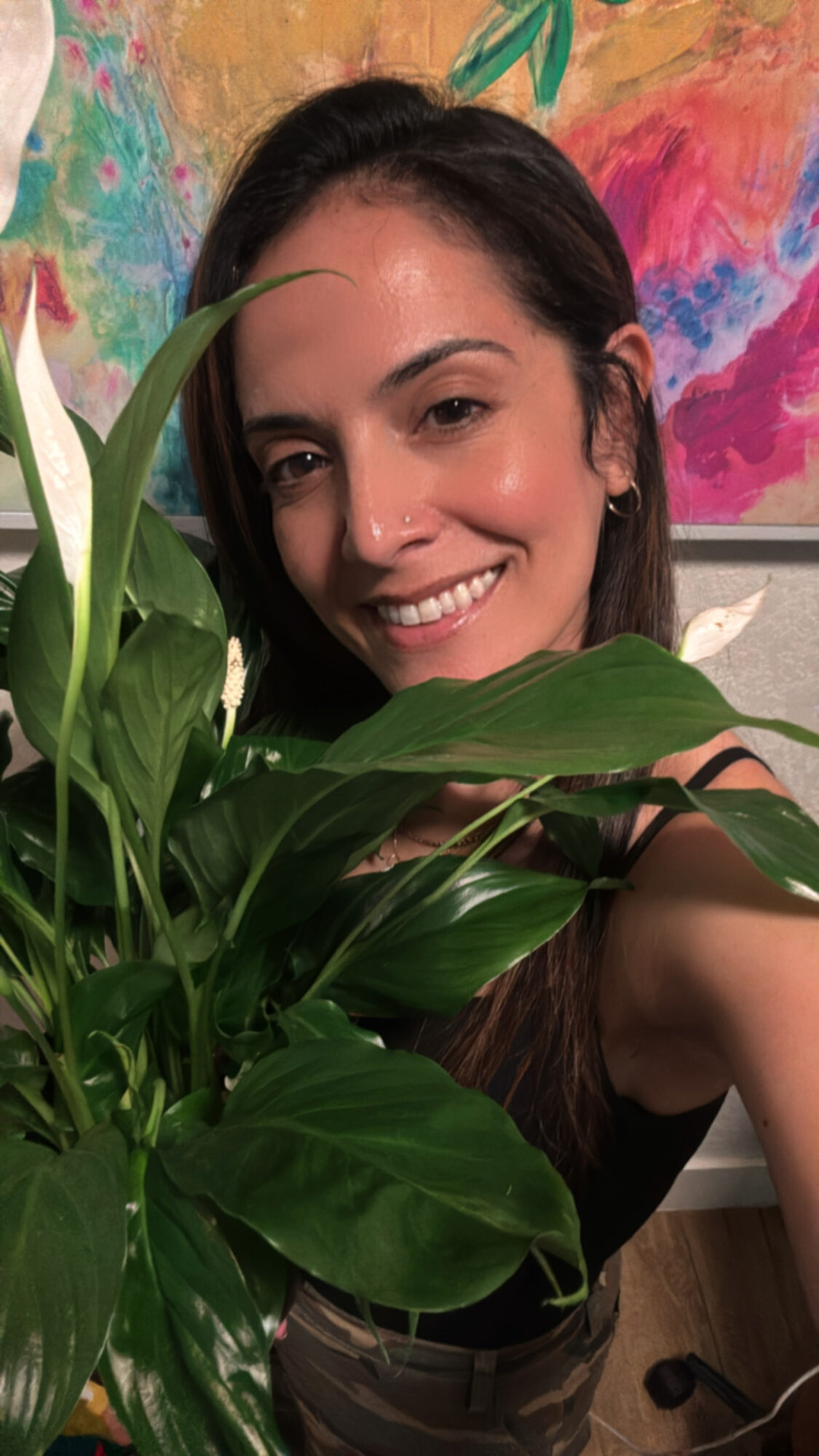
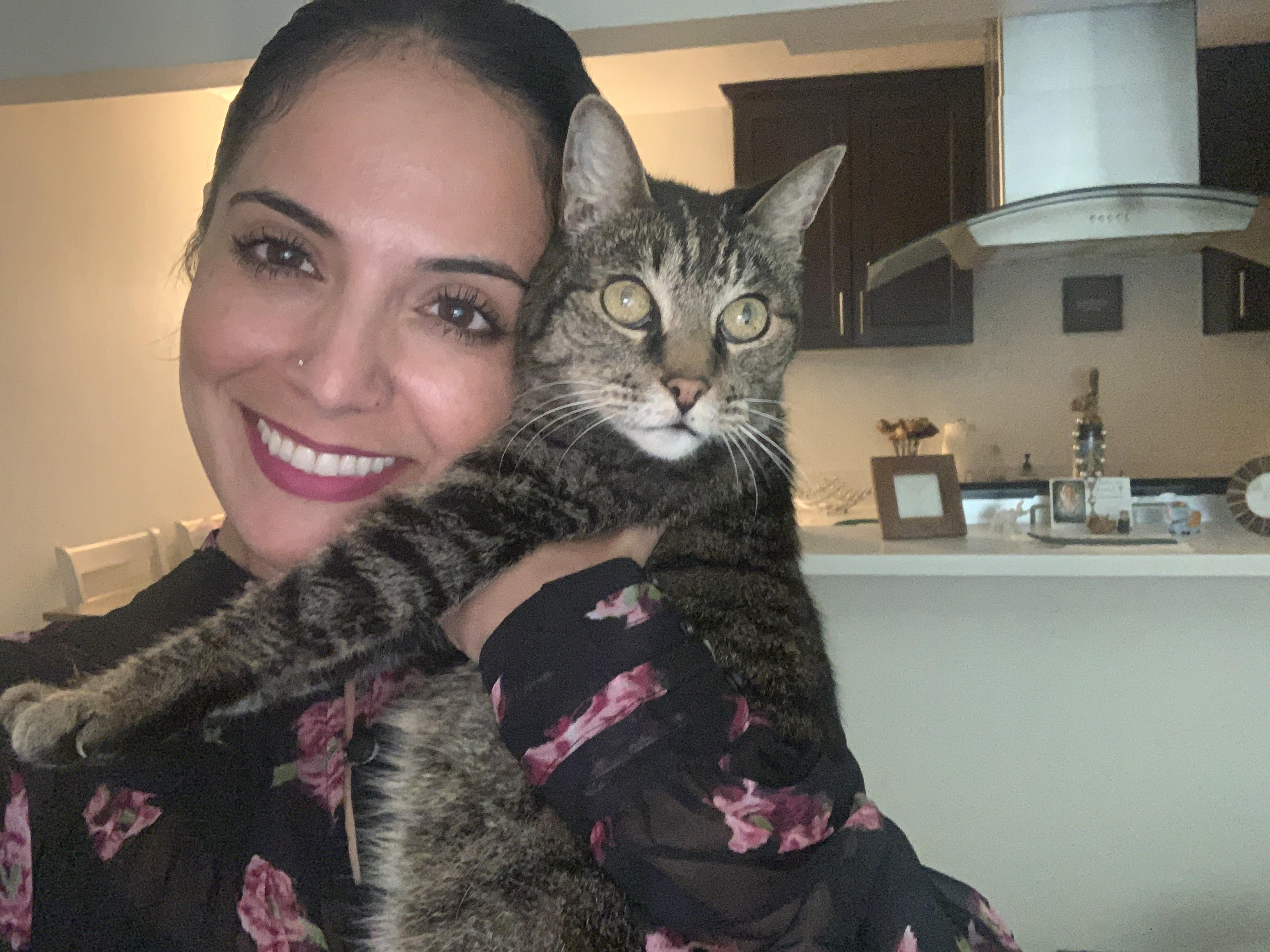
Though my life has been built on resilience, I’m learning to embrace rest and joy. I’ve become a plant mom, and I’m rediscovering dance, painting, decorating, and writing. I’m also a proud cat mom to Mya, who’s been by my side for 19 years. My other fur baby, Spooky, passed at age 14 and was a huge source of comfort through my journey.
Healing isn’t just what I do—it’s who I am.
And every day, I help others remember: you are not broken—you are becoming.
Be Brave!
Pricing:
- Rates on my website
Contact Info:
- Website: https://vibetherapyandwellness.com/
- Instagram: https://www.instagram.com/vibetherapyandwellness/
- Facebook: https://www.facebook.com/its.a.vibe.therapy.and.wellness
- Other: https://www.tiktok.com/@vibetherapyandwel
Popular
-

Linda Villines on Releasing Stored Struggle and Reclaiming Ease Through the Body
-

Candice Swanson on Honoring the Sacred Early Days of Motherhood Through Intentional Photography
-

Michael Johnson on Telling Untold Stories of Identity and Leadership Through SQUAD
-

Owning the Narrative: Drew Dusterhoff Steps Into Power with Lincoln Must Die
-

Portraits of the Valley
-

LA’s Most Inspiring Stories


