





Today we’d like to introduce you to Pauline Hevia.
Hi Pauline, we’d love for you to start by introducing yourself.
This is a hard one because I’m constantly starting over.
If there’s a constant in my life, it’s storytelling. In elementary school, I used to sneak off to the library during recess to read erotic science fiction (probably not age-appropriate, but deeply formative). In 8th grade, I binge-read Sherlock Holmes and didn’t sleep for a week. Books felt like a safer place to exist than most social settings — they didn’t require me to pretend or perform.
I was diagnosed with ADHD at nine and constantly got in trouble for things I didn’t fully understand. Reading became a way to make sense of a world that often didn’t make sense to me. Eventually, I started writing my own stories—mostly horror and mystery—and found comfort in creating worlds where I could be in control.
Around the same time, I discovered acting. Play and pretend were my lifelines — a reprieve from the reality of medication, therapy, and social strain.
As I grew older, storytelling through writing and acting stayed with me. It’s been both an escape and a way to express the parts of myself I find hardest to be seen and understood. That’s still what drives me. Whether I’m working as an actor, creative executive, or writer, I carry the hope that by telling my stories, I can help others, especially those who feel overlooked or underrepresented, feel seen, held, and inspired to take up space. Because the world belongs to them as much as it belongs to anyone else. My latest piece of writing, The Feather Heist, is inspired by a true story about a young autistic man who steals rare bird feathers from a museum to sell them and buy a golden flute. While the premise sounds outrageous — and it is — the script is also deeply personal. It’s a reflection of my own life, identity, and background, refracted through this strange, beautiful, and obsessive act of rebellion.
I’m sure it wasn’t obstacle-free, but would you say the journey has been fairly smooth so far?
It hasn’t been a smooth road — and honestly, I’m grateful for that. I wouldn’t be as funny if it were.
Growing up in Miami was its own kind of challenge. It’s a rapidly evolving, culturally complex, and beautiful city — but not always the easiest place to come into your own. My first job after college was at a boutique advertising agency, where I worked from 8:00am to 3:00am almost every day. I had to learn new skills on the fly — motion graphics, editing, you name it — all under impossible deadlines. Every meeting was in Spanish, and I had just spent four years in Boston speaking nothing but English, so… let’s just say it was a humbling experience. But it was also the perfect (if chaotic) introduction to the entertainment world — one that taught me grit, speed, and the kind of confidence you only earn under pressure.
I moved to Los Angeles eight years ago after saving up just enough to make the leap. My first job here was as a receptionist at a traditional talent agency. Culturally, it was a huge shift. I went from working with people who looked and spoke like me to navigating a completely different set of social codes—and it was hard—isolating, even. But I learned how to move through corporate spaces in LA. And once I did, it felt like fair game.
One of the biggest personal hurdles I’ve faced has been imposter syndrome. When I first arrived in LA, I was laser-focused on landing literary representation and getting staffed as a writer within a couple of years. I even wrote a short script to use as a sample — and then… didn’t share it. I was too afraid it wasn’t “good enough.”
Ironically, when I later worked at Netflix as a Jr. Creative Executive, I read a ton of scripts — many from major agencies — and let’s just say, they cured my imposter syndrome real quick. It made me realize how much access and privilege plays a role in who gets heard. That experience opened my eyes and reignited my voice. After a five-year writing hiatus, I’m finally back at it — writing a pilot and a feature, and sending my work out into the world.
I’ve learned that sometimes you have to be “annoying” — to advocate for yourself, to get in the room, to stay in the room. And I’m no longer afraid to do just that.
Moral of the story: be just as annoying as you are charming.
Alright, so let’s switch gears a bit and talk business. What should we know about your work?
I’m an artist, but I’m also an entrepreneur. I approach my creative work with a business mindset because I want everyone who invests their time, energy, or resources into me to feel like they’ve won, too.
Right now, I’m building an independent film and television studio that champions underrepresented stories — with a strong focus on the horror genre. I’m deeply interested in how we can innovate within genre while still centering voices that haven’t historically had the platform they deserve.
I try to be proactive, not just reactive, about the entertainment landscape. I’m constantly asking myself: What will audiences respond to in the next five to ten years? Because in independent film, that’s often the real timeline — projects can take years to develop, finance, and distribute. Understanding the market from that long-view perspective is just as important to me as the creative vision.
Do you have recommendations for books, apps, blogs, etc?
I absolutely love the Criterion Channel — not to be a film bro — but it’s genuinely one of the best tools for any filmmaker or storyteller. Watching older films helps me understand how so much of what we love today is built on what came before. Plus, they have an incredible international library, so you’re not just limited to American cinema. Unlike most streamers, you don’t need a VPN to explore stories from around the world.
I also spend a lot of time scanning what’s trending on various platforms. It’s funny — I don’t actually watch a ton of contemporary television — but I’m very curious about the business behind it. I think the way streamers present and position their content is basically free market research.
Also, I know it’s a little pricey, but IMDbPro has been invaluable. I love looking up the budgets, profits, and the teams behind my favorite films. It’s really helped me understand what kind of packaging sells — and what kinds of stories actually make it to the screen.
Contact Info:
- Website: https://www.paulinehevia.com
- Instagram: https://www.instagram.com/pauline.hevia/
- LinkedIn: https://www.linkedin.com/in/paulinehevia/
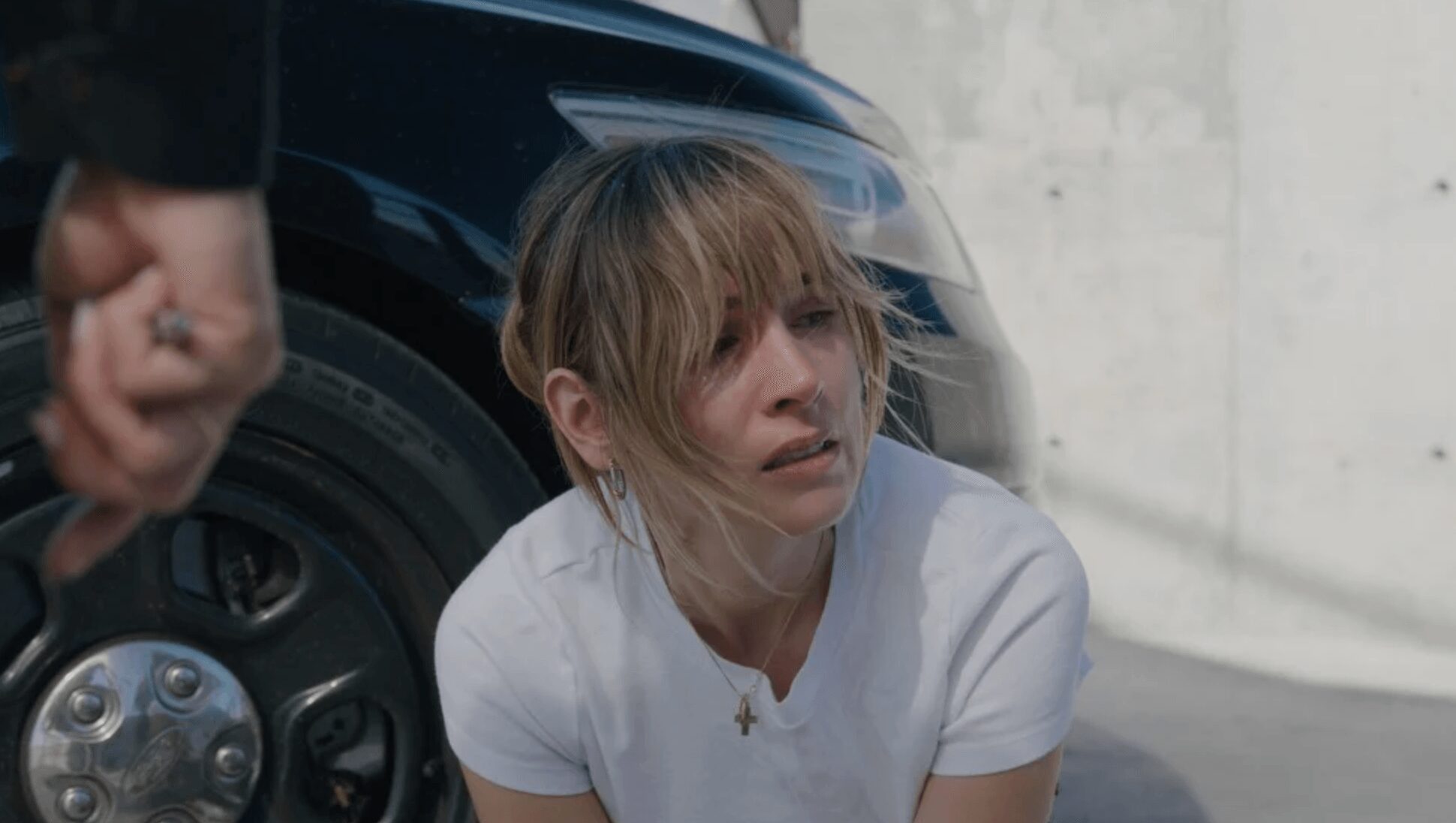
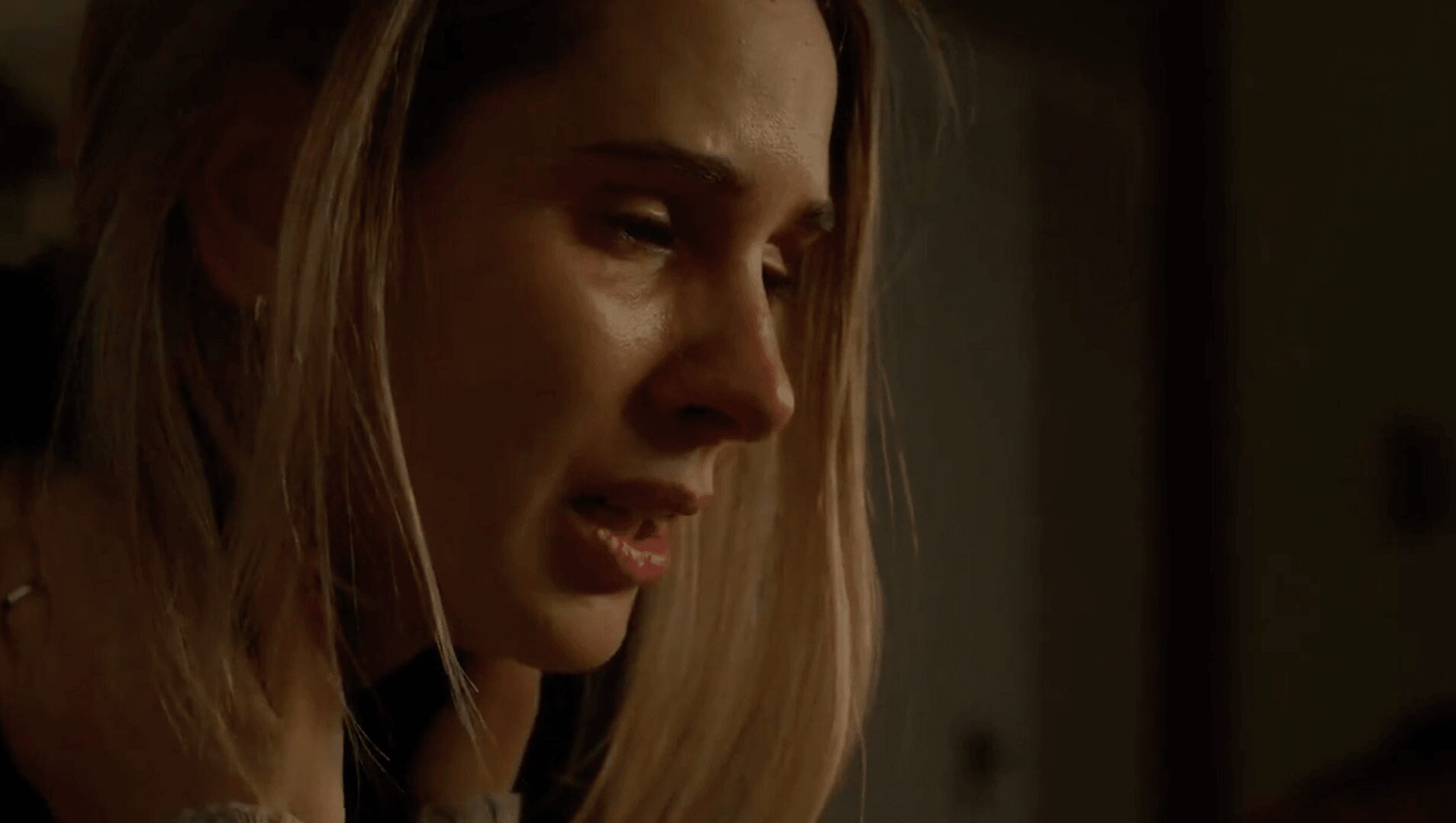
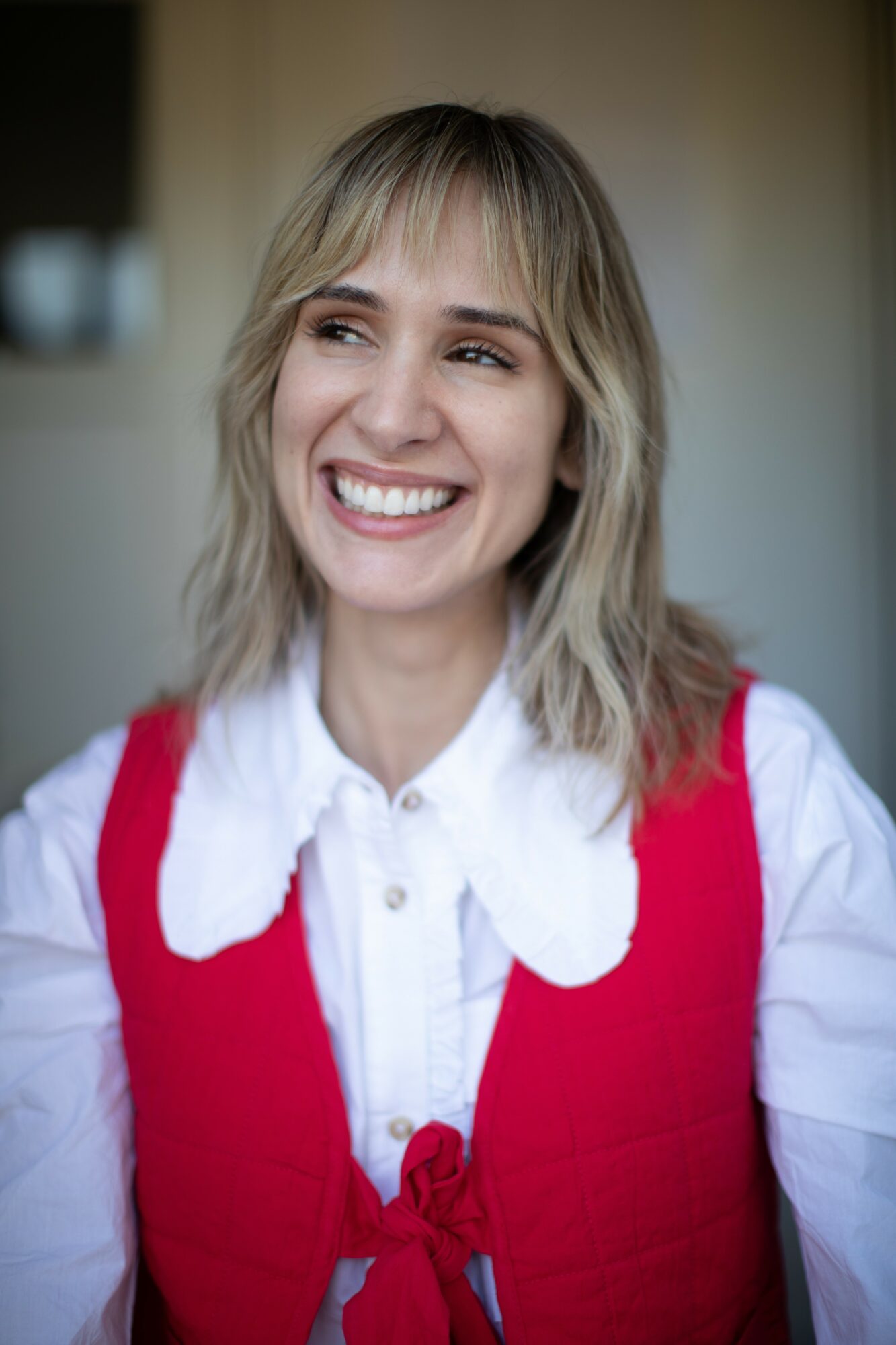

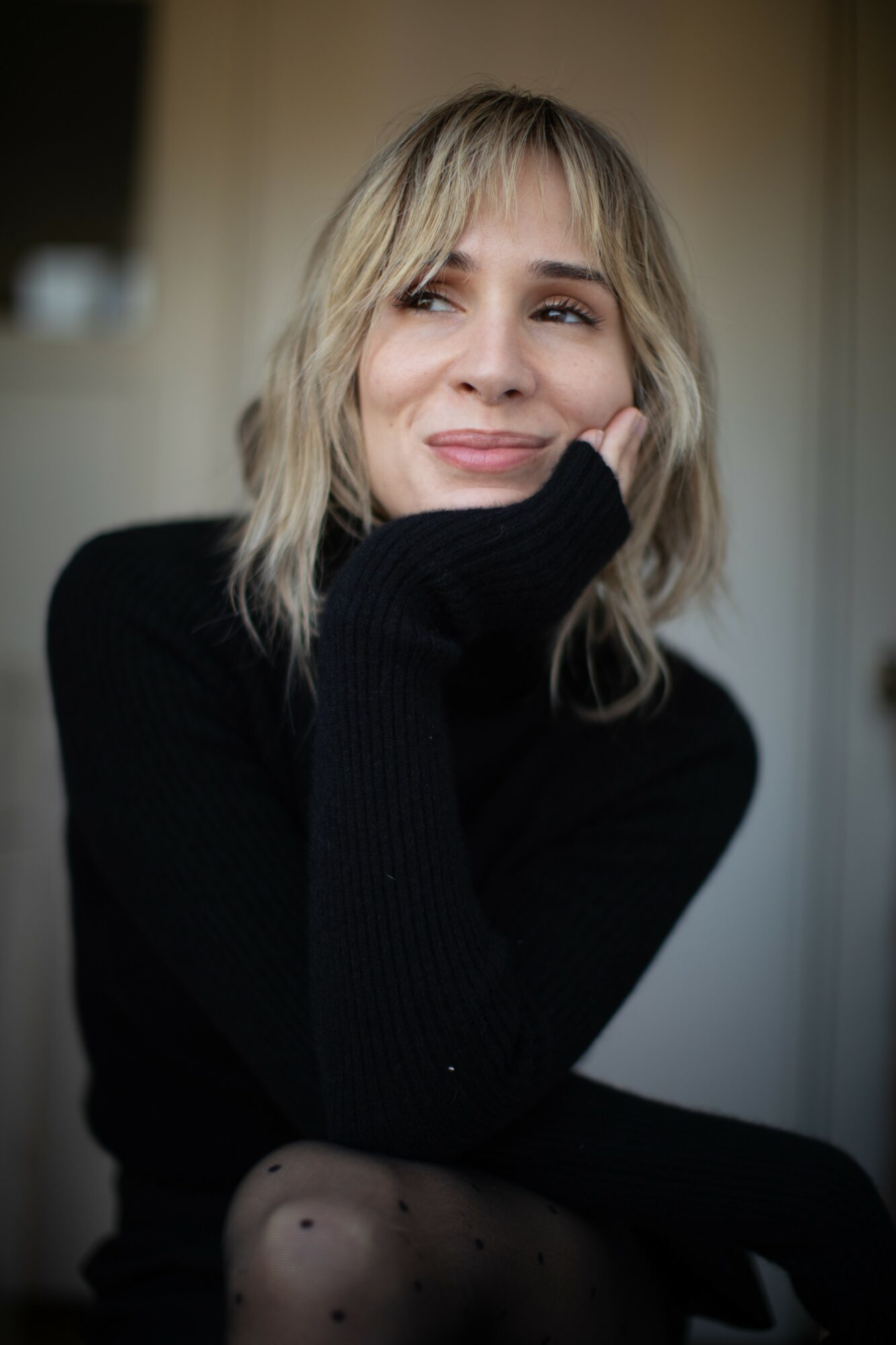

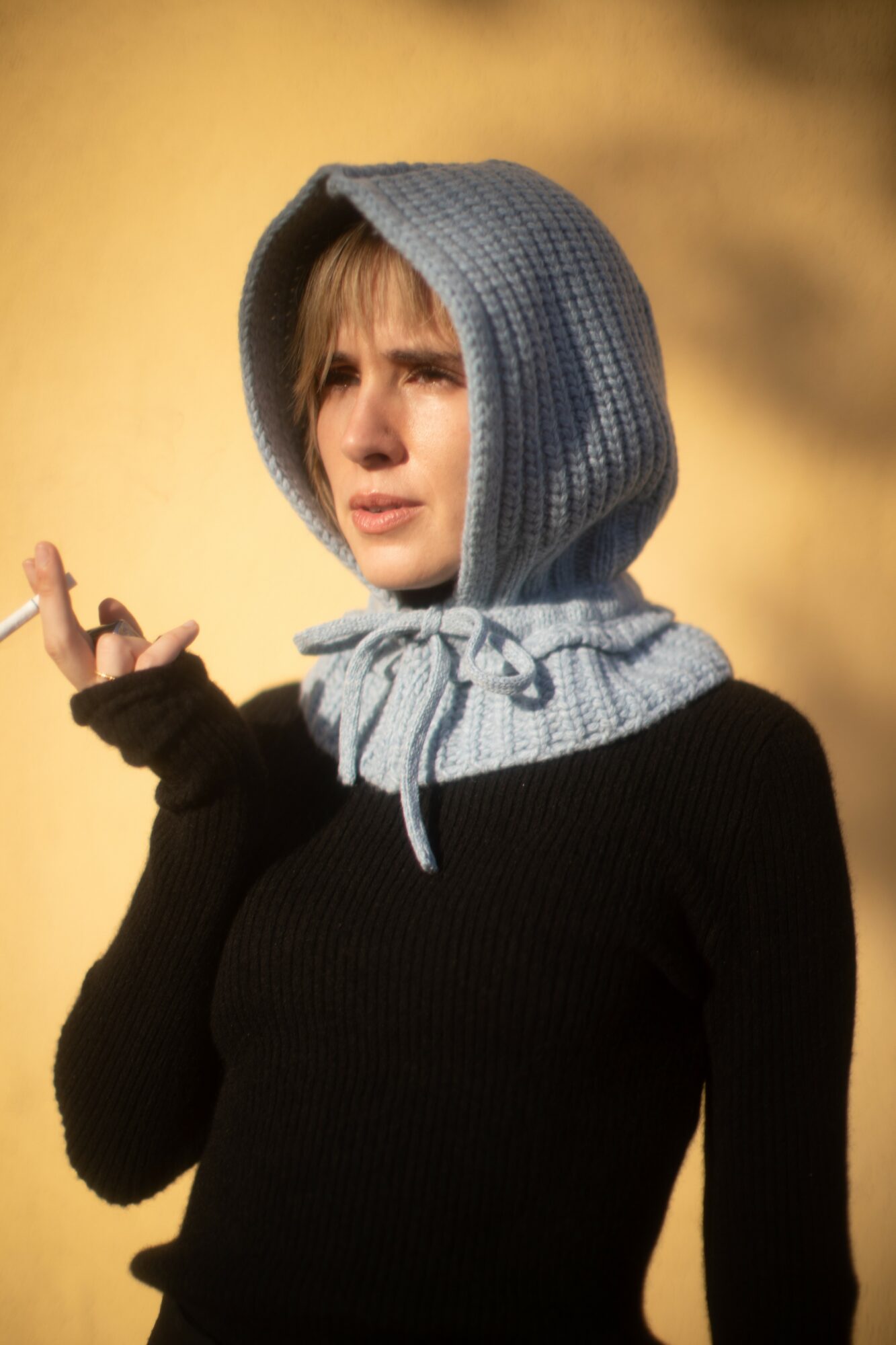
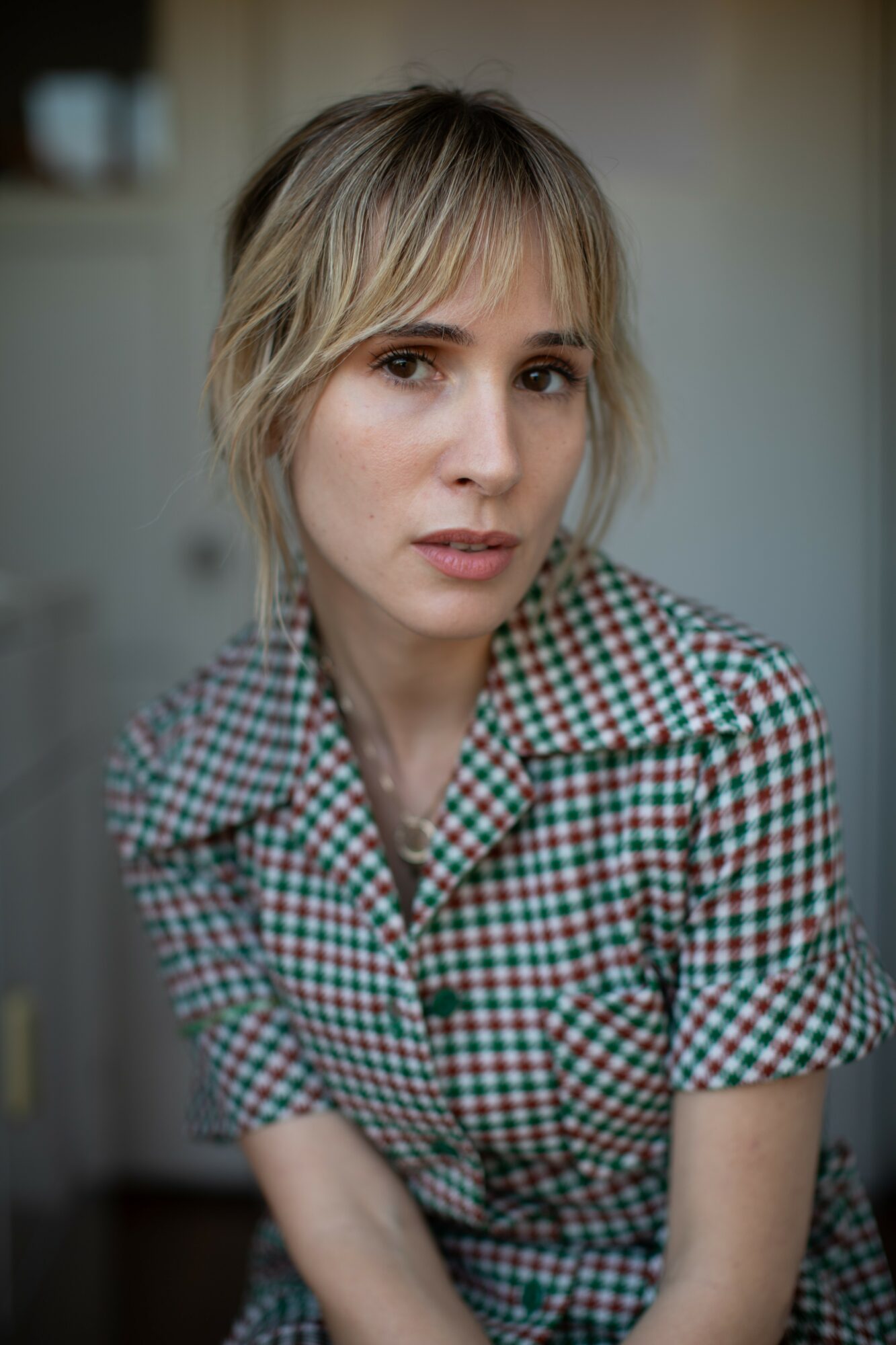
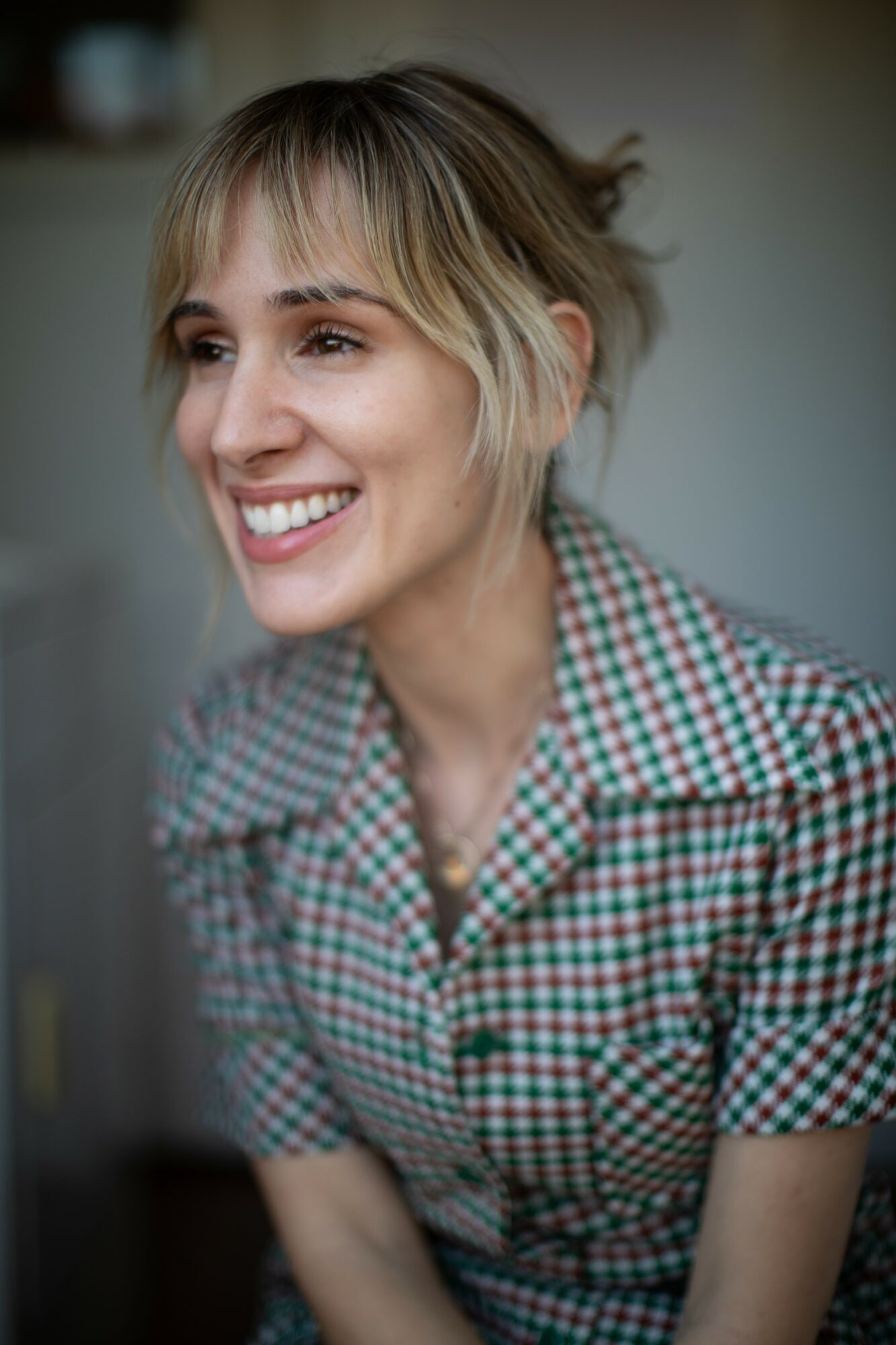
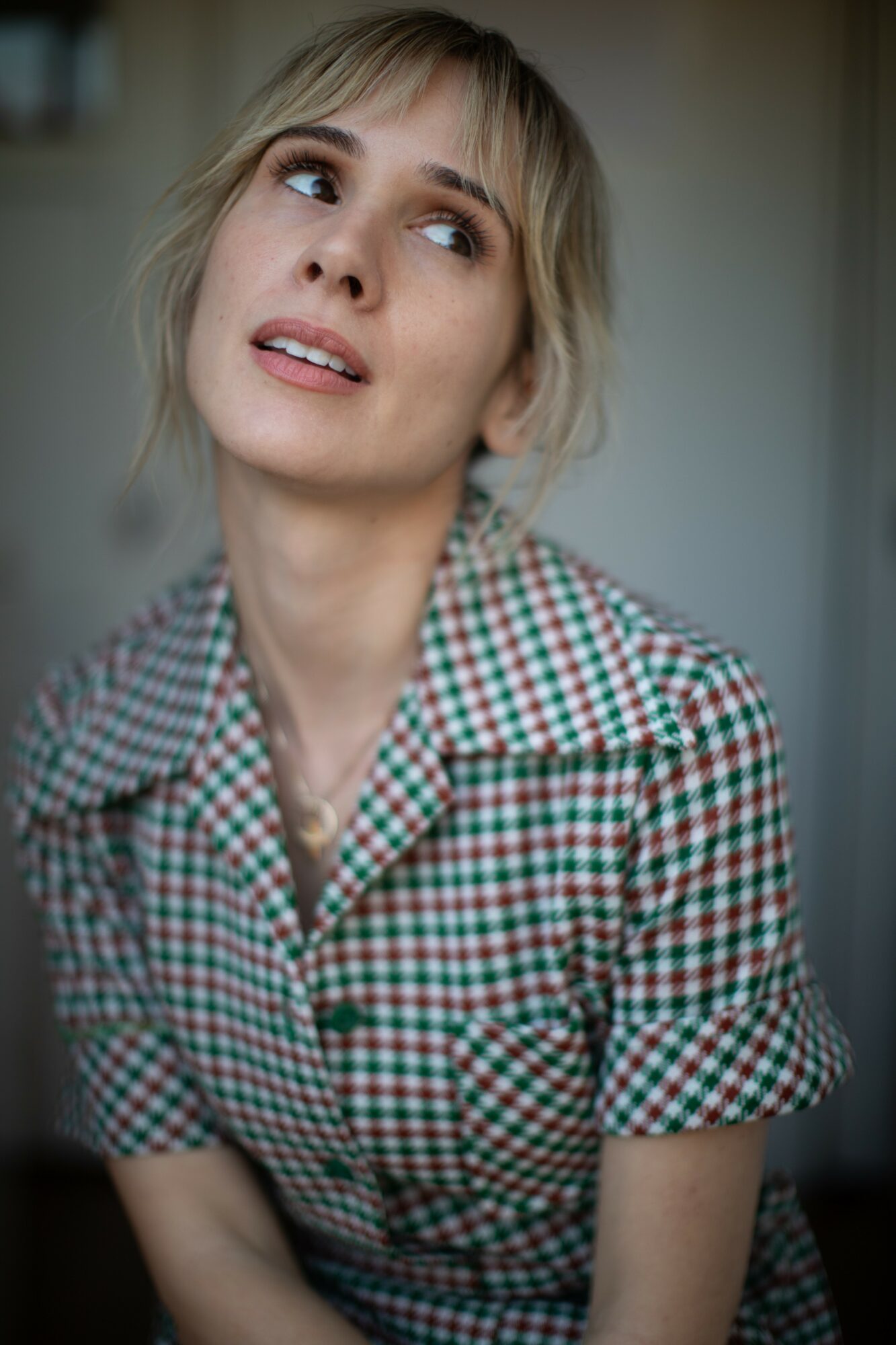
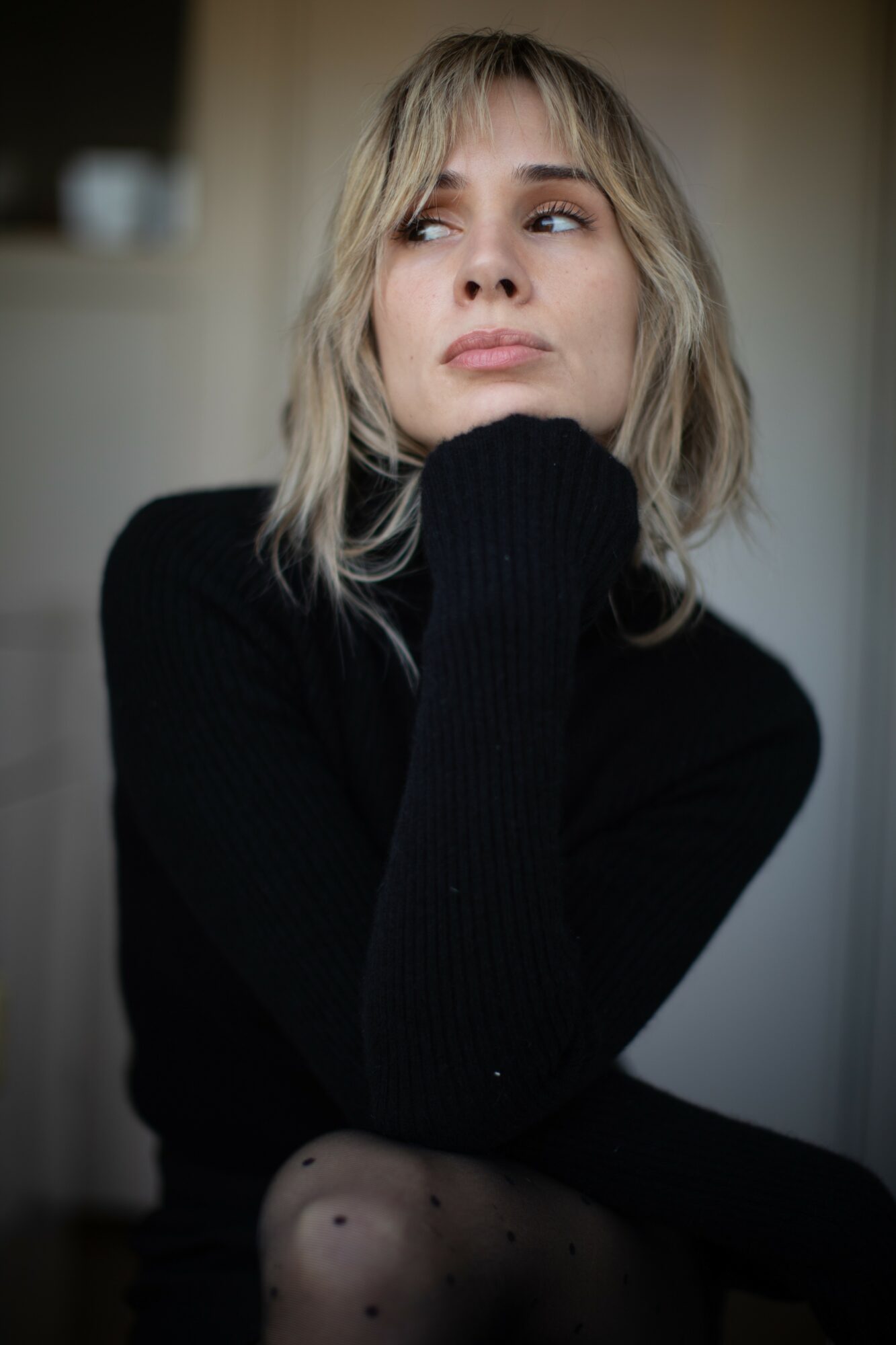
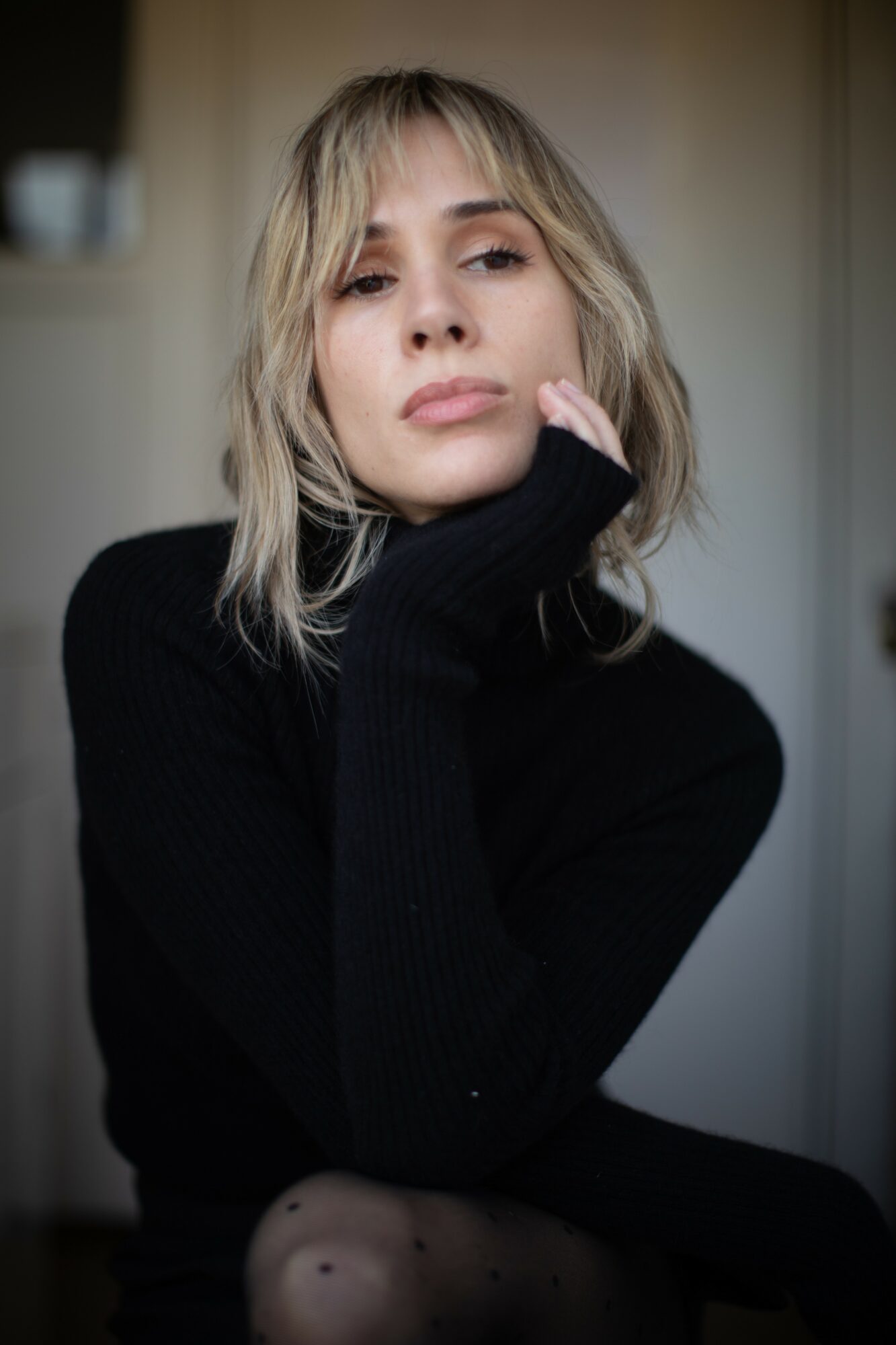
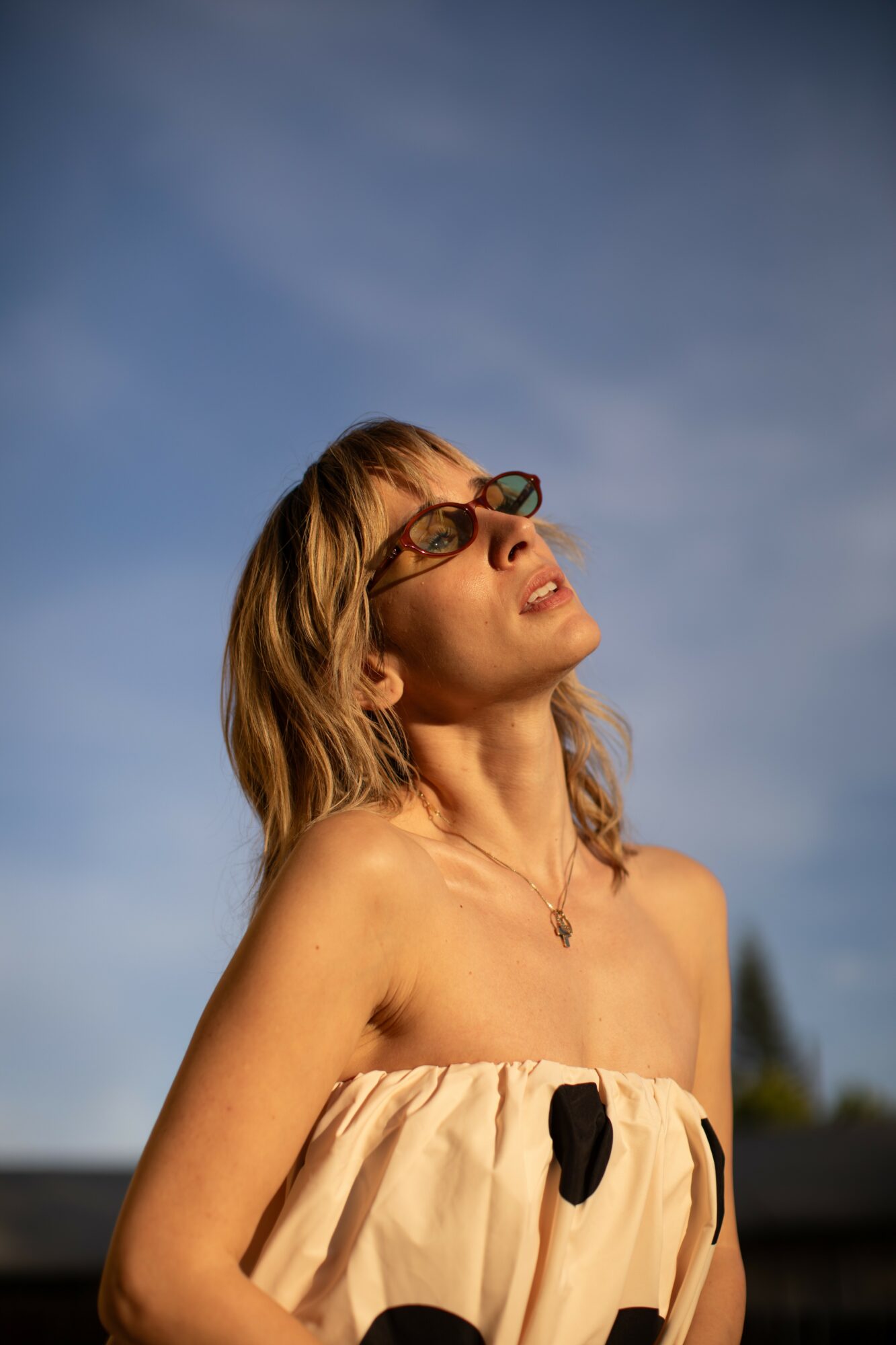
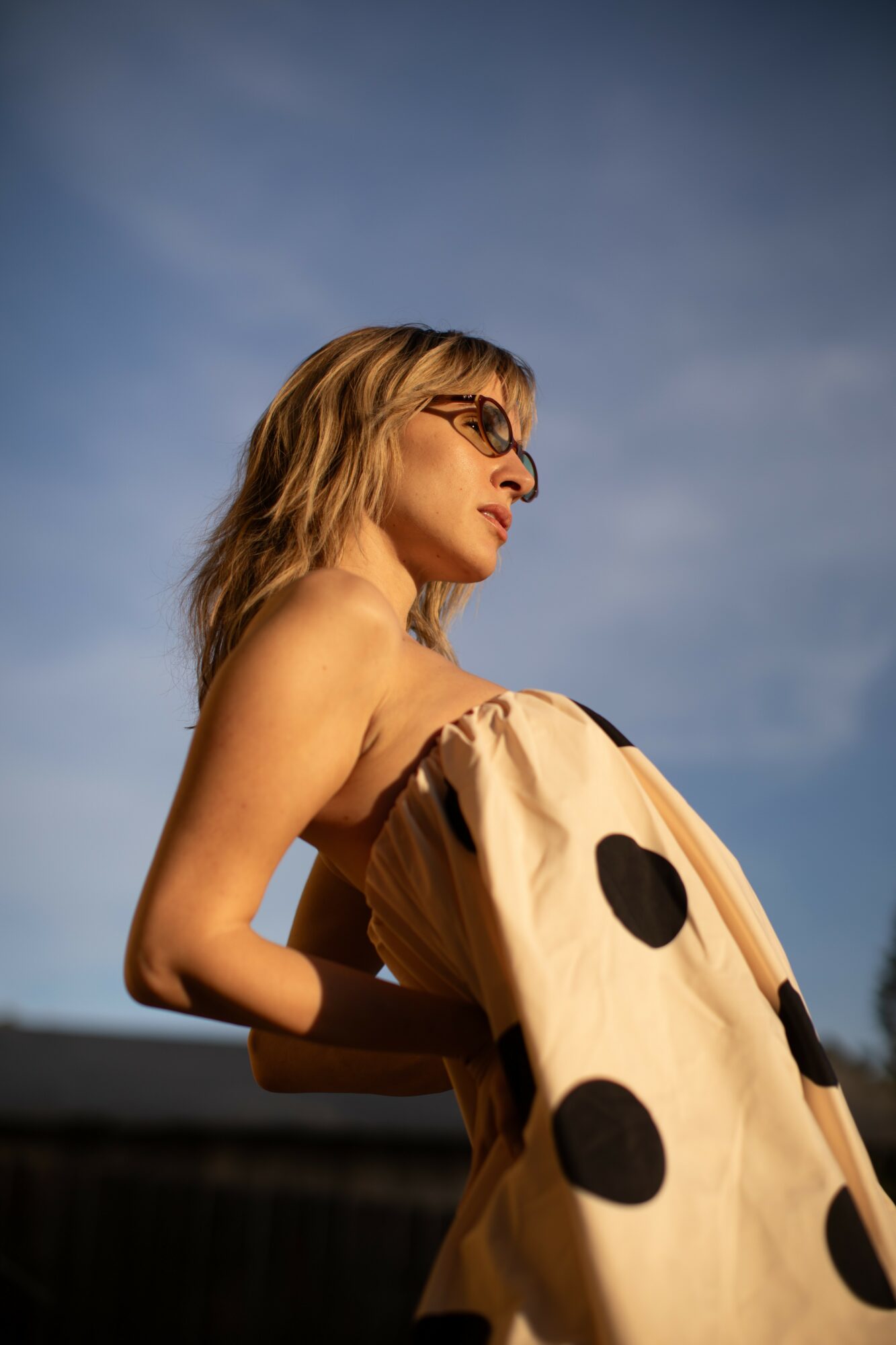
Image Credits
The first two screenshots are acting jobs I did from short films: 1. Donut by Roger (https://www.instagram.com/yif3ngwang/), 2. Untitled Scene by Rita Pereya
The remaining photos are all taken by Mack Breeden
Popular
-

Christina Wren Steps Into the Director’s Chair to Tell Stories That Feel Like Home
-

Portraits of the Valley
-

LA’s Most Inspiring Stories
-
JordanL on ‘Breathe,’ Belief, and Building a Movement Beyond the Music
-
Megan Birney Rudert on How Access to Light Is Powering a More Sustainable and Equitable Future
-
Linda Kneidinger on Building Lasting Change Through Small Steps and Self-Compassion


