



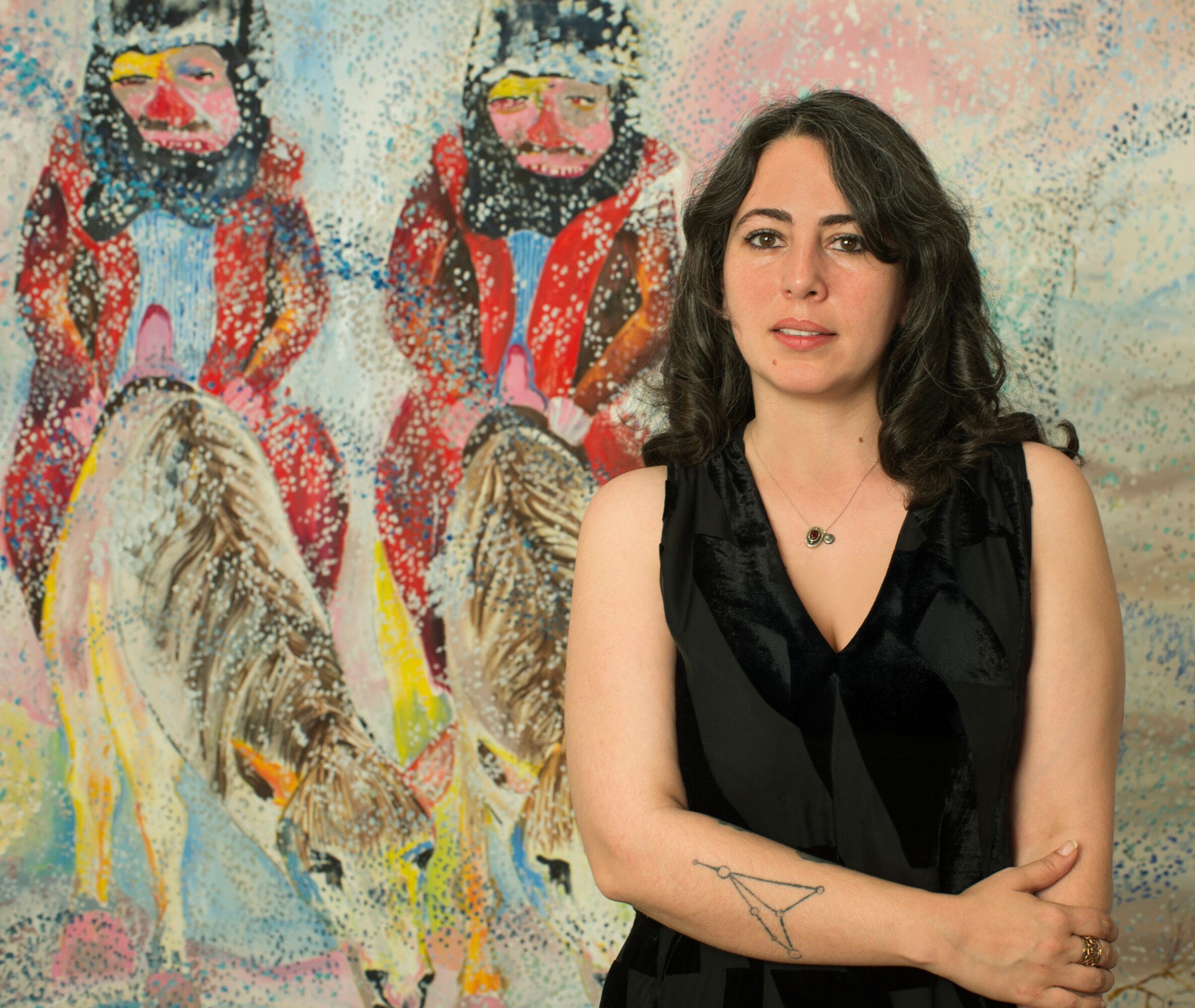
Today we’d like to introduce you to Haniko Zahra
Hi Haniko, can you start by introducing yourself? We’d love to learn more about how you got to where you are today?
I was born in Iran, a country marked by a complex history and a patriarchal society that has heavily influenced my perspective as a woman and an artist. My early experiences navigating these societal dynamics made me question norms and the ways identity is shaped by external forces. I initially pursued art and histury of art in Iran, which introduced me to visual storytelling and technical skills. However, it was during my university years studying representational painting and Persian miniatures that I began to understand the weight of tradition and the expectations placed on creative expression.
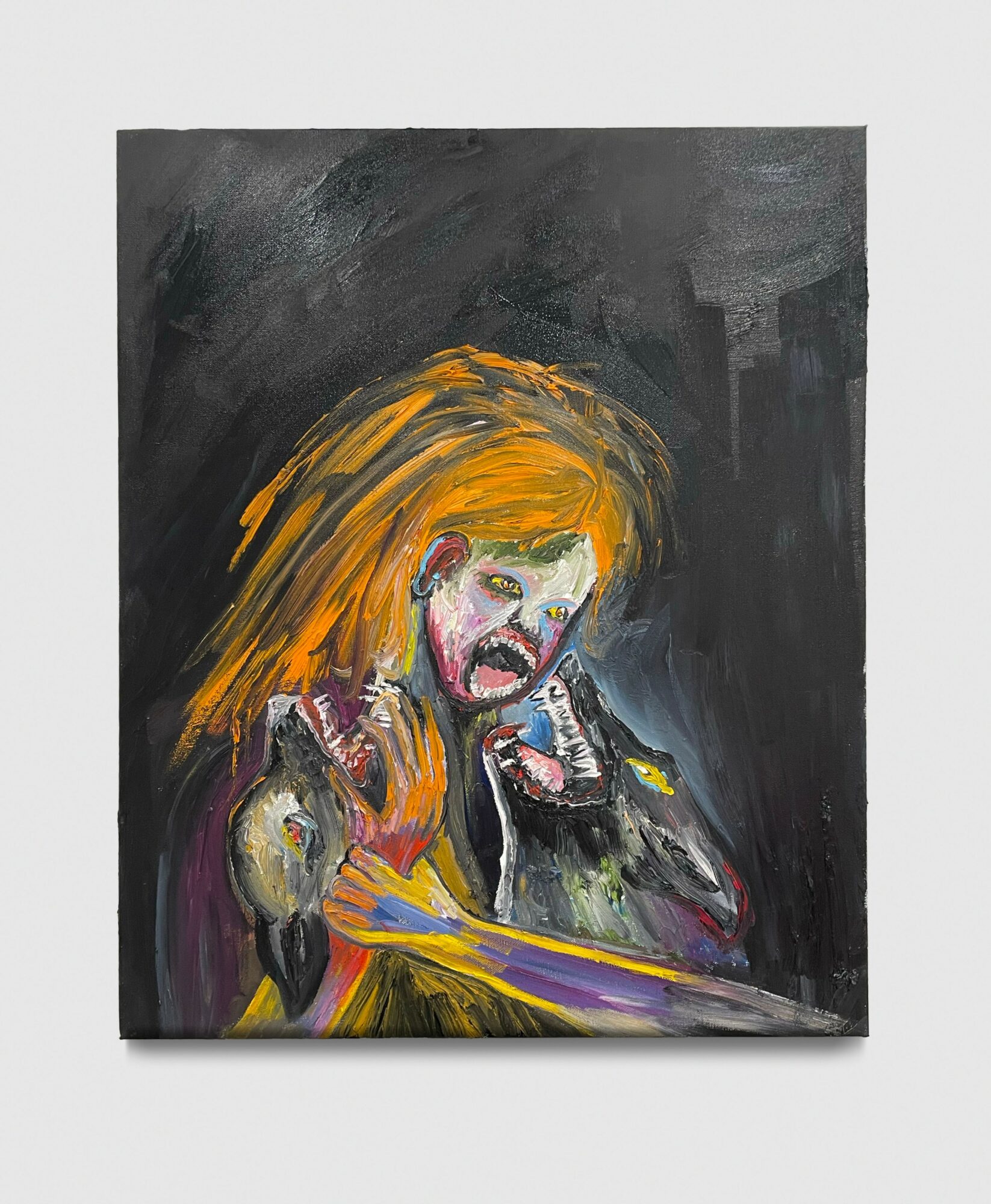
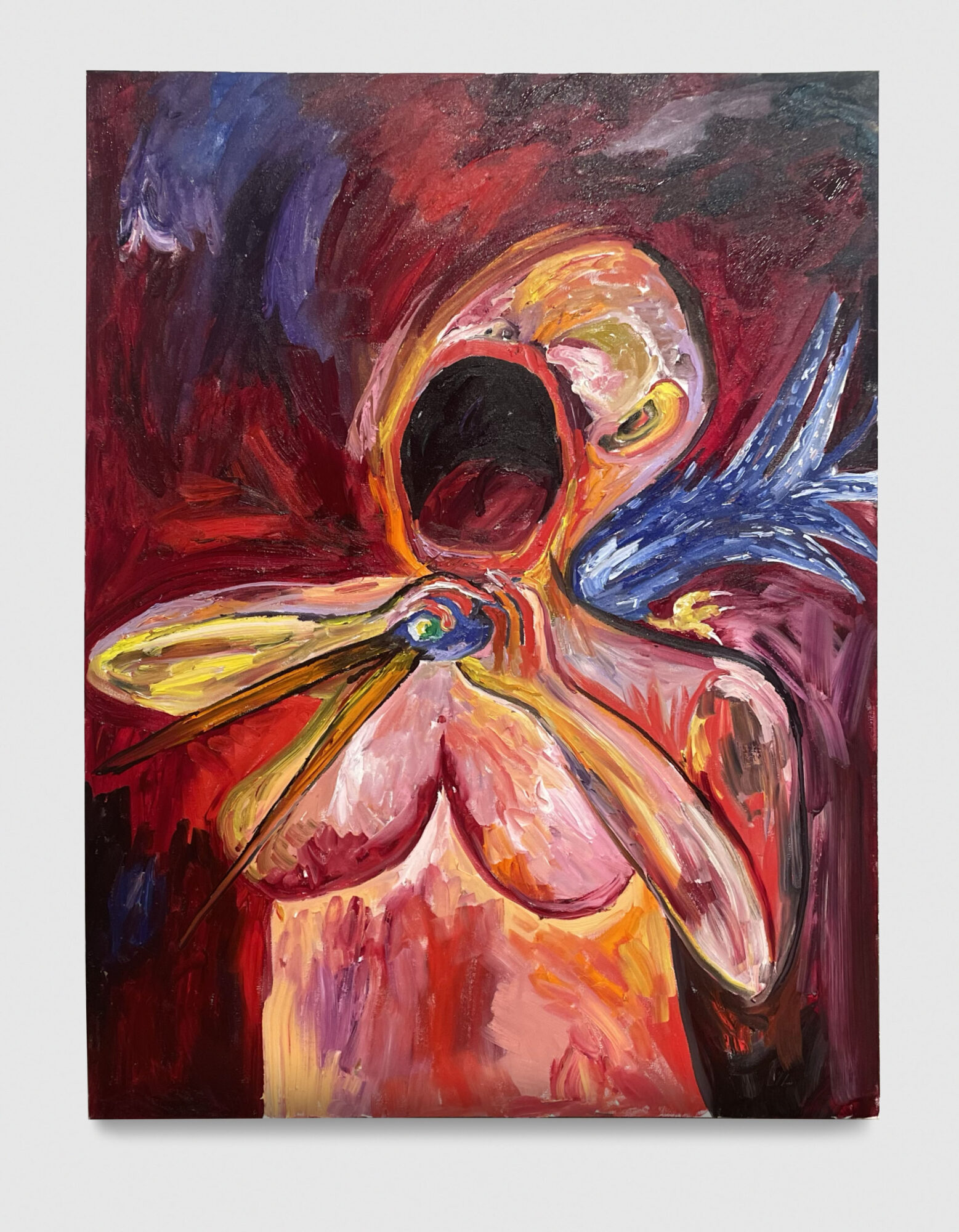
For a long time, I viewed art through the lens of skill and technique, striving to create beautiful, polished works that fit within accepted standards. But over time, I began to feel confined by this narrow understanding of beauty. The protests in Iran were a turning point for me. Witnessing the courage of people demanding change made me question my role as an artist. I realized that I no longer wanted to create art that avoided confronting the complexities and contradictions of the world I live in. I wanted my work to challenge the very norms I had been taught and to express the realities of my experience—unfiltered, imperfect, and raw.
This realization led me to pursue an MFA at UCLA, where I’ve been exploring a more critical and personal approach to painting. I now see my practice as a form of resistance, a way to question and critique societal expectations and power structures. My work blends elements of figuration, abstraction, and narrative to create a visual language that is honest and reflective of my lived experience.
Looking back, my journey has been a process of unlearning and rediscovering what art can be. I’ve moved away from creating to impress or adhere to convention, and instead, I create to understand, question, and connect. Art has become a space where I can freely express myself and challenge the norms that have tried to define me.
Alright, so let’s dig a little deeper into the story – has it been an easy path overall and if not, what were the challenges you’ve had to overcome?
It definitely hasn’t been a smooth road. My journey as an artist has been shaped by both personal and societal challenges. Growing up in Iran, I navigated a patriarchal culture that often limits self-expression, especially for women. The education system reinforced traditional ideas of beauty and skill, emphasizing adherence to established norms rather than exploring personal expression. As a student, I dedicated myself to mastering representational painting and Persian miniature techniques, believing that technical skill alone defined the value of my work.
However, this narrow understanding of art eventually began to feel restrictive. I struggled with questioning whether my work was genuinely mine or just a reflection of what I had been taught to admire. Over time, I began to see that my strict focus on technique was limiting my ability to explore more complex, personal ideas in my work. This realization was difficult because it meant questioning years of training and redefining my relationship with art.
Moving to the U.S. for my MFA at UCLA was also a challenging transition. Adapting to a new culture and navigating an unfamiliar art world while grappling with the weight of my past experiences was overwhelming at times. Yet, it also opened up space for exploration and connection with a community of artists who question norms and use their work to address critical issues.
Unlearning rigid ideas about beauty and perfection was a difficult but necessary process. I had to let go of the need for approval and allow my work to be messy, vulnerable, and expressive. Learning to embrace imperfection and discomfort has been challenging, but it has also been incredibly freeing.
Through all these struggles, I’ve come to see my work as a way to challenge norms, express resistance, and connect with others who have felt similarly confined by societal expectations. Each obstacle has ultimately helped me carve out a more honest and authentic space for my practice.
Thanks – so what else should our readers know about your work and what you’re currently focused on?
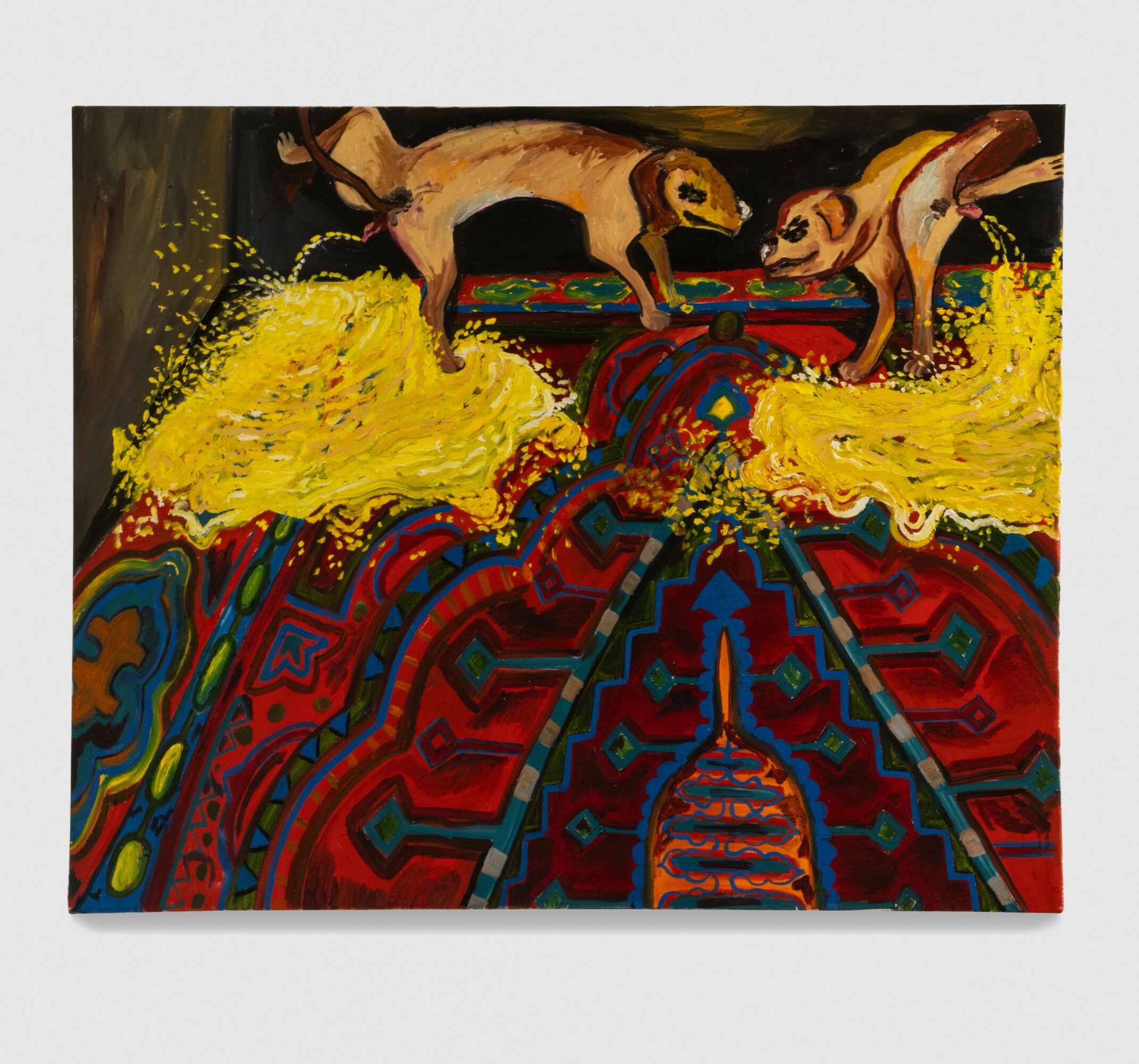
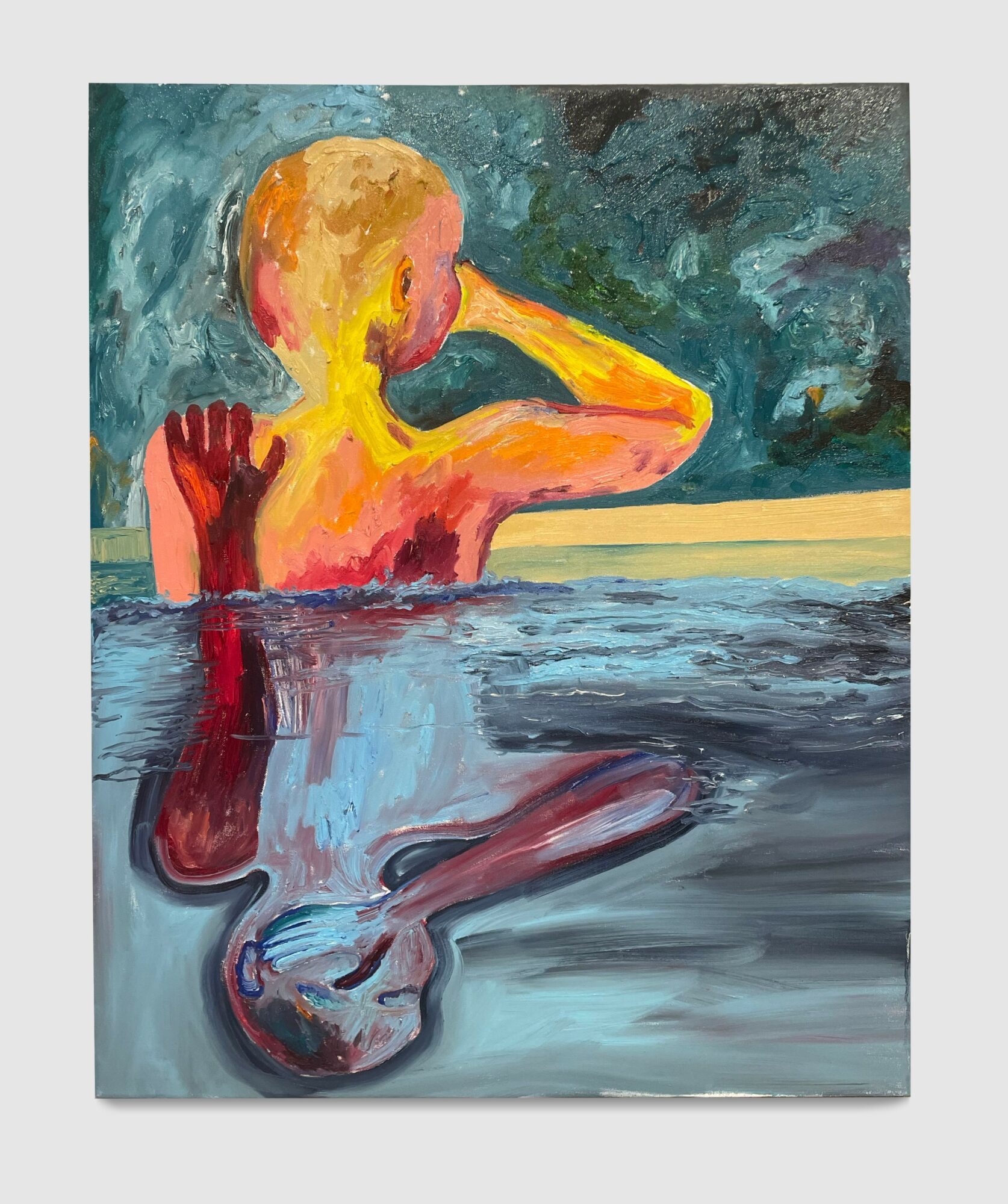
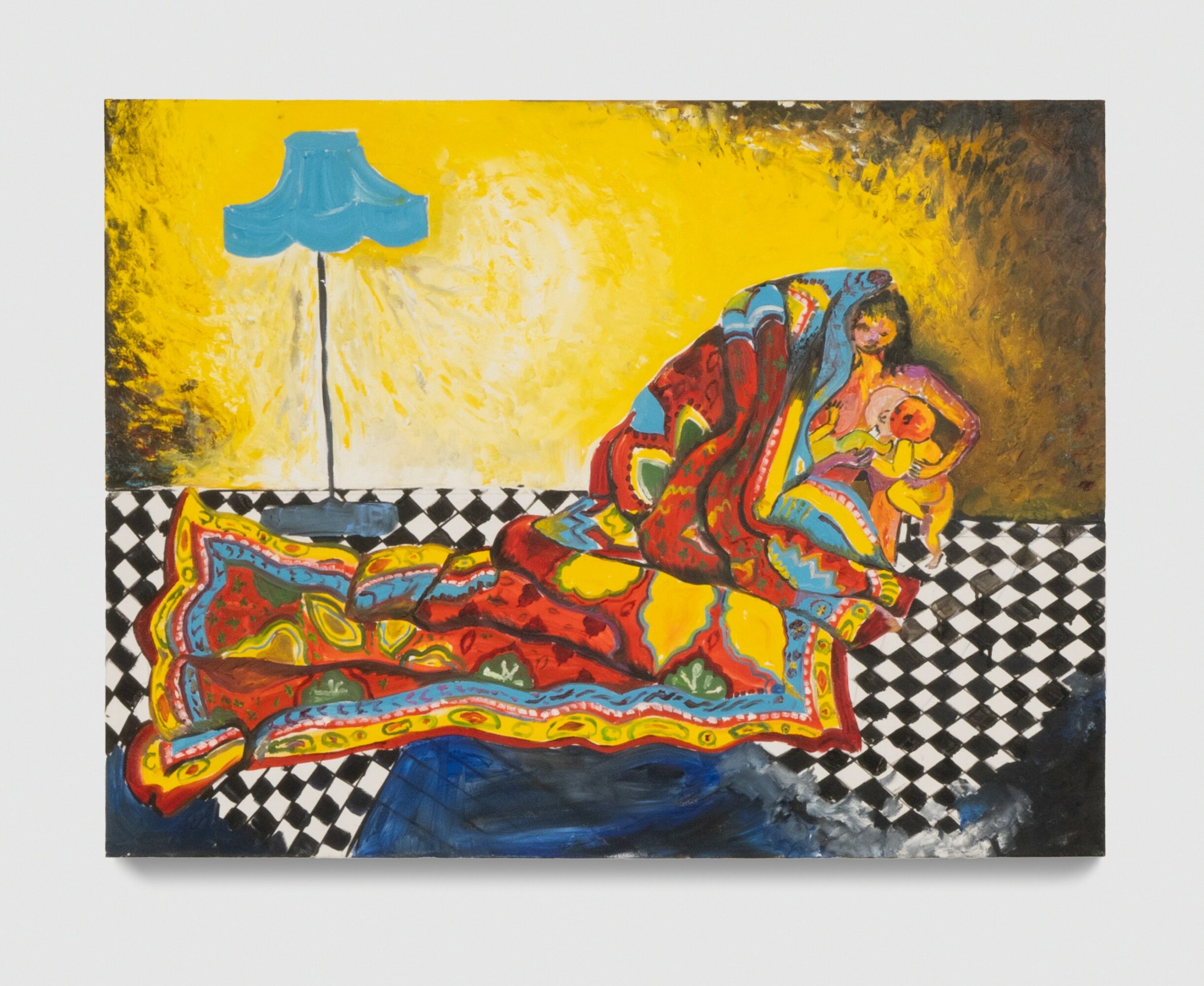
I am a painter with a background in Persian miniature, graphic design and illustrationand my work explores the intersections of identity, power dynamics, and societal norms. My practice is rooted in a deep fascination with the contradictions that shape our understanding of identity and the world around us. Having grown up in Iran, a country with complex cultural and political dynamics, my experiences heavily influence the themes I explore.
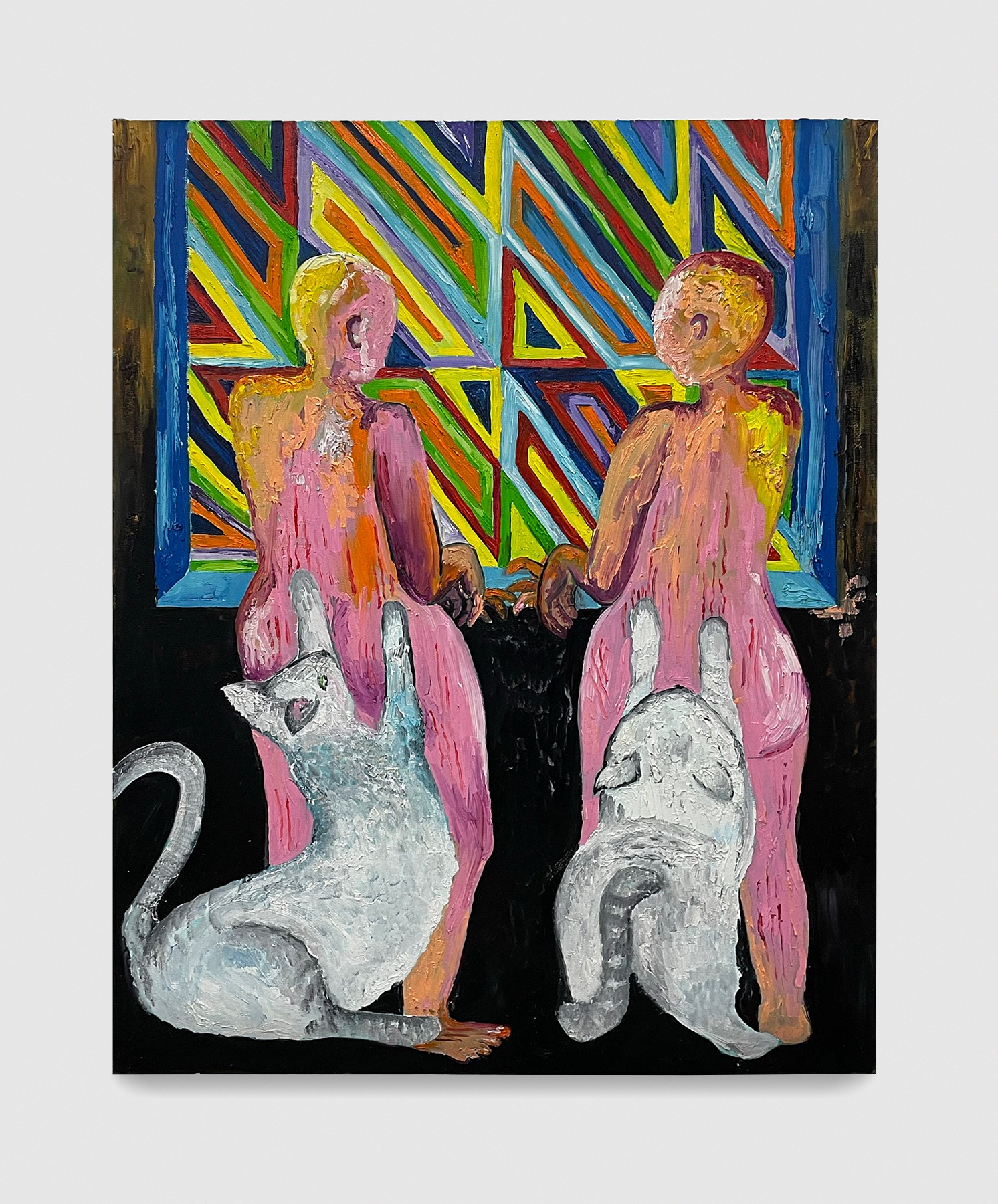
Technically, I draw from both representational painting techniques and the history of Persian miniatures, blending these foundations with a more contemporary, critical approach. My work often navigates a space between figuration, abstraction, and narrative, creating a layered, multifaceted visual language that reflects the complexities of my lived experience.
What sets my practice apart is my attempt to challenge the conventional definitions of beauty and skill that I was taught in my early education. For a long time, I felt confined by the need to create work that fit within accepted standards. However, I’ve gradually unlearned those rigid expectations, and now I prioritize authenticity, vulnerability, and a sense of resistance in my work.
I’m most proud of embracing a space where I can create work that feels honest—work that isn’t polished for the sake of approval but is raw and reflective of my own narrative. I aim to challenge not only myself but also the viewer, inviting them to reconsider their perceptions and engage with the complexities of identity and power.
Ultimately, my goal is to create paintings that add to the possibilities of how we understand the world, especially from the perspective of someone who navigates multiple cultural and social contexts. I hope my work serves as a space for reflection, dialogue, and questioning.
We’d love to hear about how you think about risk taking?
I believe that being an artist inherently involves taking risks. Art requires vulnerability—putting your thoughts, emotions, and perspective out into the world without any guarantee of how it will be received. This exposure can feel risky, but it’s also necessary to create work that is genuine and impactful.
One of the biggest risks I took was moving to the United States to pursue my MFA at UCLA. Leaving behind the familiarity of my home country, my support system, and navigating a completely different cultural and academic environment was both intimidating and uncertain. It felt risky to step away from what I knew and immerse myself in a space where my perspective as an artist and a person might not be fully understood. Yet, this experience challenged me to rethink my understanding of identity, belonging, and the role of art in my life.
Another significant risk has been unlearning the strict, traditional standards of beauty and skill that I had internalized for years. Letting go of the need for technical perfection and embracing imperfection, vulnerability, and political expression felt risky because it meant stepping away from what I was praised for in my earlier education. It required me to trust my own voice and prioritize honesty over approval.
I’ve come to see risk as a crucial part of growth. Taking risks allows me to question what I’ve been taught, confront uncomfortable truths, and explore new ways of seeing and creating. While the outcomes aren’t always predictable, the process itself has pushed me to develop a more genuine and complex approach to my work.
Ultimately, I think risk-taking is about choosing authenticity over comfort, and that’s something I strive to embrace in both my art and my life.
Contact Info:
- Website: https://hanikozahra.net
- Instagram: @haniko.zahra
Popular
-

JordanL on ‘Breathe,’ Belief, and Building a Movement Beyond the Music
-
Megan Birney Rudert on How Access to Light Is Powering a More Sustainable and Equitable Future
-
Linda Kneidinger on Building Lasting Change Through Small Steps and Self-Compassion
-

Jolana Nika on Redefining Modern Connection Through Intentional, Real-Life Experiences
-
What did suffering teach you that success never could?
-
Who saw you clearly before you could see yourself?


