




Today we’d like to introduce you to Brian Stefan
Hi Brian, we’d love for you to start by introducing yourself.
I never planned to be here, doing this work. My journey into grief support, trauma healing, and what I now call Catharsis Theater began in the hardest places—at the intersection of loss, suffering, and the deep human need for connection.
My path began in a world far removed from where I stand today. Like so many Americans, I felt the pull to serve after 9/11. I spent years in Washington, D.C., working as an intelligence officer for the Department of Defense, then later as an intelligence analyst at the Joint Regional Intelligence Center in Los Angeles, where I coordinated with local agencies to prevent terrorist threats. The work was intense, built on precision, analysis, and the quiet weight of responsibility.
When I left government service, I turned toward a different kind of crisis intervention—one where the adversary wasn’t external, but internal. I worked in suicide prevention, then became a licensed clinical social worker, specializing in grief, traumatic loss, and post-traumatic growth. In those rooms, sitting with people in their darkest hours, I saw what the field of mental health so often overlooked. Grief didn’t need to be treated—it needed to be witnessed. People weren’t just searching for words; they needed movement, expression, something beyond the polite confines of a therapy session. They needed space to feel, to embody their sorrow, to let it rise and pass like a storm instead of swallowing it whole.
That realization changed everything.
That’s when I discovered psychodrama, sociometry, and the power of experiential healing. I saw that grief, trauma, and emotional pain aren’t just mental processes—they live in the body, in our relationships, in the unspoken. I began integrating drama therapy, group improv, and large-scale grief rituals into my practice, and the results were undeniable. People who felt stuck, isolated, or burdened by their loss found relief—not just in being witnessed, but in actively engaging with their stories, their emotions, and their inner resilience.
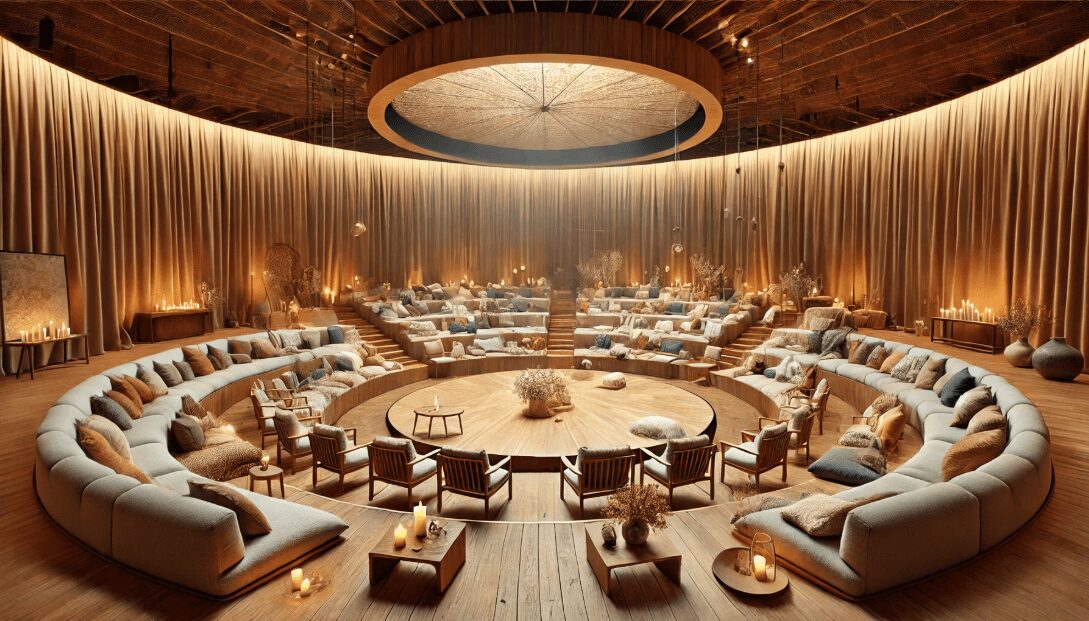
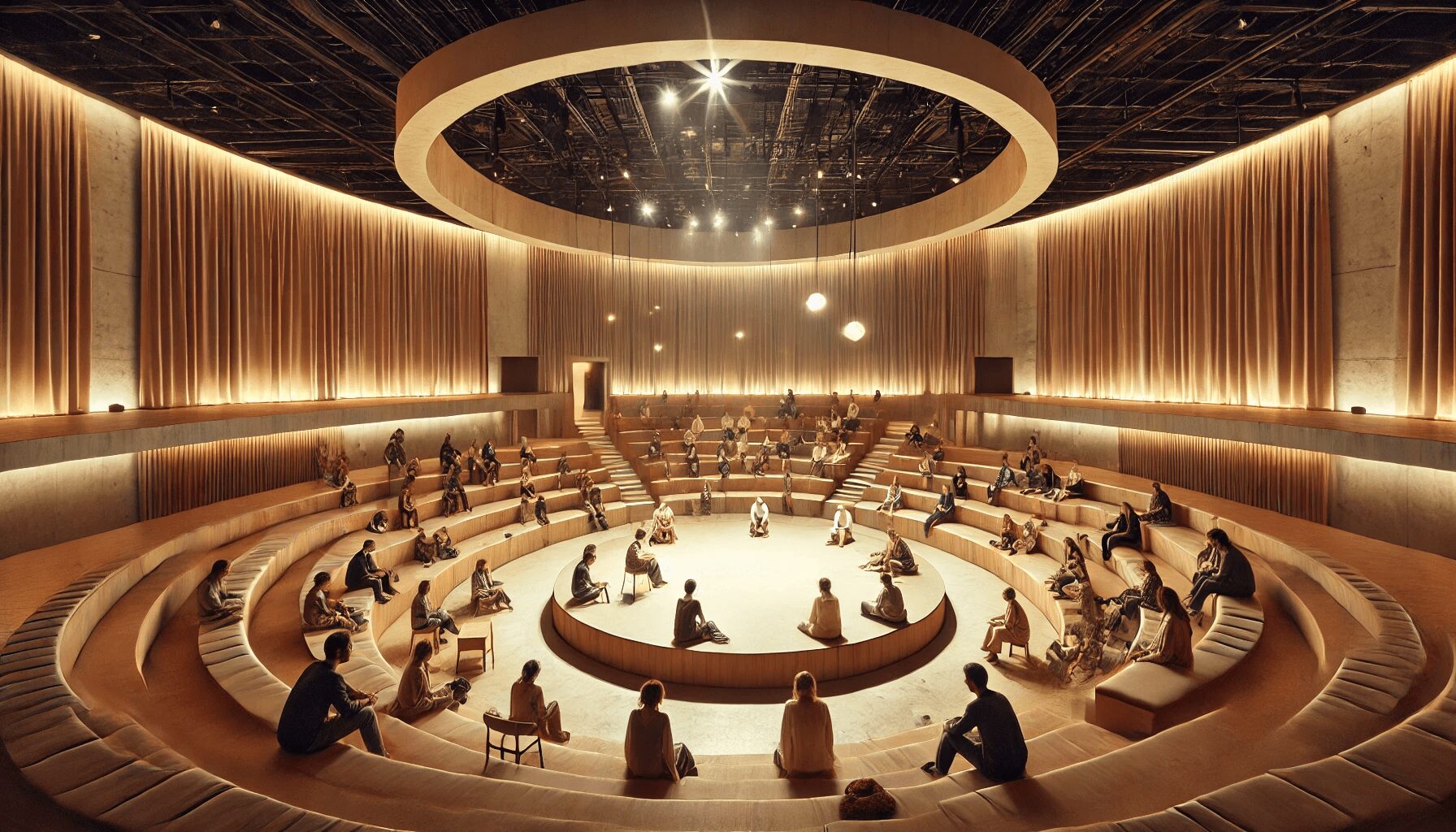
From there, Catharsis Theater was born: a dynamic, participatory, trauma-informed group experience where people can step into their grief, be seen, and find transformation. My mission now is to bring this work to the world—offering large-scale in-person experiences where communities can grieve, heal, and connect in ways that feel deeply human.
I see myself as part of the third wave of mental health—moving beyond the traditional therapy room to create spaces that are immersive, somatic, and collective. This isn’t just about grief support; it’s about changing how we, as a society, hold space for pain, healing, and human connection. And I believe we’re just getting started.
Alright, so let’s dig a little deeper into the story – has it been an easy path overall and if not, what were the challenges you’ve had to overcome?
No, the road has not been smooth. The work I do exists in a space that makes people uneasy—too raw for the clinical world, too structured for the skeptics of group healing, too unpredictable for those who prefer neat, linear solutions. And then, of course, there’s the weight of history—both the ancient kind, which reminds us that what I’m doing is nothing new, and the more recent kind, which has made people wary of anything that doesn’t come with a prescription or a diagnosis.
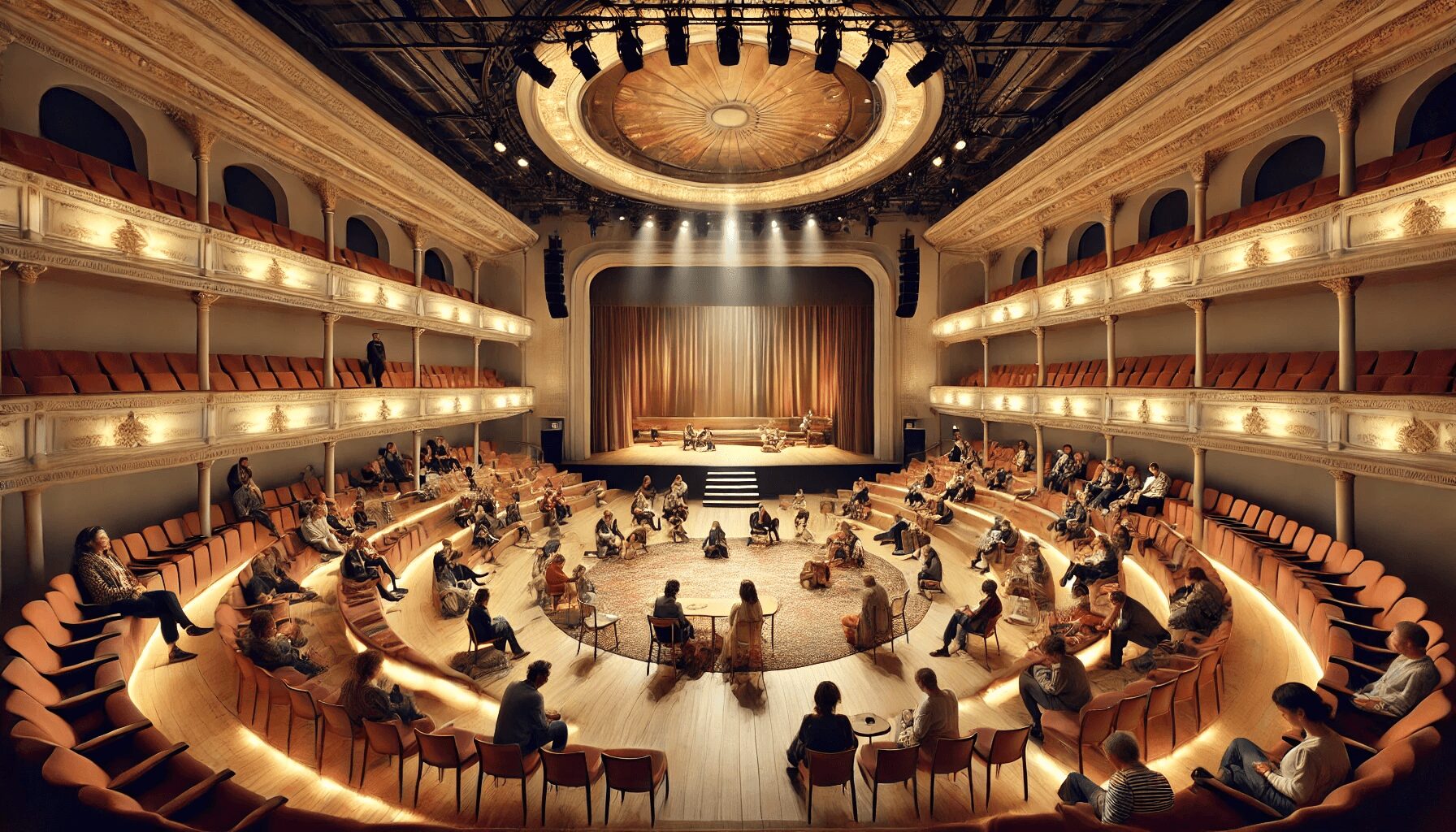
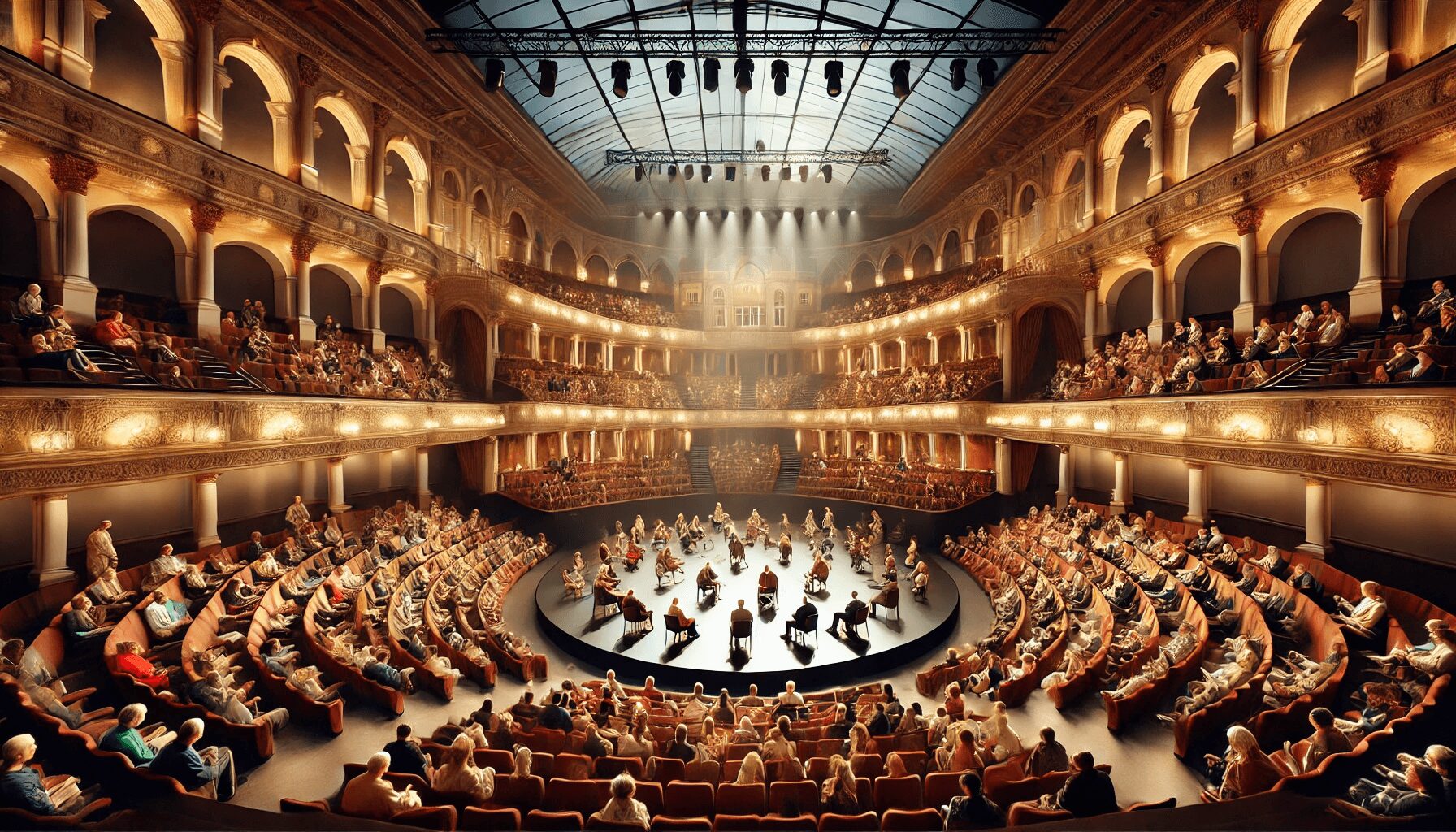
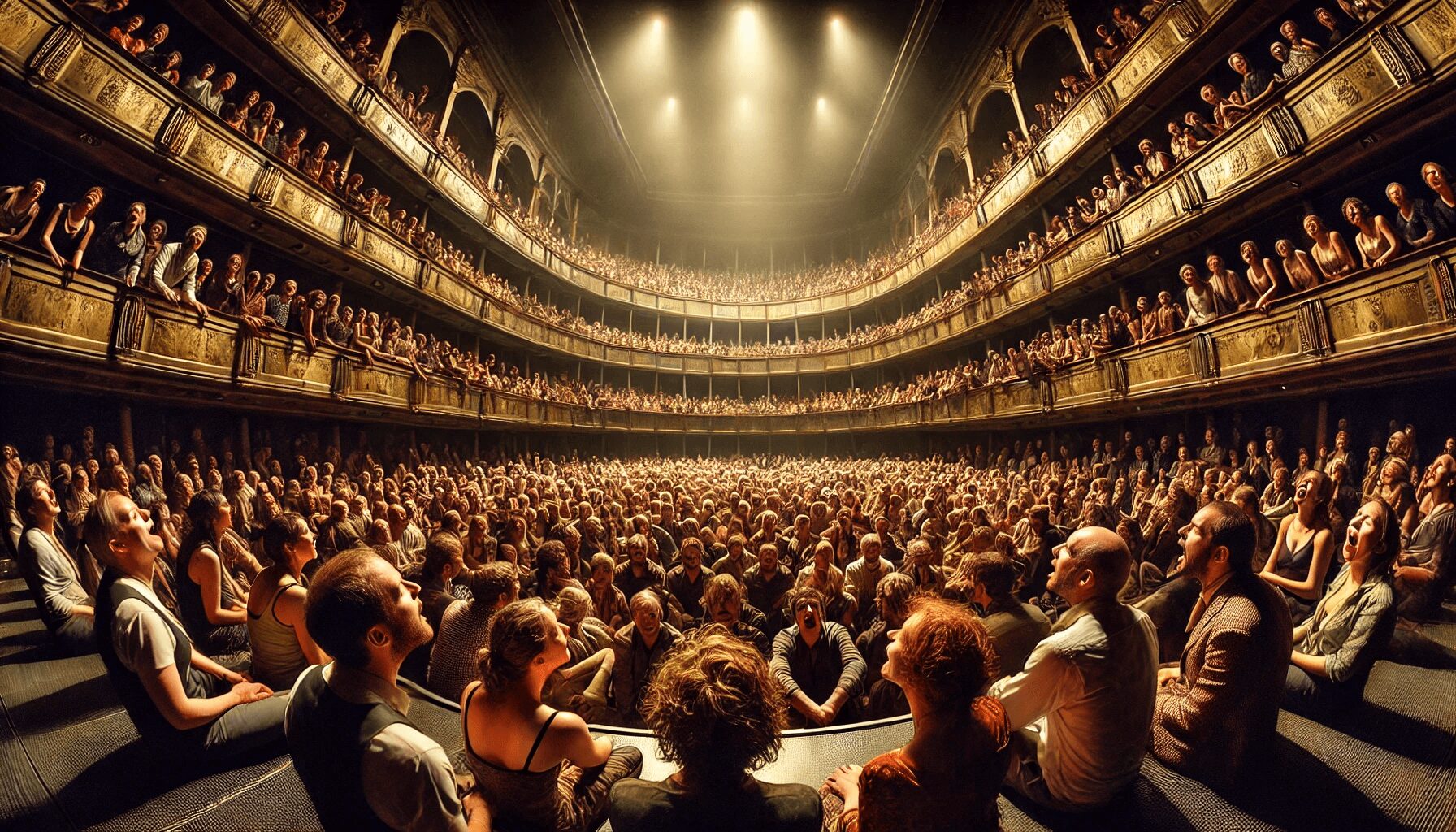
Catharsis Theater is not, strictly speaking, therapy. There are no doctors in white coats, no DSM codes, no pharmaceutical interventions. And for some, that alone is enough to discredit it. If it doesn’t fit neatly into the medical model of mental health, can it really help? If it isn’t clinical, does it count? But long before we had therapists and treatment plans, we had the theater. In ancient Greece and Rome, people gathered in amphitheaters not just to be entertained but to be moved—to weep, to shake, to feel something deep in their bones. They had a word for this kind of release: katharsis. They knew that watching a performance wasn’t passive; it was transformational. The body reacted, the spirit purged, and something in the soul—something heavy, something trapped—was set free.
Somewhere along the way, we lost this wisdom. We became obsessed with the individual, with personal responsibility, with the idea that healing happens alone, in a quiet room, between you and a professional. But grief, trauma, and suffering—these things are never just personal. They happen in the context of relationships, families, communities. We are hurt by the group—by those we love, by those who fail us, by the world itself. And so we must be healed by the group. This is not radical. This is ancient.
Of course, not everyone sees it this way. The term psychodrama still carries baggage from years of misuse. People with ulterior motives—those looking to control, manipulate, or exploit—have twisted it into something unrecognizable, turning vulnerability into spectacle, healing into performance, human pain into profit. And in doing so, they’ve given people reason to doubt, to hesitate, to fear that stepping into a shared space of healing might be dangerous. That is a wound we are still working to mend.
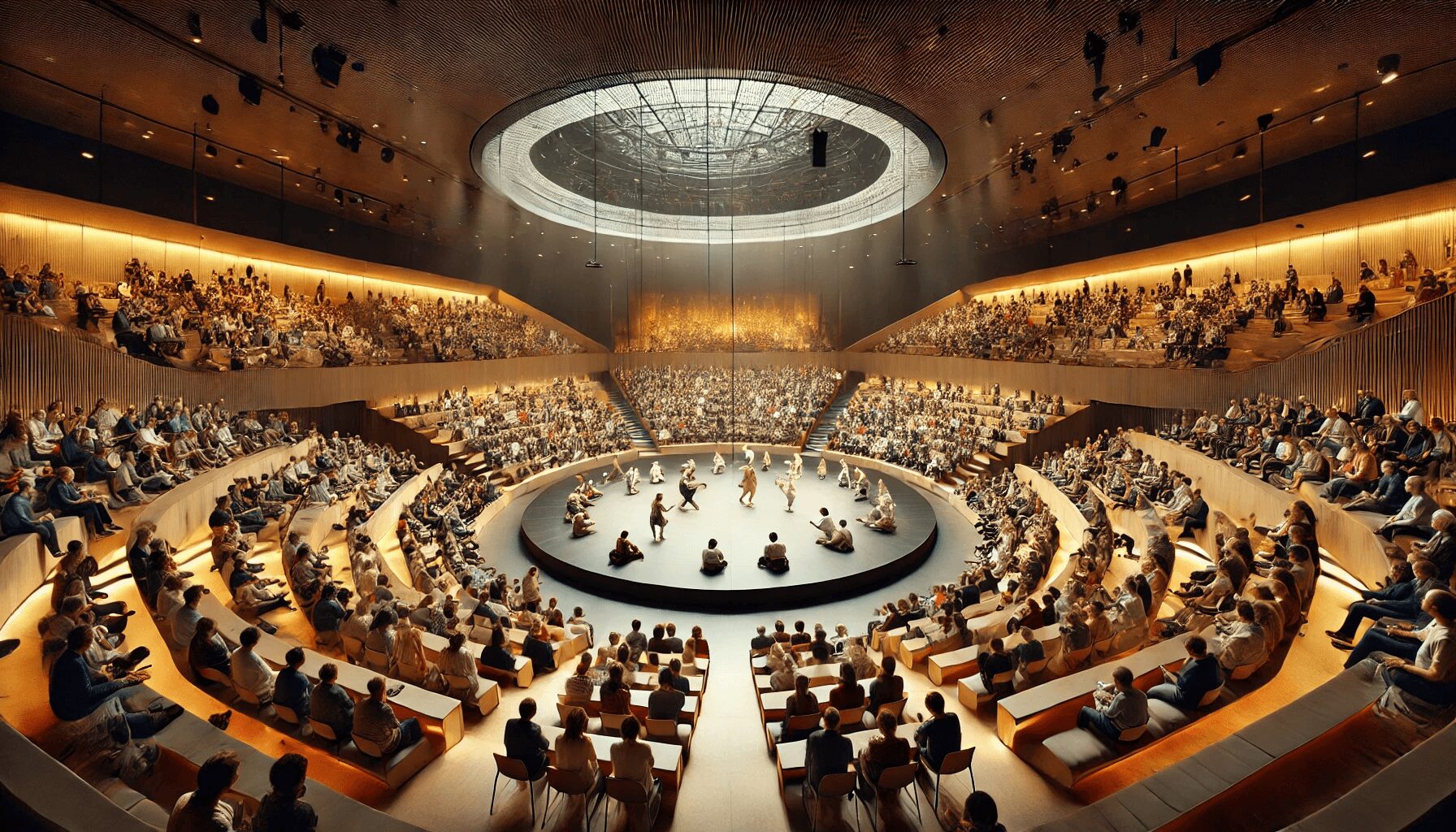
Then there’s the sheer scale of what I do. Holding space for five or ten people is one thing. Holding space for a hundred, five hundred, a thousand—ensuring that every single person in that room feels safe enough to let themselves feel—is something else entirely. It requires deep trust in the process, in the people around me, in the unseen threads that connect us all. It requires a team, a structure, a kind of choreography that allows for the unpredictable, that makes room for grief, rage, laughter, and relief, all at once.
And yet, despite the pushback, despite the skepticism, despite the voices that say healing can’t happen this way, we know it does. Because I see it, every time. I see people shed burdens they’ve carried for decades. I see the moment when pain shifts, when something old and stuck begins to move. I see strangers holding each other, not because they have to, but because they understand. And that is the proof. Not in a lab, not on a spreadsheet, but in the raw, undeniable way people come alive when given the space to heal in the way humans were always meant to—together.
As you know, we’re big fans of you and your work. For our readers who might not be as familiar what can you tell them about what you do?
I create spaces where people can be fully human—messy, grieving, raw, alive.
My work is called Catharsis Theater, and it lives at the intersection of group healing, psychodrama, and something much older—something ancient, almost instinctual. I guide people through grief, trauma, and deep emotional suffering, not by analyzing or pathologizing, but by allowing them to step into their pain, to express it, to move it through their bodies, and most importantly, to be witnessed in it.
I specialize in large-scale grief and trauma healing experiences, working with groups of 100 to sometimes 1,000 people. That scale alone sets my work apart—therapy, as most people know it, happens in quiet rooms, one-on-one, in hushed tones. But grief isn’t quiet. Trauma isn’t polite. And healing, real healing, happens in the presence of others. We’ve known this for thousands of years. We lost it somewhere along the way. I’m bringing it back.
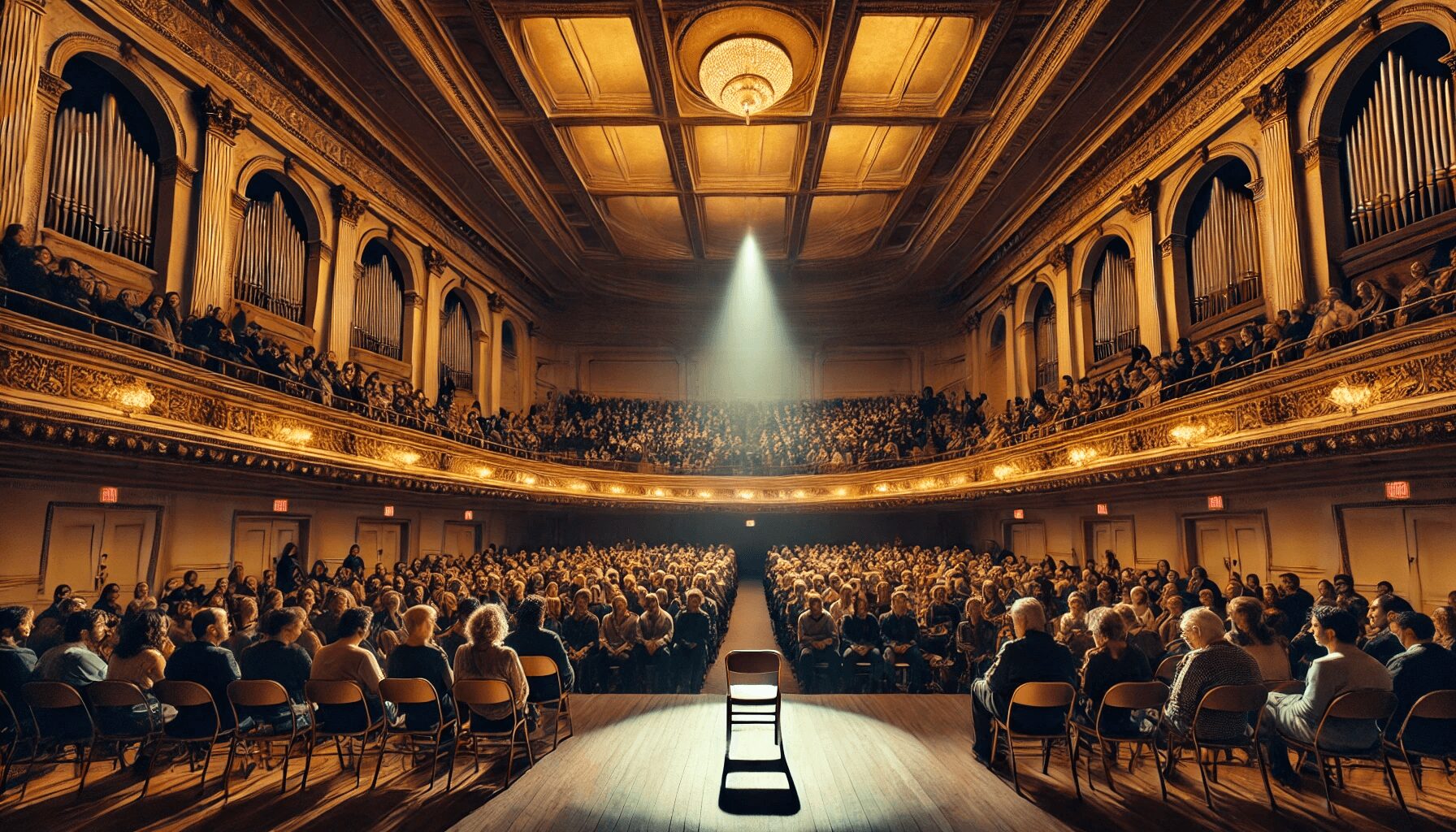
What I’m most proud of is that this work works. I’ve seen it over and over—people who have carried unbearable sorrow for years finally exhaling, finally letting go, finally realizing that they don’t have to do it alone. I’m proud of the rooms I hold, the safety we create together, the way strangers become lifelines for one another. I’ve watched someone collapse into grief only to be lifted—literally and metaphorically—by the people around them. I’ve seen a man who hadn’t spoken about his loss in decades stand up, speak, shake, and then breathe again. These are moments you can’t fake. They aren’t performance. They are truth.
What sets my work apart is its scale, its depth, and its radical trust in human connection. I don’t believe healing belongs only in a therapist’s office, behind closed doors. I don’t believe grief is something to be managed, treated, or numbed. I believe in giving people back what has been stolen from them—the right to feel, to mourn, to rage, to release. I believe in the power of the group, in the sacredness of being seen, in the way suffering transforms when it is shared.
That is what I do. That is what I am known for. And that is what I will keep doing, for as many people, in as many places, for as long as I can.
We’d love to hear about any fond memories you have from when you were growing up?
I was small, maybe five or six, sitting in the backyard, legs folded beneath me, running my fingers through the cool green grass. The world was quiet except for the hum of distant lawnmowers, the occasional bark of a neighbor’s dog. But in my mind, there was no quiet—only possibility.
A single blade of grass could be anything. A tiny sword, perfect for a battle between ants. A delicate thread, plucked from the earth’s own tapestry. A pencil for a beetle’s journal. A sliver of food for a kingdom I couldn’t see but knew must exist. The entire world was alive with play, with questions, with wonder.
That moment, in the backyard, under the sun, was the beginning of everything. It wasn’t just about the grass—it was about how I saw the world, how we all see the world when we are young, before the weight of knowing settles in. Children don’t learn by being told; they learn by touching, by imagining, by allowing the ordinary to become extraordinary. That’s how I learned then, and, in so many ways, it’s how I still learn now.
I think about that often—the way curiosity and play were second nature to me as a child, the way they are to all children. I think about how much of my work now is about reclaiming that lost part of ourselves, the part that knows instinctively that healing, connection, and meaning don’t come from analysis alone but from experience, from movement, from stepping into the unknown with wide eyes and an open heart.
That backyard moment, hands in the grass, was the first lesson. And maybe, in some way, every lesson since has been an attempt to return to it.
Contact Info:
- Website: https://www.caligrief.com/
- Facebook: https://www.facebook.com/brian.stefan.9
- LinkedIn: https://www.linkedin.com/in/caligrief/
Popular
-

Que Johnson on Building Brands That Last: From Visibility to True Market Authority
-

Christina Wren Steps Into the Director’s Chair to Tell Stories That Feel Like Home
-

Portraits of the Valley
-

LA’s Most Inspiring Stories
-

JordanL on ‘Breathe,’ Belief, and Building a Movement Beyond the Music
-
Megan Birney Rudert on How Access to Light Is Powering a More Sustainable and Equitable Future


