




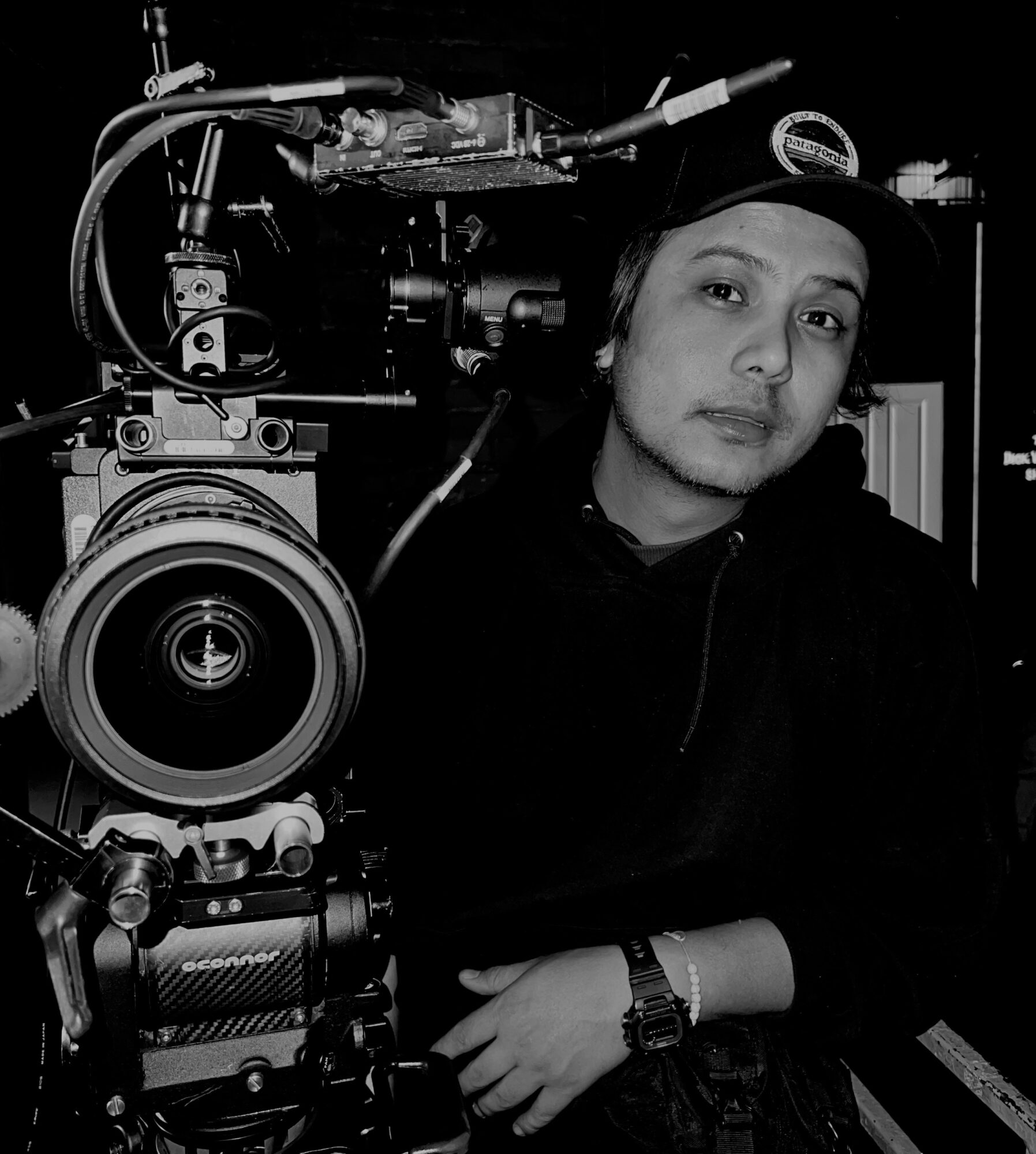
Today we’d like to introduce you to Rajan Puri
Hi rajan, so excited to have you with us today. What can you tell us about your story?
My journey into cinematography started off pretty humbly, and honestly, I never expected it to become my full-time career. I grew up next to a old single-screen cinema theater, and while the other kids were out playing, I’d spend hours inside watching every new film that came through. I’d often make excuses to skip school just so I could rent DVDs and watch movies. At the time, I didn’t realize it, but that was when my passion for cinema truly started to take root.
It all really began back , when I was in my early 20s. Armed with a DSLR and a ton of curiosity, I had no technical know-how—I just loved capturing moments. Back then, I thought some of my shots were amazing, but looking back now, they were terrible! It’s funny to think about, but that’s part of the process. You think you’re on the right track even when you’re not, and that’s how you learn.
The turning point came when one of my photos got featured in National Geographic Online magazine. That was the first real taste of success, and it motivated me to keep pushing, even though I was still taking plenty of bad shots. Eventually, the quality improved, and I began to trust the process more.
What I’ve learned through all of this is that no one just wakes up one day and is good at their craft. It’s all about persistence and passion. If you have it in your heart and stay true to it, you will improve it eventually with time. That’s the advice I’d give to all the aspiring artists, musicians, actors, and creatives who are in doubt about whether to follow their dreams: You don’t have to be great from the start. Just stay true to your passion, and the skills and creativity will follow you back.
In creative fields like photography and cinematography, you have to be willing to take thousands of bad shots, make hundreds of mistakes, and experience failure. That’s how you learn what works and what doesn’t. Each bad shot is a lesson, and every mistake gets you one step closer to getting it right. It’s about training your eye—you can’t make that perfect shot until you’ve failed over and over again.
Honestly, I never imagined I’d end up where I am now. I always wanted to do it, but it seemed like a dream too big to achieve. i guess manifestation does work for real and pretty fast then you think it would. Working on feature films, music videos, commercials, and stepping into Hollywood —it all felt out of reach back then. But it’s the grind of refining my skills, learning from my failures, and always pushing to do better that’s gotten me here.
Looking back, I’m a bit embarrassed by my early photos, but I wouldn’t trade that process for anything. It’s what shaped me into the cinematographer I am today. And that’s the beauty of this journey—it’s messy, unpredictable, and never easy, but every step gets you closer to where you need to be.
We all face challenges, but looking back would you describe it as a relatively smooth road?
Looking back at my journey, it seems smooth from where I am now, but it certainly wasn’t without its struggles. One of my biggest challenges was pursuing my passion for filmmaking, especially coming from a small town in Nepal and being raised in a traditional Asian culture. In many Asian communities, creative fields like film are often not seen as “real” career paths but a side hobbies.—especially when compared to more conventional professions like business, medicine, or engineering. My parents, like many others from similar backgrounds, had high hopes for me to follow a more traditional career path.
Film school, for me, seemed out of reach—not only was it expensive, but it also wasn’t something that was supported by the cultural norms at the time. So, following the typical Asian path, I enrolled in business school with the hope that I could either build a stable future for myself or at least secure a corporate 9-5 job once I graduated. The first year went well, and I did well in my classes. But deep down, I felt like I was on the wrong path. I wasn’t passionate about business—I was passionate about arts, films, and telling stories through a camera.
It was a tough decision, but I made the leap. I lied to my parents, telling them I was continuing my studies, and secretly enrolled in a crash photography course. I eventually dropped out of business school. I didn’t have a backup plan, and I knew that pursuing a career in film would be risky. I might not be as successful or financially stable as my friends and family with stable corporate jobs. But I also knew that I couldn’t live my life doing something that didn’t make me happy. I was willing to take that risk,not knowing that it would lead to something fulfilling in the long run.
Fast forward to today, and I can honestly say that the opportunities I’ve had in film are as rewarding, if not more so, than any corporate career. But the beauty of this field is that it’s not about being behind a desk all day; it’s about meeting new people, hearing their stories, learning from them and bringing their stories out to the world,. It’s a completely different kind of reward, one I’m thankful for every day. i feel blessed.
I started working on film sets, initially for free. Slowly, people began to notice my work and the passion I brought to the table. I worked in various roles—camera operator, aerial cinematographer, jib operator—and even took on roles in production management, line producing, and assistant directing. Each position I took helped me build my experience and knowledge.
This hands-on learning became my “film school.” It wasn’t easy, and there were moments when I questioned whether I was making the right decision. But each challenge I faced led me to collaborate with some of the top filmmakers and cinematographers from around the world, including Bollywood, where I had the chance to work with a truly global crew.
Ten years later, I can look back and see how far I’ve come. But none of this would have been possible without that decision to trust my instincts and follow my passion, despite the cultural pressures to take a more conventional route. It wasn’t a straight path, but each challenge, each leap of faith, helped me become the cinematographer I am today.
Thanks for sharing that. So, maybe next you can tell us a bit more about your work?
I’m a Director of Photography (DP), also known as a cinematographer. My specialty lies in using the camera to tell stories—transforming emotions into visuals. I like to think of myself as a visual storyteller. Just as a traditional storyteller uses their voice and expressions to convey a narrative, a cinematographer uses the camera, the lenses, lighting, and framing to do the same. Every choice—what lens to use, where to place the camera, what angle to shoot from—is intentional and serves the emotion of the scene. It’s all about creating a connection with the audience through the way the story is told visually.
Over the years, I’ve had the privilege of working with some incredible talents. I’ve shot projects with renowned Bollywood actors like Amitabh Bachchan, Shahid Kapoor, bomam irani, Vijay Sethupathi, and KK Menon, to name a few. I’ve also worked on high-profile international projects, including shooting in the Tiger’s Nest in Bhutan, a Netflix series, an Amazon Prime series, and the famous reality show The Amazing Race. Additionally, I’ve shot commercials for global brands like Coca-Cola, Subaru, Doritos, Surf Excel, Real Juice, and air commercial shooting from one chopper to another for air china around mount everest reagion.
Currently, I’m working on a feature-length horror film set in Los Angeles, scheduled for release in 2026 or 2027. It’s a project I’m particularly excited about, and I’m looking forward to seeing it on the big screen. I’m also incredibly proud of a music video I shot in 2023, which received multiple awards and international recognition.
As cinematographers, we often work behind the scenes, under the radar. We’re not always in the spotlight, and that’s perfectly fine with me. What matters is that our work is felt through the images that resonate with the audience and evoke emotions. In many ways, the visuals are what make a scene memorable—even if people don’t always know who created them.
What sets me apart from other cinematographers is the diverse range of experiences I’ve had in the industry. Before becoming a DP, I worked in multiple roles—camera operation, production management, assistant director, directing, and even producing. This broad experience has given me a well-rounded understanding of filmmaking, enabling me to approach each project holistically. I think of every scene not just from a cinematographer’s perspective but from the needs of the entire production. This flexibility and ability to adapt to what’s required in the moment is key to being a successful DP.
In the end, what I’m most proud of is not just the work I’ve done, but the journey that brought me here. Every project has taught me something new, and I’m grateful for the opportunities to grow, learn, and collaborate with incredible people along the way.
Is there something surprising that you feel even people who know you might not know about?
one thing that may surprise people is the deep spiritual side of me that often influences how I approach my work. I’m a big believer in the idea of connecting to a higher frequency—whether through meditation, prayer, or simply spending time in spiritual spaces like temples and monasteries That connection is something I carry with me, and it’s not just about my personal life; it informs how I view the world and how I approach filmmaking. When I look through the viewfinder, it feels like I’m entering a different dimension, tapping into a more intuitive, subconscious space. This spiritual connection helps me see the world in a unique way and guides the way I capture visuals on screen. It’s a part of me that I rarely speak about, but it plays a big role in my work and how I see the world behind the lens.Something that might surprise most people who know me or have worked with me in the past is that I’m actually quite introverted. i am a visual person I don’t talk much, it’s complicated to talk about whats going in my head verbally but easy to show On set, I’m not the type to be overly talkative in meetings or presentations. Before a shoot, when I’m with clients, producers, or directors, I often don’t say much about how I plan to approach the camera work or the visuals.but definitely speak as much as needed during pre production with director and crews. I believe in the philosophy of “say less, do more.” I’ve always felt that actions speak louder than words, and I prefer to show what I’m capable of through the work itself rather than over-explaining my approach upfront.
This can sometimes lead to a bit of a misconception. Clients and producers might wonder if they’ve made the right choice in hiring me because I’m not out there pitching ideas or talking up a storm. But once it’s time to shoot, it’s a completely different story. I step onto set, shift into full gear, and transform into a clear communicator—giving instructions, commanding the crew, and carefully crafting every shot. It’s like all the quiet energy I conserved during pre-production channels into action once we’re rolling. For me, this approach—letting the work do the talking—helps create an environment where the visuals speak for themselves.
Contact Info:
- Website: https://shotbyrajan.com/
- Instagram: https://www.instagram.com/ra7an__/?hl=en
- Facebook: https://www.facebook.com/razan.asevenx/
- Other: https://www.imdb.com/name/nm14556921/
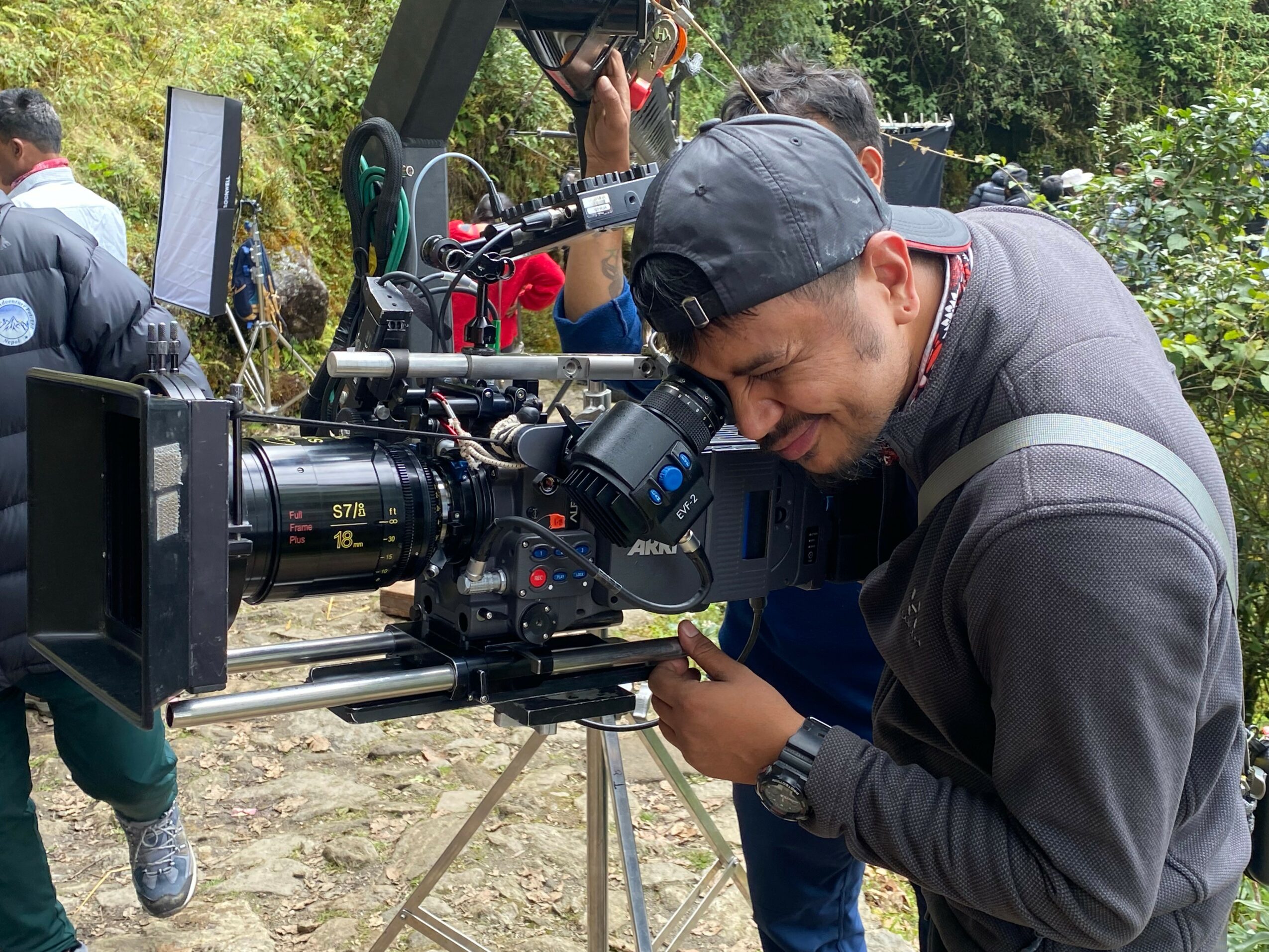
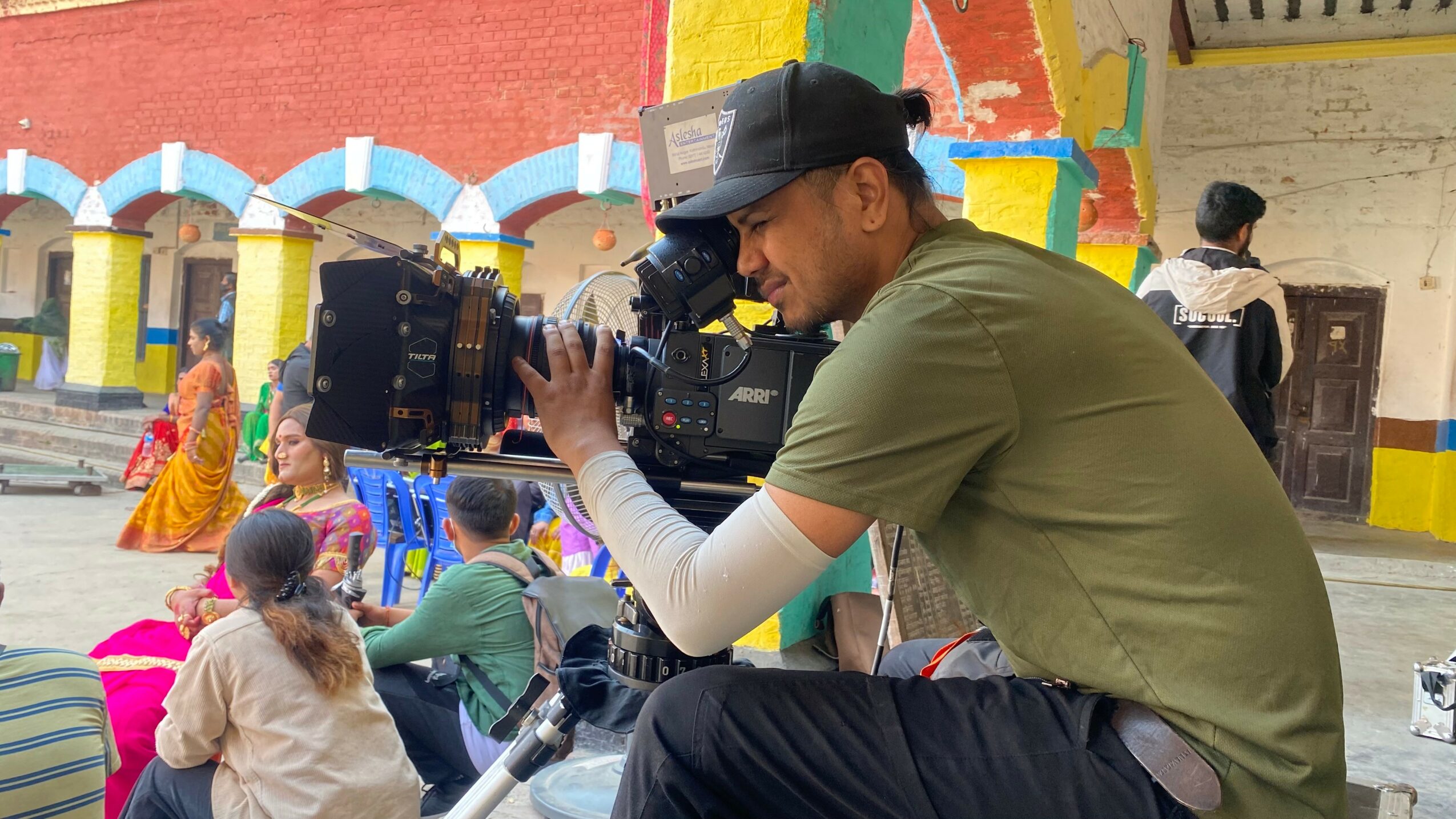
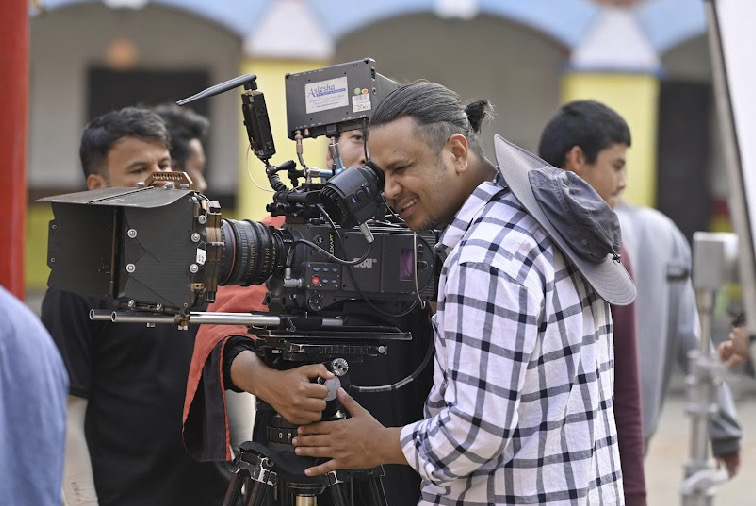
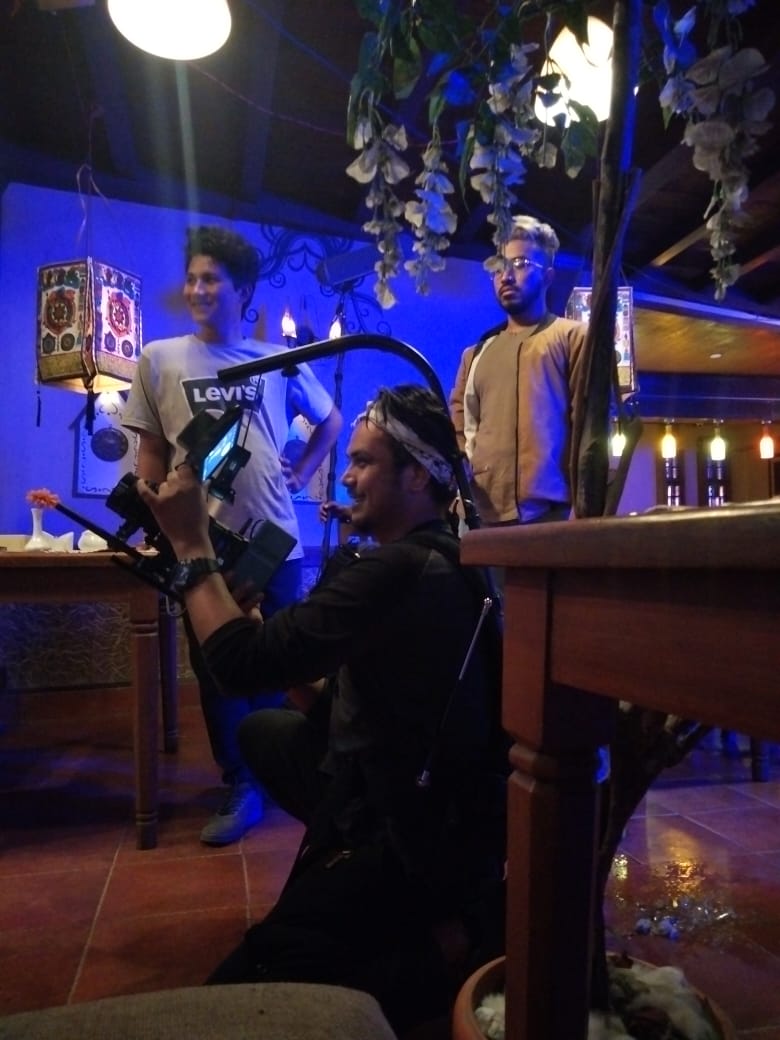
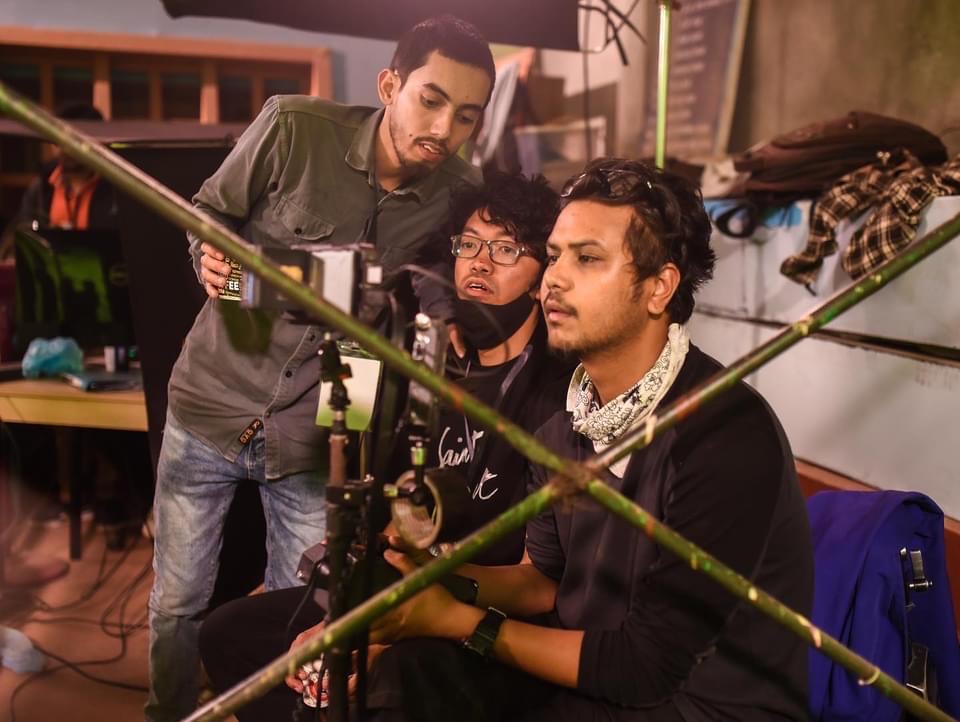
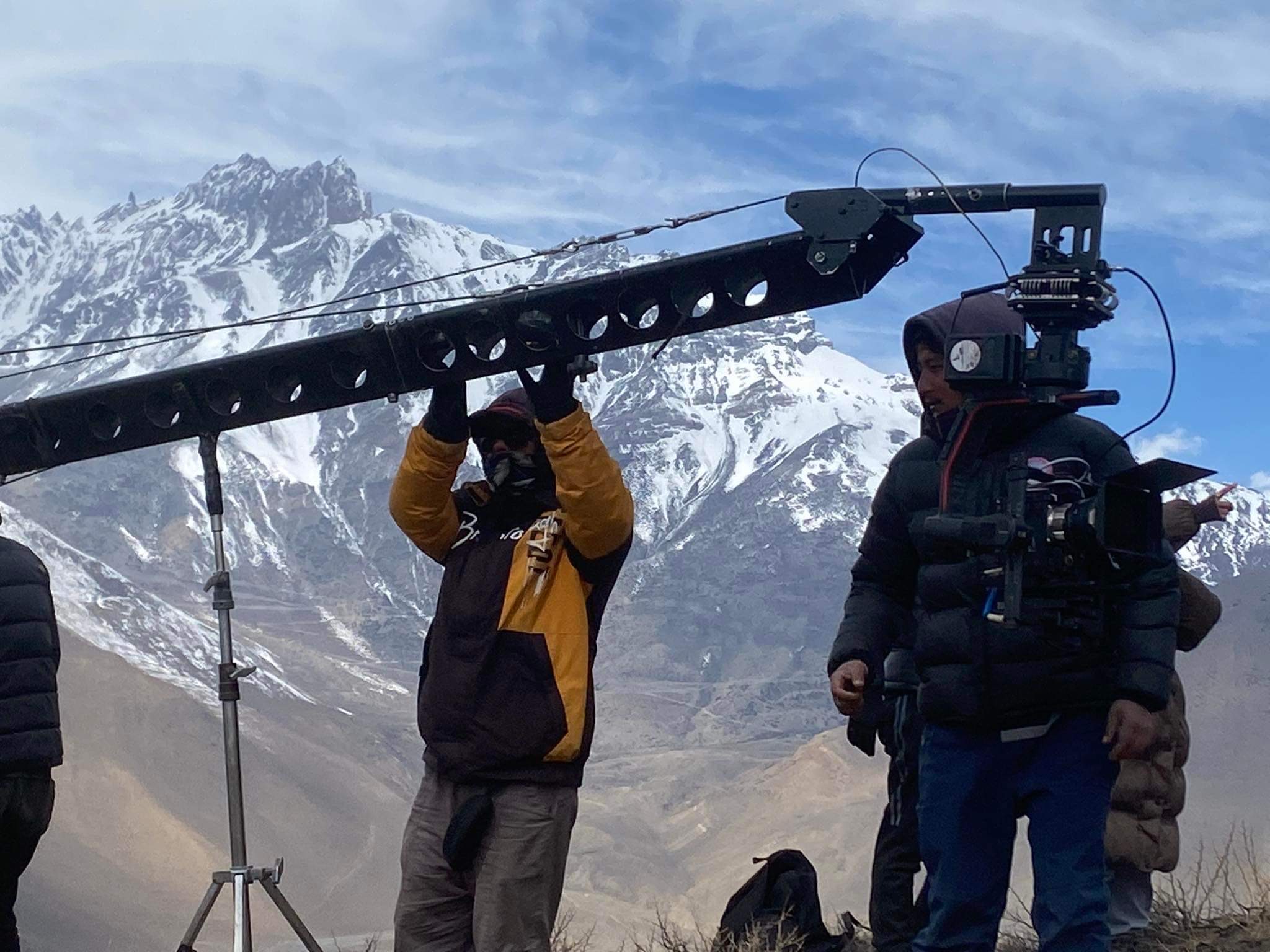
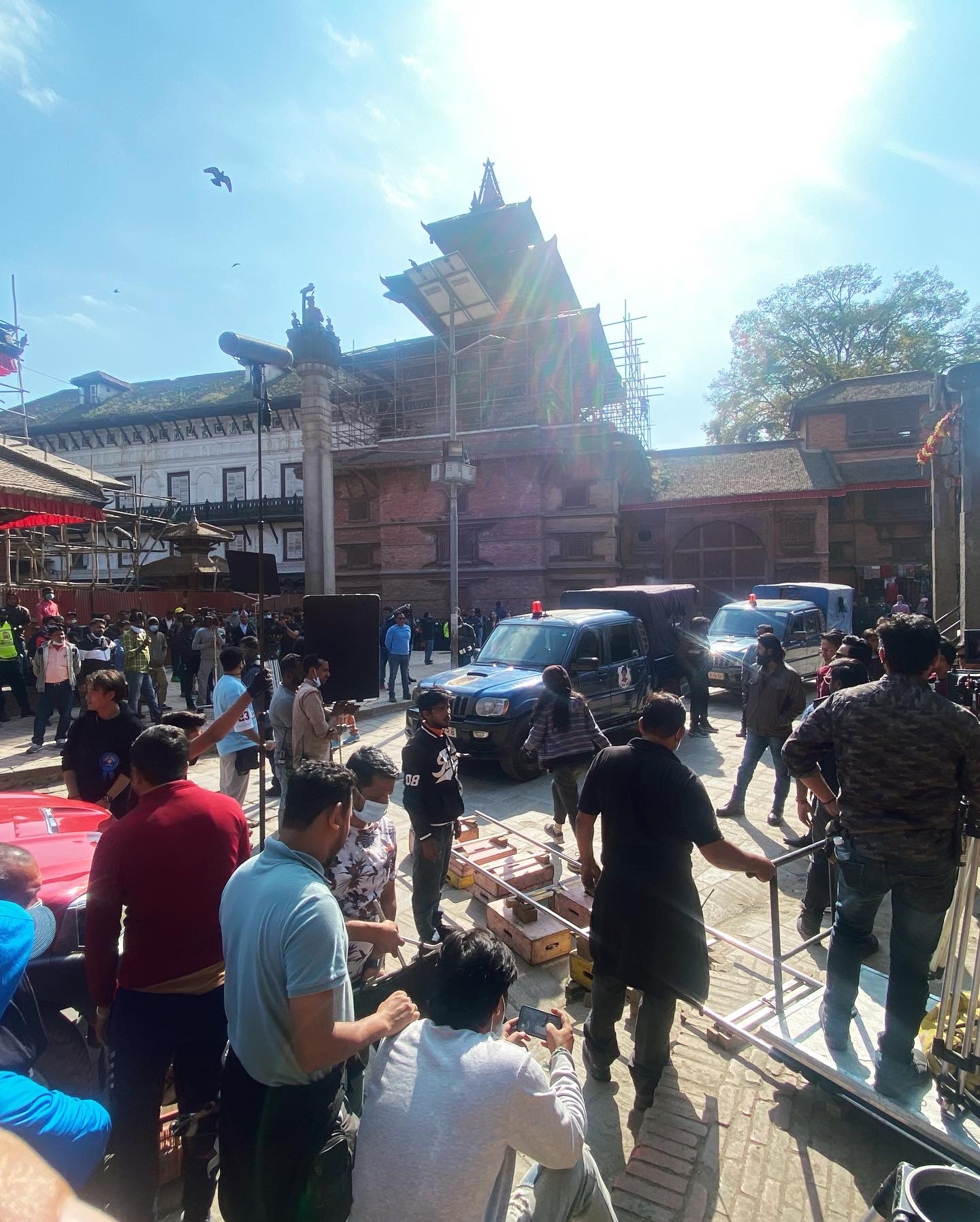
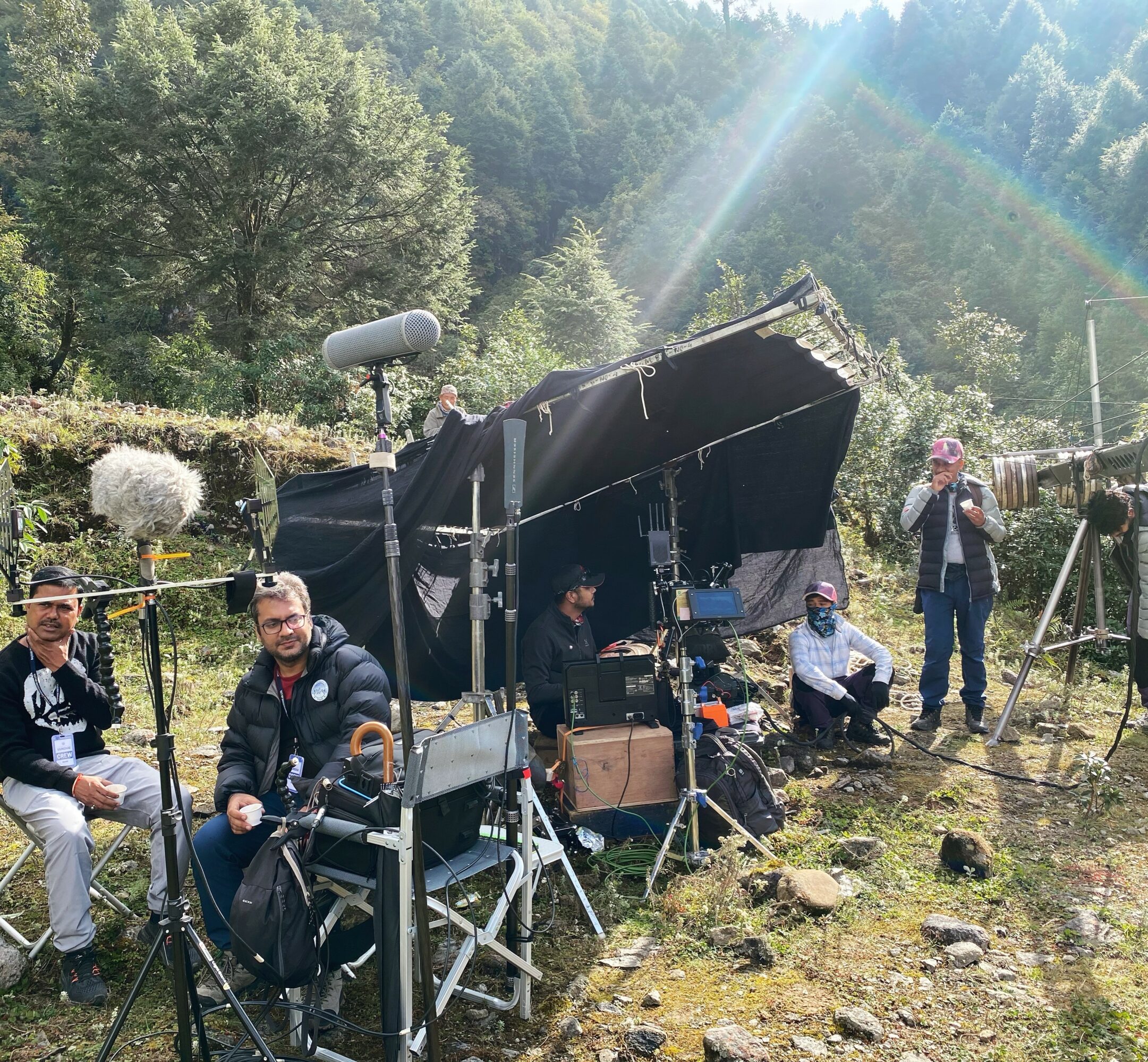
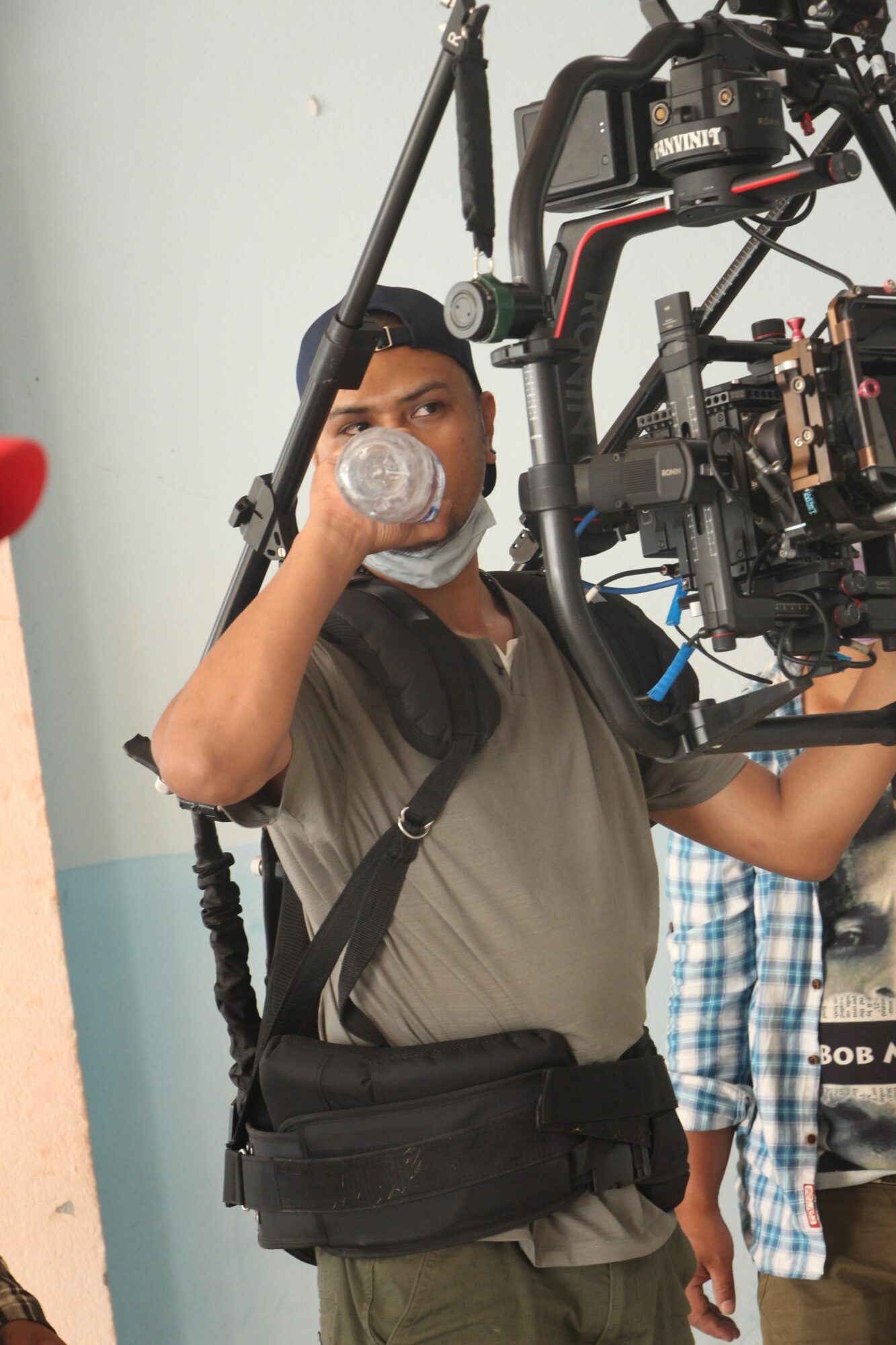
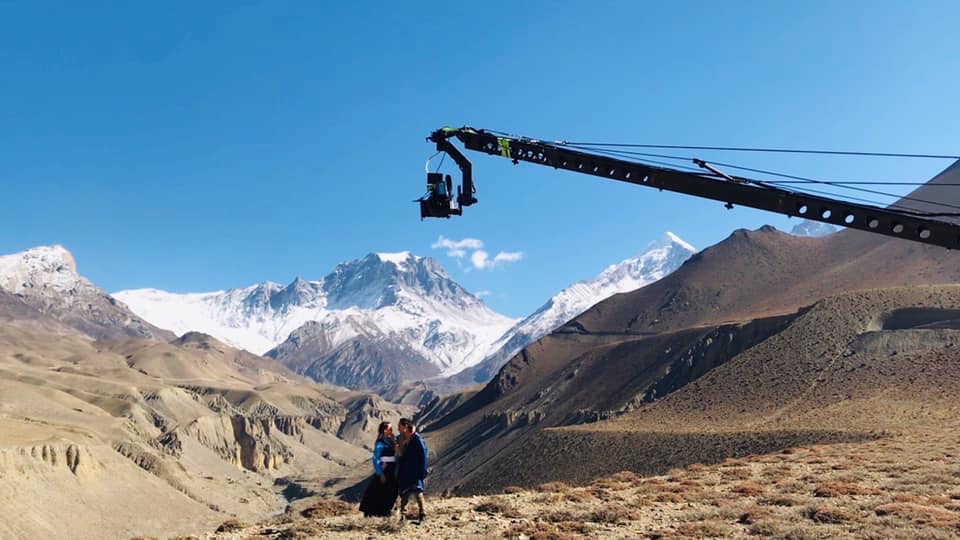
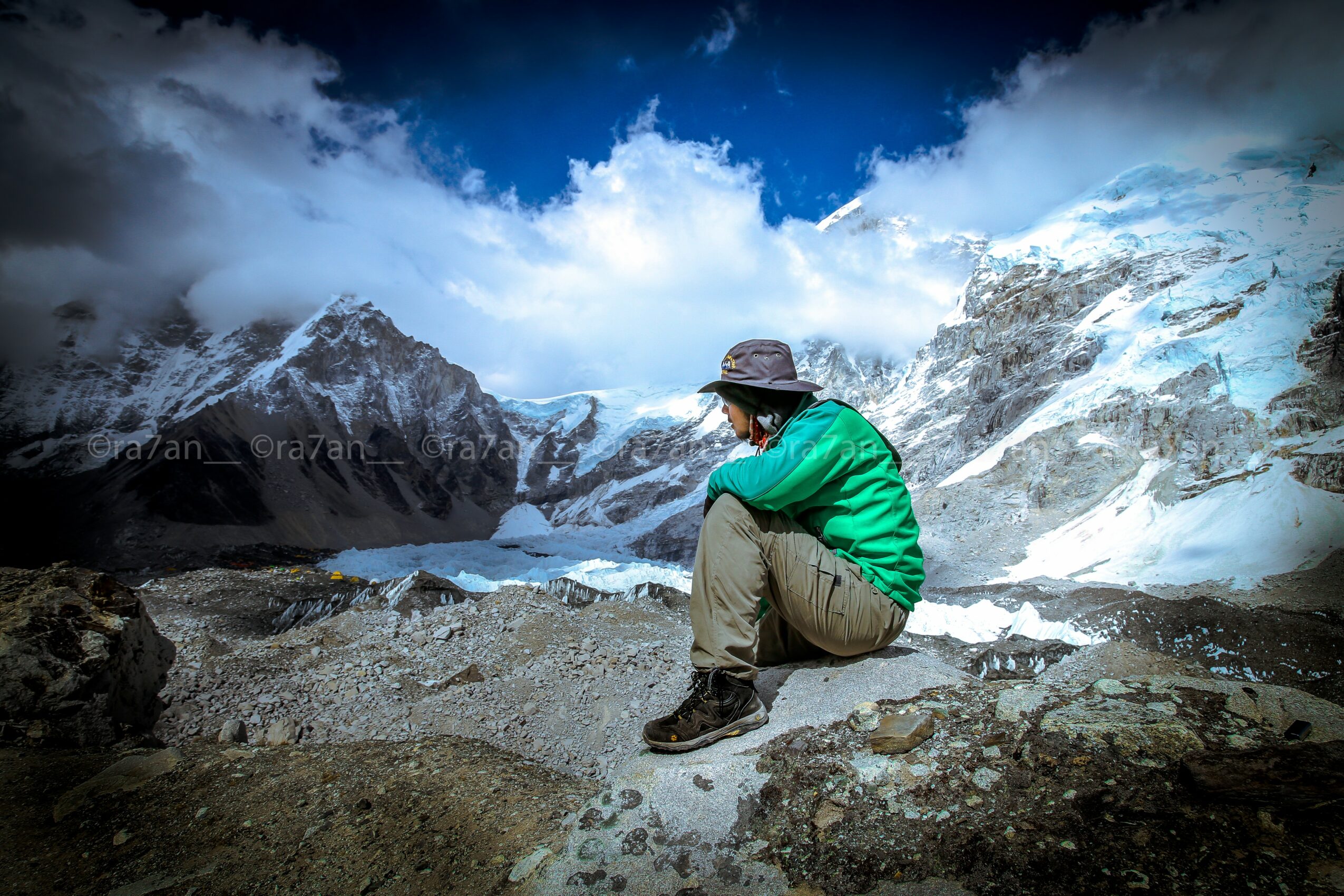
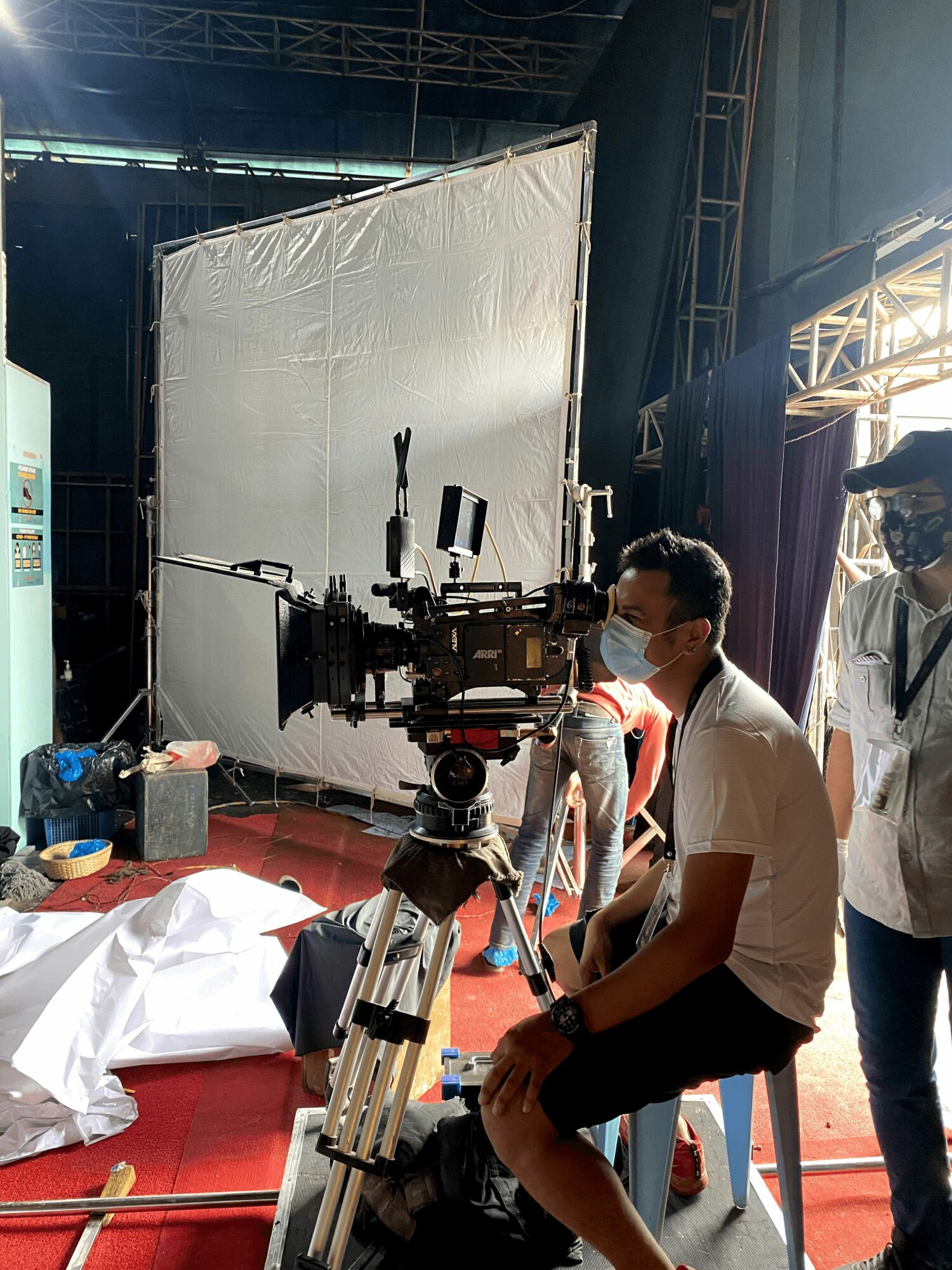
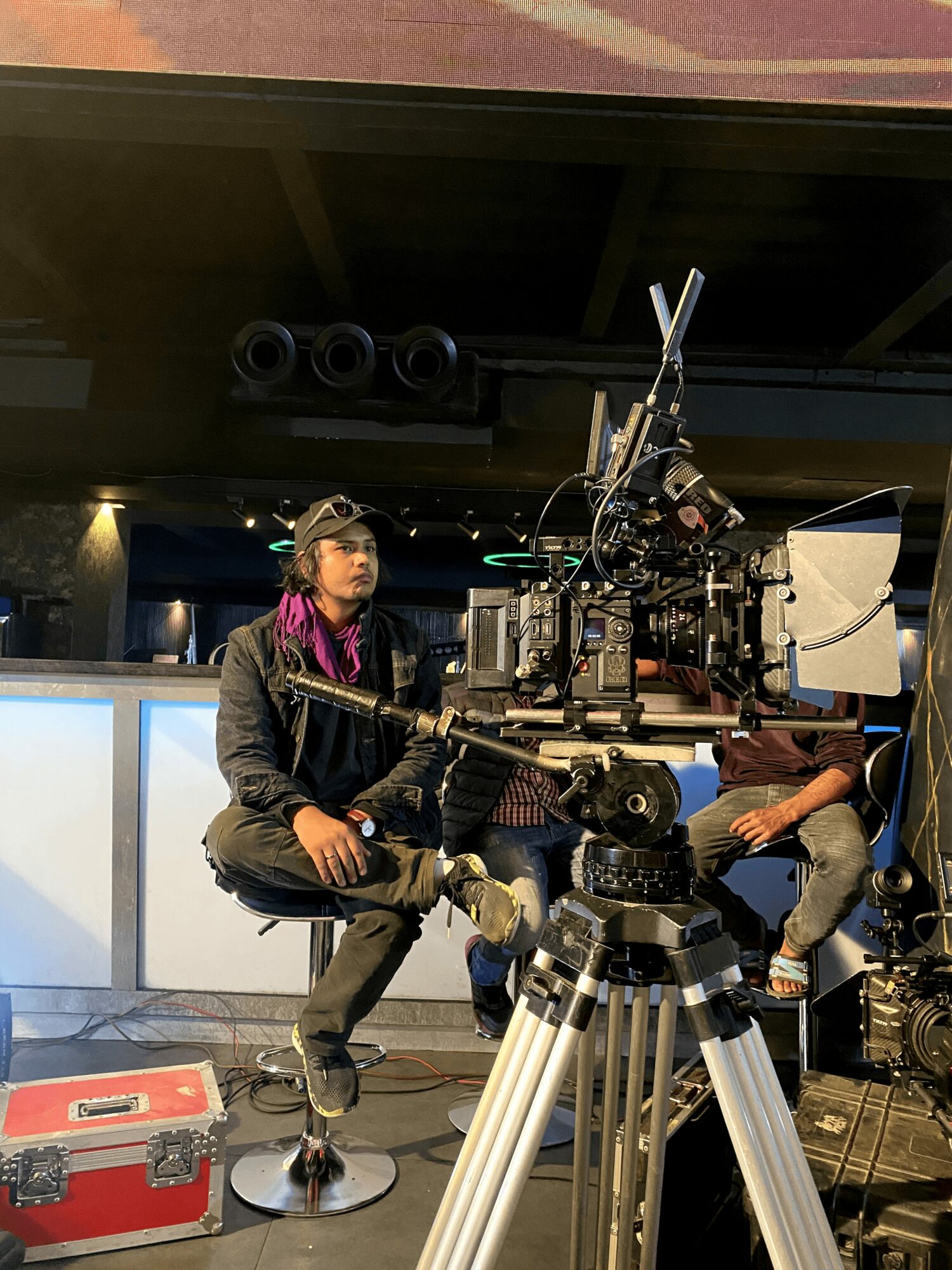
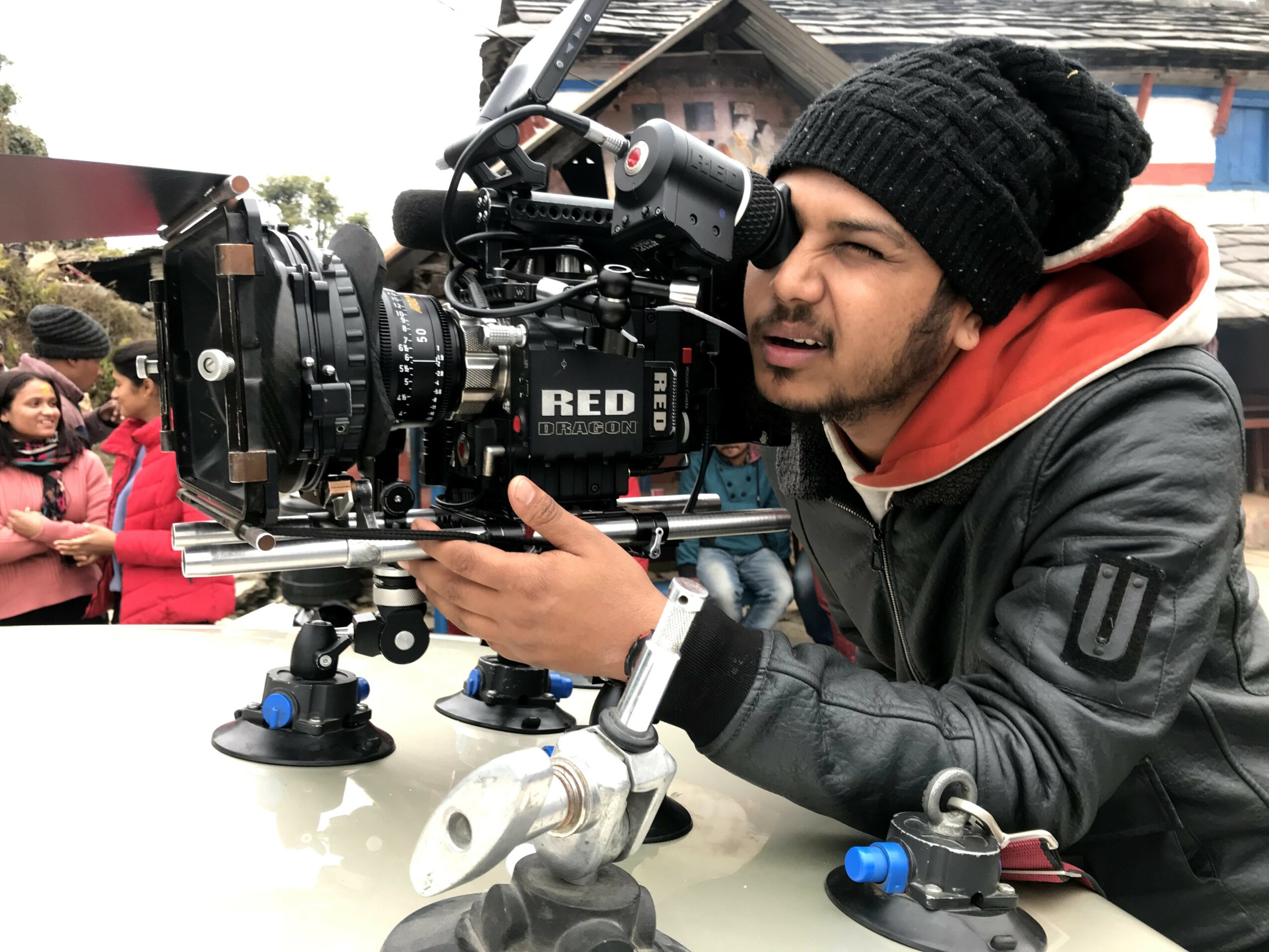
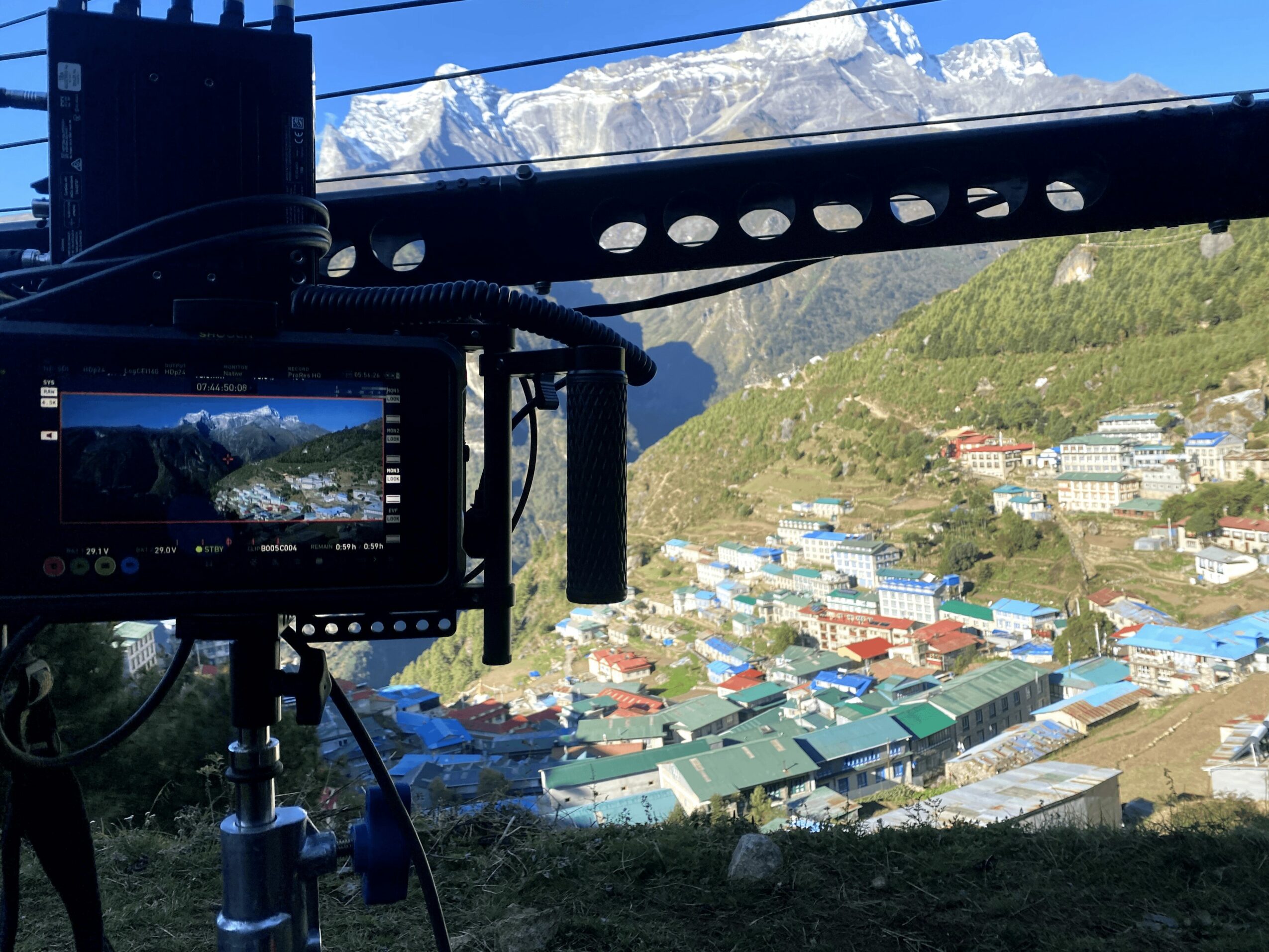
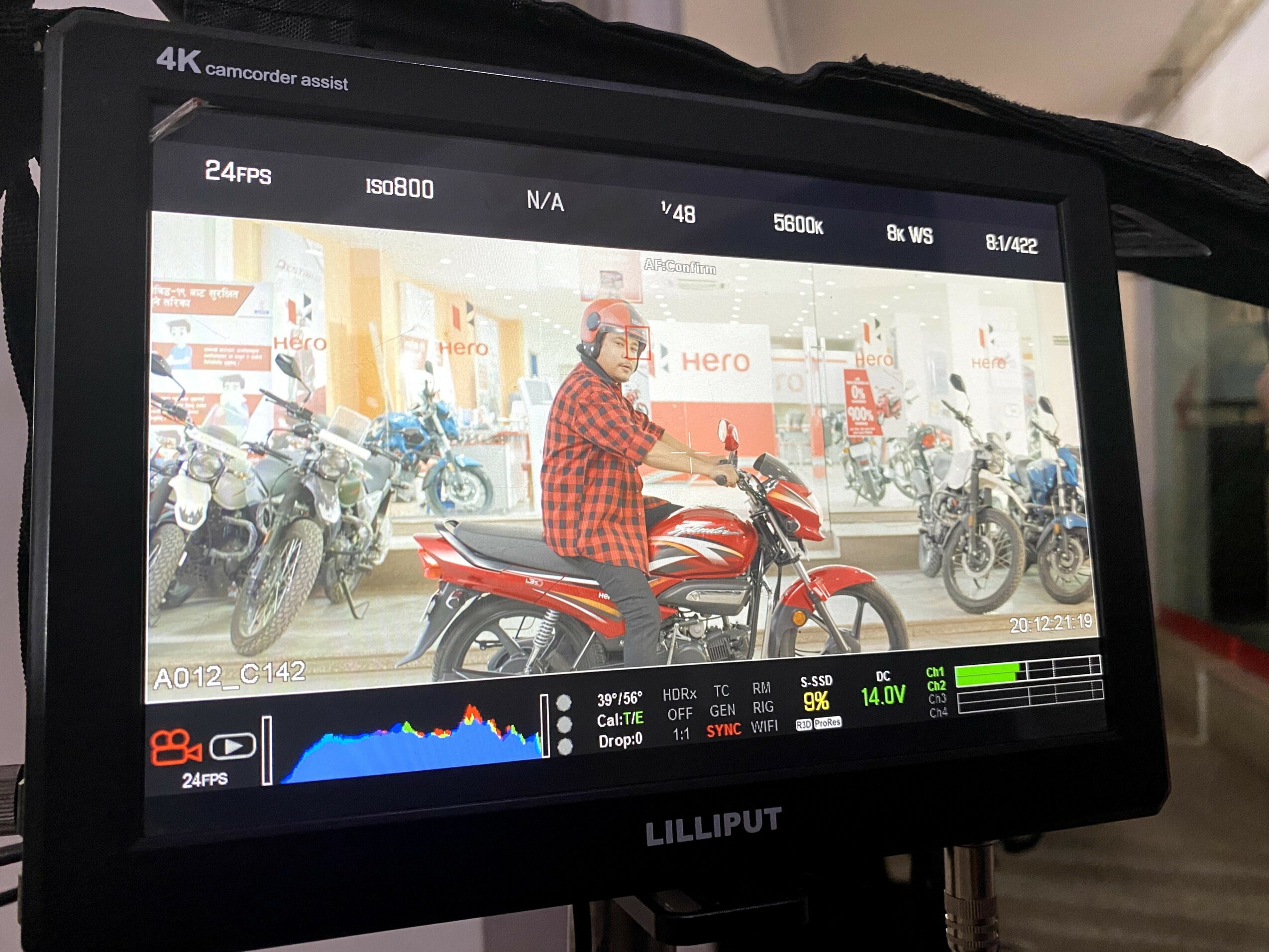
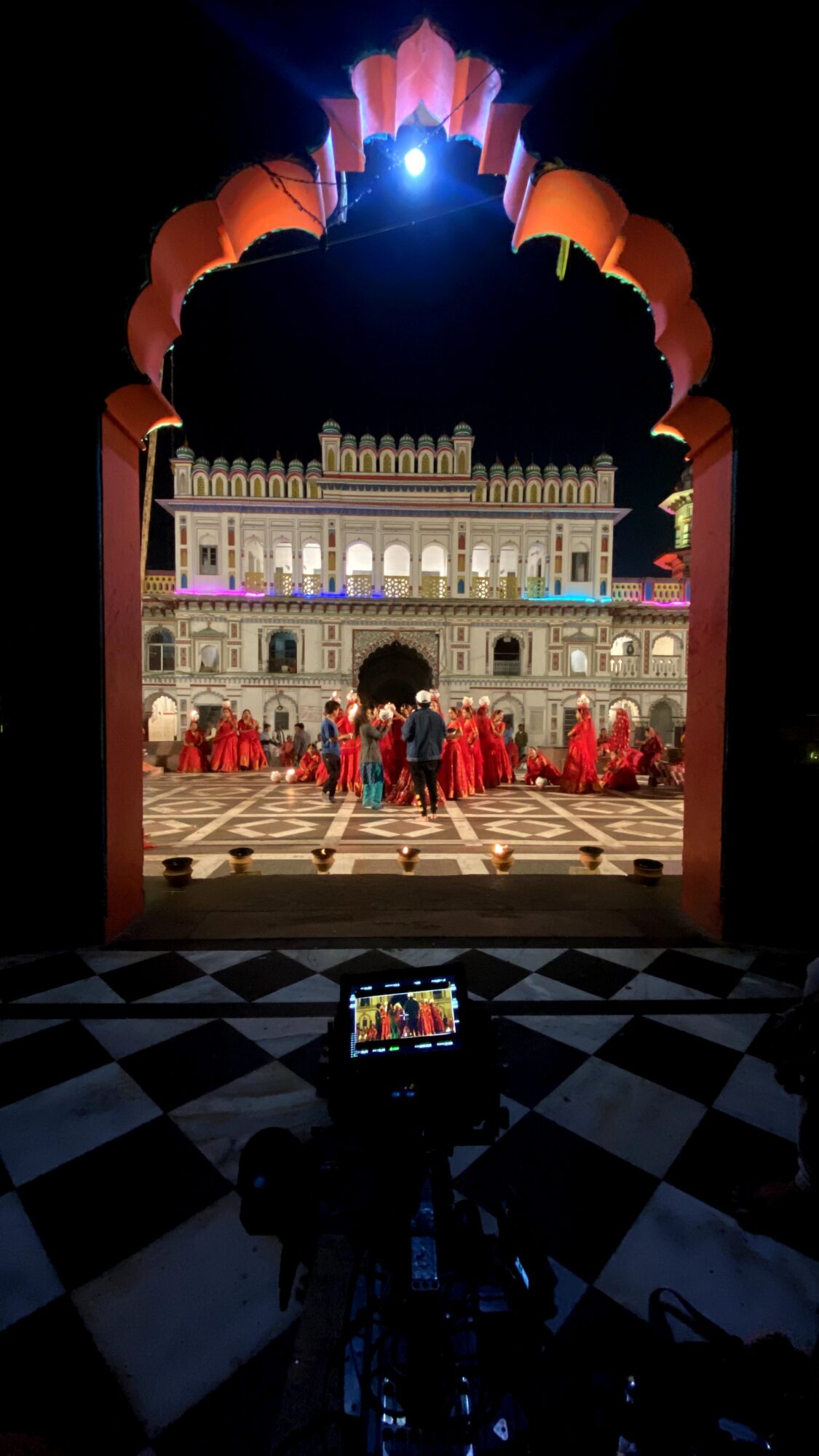
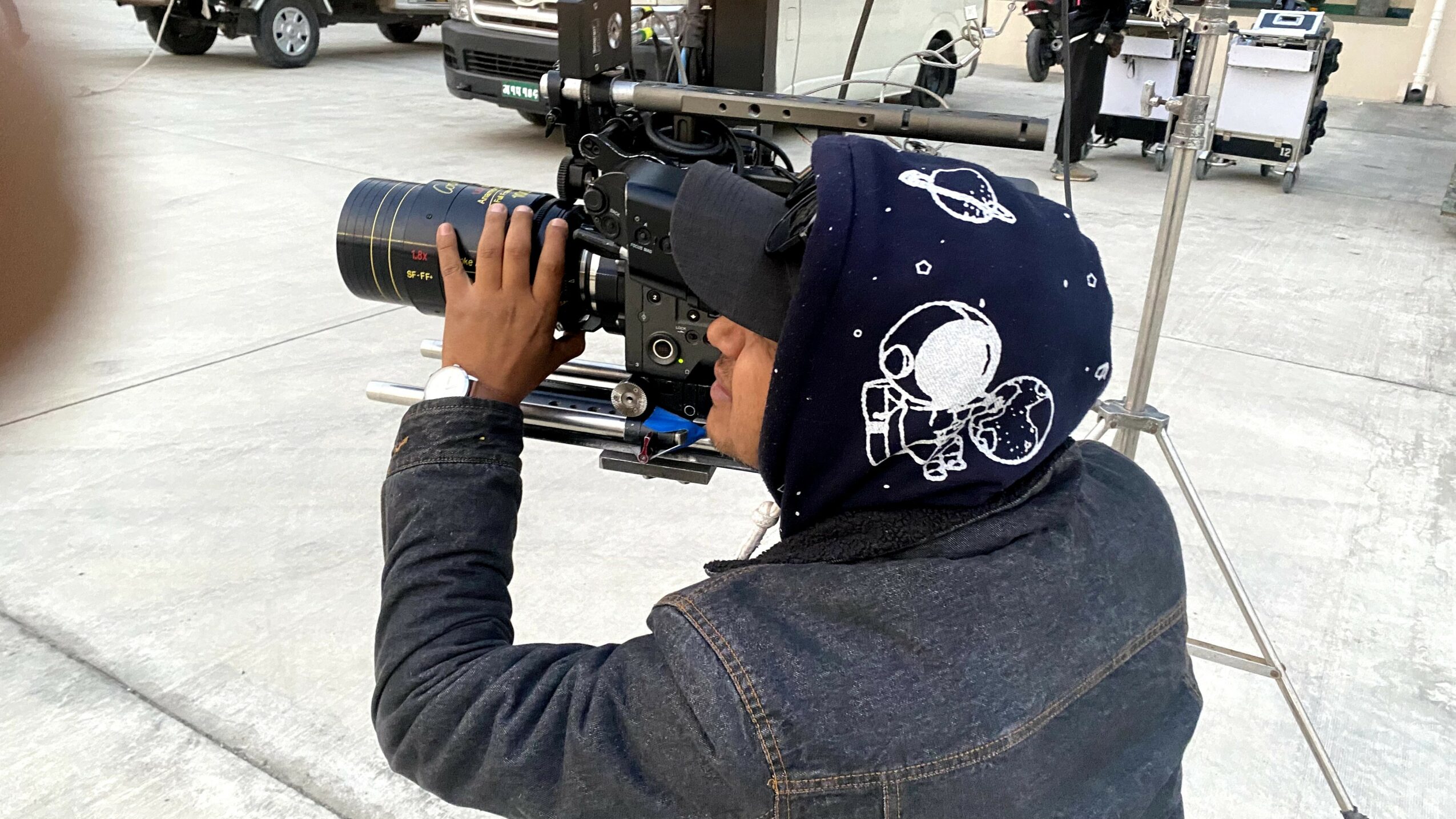
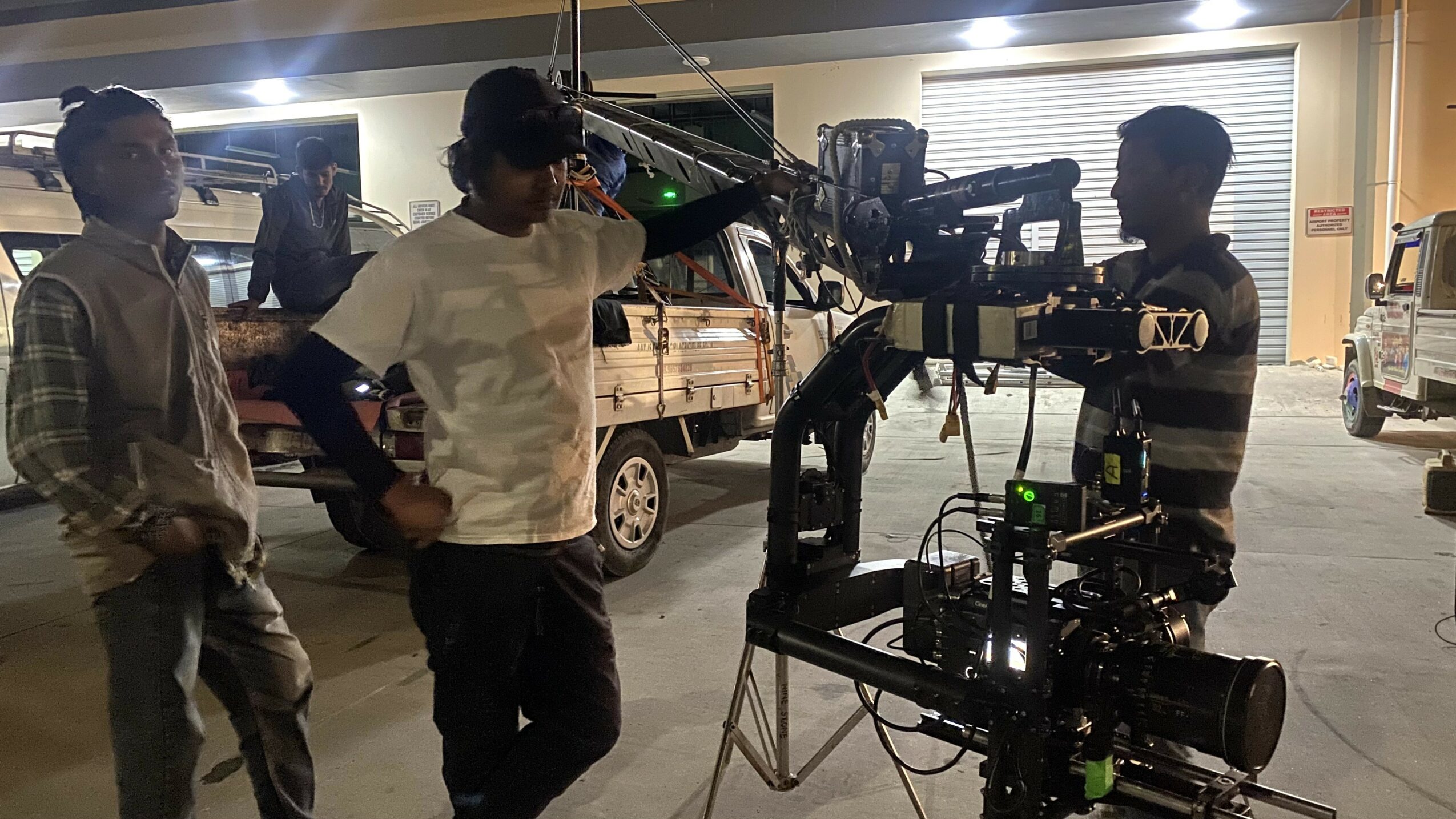
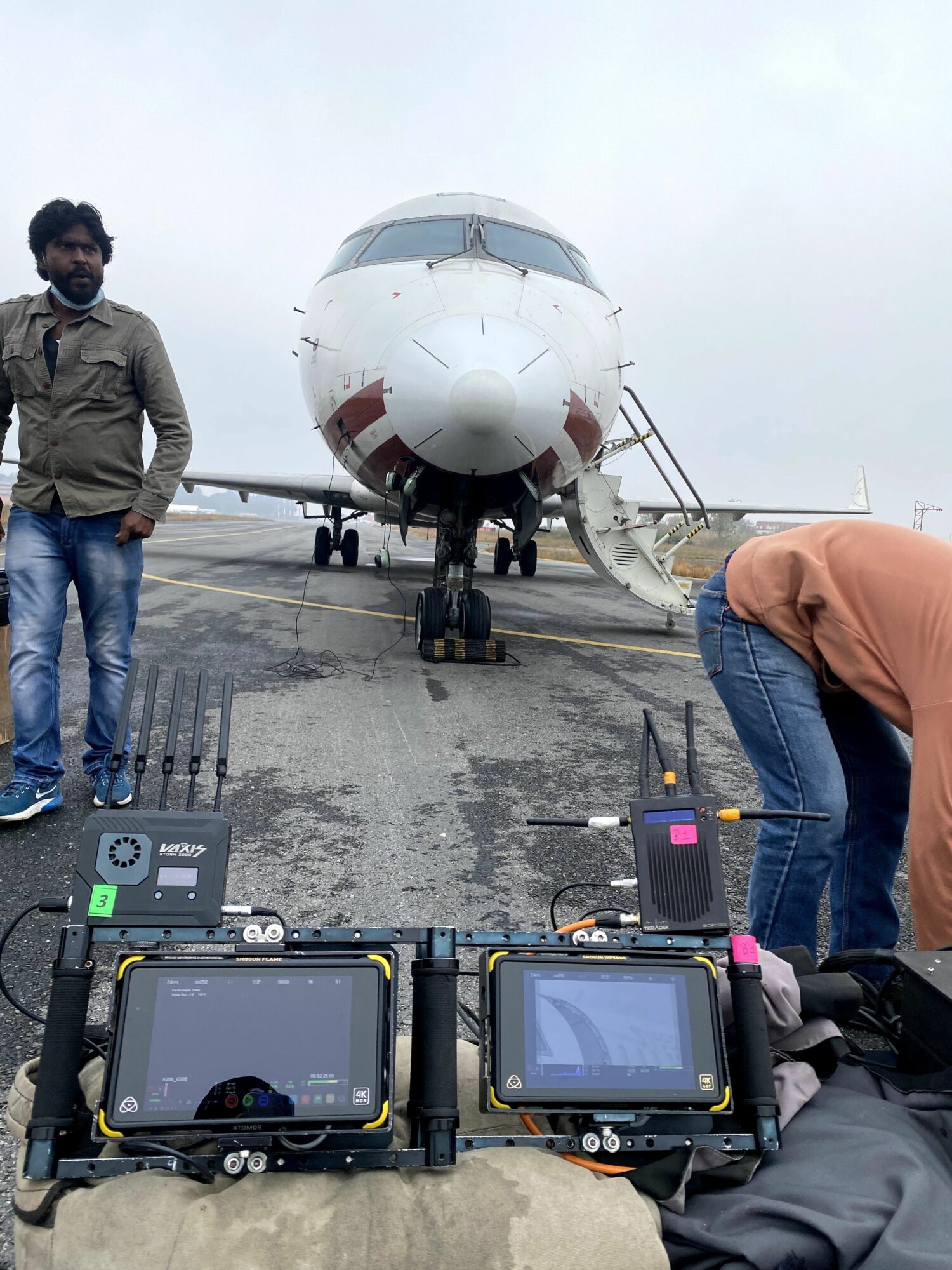
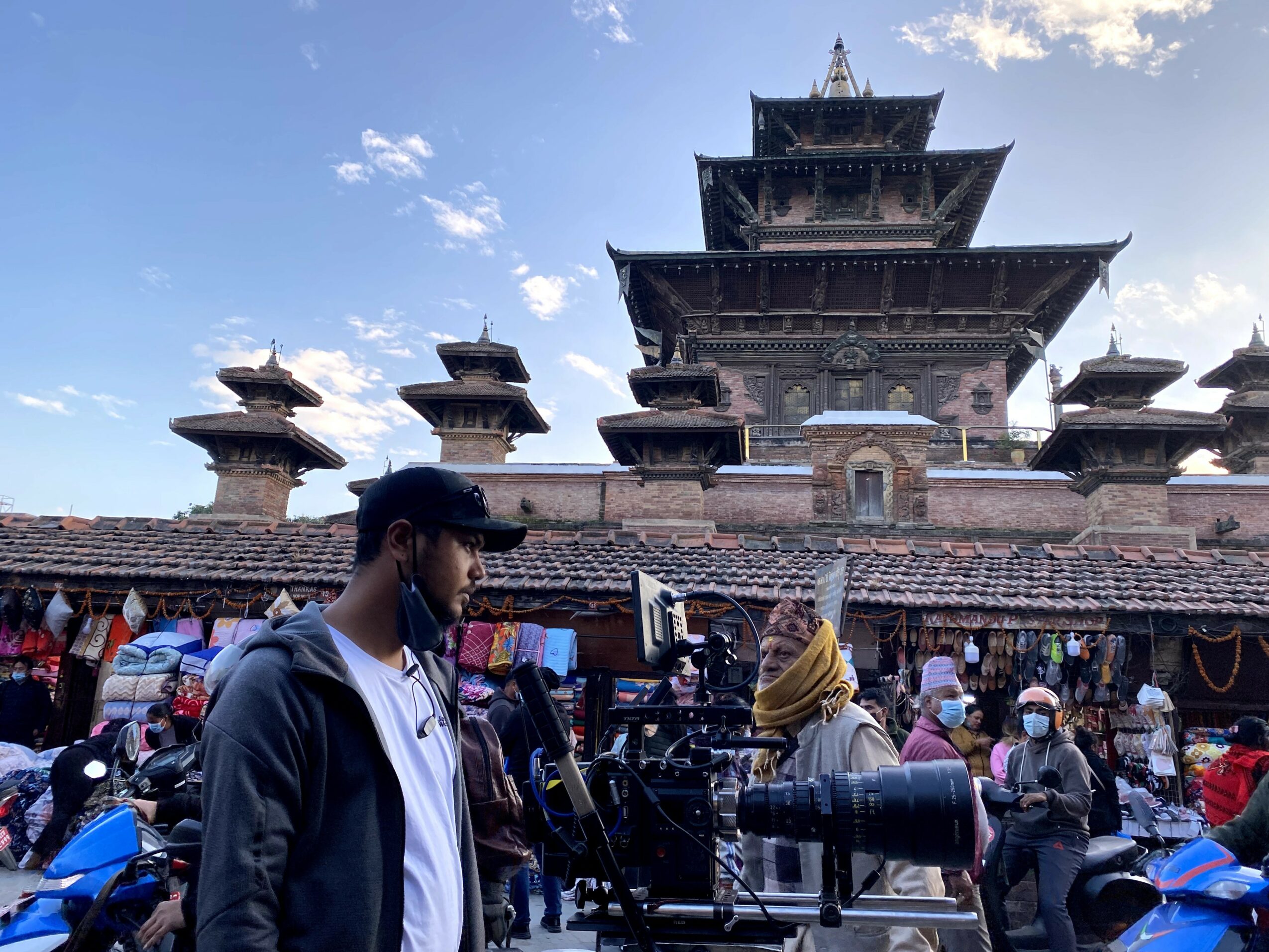
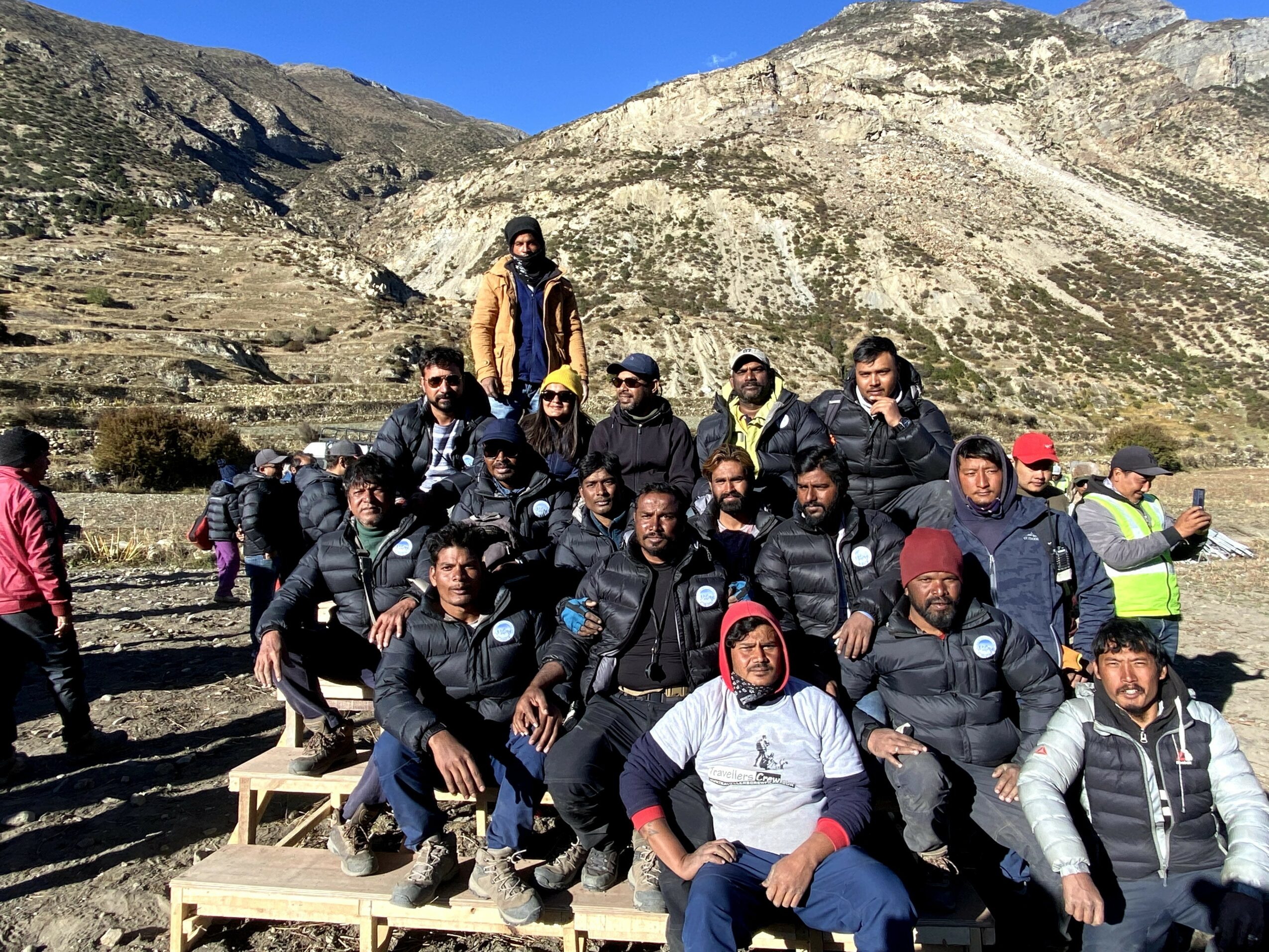
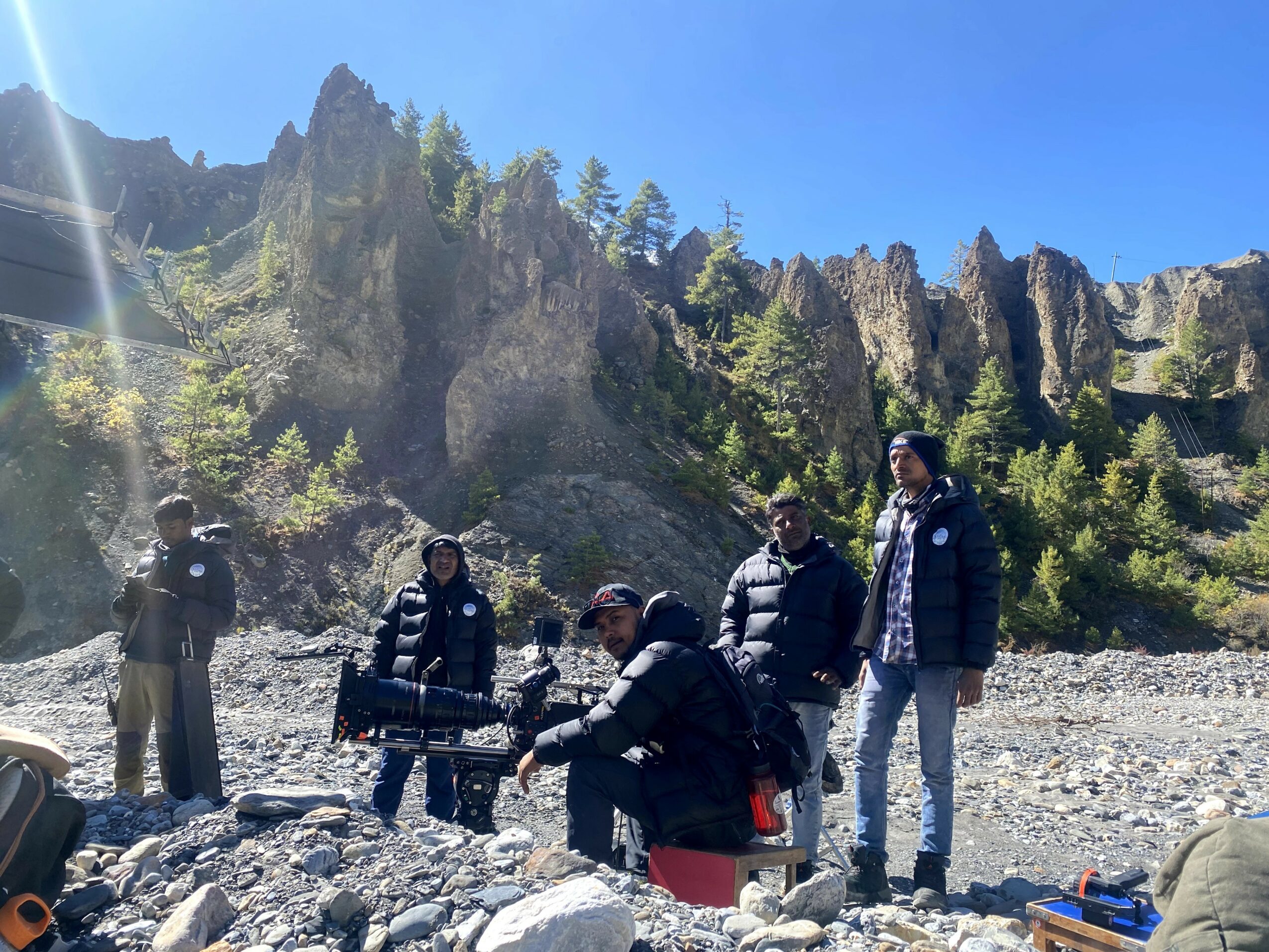
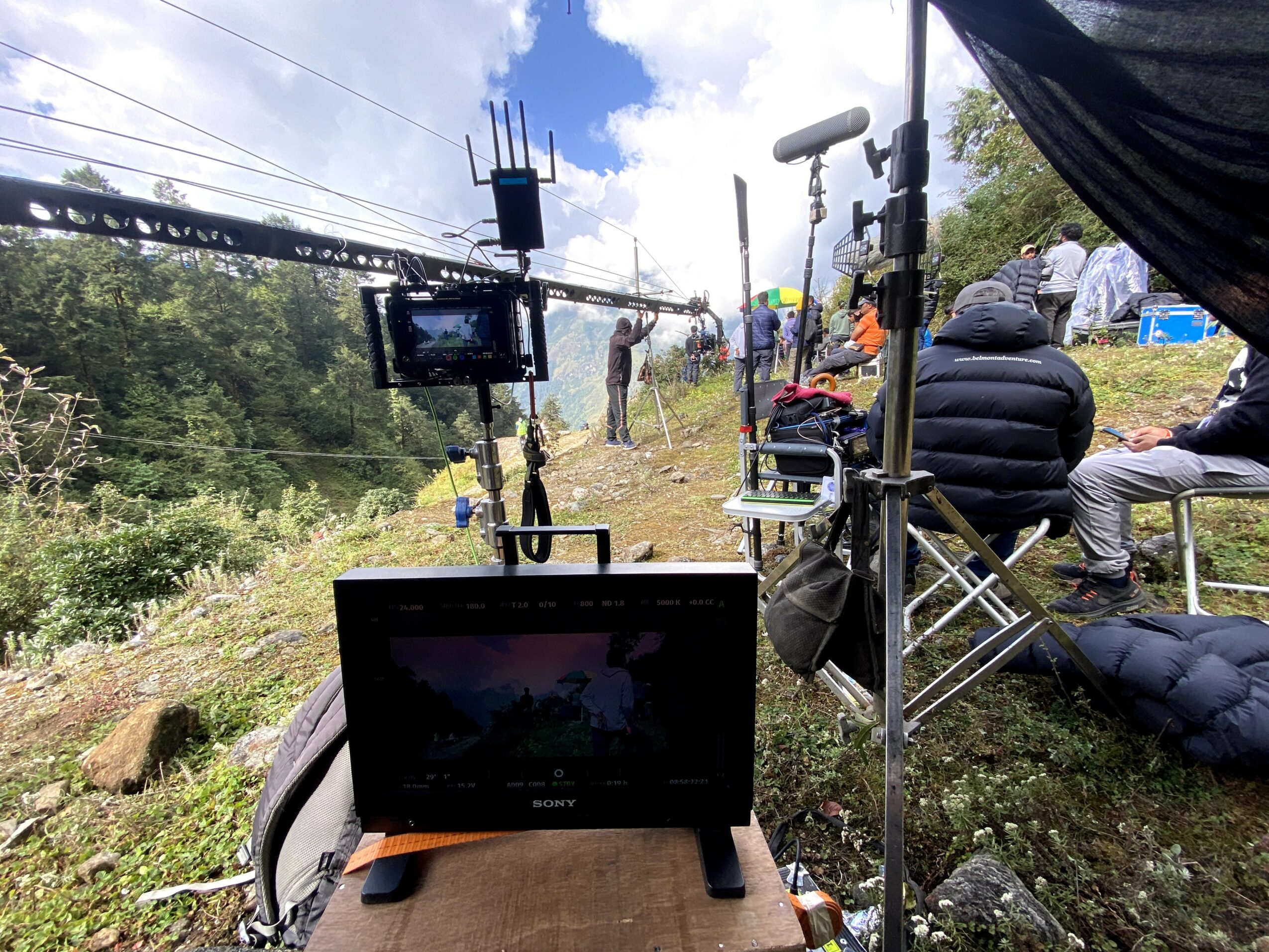
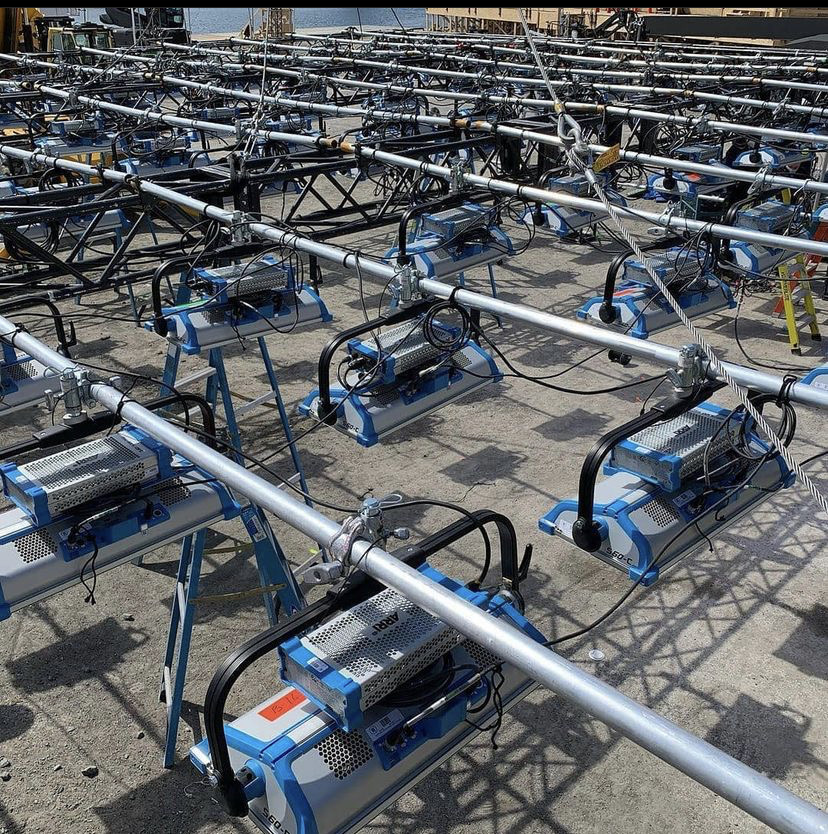
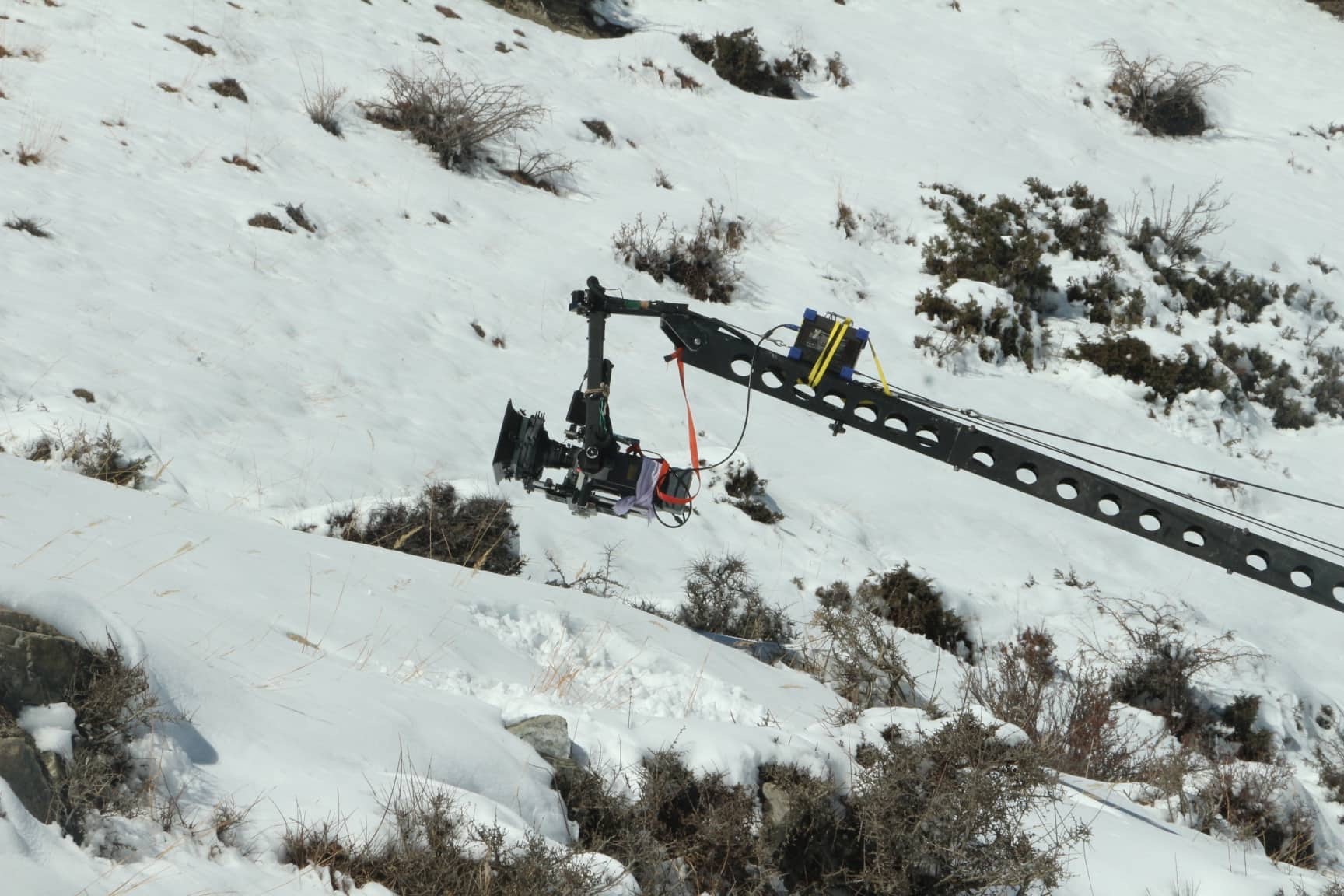
Image Credits
www.shotbyrajan.com
Popular
-

Que Johnson on Building Brands That Last: From Visibility to True Market Authority
-

Christina Wren Steps Into the Director’s Chair to Tell Stories That Feel Like Home
-

Portraits of the Valley
-

LA’s Most Inspiring Stories
-

JordanL on ‘Breathe,’ Belief, and Building a Movement Beyond the Music
-

Megan Birney Rudert on How Access to Light Is Powering a More Sustainable and Equitable Future


