




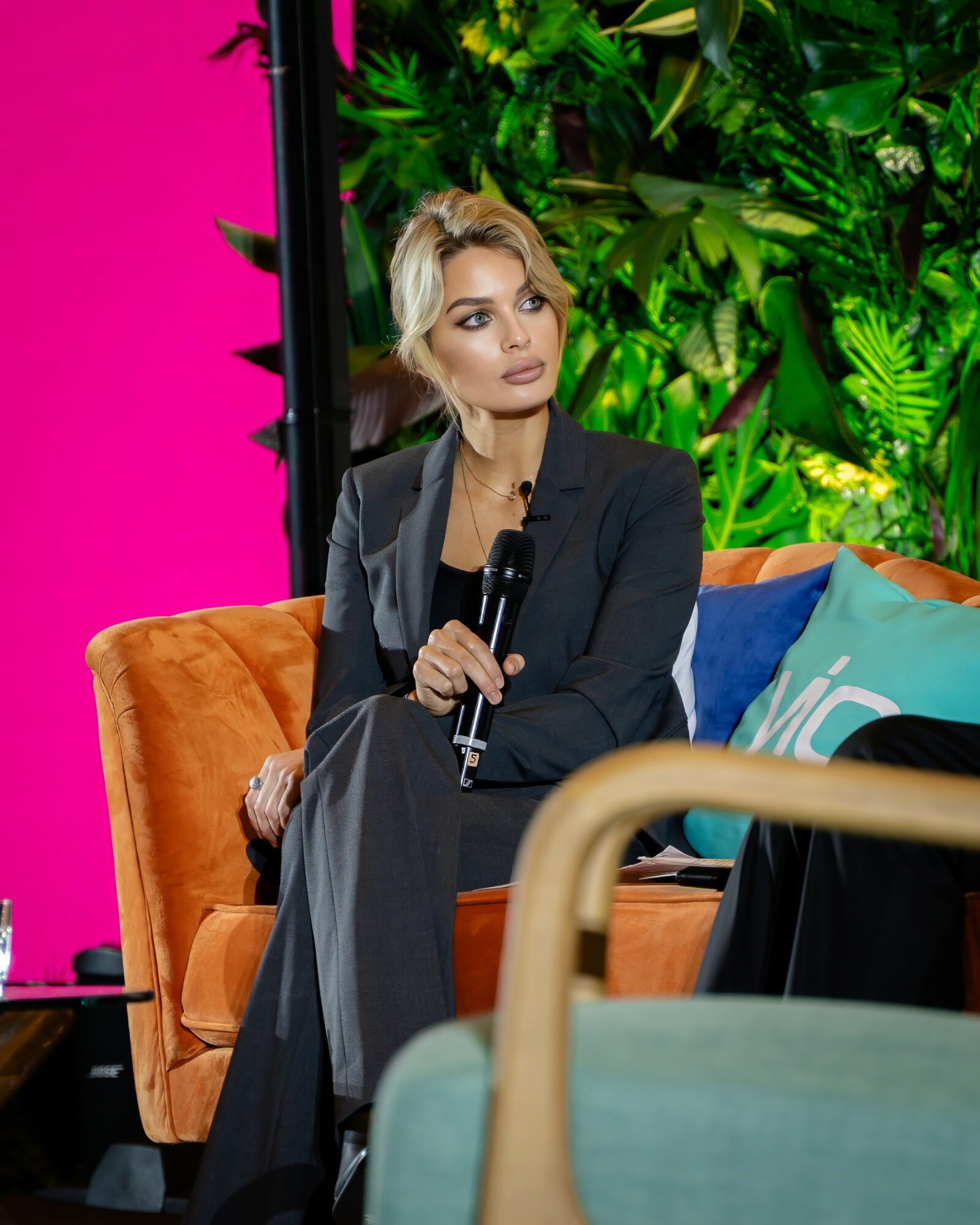
Today we’d like to introduce you to Clara Kaluderovic
Clara, we appreciate you taking the time to share your story with us today. Where does your story begin?
My work now began with a war—or maybe with a conversation over coffee. Mitzi and I met through what you might call a series of accidents—a kind of orchestrated chaos that seems to define the genesis of any meaningful project. I had spent years in technology, building startups, piecing projects together: a bit of code here, a meeting at some unremarkable conference there, the long, slow hours of turning ideas into something real. There’s a rhythm to it, the way you learn to see where the seams need to go, even when you’re starting with nothing but frayed edges.
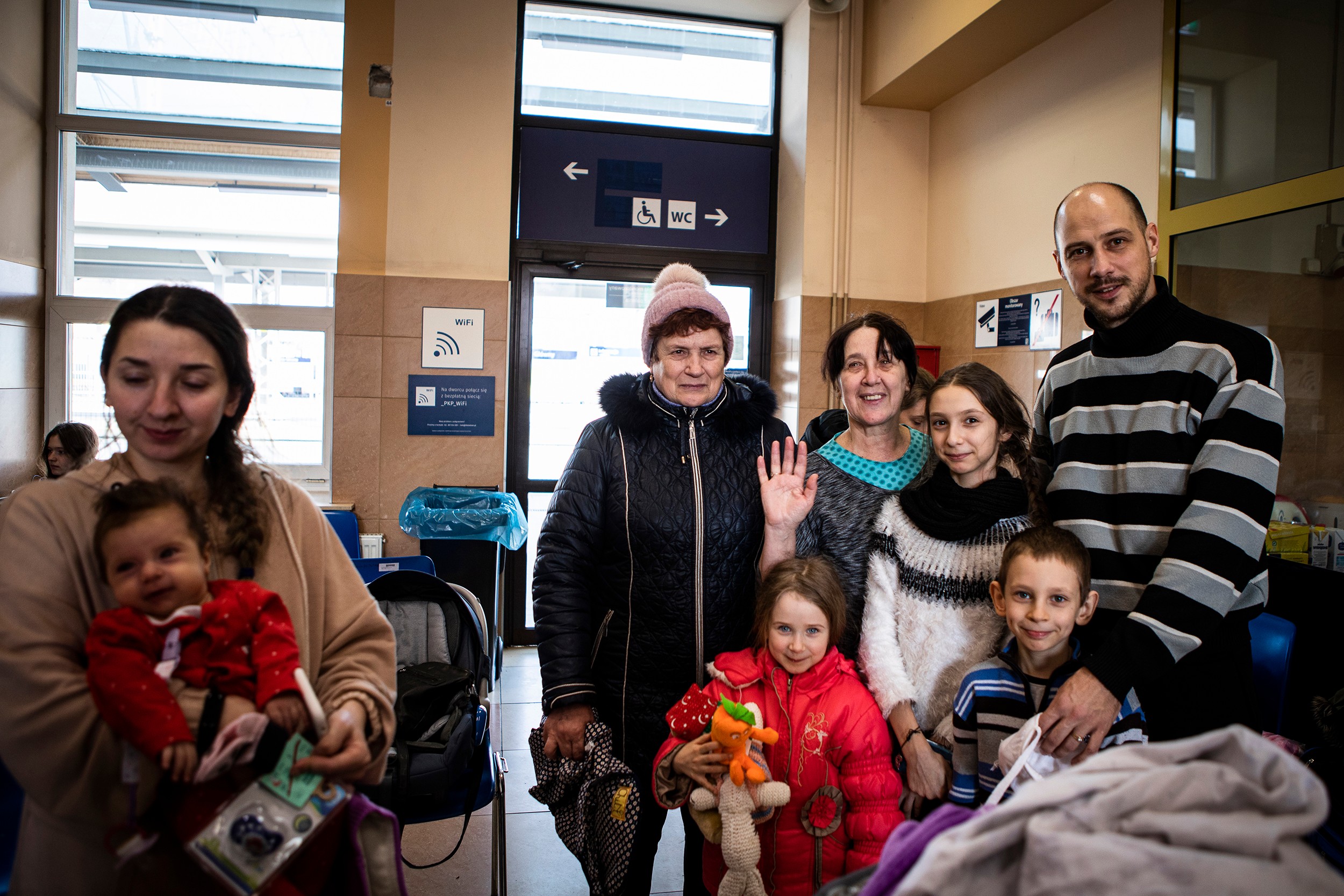
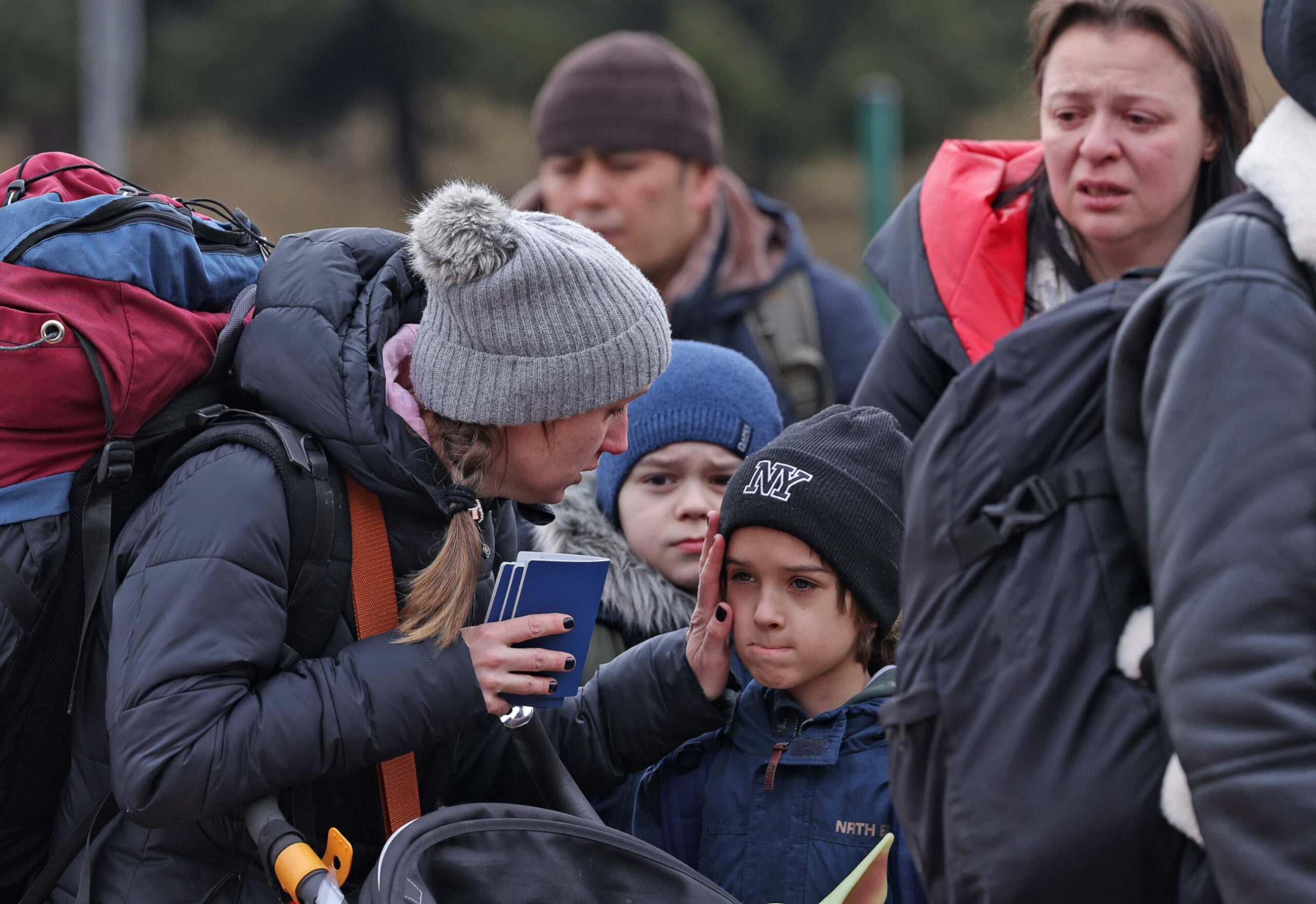
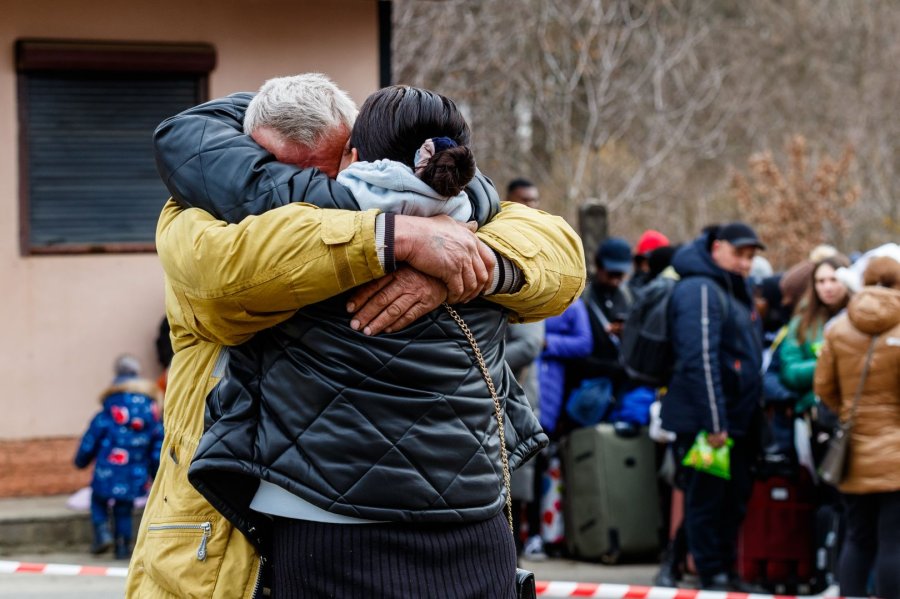
But this was different. The war in Ukraine wasn’t something I could scroll past or file away under “someone else’s problem.” My mother’s family is from Ukraine, and suddenly, those grainy images on the news felt personal. They were personal. I couldn’t shake the feeling that I should be doing something more. Then Mitzi walked into my life.
Mitzi, with her boundless energy and her Rolodex of ideas, talked about mental health like it was a battle worth fighting—a battle we had to fight. And I realized she was right. The war wasn’t just leaving scars on landscapes; it was leaving scars on people—millions of them. And no amount of Band-Aid solutions would be enough.
Mental Help Global didn’t start as a grand idea. It started as a “what if.” What if we could create something scalable, something that could reach people where they are, in their own languages, without the barriers of geography or stigma? What if we could use technology not to disrupt but to heal? It felt impossibly ambitious—the kind of idea that might only live in late-night conversations or grant proposals. But I’d spent my career chasing ideas that seemed impossible. Why stop now?
We started small. We’re working to launch a pilot in Ukraine, with servers stored locally for safety and security, managed by Ukrainians to ensure the data stays home. An open-source AI model that could grow, adapt, and learn. It’s not just about filling a gap in the system; it’s about creating a new kind of system altogether—one that could be a bridge, not a replacement, for traditional therapy.
There are obstacles, of course. Projects like these are built on a foundation of scraped-together resources, favors, and faith. We’ve partnered with people who understand that what we’re doing isn’t just another app or another nonprofit initiative. We’re trying to build something durable in a world of quick fixes.
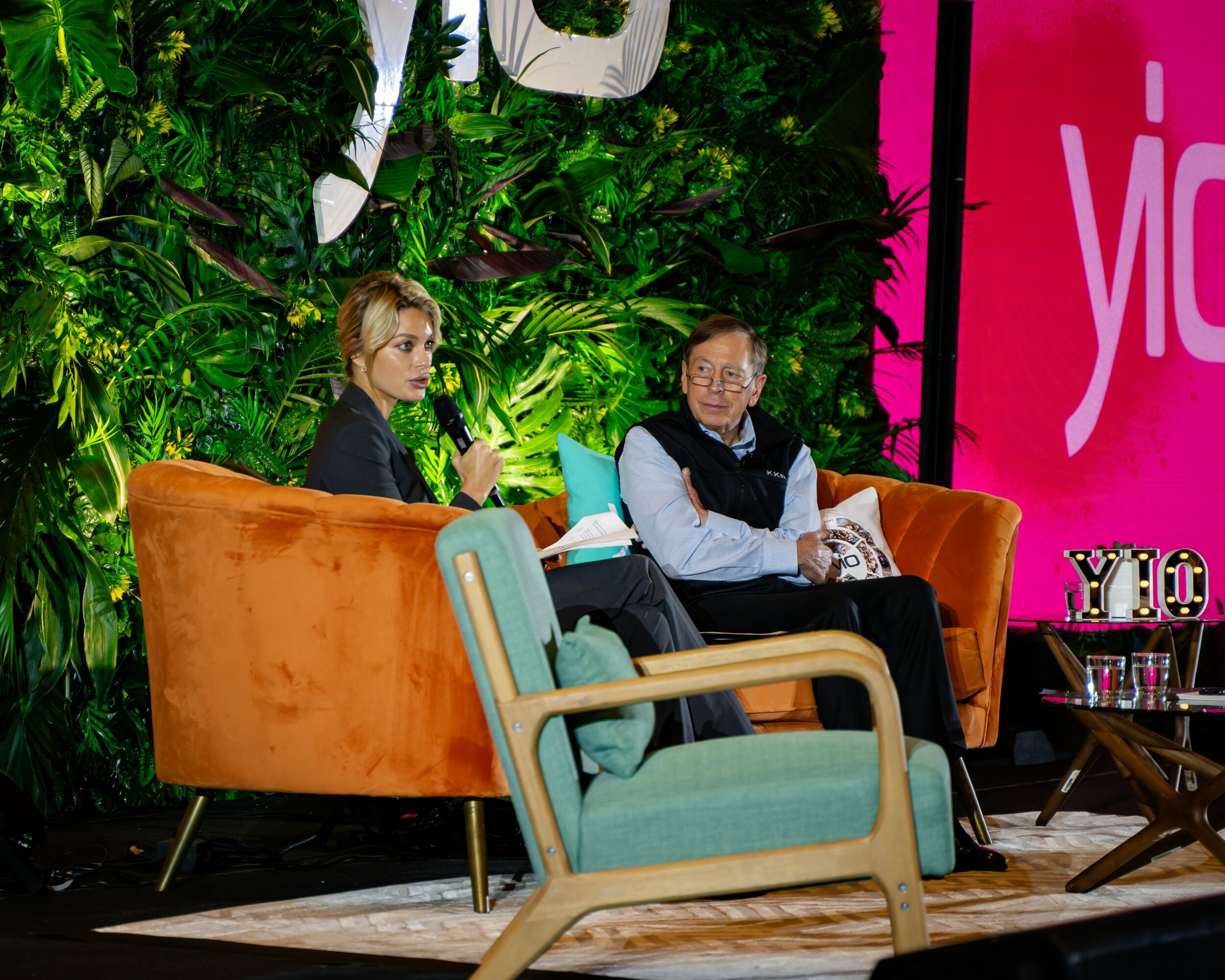
Mitzi and I have worked side by side, often late into the night, along with General David Petraeus, who has lent us many hours of guidance and support. She brought wisdom, connections, and a deep sense of purpose. I brought technology, structure, and a habit of pushing past what felt reasonable. Together, we’ve created momentum.
The truth is, we’re still in the middle of the story. Mental Help Global is a work in progress, much like the lives we’re trying to touch. But if I’ve learned anything from my time in startups, it’s that progress is built on persistence. You keep piecing things together, one stitch at a time, until the quilt starts to take shape.
This time, though, it’s not just a quilt for me. It’s for them—for the mothers sitting in bomb shelters, for the children who can’t sleep, for the volunteers burning out on the frontlines of compassion. This is a project we can’t afford to leave unfinished. And so, we keep going.
We all face challenges, but looking back would you describe it as a relatively smooth road?
“Smooth” isn’t a word I’d use to describe the road—it’s been anything but. Building Mental Help Global during a war has meant navigating obstacles that most projects don’t even have to consider. Every step forward has been met with challenges that range from the logistical to the deeply human.
In Ukraine, power outages are more than an inconvenience; they’re a daily reality. We’ve had to design our infrastructure to function in conditions where electricity is unreliable. The servers that power our AI are stored locally for safety and security, but keeping them online in a war zone is an ongoing battle. Backup systems, alternative energy sources—these things are non-negotiable in a country where the lights can go out without warning.
Sourcing the right talent and materials has been another hurdle. Ukraine has brilliant minds and skilled professionals, but many of them are displaced or dealing with their own crises. Others have joined the war effort directly. Even finding hardware has been a challenge; supply chains are disrupted, and what’s available often comes at an inflated cost.
Then there’s the human side of things—the emotional weight. We’re not just building a project; we’re building it in partnership with people who are living through the trauma we’re trying to address. It’s impossible to separate the work from the reality of what’s happening around us. Every decision feels heavier, more urgent, because it’s about helping people who can’t afford to wait.
On top of all that, there’s the sheer unpredictability of working in a war zone. Air raids, evacuations, and shifting frontlines affect everyone, including our team. Planning becomes an exercise in flexibility. You learn to operate in uncertainty, to make progress where you can and adapt when circumstances change.
But despite the struggles—or maybe because of them—this work has a kind of clarity. There’s no room for fluff, no time for anything that doesn’t directly contribute to the mission. Every challenge we face is a reminder of why we’re doing this: to create something resilient enough to endure, even in the harshest conditions.
So, no, it hasn’t been smooth. But it’s been necessary. And that keeps us moving forward.
Alright, so let’s switch gears a bit and talk business. What should we know?
Mental Help Global is a nonprofit initiative dedicated to bridging the gap in mental health care, especially in regions impacted by crisis. We specialize in providing accessible, AI-driven mental health support in multiple languages, offering a scalable, inclusive solution that complements traditional therapy. Our mission is to meet people where they are, ensuring that no one is left behind due to geography, stigma, or lack of resources.
What sets us apart is our commitment to building resilient, culturally sensitive systems in collaboration with local communities. Our flagship pilot in Ukraine is powered by locally stored servers and managed by Ukrainians, ensuring data security and trust. We’ve developed an open-source AI model guided by mental health professionals to deliver evidence-based support that adapts and grows with user needs.
We’re most proud of creating a solution that not only addresses immediate needs but also lays the groundwork for sustainable mental health care. Mental Help Global is about more than technology—it’s about empowering people to heal, thrive, and build stronger, more resilient communities.
We want readers to know that we are here to support, not replace, traditional mental health care. Whether you’re seeking help, looking to contribute, or simply curious about our work, we invite you to join us in making mental health support accessible to everyone, everywhere.
Can you talk to us a bit about the role of luck?
Luck, to me, has always been when hard work and preparation meet opportunity. It’s the unseen force that aligns all those late nights, small decisions, and relentless persistence into something tangible. In life and business, I’ve found that luck isn’t random—it’s the reward for being ready when the right door opens.
When Mitzi and I started Mental Help Global, luck played its part, but it didn’t just fall into our laps. It was years of experience in technology and startups that prepared me to take on the challenges of building something from scratch. It was Mitzi’s boundless energy and connections that turned an idea into action. And it was the shared belief in our mission that kept us going when the odds seemed stacked against us.
Even in Ukraine, where the challenges are immense—power outages, disrupted supply chains, and the emotional toll of war—“luck” has shown up in moments of connection. The right partner stepping forward at the right time. A chance conversation leading to a breakthrough. These aren’t coincidences; they’re the results of being prepared and open to possibilities.
So yes, luck has played a role. But it’s the kind of luck you create by showing up, doing the work, and staying ready for the moment when preparation meets opportunity.
Contact Info:
- Website: http://www.mentalhelpglobal.com/
- LinkedIn: https://www.linkedin.com/in/clarakalud/
Popular
-

Matthew Hill on Turning Holiday Rituals into Haunting, Habit-Forming Storytelling with Long Winter Nights
-

Linda Villines on Releasing Stored Struggle and Reclaiming Ease Through the Body
-

Candice Swanson on Honoring the Sacred Early Days of Motherhood Through Intentional Photography
-

Michael Johnson on Telling Untold Stories of Identity and Leadership Through SQUAD
-

Owning the Narrative: Drew Dusterhoff Steps Into Power with Lincoln Must Die
-

Portraits of the Valley


