




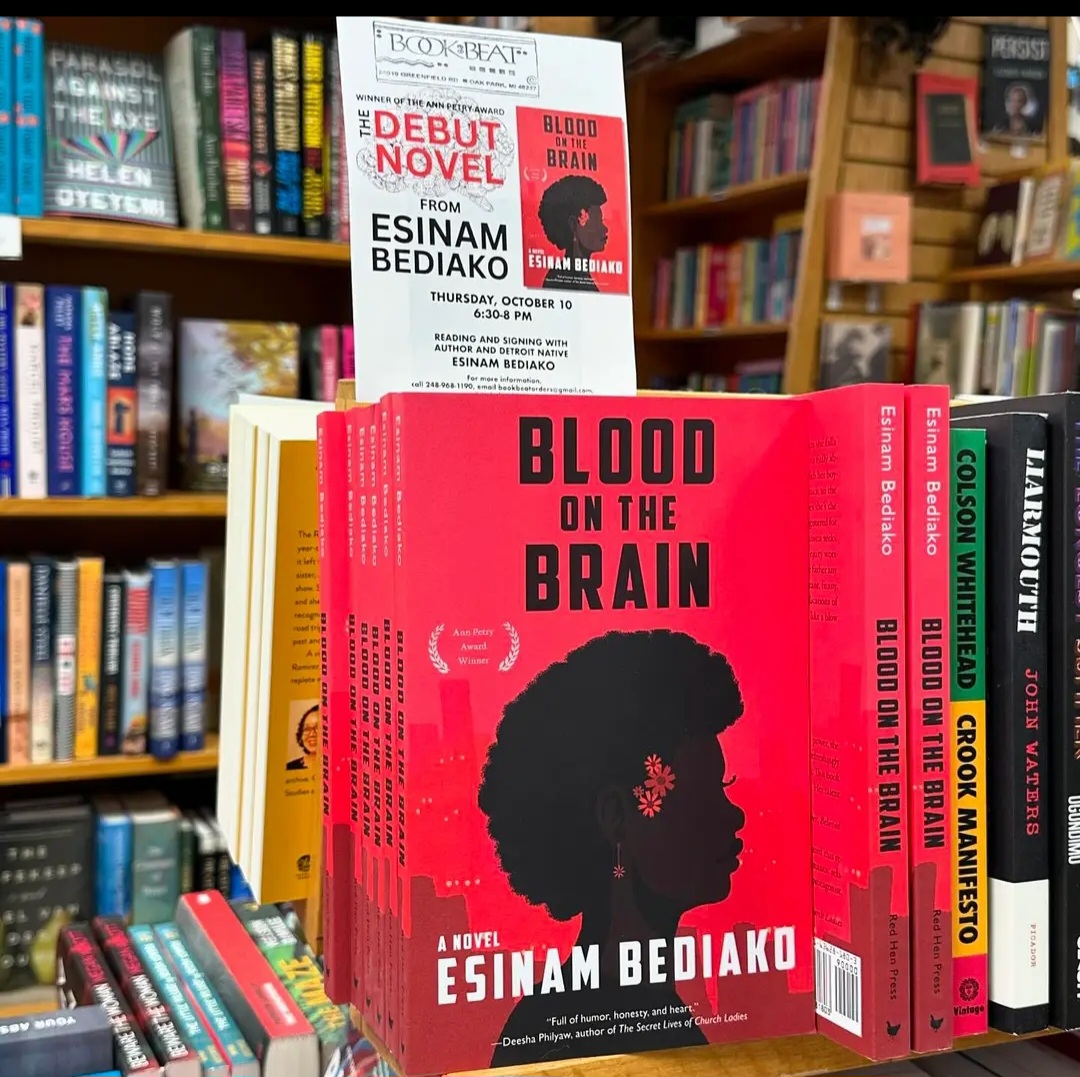
Today we’d like to introduce you to Esinam Bediako
Hi Esinam, so excited to have you with us today. What can you tell us about your story?
When I submitted my debut novel, *Blood on the Brain” to Red Hen Press, I wasn’t actively pursuing publication. Originally my MFA thesis, the manuscript had sat untouched for over a decade while I focused on a career in high school teaching and administration. During the pandemic, however, the isolation and anxiety unexpectedly reignited my passion for writing. I began working on a new novel, using competition deadlines as motivation to finish a draft. When it became clear I wouldn’t complete the new work in time for Red Hen’s Ann Petry Award, I was pretty much going to give up–after all, my whole point in entering these contests was to push myself to finish a new draft, not to try to win the competition. But my husband encouraged me to submit *Blood on the Brain* instead. I spent an intense couple of weeks editing and revising it, I mustered the courage to submit it, and then months later, I was totally shell-shocked to receive the email announcing that I had won publication. Unlike my protagonist Akosua, I am not impulsive. I’m not even spontaneous, usually. And really, neither is my husband. But without whatever thing led him to encourage me to enter my old novel into the competition, *Blood on the Brain* would have probably remained unpublished. Now I’m proud to have been included on NPR’s Books We Love list, as well as Brittle Paper’s 100 Notable Books of 2024.
Alright, so let’s dig a little deeper into the story – has it been an easy path overall and if not, what were the challenges you’ve had to overcome?
After finishing the novel as my MFA thesis, I received some encouraging feedback from agents but didn’t land representation. Imposter syndrome, coupled with anxiety about finding a “real” job and paying off student loans, led me away from writing. While I built a rewarding career in teaching and educational writing, I lost confidence in my creative abilities.
My therapist once gave me a piece of advice that helped me combat the self-doubt I carried for years: “Remember the little girl inside you who just loves a good story? Write for her.” That shift in perspective brought me back to the joy of storytelling and allowed me to quiet my inner critic.
Can you tell our readers more about what you do and what you think sets you apart from others?
I am a storyteller at heart, someone who loves reading and writing narratives that connect us to each other and to our shared humanity. My personal essays, which have appeared in publications such as North American Review, Southern Humanities Review, and Porter House Review, explore themes of identity, memory, and belonging. Aside from my novel, which of course I’m very pleased about, the recent work I’m most proud of is a chapbook of essays and poems called Self-Talk. It’s due to be published this year by Porkbelly Press, an independent press (run by Nicci Mechler) that publishes beautifully designed, hand-bound micro-chapbooks. The work in the chapbook deals with anxieties, phobias, motherhood, womanhood, all kinds of identity issues that I don’t usually share with others that I’m proud I was able to articulate in these essays and poems.
Currently, I work for the Spondylitis Association of America (SAA), a national nonprofit dedicated to finding a cure for spondyloarthritis and providing education and support for those living with this condition. As Manager of Publications and Programs, I oversee all print and digital publications, including SAA’s quarterly magazine, monthly e-newsletter, brochures, and other educational materials. This role has allowed me to interview and tell the stories of extraordinary individuals thriving with spondyloarthritis, such as two competitive weightlifters, an award-winning author, and an American Ninja Warrior. I’ve also had the privilege of highlighting everyday resilience, such as a young woman in her mid-twenties who underwent a series of painful surgeries to correct jaw and neck damage caused by the disease. Living with spondyloarthritis myself, this work is deeply personal—it combines my love of storytelling with a commitment to supporting others facing similar challenges.
Many also know me as an educator. For over a decade, I taught English, journalism, and creative writing to high school students at public and independent schools, in addition to serving as a grade dean and assistant director of admissions. These experiences shaped my passion for creating inclusive, empowering spaces where students of all backgrounds can find confidence in their voices and storytelling abilities.
What sets me apart is my ability to foster collaboration and inclusivity, whether in a writing workshop or a professional project. As an educator, I’ve designed courses like Postcolonial African Literature that celebrate diverse voices while encouraging students to engage deeply with literature and creative writing. In workshops, I emphasize thoughtful critique and the importance of uplifting every participant’s voice, ensuring that everyone feels supported and challenged to grow.
Ultimately, whether through creative writing, education, or content development, my work is driven by a conviction that storytelling is transformative. It connects us, fosters empathy, and inspires meaningful change.
What quality or characteristic do you feel is most important to your success?
I feel a bit cheesy saying this, but earnestness. While I generally don’t take myself too seriously, I sincerely care about the work I do—whether it’s teaching students, advocating for causes like spondyloarthritis awareness, or writing stories and essays. That sincerity drives me to try really, really hard, even when I’m uncertain or feeling underqualified. For instance, I’ve had jobs that probably weren’t the best fit for me—like anything customer-facing that requires extroversion and people skills (smoozing with wealthy independent school trustees, anyone?). But I got through because I genuinely wanted to do well and give it my all. It’s this earnestness that keeps me motivated, grounded, and sometimes just plain determined to make things work.
Pricing:
- Blood on the Brain novel, $17.62 on Bookshop.org
- Self-Talk chapbook, $10 on Porkbellypress.com https://porkbellypress.com/forthcoming/self-talk
Contact Info:
- Website: https://www.esinambediako.com
- Instagram: https://www.instagram.com/esi_the_lurker
- Facebook: https://www.facebook.com/esinam.bediako
- LinkedIn: https://www.linkedin.com/in/esinam-bediako-3ba08424/
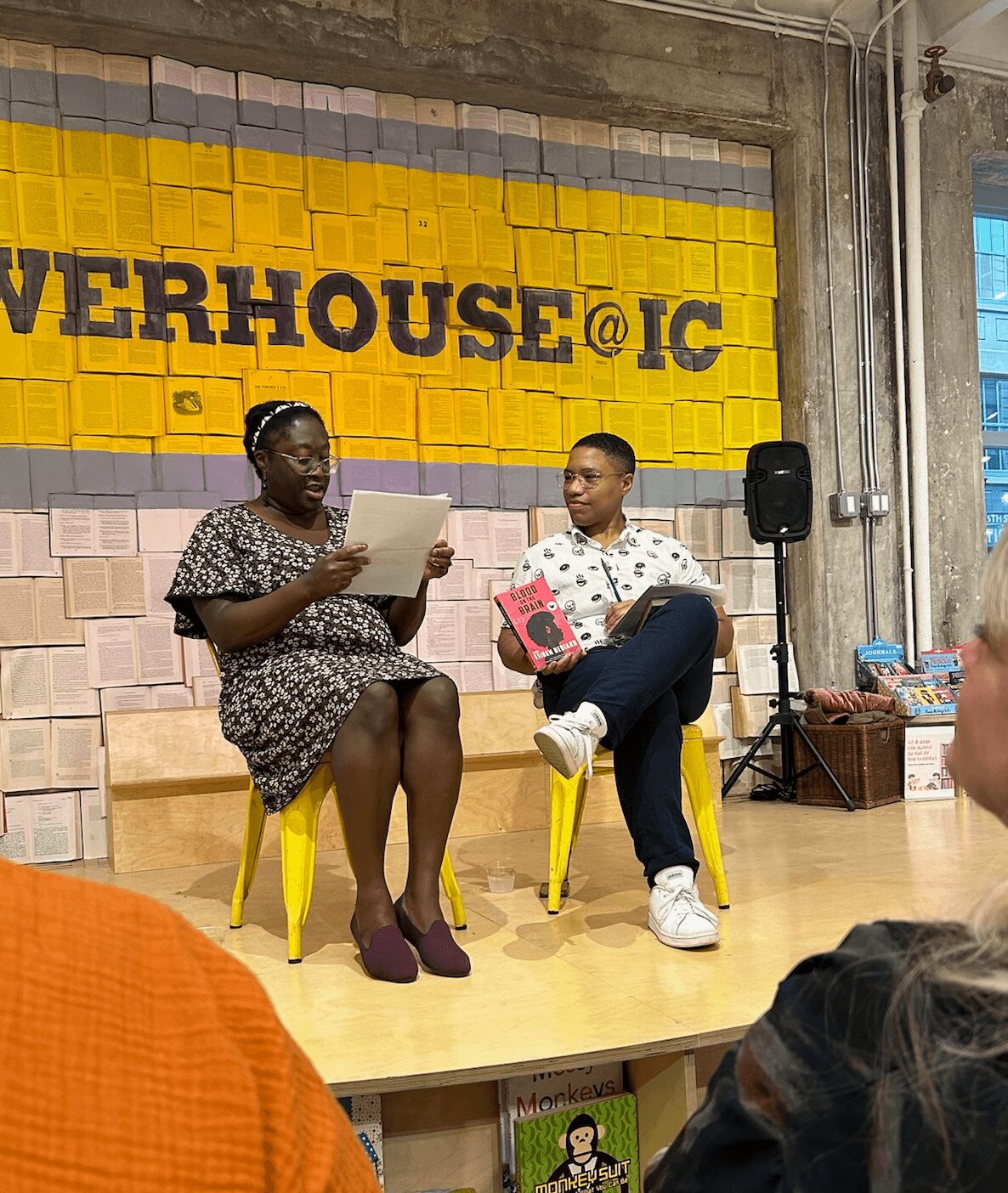
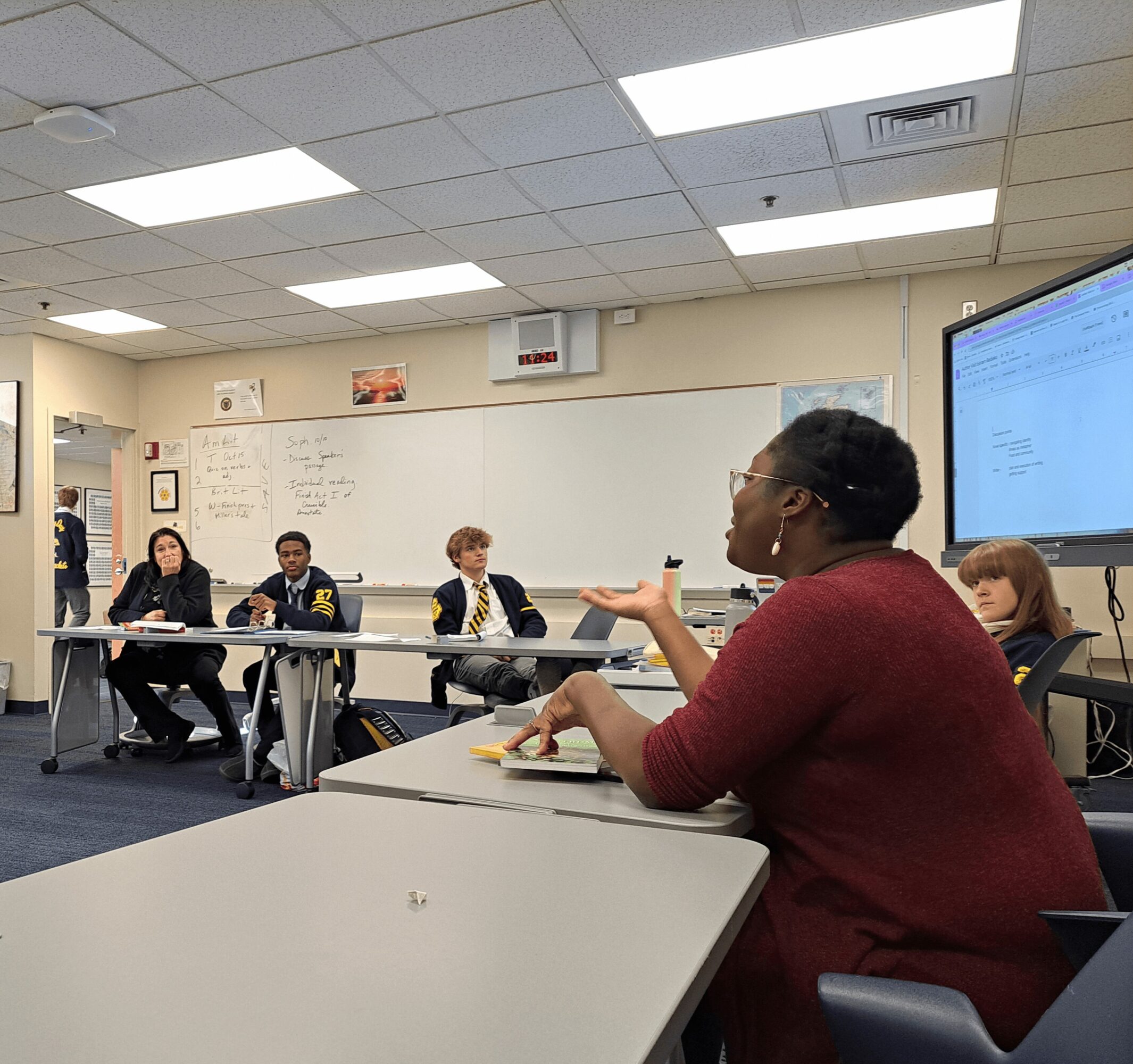
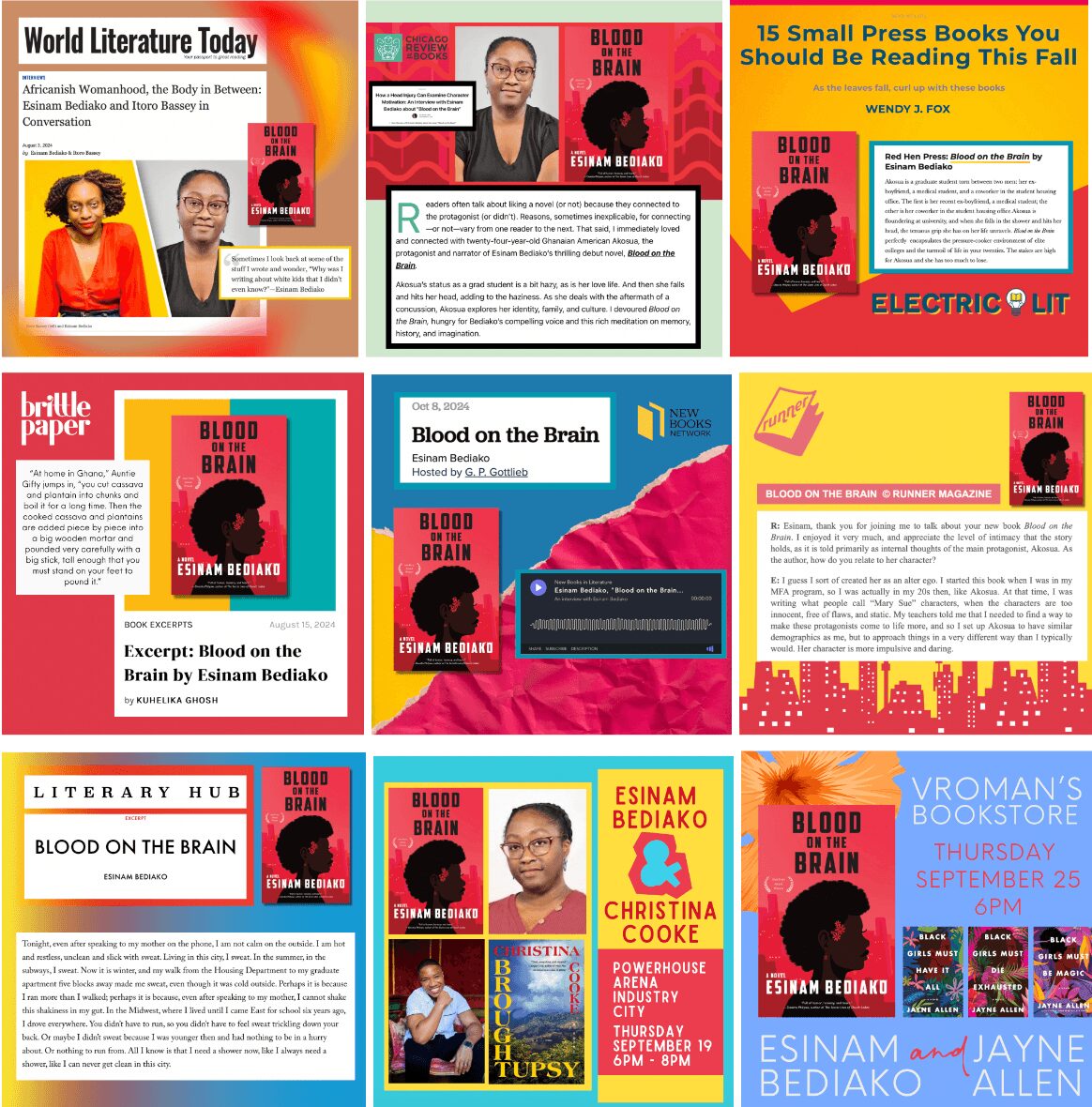
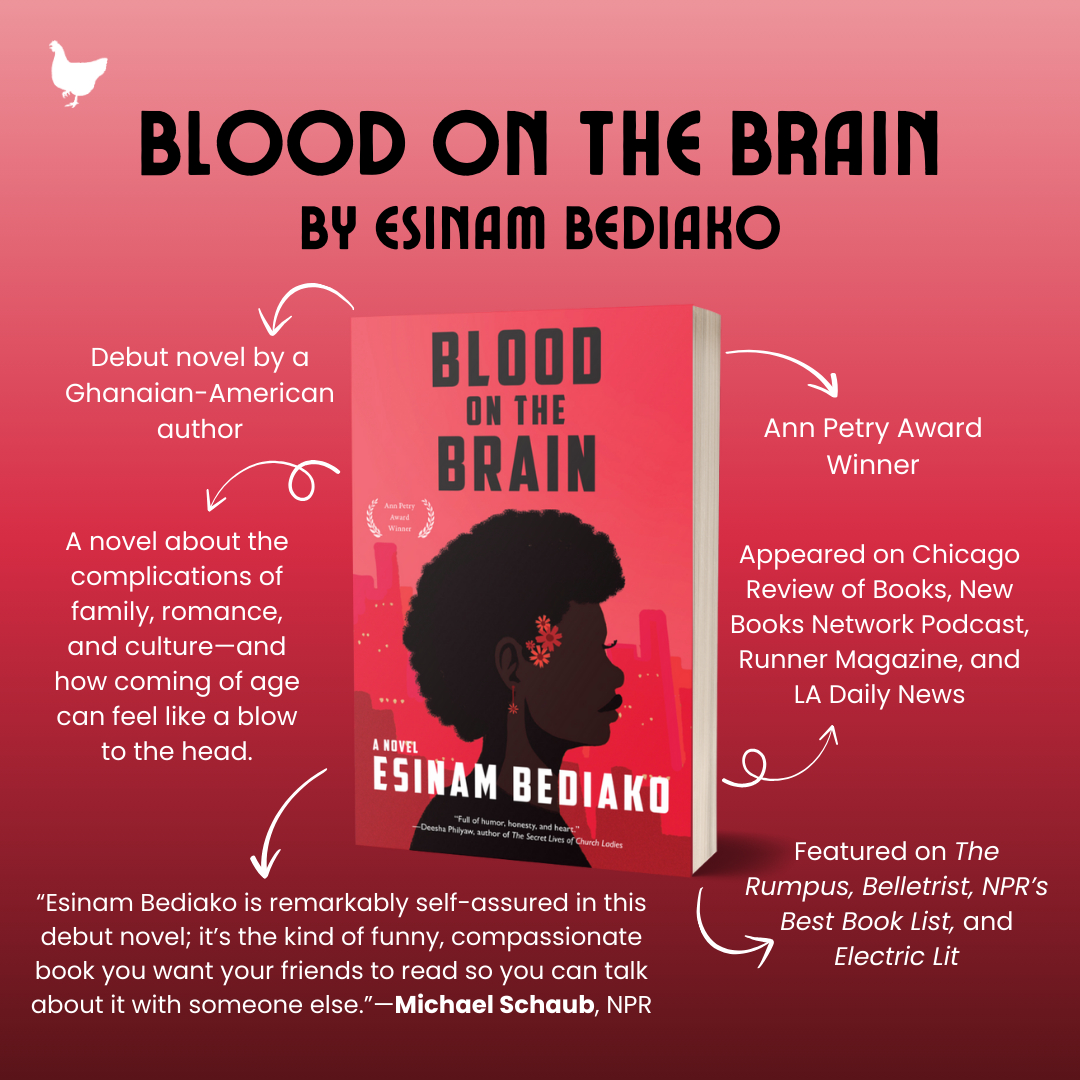
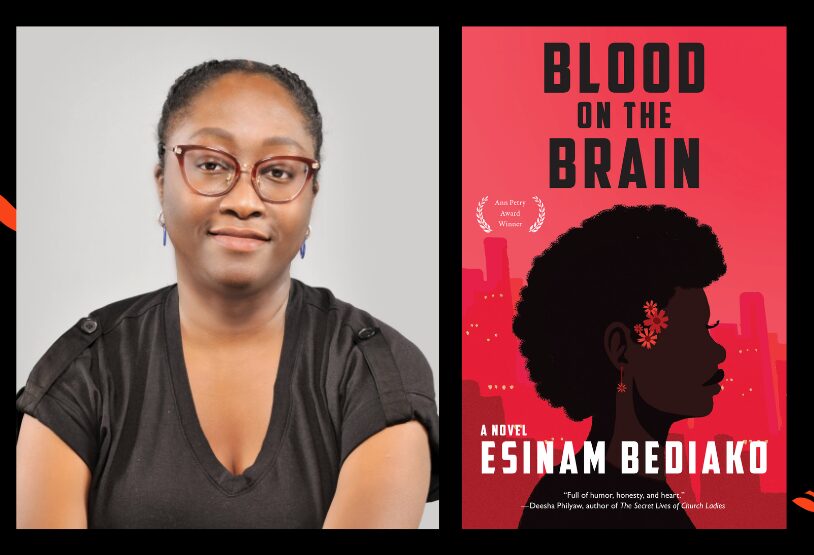
Image Credits
Kim Champagne, Cassie Mannes Murray
Popular
-

Que Johnson on Building Brands That Last: From Visibility to True Market Authority
-

Christina Wren Steps Into the Director’s Chair to Tell Stories That Feel Like Home
-

Portraits of the Valley
-

LA’s Most Inspiring Stories
-

JordanL on ‘Breathe,’ Belief, and Building a Movement Beyond the Music
-

Megan Birney Rudert on How Access to Light Is Powering a More Sustainable and Equitable Future


