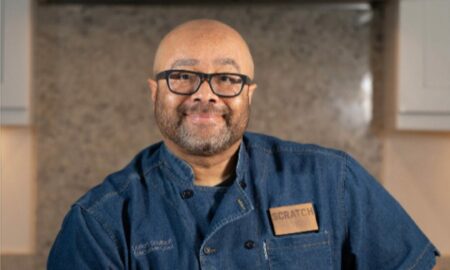
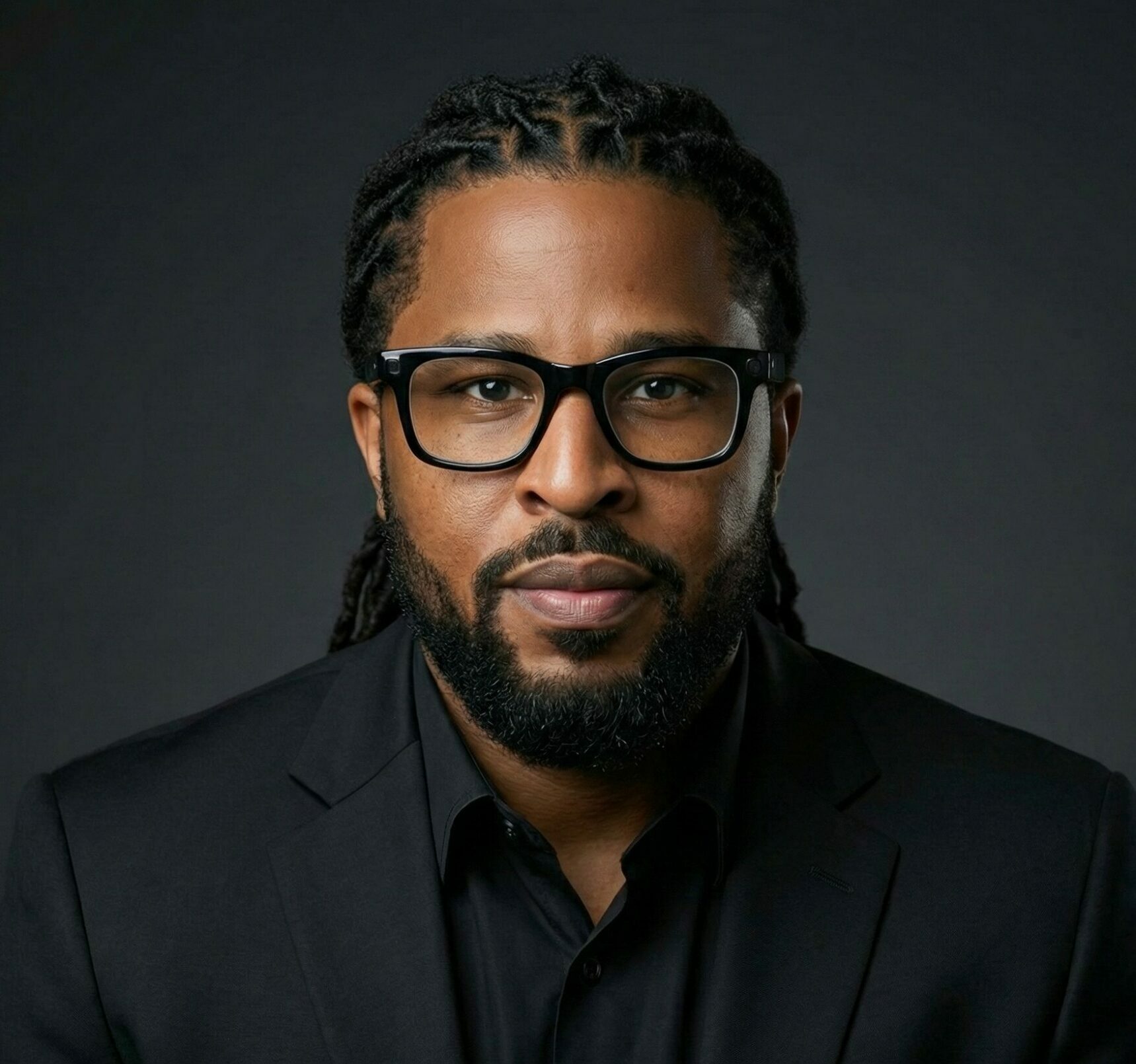
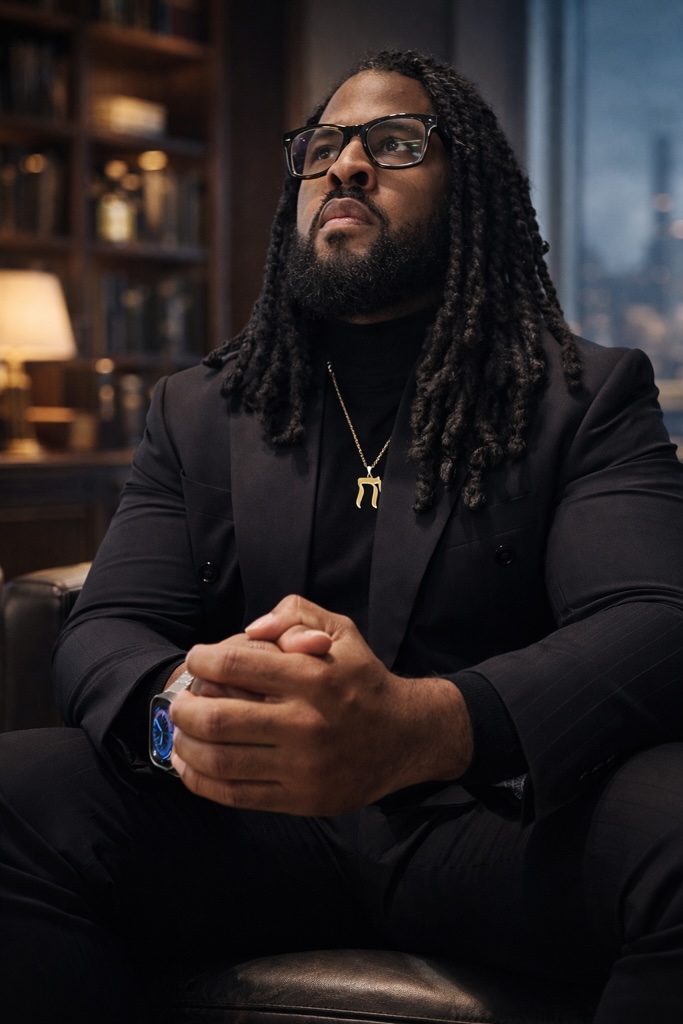
For Sherman Perryman, growth without structure is just deferred chaos. Through Black Fortitude, Perryman helps founders replace heroics with an institutional mindset—one grounded in ownership, clear decision‑making, and systems that can withstand pressure. Whether advising operators on durable operating models or navigating the high‑stakes creative world through Till Dawn Entertainment and projects tied to The Lion King, his philosophy remains consistent: creativity thrives when supported by infrastructure. In a landscape obsessed with speed, Perryman argues for clarity, reinvestment, and execution that holds up when conditions inevitably change.
Hi Sherman, so great to connect again. Looking forward to our readers having an opportunity to learn from your insights. You work with founders and operators to bring what you call an “institutional mindset” to growing companies. What does that really mean in practice, and why do so many businesses struggle without it?
In practice, it’s simple — decisions get made with controls, ownership, and a clock. Most early-stage companies run on heroics. A few high performers carry the load, knowledge lives in people’s heads, and the business only works when everyone’s online. That feels fast until the first real constraint hits: a big customer, regulation, a cash crunch, a key hire walking out the door. An institutional mindset means you build the business so it can survive normal volatility. You clarify who owns what, you measure the right things, and you design systems that reduce error and rework. Not because you love bureaucracy — because scale punishes ambiguity. The businesses that struggle without it aren’t bad businesses. They just skipped the foundation, and the bill always comes due.
Through Black Fortitude, you focus on aligning strategy, systems, and revenue operations. Where do you most often see misalignment when companies are trying to scale — and how do you help leaders fix it?
I usually see it in three places: their processes, their strategy, and how they market. A lot of businesses try to scale without having a foundation set, and that’s where they mess up — the processes aren’t streamlined, and they’re just willing to go, go, go without building the infrastructure first. I get it. Foundation work costs money, and nobody wants to spend money on something that doesn’t look like it’s making money. But in the end, it does make money because it’s what keeps your operations from falling apart at scale. Through Black Fortitude, we start with the operating model — what you sell, to whom, how you deliver, how you collect cash, and where risk lives. Then we rebuild the handoffs, metrics, and cadence so the team stops arguing about opinions and starts managing facts.
You write and publish consistently, including your newsletter on disciplined execution and leadership. Why was it important for you to create a platform for these ideas, and what kinds of insights do you most want readers to walk away with?
I’m a writer at heart. I write to get my ideas out, to get them on paper, and to inspire others the same way I was inspired. I’m a collector of information, and my creative side pushes me to let it out — writing is how I process and share what I’ve accumulated. The best part is when someone tells me they were inspired the way I was inspired by someone else. That’s full circle. That’s giving what was given to me. Beyond the personal side, I want readers to walk away with decision rules they can actually use on Monday. What to standardize, what to ignore, where to add process, and where process is just fear disguised as rigor. Operators don’t need more motivation — they need fewer blind spots.
A lot of founders talk about growth, but fewer talk about durability. How do you define a “durable” business, and what early decisions make the biggest difference long-term?
A durable business can clearly define what it does, how it best serves people, and why it serves people. That clarity is the starting point. From there, the biggest early decision is whether the business actually reinvests in itself — in its infrastructure, in its processes, in the boring stuff that makes everything else work. Too many founders either scale too fast without the foundation or don’t scale at all because they’re stuck. Durability comes from knowing how the process works and being willing to invest in it before the market forces you to. Design for cash, not just revenue. If you can’t forecast cash and manage working capital, growth turns into stress.
You’re also involved in entertainment initiatives through your partnership with Till Dawn Entertainment, including work connected to The Lion King. How does that creative world intersect with your consulting and leadership philosophy?
It intersects a lot more than people think. The entertainment industry is a business — a highly functional one — and it runs on contracting, scheduling, processes, and stakeholder management just like anything else. Working with an artist at a certain level runs the same as working with a Fortune 500 company. The timelines are tight, everything is public, and if one link breaks, everyone sees it. That reinforces my philosophy: creativity needs infrastructure. And honestly, I think the reverse is true too — in order to be a strong business person, you have to be creative in some way. You’re always creating something for people to take advantage of. The context changes between entertainment and enterprise. The mechanics don’t.
As you look ahead, what types of founders, operators, or projects are you most excited to work with next — and what impact do you ultimately hope your work has on how businesses are built and led?
I want to work with people who have creative insight and are open to new ideas — founders who aren’t stubborn about doing things the way they’ve always done them. People who understand that in order to get more, you have to give more. You have to market more, try new things, and accept that everything isn’t going to work on the first try. Don’t quit. Keep going. When you first start, a business is a money pit, but one thing blows and everything opens up. Specifically, I’m excited about founders in tech, IT services, and content creators — that’s where I see the biggest opportunity right now. The impact I want is straightforward: raise the standard for how businesses are built and led. Less chaos masquerading as speed. More clarity, more ownership, and execution that holds up when the environment changes.
Popular
-

From Fitness to Self-Mastery: Batista Gremaud on Aligning the Body as the Foundation for a Purpose-Driven Life
-

Redefining Space Without Limits: Maria Joana Aguiar on MEDIA360VR’s Evolution Beyond Geography and Industry
-

Designing Confidence: Alaya Turns Self-Expression into a Purpose-Driven Brand
-

A New Chapter in Orange County: Paul Madahan Elevates the PaulDavid Salon Experience
-

Portraits of the Valley
-

LA’s Most Inspiring Stories