




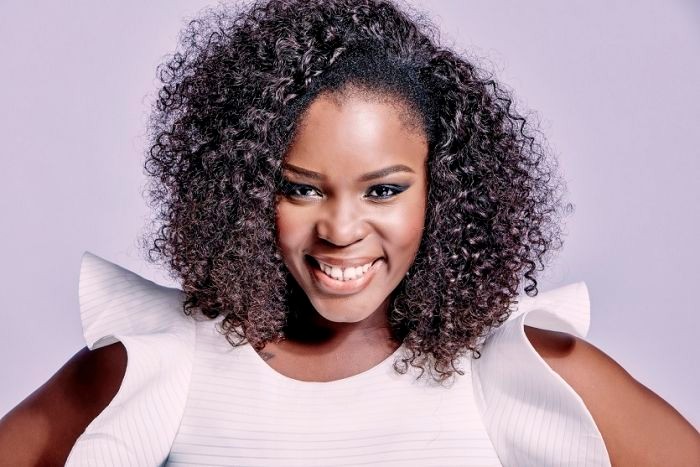
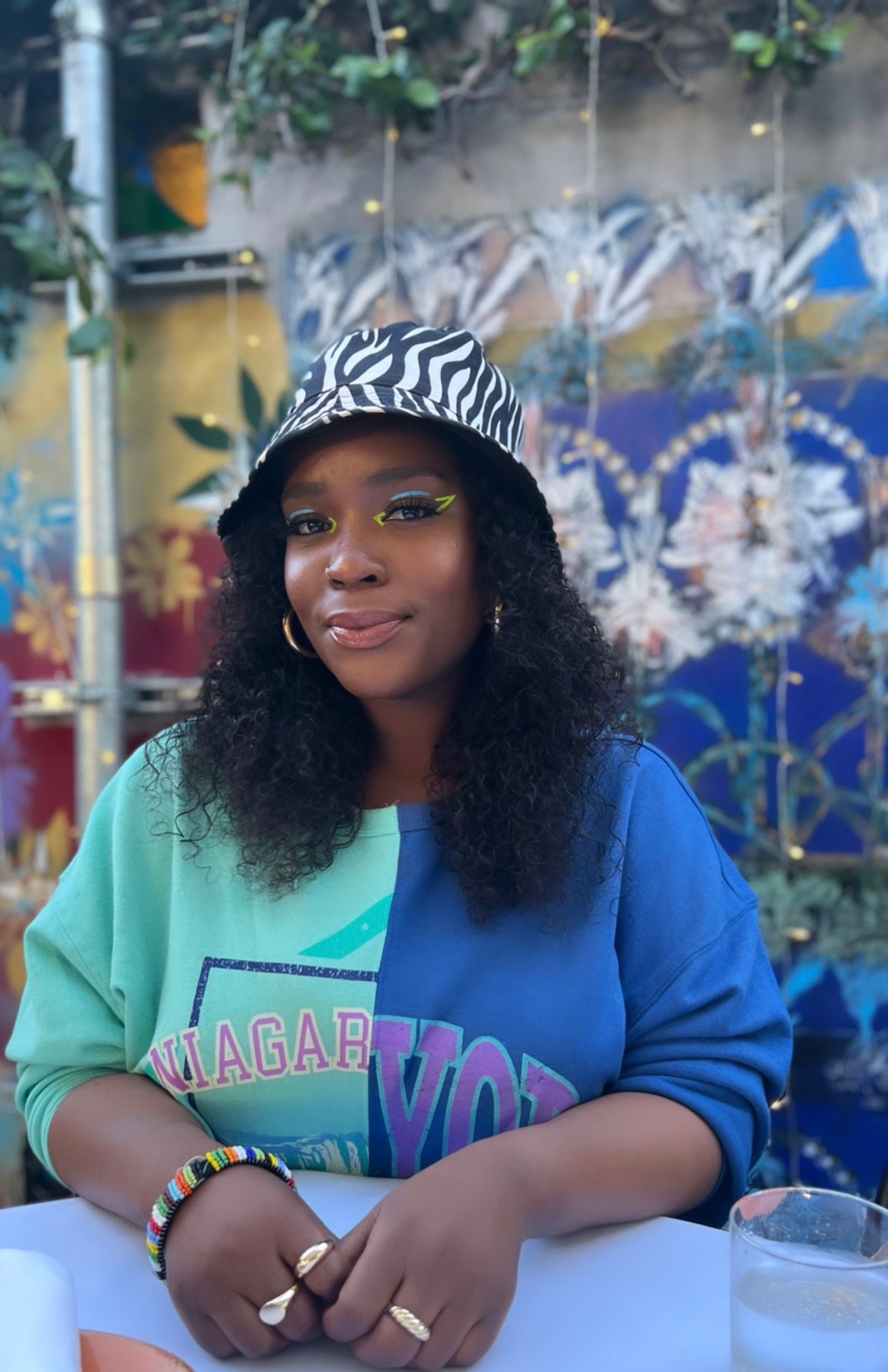
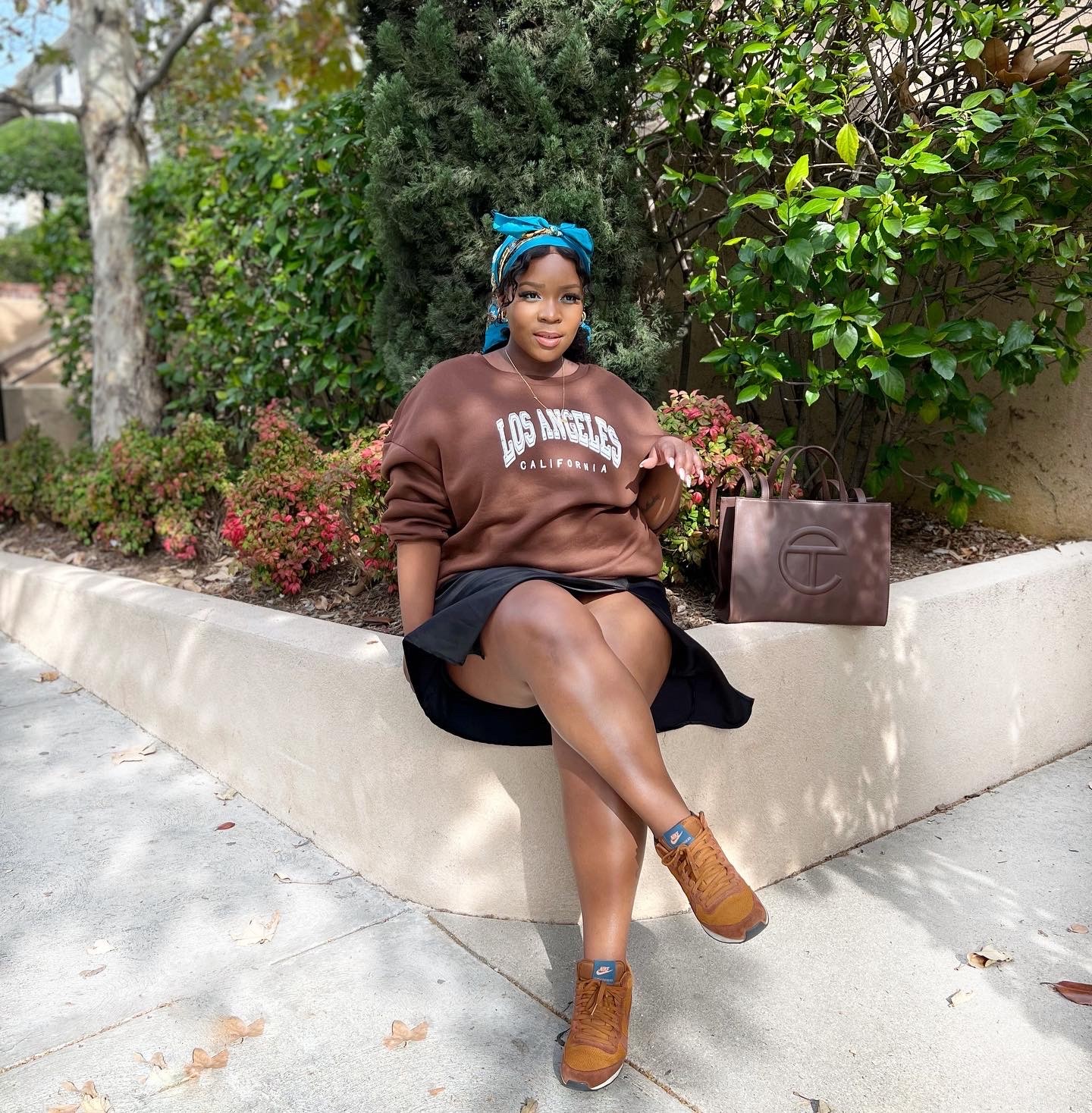
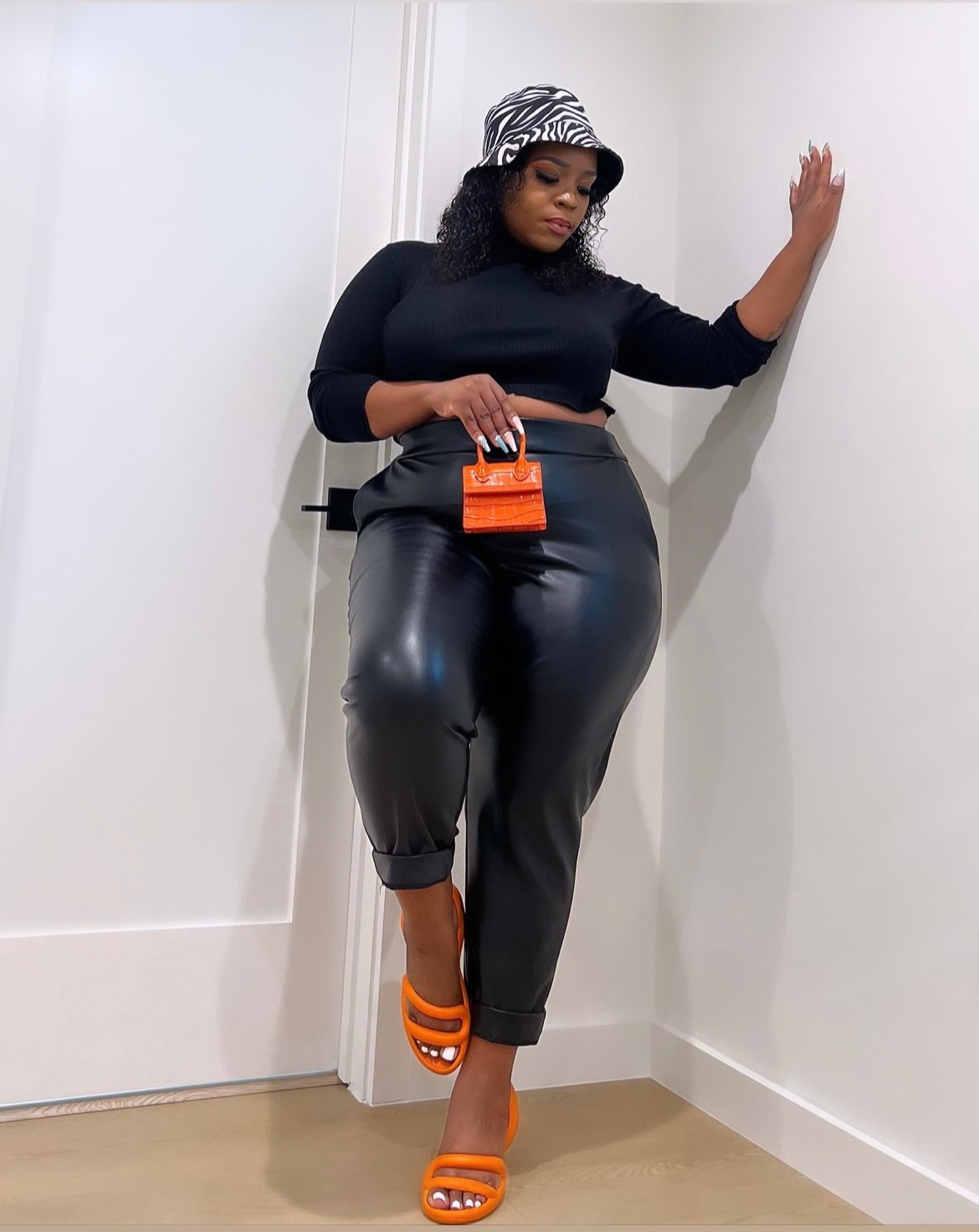
Today we’d like to introduce you to Zama Dube.
Hi Zama, it’s an honor to have you on the platform. Thanks for taking the time to share your story with us – to start maybe you can share some of your backstory with our readers?
I was born in Durban, South Africa to a single mother and was raised in a matriarchal home by my grandmother. I grew up in the nineties, in the midst of the worst gun violence in Kwamashu, which is a township. My grandmother was very overprotective and strict due to the fact that she wanted to ensure that we were not overcome by our unfavorable environment. Although she was a domestic worker, she stressed the importance of education as she saw it as an emancipatory tool. Therefore ensuring that all three of her children became graduates. Although she is now late, she remains to be a pivotal figure in my life because her love for music, rhythm, dance, cooking and style was passed down to us all. Growing up, I became drawn to music especially when my uncle bought his very first radio. Every day after school, you would find me glued right next to that speaker reading the album sleeves and imitating the singers.
Naturally at school, I soon became the choir lead and sang solos at every school function. During the school holidays, my cousins and I would lock ourselves in our bedroom with a small radio, recording our voices and pretending that we had a radio show. I guess I took this sport seriously because at the age of sixteen, I joined the local community radio station; Durban Youth Radio. This is where I honed my craft as a broadcaster until I left Durban at the age of 18 and moved to Johannesburg for university. I started off my degree in law as I had always been a proponent for justice. Whilst pursuing my degree, I continued with radio and joined the campus radio station. There, I met so many like-minded peers who shared my passion for broadcasting and truly had the best time of my life. In less than a year I was scouted by a radio veteran and joined his radio station where I earned my first real check. In the final year of my undergraduate studies, I then joined the largest youth radio station in the country YFM where I hosted a midmorning show for three years before transitioning into talk radio. I was juggling radio with grad school and soon realized that I wanted to find a way to merge both my creative practice and my scholarship. I didn’t have any references for what this could look like and therefore knew that I needed to leave the country.
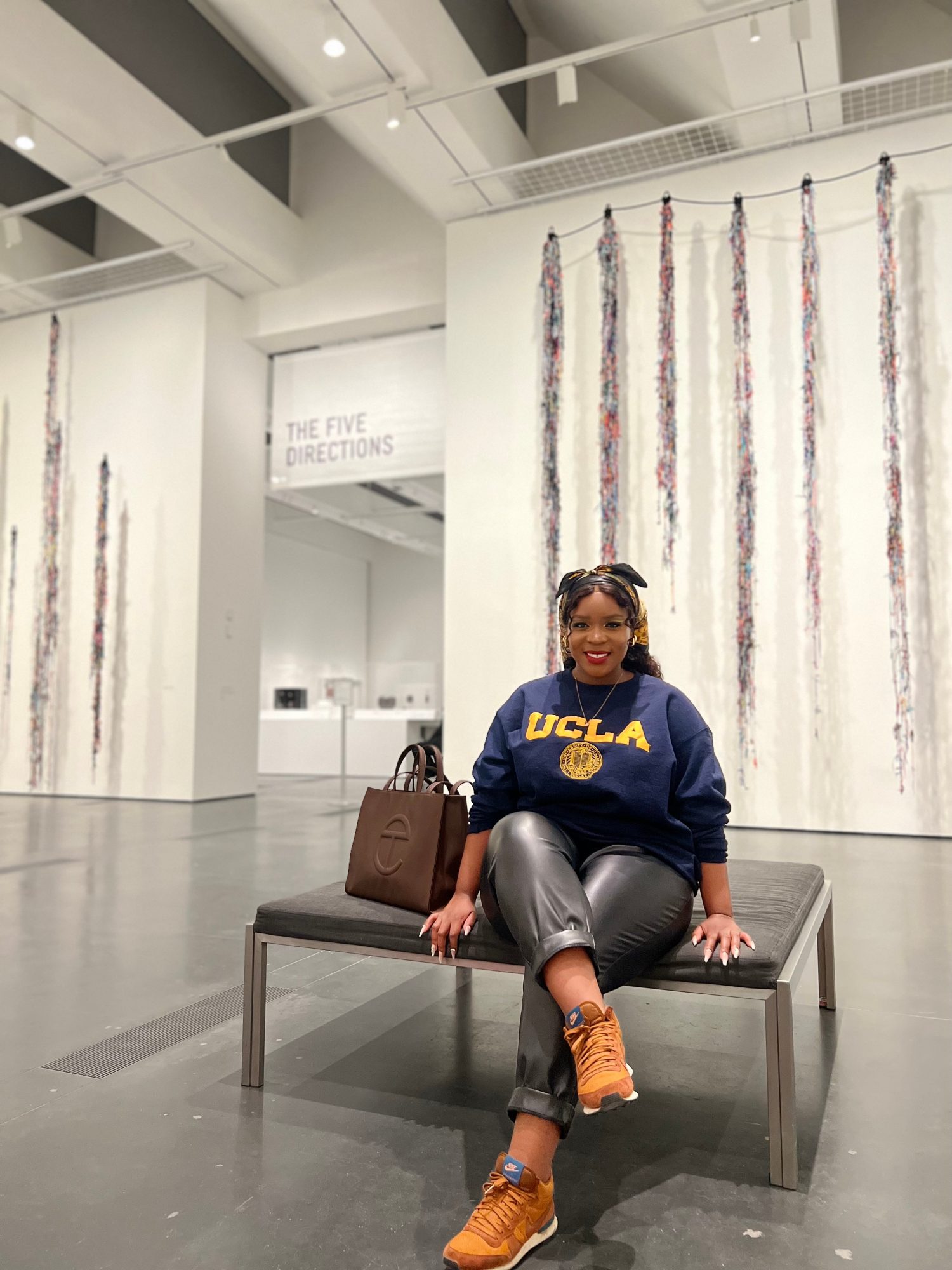
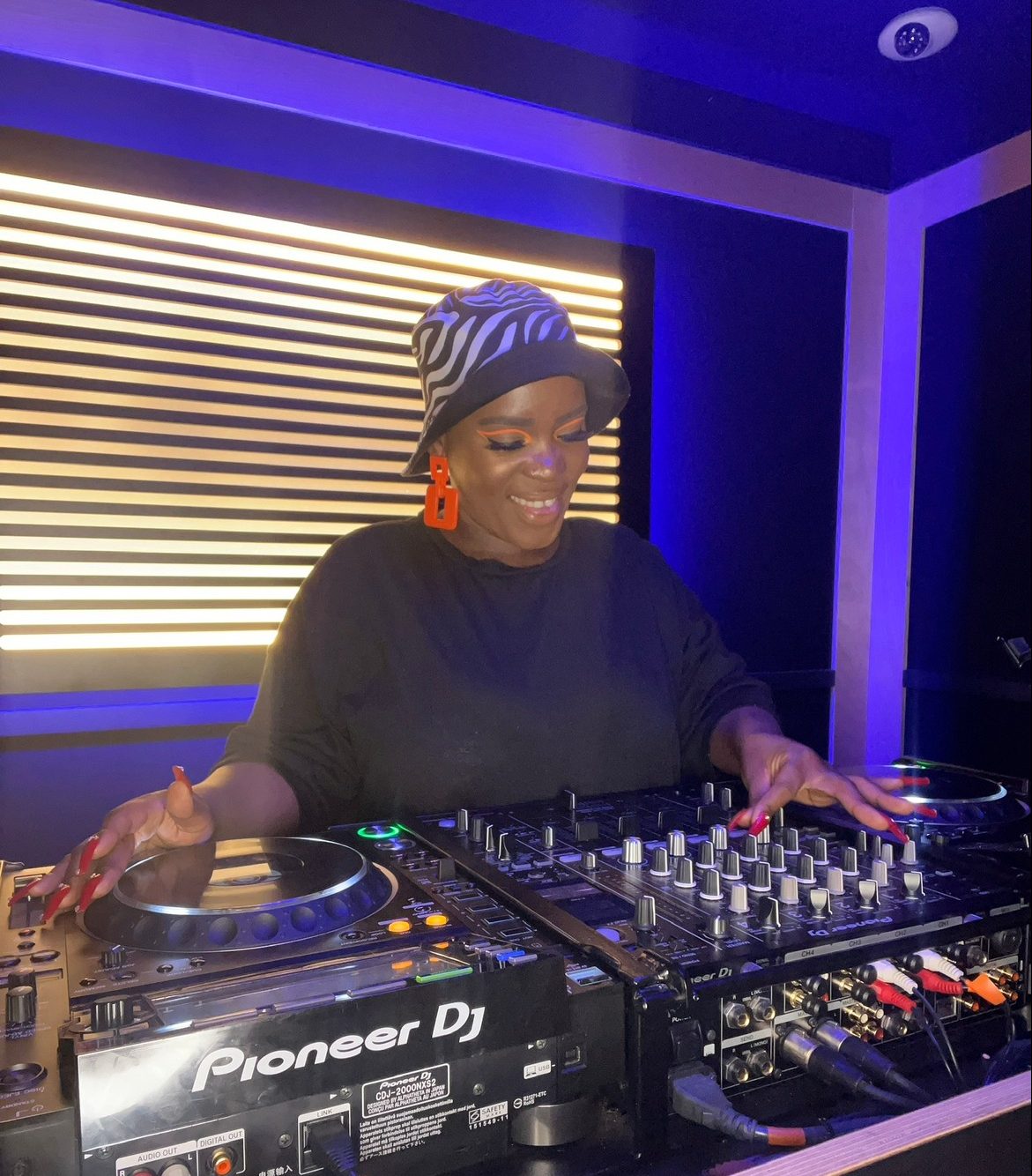
Fortunately UCLA accepted me for a fully funded PhD degree in Cinema and Media Studies. I am now in my forth and final year of this PhD program. During my time here, I began to expand my creative practice by teaching myself how to DJ, edit and develop audiovisual content. Knowing that I wanted to occupy a dual role as an artist scholar, as a part of my dissertation project I also decided to develop a media praxis project which allows me to explore art-based methods to conduct my theoretical research.
I’m sure you wouldn’t say it’s been obstacle free, but so far would you say the journey have been a fairly smooth road?
OMG, no¬¬––the journey has been far from being easy. Whilst I have been extended pure grace by the universe and my ancestors, I have faced many obstacles along the way. I am a first-generation artist and PhD from a background of very humble means. I am also an international student coming from a country that is still trying to recover from the legacies of colonialism and apartheid. All of these systemic odds pile up to ensure that the journey is not made easy nor smooth for people who look like me and who come from where I come from. I am the only Black person in my cohort and whilst my colleagues have been amazing, this does not take away from the unique set of challenges that I have had to endure as an African international student. In addition, the DJing world that I have found myself trying to navigate still remains to be dominated by men who play as gatekeepers. Whilst, I do not allow any of these challenges to succumb me into inaction and powerlessness, I think that it is important to note.
Thanks for sharing that. So, maybe next you can tell us a bit more about your work?
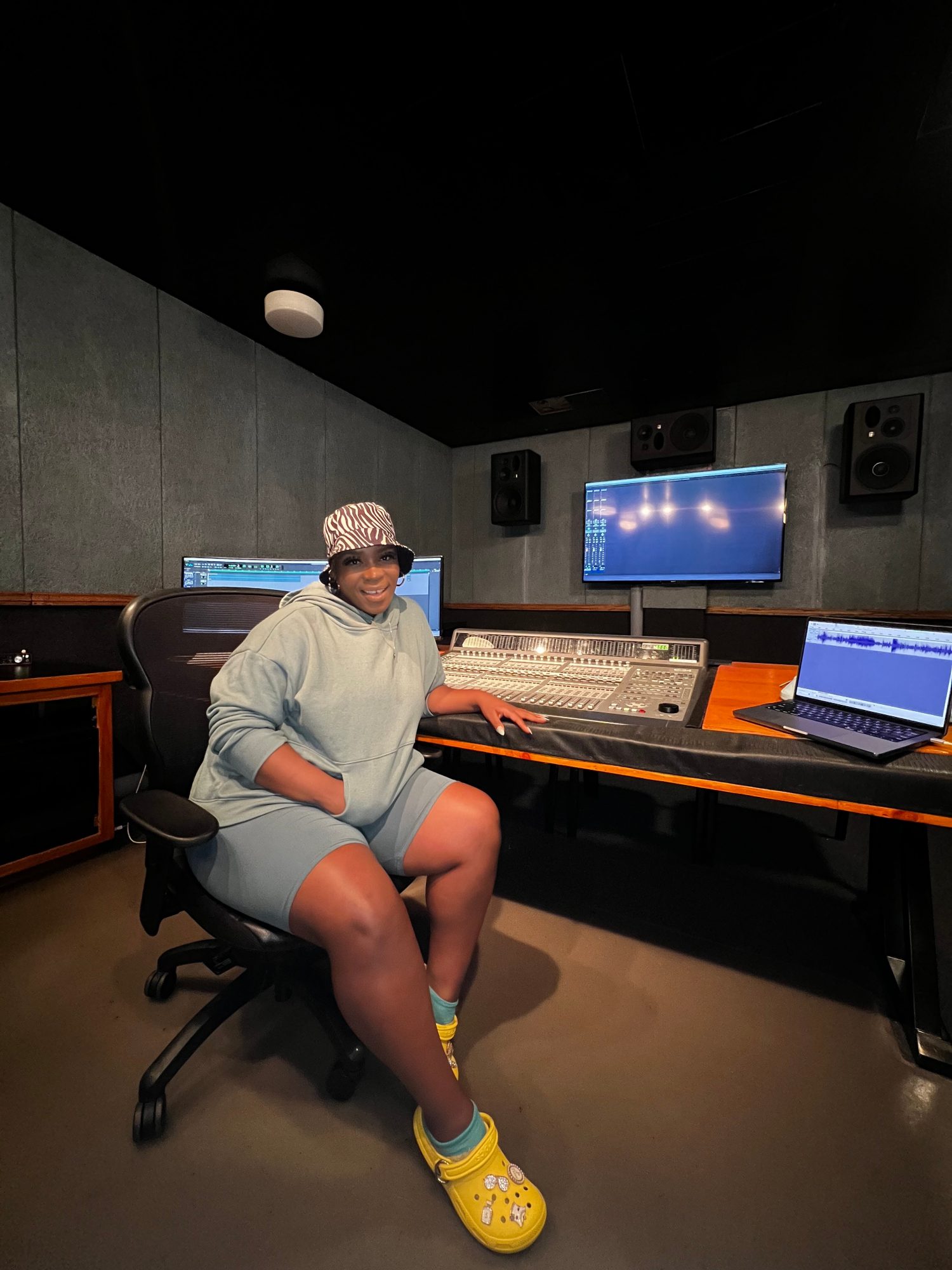
I am most proud of the fact that I have been able to establish myself as an artist scholar who places forth the experiential knowledge that I have accumulated over the years as a radio broadcaster and voice artist. My current PhD project examines practices of visual dissent by Black cultural producers and artists in the African diaspora. As mentioned earlier, as a part of this dissertation, I am also developing a multimedia project that serves as praxis for my theoretical research. As an audiovisual storyteller, I often approach my sonic creations (in the form of music mixes) as a space to explore ideas inspired by other creative mediums such as film, literature, poetry and everyday life. These music mixes started off as mere experimentations however the practice allowed me to hone the confidence to be able to start sharing the work publicly through my DJ performances. I draw primarily from amapiano and deep house as sites to tell the story of being Black in the diaspora. Music as a medium is something that has remained as a constant because it is what drew me to the radio and the microphone.
When the radio bug bit, I guess I kind of forgot about my identity as a singer and performer however, the hiatus from radio allowed me to spend time developing myself as a scholar, thinker and writer. Inevitably I could not stay away from the music forever and therefore ended up teaching myself how to DJ. I also do public talks in my capacity as a media scholar and speaking is most certainly another passion for me as I enjoy educating both inside and outside of the classroom. Public scholarship also allows me to be a part of the community of educators who are passionate about creating scholarship that is accessible and inclusive. My grandmother was a domestic worker and my mother was subjected to apartheid’s exclusionary Bantu education system. Therefore, it is important to me to disrupt ivory tower sensibilities by ensuring that the work I create represents the communities that I come from. I am excited to be following in the lineage of artist scholars such as Toni Morrison, who for me remains to be a map and an atlas for how to create with integrity and scholarly rigor. This is what sets me apart. I never want to abandon neither of my identities as both artist and scholar because this is what sets me apart.
If you had to, what characteristic of yours would you give the most credit to?
Definiteness of purpose is so important. Establishing your why is what is able to sustain you through those murky transitions. I have always been clear that my mission as an artist is to ensure that whilst I entertain, I also educate and inspire. Being clear on this mission informs my approach to every creative endeavor I take on. Also, it is so important to always remember where you come from. My spiritual practice fortifies me and gives me much strength in times of uncertainty. I am a thinker who feels my way through life. Taking time out to reflect, journal and process is something that also helps me. Resilience is key in order to see anything through. I am Zulu (lol), knowing this fortifies me because I am reminded that I come from a people who were warriors and who challenged colonial rule. Therefore, no system of oppression and exclusion formed against me shall ever prosper.
Contact Info:
- Website: zamadube.com
- Instagram: https://www.instagram.com/zamadube/
- Twitter: https://twitter.com/zamadube
- Youtube: https://www.youtube.com/@zama_dube
- SoundCloud: https://soundcloud.com/zama_dube
Popular
-

Maagic Collins on Building a Fearless Publishing Platform for Truth, Advocacy, and Underrepresented Voices
-
Los Angeles Barea on Turning Green Superheroes into a Global Movement for Youth-Led Change
-

Trisha DuVivier on Bridging the Franchisor–Franchisee Divide with Workhero and “Franulate”
-

Portraits of the Valley
-

LA’s Most Inspiring Stories
-
Cedar Boschan on Elevating Black Music Rights and Driving Urgent Conversations Around Credit, Equity, and Artist Protection


