




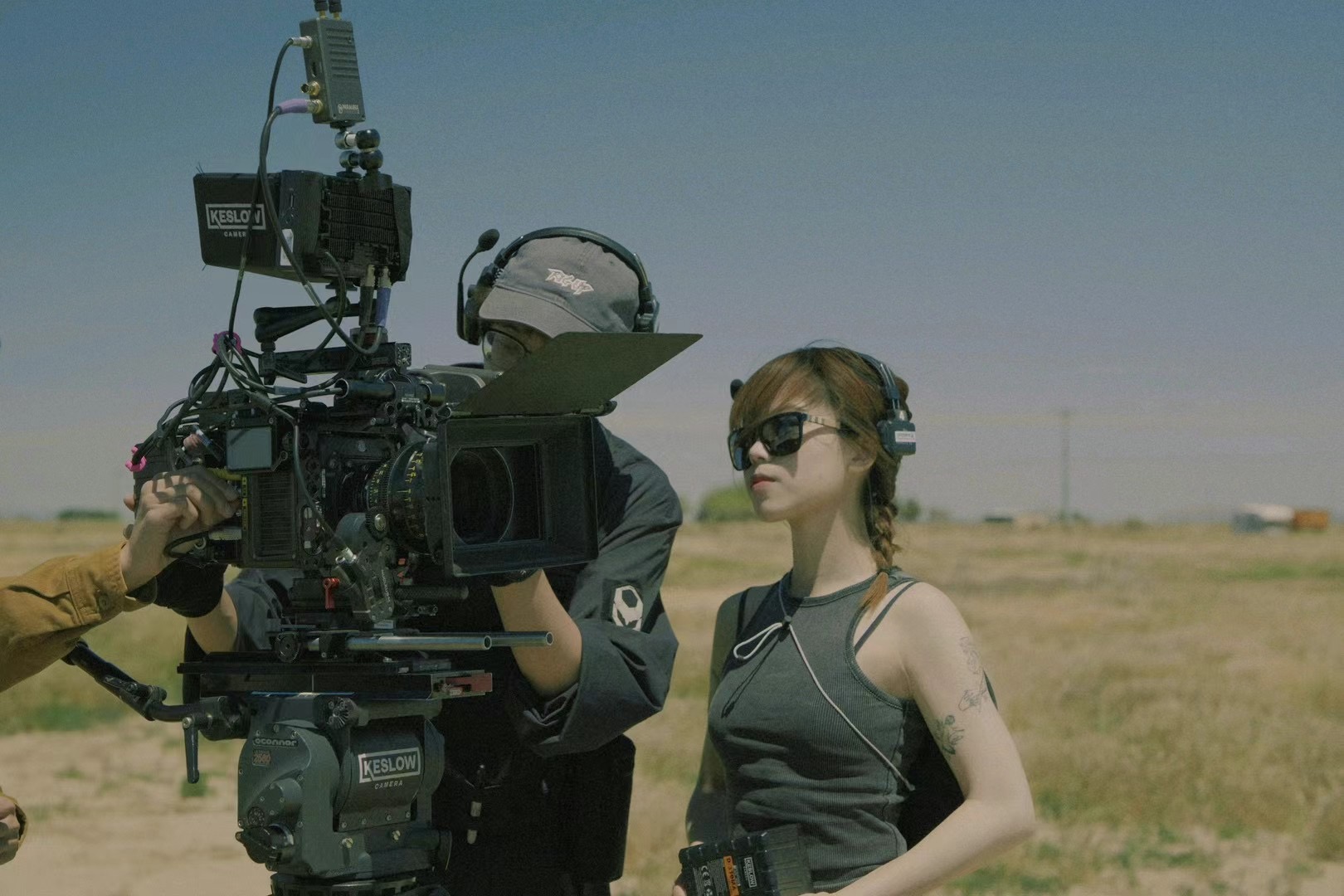
Today we’d like to introduce you to Xinlin (Olivia) Zhang.
Xinlin (Olivia), we appreciate you taking the time to share your story with us today. Where does your story begin?
My passion for film actually began with variety shows. When I was in middle school, watching those shows on TV sparked an idea in me: “I want to create something this cool one day.”
By the time I applied for college, I honestly assessed that my skills and experience weren’t yet at the level to enter film school. I decided to postpone my filmmaking dreams until graduate studies. That’s how USC became my dream school—I tucked it away in my heart, thinking, “If I’m going to California for grad school, why not first experience a completely different side of America?” At 18, I arrived in Michigan, a world apart from sunny LA. In the icy winters of East Lansing, I found overwhelming warmth, love, and support.
Then the pandemic hit. I returned to China and continued classes remotely while working professionally, shooting commercials and promotional videos for clients like banks, real estate developers, and government agencies. Those projects were exciting, but I gradually realized something: as fun as advertising was, my heart leaned more toward narrative storytelling.
Back in the U.S., I immersed myself in every camera-related opportunity my university offered: live sports broadcasting, multi-cam sitcom productions, news live streams—I wanted to explore every visual medium to accelerate my search for what truly resonated with me. After graduation, I joined a staging company, starting as a stagehand to learn the entertainment industry from the ground up. Hauling equipment and witnessing the grueling effort behind a single concert, I grew accustomed to the long hours that define this field. And this experience further solidified my passion for narrative.
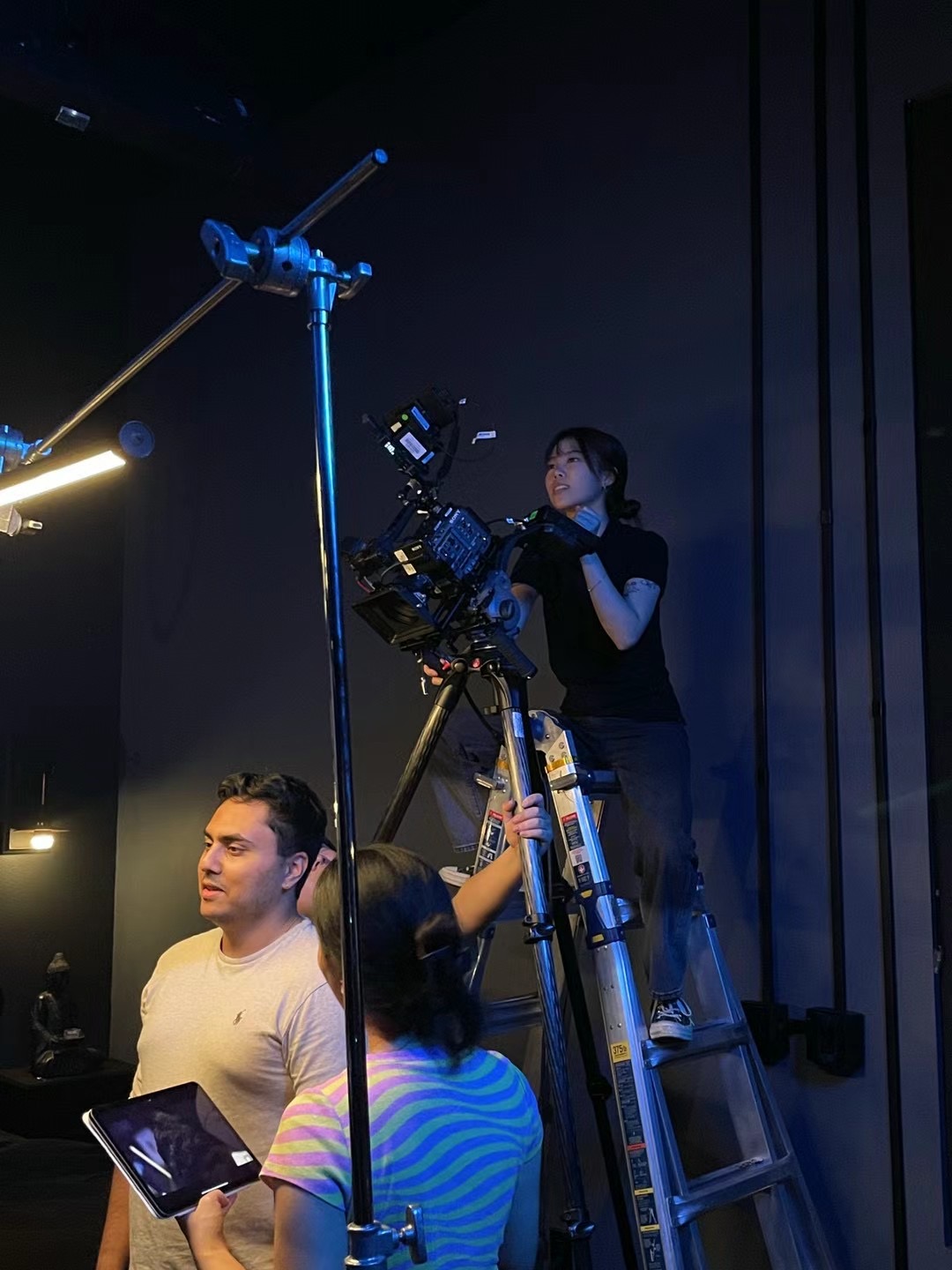
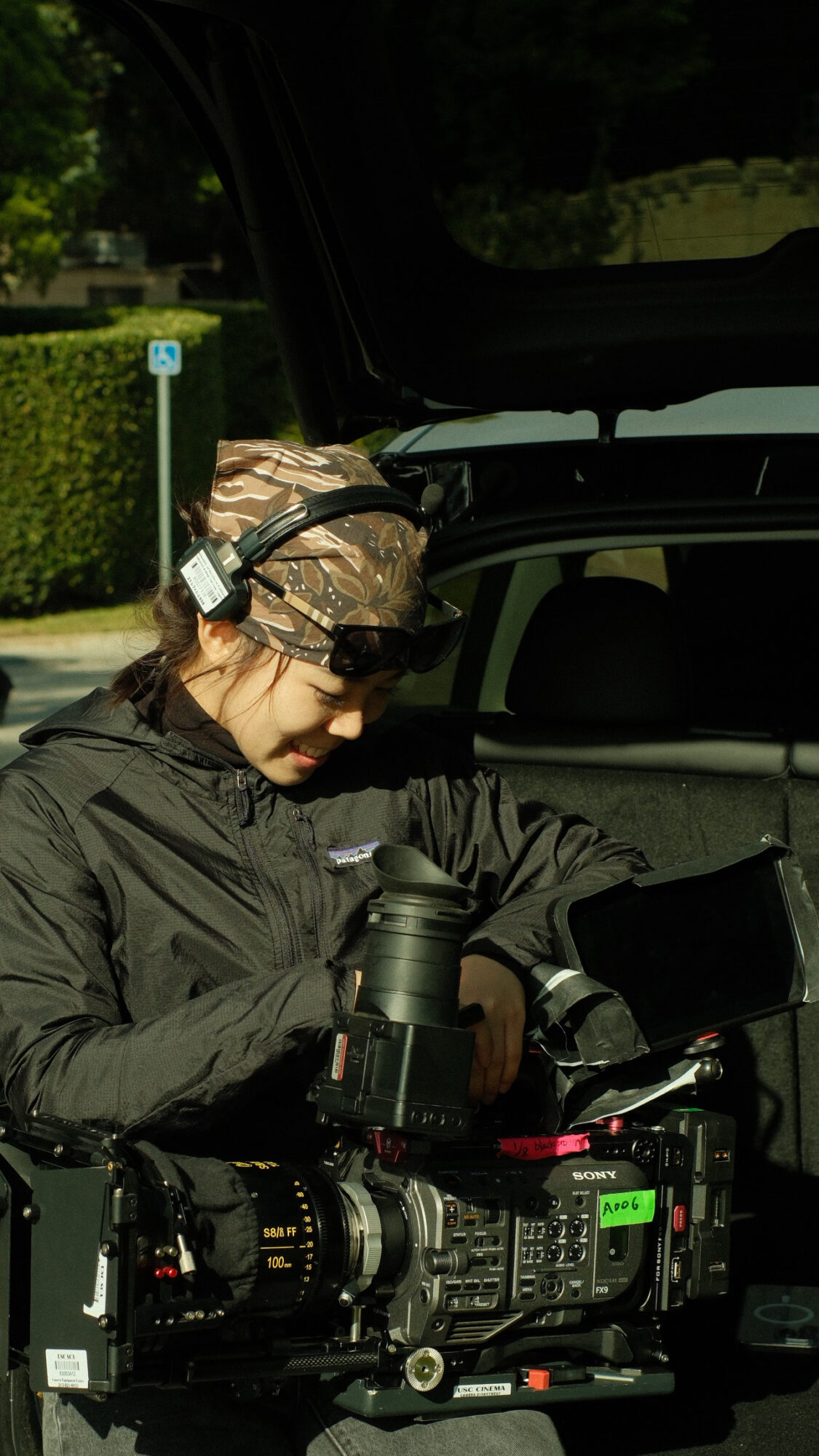
In 2023, I received my acceptance letter from USC. Arriving on campus, I knew I had less filming experience than many peers and needed to catch up quickly. Once I confirmed my focus on cinematography, I leveraged the school’s boundless resources, throwing myself into sets—starting as a 2nd AC and grip, then advancing to 1st AC, and eventually DP. Those two years were about preparing relentlessly for when opportunity knocks.
Now, with my career direction set and the first steps taken, my mission is simple: keep honing my craft. I’m endlessly grateful to everyone from above who lifted me up and every collaborator who trusted and helped me. Let’s push forward together—to inject fresh energy into this industry we love.
I’m sure it wasn’t obstacle-free, but would you say the journey has been fairly smooth so far?
My journey has had its smooth and challenging moments. The smooth part was having relatively clear goals from the beginning—I’ve always been good at letting go of things I love but that aren’t right for me. I once had the opportunity to become a professional karate athlete, and later, the chance to continue working in China. While these were promising paths, I didn’t linger over alternatives. Even when applying to grad schools, I only applied to USC because it was my dream school and dream program; I didn’t need a backup plan. Deep down, I believed I could make it happen. That clarity has been my greatest advantage.
The challenges, of course, were plentiful. My family isn’t that wealthy—sending me to study film in the U.S. was already their ultimate sacrifice. As an international student, the constant anxiety about securing work visas post-graduation, financial pressures, and the loneliness of entering adulthood (losing touch with friends in my early-to-mid twenties) made it impossible to navigate carefree.
But reflecting on it, what initially seemed like obstacles were perhaps blessings in disguise: my parents’ unwavering support never faltered, and the early career struggles—financial constraints, even losing some hobbies—ironically sharpened my focus. Like the law of energy conservation, every high and low has contributed to my growth. In that light, I’d say my journey has been remarkably smooth.
Thanks – so what else should our readers know about your work and what you’re currently focused on?
I’m a director and cinematographer focused on short films and narrative music videos. What defines me most is my love for thinking and daydreaming – some of my best ideas come when I’m just staring into space. I also have this strange ability to remember my dreams vividly, and I’ve been keeping a dream journal that serves as an endless well of creative inspiration.
One thing I’m proud of is how quickly I can pick up new skills (except drawing). My background in karate gave me good body control and the ability to mimic physical movements easily. Years of playing musical instruments also gave me a strong sense of rhythm, which helps tremendously in visual storytelling.
With every project, I make sure to challenge myself by trying something I’ve never done before. That’s how I grow – by making sure each job teaches me something new.
I’ve also developed a useful mindset: I don’t dwell on things I can’t control or past mistakes. My only rule is to keep improving – as long as I’m better today than I was yesterday, even just by a little, I’m on the right track.
Friends often say there’s a certain energy about me – maybe it’s this combination of constant curiosity and quiet determination that defines who I am as a filmmaker.
So maybe we end on discussing what matters most to you and why?
For me, happiness in work and life comes first. If I ever stop enjoying filmmaking, that’s when I’ll know I need to take a break. Right now, even when I’m completely physically exhausted every day, I still find real joy working on set.
But I have this maybe unrealistic ideal – I hate it when our filming causes problems for others. Like doing loud ADR recordings late at night in residential areas, or borrowing someone’s personal items as props and not treating them carefully, or overworking volunteers and older crew members. These situations make me question what we’re doing.
It feels wrong to pursue our artistic dreams at the expense of other people’s basic rights. I know people tell me this is just how the industry works – that cutting corners and pushing people is necessary to save costs and meet deadlines. But I don’t want to accept that. I hope that someday, we can make films without compromising basic human decency in the process.
Contact Info:
- Instagram: https://www.instagram.com/oilyiaxl_11?igsh=NTc4MTIwNjQ2YQ%3D%3D&utm_source=qr
- Other: zxinlin419@gmail.com
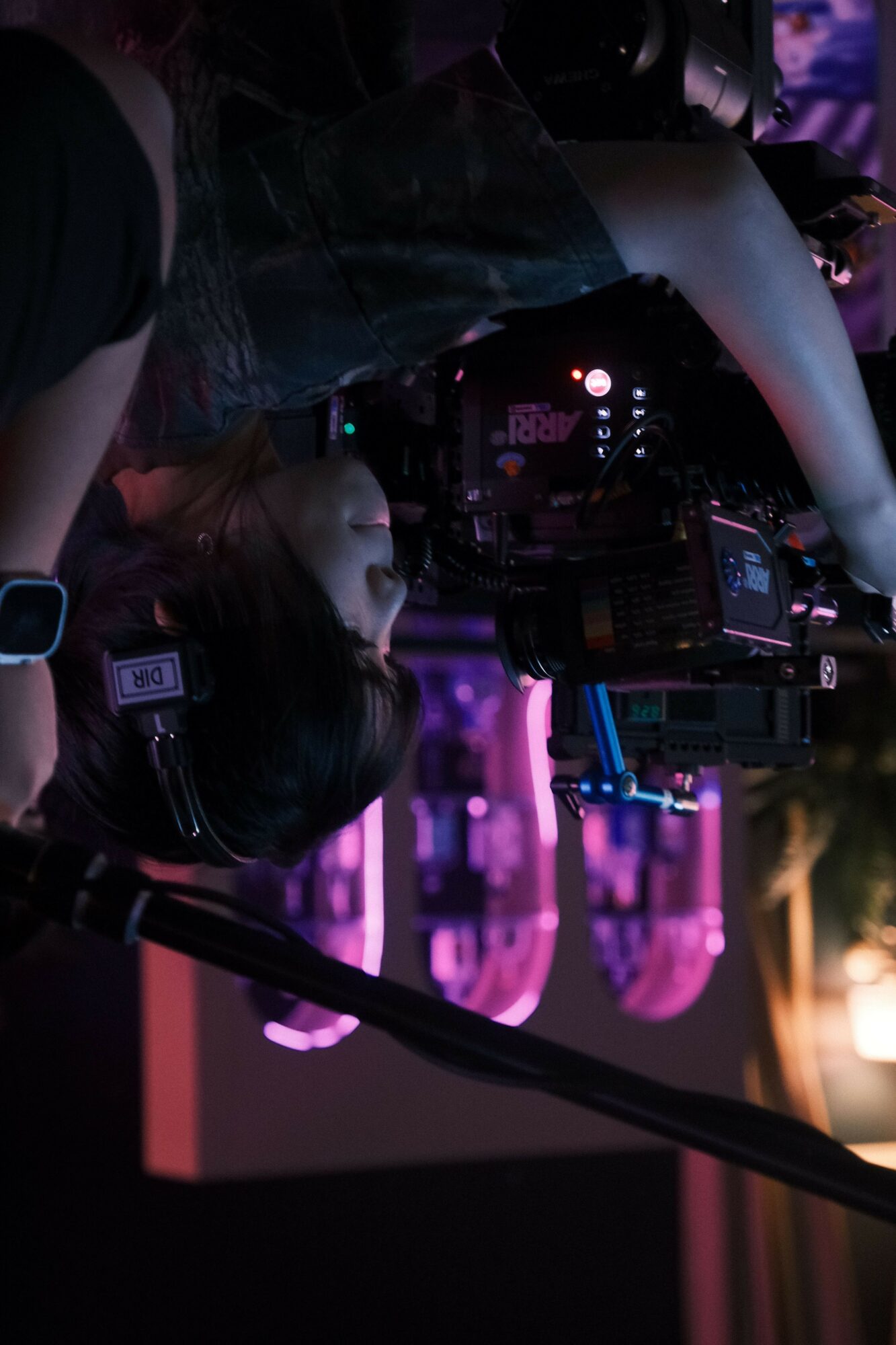
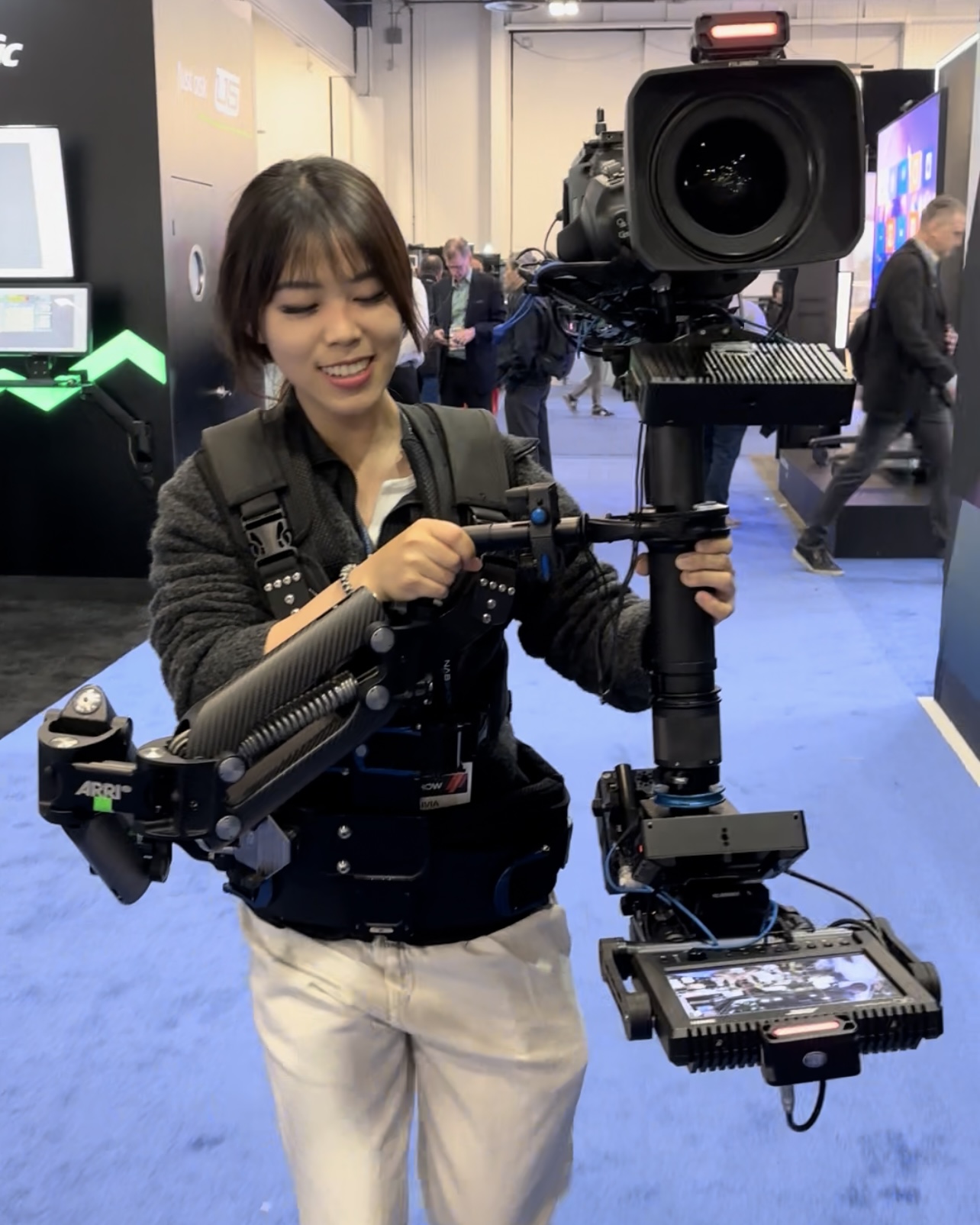
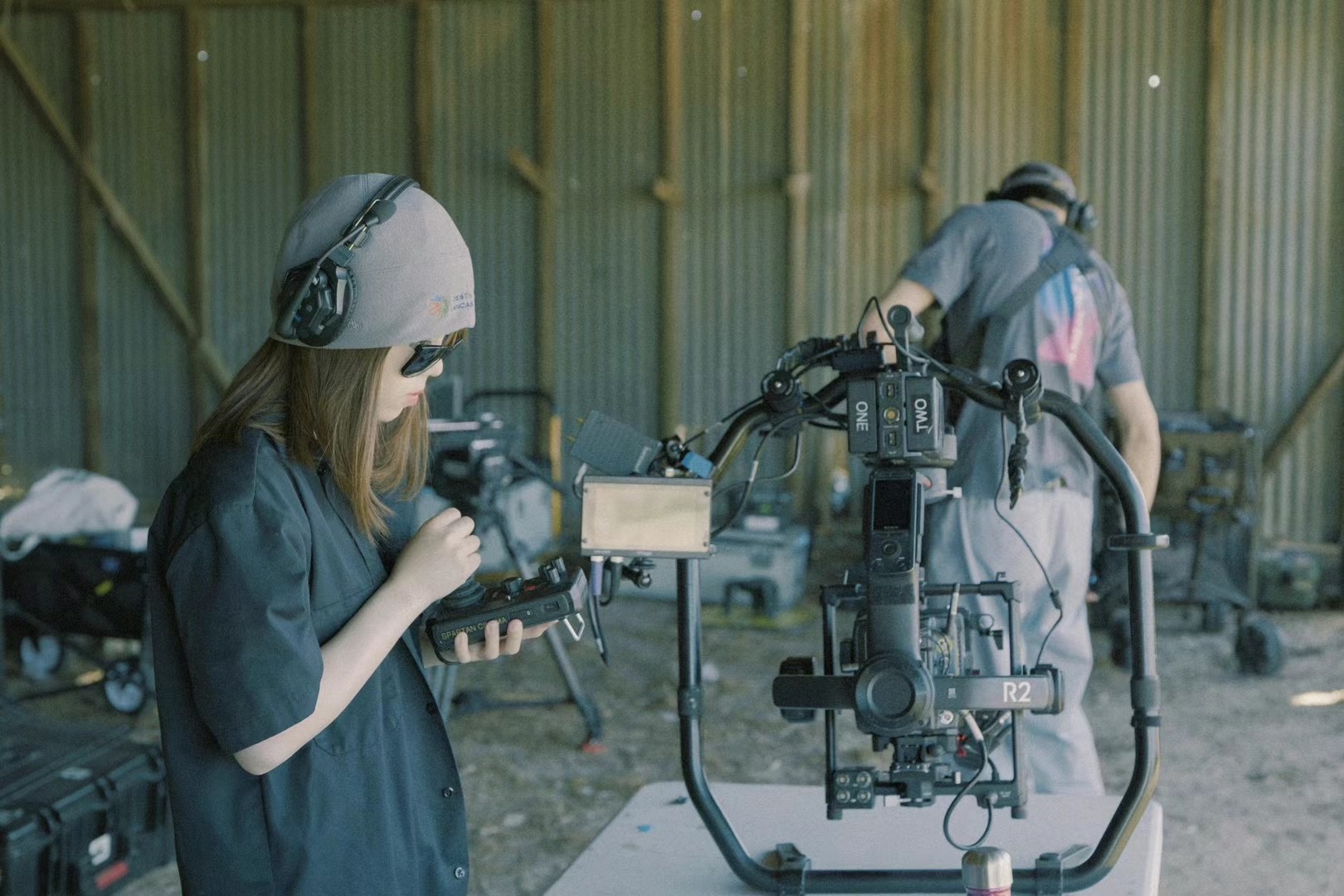
Popular
-

Portraits of the Valley
-

LA’s Most Inspiring Stories
-

Maagic Collins on Building a Fearless Publishing Platform for Truth, Advocacy, and Underrepresented Voices
-

Los Angeles Barea on Turning Green Superheroes into a Global Movement for Youth-Led Change
-

Trisha DuVivier on Bridging the Franchisor–Franchisee Divide with Workhero and “Franulate”
-
Cedar Boschan on Elevating Black Music Rights and Driving Urgent Conversations Around Credit, Equity, and Artist Protection


