




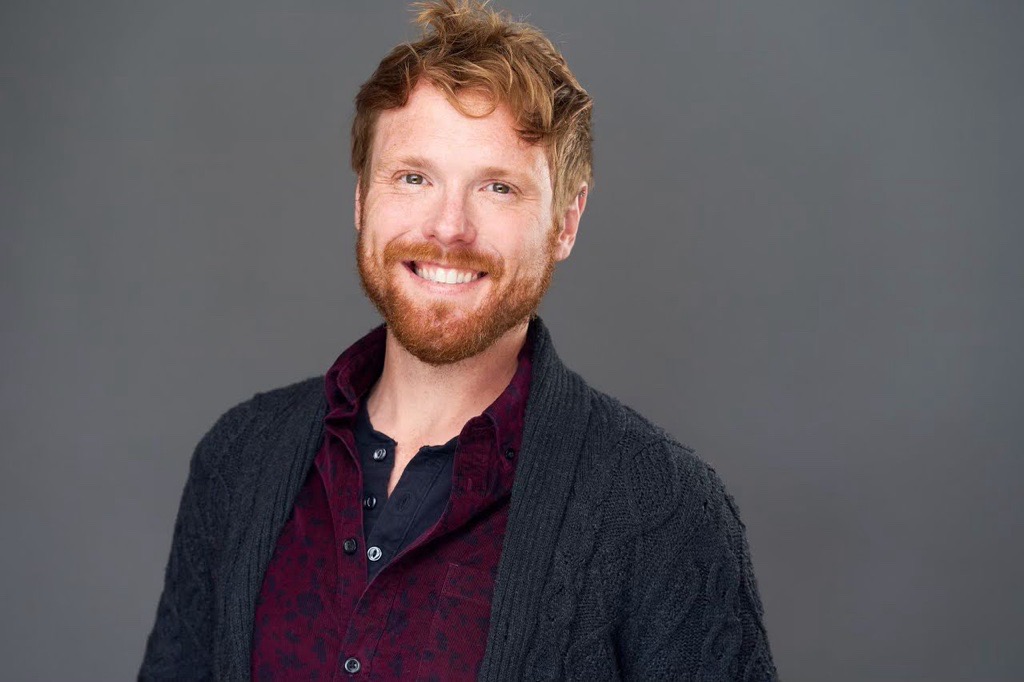
Today we’d like to introduce you to Thomas Sullivan.
Hi Thomas, so excited to have you with us today. What can you tell us about your story?
I actually started my career as a classroom teacher, working in preschool and elementary classrooms. Spending my days with young children shaped everything that came after. It gave me a deep respect for early childhood educators and a clear understanding of how children really learn, through play, curiosity, relationships, and hands-on exploration.
That experience eventually led me into children’s museums, where I saw the opportunity to support families and educators on a much broader scale. I spent years working in children’s museums and educational institutions around the country, including DuPage Children’s Museum and Westchester Children’s Museum, learning how these spaces can serve as vital resources for their communities.
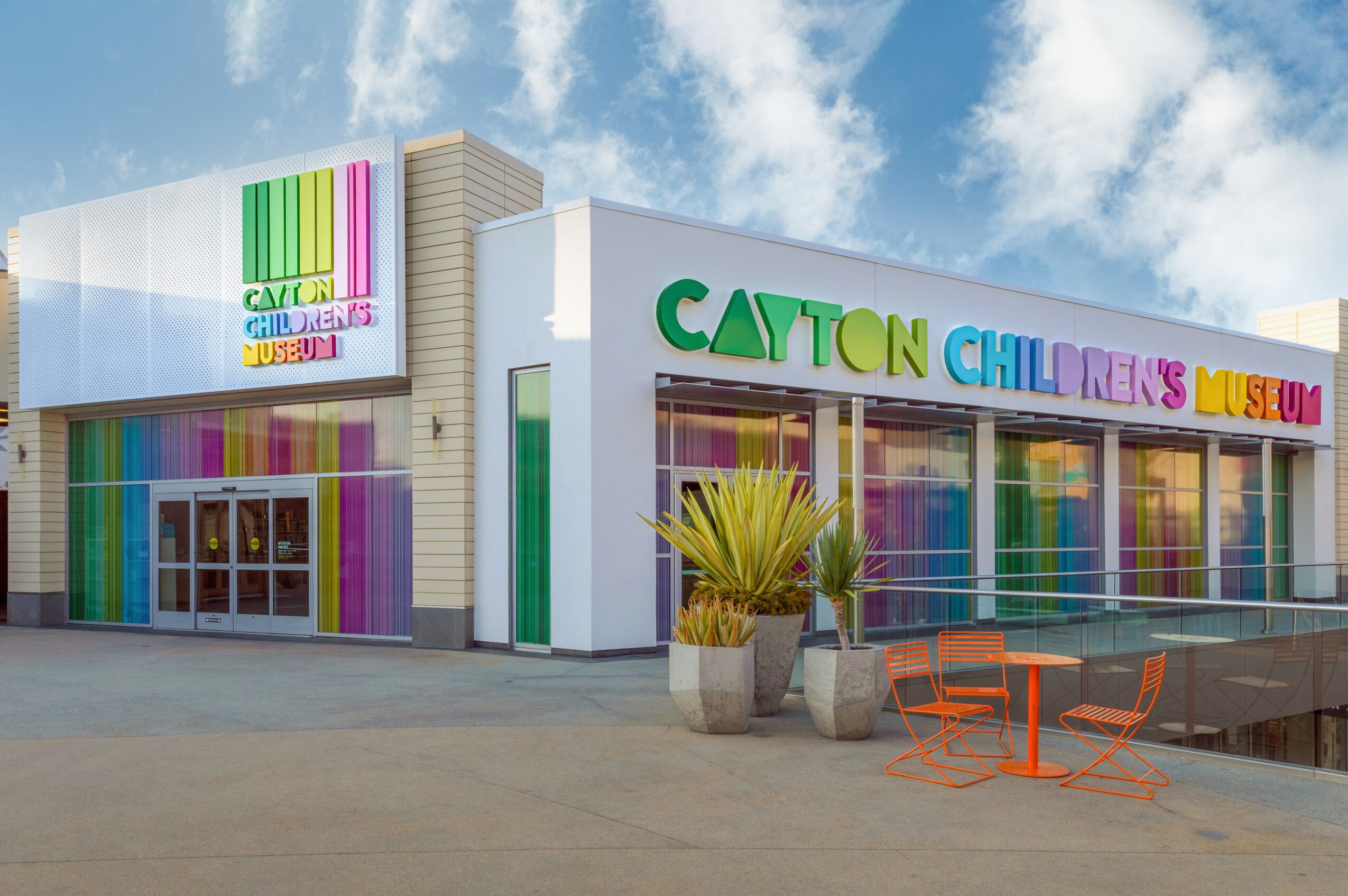
Cayton Children’s Museum drew me in because it sits at an important moment in its evolution, and so does Los Angeles. The museum has a long history of responding to community needs, and today there’s an opportunity to expand its reach and impact in meaningful ways. As CEO, my focus is on helping the museum grow responsibly while staying grounded in what matters most. Children’s museums exist to support childhood itself, and I’m grateful to do that work for families across Los Angeles.
Can you talk to us a bit about the challenges and lessons you’ve learned along the way. Looking back would you say it’s been easy or smooth in retrospect?
It definitely hasn’t been a smooth road. In fact, my very first week on the job at Cayton Children’s Museum coincided with the outbreak of the Los Angeles Wildfires last January. Instead of a typical transition period, we were immediately focused on how to support families in our own community who were being displaced and impacted in real time.
We had to move quickly and thoughtfully, and that moment led to the launch of WACA – the Wildfire-Affected Community Access initiative – an effort centered on providing support, free access, and a sense of stability for families during an incredibly uncertain time. It reinforced that Cayton Children’s Museum is a community resource that can be depended on to show up when it matters most.
Starting in crisis is never easy, but it clarified the role our museum plays in Los Angeles. That experience set the tone for my leadership from day one and underscored the responsibility we have to our community beyond our walls.
Alright, so let’s switch gears a bit and talk business. What should we know about your work?
Our work at Cayton Children’s Museum is grounded in play as a tool for learning, connection, and emotional growth. Everything we do is designed to support children and families together, recognizing that learning doesn’t just happen cognitively, it happens socially and emotionally too.
One of the most joyful moments in the museum happens around our fire truck, which is an actual, real fire truck. Kids can climb inside, explore how it works, and role-play responding to a call. It’s a rare chance for children to engage with something they usually only see from the outside, and it naturally invites creativity, teamwork, and problem-solving through play.
Alongside our exhibits, we also invest deeply in programs that support emotional growth. One of the newest is Big Feelings Weekends, which we launched this year. Once a month, the museum features special activities centered on a specific emotion tied to the rhythm of the year, like bravery around Halloween or hope and possibility in January as families look toward a fresh start. These weekends give children language for their feelings and safe ways to express them through play, storytelling, movement, and hands-on experiences, while caregivers learn practical tools to support emotional regulation and resilience at home. It’s incredibly meaningful to watch kids realize that big feelings are a normal and manageable part of growing up.
What sets Cayton apart is our willingness to lead with emotional wellbeing alongside learning. We listen closely to what families are experiencing and respond in real time, whether that’s through programs like Big Feelings Weekends, access initiatives like Play4All, or community response efforts during moments of crisis. I’m most proud that Cayton shows up as a place of care and support.
Contact Info:
- Website: https://www.caytonmuseum.org/
- Instagram: https://www.instagram.com/caytonchildrensmuseum/?hl=en
- LinkedIn: https://www.linkedin.com/company/cayton-museum/
- Youtube: https://www.youtube.com/channel/UCnNo5X0BZEzELzYUXW3f6zg


Popular
-

Portraits of the Valley
-

LA’s Most Inspiring Stories
-
Maagic Collins on Building a Fearless Publishing Platform for Truth, Advocacy, and Underrepresented Voices
-
Los Angeles Barea on Turning Green Superheroes into a Global Movement for Youth-Led Change
-

Trisha DuVivier on Bridging the Franchisor–Franchisee Divide with Workhero and “Franulate”
-
Cedar Boschan on Elevating Black Music Rights and Driving Urgent Conversations Around Credit, Equity, and Artist Protection


