




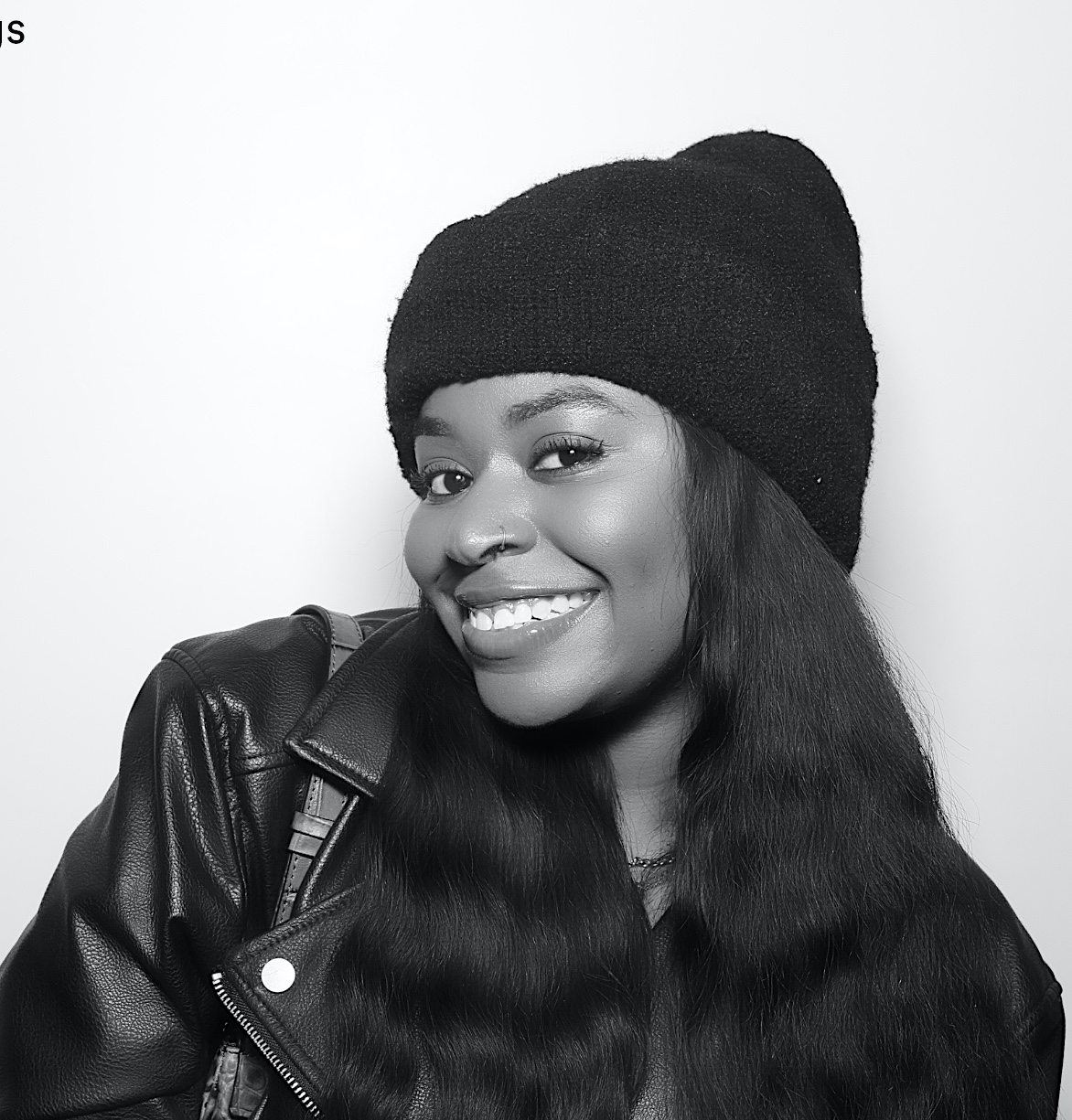
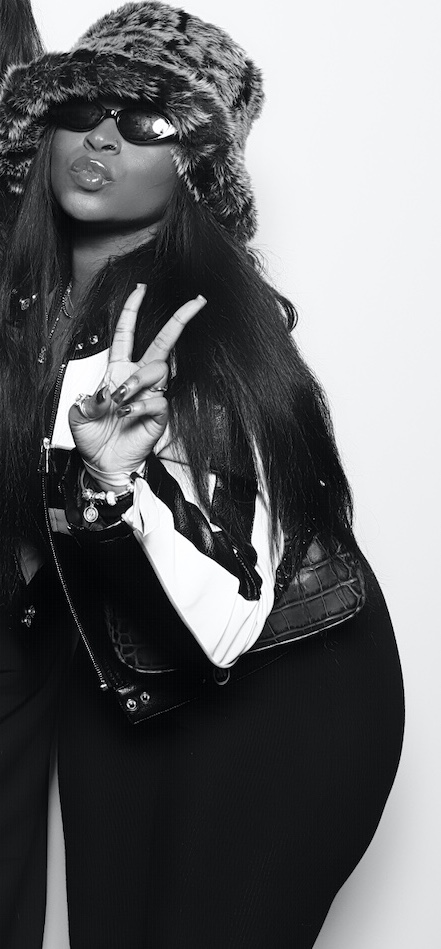
Today we’d like to introduce you to Raven Harmon.
Hi Raven, thanks for joining us today. We’d love for you to start by introducing yourself.
I’ve always been drawn to the spaces where music, storytelling, and strategy meet. Growing up in Memphis, TN, I learned early on how to navigate dual worlds — church pews, choirs, and piano recitals on one hand, local rappers/Gucci Mane mixtapes and schools far outside of my somewhat suburban neighborhood on the other. That balance shaped my voice.
I didn’t know it at the time, but I was building the foundation for a life rooted in cultural fluency – the kind you can’t really teach. Whether I was organizing student body events as Vice President of my university’s Black Student Union, hosting my own college radio show, or exploring media practices abroad, I was always looking for ways to inform, promote, and inspire others through the lens of a young, hot, well-rounded woman from the South.
After interning at Universal Music Group Nashville, getting hired by companies in my college town for brand strategy and videography, and gaining experience in startup agency spaces, I knew I needed to challenge myself in the major label world — to become a small fish in a big pond. I was encouraged by many to use Atlanta as a “lily pad” if I wanted to relocate, but I had a vision for my career and bet on my luck in Los Angeles. I eventually reached my goal and landed a role in commercial music marketing at one of the big three major labels, working with both rising talent and household names. Over the past three years, I’ve led campaigns that brought artists into the spotlight across DSPs, Billboard, and culture at large.
While I’ve added value to major corporations, labels, and artists, my worth has never just been in placements or metrics. It’s in how I experience this business as a young woman learning to advocate for herself, take care of herself, and heal from things out of my control — even when life keeps moving.
Can you talk to us a bit about the challenges and lessons you’ve learned along the way. Looking back would you say it’s been easy or smooth in retrospect?
Moving to LA with no job secured and no real safety net was one of the most exciting, yet scariest things I’ve ever done. I left behind my support system, my routines, and the comfort of being known — all to take a chance on a version of myself I hadn’t even fully met yet.
Even though I had built a solid resume in Memphis and Nashville — doing strategy, storytelling, and creative work I was proud of — landing a salaried role in my field felt borderline impossible. That long stretch of “almosts” and silence took a real toll on my confidence. I started to question whether I was reaching too far, or if doing something I loved would ever actually pay off.
But I kept going. I reprogrammed my mind to believe that I was more than qualified for the career I desired — and more importantly, that I deserved to make a livable wage doing what I loved.
Thanks for sharing that. So, maybe next you can tell us a bit more about your work?
I’m probably best known for my voice and video edits — the way I talk about music I love, both casually and professionally, is a gift. Whether it’s in a pitch meeting or at dinner with friends, I have a way of unintentionally persuading people that the music is good. Making visuals for songs I love is also part of my brand — people instinctively start to associate certain tracks with me. “LOVE” by Kendrick Lamar is one of them.
Most recently, I’ve served as a commercial marketing manager at a major label, where I helped drive campaigns for both rising talent and household names. That included pitching for placements across DSPs, coordinating global release strategies, and creating campaigns that resonated across culture — not just charts.
Within this role, I’ve worked on some notable campaigns, but to this day, I’m most proud of the first one I led after being promoted to manager and genre lead for Hip-Hop/R&B — after serving as an admin assistant to the team for over a year.
The project was for Rostrum Records’ artist DC The Don. I pitched his album “FUNERAL” for weeks leading up to its release — securing placements across Apple Music, Spotify, Audiomack, YouTube, and more. At the time, he was well-known in the underground scene, but had virtually no editorial presence outside of SoundCloud (s/o to them). I helped guide his first introductions to editors at Spotify, Apple, and Amazon, and crafted a narrative that helped playlist editors see why this artist deserved a place on their platforms.
With this release, we carved out space for him across a highly competitive editorial landscape — landing first-time features on RapCaviar’s social channels, Apple Music’s New Music Daily, and more. Today, he’s fully stamped in the DSP space — and editorial teams continue to rally behind each new release because of the foundation we built.
What made the moment surreal was the timing. The album, titled FUNERAL, dropped on May 5th — the same date as my father’s funeral, four years earlier. My dad is the reason I pursued a career in music, and that alignment wasn’t lost on me. That campaign reminded me this work isn’t just about decks and data — it’s about moments. And that one? I’ll never forget.
I hadn’t even heard of DC The Don before that campaign. Now, he’s one of my favorite artists.
If you had to, what characteristic of yours would you give the most credit to?
It’s hard to name just one — but if I had to, I’d say resilience. Closely followed by integrity, confidence, patience, courage, faith, and a deep commitment to cultural accuracy and preservation.
I’ve had to be resilient in spaces that weren’t built for me. I’ve had to maintain integrity by standing firm on my boundaries — even when it would’ve been easier or more beneficial to fold. I’ve had to stay confident in my voice when the silence of support from others was louder than anything else. I’ve had to be so patient. When I moved to LA on my 25th birthday (7/8/22), I interviewed at so many companies and got rejected more times than I can remember. Thank God I was bold enough to have faith and lean on something bigger than my own understanding.
Lastly, representation, cultural accuracy, and preservation are important to me. Every time someone who looks like me is leading a meeting or making executive decisions, it normalizes our visibility as leaders — which is essential if we’re going to keep striving for those roles. In Hip-Hop and R&B especially, Black people are an essential part of how a label functions. We carry the cultural intellect to accurately recount how music impacted a specific moment in time — especially when factors like bots, fake streams, or even nepotism start influencing data and charts (where history gets preserved) more than the actual influence the music is having in real life.
Contact Info:
- Instagram: https://www.instagram.com/raeharmonn/
- LinkedIn: https://www.linkedin.com/in/ravenharmon/
Popular
-
Inside the Future of Search: Robb Fahrion on Building a Global Team and Leading the Rise of GEO
-

From Supporting Local Boutiques to Building Brand Partnerships: Cinthia Jensen’s Creative Marketing Journey
-
Building Community Through Curiosity: Nathanial and Samantha Rowe on the Vision Behind UNEARTHED
-

Portraits of the Valley
-

LA’s Most Inspiring Stories
-
Building Creative Bridges: Torrey Tayenaka on Community, Collaboration, and the Future of Sparkhouse


