




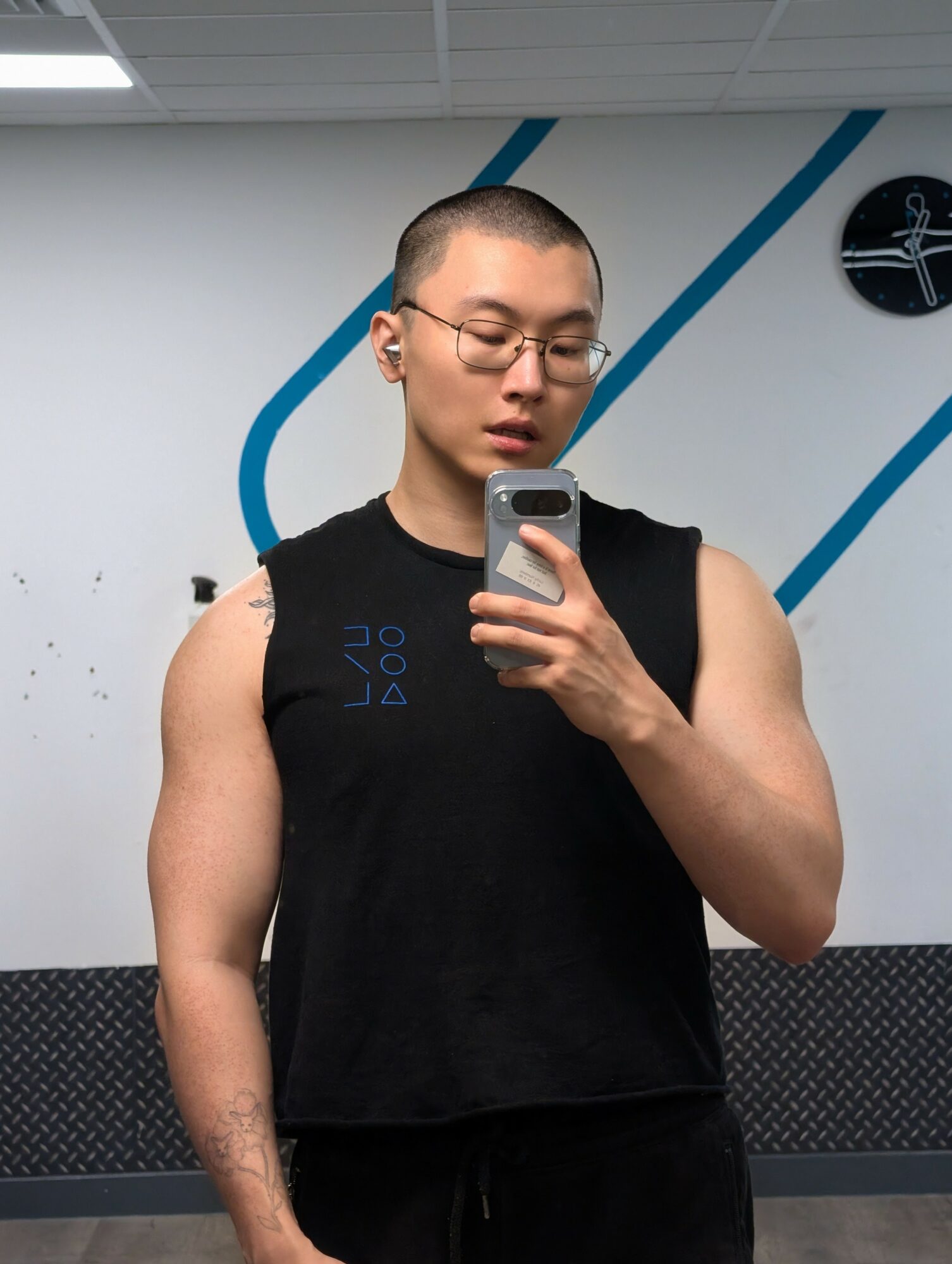
Today we’d like to introduce you to Haotian Dong.
Alright, so thank you so much for sharing your story and insight with our readers. To kick things off, can you tell us a bit about how you got started?
To be honest, I wasn’t born into a family steeped in the arts. My grandparents were both chemistry teachers, while my parents worked as businesspeople and civil servants. Growing up in such an environment, I naturally followed the path of many Chinese students—never imagining I’d pursue a career in art or design. Later, my family decided to send me to the U.S. for my undergraduate studies, initially enrolling me in accounting. They believed every company needed accountants, ensuring I’d find work afterward. At the time, I didn’t have any strong opinions of my own, so I studied it for one semester. After that semester, I realized I simply couldn’t imagine spending my days working in a law firm, filling out tax forms in spreadsheets. So, during my second freshman semester, I secretly switched my major to visual communication without telling my family. They only found out the following year. Though surprised, they had no choice but to accept it. After graduating, I worked in the US for three years. Earlier this year, I decided to move to London due to visa issues, but I still spend part of each year back in the US because I still have clients and works there.
Would you say it’s been a smooth road, and if not what are some of the biggest challenges you’ve faced along the way?
I believe the greatest challenge has always been my visa status. Although I came to the United States over a decade ago to pursue my studies, the restrictions of my student visa have consistently plagued me. During my time here, I never had the opportunity to intern, participate in professional projects, or engage in any work outside of my academic school works. For artists, this limitation is particularly harsh. Design skills growth relies heavily on practice, collaboration, and real-world experience—and when your legal status prevents you from integrating into the broader creative ecosystem, these opportunities become elusive.
In recent years, the situation has grown even more complex. Particularly following last year’s election, the position of international artists has become increasingly precarious. Policies have tightened, approval times have lengthened, and the overall instability makes it difficult to envision building a sustainable artistic career here without constant anxiety about immigration status.
Given all these factors, I made a difficult decision: to spend part of each year living in London. This move affords me greater flexibility, a clearer career trajectory, and the freedom to develop my artistic practice without the constraints I experienced in the United States. Dividing my time between both places allows me to maintain connections with the American art scene while being immersed in an environment where I can fully engage and grow as an artist.
As you know, we’re big fans of you and your work. For our readers who might not be as familiar what can you tell them about what you do?
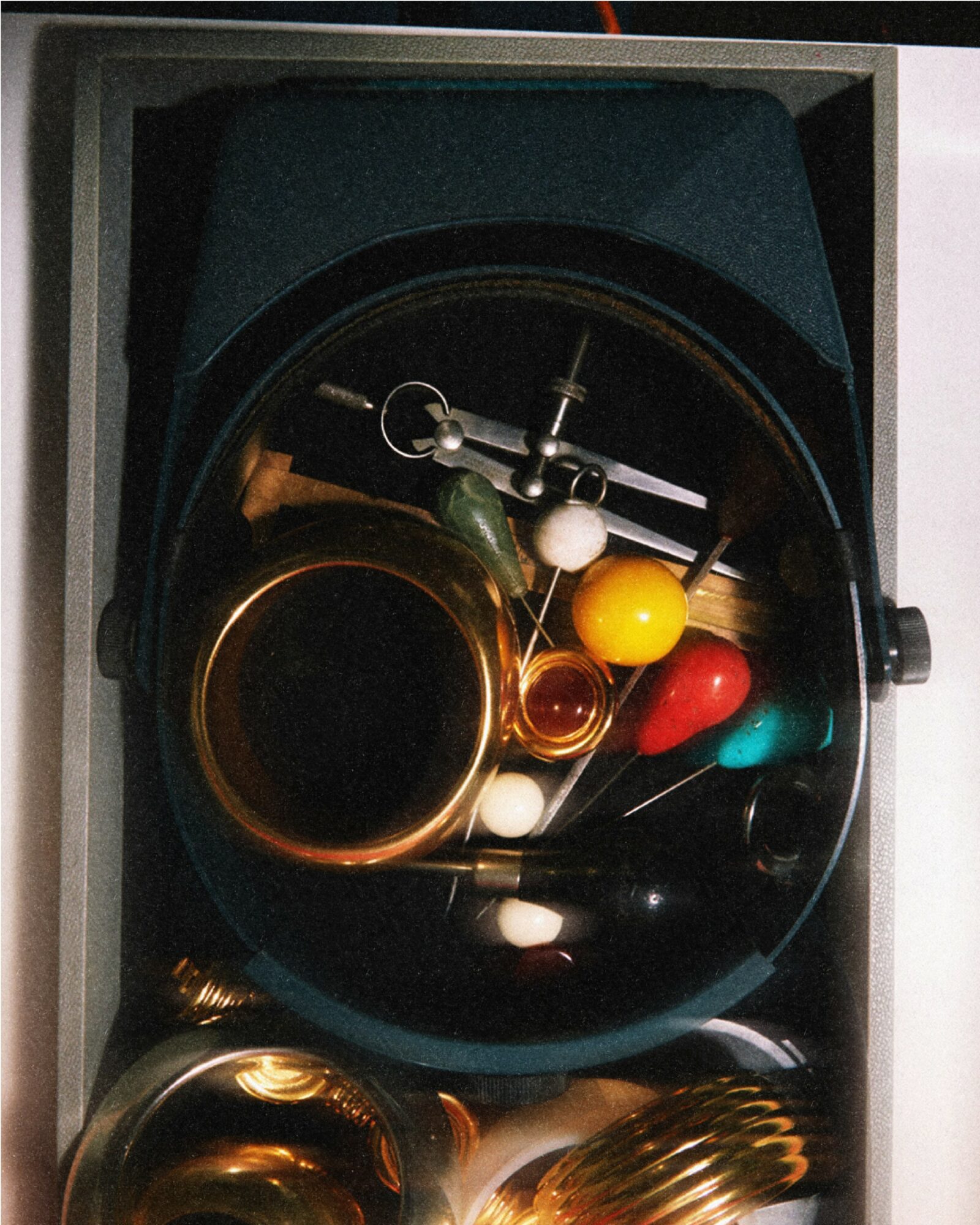
I specialize in merging graphic design with jewelry design to present art from entirely new perspectives. My work frequently transcends the boundaries of traditional art, challenging viewers’ imagination and perception. With powerful visual impact, my creations evoke strong emotional resonance and a sense of participation. I particularly excel at weaving reflections on everyday life into my artistry, employing vibrant patterns and bold colors to convey my unique understanding of life and the world through a distinctive lens.
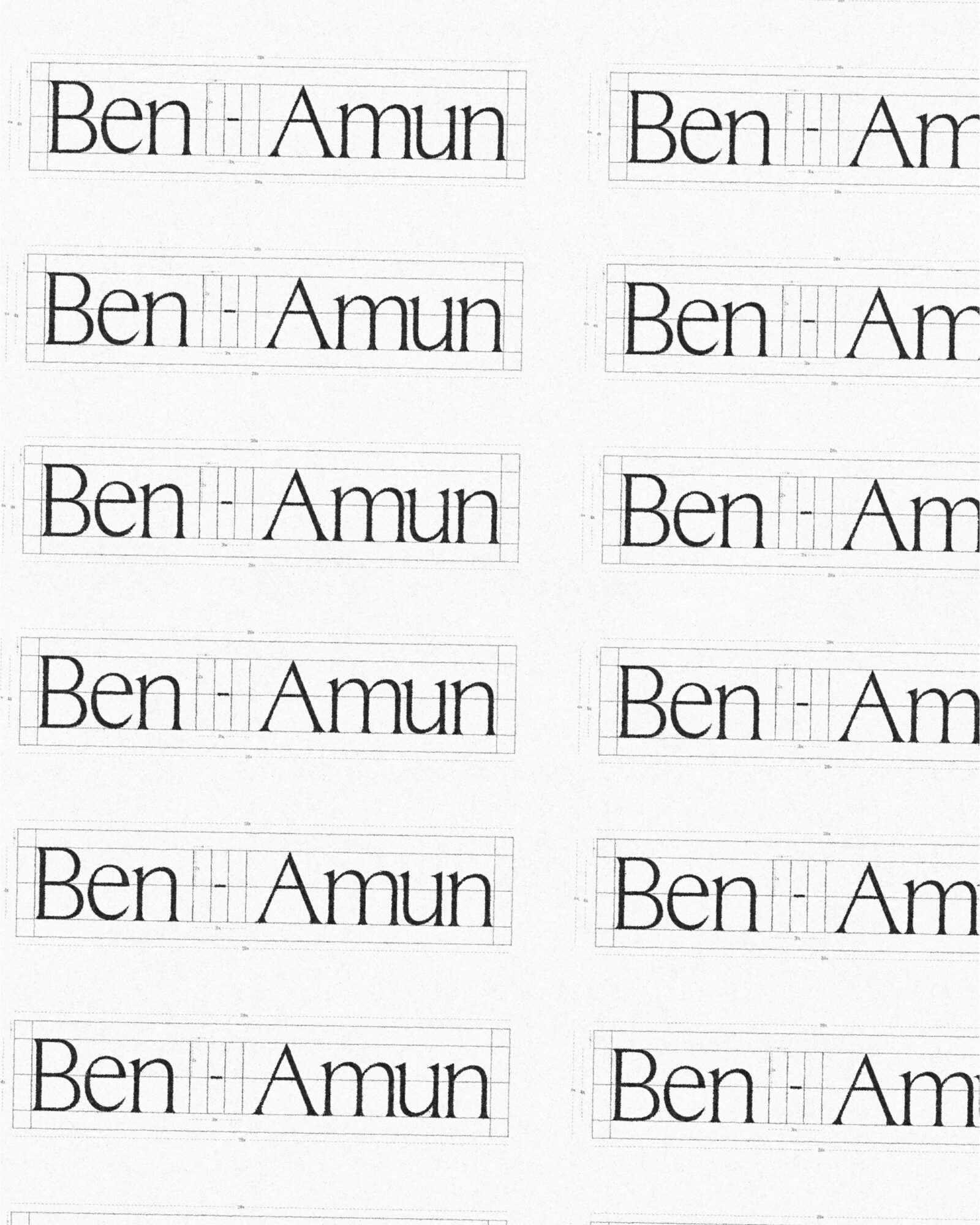
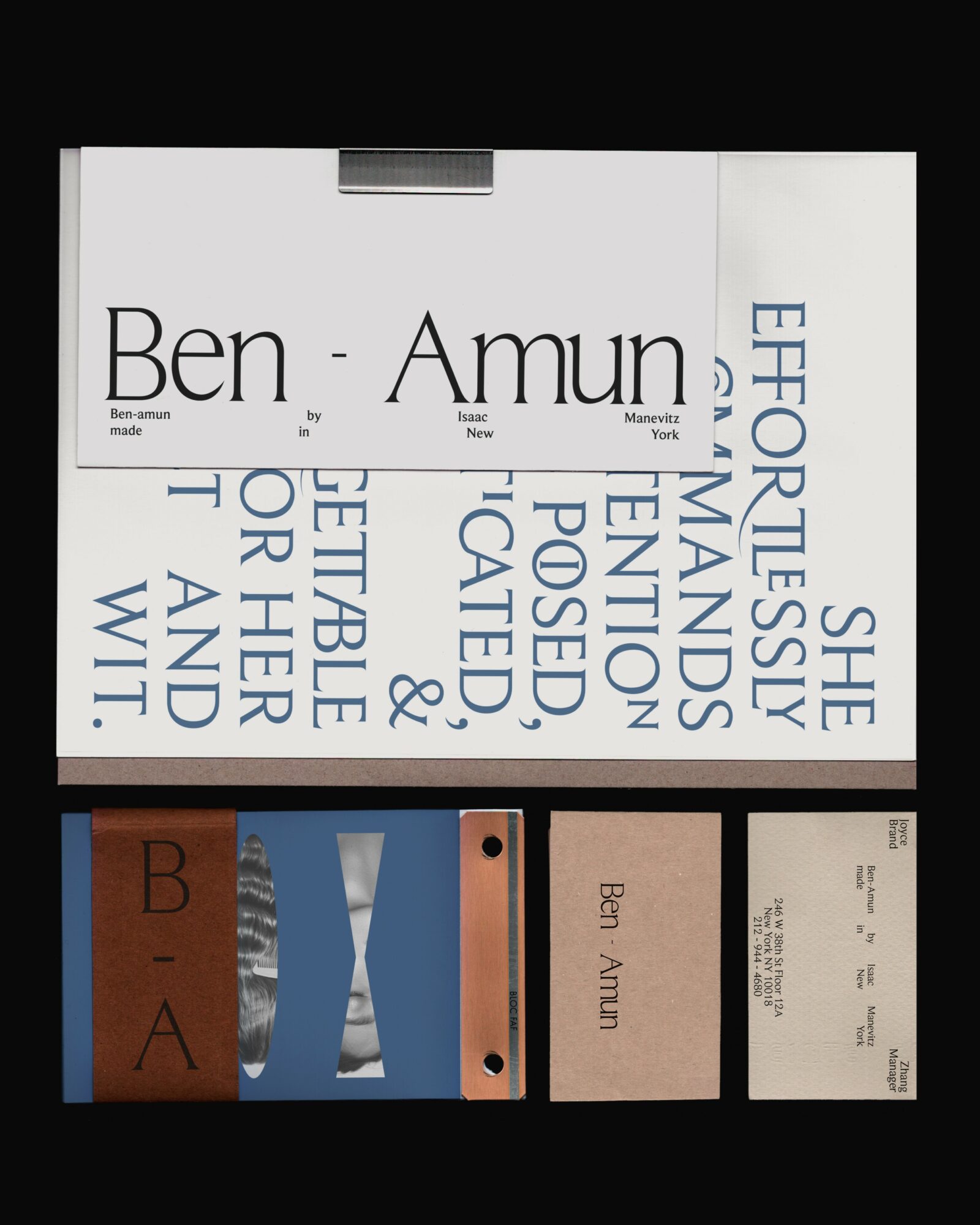
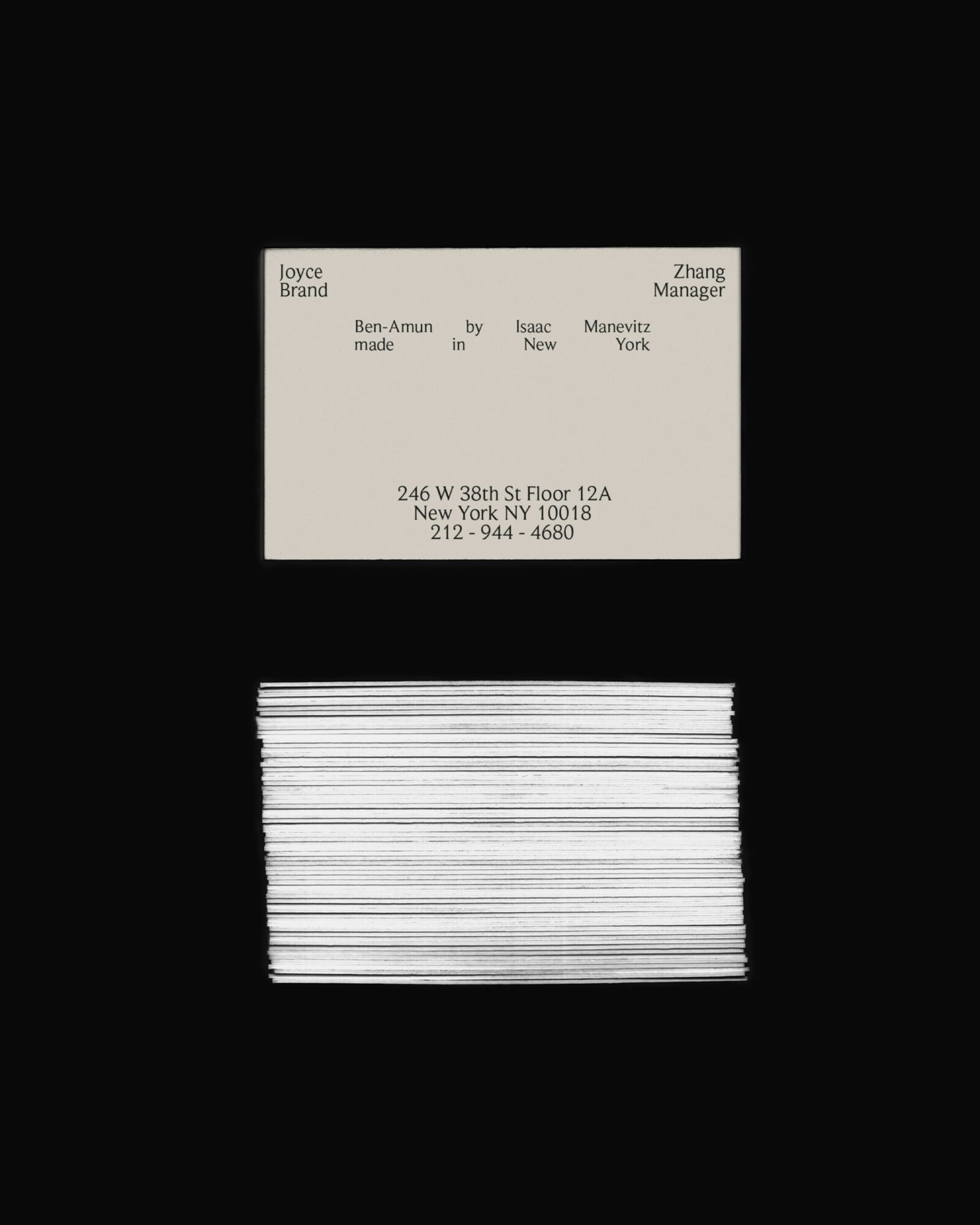
But during this year, i was focusing on my branding and typography works. I recently just finished a major rebranding project for a famous jewelry company called Ben-Amun in NYC. Ben-Amun is a renowned and iconic jewelry brand with a rich history, known for creating exquisite, handcrafted pieces in New York City. Established with a commitment to luxury and timeless style, the brand has become synonymous with sophisticated elegance and artisanal craftsmanship.
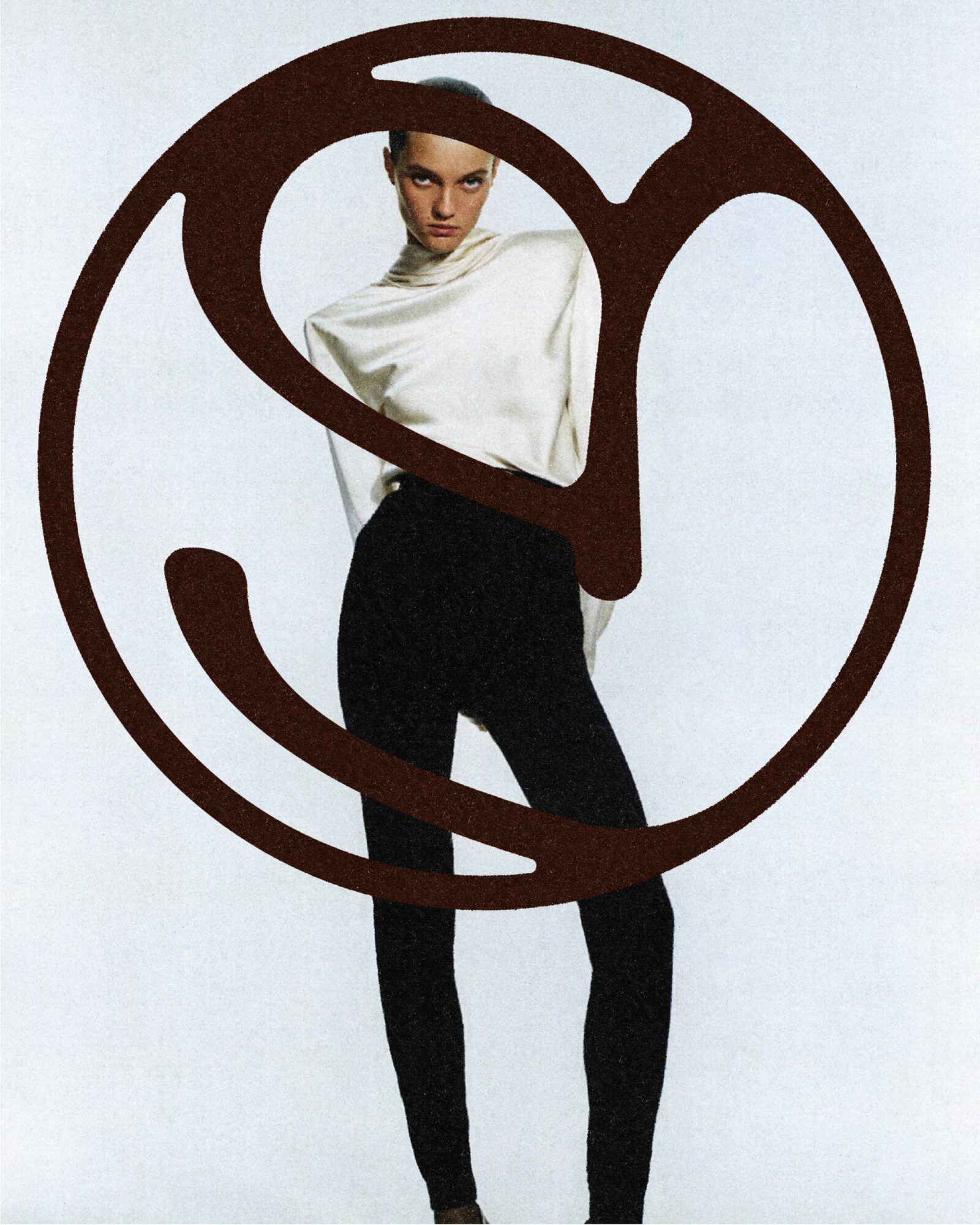
As part of the ongoing efforts to refine and elevate the brand’s identity, I’ve been deeply involved in redesigning their logo. My approach focuses on enhancing its elegance and timeless appeal, making sure the new design resonates with Ben-Amun’s legacy while connecting with a contemporary, fashion-forward audience.
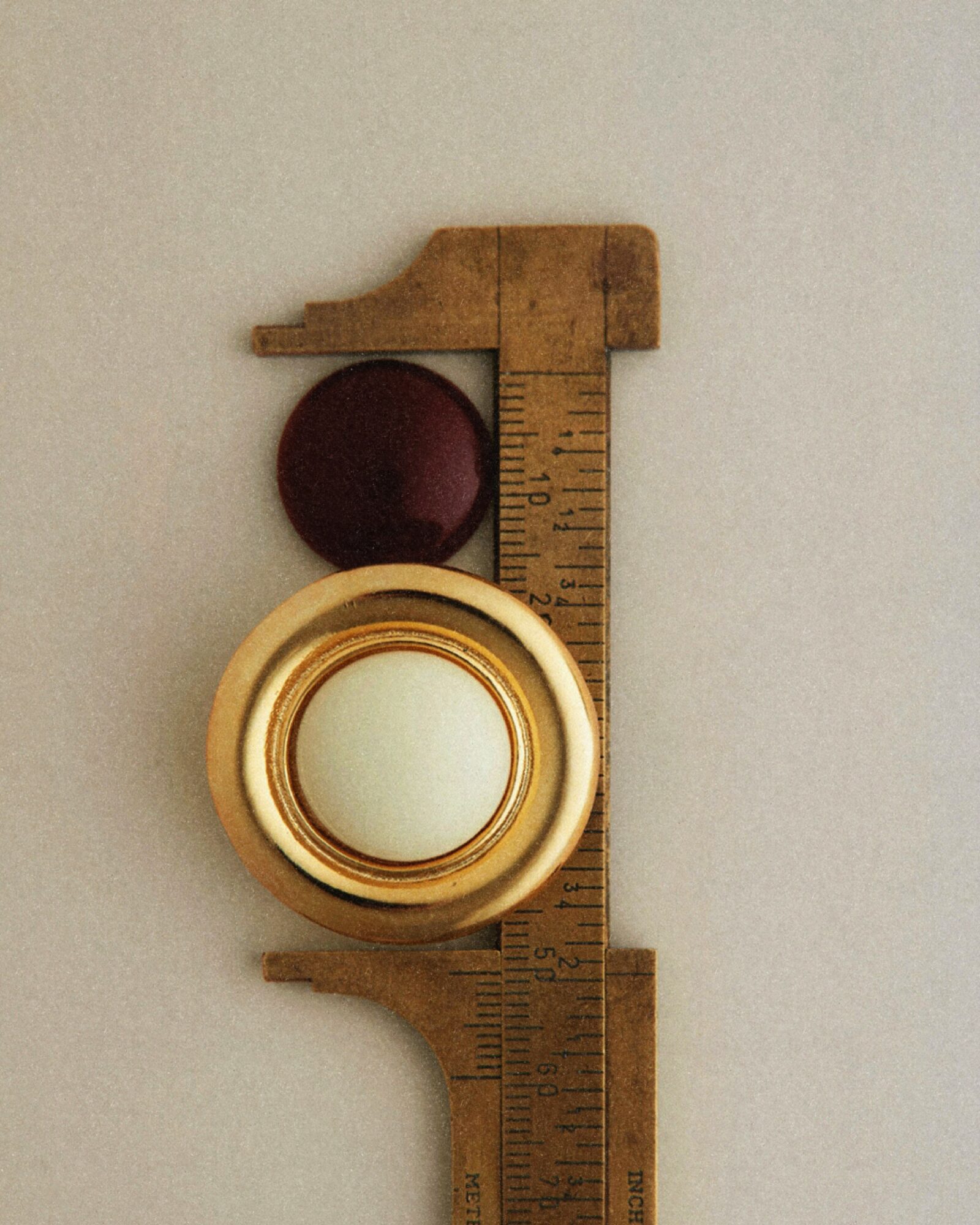
In addition to the logo redesign, I’ve also taken on a key role in art direction for the brand’s highly anticipated Valentine’s Day collection photo shoot. This experience allowed me to creatively oversee the visual narrative of the collection, collaborating closely with photographers, stylists, and the Ben-Amun team to ensure the shoot captured the romance, elegance, and luxury that the jewelry is known for. From set design to styling choices, every detail was thoughtfully curated to emphasize the beauty and uniqueness of each piece, ensuring the shoot radiated timeless appeal and aligned seamlessly with the brand’s luxurious image.
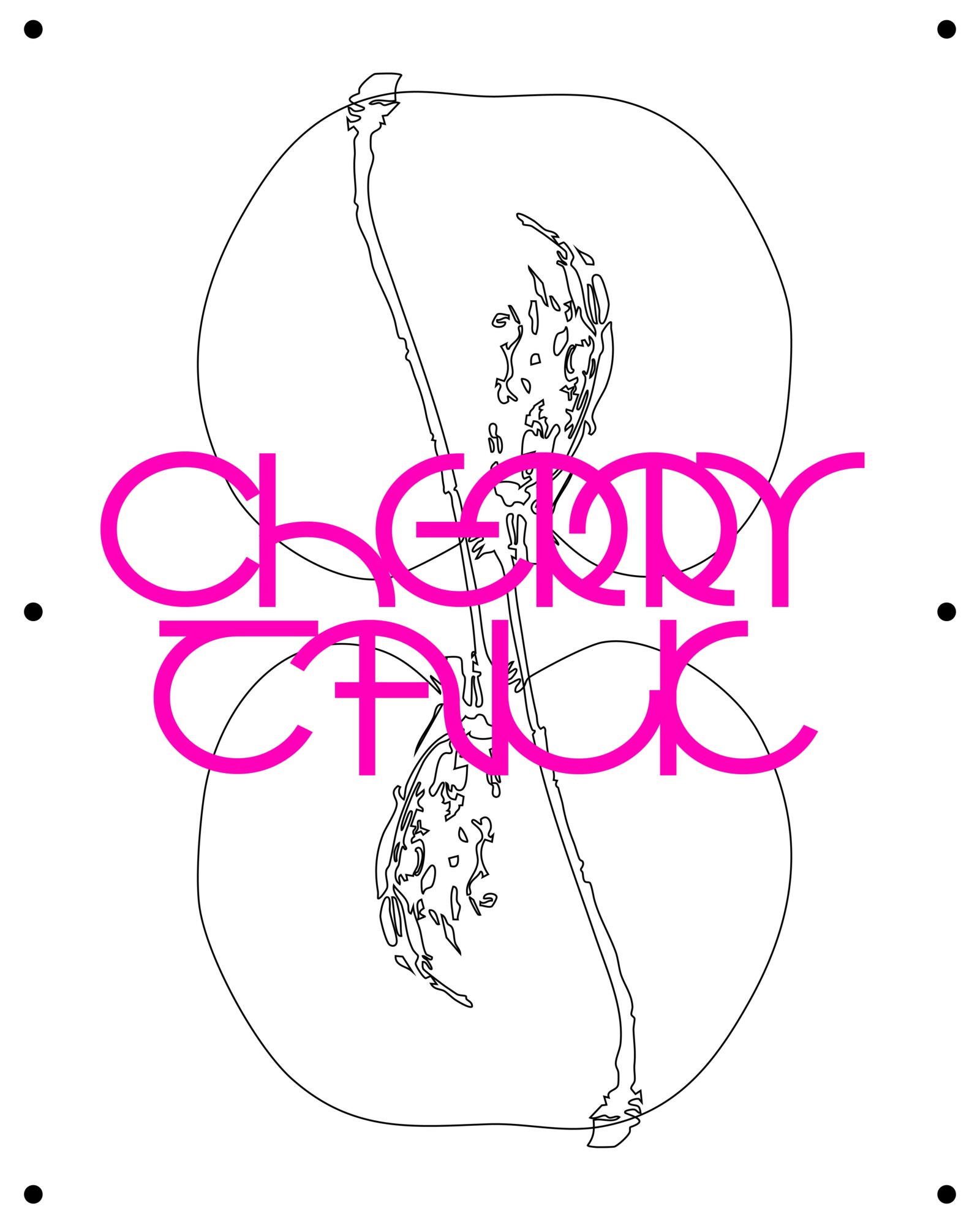
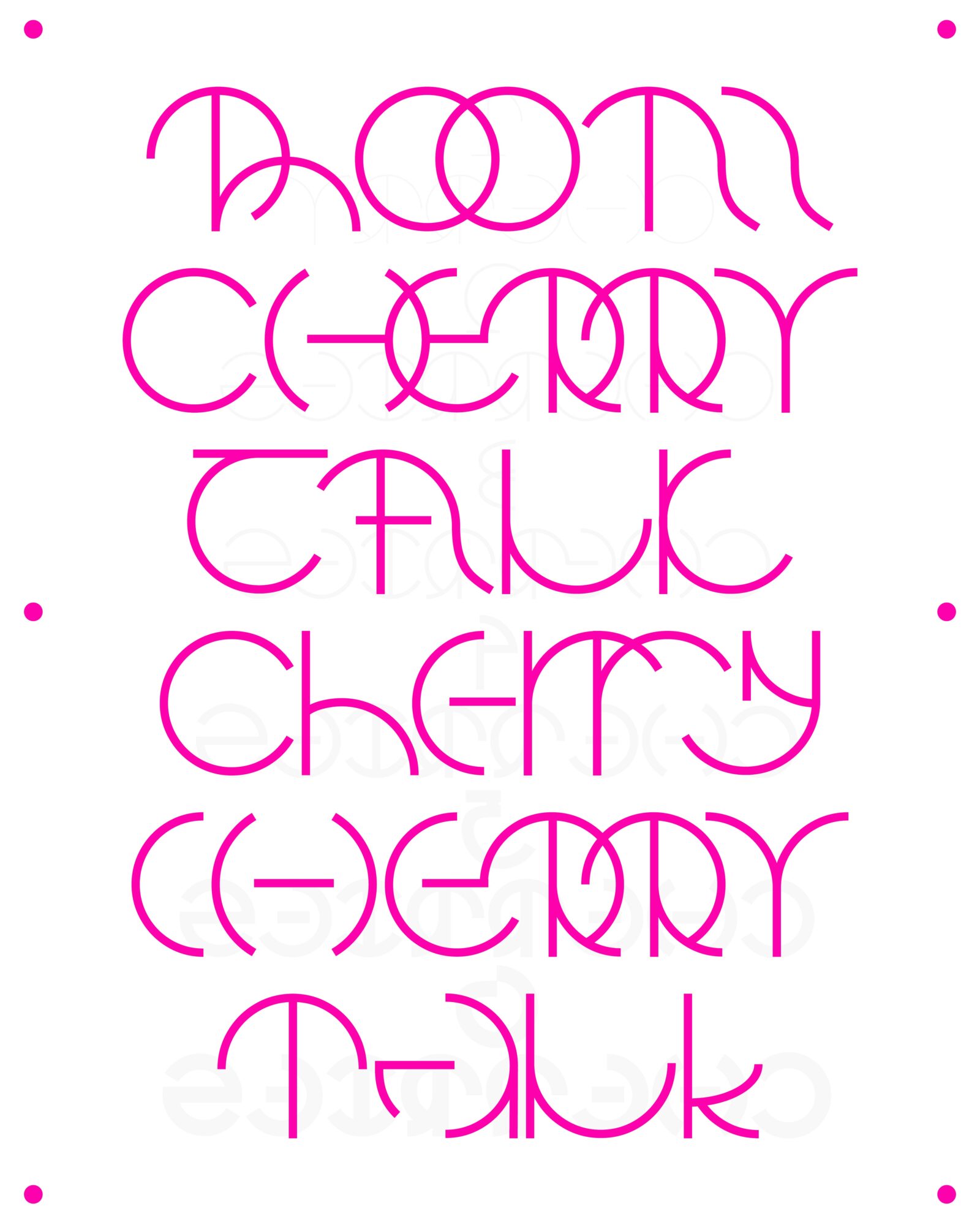
Besides that, I have been making my own typeface too. I just launched “Cherry Talk” display font.
It’s a display typeface inspired by the song Cherry Talk by Triple S, drawing on the playful, bubbly energy of the track. The concept began with the visual language of iMessage: each letterform is constructed from the familiar rounded text-bubble shape, which naturally led to a type system built around circles, soft curves, and inflated geometry. This gives the typeface a friendly, conversational personality that mirrors the song’s tone.
Beyond its stylistic roots, Cherry Talk is also designed as a fully functional variable font. It features a weight axis that ranges from an ultra-delicate hairline to a bold, chunky expression, allowing it to shift from light and airy to loud and impactful depending on the context. This flexibility makes it suitable for a variety of display applications—posters, titles, motion graphics, or any setting where a playful yet polished typographic voice is needed.
Can you talk to us a bit about the role of luck?
As I mentioned earlier, I feel my life, including my career, has always been shaped by visa policies. I came to the United States during the Obama administration, a time when American foreign policy was at its most welcoming. Yet over the past decade, I have witnessed a sharp rightward shift in global politics, increasingly restrictive visa policies, and the chaos of the past year. All of this has compelled me to seek peace in London, which is not that ideal.
Contact Info:
- Website: https://howteeann.com/
- Instagram: https://www.instagram.com/unpluggedboy.inc/
- LinkedIn: https://www.linkedin.com/in/haotian-dong-0a922b199/?skipRedirect=true
Popular
-
Inside the Future of Search: Robb Fahrion on Building a Global Team and Leading the Rise of GEO
-

From Supporting Local Boutiques to Building Brand Partnerships: Cinthia Jensen’s Creative Marketing Journey
-

Building Community Through Curiosity: Nathanial and Samantha Rowe on the Vision Behind UNEARTHED
-

Portraits of the Valley
-

LA’s Most Inspiring Stories
-

Building Creative Bridges: Torrey Tayenaka on Community, Collaboration, and the Future of Sparkhouse


