




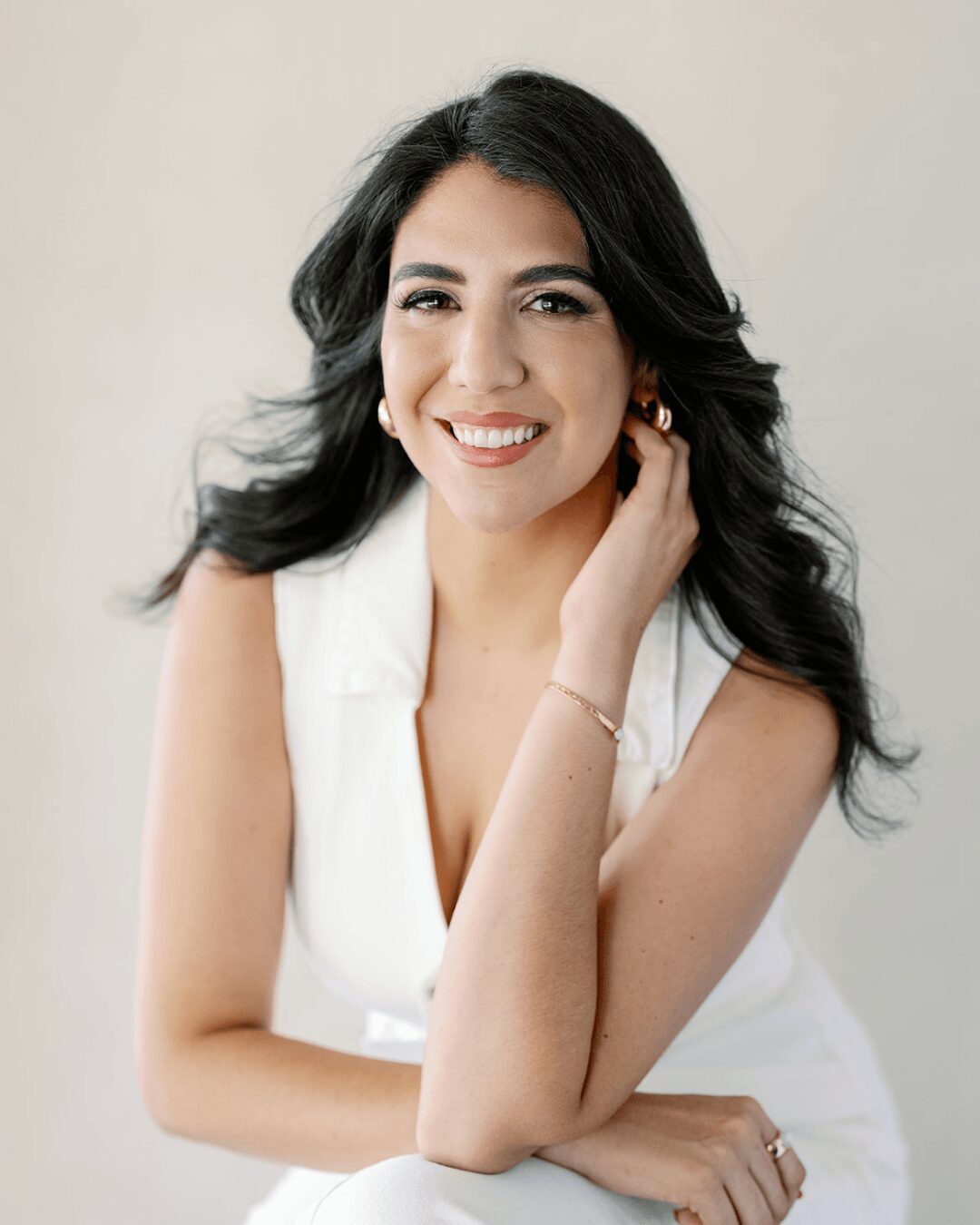
Today we’d like to introduce you to Sabrina Guler.
Hi Sabrina, thanks for sharing your story with us. To start, maybe you can tell our readers some of your backstory.
I have always been drawn to the edge of things. The places where an idea is still a sketch, an industry is just beginning to form, and there is no map yet. That pull has shaped every chapter of my career.
I started my career at Apple in product. It was structured, rigorous, and full of brilliant people. I learned how world class products are built, how products get scaled, and how to work inside a very high bar. It was also the moment I realized I wanted to build in rooms that did not exist yet. So I left the most stable chapter of my life to start from zero.
Shortly after my time at Apple, I co founded my first company and learned what real creation feels like. Where you’re building in silence. Whiteboards covered in offers that are still being sketched out. Celebrating the first customer who says yes. Then the one after that. Over time we scaled into a nine figure business. Scaling is hard. It teaches you about systems, teams, and momentum. But it also taught me a different truth. The biggest opportunities usually appear in risk, not in proof.
That realization is what set up my next chapter. I wanted my day to be spent inside the earliest part of creation, working with founders who are building the first version of something new. So I launched Intuitive CEO to do exactly that. It is an advisory platform for founders in emerging industries where there is no proof of success. I work on positioning, offer design, and the early traction moves that turn a raw idea into a company people understand and want.
From Apple, to entrepreneurship — Every chapter of my career has been defined by choosing growth over comfort. That choice, to keep stepping into uncharted territory, is the through line of my story and the core of my work.
Would you say it’s been a smooth road, and if not what are some of the biggest challenges you’ve faced along the way?
People often see the highlight reel but not the resets. Every time I changed lanes, I truly started over. A new city meant rebuilding community. A new industry meant new clients, new credibility, and a fresh round of people asking what I do and why it matters. Past wins gave me confidence, but they didn’t automatically guarantee success.
Those resets were humbling. More than once, I had to build a pipeline from zero and tell a new story in language that a new audience would actually repeat back. I learned to say no to projects that were close but not aligned, even when it would have been easier to say yes. There were quiet months that weren’t glamorous and many days where I had to choose myself and the vision no one saw, over and over again.
There was also a huge identity shift. Leaving a large company, and later leaving a co-founder role, meant I could no longer rely on a logo or a title to do the talking for me. I became fully responsible for my success, my path, and the value I was creating in every present moment. Taking radical responsibility for my life was clarifying and deeply uncomfortable at the same time.
I also had to unlearn my obsession with perfect timelines. I used to think growth should always look linear. What I’ve learned is that building has a rhythm. Some seasons are about research and relationships, others about sales and traction, and others about brand and storytelling. Fighting the season you’re in slows everything down; respecting it allows the next one to compound faster.
What’s carried me through has been simple but consistent: finding solutions for real world problems, building long term relationships with people that are building parallel life paths, and accepting the season I’m in, over and over again. When you focus on solutions, relationships, and compounding momentum, the resets stop looking like setbacks, they become the foundation for what comes next.
Alright, so let’s switch gears a bit and talk business. What should we know?
My business is called Intuitive CEO, and I work directly with founders to take their ideas from concept to traction. I focus on first-to-market companies and offers in wellness, consumer products, and technology. Often times businesses that are creating something totally new and need clarity on how to bring it to market.
What I do is very hands-on. I help founders:
– Define their offers and services so it’s clear and compelling
– Sharpen their positioning so it resonates with the right audience
– Build go-to-market strategies that lead to fast-traction
That can look like creating a launch plan for a new product, designing consumer or product experience, or mapping out a customer acquisition strategy that is profitable and converts. I also develop frameworks founders can use again and again so they aren’t just getting advice, they’re building tools and systems that compound over time.
What sets me apart is the combination of market research, strategy, and creative insight. I stay close to customers, I study industry patterns, and I translate that into strategies founders can act on immediately. My goal is not just to give ideas, but to create a roadmap a team can run with.
What I’m most proud of is seeing founders go from “we have a great idea but don’t know how to explain it” to having a story, a strategy, and profitability a few months later. Those moments when a founder suddenly feels confident pitching investors, landing their first big client, or seeing significant traction in their market — that’s what Intuitive CEO is all about.
Before we let you go, we’ve got to ask if you have any advice for those who are just starting out?
Start with the market before you aim for perfection. Ten real conversations with the exact customers you want will beat a hundred guesses. Ask what they are already paying for, what they tried that failed, and what would make them switch today. Write down exact phrases. Use their language in your positioning.
Make one clear promise. Early companies die from moving too slow and not listening to their ideal customer. If people cannot remember how you help them, they won’t buy from you. Choose a single use case that converts and win it early. Perfection can come later.
Design for traction, not theater. Pick three traction moves you can execute in the next ninety days. For example, a pilot with a single retail partner, a referral loop with a small but real incentive, and a content series that answers the top five buyer objections.
Price with intent. Cheap does not equal easy. Price should reflect the value of the outcome and the risk you remove. Test a few price points with actual buyers before you scale anything long-term.
Publish your thinking. A simple weekly note about what you are learning will attract your buyers, build community and will also force clarity. You do not need a perfect brand to start. You need a point of view that is useful and engaging.
Expand your environment by getting into the right circles. If you want to create products in emerging industries, sit with people who are living and breathing and pioneering their own emerging industries. The right conversations with people who are on your path, can compress time.
Protect your runway and your energy. Say no to work that looks close but pulls you off mission. The fastest way to get where you are going is a easy yes and a simple no.
Finally, let yourself dream bigger earlier. Small goals keep you safe. Big goals force better conversations and pave the path to scale, much earlier.
Contact Info:
- Website: https://www.sabrinaguler.com
- Instagram: https://www.instagram.com/sabrinamguler/
- LinkedIn: https://www.linkedin.com/in/sabrinaguler
- Other: https://sabrinaguler.substack.com



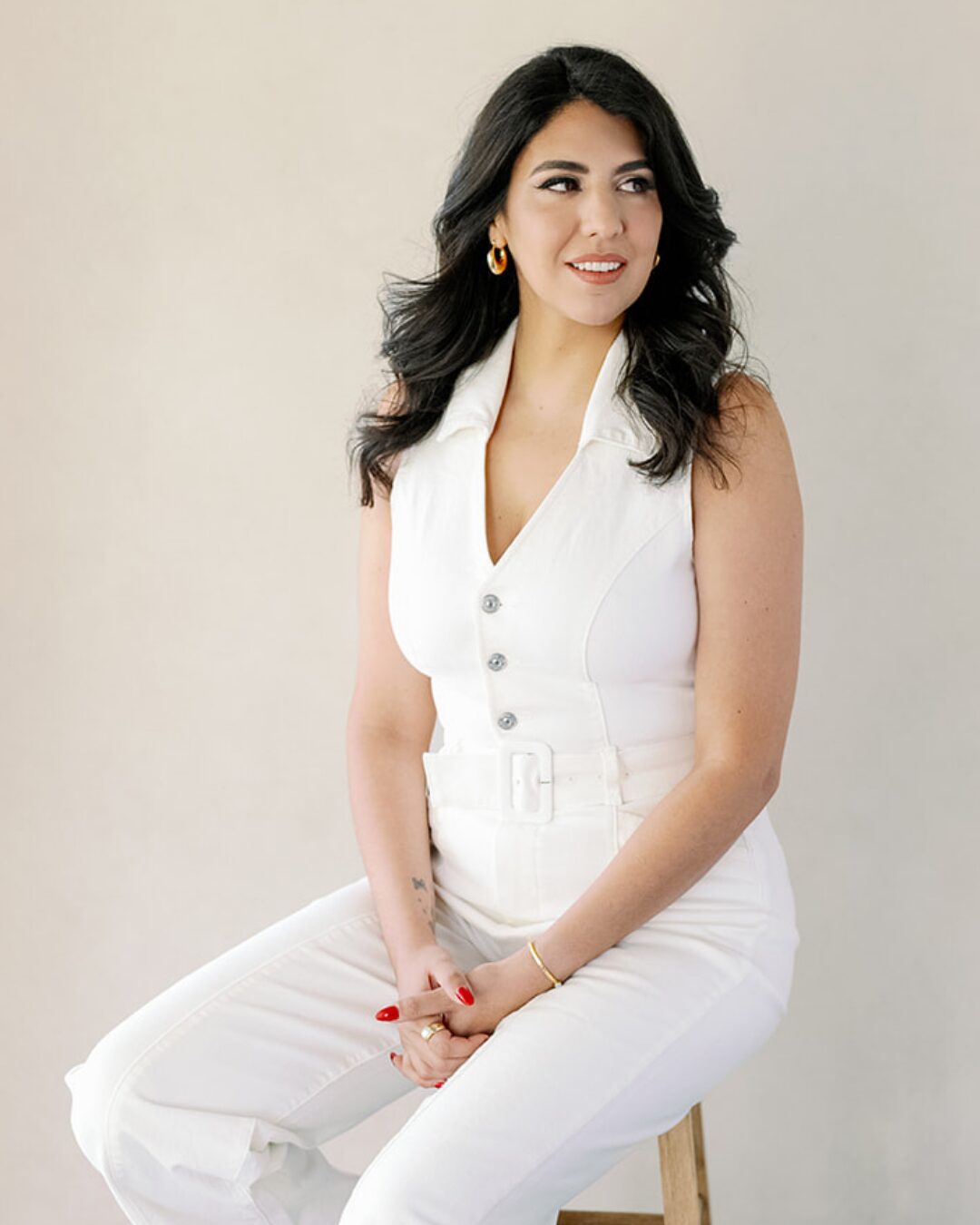
Image Credits
Rachel Solomon
Lucero Rivero
Popular
-
Inside the Future of Search: Robb Fahrion on Building a Global Team and Leading the Rise of GEO
-

From Supporting Local Boutiques to Building Brand Partnerships: Cinthia Jensen’s Creative Marketing Journey
-

Building Community Through Curiosity: Nathanial and Samantha Rowe on the Vision Behind UNEARTHED
-

Portraits of the Valley
-

LA’s Most Inspiring Stories
-

Building Creative Bridges: Torrey Tayenaka on Community, Collaboration, and the Future of Sparkhouse


