




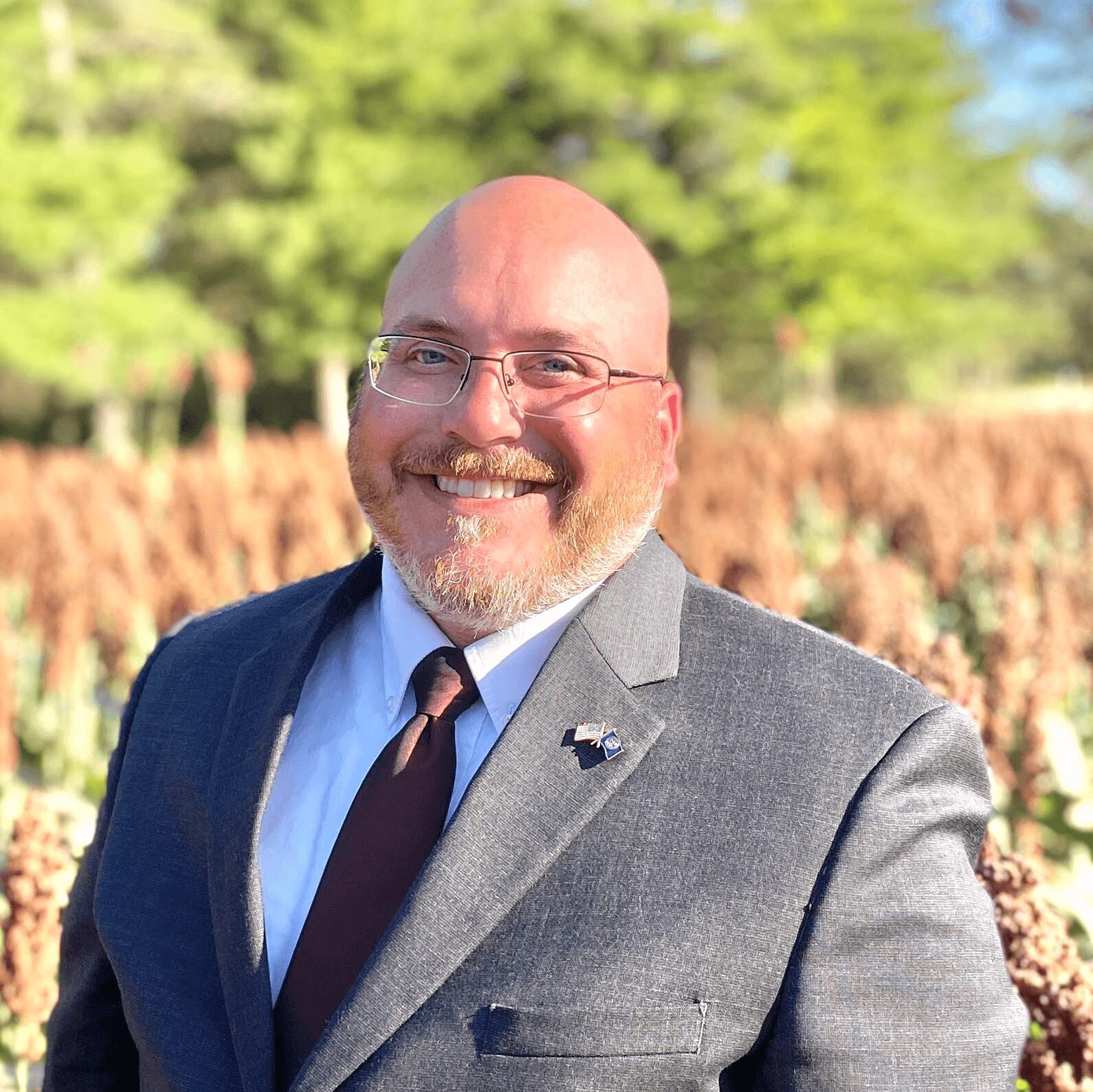
Today we’d like to introduce you to Nate Blum
Alright, so thank you so much for sharing your story and insight with our readers. To kick things off, can you tell us a bit about how you got started?
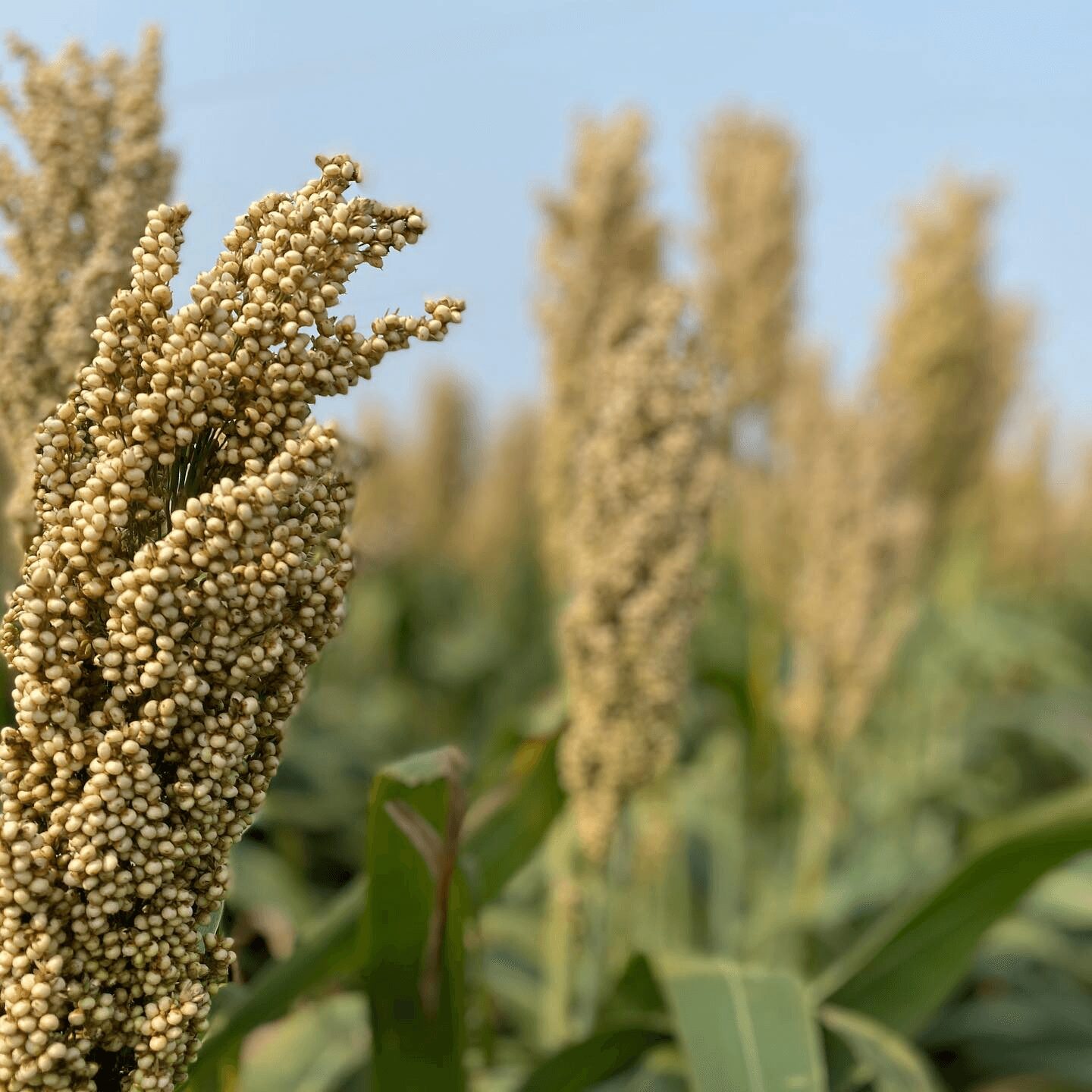
I grew up on the farm, and we grew sorghum in our rotation at that time. However, I didn’t know very much about it. As a young person, I was encouraged to find work off the farm due to the farm crisis of the 1980’s in the US. Thus, I eventually ended up becoming the agriculture policy and outreach director in the First Congressional District of Nebraska. During that time, my father passed away and I was tasked with managing our fourth-generation family farm. I discovered a desire at that time to become more directly involved in agriculture beyond just the federal policy issues.
As luck would have it, the Executive Director of the Nebraska Grain Sorghum Board was retiring at that time. I was given the opportunity to lead that organization, which I did for four years. As I learned more about the health and environmental benefits of sorghum, and recognized the shared challenges that our generation faces, I saw clearly that sorghum and millets can serve a vital role in solving these challenges.
While I was the Executive Director at the Nebraska Sorghum Board, I attended a European sorghum summit in Toulouse, France. At this conference, I heard peers discuss the challenges that they faced in the industry. Recognizing that these challenges were shared by our industry in the US, I brought together a few of the key players under the auspices of finding ways to work together. Growing the pie instead of fighting over the same small piece, so to speak.
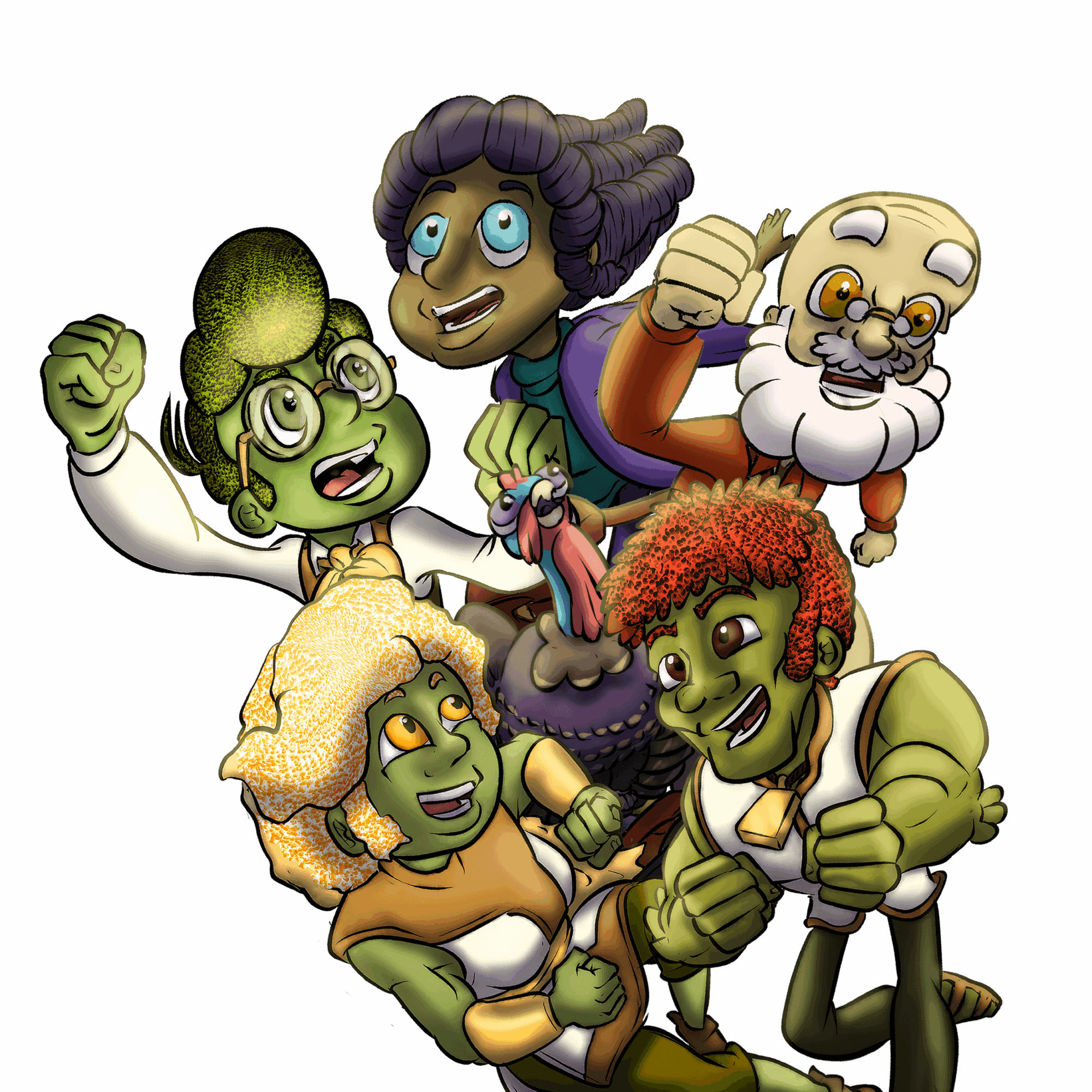
The first challenge we addressed was the fact that sorghum has a different name wherever one goes in the world. This is to be expected as it is an ancient heritage grain shared by various cultures all over the globe. We decided to address this, and in preparation for the International Year of Millets (IYM) at the United Nations Food and Agriculture Organization (UNFAO), by developing characters that represented the various aspects of the grain alongside it’s benefits. Thus, a poster series was created featuring the first appearance of the Sorgho Squad. The posters were on display the opening ceremony of the IYM at the UNFAO.
I attended the opening ceremony and observed that there were no other delegates from the sorghum industry in North America and there were very few from Europe. Most of the delegates were from India and Africa. Thus, our group decided that it was incumbent upon us to lead the effort outside of those more represented regions. I came home from that event, resigned my position at Nebraska Sorghum, and began Sorghum United full time as an NGO, bootstrapping the effort as one would a startup organization. In the time since January 2023, we’ve grown from a few hundred stakeholders to over three thousand located on every habitable continent. We’ve done dozens of media interviews all over the world, including a live BBC interview from Rome. I’ve spoken at numerous universities around the world and have signed memorandums of understanding with nearly twenty academic, private sectors, governmental, think tanks, and philanthropic organizations. Readers can learn more about our organization at: sorghumunited.com.
Can you talk to us a bit about the challenges and lessons you’ve learned along the way. Looking back would you say it’s been easy or smooth in retrospect?
What we are really working on is creating sustainable and systemic changes to our established global food systems. And, as you may know, systems don’t always like to change. So, yes. There are struggles alongside the wins.
We believe that systemic change of this nature has to happen from the ground up. From creating consumer awareness and demand which then forces the system to change. However, most consumers largely are unfamiliar with sorghum and millets. Consumer awareness is thusly our first challenge.
We also struggle with existing agricultural paradigms which unduly favor a handle of crops over others. In this matter, we remind people that there is room on the plate for all grains. We don’t disparage other agricultural products and industries, rather we say that we can all win through the inclusion of more diversified cropping systems which include sorghum and millets. Unfortunately, agricultural systems do not change easily. Budgets are based upon yields and some political systems actually work to ensure that sorghum in particular continues to be traded at the lowest possible price to one particular foreign nation in particular.
All that said, we have made incredible inroads on every habitable continent on the planet. Our network continues to grow and seemingly every day a new collaboration presents itself. Challenges provide opportunities.
Thanks for sharing that. So, maybe next you can tell us a bit more about your work?
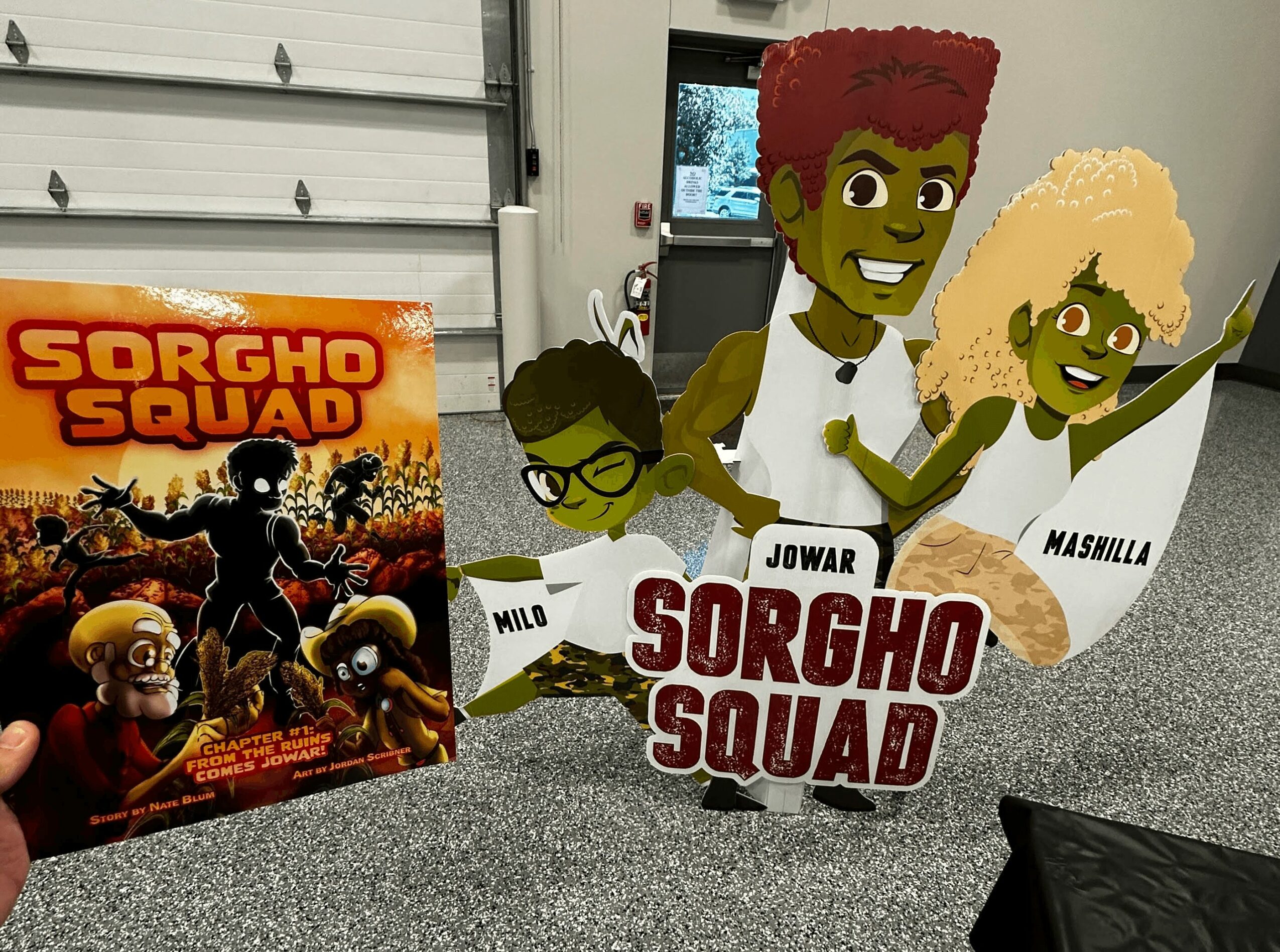
I am most proud of our children’s book series, the “Sorgho Squad”. This project represents not only our primary funding source at Sorghum United, but also our consumer awareness campaign. The series is a comic-book style adventure which spans the globe. I describe them as “Indiana Jones meets Captain Planet”. Reviews have highlighted the lessons in multiculturalism, heritage, history, sustainability, and diversity. Most importantly, they are not only educational, but also fun.
As for the Sorgho Squad character names; Jowar is the common nomenclature in India. He represents the industrial applications for sorghum. Mashilla is the common nomenclature in Ethiopia. She represents the human and animal health benefits of the grain. And, Milo is the common name of sorghum in North America. He represents the environmental benefits of sorghum. Professor Sorgho represents the European term for sorghum. He and Alice Atlas are our guides through the Sorgho Squad journey.
The first three books in the series are published and available at sorghosquad.com. The next three are written, but we are not published to date. I can share that in the fourth book, the Squad gets a super-cool base in the form of a space station. The fifth and sixth books introduce additional millets characters.
We’d love to hear about any fond memories you have from when you were growing up?
Wehn not helping my father on the farm, I spent most of my time exploring the nearby creek. The Little Blue River ran just a quarter mile from my home. Many summer days were spent looking for animal tracks, clam shells, arrowheads, and other treasures. A fabulous experience for a young person to entertain their creativity and appreciation for nature.
Contact Info:
- Website: www.sorghumunited.com and www.sorghosquad.com
- Instagram: @sorghumunited @sorghosquad
- Facebook: @sorghumunited @sorghosquad
- Twitter: @sorghumunited
- Youtube: @sorghumunited


Popular
-

Maagic Collins on Building a Fearless Publishing Platform for Truth, Advocacy, and Underrepresented Voices
-
Los Angeles Barea on Turning Green Superheroes into a Global Movement for Youth-Led Change
-

Trisha DuVivier on Bridging the Franchisor–Franchisee Divide with Workhero and “Franulate”
-

Portraits of the Valley
-

LA’s Most Inspiring Stories
-

Cedar Boschan on Elevating Black Music Rights and Driving Urgent Conversations Around Credit, Equity, and Artist Protection


