




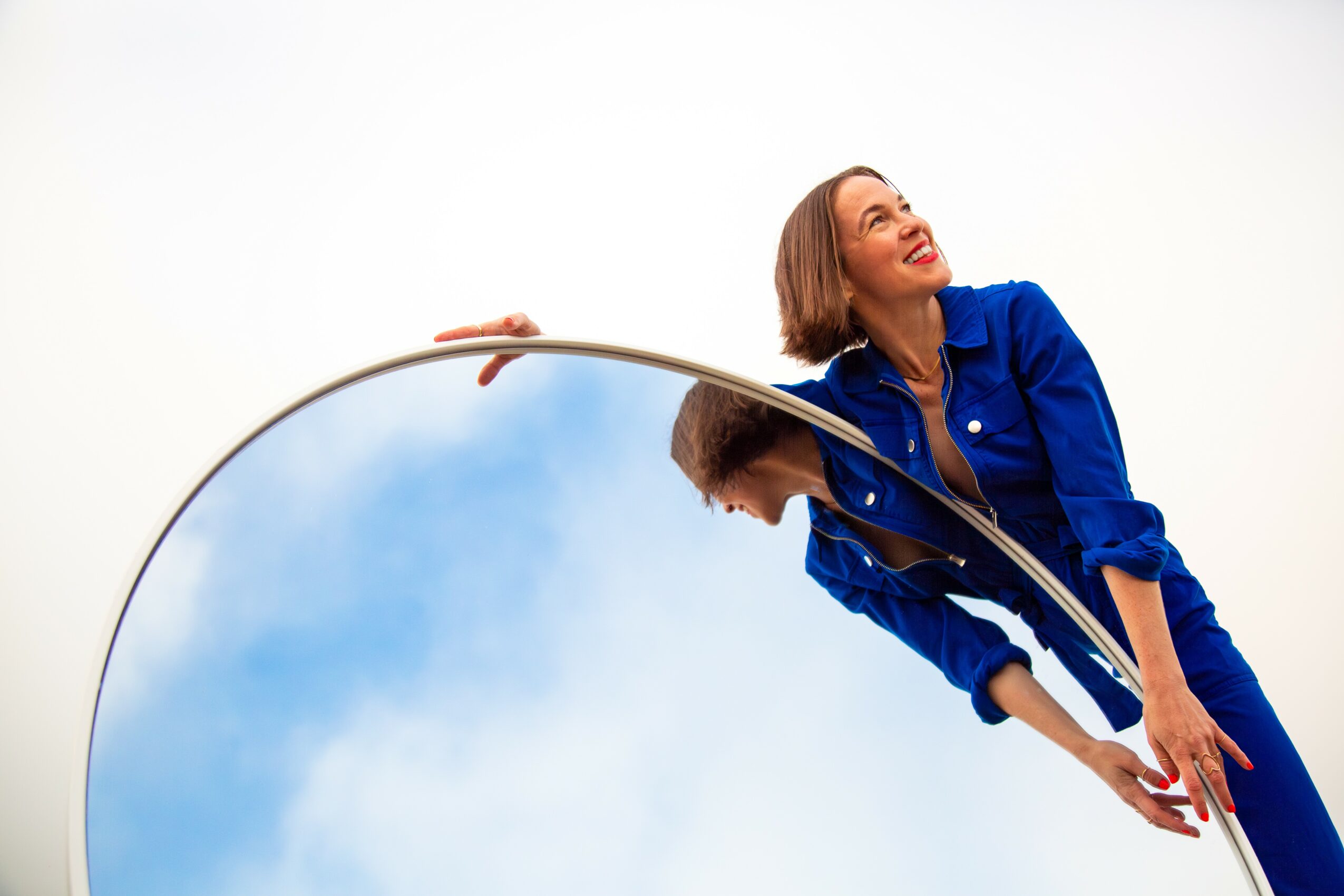
Today we’d like to introduce you to Natalie Kuhn.
Hi Natalie, can you start by introducing yourself? We’d love to learn more about how you got to where you are today?
The idea for Make The Sun emerged just after the lockdown in March 2020. At the time, my partner and I were living in a small one-bedroom apartment in Brooklyn, just around the corner from Brooklyn Hospital, an epicenter of some of the worst COVID-19 cases in New York City. On the other side of the country, my father was suiting up in hazmat gear every day as the head pulmonologist in the intensive care unit at his hospital. It might feel like a distant past now, but for us, the fear and uncertainty were immediate and overwhelming.
I was desperate for hope—for faith that my dad would survive treating every COVID patient, that the line of people waiting outside the Brooklyn Hospital ER visible from our window would shorten, and that the world would heal quickly. One day, in an effort to shift my perspective, I took washable markers and began drawing poetic invitations on our windows—ways to reframe how we might see our situation and our city. One of the first messages read: you make the sun. The idea was that, while our circumstances were beyond our control, we held the power to meet them in a good way.
Eventually, these window invitations spread to my dresser mirror. By Christmas 2020, I decided to create a series of pocket mirrors to share this practice of seeing with compassion and intention with others. And with that, Make The Sun was born. What began as poetic mirrors has since evolved into a living, breathing ecosystem of offerings—including workshops, retreats, and my event series Sun Service, which brings together music, philosophy, and practice to help us feel more awake and more alive. Sun Service is rooted here in Los Angeles but also livestreamed for a growing global community—because the need to reconnect to what is sacred, embodied, and true knows no geographic boundary.
I’m sure it wasn’t obstacle-free, but would you say the journey has been fairly smooth so far?
Is anything ever a smooth road? (partly laughs, partly weeps) Starting a new business—especially against the backdrop of ongoing national and global crises, from wildfires here in LA to deep political polarization and a general sense of societal upheaval—has come with no shortage of challenges. On a practical level, there’s the ever-present stress of building sustainable revenue streams, navigating the chaotic mess that is health insurance, and constantly adapting to shifting economic landscapes. But the emotional and mental toll can be even more profound. There are the quieter, more private questions: Is this going to work? I’m out here without a net. Will I be okay—will my family be okay—in this unpredictable climate?
I want to acknowledge that my challenges, while real, are not unique—and certainly not the most severe. I carry a great deal of privilege even in being able to take this leap, to dream and create. Still, I believe one of the biggest obstacles any of us face in building a life that’s more aligned with who we are is our deep attachment to the one we already know. We become rooted in what’s familiar, even if it no longer fits.
Neuroscience offers an explanation: our basal ganglia, the part of the brain responsible for recognizing and reinforcing patterns, lights up when we encounter the unknown. It sends out an internal alarm—“File not found! Is this a threat?”—not because the new direction is wrong or dangerous, but simply because it’s unfamiliar.
And so much of the work—in business, in healing, in living—is learning to stay with that discomfort. To gently teach ourselves that unfamiliar doesn’t necessarily or always mean unsafe. That we can move toward change with compassion and courage. The road may not be smooth, but it can be meaningful. And it can lead to something more aligned, not just for ourselves, but for the communities we’re a part of.
Appreciate you sharing that. What else should we know about what you do?
My work lives at the intersection of emotional healing, nervous system support, and compassionate attention. Through Make The Sun, I create tools, teachings, and spaces that help people soften the noise of the world and reconnect to their inner knowing. In a time when so many of us are overextended, overwhelmed, and emotionally saturated, I offer grounded practices for presence, self-regulation, and perspective.
I specialize in helping people interrupt reactive cycles—whether that’s anxiety, perfectionism, burnout, or self-abandonment—and instead build rituals of care, attention, and inner steadiness. My work is rooted in science, spirituality, and the gentle—but often radical—idea that you can meet yourself where you are, without needing to be “fixed” first.
What I’m most proud of is the tenderness that underlies everything I create. I’m not offering a path to self-optimization; I’m offering a path to self-remembrance. I help people come back to their center—not to escape the world’s pain, but to resource themselves enough to face it with clarity, empathy, and resilience.
What sets Make The Sun apart is that it’s not prescriptive, performative, or trend-driven. It’s personal. It’s poetic. It’s built on the belief that tending to your spirit isn’t separate from tending to the world—that how we care for ourselves is how we learn to care for others, for the planet, for justice.
Part of what excites me most about building Sun Service here in Los Angeles—while currently studying in an interfaith seminary—is the opportunity to create spaces that are spiritually nourishing without being exclusive. Sun Service is about building bridges: between the sacred and the everyday, between science and spirit, between strangers who might otherwise never cross paths. It’s a space where music, reflection, and shared humanity meet—and from that meeting, something deeply healing begins to take shape.
This work invites people to be both more grounded and more expansive. To be soft in a world that so often demands hardness. To stay awake in a time that rewards numbing out. And to remember that our attention—what we choose to notice, nourish, and nurture—is one of our most powerful tools for change.
Let’s talk about our city – what do you love? What do you not love?
Before the January 7th fires, I might have answered this question very differently. But in the wake of such devastating loss, something profound has shifted in Los Angeles—something I never imagined I’d see in such a sprawling, often isolating city: a collective awakening to our interconnectedness.
For so long, the joke was that you could live next to someone for years and never know their name. We’ve called each other a lot of things in this city—drivers, actors, influencers, strangers—but rarely did we use the word “neighbor” in its truest sense. That’s changed.
Now, I don’t just know my neighbors’ names—I have their phone numbers, I have their spare keys, and they have mine. We check in on each other. We show up. We’ve remembered that we need each other—not just in times of crisis, but as a way of life. And that, to me, is the most beautiful part of this city right now: the reminder that underneath the surface of palm trees and freeways is a community learning to truly see and care for one another.
As for what I like least—it’s that it took disaster to wake us up to this. LA can be a city of silos, of curated lives and physical distance. We’ve long struggled with a culture of disconnection—between neighborhoods, between identities, between realities. But my hope is that what we’ve learned from this moment won’t be forgotten. That we won’t go back to pretending we don’t need each other. Because we always have. And now we know it.
Pricing:
- I’m not sure what this question means.
Contact Info:
- Website: https://youmakethesun.com
- Instagram: https://www.instagram.com/thisisnatalie/?hl=en
- LinkedIn: https://www.linkedin.com/in/thisisnatalie/
- Youtube: https://www.youtube.com/@YouMakeTheSun
- Other: https://substack.com/@youmakethesun
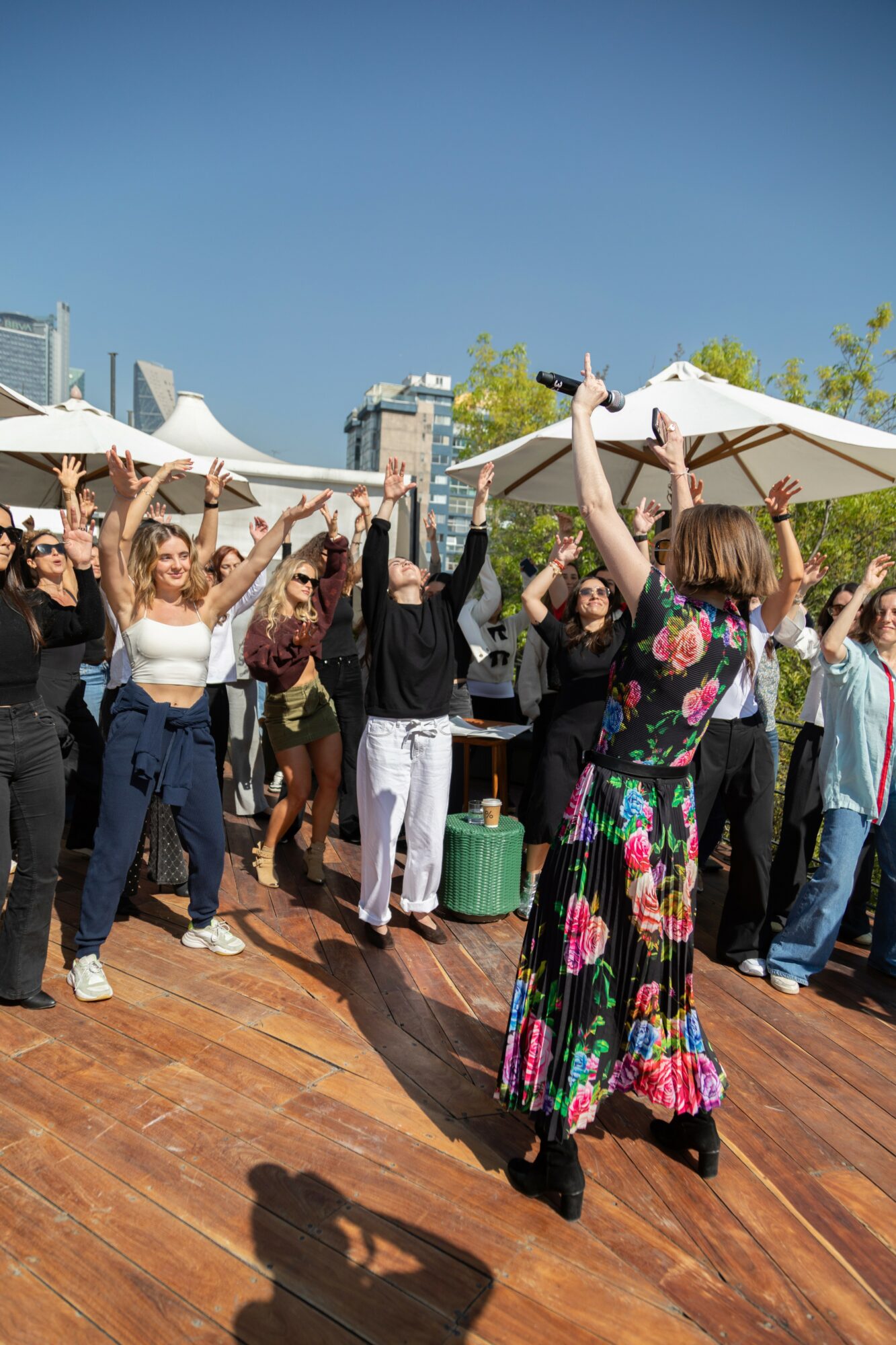
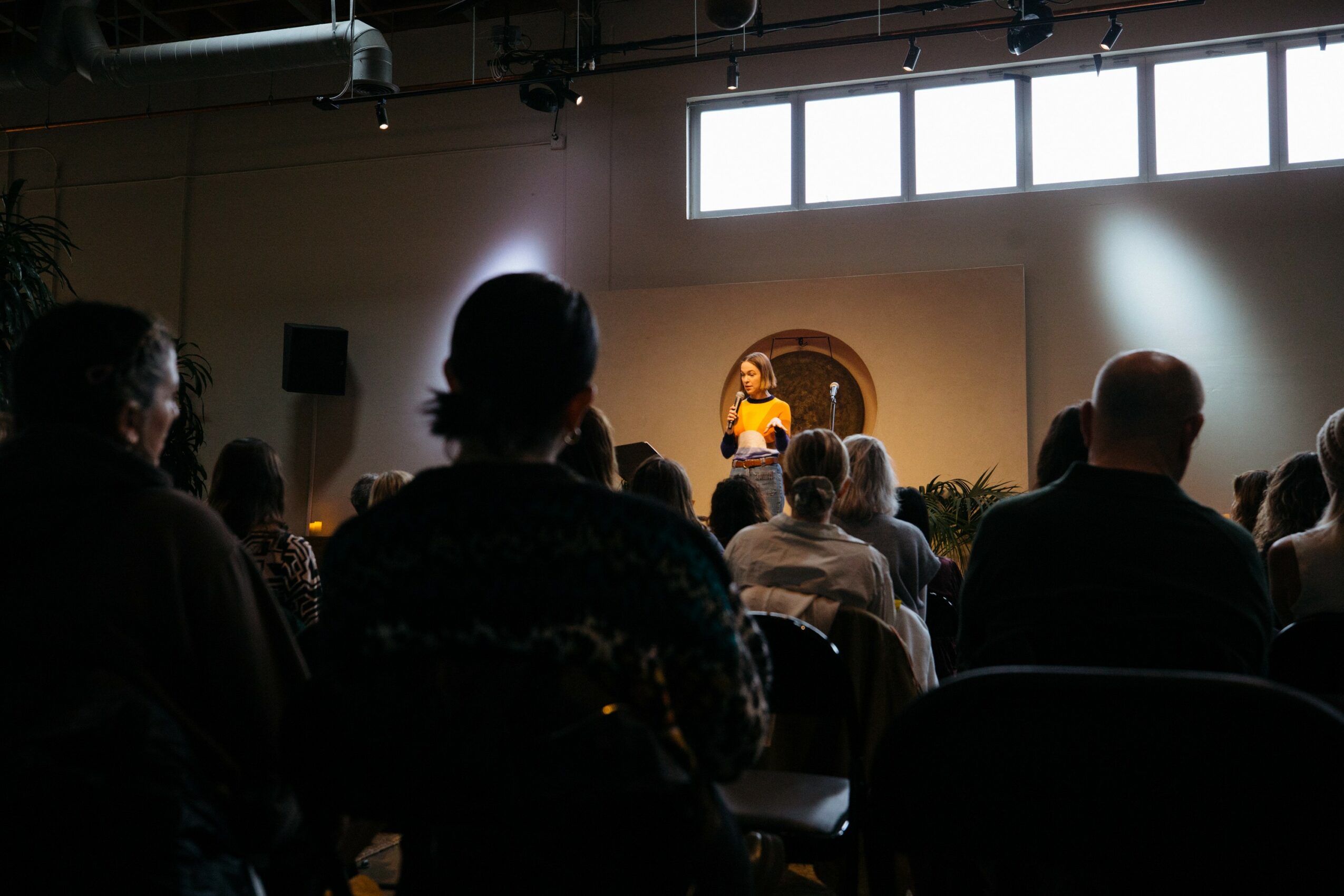
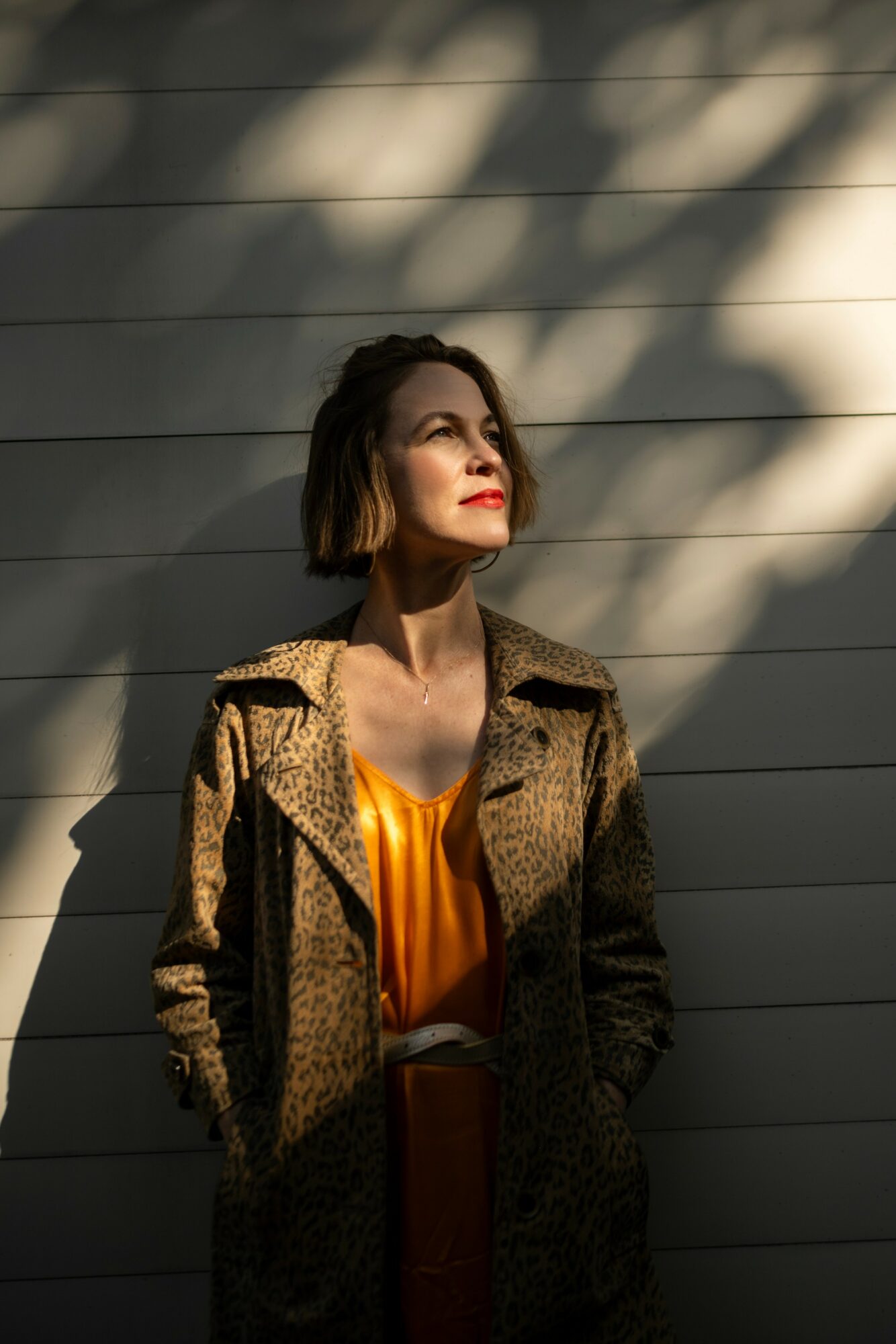
Image Credits
– Daniel Duane
– Raymond Eugenio
– Diana Tamayo
Popular
-

Portraits of the Valley
-

LA’s Most Inspiring Stories
-
Maagic Collins on Building a Fearless Publishing Platform for Truth, Advocacy, and Underrepresented Voices
-
Los Angeles Barea on Turning Green Superheroes into a Global Movement for Youth-Led Change
-

Trisha DuVivier on Bridging the Franchisor–Franchisee Divide with Workhero and “Franulate”
-
Cedar Boschan on Elevating Black Music Rights and Driving Urgent Conversations Around Credit, Equity, and Artist Protection


