





Today we’d like to introduce you to Michael Marsh, AIA.
Hi Michael, we’re thrilled to have a chance to learn your story today. So, before we get into specifics, maybe you can briefly walk us through how you got to where you are today?
We are a husband-and-wife design team that co-founded Sidekick Architects in 2019. Our ambition is to make beautiful spaces accessible to clients with smaller construction budgets. In short, we design spaces for clients like us!
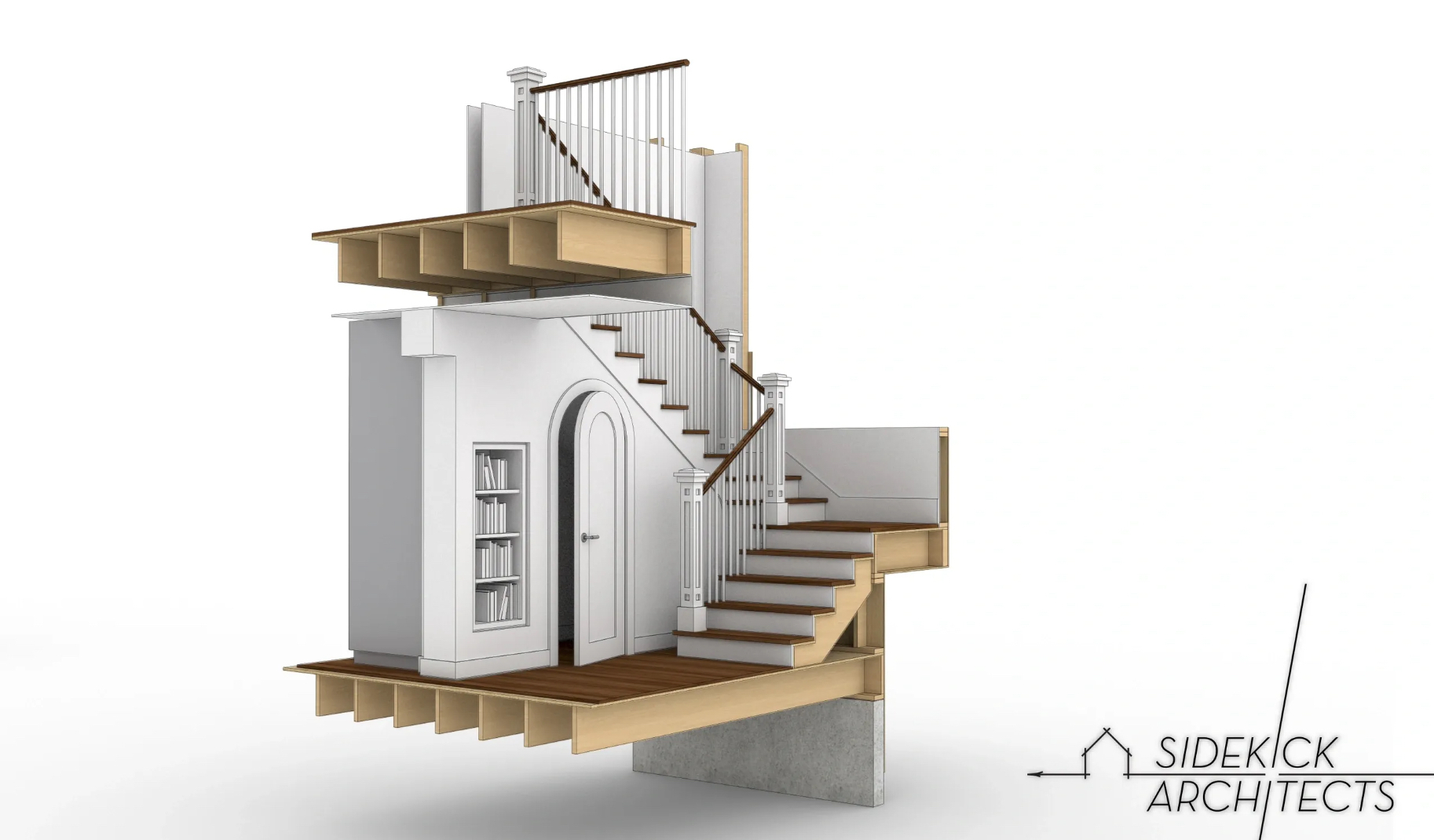
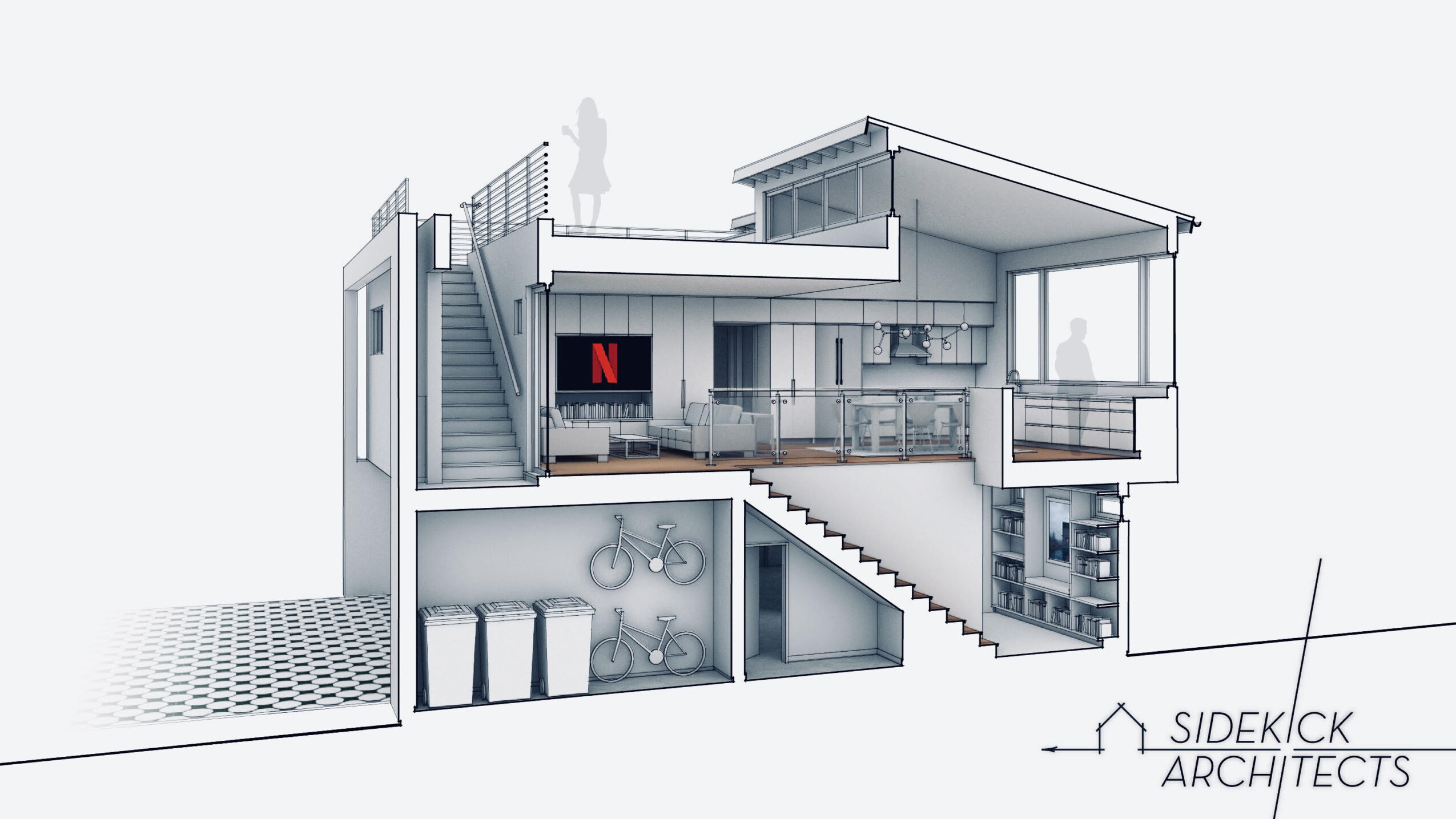
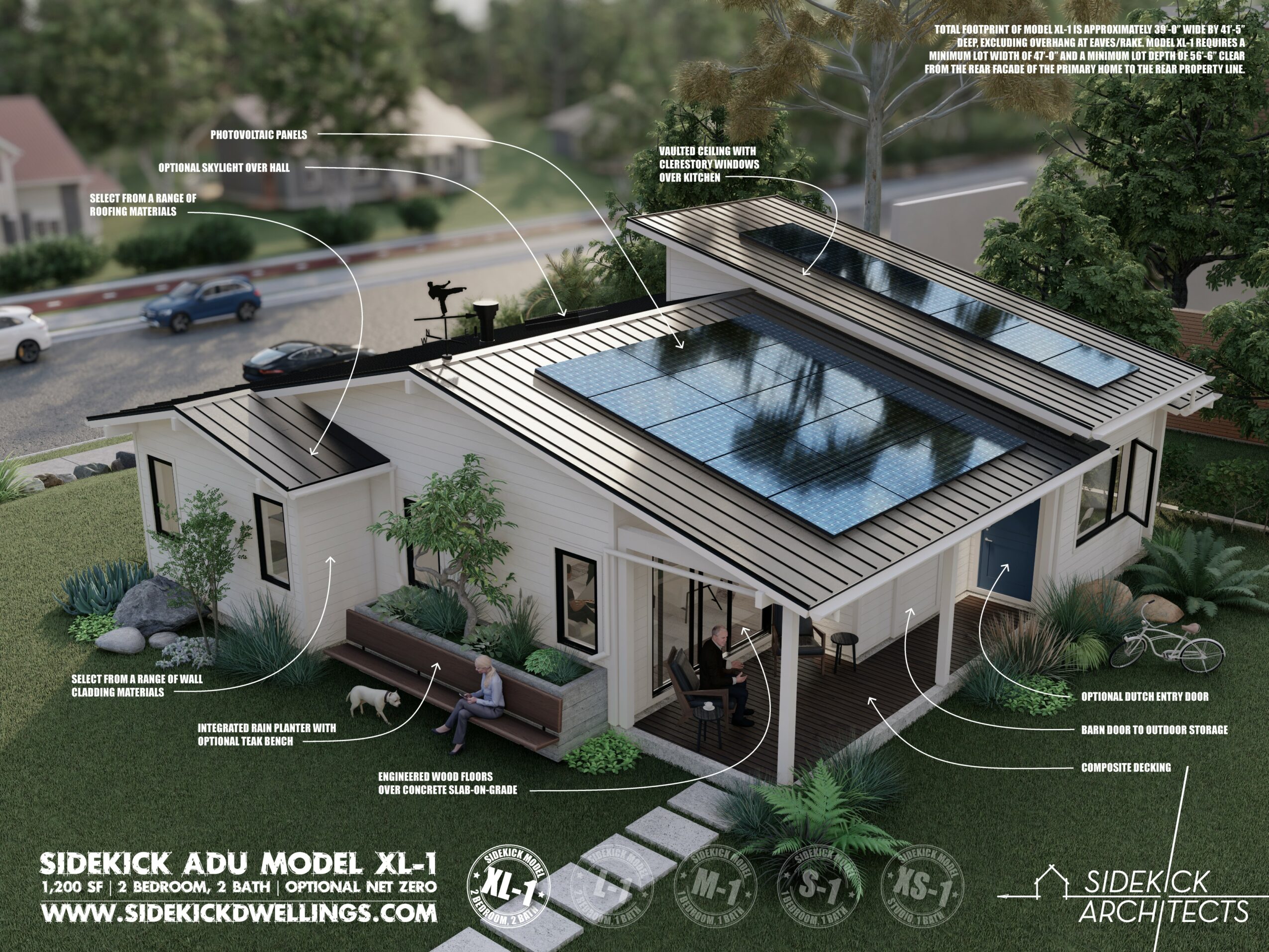
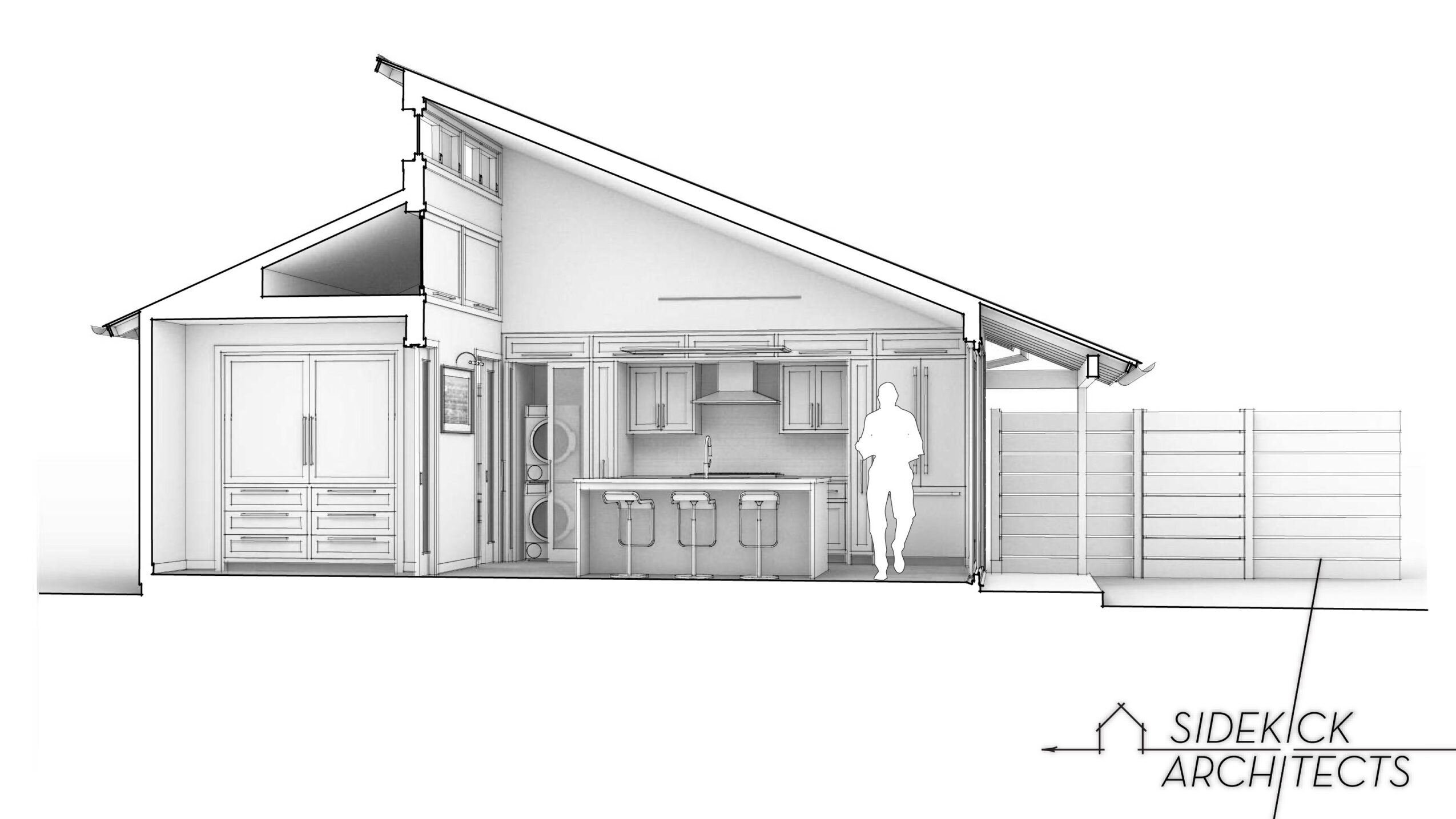
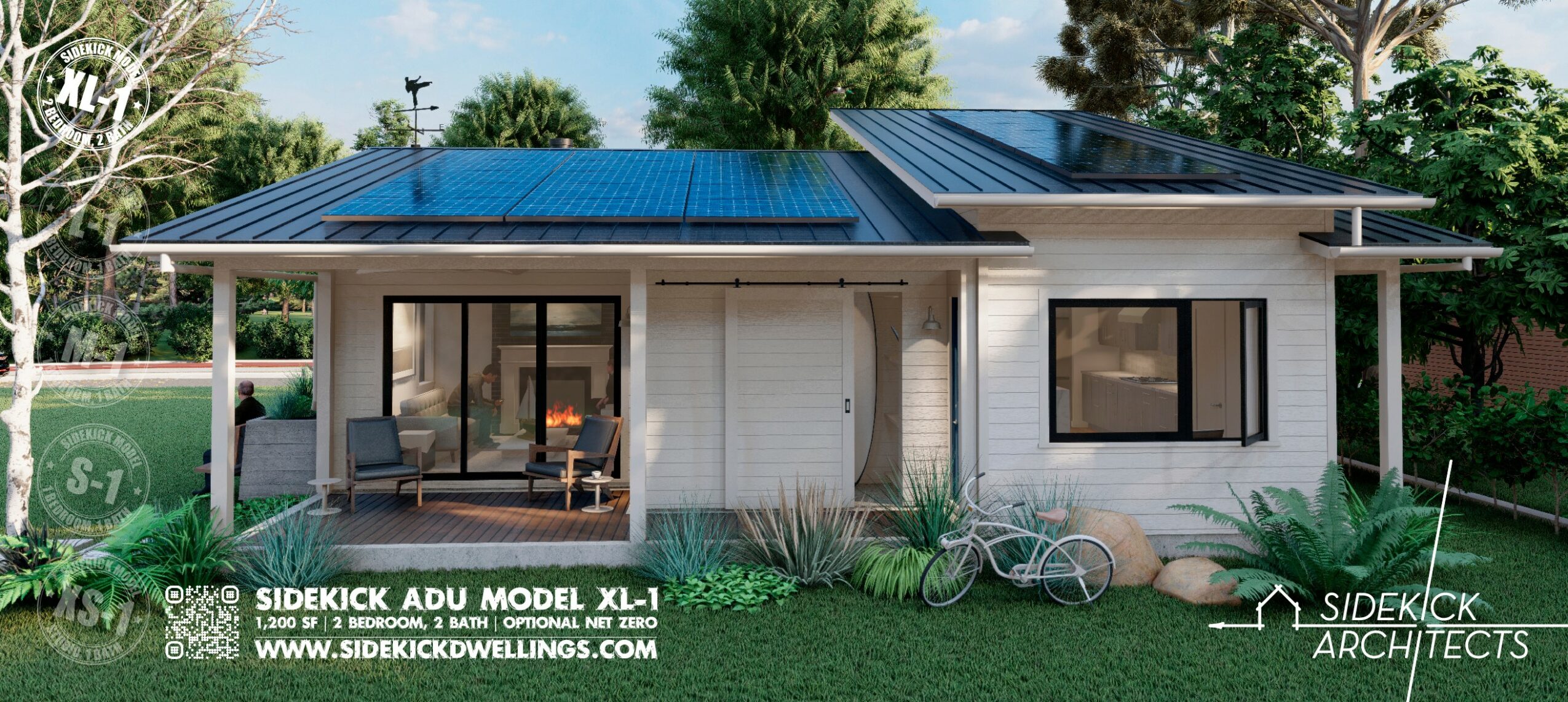
We design in a variety of project scales and typologies, but our primary focus is on Accessory Dwelling Units (ADUs), which we believe offer the perfect balance of comfort and cost-effectiveness. Our family of three lives in about 1,200 SF, so we try to practice what we preach!
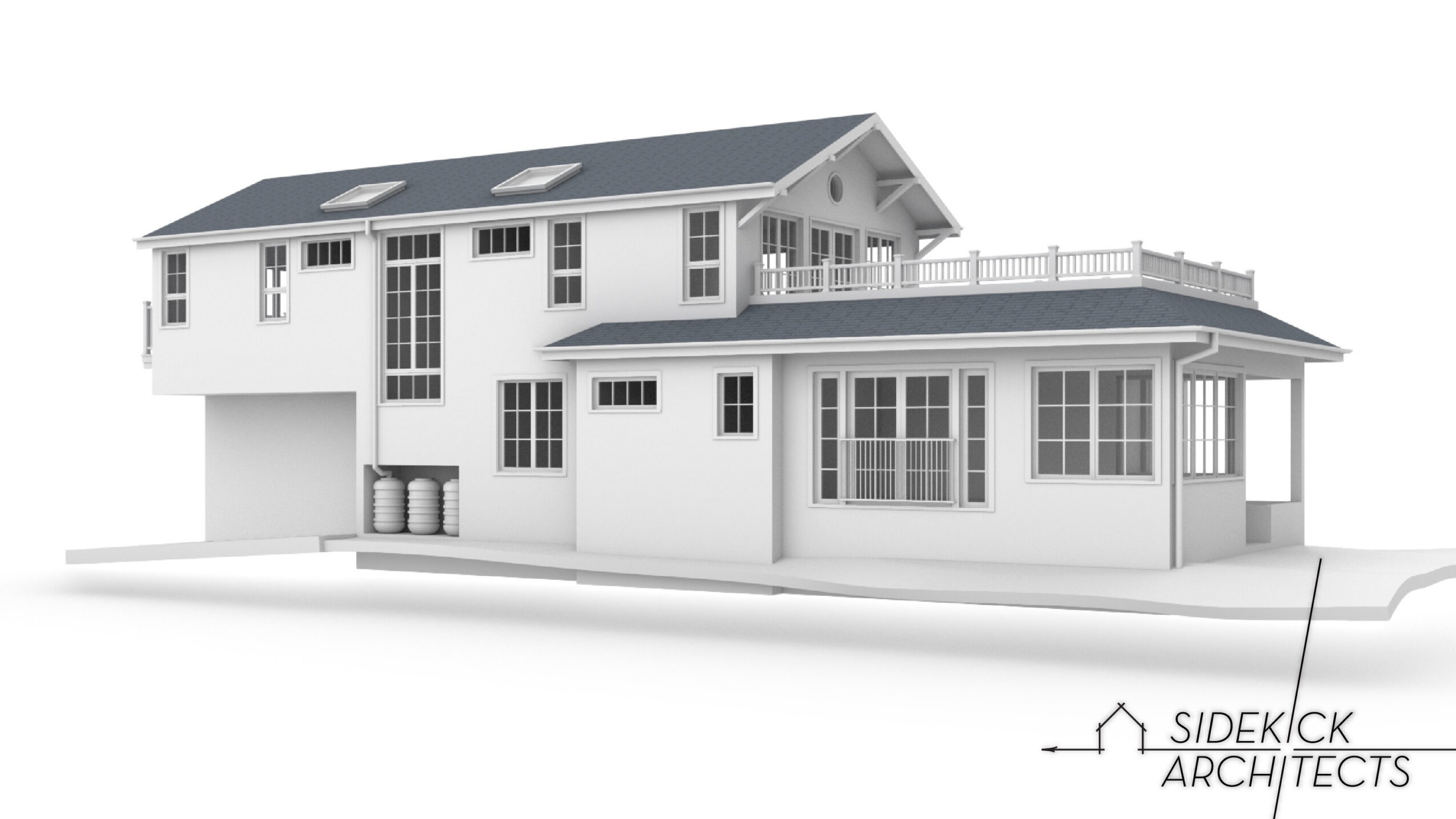
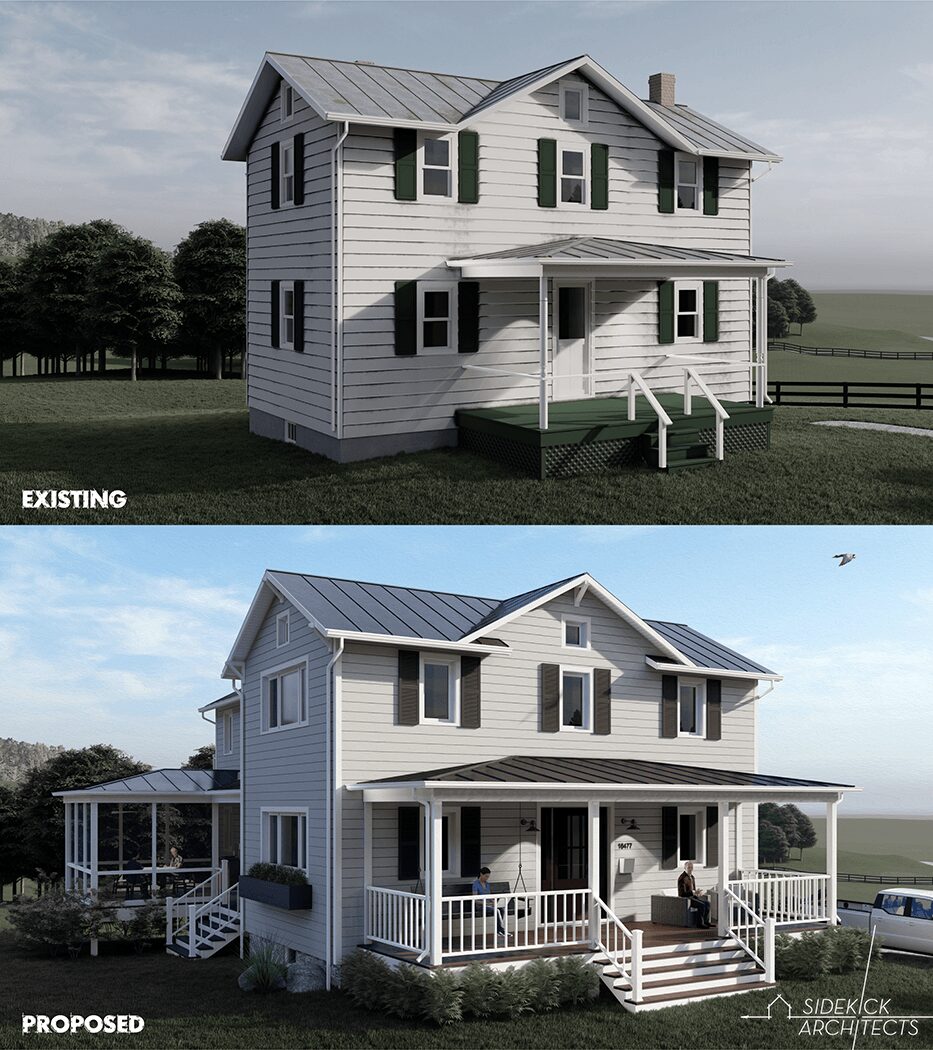
I am also consulting on a few fire-rebuild projects in Malibu. Those projects have been interesting because they require a bit of ‘architectural forensics’ to reverse-engineer the prior home from old photographs and very limited documentation. We have found it very fulfilling to play a role in helping the victims of the recent fires reimagine their lives in new homes.
Growing up, my father was the mayor of a bourgeoning town in Northern Virginia. He made a habit of personally “inspecting” construction sites after the workers had left for the day, and would often bring me along as his accomplice. Several decades later I still get flashbacks of climbing around half-framed houses as I visit the construction sites of my projects.
After earning my undergraduate degree from the University of Virginia’s School of Architecture, I moved to New York City and worked for a residential architect for several years before applying to graduate schools. The most impactful project I designed during that time was the restoration of a 6,500 SF double-lot brownstone and carriage house in the Brooklyn Heights Historic District. I found the challenge of harmoniously tying new and old architecture together to be very rewarding, which led me to pursue a Master of Science in Historic Preservation alongside my Master of Architecture.
In addition to being an exceptional interior designer, Megan is a competitive sailor, so after I graduated from Columbia University’s GSAPP we decided to relocate to Los Angeles. (We both get a little nervous when we find ourselves too far from the water!). With occasional design assistance from our now-twelve-year-old “intern”, we enjoy helping our clients realize their dream homes throughout West LA.
Can you talk to us a bit about the challenges and lessons you’ve learned along the way. Looking back would you say it’s been easy or smooth in retrospect?
I often tell clients that the two most challenging places to build are Southern California and New York City, and yet somehow those are the places where we always tend to work! The bureaucracy inherent in obtaining building permits is a persistent challenge (especially within the Coastal Zone) and permits always take much longer to obtain than anyone would like.
Another challenge is that any way you slice it construction is expensive. And building truly exceptional spaces can become very expensive. Although we have quite a few ‘tricks up our sleeve’ to help clients stretch their budgets, we find it is always best to begin a project by introducing one of the general contractors we work with to prospective clients so that everyone has a reasonably clear sense of the path that lies ahead.
Although every project will have its share of bumps and detours, we try to remind clients that there is a bright light at the end of the construction tunnel, and that once the hammers stop banging, they will enjoy these spaces for many years to come.
Whenever the process feels overwhelming, I try to remind myself of the following quote by W.G. Clark (a former professor):
“I think it will always be difficult to build: It should be difficult… Whether we are making a tiny house in the woods or a great city, our gradual understanding is that we are not real colonists, with our home elsewhere. Our home is here, and what we build will be its parts. It is worth the effort to try to build well.”
We’ve been impressed with Sidekick Architects, but for folks who might not be as familiar, what can you share with them about what you do and what sets you apart from others?
In addition to our full-service, custom architecture firm, Sidekick Architects, we have recently launched a new standard-plan ADU program under a spin-off company. Sidekick Dwellings (www.sidekickdwellings.com) offers a streamlined path to design and permit exceptional semi-custom ADUs. For those homeowners that are not looking to ‘reinvent the wheel’ but still want the ability to make their ADU uniquely theirs, this program offers a quicker path through permitting and construction at a substantial savings in design fees as compared to fully-custom design.
With over 30 years of combined experience working for boutique design firms in Los Angeles and New York, Megan and I bring the same attention to detail that is demanded in multimillion dollar homes to our clients’ small-scale, more cost-sensitive projects. Whereas smaller projects often ‘fall between the cracks’ for architecture firms with greater overhead, Sidekick Architects has intentionally structured itself to excel in developing projects with a more modest budget.
We are essentially a ‘Mom and Pop Shop’ so we personally guide our clients projects through every step of the way. We tailor our projects to our clients’ specific sites; we develop thoughtful details; we coordinate an experienced team of engineers and consultants; and we meticulously manage the design, permitting, and construction administration processes required to efficiently deliver their project.
We believe our clients’ homes should tell their story, and be culmination of their personality and their priorities – not ours. We support our clients in achieving a new or renovated space that harmoniously satisfies their program, schedule, and budget. We want to add value to your project, not just cost. By the way, we never charge for initial consultations, so feel free to give us a call and tell us what you have in mind!
Do you have recommendations for books, apps, blogs, etc?
On quiet Saturday mornings I try to sneak in an episode of This Old House. Those old-timers are absolute legends and I learn something new with every episode I watch.
For anyone who wants to know 90% of what it takes to properly build a house, try to locate the (out-of-print) Journal of Lightweight Construction’s “JLC Field Guide to Residential Construction.” I have arguably learned more about construction from those two books than I did throughout all of graduate school!
The Fine Homebuilding Podcast is my ‘go-to’ for longer drives. The editors of Fine Homebuilding magazine answer questions about problems that emerge in their listener’s homes. Whatever problem you are encountering, it has most-likely been discussed at length on the FHB podcast. They offer the perfect balance of getting things fixed the right way, without spending more than you need.
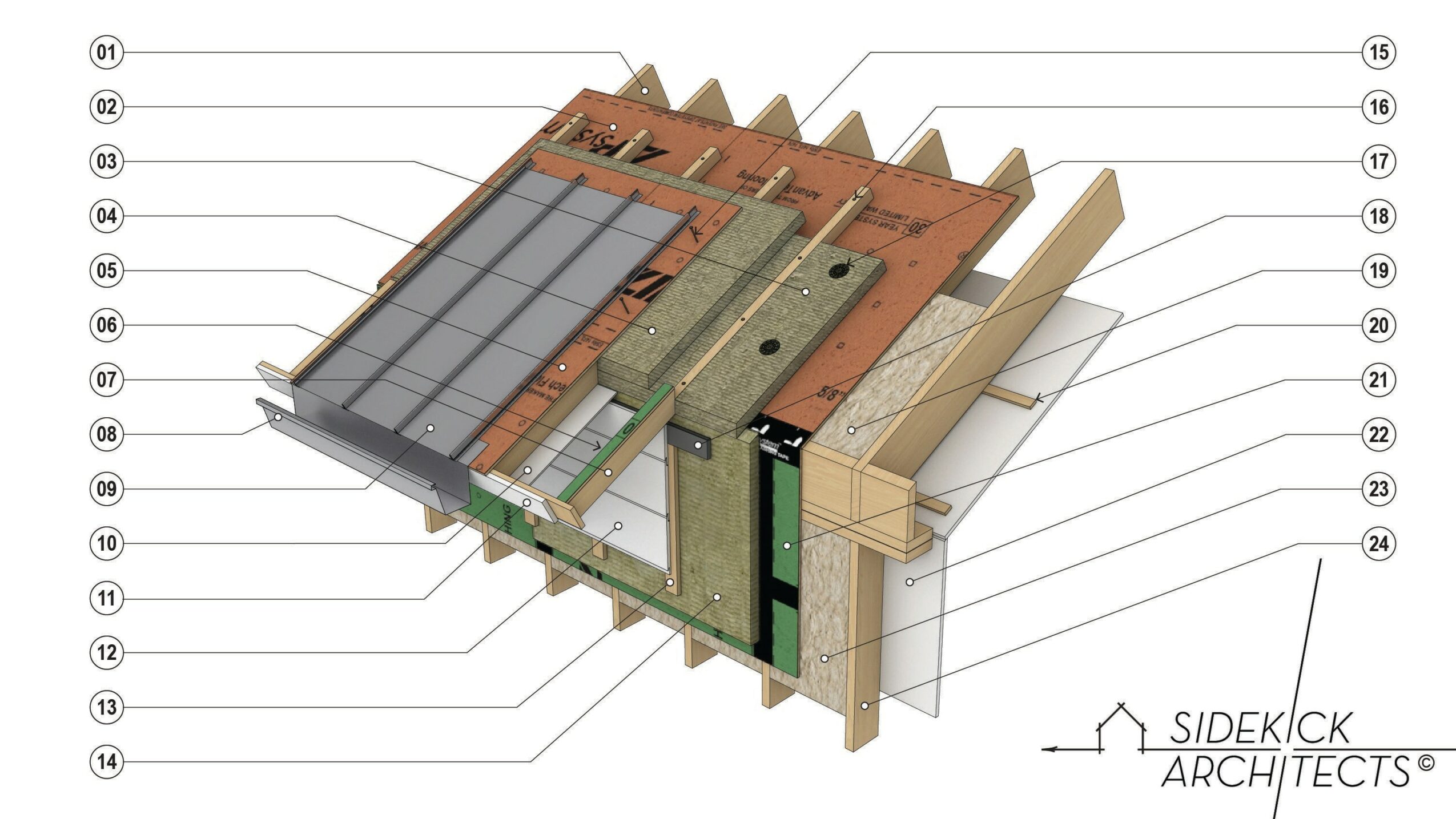
I am now in the final stages of pursuing my CPHC (Certified Passive House Consultant) professional certification through PHIUS (Passive House Institute US), so I often listen to the Passive House Podcast. PHIUS-certified projects have met rigorous criteria to deliver super-efficient building envelopes with HVAC systems that require only a small fraction of the capacity (and cost) of their ‘code-minimum’ neighbors. Achieving ‘Net-Zero Energy’ with PHIUS-Certified buildings is relatively easy, which pays for itself many times over the lifetime of our home. Mold and indoor air-quality are non issues in a PHIUS-certified home. It is basically the future of construction.
For anyone seriously considering a substantial construction project, I strongly recommend reading Tracy Kidder’s 1985 novel “House.” It artfully documents a new home’s construction through the eyes of the client (a young family), the architect, and the general contractor. More than any other book I’ve read, it captures my personal experience of residential construction, which is that almost everyone involved in a residential project is primarily-motivated by a love for what they do, and personal pride in how they do it. Most importantly, it is a reminder that no project can be successful without a team that works well together!
Contact Info:
- Website: www.sidekickdwellings.com; www.sidekickarchitects.com
Popular
-

Maagic Collins on Building a Fearless Publishing Platform for Truth, Advocacy, and Underrepresented Voices
-
Los Angeles Barea on Turning Green Superheroes into a Global Movement for Youth-Led Change
-

Trisha DuVivier on Bridging the Franchisor–Franchisee Divide with Workhero and “Franulate”
-

Portraits of the Valley
-

LA’s Most Inspiring Stories
-

Cedar Boschan on Elevating Black Music Rights and Driving Urgent Conversations Around Credit, Equity, and Artist Protection


