





Today we’d like to introduce you to Melissa Ellis.
Melissa, we appreciate you taking the time to share your story with us today. Where does your story begin?
My story starts with a deep belief that people are not broken they’re burdened. I became a licensed clinical social worker and spent years training in trauma therapies: EMDR, parts work, somatic approaches. What drew me to this work was the same thing that keeps me in it watching people come back to themselves. Not become someone new, but remember who they always were underneath the weight of what happened to them.
I built a private practice in Los Angeles working with clients across backgrounds navigating anxiety, trauma, and identity. After October 7th, I felt a clear calling to create a therapy space where Jewish clients could feel genuinely safe and seen at a moment when that felt rare. That work sits alongside my deep commitment to holding space for clients of all cultures and faiths: Muslim, Christian, atheist, and everyone in between. Because the nervous system doesn’t discriminate and neither does the need to be truly heard. My content brand, Empower with Ellis, grew out of that same conviction, that healing is both clinical and ancestral, and that for so many people, coming home to themselves means coming home to where they came from. You were always whole. The work is just remembering that.
We all face challenges, but looking back would you describe it as a relatively smooth road?
Definitely not smooth. Building a practice and a public platform simultaneously means you’re exposed in ways that feel deeply personal, and I wasn’t fully prepared for that. Growing my content brand on TikTok has been one of the most rewarding and most painful experiences of my professional life. When I post about Jewish identity, mental health, and healing I get antisemitism. Consistently. Comments that are ugly, dismissive, dehumanizing. It’s one thing to intellectually know antisemitism exists; it’s another to have it land in your notifications on a Tuesday morning before your first client.
What it’s taught me is that the work is more necessary than I even realized. Every hateful comment is a reminder of why Jewish people need a therapist who won’t flinch when they bring their full identity into the room and why I have to keep showing up anyway. That tension is something I sit with. It hasn’t stopped me, but it has changed me. I think it’s made me a more honest clinician and a braver one.
As you know, we’re big fans of you and your work. For our readers who might not be as familiar what can you tell them about what you do?
I’m a licensed clinical social worker and psychotherapist based in Los Angeles. My specialty is trauma — specifically the kind that doesn’t always look like trauma. The high-functioning anxiety. The chronic hypervigilance. The sense that something is wrong with you that you can’t quite name. I work with clients using a range of approaches: talk therapy, CBT, EMDR, and parts work, always meeting people where they are and what they need most in the room that day.
What sets me apart is the intersection I work at. I bring clinical rigor and cultural fluency into the same room. For my Jewish clients, that means they don’t have to leave their identity, their history, or their ancestral grief at the door it’s actually material we work with. For my non-Jewish clients, the framework is the same: healing isn’t just about symptom reduction, it’s about coming home to yourself. That looks different for everyone, but the destination is the same.
I’m probably most known for my content brand, EmpowerwithEllis, where I translate nervous system science and trauma healing for everyday people particularly through a lens of Jewish wisdom and ancestral identity. My most viral content has reached hundreds of thousands of people, but what I’m most proud of isn’t the numbers. It’s the messages I get from people who say they finally feel seen. A Jewish woman who never thought her anxiety had anything to do with her grandmother’s history. A young person who realized their shame wasn’t a character flaw it was a wound that could heal. That’s the work. That’s why I do it.
What do you like best about our city? What do you like least?
What I love most about LA is that it’s genuinely one of the most multicultural cities in the world — and that’s not just a talking point, it’s something you feel every single day. My clients reflect that. My neighborhood reflects that. The food, the languages, the traditions layered on top of each other it makes me a better clinician because I’m constantly in proximity to perspectives and experiences that aren’t my own. And honestly, the weather doesn’t hurt. There’s something to be said for a city where you can regulate your nervous system with a walk outside in January.
What weighs on me is the homelessness crisis. You can’t drive through LA without sitting with the reality that so many people are suffering without access to basic safety, let alone mental health care. As someone who thinks about trauma and nervous system dysregulation every day, it’s hard not to see the connection between what I do in my office and what’s happening on the streets and feel the gap between them. The cost of living compounds all of it. It makes me think about access constantly, i.e. who gets to heal, and who can’t afford to.
Contact Info:
- Website: https://empowerwithellis.com
- Instagram: https://www.instagram.com/empowerwithellis/
- Facebook: https://www.facebook.com/profile.php?id=61587572229734
- Other: https://www.tiktok.com/@empowerwithellis
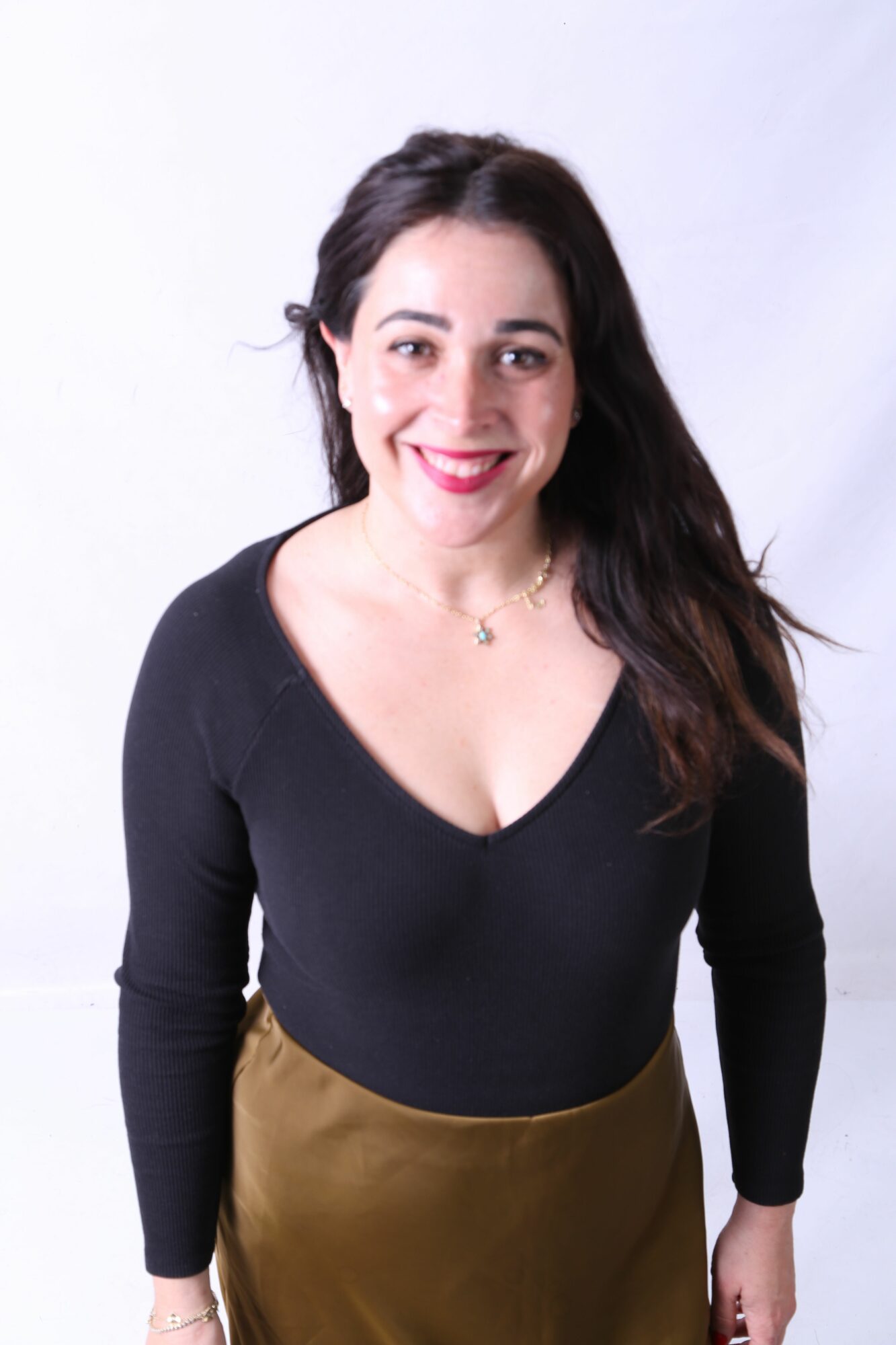
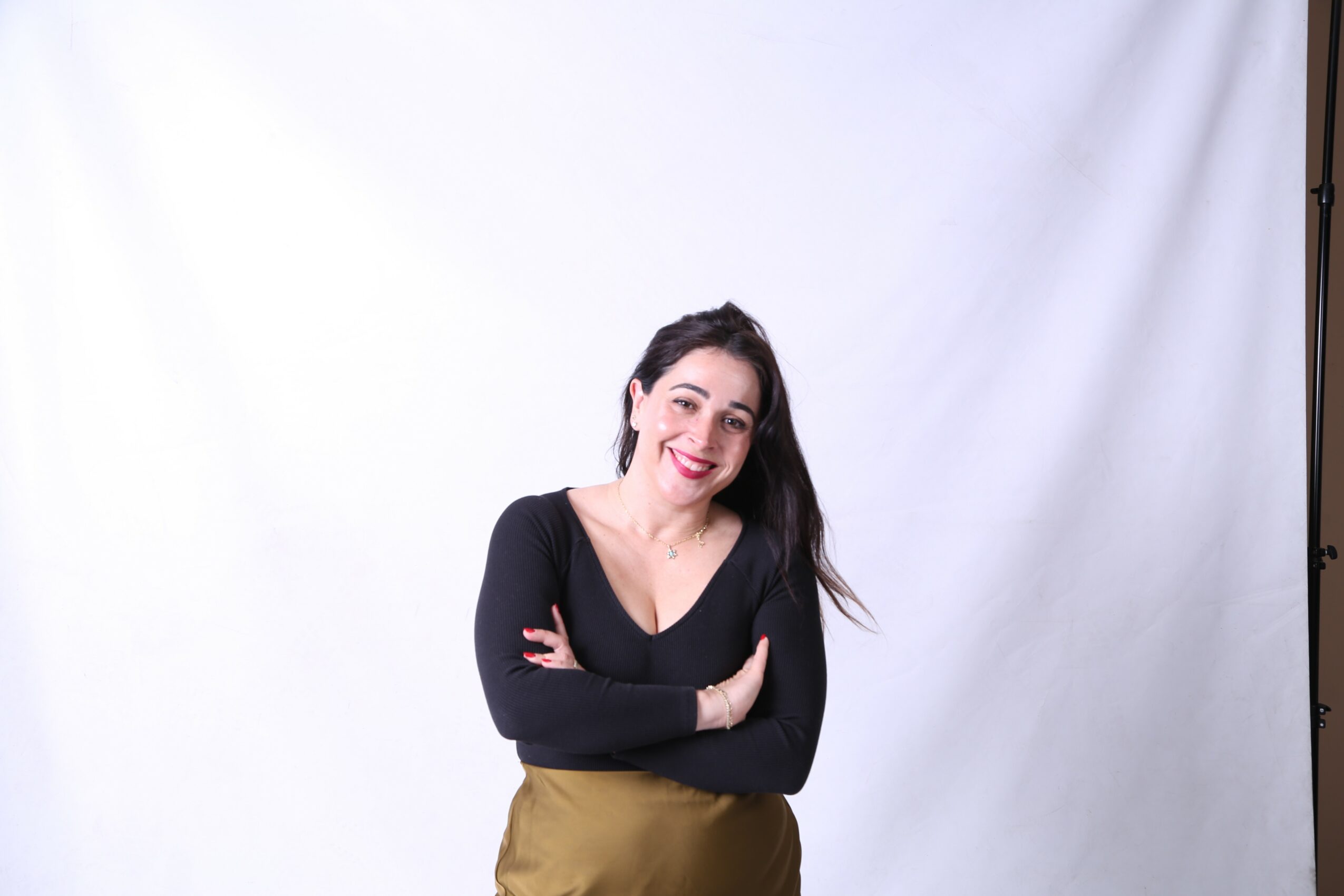
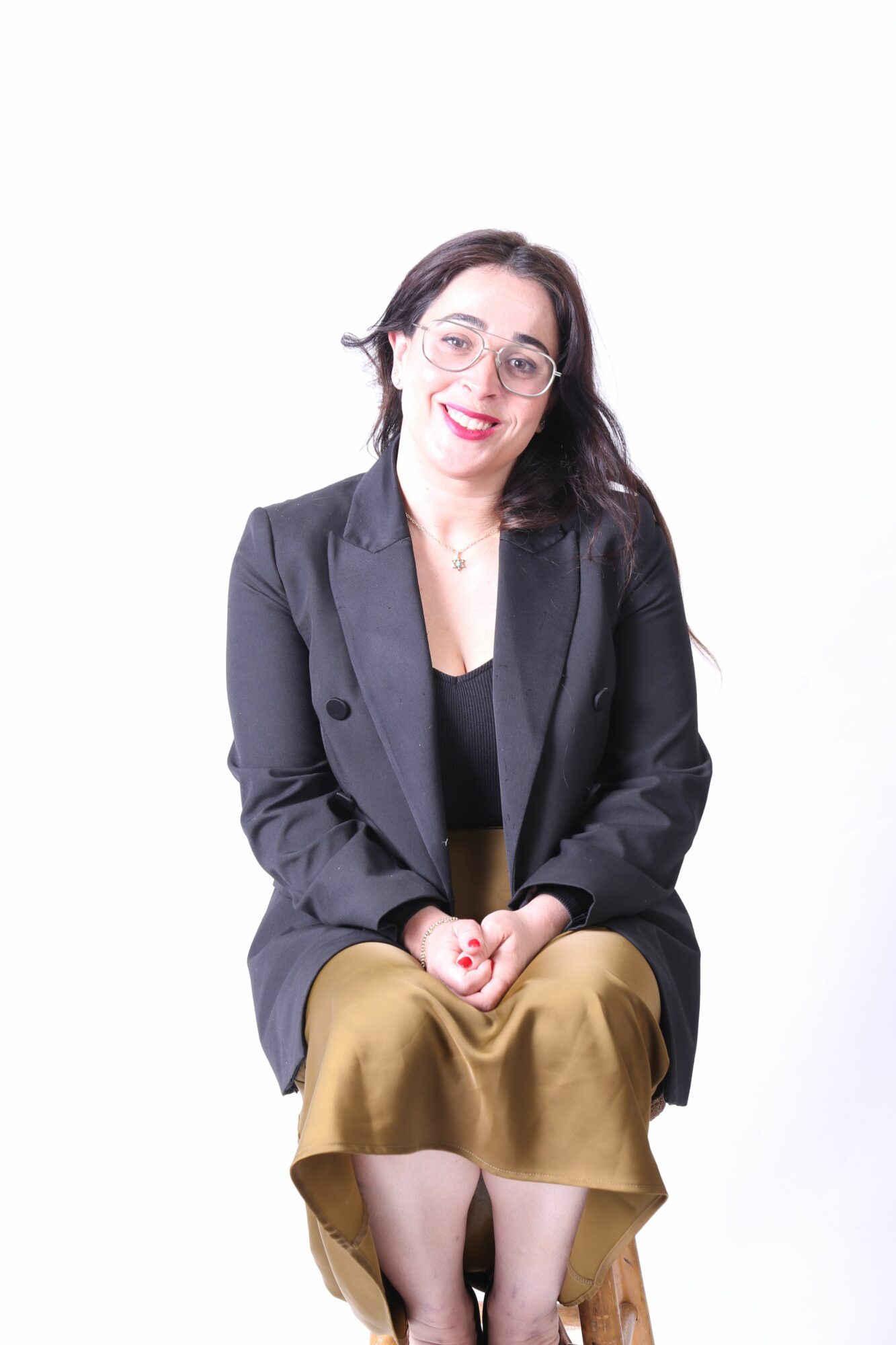
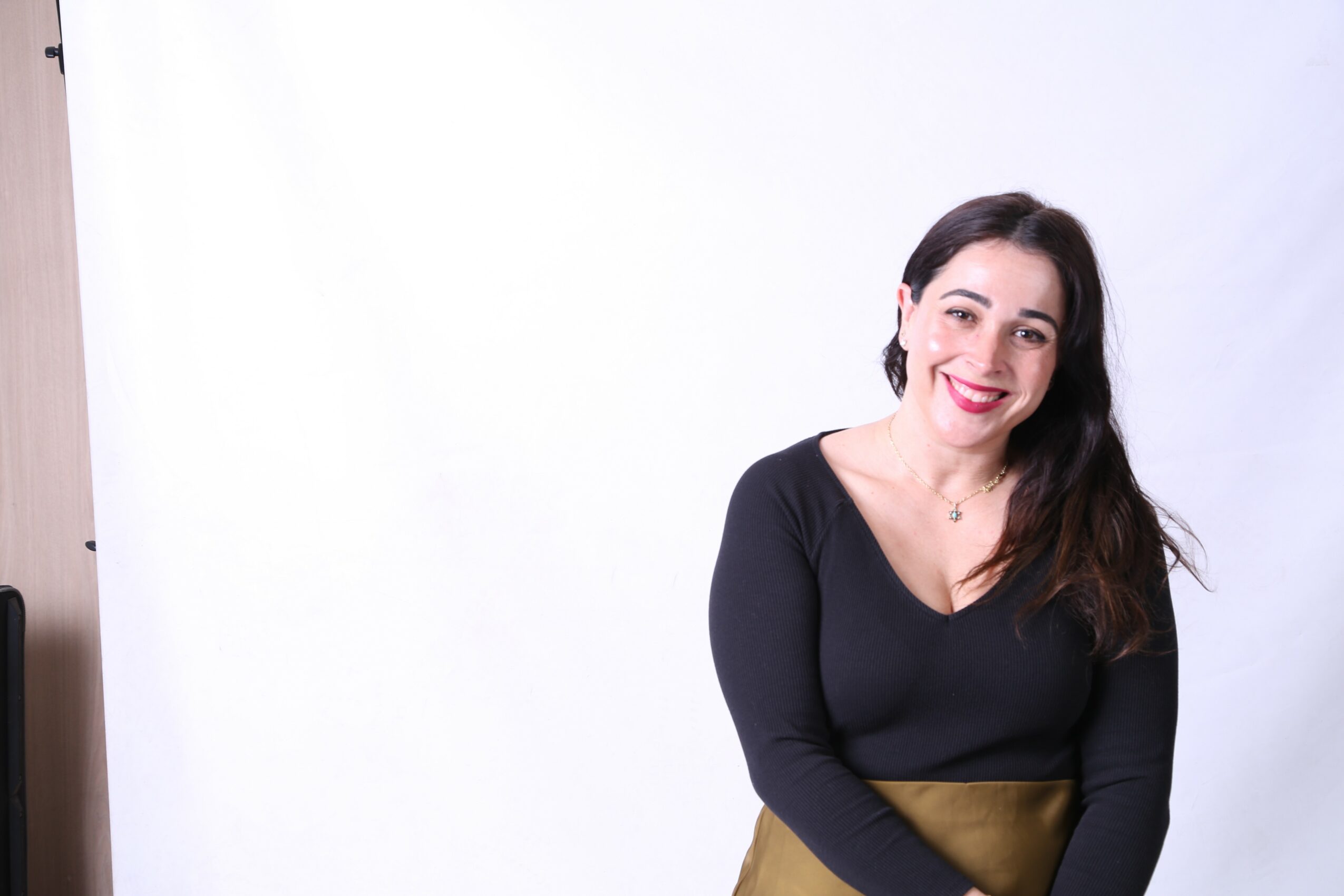
Image Credits
My husband took these pictures for me at his office. Soheil Yaghoubtil
Popular
-
Maagic Collins on Building a Fearless Publishing Platform for Truth, Advocacy, and Underrepresented Voices
-
Los Angeles Barea on Turning Green Superheroes into a Global Movement for Youth-Led Change
-

Trisha DuVivier on Bridging the Franchisor–Franchisee Divide with Workhero and “Franulate”
-

Portraits of the Valley
-

LA’s Most Inspiring Stories
-
Cedar Boschan on Elevating Black Music Rights and Driving Urgent Conversations Around Credit, Equity, and Artist Protection


