




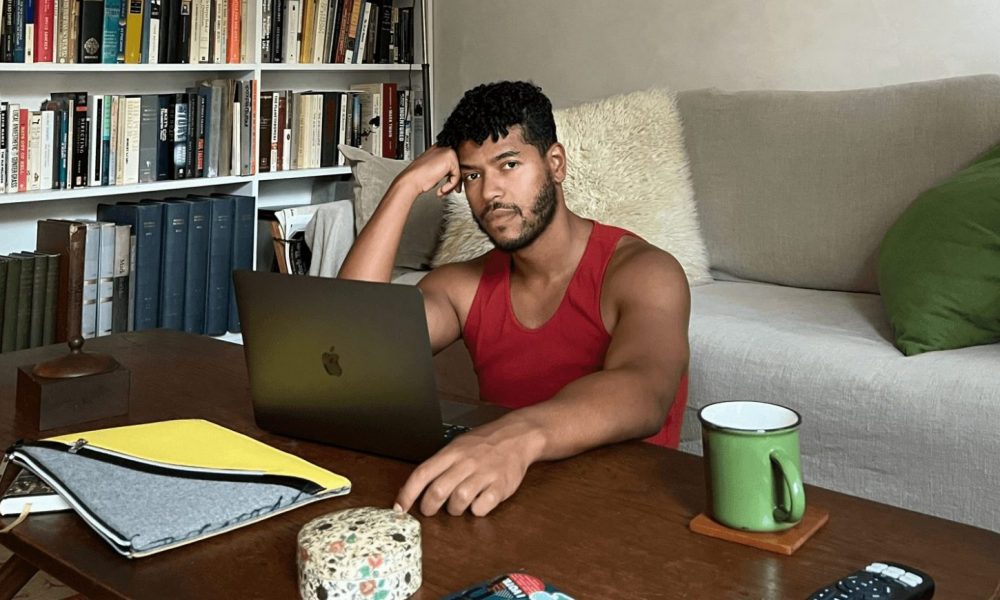
Today we’d like to introduce you to Elton de Almeida
Hi Elton, so excited to have you on the platform. So before we get into questions about your work-life, maybe you can bring our readers up to speed on your story and how you got to where you are today?
I’m a writer-director from São Paulo, Brazil, but I currently live in LA. From a very early age, I knew I would become a storyteller. Stories took up most of my time—whether I was reading novels, going to the movies, or sitting in front of the TV for hours. But I didn’t just want to consume them; I wanted to create my own. As a shy, introspective kid, the best way for me to express myself was through writing or making “experimental” videos with a camcorder my mom won in a draw. So, I got the film bug early in my life.
I studied filmmaking at the University of São Paulo (#1 uni in LATAM), where I graduated as a writer-director ten years ago. Film school taught me to be proactive about my craft, so I’m always looking for ways to fund my own projects. Luckily, Brazil has a tradition of governmental funding for arts and film. It’s very competitive, but I’ve managed to win five grants since 2014. These helped me write and direct three narrative shorts: “Pluto and Charon” (2014), “Preto” (2016), and “Hunt in the Woods” (2018). My shorts deal with deep issues of identity, race, and class, using elements of horror, fantasy, and suspense. I’m passionate about films that entertain the audience, while also challenging them through social commentary––that’s exactly the tone I try to achieve in my work.
I also won a grant from São Paulo’s State Dept of Culture to write my first feature, “Foreign Body.” It’s a horror/romance film about a lonely Black gay man from the Brazilian countryside who moves to a big city in search of love and community. However, he’s faced with loneliness and displacement, and the only companionship he encounters is that of an angry, memoryless ghost who haunts his new apartment. I brought this project with me when I relocated to LA in 2021 to study at the AFI Conservatory, where I wrote a first draft of this script during my MFA. Now, I’m looking to partner with producers in LA, and São Paulo to bring it to life as an international co-production. Recently, a grant from Rio’s City Hall has also made it possible for me and my brilliant writer friend, Marina Luísa Silva, to develop a TV show we created together.
Besides my own projects, I’ve been working as a screenwriter in Brazil, having the opportunity to collaborate with top professionals from my home country’s entertainment industry.
Would you say it’s been a smooth road, and if not what are some of the biggest challenges you’ve faced along the way?
Just as a character’s journey in a movie is filled with obstacles, so is the path of a writer in the film/TV industry. Especially now, in this post-strike, post-pandemic environment. The industry seems to be transitioning, but no one is quite sure into what. Overall, this business has always been competitive, unfair, and tough for most. But as a queer, Black, Latino creative, I need to highlight the extra layers of challenges people in my communities face to break into the industry and thrive once there.
Oh, boy, is it hard! People in positions of power (in studios, production companies, distributors, film festivals, etc.) often don’t look like me or share a similar background. They don’t always see the potential in diverse stories or want to invest in our projects—even though we make up a large portion of ticket buyers. For example, a recent McKinsey study found that while US Latinos make up 19% of the population, they account for 24% of box office ticket sales and streaming subscribers. On average, Latinos see films 3.3 times a year per capita, compared to 2.9 times for Asian-Americans and 2.3 times for White Americans. Yet, Latinos hold less than 5% of leading on-screen, off-screen, and executive leadership roles in US media.
I think this disparity shows how one’s background can pose extra challenges in this industry. But I hope we can keep pushing for change, as I definitely want to be part of an inclusive revolution in entertainment.
As you know, we’re big fans of you and your work. For our readers who might not be as familiar what can you tell them about what you do?
What am I most proud of?
As I mentioned earlier, the journey to where I am now has been quite challenging. And I know it will get even tougher as I set my sights on higher goals. But amidst my anxiety about future ambitions, I need to step back and celebrate what I’ve achieved so far. I’m particularly proud of my educational accomplishments: despite being the son of working-class parents who didn’t make it to college, I attended the #1 film school in Brazil, and the top university in Latin America (my undergrad at the University of São Paulo), and recently I’ve completed an MFA program at the prestigious American Film Institute Conservatory, the best film school in the US.
I’m also proud of my career balance—pursuing daring personal projects while also working with industry giants on projects that can reach broad audiences.
Let’s talk about our city – what do you love? What do you not love?
I love how LA is packed with creatives from all crafts, and walks of life. This city is a haven for those who breathe art, culture, and entertainment. I get inspired almost every time I leave my house, and if you’re open enough, you can meet amazing people who are passionate about their dreams and their art.
What I dislike about LA is how the city was planned. It’s too car-centric, not environmentally friendly, and historically segregated. Although it’s an incredible place with much to see everywhere, it’s not always easy to get around, and break out of your bubble.
Contact Info:
- Instagram: https://www.instagram.com/eltao__/
- Twitter: https://twitter.com/eltao__
- Youtube: https://www.youtube.com/watch?v=OpH9SN9DbpI&t=4s&pp=ygUZZWx0b24gZGUgYWxtZWlkYSBkaXJlY3Rvcg%3D%3D
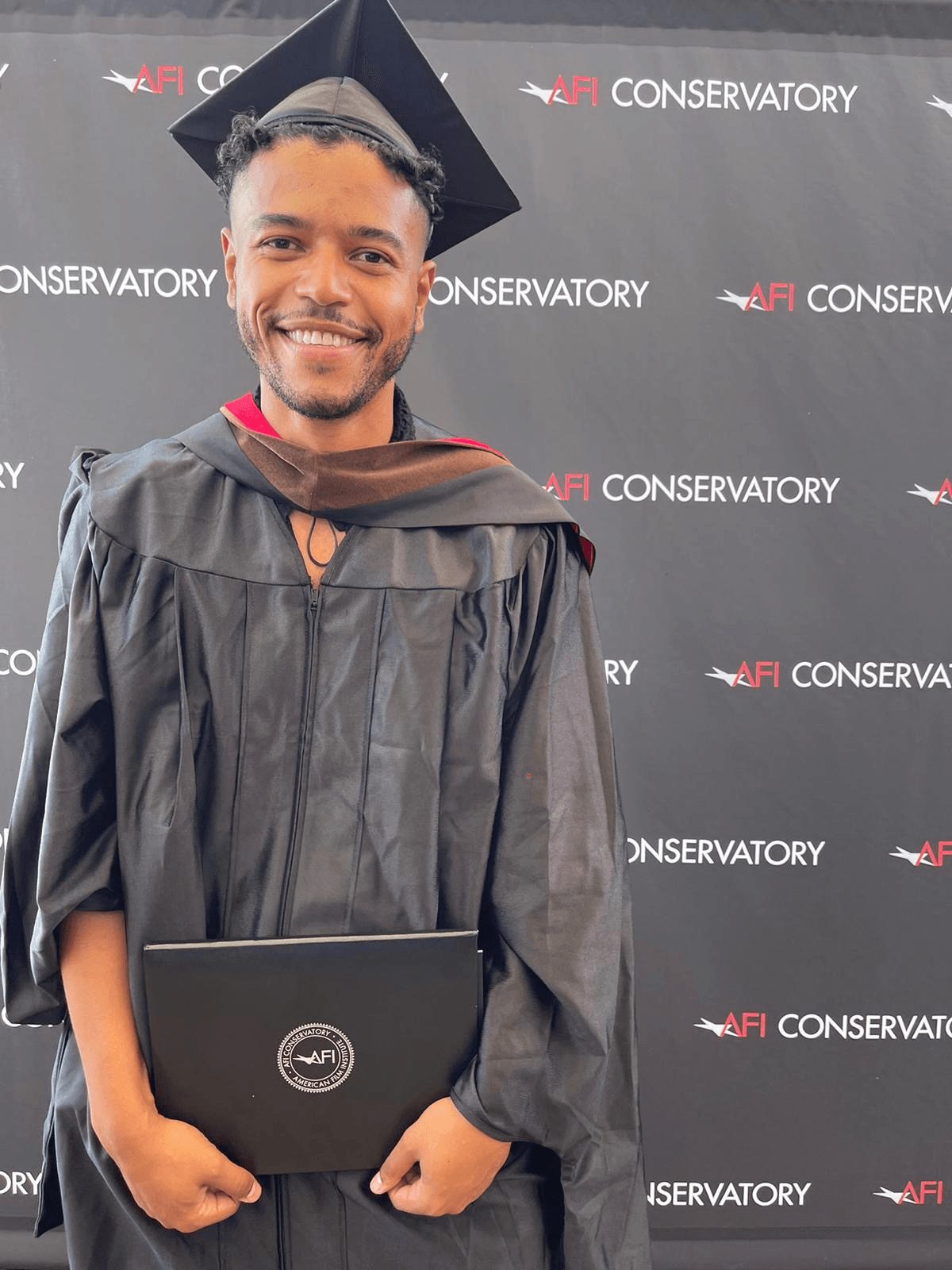
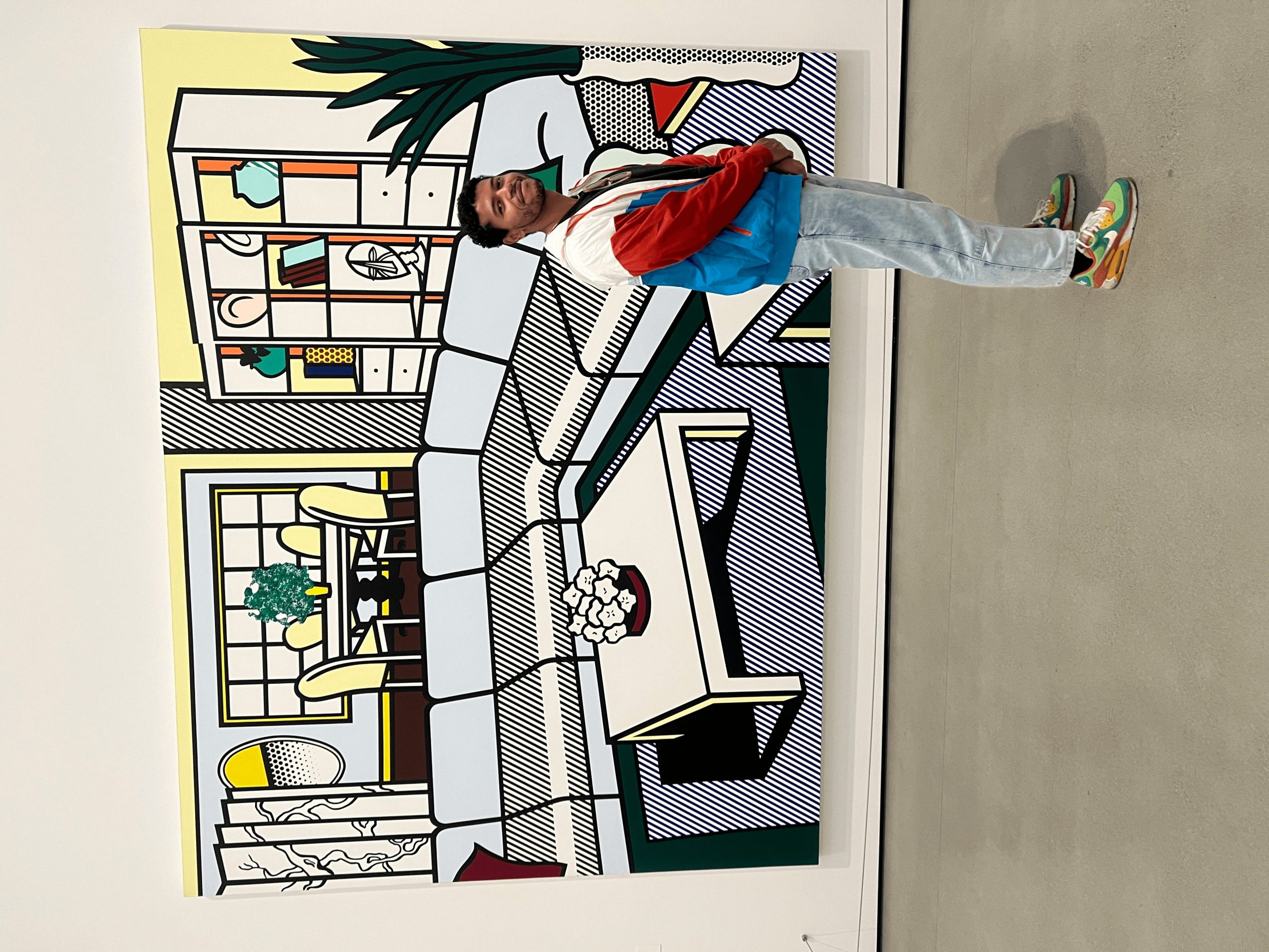
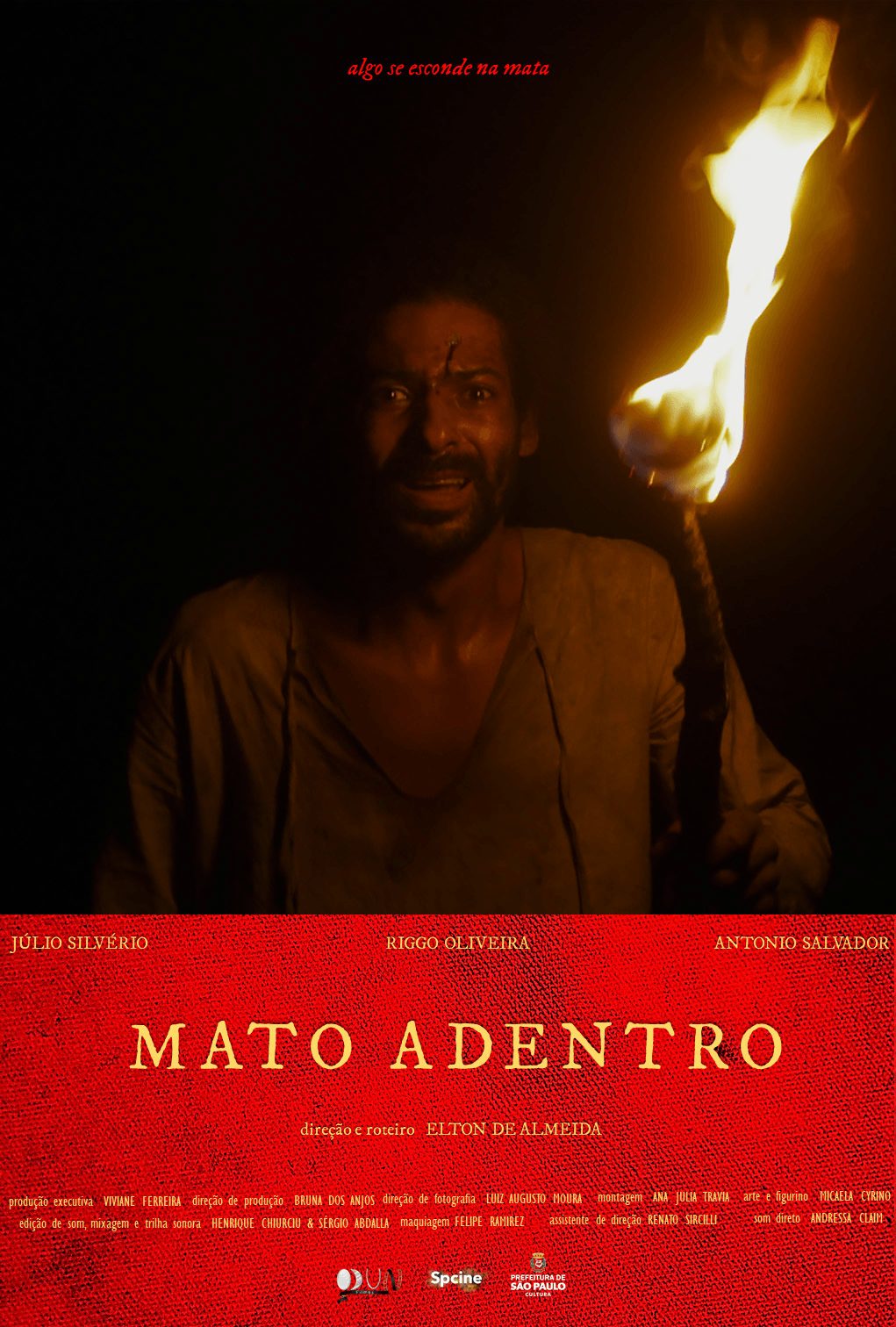
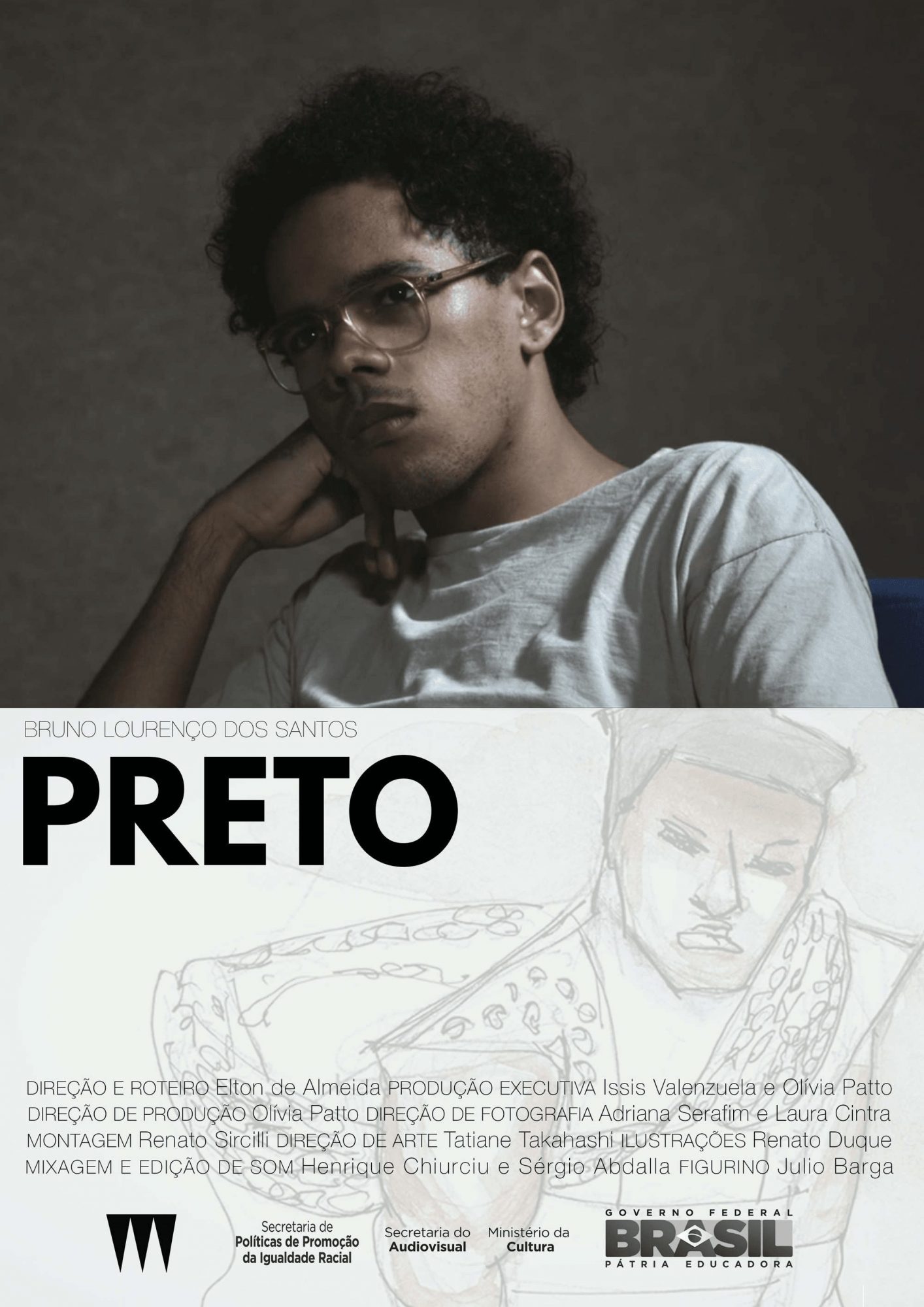
Image Credits
Personal photographs: Nickolas Vaughan.
Film posters: Elton de Almeida and Renan Ramiro.
Popular
-

Finding Balance Through Art: Theresa Croft on Blending Music, Wellness, and Visual Storytelling into a Holistic Creative Identity
-

From Street Corners to City Tours: Chef Chuck Glaster on Building SOULD Out Into a Culture-Driven Culinary Movement
-

Portraits of the Valley
-

LA’s Most Inspiring Stories
-

From Rock Bottom to Calling: How Hasani McLean-Davis Found Purpose Through Faith and Music
-
Building a Scalable, Soulful Travel Brand: How Abboud Khallouf Turned Morocco Into a Global Experience


