





Today we’d like to introduce you to Ciana Sage.
Hi Ciana, it’s an honor to have you on the platform. Thanks for taking the time to share your story with us – to start maybe you can share some of your backstory with our readers?
Originally, I had planned to do work in STEM. I always knew I wanted to help others (specifically youth), but I believed financial success should be the main factor of a career and that STEM was the most secure path. When I was 21, I was telling a mentor that I wanted to help at risk youth but had to wait until I was married/financially stable/living on my own. He asked, if I already knew my life calling, why wait to live it out instead of starting now?
This shifted my educational and career path. I earned my MSW (Master of Social Work) and immediately began working with foster kids and families. I felt like I was actually making a difference in others’ lives. I found that listening and advocating came very naturally for me. As an intensive services therapist, I loved the flexibility offered in making my own schedule but saw how larger systems (particularly community mental health) were limiting. It limited how I provided care and limited how others accessed care.
That’s ultimately why I decided to start my own private practice. I wanted to continue to help others in a space that felt personal, flexible, and aligned with how I belief therapy works best.
Alright, so let’s dig a little deeper into the story – has it been an easy path overall and if not, what were the challenges you’ve had to overcome?
The road to starting my own business has been far from smooth. First, I needed the professional credentials. This included the thousands of hours of supervised training, tests, and hands-on experience. My education and early jobs prepared me clinically, but they didn’t teach me how to run a business.
The entrepreneurial side came with a steep learning curve. Forming an S-corporation was significantly more complex than I expected. I had to learn the legal structure specific to my profession (like what I could name my corporation) as well as everything from payroll and taxes to compliance and administrative systems. There has been a lot of trial and error and I am still learning from this process.
Appreciate you sharing that. What should we know about Sage Therapy and Social Services?
Sage Therapy and Social Services is a psychotherapy practice focused on supporting teens and young adults navigating anxiety, overthinking, self-esteem challenges, and relationship patterns.
What sets my practice apart is the balance between clinical expertise and genuine human connection. I show up as a real person with evidence-based trainings, rather than a cold, withdrawn ‘practitioner’. Clients often tell me they feel understood, not judged, and able to talk about things they’ve never felt comfortable sharing before.
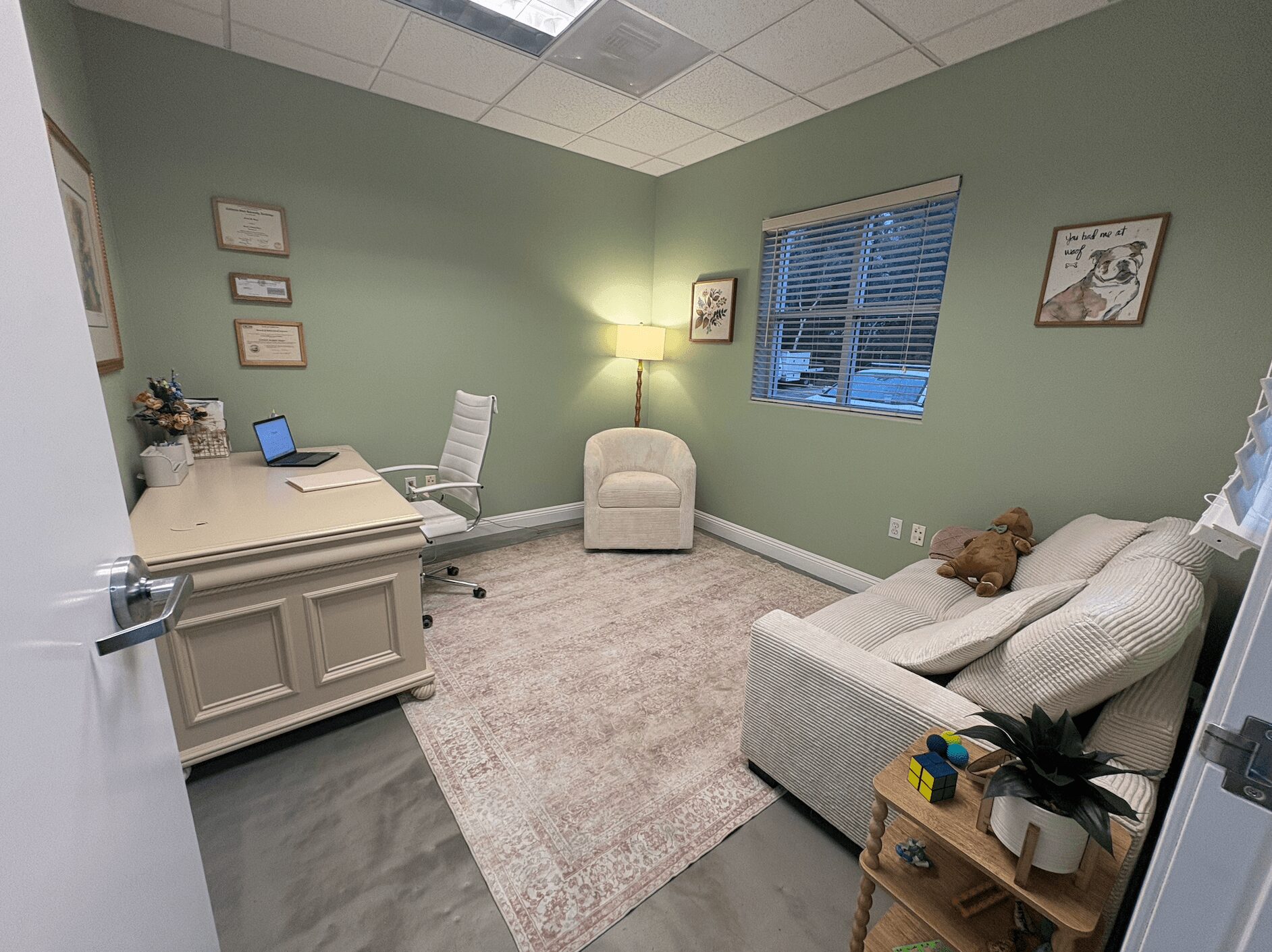
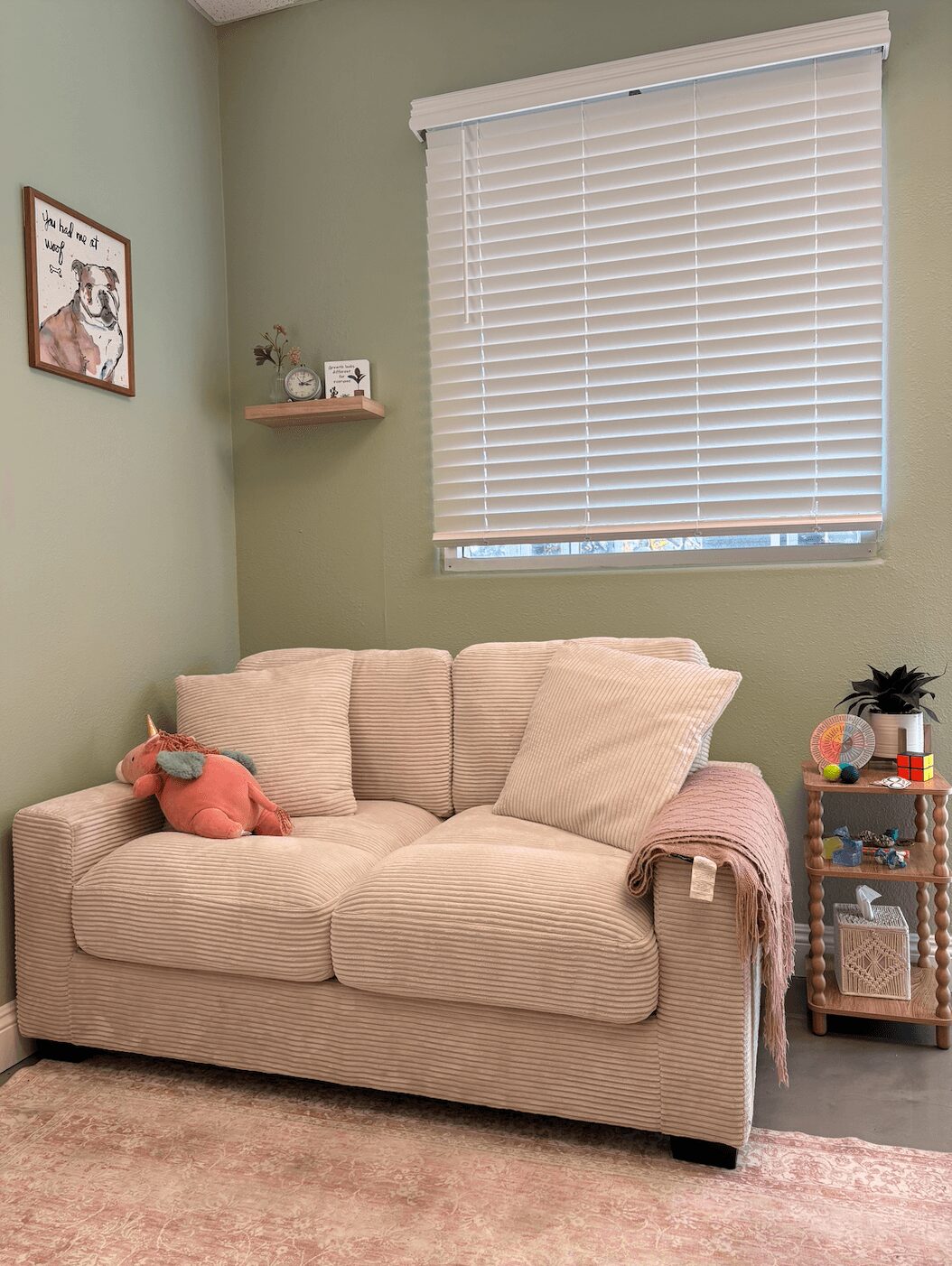
Brand-wise, I’m most proud of creating a physical office. Therapy can already be very inaccessible, let alone in-person therapy. I wanted to provide a space for clients to step out of their stressful environments and feel safe to talk about anything.
Where do you see things going in the next 5-10 years?
I see the mental health industry evolving in a couple different ways over the next 5–10 years. Over the last decade, we have already seen a significant growth in awareness and acceptance towards mental health and therapy. I’m hopeful it will continue to become less and less taboo of a subject.
Another big shift is the increasing use of technology and AI for emotional support. AI tools can be great for things like psychoeducation, reflection prompts, and increasing access to information, however, it can’t replace the importance of human connection. That belief is a big part of why creating a physical office space felt so important to me. As our world becomes more digital and (in a lot of ways) isolated, I anticipate people will crave more genuine, in-person connection.
I also see continued growth in alternative and adjunctive treatment approaches, including the therapeutic use of substances like ketamine and, as research expands, psilocybin-assisted therapy. These modalities are showing promise, especially for trauma, depression, and anxiety, when used ethically and in structured clinical settings. As the field evolves, I think we’ll see a blend of traditional talk therapy, somatic approaches, and carefully integrated medical or psychedelic-assisted treatments.
Contact Info:
- Website: https://www.sagetherapyco.com
- Instagram: @sagetherapy_scv
- LinkedIn: https://www.linkedin.com/in/cianasage
Popular
-

Maagic Collins on Building a Fearless Publishing Platform for Truth, Advocacy, and Underrepresented Voices
-
Los Angeles Barea on Turning Green Superheroes into a Global Movement for Youth-Led Change
-

Trisha DuVivier on Bridging the Franchisor–Franchisee Divide with Workhero and “Franulate”
-

Portraits of the Valley
-

LA’s Most Inspiring Stories
-

Cedar Boschan on Elevating Black Music Rights and Driving Urgent Conversations Around Credit, Equity, and Artist Protection


